2027 Planning a Public Health BS While Working Rotating Shifts

Co-Founder and Chief Data Scientist
A public health BS can fit around rotating shifts, but "online" and "part-time" do not necessarily mean you can study whenever you are off duty. Live classes, exams, group work, and field experiences can collide with changing rosters and needed sleep.
This guide is for workers considering a public health bachelor's degree while staying employed. It shows how to test a program's actual scheduling flexibility, plan a sustainable course load, check transfer credits and costs, and decide whether the degree serves your career goal.
Key Things You Should Know
- Choose courses against your least predictable work weeks, not your average week; confirm exam windows and any required fieldwork before enrolling.
- A public health BS commonly requires about 120 semester credits, but accepted transfer credits may not satisfy major requirements or shorten the course sequence.
- An asynchronous program can reduce commuting without eliminating deadlines, live meetings, or placement hours; get the requirements for your entry term in writing.
What Is a Public Health Bachelor's Degree for Shift Workers?
A public health Bachelor of Science is an undergraduate degree focused on population health: understanding patterns of illness, preventing harm, and designing or assessing responses across communities. It is not a special credential for shift workers. The relevant distinction is whether a particular program's courses and completion requirements can accommodate an unpredictable roster.
For someone already working in a hospital, emergency services, community organization, or another shift-based setting, the degree may connect workplace experience to skills in data interpretation, health communication, and program planning. A BS may include more science or quantitative requirements than a related BA, though the curriculum - not the letters in the degree name - determines the difference.
If your goal is advancement in your current occupation, first check whether your employer requires a bachelor's degree, a specific major, or a different credential. When comparing budget and pacing choices for public health students, weigh required courses and workable scheduling alongside any advertised completion speed.
How Can You Plan a Public Health BS Around Rotating Shifts?
Build your plan from the hardest recurring constraint: the week when shifts rotate, overtime is possible, and recovery sleep is limited. A course load that works during a predictable week may fail when two exams and a schedule change coincide.
Before registration, use this sequence to turn a program's general promise of flexibility into a term-by-term plan:
- Map several recent work rosters, commute time, sleep, and fixed responsibilities; mark study periods you can protect even during a difficult rotation.
- Request syllabi or scheduling details for the next required courses, including deadlines, exam windows, live sessions, and group assignments.
- Ask an adviser which prerequisites must be taken in sequence and how often each required course is offered.
- Start with a load you can sustain during your busiest rotation, then increase it only after testing one term.
- Before a field experience or capstone, ask who approves the site, supervisor, hours, and project; do not assume your existing job will qualify.
When evaluating low-GPA pathways to public health master's study, ask about withdrawal deadlines, leave and re-entry rules, and how a reduced course load affects aid. Shorter calendars can compress deadlines rather than reduce work; budget and pacing choices for public health students are useful only when the proposed pace survives your least flexible shift cycle.
Is an Online or Campus Public Health BS Better for Shift Workers?
Online study is often the better starting point when shift times change, but delivery format alone cannot establish flexibility. An online course with weekly live meetings may be harder to attend than a campus course offered reliably on a day off.
The comparison below separates location from scheduling - the distinction that matters most when your roster rotates.
| Format | Potential advantage | Scheduling risk to verify |
| Asynchronous online | No routine commute or fixed lecture time | Fixed deadlines, short exam windows, group meetings, or daytime placement hours |
| Live online or hybrid | Remote access with regular instructor contact | Required attendance or occasional campus visits |
| Campus-based | In-person support and local connections | Travel and classes tied to specific days and times |
Request the policy on recorded sessions, attendance, exam rescheduling, and required in-person activities for the courses you will actually take. When exploring budget-friendly online public health degrees, compare those obligations as carefully as tuition. A cheaper program is not a bargain if missed required sessions repeatedly delay completion.
Public health BS curricula commonly cover epidemiology, introductory statistics or biostatistics, environmental health, health policy, social and behavioral health, and program planning or evaluation. General education and science requirements vary. Some programs also require an internship, capstone, or other applied work.
For shift planning, identify the least movable requirement in each term. A statistics course may require scheduled testing; a lab may require campus attendance; an applied project may depend on a partner's business hours. Ask whether required courses are offered in multiple terms and whether a missed course delays later prerequisites.
If you discover that quantitative research - not broad undergraduate preparation - is your main goal, compare the BS curriculum with the preparation expected by biostatistics graduate programs for busy professionals before choosing electives. An introductory statistics course alone does not confer graduate-level analytical expertise.
Admission to a university, admission to its public health major, and eligibility to graduate can involve different requirements. Schools may request a high school record or prior college transcripts; transfer applicants may also face minimum coursework or major prerequisites. The institution decides how prior learning applies.
If you have college credit, request an official degree audit showing which courses satisfy general education, statistics, science, major, and residency requirements. Ask about lab equivalencies, course recency, substitutions, and the appeal process before assuming accepted credits will shorten the degree.
Submit every prior transcript, including coursework taken while employed, and keep written decisions. Graduate admissions are a separate process: advice on comparing public health master's recommendation requirements does not describe BS admission rules.
A public health BS commonly totals about 120 semester credits. Four years is a conventional full-time path, not a reliable forecast for someone studying around rotating shifts. Your timeline depends on credits that apply to requirements, course load, prerequisite order, course availability, and any fieldwork schedule. Ask for a degree plan built from your evaluated credits and a course load you can maintain during difficult rotations.
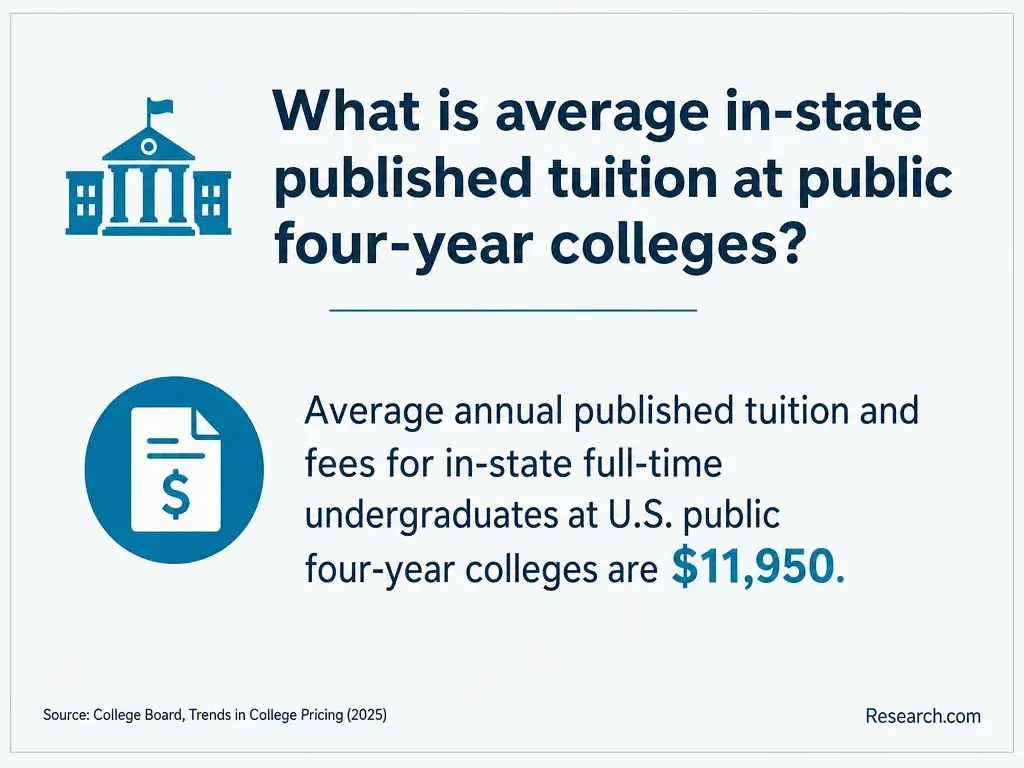
Compare costs using the same planned schedule at each school. Include tuition, mandatory fees, books or software, commuting or campus visits, and any costs tied to unpaid fieldwork. Request a term-by-term estimate and check how enrollment intensity affects financial aid and employer education assistance.
Do not assume a lower per-credit price produces a lower total cost if required courses are unavailable when you can take them. Scholarship comparisons for online MPH net tuition after scholarships concern a later degree; do not use graduate aid figures to budget for a BS.
First, confirm that the university has recognized institutional accreditation; this matters for the degree's standing and may affect aid and credit transfer. Then check whether public health-specific accreditation by the Council on Education for Public Health (CEPH) matters for your intended path.
CEPH accredits schools, programs, and certain standalone baccalaureate programs within defined scopes. Do not assume every degree at an institution is covered because another public health program is accredited. Check the accreditor's listing and ask the school whether your exact BS and entry term fall within its accredited scope. Resources on public health master's programs accredited by CEPH address graduate programs; they are not evidence that a particular undergraduate degree is included.
A public health BS can support applications for community health worker, health education, outreach, program assistant, or entry-level evaluation-support positions, depending on the employer and your experience. Those jobs differ: outreach involves direct community contact; program support may emphasize scheduling and reporting; evaluation support may require stronger spreadsheet and data-handling skills.
If you already work shifts in a health or community setting, document relevant responsibilities - such as explaining services, tracking referrals, training colleagues, or improving a workflow - without disclosing confidential information.
Pair that experience with a supervised class project or approved field placement that demonstrates the tasks in your target job posting. A BS alone does not make someone an epidemiologist, research director, or clinical professional. Research-intensive roles may call for graduate training; compare the actual requirements before treating inexpensive public health research doctorates as a necessary next step.
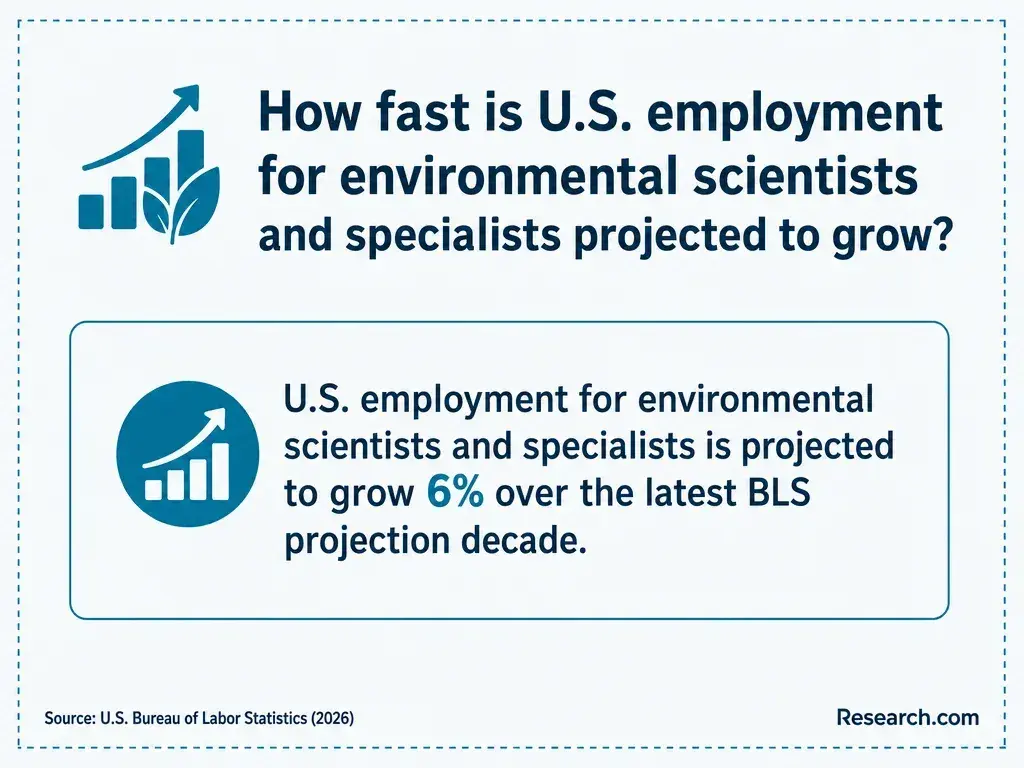
There is no single salary or growth rate for "public health BS graduates." The US Bureau of Labor Statistics reports wages and employment projections by occupation, not by undergraduate major. A community health worker, health education specialist, and epidemiologist have different duties and typical entry requirements, so using one occupation's median as a promised BS outcome would mislead you.
For a useful comparison, identify jobs you could realistically pursue in your location, then check the latest Bureau of Labor Statistics Occupational Outlook Handbook entry for each occupation's wage reference year, projection period, and typical education. Compare those figures with local postings and the pay you would give up - or retain - while studying.
If you are weighing a later graduate degree, career salary ranges for MPH degree holders provide a separate comparison, not an earnings forecast for a BS.
Do Public Health Graduates Need Licensure or Certification?
A public health BS does not grant a clinical license or automatically award a professional certification. Requirements vary by job, state, and credential. For instance, a role involving licensed clinical care requires the applicable clinical qualification, while a health education posting may prefer or require a specific certification.
It is essential to check the issuing organization's current eligibility rules and the wording of local job advertisements before paying for an exam or additional degree.
Do not use certification as a stand-in for a different career objective. A research doctorate develops different capabilities from an entry-level practice credential and is not a licensing requirement for general public health work. If advanced epidemiology research eventually becomes your goal, assess preparation, supervision, and funding separately; online epidemiology doctorate financial assistance is relevant to that later decision, not to qualifying for a BS-level job.
Other Things You Should Know About Public Health
Employment and academic obligations are separate. Ask the school about exam windows and documented rescheduling procedures before the term; negotiate time off with your employer early rather than assuming either side will make an exception.
A rotating roster alone does not automatically establish a disability accommodation. You can still ask about ordinary scheduling flexibility. If you have a qualifying disability, contact the school's accessibility office about its documentation and accommodation process.
Check employer permission, school requirements, and privacy rules first. Use public or appropriately authorized information; remove identifying details only when doing so is permitted and sufficient for the assignment.
Contact your instructor and adviser promptly, review withdrawal and leave deadlines, and ask the financial aid office about consequences before dropping a course. Keep written records of any approved change.
- Undergraduate Student Short-Term Opportunities | cdc.gov https://www.cdc.gov/fellowships/php/opportunities/applying-for-undergraduate-students-opportunities.html
- Internships with VDH - Human Resources - Virginia.gov https://www.vdh.virginia.gov/human-resources/internships/
- Types of Financial Aid: Grants, Work-Study, and Loans | studentaid.gov https://studentaid.gov/understand-aid/types
- Public Health Internships | Wake County Government https://www.wake.gov/departments-government/public-health/public-health-internships
- Credit for Prior Learning | Kansas Board of Regents https://kansasregents.gov/students/credit-for-prior-learning
- Learn by Doing: A Model for Incorporating High-Impact... - PMC https://pmc.ncbi.nlm.nih.gov/articles/PMC6399422/
- Bachelor of Science in Public Health | sfsu.edu https://publichealth.sfsu.edu/bs-public-health
- Pre-Public Health - Academic Catalog https://catalog.uic.edu/ucat/colleges-depts/liberal-arts-sciences/preprofessional-studies/pre-pubh/
- Shift Work, Sleep Health and Interventions | psu.edu https://militaryfamilies.psu.edu/resources/view/shift-work-sleep-health-and-interventions/
- What's the Difference Between Asynchronous and Synchronous Learning? | Ohio State Online https://online.osu.edu/content-hub/blogs/whats-the-difference-between-asynchronous-and-synchronous-learning/