2027 Does a Public Health BS Prepare You for HIV Prevention Program Outreach?

Co-Founder and Chief Data Scientist
A public health BS can teach you how to plan prevention messages and work with communities, but HIV outreach also depends on trust, supervised practice, and training tied to the services you provide. If you are considering the degree - or trying to turn one into an entry-level job - you need to know what coursework can accomplish and what an employer must still teach you.
This guide connects outreach tasks to degree requirements, fieldwork, credentials, and realistic job options so you can choose a program or a more direct route with clearer expectations.
Key Things You Should Know
- Yes, with qualifications: A public health BS can prepare you for entry-level HIV prevention education, referral, and program support; it does not by itself authorize testing, clinical care, or independent counseling.
- Applied experience matters: Look for supervised community work involving nonstigmatizing communication, referral processes, confidentiality, and basic program evaluation - not just an HIV-related elective.
- Compare the job before choosing the credential: Community health worker and outreach positions may accept varied educational backgrounds, while specialist, supervisory, and clinical roles can have different experience or credential requirements.
Does a public health BS prepare you for HIV prevention program outreach?
It can prepare you for the nonclinical parts of outreach, especially when paired with relevant fieldwork. HIV prevention program outreach means engaging people where they live or receive services, sharing accurate prevention information, connecting them with testing or pre-exposure prophylaxis (PrEP) services, supporting referrals, and documenting program activity. The exact duties depend on the organization and its training protocols.
A BS is useful because outreach is more than distributing information. Staff need to understand why access, stigma, cost, transportation, and prior experiences with institutions affect whether someone can use a service. They also need to communicate without making assumptions about a person's identity, behavior, or HIV status. Coursework can build that foundation; supervised practice shows whether you can apply it respectfully.
The degree is not always the shortest route into an outreach position. If you already have community-organizing, peer-support, or service-navigation experience, compare local job requirements with shorter public health study formats and career prospects before committing to a full bachelor's program. Choose the BS when you also want broader preparation and access to positions that require a bachelor's degree.
What HIV prevention jobs can you pursue with a public health BS?
Search by duties as well as title: an HIV prevention program may hire through a health department, community-based organization, clinic, or federally funded service provider. This comparison separates plausible bachelor's-entry work from roles that usually require additional authority or experience.
| Role to investigate | Typical contribution | What to verify in the posting |
| Outreach worker or community health worker | Community engagement, prevention education, appointment navigation, and follow-up | Required community experience, languages, travel, schedule, and training |
| Prevention program assistant or coordinator | Event logistics, partner communication, records, and activity reports | Whether "coordinator" means entry-level support or independent program management |
| Health education specialist | Educational materials, group sessions, and assessment of communication needs | Bachelor's-field requirements and any preferred health education credential |
| Testing or linkage-to-care staff member | Client engagement and connection to approved services | Organization-specific testing authorization, training, supervision, and confidentiality rules |
An entry-level graduate should expect established protocols and supervision, not immediate responsibility for directing a prevention program or interpreting clinical results. If the work you want is advanced program design or evaluation, compare experience requirements before pursuing graduate school; public health master's degree types explained can help distinguish practice-focused study from more specialized routes.
What public health degree requirements support HIV outreach careers?
Most useful BS requirements combine general education, public health foundations, quantitative literacy, and an opportunity to apply what you learn. Requirements vary by school: admission to the university, entry to the major, completion of major courses, and graduation are separate checkpoints.
For outreach, look beyond the degree name. A program should give you practice reading health evidence, explaining it clearly, understanding social and structural determinants of health, and evaluating whether an activity reached its intended audience. Statistics matters for interpreting program reports; it does not mean an entry-level outreach worker must perform advanced modeling.
Before enrolling, request a degree audit showing required courses, elective availability, any internship or capstone, and the remaining credits you must complete. If you may later pursue an MPH, check that program's own admission rules rather than assuming every BS meets them; guidance on addressing prerequisite gaps before MPH enrollment is relevant only if graduate study is part of your plan.
Prioritize courses by the decisions outreach staff make. Social and behavioral health and health communication help you develop clear, nonstigmatizing messages. Epidemiology helps you interpret population-level prevention information without treating a group statistic as a claim about an individual. Program planning and evaluation help you set appropriate objectives and examine whether referrals, events, or materials are working as intended.
Useful electives may cover sexual health, infectious disease prevention, community-based practice, health equity, qualitative methods, or health policy. An elective's title is less important than its assignments: a supervised audience assessment or accessible education material is stronger evidence of outreach preparation than an exam alone. No single elective confers a formal HIV specialty credential.
Take introductory statistics seriously, but match the depth of quantitative study to your goal. Basic data literacy supports outreach reporting; designing complex analyses is a different career path. If that later becomes your objective, consider the demands of balancing employment with a biostatistics master's rather than treating advanced methods as a prerequisite for community outreach.
Some include an internship, practicum, service-learning course, or capstone, but an HIV-specific placement is not guaranteed. Even when a degree requires fieldwork, the school must approve the site and learning activities. A host organization's willingness to take a student does not establish that the placement satisfies academic requirements.
Ask the fieldwork coordinator whether students can work with HIV prevention organizations, who arranges placements, whether placements may be paid, and who supervises students. A strong opportunity might involve developing approved outreach materials, observing community engagement, or helping evaluate referral processes. Client contact, testing, and access to identifiable records require the host's authorization and appropriate training; a student should not assume permission to use client information in a class project or portfolio.
If you are considering an online program, review its specific fieldwork policy alongside its academic description. A directory of online public health bachelor's admissions and coursework can start a comparison, but the school must confirm whether an HIV-focused local placement is possible for your location and entry term.
Yes, some schools offer online public health bachelor's coursework. Online delivery does not make outreach practice virtual: an internship may require in-person hours, a site agreement, daytime supervision, or travel. Group projects and scheduled sessions can also affect students who work during the day.
Compare course delivery and fieldwork separately. Ask whether courses are asynchronous, when required classes are offered, how long each term runs, and whether you can use a local community organization as an approved site. If speed matters, short-session courses for online public health majors may be worth examining, but a shorter class does not remove its workload or a placement's scheduling constraints.
Online study is a good fit when it lets you complete the academic work while gaining supervised, locally relevant experience. It is a weaker fit if the school cannot explain how students in your area obtain approved fieldwork or if its schedule conflicts with the outreach opportunities available to you.
Start with the training required for the particular job. Employers may require instruction in HIV testing procedures, confidentiality, workplace safety, referral practices, or other duties under their own protocols and applicable state rules. Such training is not interchangeable with an academic degree or a general professional credential.
Certified Health Education Specialist (CHES) may be relevant to health education roles, but eligibility depends on the certifying body's current academic requirements and review process; a public health BS does not automatically qualify every graduate. Certified in Public Health (CPH) has separate eligibility pathways and is not a license to provide clinical services. Ask employers whether either credential is required, preferred, or unnecessary before paying for an exam.
Do not confuse certification eligibility with admission to further education. Doctoral public health programs by entry criteria addresses a different decision; a doctorate is not an entry-level HIV outreach credential.
Many nonclinical outreach and program-support jobs do not require either. Requirements change when a role includes regulated clinical services, licensed counseling or social work, independent medical advice, or other duties governed by a state or employer. HIV testing requirements also depend on the setting, jurisdiction, and organization's protocols. Read the duties rather than inferring eligibility from the job title.
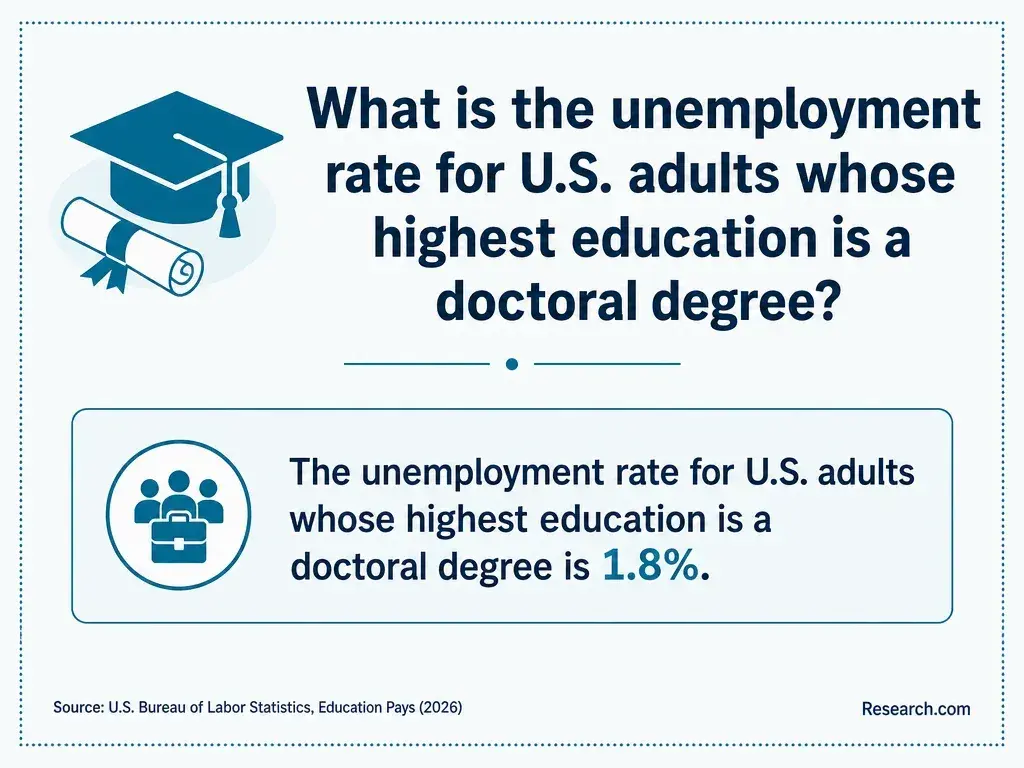
A graduate degree can make sense when your target is advanced evaluation, policy, research, or experienced program leadership - not simply because you want to speak with community members about prevention. A practice-focused doctorate is further removed from an entry-level outreach need; use a public health doctorate career value guide only if your longer-term goal involves that level of responsibility.
If you are changing careers, compare your existing communication and community experience against actual vacancies first. Targeted employer training and supervised outreach may close your gap more directly than another degree.
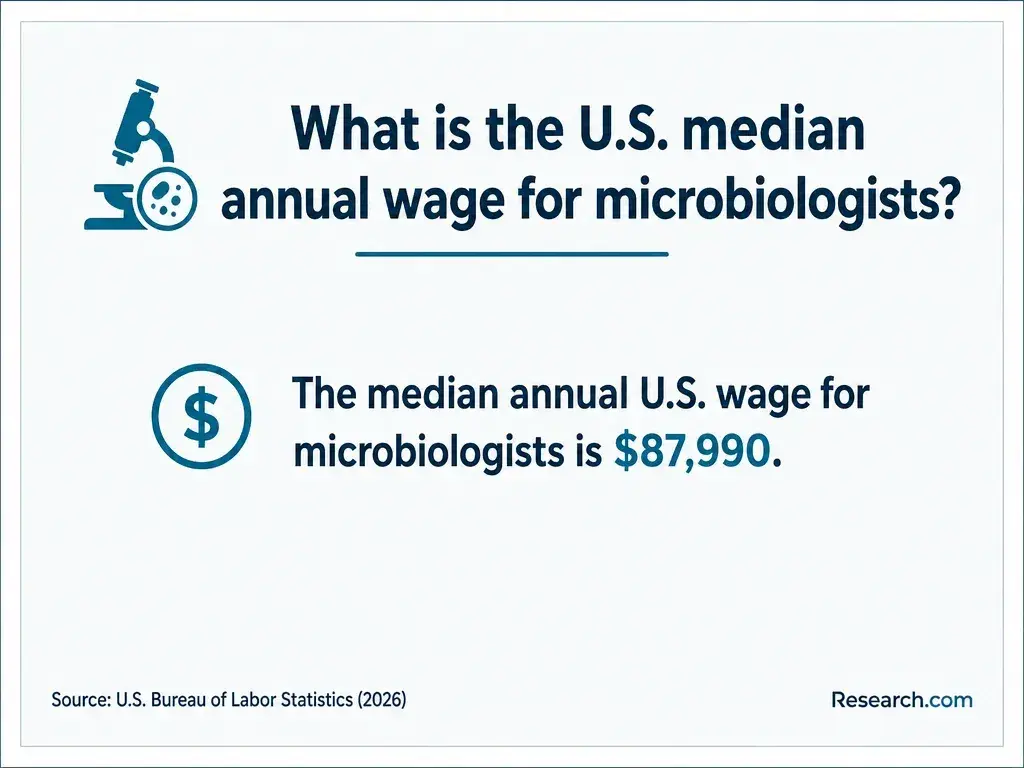
There is no reliable single salary for "HIV outreach" because the label covers community health workers, health education specialists, program assistants, and more experienced coordinators. The US Bureau of Labor Statistics publishes occupation-wide wage and employment outlook data for community health workers and health education specialists. Those figures are useful comparison points, not starting-salary estimates for HIV programs or earnings attributable to a public health BS.
For a decision you can use, compare posted pay ranges for the same duties in your area. Check whether the position is full-time, grant-funded, or temporary; whether evening events and travel are expected; and whether benefits and paid training are included. A higher-paid specialist posting may also require experience that a new graduate does not yet have.
Do not justify an advanced degree using an occupation-wide median wage. If you eventually consider research training, compare its actual cost and career target separately; public health PhD costs and program choices concern a different investment than preparing for entry-level outreach.
How do you choose an accredited public health BS program?
First, verify the institution's accreditation and confirm that the exact bachelor's degree is offered in the format you need. Then check any claimed Council on Education for Public Health (CEPH) accreditation against the accreditor's listing: accreditation of a school, unit, or particular program should not be assumed to cover every degree at an institution.
For this career goal, the strongest comparison is practical. Ask each program for its required course list, HIV- or sexual-health-related electives, fieldwork approval process, placement support, total remaining tuition and fees, and any additional travel or unpaid placement costs. Request examples of the kinds of student work permitted at community sites, without expecting access to confidential client material.
A program with a clear route to supervised community practice may serve you better than one with a more prominent degree label but no workable placement. If you later compare graduate programs, comparing accreditation across online MPH programs requires a separate check of each graduate program's scope; it does not establish the status of a bachelor's degree.
Other Things You Should Know About Public Health
No. Lived experience can inform some peer roles, but it should never be presumed or demanded. Respectful listening, reliable information, community accountability, and appropriate training are essential for everyone.
Only if a particular position requires it. Language skills can improve access, but organizations should also provide qualified interpretation and translated materials where needed rather than expecting staff to work beyond their proficiency.
Not without appropriate permission and safeguards. Follow the organization's privacy rules, and use approved, deidentified work samples when discussing your experience with a future employer.
It can be, if the organization provides a defined role, supervision, and training. Ask what volunteers may do before assuming the experience includes client-facing outreach.
- Limits on Confidentiality | HIV.gov https://www.hiv.gov/hiv-basics/living-well-with-hiv/your-legal-rights/limits-on-confidentiality
- Ethical and Legal Issues on HIV Testing, Policy and the... - PMC https://pmc.ncbi.nlm.nih.gov/articles/PMC5734829/
- Competencies for Public Health Professionals | cdc.gov https://www.cdc.gov/infrastructure/training-professional-development/competencies-for-public-health-professionals.html
- HIV Prevention - StatPearls - NCBI Bookshelf https://www.ncbi.nlm.nih.gov/books/NBK470281/
- Defining the components of street outreach for HIV prevention: the contact and the encounter. | cdc.gov https://stacks.cdc.gov/view/cdc/64450
- About the AIDS Institute - HIV Education and Training https://www.health.ny.gov/diseases/aids/general/about/education.htm
- Bachelor of Science in Public Health | University of South Carolina https://sc.edu/study/colleges_schools/public_health/degrees-programs/undergraduate/bs-ph.php
- Bachelor's Degree in Public Health | University of Kentucky https://academics.uky.edu/programs/bachelors/public-health