2027 From Occupational Health Nursing to Public Health: Choosing a Graduate Pathway

Co-Founder and Chief Data Scientist
Occupational health nurses already work at the intersection of clinical care, prevention, and workplace systems. Moving into public health can expand that work from individual employees to populations, organizations, and policy - but the right graduate pathway depends on the job you want. This guide helps US-based nurses compare an MPH with research and doctoral options, identify skills their nursing experience may not yet demonstrate, and check the practical requirements that determine whether a program is worth its time and cost.
Key Things You Should Know
- For most nurses seeking broader workplace or community prevention roles, an MPH is the most direct graduate option; an MS is usually a better fit for a specific research or analytical goal.
- An active RN license remains necessary for nursing duties. A public health degree does not replace it or independently qualify a nurse for an epidemiologist, industrial hygienist, or executive role.
- Compare the exact curriculum, approved applied experience, accreditation scope, and total expense - not just the degree name or an advertised online format.
What Is the Path From Occupational Health Nursing to Public Health?
The transition begins with a change in the unit of work. Occupational health nursing often involves employee assessment, case management, vaccination, return-to-work coordination, and prevention at a worksite.
Public health roles may instead examine patterns across worksites or communities, design interventions, evaluate outcomes, or shape policy. Both use prevention skills, but population-level work requires evidence beyond clinical judgment about individual cases.
A useful first step is to name the work you want to do. A nurse aiming to improve an employer's respiratory-protection education may need program-evaluation training and authority to lead a project. A nurse aiming to analyze exposure and illness patterns across industries may need stronger epidemiology and quantitative methods.
Either can begin building evidence of readiness through a supervised project, a quality-improvement role, or collaboration with an occupational health department before committing to graduate school.
If you are an RN without a bachelor's degree, first check whether target graduate programs accept your existing degree and offer an RN-to-master's route. A bachelor's completion program may be necessary for some applicants; compressed-term online public health BS pathways are one option to investigate, but they do not automatically award credit for nursing study or replace a required BSN.
Which Graduate Public Health Degree Best Fits Occupational Health Nurses?
Choose by the work you want to perform, not by the highest degree available. For occupational health nurses, the central distinction is usually between broad public health practice and deeper training in a particular method.
The comparison below shows where each graduate route is most likely to add value to an existing nursing background. Program structures vary, so treat these as decision criteria rather than universal curricula.
| Pathway | Best fit for an occupational health nurse | Main limitation to check |
| MPH | Workforce prevention, program leadership, policy, health education, or evaluation across populations | Whether occupational health, environmental health, and applied projects receive enough attention |
| Research-oriented MS | Focused work in epidemiology, biostatistics, exposure research, or another defined specialty | Methods prerequisites, research supervision, and whether the degree provides the practice experience you want |
| DrPH | Experienced practitioners pursuing organizational or population-health leadership | Required practice experience, project access, and the value of doctoral study for the target role |
| PhD | Original research and research-intensive academic or scientific careers | Faculty fit, funding, research feasibility, and a longer training commitment |
For a narrow research goal, a methods course or certificate may be a more proportionate first move than another degree. If a PhD is genuinely the goal, investigate supervision and funding before comparing tuition; finding affordable public health PhD study involves more than locating a low advertised rate.
What Are the Education and Licensing Requirements for Public Health Careers?
An RN license authorizes nursing practice under the applicable state rules; a public health graduate degree does not confer or renew that license. If a new position includes clinical nursing duties, confirm its licensing and, where relevant, multistate practice requirements with the employer and nursing board. Conversely, some public health positions do not require an RN license, though nursing experience may strengthen an application.
Requirements for nonclinical roles depend on the actual tasks. Employers may accept an MPH for prevention or program positions while seeking substantial statistical training for analyst roles.
Industrial hygiene and other technical exposure-assessment jobs may call for specialized science preparation or a separate credential; an environmental health concentration alone should not be treated as equivalent. Nursing and public health certifications have their own eligibility and renewal rules, which should be checked with the issuing organization.
Doctoral eligibility is a separate decision from professional licensure. A DrPH applicant may need to document the scope of practice and leadership responsibilities, while a PhD applicant may need to show research preparation and fit with potential supervisors.
If advanced study is under consideration, comparing online doctorate admission routes in public health can help frame questions, but verify each program's published requirements directly.
Online study can let a working nurse remain employed, but delivery mode does not determine scheduling flexibility. Compare recorded versus live classes, group-work hours, required campus visits, examination arrangements, and whether an applied experience can be completed near your workplace. An existing job or proposed employer project counts toward fieldwork only if the program approves the site, supervision, tasks, and deliverables.
Campus-based programs may offer easier access to laboratories, research teams, and local agency partners. Online programs may offer comparable academic content while requiring more initiative to arrange those connections. Ask both types of program how students obtain occupational-health projects rather than assuming a relevant placement will be available.
Delivery mode also does not establish public health-specific accreditation. When screening CEPH-accredited online MPH programs, confirm that the accreditor's listing covers the specific school, unit, or program and degree you intend to enter.
An MPH typically develops epidemiology, biostatistics, environmental and occupational health, policy, communication, and program-planning skills. For a nurse, the value is learning to use those tools on population-level questions: identifying an appropriate denominator for workplace injury rates, assessing whether surveillance misses contract workers, or evaluating whether a prevention program reaches the intended workforce.
Look beyond course titles to the depth and application of the training. Introductory biostatistics supports interpretation of evidence; it does not by itself prepare someone to lead complex analyses. A research-oriented MS may provide more intensive methods and supervised investigation, while an MPH may provide broader practice and partnership experience.
Nurses pursuing an analyst role should compare assignments, software and data-management expectations, and opportunities to produce work they can discuss with employers. Online biostatistics master's programs for working professionals provide a more specialized comparison when quantitative analysis, rather than general public health practice, is the goal.
Applied learning should also address confidentiality. Employee health records, personnel information, and workplace surveillance data may be subject to different access rules; enrollment in a course does not grant permission to use them.
Graduate programs commonly ask applicants to document prior education and explain their goals, but acceptable degrees, prerequisite courses, GPA policies, references, and tests vary. A nursing background can provide strong evidence of prevention work and professional responsibility. It does not necessarily establish readiness for a quantitatively intensive MS.
Before applying, compare your transcript and experience with each program's stated requirements. If statistics or another prerequisite is missing, ask whether it must be completed before admission, may be taken after admission, or can be satisfied through an approved alternative.
Use your statement to connect a specific occupational-health problem you have encountered with the skills and type of work you seek - not simply to say you want to help more people.
If your academic record is uneven, investigate low-GPA pathways to public health master's study and ask each admissions office how it evaluates recent coursework, professional experience, and any available exceptions. Meeting a minimum requirement and presenting a competitive application are not the same thing.
Completion time depends on required credits, enrollment pace, course sequencing, and fieldwork or research obligations. Full-time and part-time plans can differ substantially; an accelerated schedule is only useful if it accommodates nursing shifts and any required placement. Request a term-by-term plan for the exact format you would enter, including what happens if a required course is offered only periodically.
To compare costs, obtain each school's current tuition schedule and add mandatory fees, books or software, travel, possible unpaid fieldwork, and any reduction in work hours. Do not calculate a degree's value from tuition alone.
Ask your employer whether education assistance applies to this specific degree, what grades or service commitment it requires, and when reimbursement is paid. For online study, investigate online public health master's aid eligibility rather than assuming that admission or employment makes you eligible for every award.
A practical comparison is the net cost of reaching a defined role: total expected education expense and forgone earnings weighed against whether the program supplies skills, experience, and access you cannot obtain more directly.
The most direct moves for many occupational health nurses are into occupational-health program management, workforce health promotion, prevention coordination, and evaluation roles. These can build on clinical credibility while requiring new evidence of budgeting, population-level analysis, partnership work, or policy implementation.
A nurse seeking an epidemiologist position faces a larger functional transition: employers may expect study-design, surveillance, data-analysis, and reporting experience beyond an introductory MPH course.
For each target vacancy, read the duties before the preferred degree. Compare them with projects you have completed and identify which missing capability requires coursework, supervised practice, or experience.
A small, authorized evaluation with a clear measure and a defensible interpretation may be more persuasive than a concentration name alone. Management and research-director positions generally require demonstrated responsibility beyond degree completion.
Doctoral study is worth considering when the intended work actually calls for advanced practice leadership or original research, not merely because it appears to offer another career ladder. Public health doctoral tuition and career comparisons are most useful after you have identified positions for which a doctorate would materially change your preparation or eligibility.
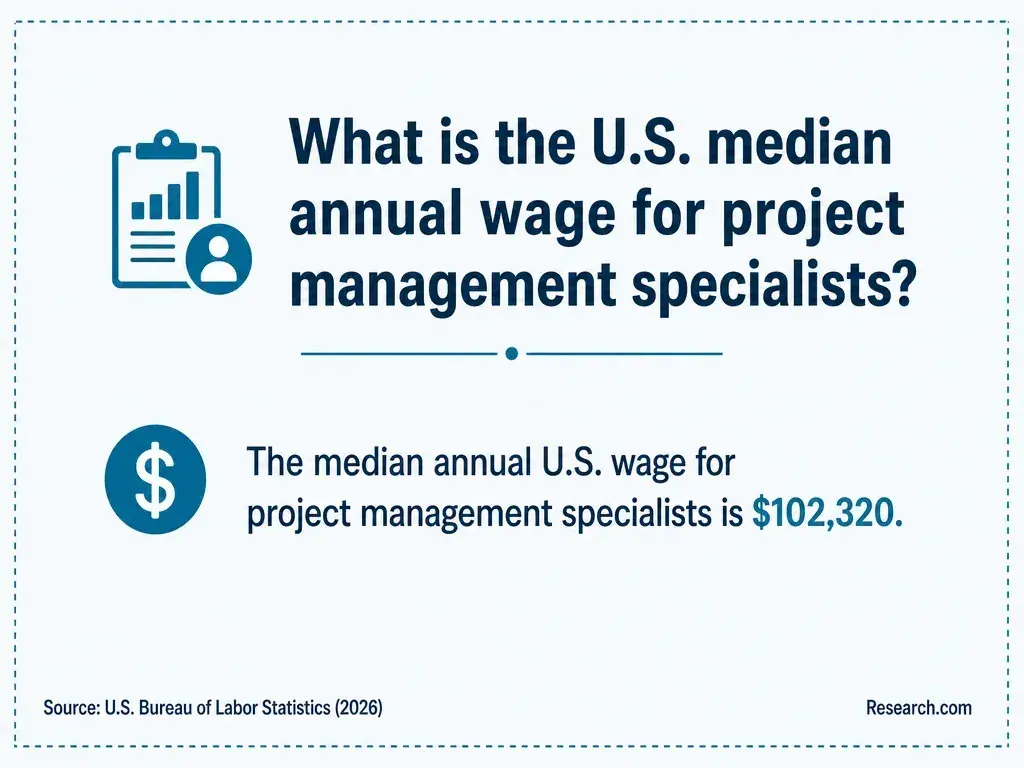
There is no reliable single salary for "public health professionals" or for MPH graduates who previously worked as nurses. Pay varies by occupation, employer, location, seniority, and whether the position remains a licensed nursing job.
The US Bureau of Labor Statistics Occupational Outlook Handbook reports occupation-wide wages and projections for roles such as epidemiologist and health education specialist; those figures describe employed workers in the occupation, not the expected earnings of graduates from a particular program.
For a useful personal estimate, compare local postings for the exact role you want with your present compensation, including shift differentials and benefits. Public-sector pay scales may also make the likely range clearer than a national median.
When evaluating public health master's fees and earning potential, check whether any earnings figure represents a defined occupation, a surveyed graduate group, or an unsupported promise of return.
How Do You Choose an Accredited Public Health Graduate Program?
Start with institutional accreditation, then verify any claimed Council on Education for Public Health (CEPH) accreditation against the accreditor's current listing. Confirm its scope rather than assuming that every degree at an accredited university - or every public health-related program within it - is covered. Also check whether a particular credential or employer specifies an accredited degree.
Next, request the curriculum and recent course schedule. Ask who supervises occupational-health projects, what methods students actually practice, how field sites are approved, and whether you can complete required work without inappropriate access to employee records. Seek a written explanation of tuition and fees and ask career services for outcomes relevant to nurses, not just schoolwide placement claims.
Finally, compare application policies with the same care as academic fit. If securing references is a barrier, public health graduate programs with no recommendation letters may be worth examining - but a convenient application should not outweigh weak curriculum, unsuitable fieldwork, or unclear accreditation scope. The best choice is the program that closes the gap between your current nursing responsibilities and a specific, attainable next role.
Other Things You Should Know About Public Health
Not without the appropriate employer authorization and any required privacy, data-use, and academic approvals. Ask whether a deidentified or publicly available dataset could meet the learning objective instead.
No. Nursing scope is governed by applicable law and your license, not by an MPH or another public health degree.
Not necessarily. Employer-supported training, mentorship, or a supervised evaluation project may be sufficient for a focused improvement goal.
Yes. Describe the population served, prevention problem, collaborators, and your specific contribution; avoid presenting individual patient-care duties as proof of population-level analytical experience.
- SCOPE OF PRACTICE - Nursing Fundamentals - NCBI - NIH https://www.ncbi.nlm.nih.gov/books/NBK610819/
- Accreditation in the U.S. | ed.gov http://www.ed.gov/laws-and-policy/higher-education-laws-and-policy/college-accreditation/accreditation-in-the-us
- Pathways Program for Students and Recent Graduates | Health.gov https://health.gov/careers/pathways-program
- NYS Nursing: RN License Requirements | nysed.gov https://www.op.nysed.gov/professions/registered-professional-nursing/license-requirements
- What Is Public Health Nursing? Career Path and Whether It's Right for You | About the University of Cincinnati https://www.uc.edu/news/articles/2026/04/what-is-public-health-nursing-career-path-and-whether-its-right-for-you.html
- 8 Ways to Pay for Your Nursing School Education | post.edu https://post.edu/blog/how-to-pay-for-nursing-school/
- What's the Difference Between Public Health and Nursing | Excelsior University https://www.excelsior.edu/article/public-health-vs-nursing/
- Growth of Healthcare Graduate Degrees: What You Should Know | Bay Path University https://www.baypath.edu/news/bay-path-university-blogs/post/growth-of-healthcare-graduate-degrees-what-you-should-know/
- MSN/MPH Dual Degree | Rollins School of Public Health | Emory University https://sph.emory.edu/degrees-programs/dual-degree/msn-mph
- Career Opportunities for Nurses with a Master's in Public Health - Valparaiso University https://www.valpo.edu/career-opportunities-for-nurses-with-a-masters-in-public-health/