2027 From Health Department Administration to Public Health: Choosing a Graduate Pathway

Co-Founder and Chief Data Scientist
Health department administrators often know how budgets, staffing, contracts, and reporting shape public services. Moving into public health practice may require different evidence: the ability to assess population needs, interpret data, design programs, or lead cross-sector work. This guide is for public-sector professionals deciding whether graduate study would help them make that move. It compares degrees against specific career goals, then shows how to check curriculum, fieldwork, cost, accreditation, and job requirements before committing. In some cases, a project or targeted training may be the better next step.
Key Things You Should Know
- For a move into population-health programs or policy, an MPH is often the most direct graduate route; a research-intensive MS better fits specialized analytic work, while a DrPH generally serves experienced practice leaders.
- Administrative experience is valuable evidence of budgeting and implementation skills, but it does not by itself demonstrate epidemiology, evaluation, or community-engagement competence. Match the missing skill to the job you want.
- Compare total cost and time away from work - not tuition alone - and verify the exact degree's CEPH accreditation status, applied-work requirements, and employer recognition before enrolling.
What Is the Difference Between Health Department Administration and Public Health?
Health department administration concerns how an agency functions: personnel, procurement, budgets, compliance, records, and service delivery. Public health is the broader field of protecting and improving population health through surveillance, prevention, policy, community partnerships, and evaluation. Administration is part of public health when it supports those activities; it is not a lesser or separate kind of work.
The distinction matters when choosing training. An administrator who wants to manage a larger division may need stronger policy, finance, and leadership skills. Someone who wants to investigate disease patterns or evaluate an intervention needs methods training and supervised analytic work. Before seeking another credential, ask whether an internal assignment - such as helping evaluate a program or improve a reporting process - could provide relevant experience.
If you do not yet hold a bachelor's degree, graduate admission is a later decision. Compare degree-completion requirements and lower-tuition undergraduate public health pathways first; ask each institution how prior coursework would apply to its degree, rather than assuming accepted credits will shorten it.
Which Graduate Degree Is Best for a Career in Public Health?
Choose by the responsibility you want next, not by which degree sounds most advanced. The following comparison shows where common routes fit a health department professional - and where another qualification may be more useful.
| Pathway | Best fit | Important limitation |
| MPH | Population-health programs, policy, preparedness, or practice leadership | A general MPH may not provide enough depth for specialist analytic jobs. |
| Research-oriented MS | Deeper training in a defined field such as epidemiology or biostatistics | Methods preparation and research experience may matter more than existing management experience. |
| MHA or MPA | Advancement centered on health-service operations or public-sector management | Neither necessarily provides the population-health methods found in an MPH. |
| DrPH or PhD | Respectively, advanced practice leadership or sustained research | Both demand a clear purpose beyond obtaining a higher credential. |
An MPH is usually the strongest starting comparison for an administrator moving toward program design or population-health leadership. If your goal is epidemiology research, examine MS and PhD research fit and funding separately; epidemiology doctorate aid and affordability comparisons can help frame questions, but funding must be confirmed with each program. If you want to keep doing operations work, an MPA, MHA, employer training, or a supervised stretch assignment may be more direct than an MPH.
What Public Health Graduate Programs and Career Pathways Are Available?
Within an MPH, a policy or management pathway may build on agency operations experience; community health and evaluation pathways can support a move toward program planning; and epidemiology or biostatistics pathways require closer attention to quantitative depth. A concentration is useful only if its required courses and applied opportunities match the work you intend to do.
A practical progression might be from administrative coordinator to program coordinator, then to program manager after demonstrating responsibility for implementation, partnerships, or evaluation. Moving instead toward an analyst role calls for evidence of data cleaning, appropriate analysis, interpretation, and communication - not merely experience overseeing reports. For advanced leadership, compare a practice-focused DrPH with the responsibilities you already hold and the organizational change you hope to lead. Resources on public health doctorate application accessibility can help identify questions to investigate, but an accessible application is not evidence that a doctorate fits your goal.
An MPH commonly develops foundations in epidemiology, biostatistics, population health, policy and health systems, social and behavioral approaches, and applied public health practice. Programs differ in how far students can pursue evaluation, emergency preparedness, community engagement, leadership, or data analysis. Read course descriptions and required sequences, not just concentration names.
For an administrator, the useful test is whether coursework fills a demonstrated gap. If you already manage contracts but cannot judge whether a program's outcome measures answer its stated question, prioritize evaluation design and interpretation. If you want to become an analyst, check prerequisites, programming or statistical coursework, and opportunities to produce work that an employer can assess. Biostatistics graduate education for employed adults is worth comparing only if the intended role truly calls for sustained quantitative work.
Ask how applied practice, a capstone, or a thesis is supervised and assessed. An existing agency project may be valuable, but school approval, employer permission, appropriate data access, and confidentiality rules are separate requirements.
Neither format is inherently better for a working administrator. Online study may eliminate commuting while still requiring live evening classes, group meetings, campus visits, or fieldwork outside normal hours. Campus study may make faculty contact and local networking easier but create a less workable schedule for someone whose agency duties change during emergencies.
Request a sample term schedule and ask when required courses run, whether sessions are recorded, how group work is arranged, and what happens if work temporarily interrupts enrollment. Also ask whether you can complete an approved applied project at your current agency - and whether doing so would give you genuinely new responsibilities. Prior experience with intensive online public health bachelor's classes may help you judge your preferred pace, but it does not establish the workload or scheduling flexibility of a particular graduate program.
Most applicants should expect a completed bachelor's degree and an application showing academic preparation and professional purpose. Specific GPA policies, prerequisites, tests, recommendations, and experience requirements vary by school and degree. An administrative job can strengthen an application when you explain its population-health relevance, the decisions you influenced, and the skills you now need; a job title alone conveys less.
Before applying, compare the published requirements for your intended concentration with your transcript. Quantitative MS programs may expect more mathematics or statistics than a generalist MPH. If you lack a course, ask whether the school treats it as required before admission, allows completion before enrollment, or offers another route. Guidance on addressing prerequisite gaps before MPH enrollment can help you prepare those questions; only the program can confirm an exception or waiver.
Full-time master's study often takes about two academic years, but part-time pacing, course availability, and applied requirements can change the timeline substantially. Doctoral study generally requires a longer commitment. Treat a school's advertised minimum as a planning scenario, not a completion promise.
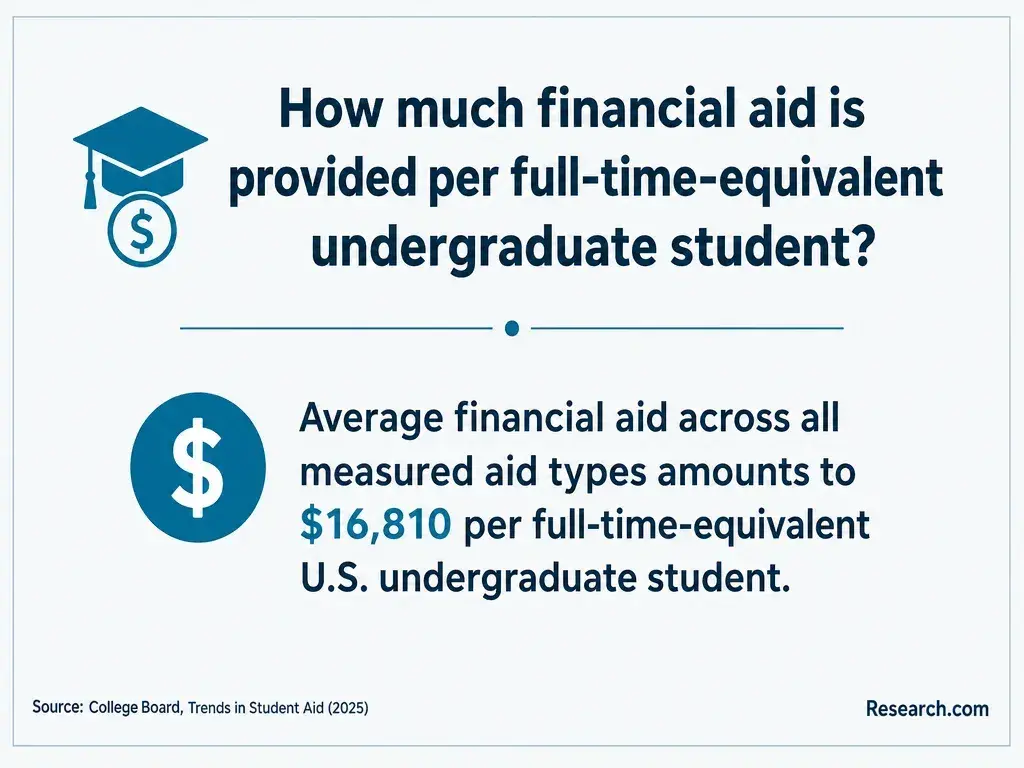
Build a written estimate that includes tuition and mandatory fees across all required credits, plus books or software, travel, possible unpaid fieldwork, and any reduction in earnings. For a public employee, also check whether tuition assistance covers the proposed degree, imposes grade or service conditions, or requires advance approval. If considering a doctorate, comparing public health doctorate tuition and length is a starting point; obtain the current charges and progression rules directly from each institution.
The financial question is whether the education enables work you realistically want and could not reach as efficiently through experience or shorter training. A hoped-for promotion should not be counted as guaranteed repayment.
The Council on Education for Public Health (CEPH) accredits eligible public health schools and programs against public health education standards. That is distinct from an institution's broader accreditation. Check CEPH's current listing and the institution's documentation for the accredited school or program, the degree you plan to pursue, and its status for your intended enrollment period.
CEPH accreditation is an important quality and eligibility consideration, but it does not tell you whether a specific concentration offers the courses, agency partnerships, or supervision your transition needs. Some undergraduate and graduate options also differ in how they sit within an accredited school or program. If you are considering earlier-stage study, use public health BS programs and career preparation to develop comparison questions, then verify each degree's actual accreditation scope rather than inferring it from the university's name.
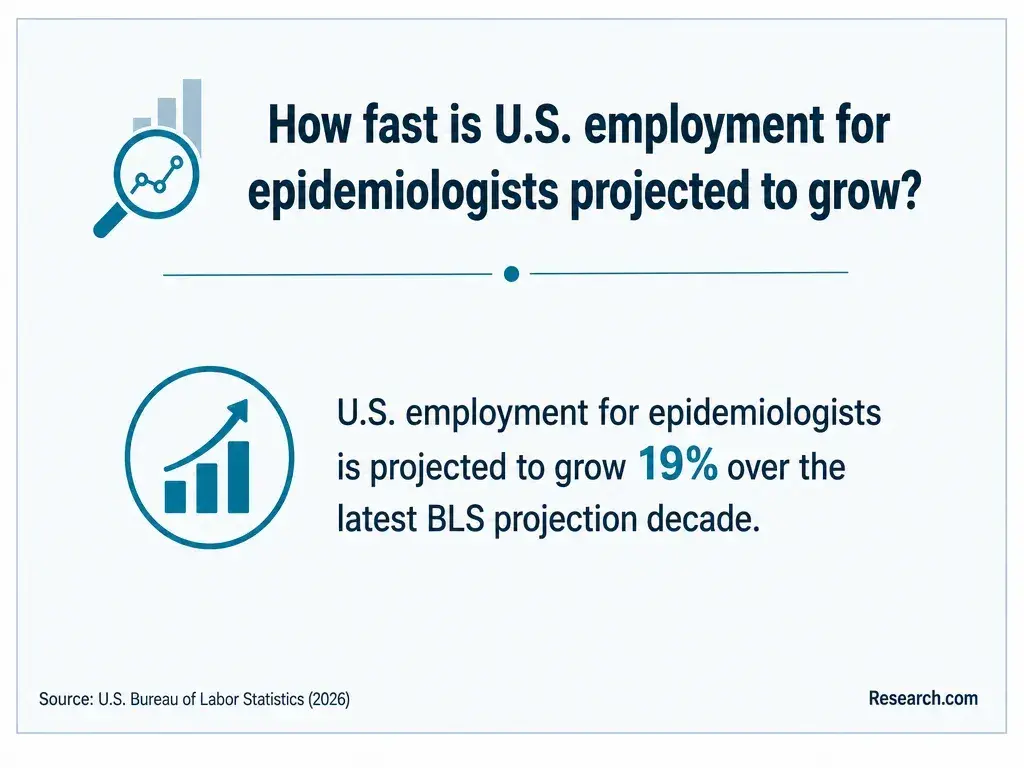
Relevant destinations include health department program coordination and management, preparedness planning, policy analysis, program evaluation, epidemiology, and research support. These are different jobs: a program manager coordinates people, budgets, and delivery; an epidemiologist studies patterns of disease or exposure; an evaluator assesses whether a program was implemented and what its evidence can support. A degree can provide preparation, but employers may also require specific methods skills and prior experience.
For pay comparisons, use the US Bureau of Labor Statistics occupation that matches the target job's duties, then examine actual public-agency postings and pay grades. An occupation-wide median is not an MPH graduate salary, and a national figure may poorly represent a county or state position. Public health degree timelines and salary considerations can frame the comparison, but local salary schedules, hiring rules, and the duties you can document should carry more weight in a public-sector decision.
Before enrolling, collect several postings for the role you want. Separate required credentials from preferred ones, and note whether the missing qualification is a degree, a technical skill, or demonstrated responsibility. That exercise makes the educational investment easier to judge.
Do Public Health Careers Require Licensure or Professional Certification?
Many public health administrative, program, and analytic jobs do not require a general public health license. Requirements depend on the position and jurisdiction. Regulated clinical work still requires its own professional license; an MPH does not confer one. Some employers value credentials such as Certified in Public Health (CPH) or Certified Health Education Specialist (CHES), but eligibility and exam requirements come from the certifying organization and must be checked for the specific credential.
If a posting names a certification, confirm whether it is required at hire or can be earned later. If it instead asks for program-management experience, certification may not close the gap. Likewise, compare affordable graduate public health career preparation with the narrower training a target role requires; do not buy a full degree to solve a problem that supervised experience or a specific course would address.
Other Things You Should Know About Public Health
Describe your responsibilities, decisions, and methods without disclosing protected information, restricted findings, or internal documents. Obtain agency permission before sharing work products.
It can help if you need a recommendation, scheduling support, or project access. First review your agency's policies and decide what support you will request; applying need not depend on a supervisor's endorsement unless a program requires one.
Skills in budgeting, partnerships, implementation, and public accountability can transfer. Laws, funding arrangements, civil-service rules, and community priorities differ, so tailor your examples to the destination agency.
Seek a defined, supervised assignment outside your usual administrative duties, such as helping plan an evaluation or interpret a public report. Record what you learned and which skills you still need.
- Standing in the gap: The academic and professional divide between health administration and health policy - PMC https://pmc.ncbi.nlm.nih.gov/articles/PMC10060522/
- Students & Recent Graduates | U.S. Office of Personnel Management https://www.opm.gov/policy-data-oversight/hiring-information/students-recent-graduates/
- Public Health Agencies: Their Roles in Educating... - NCBI - NIH https://www.ncbi.nlm.nih.gov/books/NBK221185/
- Accredited Health Department List - Healthy People 2030 https://odphp.health.gov/healthypeople/objectives-and-data/data-sources-and-methods/data-sources/accredited-health-department-list
- Choosing Your Path in Public Health - Make an Impact | Columbia MSPH https://apply.publichealth.columbia.edu/choosing-your-path-in-public-health-chapter-7
- An Overview of State and Local Public Health Agencies | gwu.edu https://hsrc.himmelfarb.gwu.edu/cgi/viewcontent.cgi
- Answering 8 Common Questions About Grad School Requirements | UMass Global https://www.umassglobal.edu/blog-news/answering-8-common-questions-grad-school-requirements
- Public Administration Jobs: Careers You Can Get With an MPA | SIU Carbondale https://onlinedegrees.siu.edu/programs/business/master-public-administration/mpa-careers/
- A Comprehensive Guide to Master's Degrees in Public Health | Bouvé College of Health Sciences https://bouve.northeastern.edu/news/public-health-degrees/
- Public Health vs. Healthcare Administration | JWU Online https://online.jwu.edu/blog/public-health-vs-healthcare-administration/