
2027 MPH Tuition Guarantees: Checking Fees and Concentration Exclusions

Co-Founder and Chief Data Scientist
An MPH tuition guarantee can make a program's advertised price look predictable while leaving fees, fieldwork expenses, or your preferred concentration outside the promise. For applicants comparing offers, the important figure is not simply the locked tuition rate, it is the cost of completing the specific degree pathway they intend to take.
This guide explains how guarantees work, where exclusions commonly arise, and what to request in writing before paying a deposit or committing to a program.
Key Things You Should Know
- A tuition guarantee usually fixes a defined tuition charge, not every expense; check whether it applies per credit, per term, or to the full program.
- Confirm coverage for your exact MPH concentration and entry term: specialized courses, cross-school enrollment, and later concentration changes may fall under different rates.
- Compare the projected completion cost, required credits plus fees, fieldwork, travel, and possible extra terms, rather than relying on the advertised tuition figure alone.
What Does an MPH Tuition Guarantee Cover?
An MPH tuition guarantee is a school-defined promise about tuition pricing under stated conditions. One program might hold a per-credit rate steady for eligible students; another might quote a fixed price for a prescribed sequence of courses. Neither arrangement necessarily guarantees the amount you will ultimately pay.
Read the policy for its unit of coverage and its duration. A fixed per-credit rate still leaves the total dependent on how many credits you take.
A program-price promise may depend on continuous enrollment, a standard course sequence, or completion within a specified period. Ask whether the promise applies to summer courses, repeated courses, credits beyond the minimum, and a return after an approved leave.
Keep the guarantee separate from scholarships and employer assistance. Those can have their own renewal or eligibility rules. If you are weighing the cost of public health graduate study, compare the school's guaranteed charge with the amount you would owe if conditional aid ended.
Which MPH Fees Are Excluded From Tuition Guarantees?
Unless the written policy says otherwise, treat a tuition guarantee as covering tuition only. Mandatory university or program fees may change even when the tuition rate does not. Charges associated with completing an MPH can also arise outside the school's bill.
The distinction matters because these expenses respond to different decisions. This table separates charges to check with the bursar from costs that may depend on your courses or practicum placement.
| Cost category | Examples | Possible effect of a tuition guarantee |
| Institutional fees | Technology, student services, online-course, or graduation fees | Often outside a tuition-only promise; confirm each charge |
| Course-related expenses | Books, software, supplies, or charges for specialized instruction | May depend on course selection and billing policy |
| Applied practice expenses | Travel, required screening, or time away from paid work | May not appear on the university bill |
| Extended enrollment | Additional credits, repeated courses, or extra terms | May be covered at the locked rate, charged separately, or excluded |
A lower advertised tuition rate can still produce a higher completion cost when excluded charges or extra terms are substantial. Compare itemized estimates alongside public health degree options with lower tuition, rather than treating a guarantee as proof that one program is the least expensive.
Do MPH Tuition Guarantees Apply to Every Concentration?
A guarantee may apply to the general MPH curriculum but exclude a concentration delivered by another school, an executive or accelerated track, or courses billed at a separate rate. An epidemiology elective also does not establish that the student is enrolled in a formally covered epidemiology concentration.
Ask the program to identify the exact degree, concentration, delivery format, campus, and entry term covered by its policy. Then match the degree plan against the tuition schedule: Who bills each required course? Are concentration electives charged at the MPH rate? Would switching concentrations preserve your original rate?
Comparing graduate public health degree and concentration options can help clarify which curriculum fits your goal. Use the school's own degree plan and billing policy, not the concentration's name, to establish what its guarantee covers.
There is no reliable single price for an MPH: required credits, tuition units, residency classification, aid, and completion time differ by institution and student. Without a named program's published rates and your intended course plan, a precise total would be misleading.
Build a comparison using required credits × the applicable tuition rate, then add mandatory fees, likely course expenses, and fieldwork-related costs. Model a second scenario in which you need an additional term or course. If you plan to reduce work hours, include the resulting loss of income as a personal opportunity cost, not as a university charge.
Speed can change that calculation, but a shorter calendar does not automatically mean fewer credits or less tuition. When considering shorter public health study formats and career prospects, check whether the pace is feasible alongside employment and the required applied practice experience.
Online study may reduce commuting or relocation costs, but it may carry technology or distance-education fees. Campus study may involve local travel or moving costs while offering different access to on-site resources. Neither format is inherently cheaper; the relevant comparison is the same student's projected cost to finish each program.
Check whether online and campus students pay the same tuition, whether residency affects either rate, and whether a guarantee applies equally to both formats. Ask about live-session times, campus visits, and practicum location rules before assigning a value to online flexibility.
For someone choosing quantitative coursework around a job, biostatistics graduate programs for busy professionals offer a related comparison, but their schedules and tuition policies should not be assumed to match an MPH's.
Verify the institution's recognized accreditation and the public health program's status with the Council on Education for Public Health (CEPH). Check the scope of CEPH accreditation: a school, public health unit, or individual program may be covered, and the specific MPH you are considering should fall within that scope. Institutional accreditation alone does not establish CEPH coverage.
Accreditation is a separate question from price protection. A tuition guarantee does not establish program quality, and CEPH accreditation does not mean fees are included in a guarantee. Likewise, an MPH's accreditation status should not be presumed to describe a different degree at the same institution.
If a research doctorate is your longer-term goal, investigate its own academic and funding arrangements when reviewing economical routes to a public health PhD.
An MPH generally combines population-health foundations with applied work; the exact courses, credits, and sequencing are program-specific. Review the catalog for required training in areas such as epidemiology, biostatistics, policy, and program planning, then identify which courses belong to your concentration. A course outside the standard plan can matter financially if the guarantee excludes additional or cross-school credits.
Ask how the program approves and assesses its applied practice experience and integrative learning requirement. A placement may need an approved site, supervision, and defined deliverables. Even if tuition for its associated course is locked, travel, scheduling changes, or unpaid time can affect your budget.
If preparation for quantitative coursework is a concern, ask which foundations are required before entry and which can be completed during the program; some schools describe routes for MPH admission when some requirements are incomplete.
MPH admission commonly involves evidence of prior undergraduate study and an application explaining the applicant's interests, but prerequisites, recommendations, tests, and experience expectations vary.
A background outside public health does not automatically rule out admission; the relevant issue is whether the particular program requires preparation you have not yet completed.
For a tuition guarantee, admission status deserves close attention. Ask whether it begins with admission to the MPH, enrollment in a particular concentration, or the first billed course. If you are admitted conditionally, find out whether preparatory courses are covered and whether they count toward the degree.
Applicants whose recommenders may not be available can compare public health master's applications without recommender submissions, while confirming each program's actual requirements before applying.
An MPH can support work in public health programs, health education, policy, evaluation, or epidemiology, depending on the graduate's concentration, technical preparation, and experience.
It does not itself confer clinical licensure or guarantee a particular job. An applicant already working in a health department may be comparing advancement options; a career changer may also need supervised projects or relevant entry-level experience.
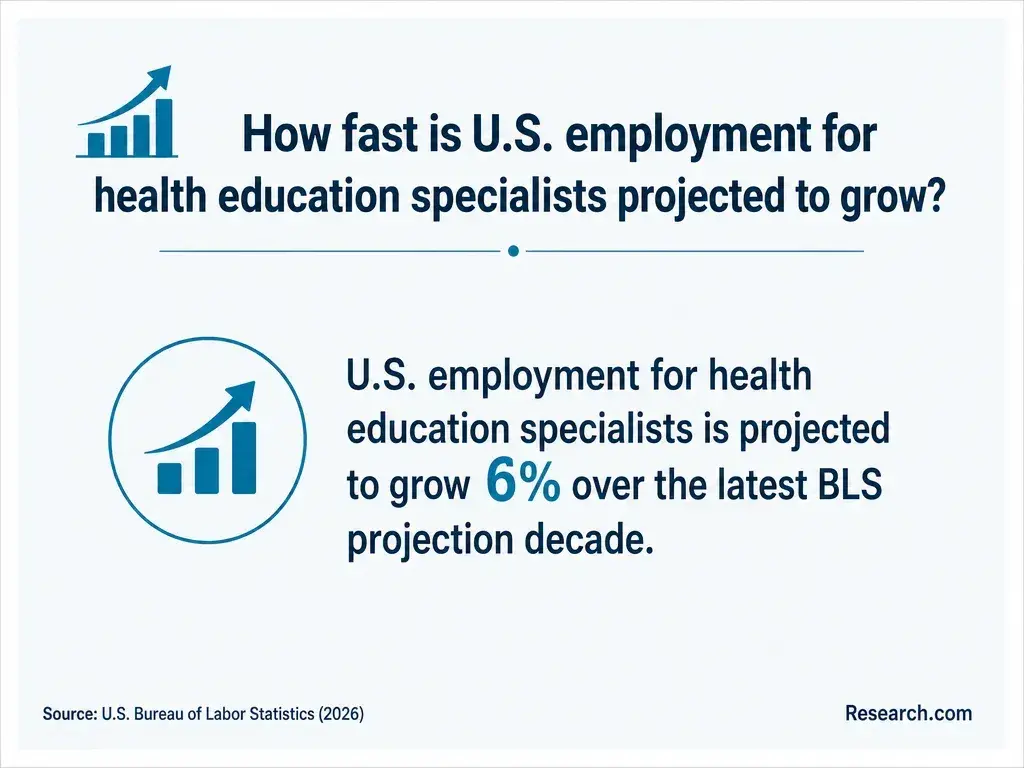
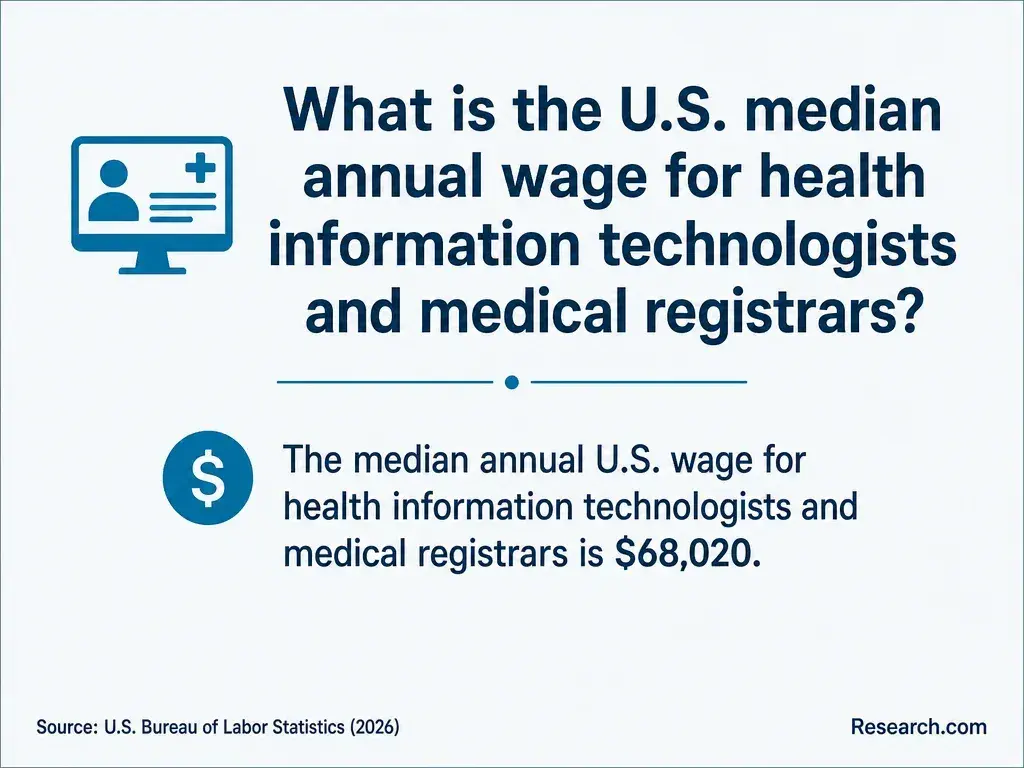
Use occupation-specific U.S. Bureau of Labor Statistics wage and outlook data for a role you actually intend to pursue, such as epidemiologist or health education specialist. An occupational median describes workers in that occupation, not starting pay for MPH graduates or the return on one program's tuition.
If your target role accepts a bachelor's degree plus experience, compare that route before financing graduate study; comparing accelerated public health undergraduate schedules may be more relevant for someone who has not yet completed a bachelor's degree.
How Can You Verify an MPH Program's Tuition Guarantee?
Request the policy and an itemized estimate for your intended entry term before you commit. A general webpage may omit exceptions that appear in the catalog, offer letter, or student account terms. The following sequence helps turn a marketing claim into a usable comparison.
- Obtain the written guarantee and confirm its covered degree, concentration, format, student category, and entry term.
- Ask the bursar or financial office to identify the covered tuition unit, excluded fees, and charges for additional or repeated credits.
- Ask the MPH program for the required course sequence, concentration billing details, practicum rules, and conditions for keeping the guarantee after a pause or change of track.
- Request an itemized estimate for normal completion and an additional-term scenario; retain the dated responses with your offer documents.
Admission flexibility and price protection are different policies. If you are considering online MPH programs with flexible entry criteria, confirm that your particular admission status qualifies for the guarantee. When the catalog and an adviser's email appear to conflict, ask the office that administers the charge to resolve the discrepancy in writing.
Other Things You Should Know About Public Health Programs
Only if its terms say so. Ask whether an approved leave preserves your original rate and whether there is a deadline for returning.
Not automatically. The locked rate may apply while the repeated credits still create an additional charge; check both the pricing and academic policies.
Possibly, but the policies are separate. Confirm covered expenses, payment timing, and any conditions your employer places on reimbursement.
Do not assume the MPH guarantee extends to the other degree or to shared courses. Request a written billing plan for both programs before changing your enrollment.
- Master of Public Health (MPH) | National University https://www.nu.edu/degrees/healthcare-leadership/programs/master-public-health/
- Program: Public Health, MPH - Claremont Graduate University https://bulletin.cgu.edu/preview_program.php
- Ohio State Tuition Guarantee - University Registrar | The Ohio State University https://registrar.osu.edu/student-hub/tuition-and-fees/ohio-state-tuition-guarantee/
- Residency Classification - One Stop Student Services https://onestop.utk.edu/registration-records/residency-classification/
- Tuition and fees: Master of Public Health | ufl.edu https://phhp.ufl.edu/academics/masters-programs/mph/admissions/cost/
- Toledo Tuition Guarantee FAQs | utoledo.edu https://www.utoledo.edu/offices/treasurer/tuition/guarantee/faq.html
- Program: Public Health, Epidemiology Concentration, M.P.H. | sdsu.edu https://catalog.sdsu.edu/preview_program.php
- Tuition and Fees | Columbia University Mailman School of Public Health https://www.publichealth.columbia.edu/become-student/how-apply/financial-aid/tuition-fees
- Online MPH Programs | University of California, Berkeley https://publichealth.berkeley.edu/academics/online
- Residency Classification - Office of the Registrar | Innovative Learning https://www.purdue.edu/registrar/records/personal/residency/


