2027 Choosing Public Health BS Coursework for Public Benefits Navigation Organizations

Co-Founder and Chief Data Scientist
A benefits navigator helps people work through eligibility rules, applications, referrals, and follow-up - not simply find a list of services. If you are choosing public health BS coursework for a nonprofit, clinic, or community organization, the best schedule depends on those daily tasks. This guide identifies the courses and supervised experiences that build useful skills, shows where a public health degree has limits, and explains what to verify before spending time or money on a program.
Key Things You Should Know
- Prioritize health policy and social services systems, communication, community health, and basic evaluation; test those skills in supervised navigation-related work.
- A public health BS commonly takes about four years of full-time study, but transfer decisions and course scheduling determine an individual student's timeline.
- Check institutional accreditation and the exact scope of any CEPH accreditation; neither accreditation nor the degree itself qualifies someone to give legal advice or practice a licensed profession.
What Is a Public Health BS for Benefits Navigation Careers?
A public health Bachelor of Science is an undergraduate degree focused on population health, prevention, health systems, and the conditions that shape access to care. In benefits navigation, that perspective helps staff understand why an eligible person might still face language, transportation, documentation, digital-access, or administrative barriers.
The degree is preparation for the work, not a benefits-navigation credential. Navigators may help clients understand application steps, connect with an authorized enrollment assister, document referrals, and follow up within their organization's procedures. Program rules and individual eligibility decisions belong to the relevant agency or authorized decision-maker.
Choose the BS if you want broad public health preparation alongside direct service or program support. If your goal is advanced policy analysis or a different specialist role, compare the actual curriculum and entry requirements rather than assuming the undergraduate major leads to it automatically; this overview of public health master's specialization comparisons can help frame a later decision.
Which Public Health BS Courses Prepare You for Benefits Navigation?
Build your schedule backward from the work: explaining options accurately, communicating respectfully, coordinating referrals, and spotting where a process loses people. Course titles vary, so compare syllabi and assignments rather than relying on a concentration label.
The table connects useful course areas to tasks a student could reasonably practice before graduation. It also shows what classroom study cannot establish on its own.
| Course area | Navigation-related use | What to seek in an assignment or placement |
| Health policy and health systems | Understand how public programs, coverage, and service organizations interact | Compare authoritative program guidance and explain when to refer a case to a specialist |
| Social and behavioral sciences | Recognize practical barriers without making assumptions about clients | Analyze a service-access problem with community input |
| Health communication | Explain steps in plain language and check understanding | Draft and revise an accessible referral or application guide |
| Program planning and evaluation | Track referrals, follow-up, and process gaps | Define useful measures and their limitations using permitted data |
| Introductory statistics or data literacy | Interpret counts and rates in service reports | Identify missing data and avoid treating an association as proof of impact |
If electives are limited, favor policy and communication first for client-facing work; add evaluation and statistics if you expect to improve workflows or report to funders. Advanced epidemiology training serves a different purpose: grant-supported epidemiology doctoral pathways are relevant to specialist research goals, not a prerequisite for navigation.
How Does a Public Health Degree Support Benefits Navigation Organizations?
A well-chosen BS can help a navigation team do more than process individual requests. A graduate might help map referral partners, revise confusing outreach materials, compare where referrals stall, or summarize service patterns for a supervisor. Those contributions require local program training and community feedback; a classroom model cannot establish what clients at a particular organization need.
For an applied project, a useful question is whether people receive a timely next step after a referral. The organization would first define what counts as a referral and follow-up, determine who may access records, and decide how findings will be used. Protecting identifiable information matters more than producing a polished dashboard.
Organizations generally do not need a doctoral researcher to make routine workflow improvements. Finding affordable public health PhD study becomes a separate consideration only if a person's goal shifts toward sustained, research-intensive work; it is not a substitute for staff time, permissions, or partner relationships.
First, confirm that the institution holds recognized institutional accreditation. Then check whether the public health school, unit, or specific undergraduate program is accredited by the Council on Education for Public Health (CEPH), and whether your exact BS falls within that scope. Accreditation of a university - or of its MPH - does not by itself establish CEPH coverage of its BS.
Ask the program for its current accreditation status, degree requirements, and any implications it claims for future study or credentials. Verify credential eligibility separately with the credentialing body. Funding is another separate question: even when comparing public health master's university award comparisons for future study, an advertised award says nothing about the accreditation scope of your undergraduate degree.
Choose the format that lets you complete the right courses and obtain credible supervised experience. An online BS may make lectures easier to fit around work, but scheduled discussions, group assignments, exams, and field placements can still require fixed hours. Campus study may make local agency connections easier, while commuting can reduce time available for paid work or volunteering.
Before enrolling, ask whether core courses run every term, which sessions require live attendance, who finds placement sites, whether your current workplace can be proposed as a site, and what approvals it would need. A workplace role does not automatically satisfy an internship. Compare the full schedule and cost of affordable online public health degrees with nearby campus options, not online tuition alone.
Requirements depend on whether you are entering as a first-year student or transferring. A school may admit you to the institution before admitting you to the public health major; the major may have separate prerequisite or grade requirements. For transfer students, accepted credits do not necessarily fulfill statistics, major, general education, or residency requirements.
Send transcripts and relevant course descriptions to the institution, then request an official degree audit showing what remains and when required courses are offered. Ask who can approve a substitution before planning around one. Graduate admissions rules are different: public health master's reference requirement comparisons should not be read as requirements for entering an undergraduate BS.
A full-time student entering after high school commonly plans for about four years. Transfer credits, part-time enrollment, prerequisite order, and placement availability can shorten or extend that path. Get a term-by-term plan from an adviser before treating an advertised completion time as your own.
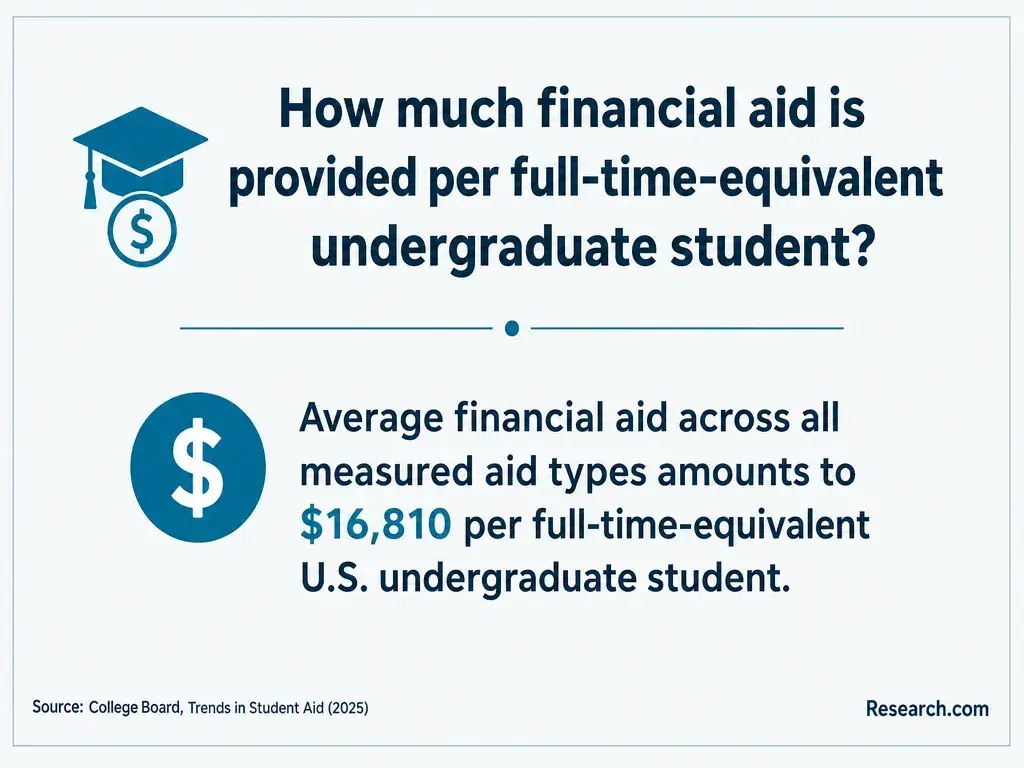
Compare total remaining tuition and mandatory fees, books or technology, travel to fieldwork, and earnings you may forgo during unpaid hours. Ask financial aid staff how your enrollment pace affects aid eligibility, and obtain a written estimate based on the courses in your degree audit. If you already hold a bachelor's degree and only need a few navigation skills, employer training or targeted courses may cost less than a second BS. Likewise, tuition-conscious pathways to a public health master's are worth comparing only when a graduate qualification serves a defined career goal.
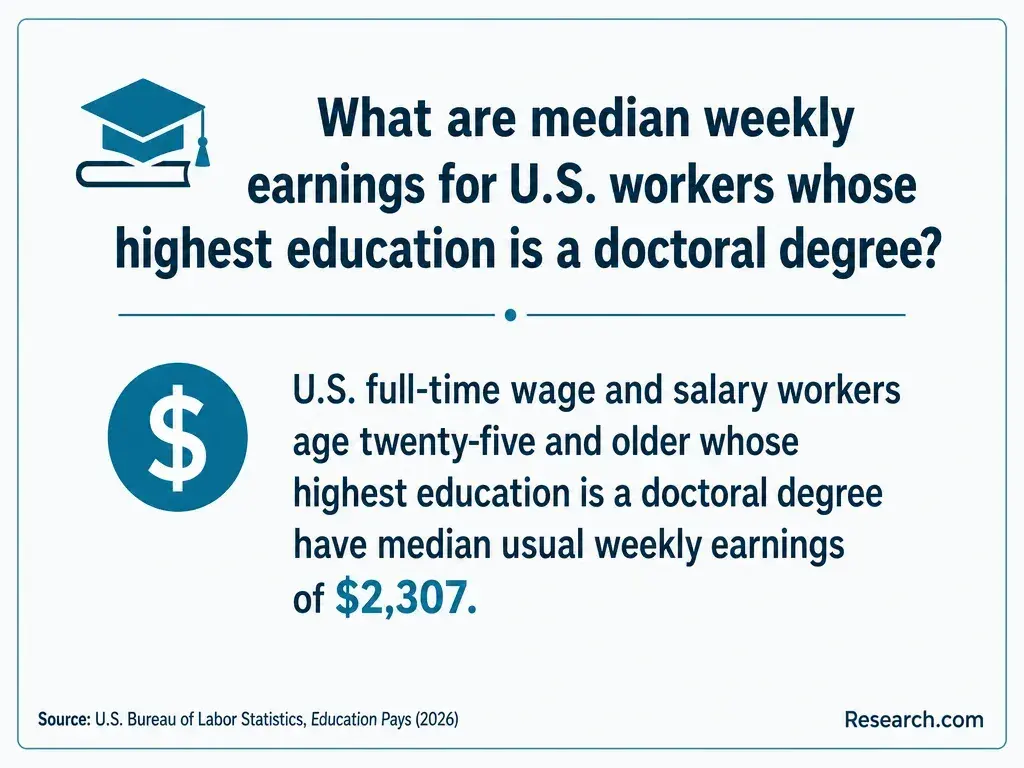
There is no single salary or employment projection for "benefits navigator" or for everyone with a public health BS. The U.S. Bureau of Labor Statistics' community health worker occupation is a useful, but imperfect, comparison for roles centered on outreach and connecting people with services. A job focused on applications or case coordination may be classified differently.
Use the latest BLS occupation profile and local postings together: compare the posting's actual duties, location, pay range, and experience requirements before applying an occupational median to your decision. The median describes workers across that occupation - not starting pay, nonprofit pay, or earnings caused by a BS. For a distinct graduate-level comparison, the MPH salary and career earnings outlook should likewise be read by occupation rather than as a promised return on a degree.
Do Benefits Navigators Need Public Health Certifications or Licensure?
A public health BS does not confer a clinical license, authorization to give legal advice, or automatic certification as a benefits assister. Some positions require employer training, a state-specific community health worker credential, or authorization tied to a particular enrollment program. Check the exact job posting and the responsible state agency or program before assuming a credential is required - or that your degree satisfies it.
Public health credentials such as CPH and health education credentials such as CHES have their own eligibility rules and serve different purposes from program-specific assister training. More academic study does not override those rules: public health master's admissions exceptions explained concern entry to a degree, not permission to perform regulated or authorized navigation tasks.
Other Things You Should Know About Public Health
Ask whether assignments use current guidance from the responsible agencies and require students to verify changes. No static textbook can replace an organization's ongoing policy updates.
No. Ask about training in accurate interpretation, translated materials, confidentiality, and when to use a qualified interpreter rather than relying on conversational fluency.
Usually only with the organization's permission. Remove client identifiers and restricted information, and describe your own methods and contributions without claiming results the organization has not approved for release.
Ask your supervisor which tasks you are ready to take on next and what training they require. A focused policy, communication, or evaluation course may address that gap more directly than enrolling in a full degree.
- Competencies for Public Health Professionals | cdc.gov https://www.cdc.gov/infrastructure/training-professional-development/competencies-for-public-health-professionals.html
- Education - Think Cultural Health - HHS.gov https://thinkculturalhealth.hhs.gov/education
- Care Coordination and Patient Referral Sources | Integration Academy https://integrationacademy.ahrq.gov/products/playbooks/moud-playbook/coordinate-care/care-coordination-and-patient-referral-sources
- Lessons Learned by Health Care Organizations When... - PMC https://pmc.ncbi.nlm.nih.gov/articles/PMC10682338/
- Public Health (PUBH) | The George Washington University Bulletin https://bulletin.gwu.edu/courses/pubh/
- Program: Public Health [BS] - Eastern Michigan University https://catalog.emich.edu/preview_program.php
- Bachelor of Science in Public Health https://clas.wayne.edu/public-health/programs/bs
- BA & BS Selectives | UW School of Public Health https://sph.washington.edu/phgh/requirements/selectives