2027 MPH Budget Planning for Students Reducing Paid Work Hours

Co-Founder and Chief Data Scientist
Reducing paid work hours for an MPH changes more than your tuition bill: it changes the income available to cover rent, insurance, and everyday expenses while you study. This guide is for prospective and current US-based MPH students deciding how much work they can afford to give up. You'll learn how to calculate the funding gap, compare program schedules, account for applied practice, and test whether aid or paid opportunities can close it. The goal is a budget you can sustain through graduation - not just the first semester.
Key Things You Should Know
- Budget the reduction in take-home pay across every affected term, including summers and required fieldwork - not just the tuition charge.
- Compare three cash-flow scenarios: current work hours, reduced hours, and a heavier study or fieldwork period. An aid award does not necessarily arrive when bills are due.
- Before committing, obtain a term-by-term cost estimate, the program's actual scheduling and applied-practice requirements, and a written aid offer; scholarships and assistantships are not guaranteed.
How much should MPH students budget when reducing paid work hours?
There is no responsible universal amount. Your target is the cash-flow gap created by studying: education charges plus changes in living expenses and lost take-home pay, minus reliable funding and income you will actually receive. Use take-home pay rather than gross wages so taxes and payroll deductions are not counted as spendable money.
Build the estimate by term, then by month. A term total can look affordable even when a tuition payment is due before an aid disbursement or when rent continues through an unpaid summer placement.
- Record current monthly take-home pay and the amount expected at your proposed work schedule. Multiply the difference by the number of months that schedule will apply.
- Add each term's tuition, mandatory fees, and education-related expenses, then add any household costs that will increase, such as childcare or replacement health coverage.
- Subtract only confirmed grants, approved employer support, dependable paid work, and savings you are willing to use. Show loans separately: they cover cash needs but increase future obligations.
- Check the resulting month-by-month balance against bill dates and retain a reserve for expenses or hours that do not follow the plan.
Run a second version in which fieldwork limits your paid hours more than coursework does. If either version depends on an unawarded scholarship or uninterrupted overtime, reduce the proposed course load or work-hour cut before enrolling. Comparing cost and duration of public health master's degrees can help identify programs worth requesting detailed, term-specific estimates from.
What expenses should an MPH budget include beyond tuition?
Ask each school for its published cost of attendance, but adapt it to your actual household. The school's allowance is an aid-budgeting figure, not a promise that its estimate will cover your rent or caregiving costs. This table separates charges from expenses that may be easy to miss.
| Cost category | What to verify | Why reduced work hours matter |
| Mandatory charges | Program, technology, graduation, and other required fees; whether charges are per credit or term | Fees can remain payable during a lighter course load. |
| Course materials | Books, software, equipment, and any required access subscriptions | These may be due before aid reaches your account. |
| Applied practice | Placement travel, parking, screenings, and whether approved work can satisfy any requirement | A placement may displace paid shifts even if it has little direct tuition cost. |
| Household expenses | Housing, food, childcare, transportation, and health insurance | Lower earnings do not automatically lower fixed bills. |
| Timing costs | Deposits, summer enrollment, continuation charges, and possible extra terms | A delay extends the period in which earnings may be reduced. |
Request an itemized estimate for your intended credit load, not a headline price for the whole degree. For an initial comparison, comparing lower-tuition MPH programs is useful, but the least expensive advertised tuition may not produce the smallest household funding gap.
How can MPH students replace lost income while studying?
Start with options that preserve income without creating an unsustainable schedule: an agreed reduction or redistribution of shifts, employer education assistance, a paid placement that the school approves, or a paid research or teaching role. Ask about eligibility, hours, duration, and whether the opportunity continues through summer. An assistantship that requires substantial work may simply replace one scheduling conflict with another.
Grants and scholarships can reduce the amount you need to earn or borrow, but distinguish an award offer from an application opportunity. Compare awards against the full program bill, check renewal conditions, and ask when funds are disbursed. A public health master's scholarship and net-price guide can help frame that comparison; only a school's offer establishes what you will receive.
If the remaining gap requires more borrowing than you can comfortably repay under a conservative post-graduation earnings scenario, reconsider the pace or start date. Staying employed longer, taking fewer courses, or completing targeted training instead of an MPH may be the financially stronger choice.
An online MPH may remove commuting or relocation costs, but it does not necessarily let you keep all your work hours. Live sessions, group meetings, proctored activities, campus visits, and applied practice can still compete with shifts. Campus study may add travel costs while offering access to on-site roles or services that are valuable to a particular student.
Compare the formats using the same intended course load and work schedule. Ask for required meeting times, time-zone expectations, campus visits, placement rules, fees, and the frequency with which required courses run. The better financial option is the one with the lower total household gap, not automatically the lower travel bill.
First confirm that you are comparing graduate programs for which you are eligible. If completing a bachelor's degree is the immediate obstacle, an public health BS program selection guide addresses a different decision; an online bachelor's route should not be treated as an MPH substitute.
MPH completion time depends on credits required, course availability, enrollment intensity, and the timing of applied practice and final projects. A faster schedule can shorten the period of reduced earnings but require a deeper cut in paid hours each week. A slower schedule may protect monthly income while extending fees, living expenses, and exposure to a delayed graduation.
Ask the program for a course sequence showing when each required class and applied experience is offered. Then price two realistic schedules using the same assumptions about wages and household bills. Pay particular attention to a placement that cannot begin until prerequisites or site approval are complete; finishing coursework does not necessarily mean the income disruption has ended.
Applicants who have not completed a bachelor's degree need to budget that prerequisite separately. Online public health bachelor's accelerated class options may affect the time until MPH eligibility, but short classes alone do not establish an affordable or manageable path to both degrees.
US students may be considered for institutional scholarships, external awards, employer assistance, assistantships, and federal graduate loans, depending on eligibility and the program. Submit the FAFSA when applicable, then ask each financial aid office for an award estimate based on your planned enrollment. Confirm the school's enrollment threshold for loan eligibility, satisfactory academic progress rules, annual borrowing limits, and whether summer study or a placement is covered.
Compare aid by certainty and timing, not just the stated award amount. A renewable award may have credit-load or academic conditions; employer reimbursement may arrive only after a course is completed; and a loan disbursement may not meet an earlier deposit deadline. Ask the school what happens to your package if you drop a course or change pace.
Keep admissions and funding requirements separate. A program's policy on recommendation letters does not establish a scholarship's requirements; MPH application options without academic references can simplify one part of applying, but you must check each award's criteria independently.
Most MPH applications center on a completed bachelor's degree, academic record, statement of purpose, and any program-specific recommendations or experience expectations. Prerequisites, test policies, deadlines, and application systems vary. A background outside public health does not by itself rule out admission; check whether a particular concentration expects prior statistics, biology, or other preparation.
Admissions requirements also affect a work-hours budget. An unfinished prerequisite, an unexpected application deadline, or a required preparatory course can postpone entry or add costs. Before reducing shifts, obtain the program's written requirements for your entry term and ask when outstanding coursework must be finished. If grades are a concern, applying to an MPH with a lower GPA calls for a program-specific assessment rather than assuming either automatic admission or rejection.
Check both the institution's recognized institutional accreditation and the Council on Education for Public Health (CEPH) accreditation status and scope. CEPH may accredit a school, an academic public health unit, or an individual program; confirm that the MPH you intend to enter is covered. Ask the program or consult the accreditor's current directory rather than assuming that every degree at an institution shares the same status.
Accreditation is a quality check, not proof that a schedule or price fits your life. Also examine published completion information, advising, placement support, and the policies governing leaves or changes in enrollment. Flexible admissions and program quality are separate questions: when comparing flexible public health master's entry routes, verify accreditation scope and the conditions for completing any outstanding requirements.
An MPH can support work in program planning and evaluation, health education, community partnerships, policy analysis, and epidemiology-related roles when the graduate also has the skills and experience the employer requests. For someone cutting work hours, the useful career question is whether the program's courses and supervised projects build evidence for a specific target role. For example, an evaluation applicant may need a credible work sample and experience handling program data, not merely an MPH concentration name.
Review actual job postings for your target setting, then compare their required methods, experience, and credentials with what you already have. Ask whether a paid project, a different role with your current employer, or targeted training would close the gap at lower cost. An MPH does not confer clinical licensure or guarantee a management position.
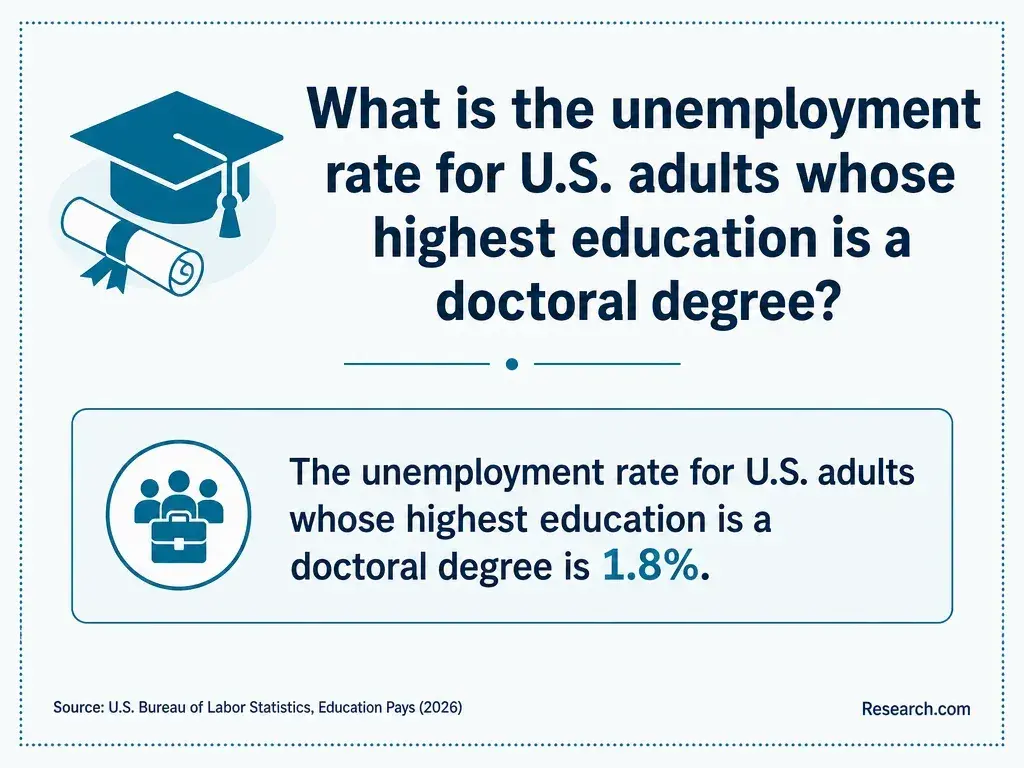
Doctoral study is generally a separate decision, not a default next step to justify an MPH's cost. Public health doctoral programs with broader entry options may be relevant later to a defined leadership or research goal, but admission flexibility does not remove their time and funding demands.
What salaries and job outlook can MPH graduates expect?
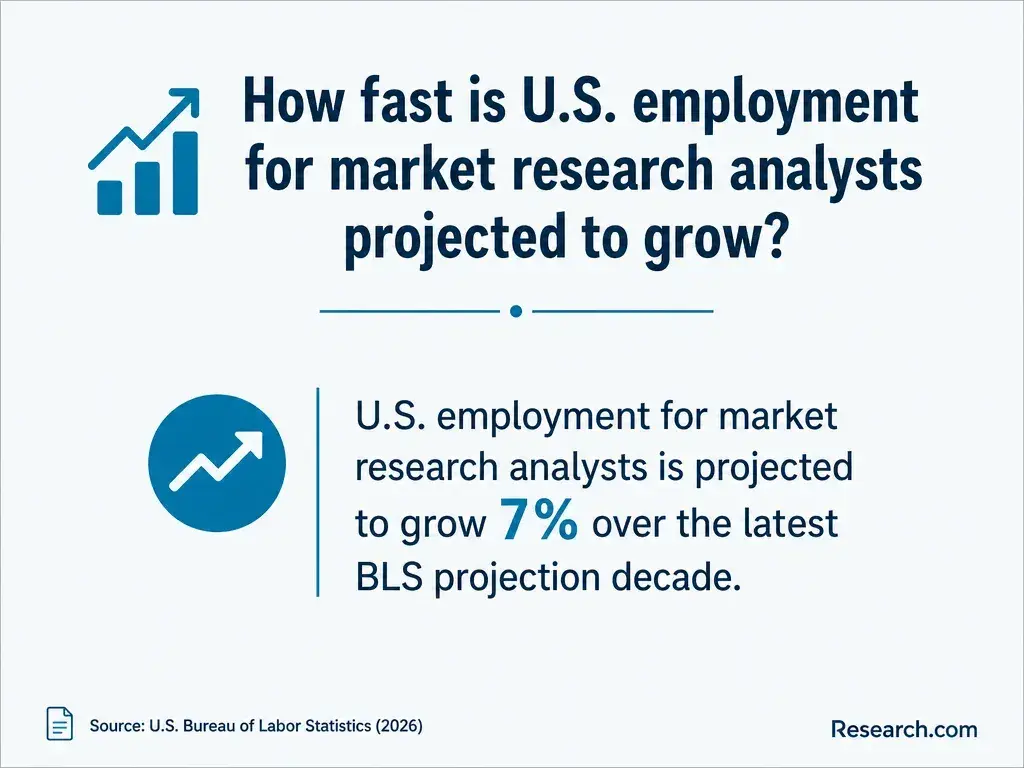
There is no single MPH salary or job-growth rate. The US Bureau of Labor Statistics reports wages and projections for occupations - not for everyone holding a particular degree. An epidemiologist, health education specialist, and community health worker have different tasks, entry expectations, and labor markets. Even an occupation's national median is not a new graduate's expected offer.
For a borrowing decision, identify the closest occupation to your target job, check the latest Bureau of Labor Statistics Occupational Outlook Handbook wage and projection figures for that occupation, and compare them with local postings that match your experience. Test repayment against a cautious starting-pay scenario, not a national median or a hoped-for promotion. If your goal is specifically advanced quantitative analysis, graduate biostatistics degree options for career advancement may warrant comparison with an MPH - but only if you meet their preparation requirements and the target jobs call for that depth of training.
Other Things You Should Know About Public Health
Potentially. Qualified room and board expenses are subject to enrollment and school cost-of-attendance limits. Check the current plan and tax rules, and confirm your school's published allowance before withdrawing funds.
No. Aid eligibility and institutional award policies differ, and a change in earnings may not be reflected immediately. Ask the financial aid office whether it can review a documented change in circumstances.
Yes. Ask your employer whether the new schedule changes eligibility or premiums before you commit to it. If coverage will end, compare replacement options and their effective dates as part of your budget.
Do not budget for it without an eligibility determination. State rules depend on why hours fell and whether you meet work-availability requirements; voluntarily reducing hours to study may not qualify.
- Tax Withholding Estimator | Internal Revenue Service https://www.irs.gov/individuals/tax-withholding-estimator
- An essential guide to building an emergency fund | consumerfinance.gov https://www.consumerfinance.gov/an-essential-guide-to-building-an-emergency-fund/
- Work-Study Jobs | Federal Student Aid https://studentaid.gov/understand-aid/types/work-study
- How To Get Out of Debt | Consumer Advice https://consumer.ftc.gov/articles/how-get-out-debt
- MPH Practicum - Washington University Bulletin - WashU https://bulletin.wustl.edu/publichealth/mph/practicum/
- Why is My Paycheck Different? - busfin.uillinois.edu https://www.busfin.uillinois.edu/paying_people/payroll__benefits/understanding_your_paycheck/earning_statements/why_is_my_paycheck_different
- Study: Working During College Leads to Higher Earnings Later | rutgers.edu https://smlr.rutgers.edu/news-events/smlr-news/study-working-during-college-leads-higher-earnings-later
- Saving for Periodic Expenses - Current Students | Austin Community College District https://students.austincc.edu/money/saving-for-periodic-expenses/
- USC - Online Master of Public Health Program https://keck.online.usc.edu/mph/program/
- Graduate Tuition and Aid | umd.edu https://sph.umd.edu/admissions/tuition-and-aid/graduate-tuition-and-aid