2027 Budgeting for an Unpaid MPH Applied Practice Experience

Co-Founder and Chief Data Scientist
An unpaid MPH applied practice experience can strain a budget even when the host site charges nothing. You may still owe tuition, pay for travel, or reduce your hours at work. This guide is for MPH students planning a placement and applicants comparing programs.
It explains how to estimate the full cost, find possible support, and judge whether a site offers enough supervised practice to justify the financial commitment. The goal is a budget you can use before accepting a placement, not a surprise bill halfway through it.
Key Things You Should Know
- Budget the placement as required school charges + added expenses + lost earnings − confirmed support; an unpaid site does not mean a cost-free experience.
- CEPH-accredited MPH programs assess applied competencies and require practice products, but the school sets its placement procedures and may impose additional conditions. Confirm those rules before committing.
- Compare sites by approved tasks, supervision, schedule, and total cost. A remote site may reduce travel expenses without reducing the time you must reserve for fieldwork.
What Is an Unpaid MPH Applied Practice Experience?
An MPH applied practice experience, often called an APE, is supervised work through which a student applies public health skills in a practice setting. An unpaid APE provides no wages from the host for that work.
Depending on school policy, a project might involve developing health communication materials, supporting a program evaluation, or preparing an analysis for a community organization. The student must still meet the MPH program's approval, competency, and assessment requirements.
An APE is not interchangeable with a general volunteer role, an undergraduate internship, or an MPH integrative learning experience. Its academic requirements can determine when the work occurs and whether tuition is due during that term. Students comparing earlier degree routes, including intensive online public health bachelor's classes, should check each credential's fieldwork rules rather than assume they match an MPH APE.
How Much Does an Unpaid MPH Applied Practice Experience Cost?
There is no reliable universal price. The cost depends on the program's enrollment rules, the site's location and schedule, and the income you give up. A useful estimate is required school charges + placement-specific spending + lost take-home pay − confirmed funding or reimbursement. Keep ordinary living expenses in a separate baseline, then add any increase caused by the placement.
The components below distinguish charges from opportunity costs. That matters when comparing an apparently convenient placement with one that requires fewer unpaid hours away from a job.
| Cost component | What it may include | Why the amount varies |
| School charges | APE course tuition and mandatory term fees | Credit load, enrollment term, and program policy |
| Placement spending | Travel, parking, equipment, or required clearances | Site rules and on-site attendance |
| Lost earnings | Take-home pay from shifts or hours you cannot work | Schedule flexibility and available leave |
| Added household costs | Childcare or other care needed during placement hours | Timing and household support |
Ask the program for the actual charges and required time commitment before calculating a total. Published comparisons of affordable accelerated public health pathways can provide tuition context, but a shorter academic schedule is not proof of a cheaper or easier APE.
How Can MPH Students Pay for an Unpaid Practice Experience?
Start with support that is available for your placement term, not funding you expect to receive in general. Ask the financial aid office whether your APE enrollment meets its aid rules, and ask the practice office about placement grants, emergency aid, travel support, or paid sites. Availability and eligibility vary; do not include an award in your budget until it is confirmed.
These questions help separate possible funding from money you can count on:
- Will an employer reimburse the APE course or allow a paid, approved project during normal work hours?
- Can a host cover travel or equipment even if it cannot pay wages?
- Would a different term preserve more paid work hours without delaying graduation?
- If using loans, what additional borrowing and repayment burden would the placement create?
A placement at a current employer may reduce lost income, but the program must approve the project and supervision. Ordinary job duties may not qualify. When comparing total borrowing, resources on comparing tuition with public health graduate outcomes are context, not evidence that a particular APE will pay for itself.
Build a term-by-term worksheet before accepting an offer. Record each expense, when payment is due, who pays it, and whether the amount is confirmed or estimated. Include the APE course, mandatory fees, commuting or temporary housing, childcare, required screenings or clearances, equipment, and any costs of maintaining enrollment if the project runs late.
For lost earnings, compare your expected take-home pay under the placement schedule with what you would otherwise earn during the same weeks. Do not count every placement hour as lost pay if you would not have worked those hours. Leave room for revisions or meetings outside the usual site schedule, especially if you also have caregiving responsibilities.
Keep optional training separate from expenses required to finish the APE. For example, career-compatible online biostatistics study may be worth considering for a later analytical goal, but it should not inflate the placement budget unless your program or approved project actually requires it.
For an MPH covered by Council on Education for Public Health (CEPH) accreditation, the APE must provide opportunities to demonstrate public health competencies through practice products.
CEPH's criteria call for at least two work products; students should confirm the applicable competency-mapping and assessment rules with their program. CEPH does not set one universal placement schedule or stipend, so school-specific requirements can materially change your budget.
Confirm that the particular MPH degree is within the accredited school, unit, or program's scope. Then request the APE handbook and ask how approval, supervision, products, and enrollment work.
A site's willingness to host you is not the same as academic approval, and permission to access data is separate from either one. Students considering CEPH-accredited MPH degree options online should apply these checks to the exact degree and entry term they are considering.
MPH students can complete unpaid practice experiences when the MPH program approves the site, project, supervision, and work arrangement. An online course format does not necessarily make the APE remote or asynchronous. A local health department may require daytime visits; a remote nonprofit project may still require scheduled team meetings and access to approved systems.
Before enrolling, ask whether the school helps secure local or remote sites, permits placements where you live, requires campus visits, and approves projects at a current workplace. Also ask how long site approval takes. These answers matter more to the placement budget than the word "online" alone.
Keep the immediate APE decision separate from future education plans. A student considering research training after an MPH may later consult an online public health PhD tuition guide, but doctoral tuition does not change whether an MPH placement is feasible now.
Start with the program's approved partners and placement coordinator, then consider organizations whose work matches the competencies you need to demonstrate.
Government agencies, community organizations, and health systems may offer useful projects, but a recognizable name alone does not establish good supervision or an affordable schedule.
Ask the proposed supervisor and academic coordinator the following questions before accepting:
- What problem will the project address, and what products can I realistically complete?
- Who will supervise the work, how often will we meet, and who provides feedback?
- Which hours require live attendance or travel, and who pays placement expenses?
- What approvals govern data access, confidentiality, and any use of products in a portfolio?
Choose a site where you can do substantive, authorized work rather than mainly observe. If prior academic difficulties affect your program search, guidance on academic recovery before applying to an MPH addresses that separate admissions issue; it does not replace site or project approval.
Compare the cost and feasibility of completing the APE, not just advertised tuition. Ask each program for its APE handbook and a written explanation of placement support, course charges, required hours or scheduling, remote-site policies, and what happens if a site withdraws. Find out whether a student must locate a host independently and whether an existing job can be used with an approved new project.
Published tuition is most useful when paired with the terms in which you must enroll. A lower-priced program may cost more overall if its placement schedule forces substantial lost income; a higher-priced one may be workable if you can keep your job.
Admissions features, such as public health master's applications without recommender submissions, can help narrow a school search, but they reveal little about APE costs or site support.
It can help when the project produces evidence of skills an employer needs: for example, an evaluation plan, an accessible communication product, or a documented improvement to a program workflow.
The benefit depends on the work performed, supervision, feedback, and what you are permitted to describe or share. An unpaid placement is not a promise of a job offer, and a student should not accept an unaffordable site solely for its name recognition.
Match the project to a plausible next role. Someone seeking community program work may gain more from implementation and partner coordination than from a project limited to data cleaning.
A student targeting analysis should look for appropriately supervised methods work and lawful data access. Guides to public health master's concentrations and careers can help identify those skill differences; the site still needs to provide the relevant tasks.
Which Public Health Careers Offer Strong Salary and Job Outlook?
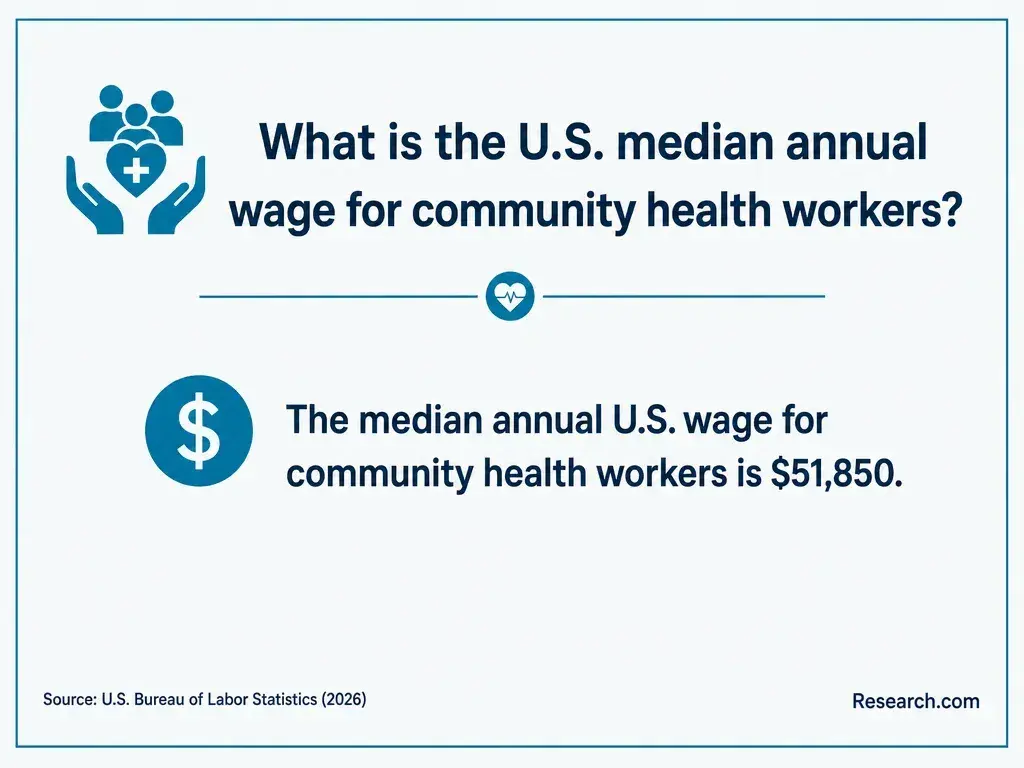
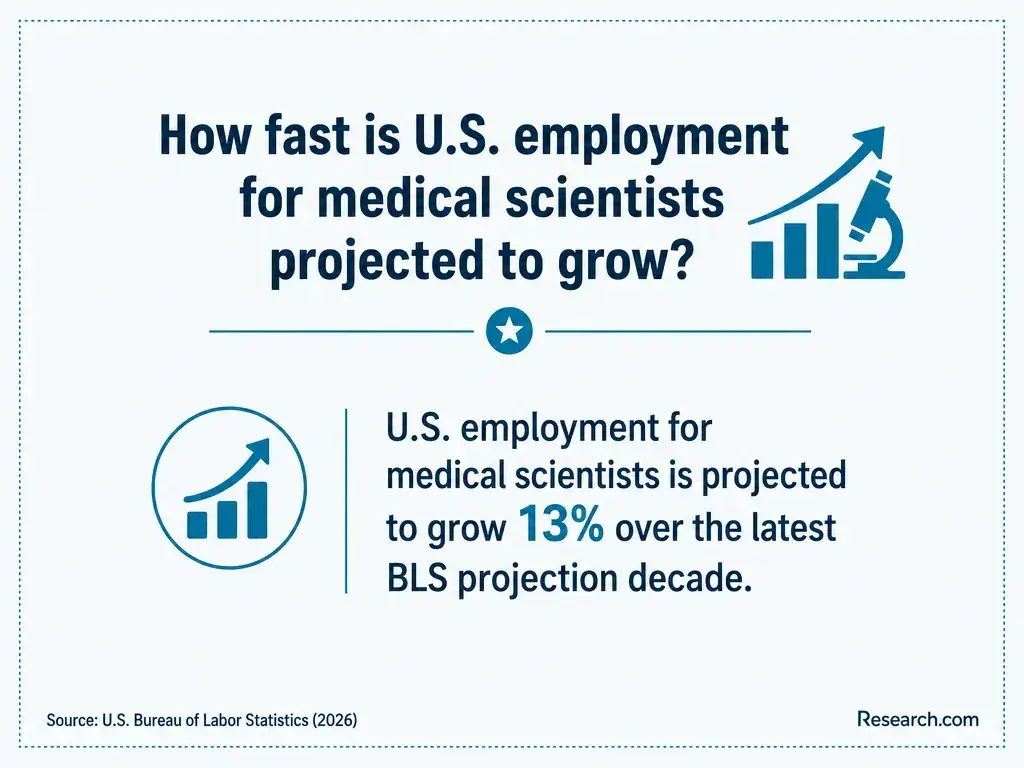
Epidemiologists, health education specialists, community health workers, and statisticians are distinct occupations, not interchangeable outcomes of an MPH. The U.S. Bureau of Labor Statistics Occupational Outlook Handbook publishes occupation-specific wages and employment projections, but its medians describe workers across employers and experience levels, not the expected starting salary of an MPH graduate.
Use the occupation closest to your target work when judging whether an unpaid APE is a sensible investment. An evaluation-focused placement may support applications for program roles; analytical epidemiology positions generally require stronger methods evidence, and statistician roles can require more specialized quantitative preparation.
Compare current job postings' required skills and education with the products your site will let you complete. If a research career would require a further degree, weigh that separate cost rather than assuming the APE alone provides specialist qualifications. Material on comparing public health doctorate tuition and length addresses a later education decision, not a way to recover lost APE wages.
Other Things You Should Know About Public Health Programs
No. Whether an arrangement complies with wage-and-hour law depends on its facts and the applicable law. Academic credit alone does not settle the question. Ask the school and host how the placement is classified and raise concerns with an appropriate employment-law authority.
Coverage varies by school, host, and placement arrangement. Before starting, ask both parties in writing about workers' compensation or other applicable coverage and the procedure for reporting an injury.
Contact the school's disability services office early and discuss the placement's essential tasks and access needs. The school and host may have different responsibilities, so establish the process before committing to a site.
Notify the academic coordinator promptly. The program determines whether completed work counts, whether a replacement site is needed, and how a delay affects enrollment, grades, aid, and graduation timing. Get those consequences in writing before assuming you can resume later without added cost.
- Understanding College Costs | studentaid.gov https://studentaid.gov/resources/prepare-for-college/students/choosing-schools/consider-costs
- Frequently asked questions about educational assistance programs | Internal Revenue Service https://www.irs.gov/newsroom/frequently-asked-questions-about-educational-assistance-programs
- Public Health Training Centers (PHTC) Program FAQs | hrsa.gov https://bhw.hrsa.gov/funding/apply-grant/phtc-faq
- Applied Practice Experience - University of Pennsylvania Masters of Public Health https://mph.med.upenn.edu/ape/
- Guidelines for Students | Undergraduate Admission https://www.k-state.edu/mphealth/current/ape/guidelines/
- Section 2. MPH Practicum - Master of Public Health Practicum Manual - Academic Guides at Walden University https://academicguides.waldenu.edu/masters-public-health-practicum-manual/practicum-overview
- Frequently Asked Questions | University of Arizona Office of Scholarships & Financial Aid https://financialaid.arizona.edu/faqs
- MPH Practicum - Washington University Bulletin - WashU https://bulletin.wustl.edu/publichealth/mph/practicum/
- General Public Health Practicum | Columbia University Mailman School of Public Health https://www.publichealth.columbia.edu/academics/applied-practice-experience-apex/coordination-support/general-public-health