2027 Public Health Bachelor's Programs: Planning Around a Catalog-Year Change

Co-Founder and Chief Data Scientist
A revised university catalog can change the courses, prerequisites, or graduation rules shown for a public health bachelor's degree. For transfer and returning students, the risk is not simply losing credits, a course may still transfer but no longer satisfy the requirement they expected.
This guide explains how catalog years work, which decisions require written school approval, and how to compare degree plans before enrolling, changing majors, or returning after a break. The goal is a realistic path to graduation - not an assumption that either the older or newer catalog will be faster.
Key Things You Should Know
- A catalog year identifies a set of degree requirements, but eligibility to follow an older catalog depends on the institution's rules for enrollment, breaks, transfers, and major changes.
- Accepted credits and completed requirements are different: request an official degree audit showing where each course applies before relying on a graduation estimate.
- A public health bachelor's degree is often planned around approximately 120 semester credits; catalog changes, course sequencing, and residency rules determine how many credits a particular student still needs.
What is a public health bachelor's degree?
A public health bachelor's degree prepares students to study health at the population level through subjects such as prevention, health behavior, epidemiology, and community programs. Schools may award a BA, BS, or another undergraduate degree, with different general education, science, quantitative, and applied-learning requirements.
The catalog year is the academic catalog whose requirements govern a student's degree plan, subject to university policy. It is not necessarily the year a student graduates. A student who started under one catalog may be allowed - or required - to follow a later one after transferring, changing majors, or returning from a long absence. Ask the registrar and public health department which catalog applies to both the university requirements and the major; they may have separate rules.
If an institution's revised major would add substantial work, compare its published requirements with online public health undergraduate education options - but do not assume another school will accept or apply the same credits.
What are the admission requirements for public health bachelor's programs?
Admission to the university, admission to the public health major, and eligibility to graduate under a particular catalog are separate decisions. A transfer applicant may need transcripts and completed prerequisite courses; an enrolled student changing majors may face a different application or catalog-year rule. Neither acceptance establishes that prior statistics, biology, or general education courses satisfy the new major.
Before committing to a school or catalog, assemble the documents and decisions needed for an accurate evaluation:
- Collect official transcripts, course descriptions or syllabi for disputed equivalents, and any earlier written degree audit or catalog-year approval.
- Ask admissions or the registrar which catalog year would apply, and ask the public health department to review major prerequisites and substitutions.
- Request an updated degree audit that separates accepted credits from credits applied to general education, prerequisites, the major, electives, and residency requirements.
- Obtain written decisions on exceptions or transfer appeals before registering for a course you believe will replace a requirement.
Graduate admissions follow different rules. For a student considering that route later, applying to an MPH with a lower GPA is a separate question from undergraduate catalog eligibility.
How do you verify public health program accreditation?
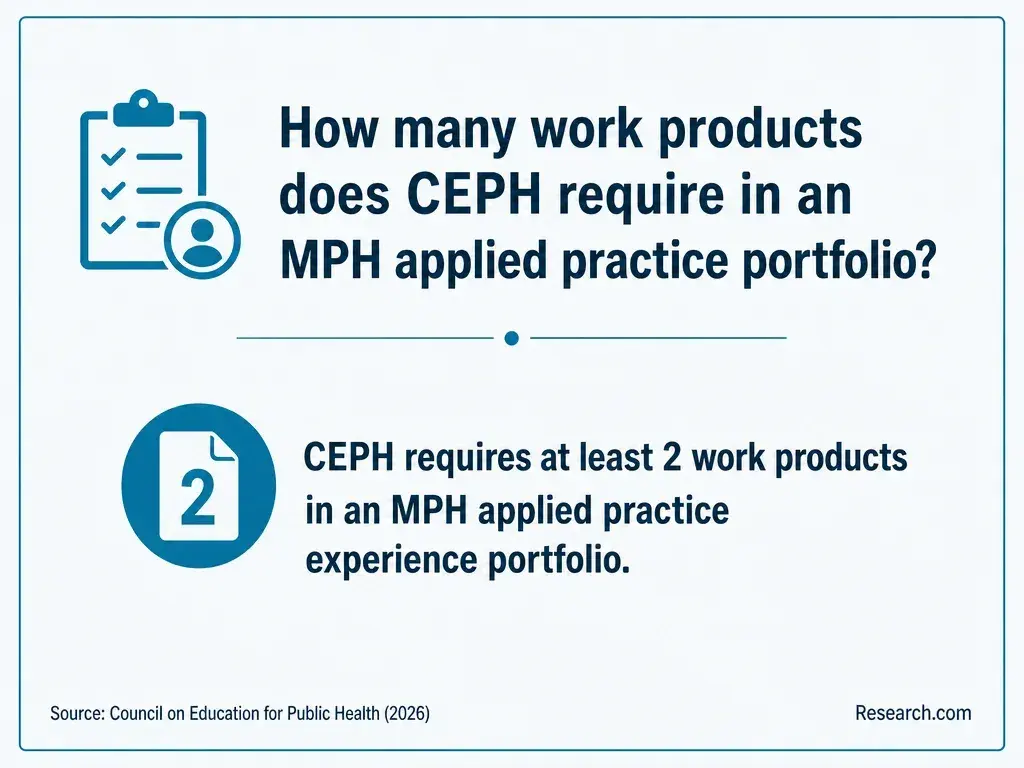
First, verify the institution's accreditation through its accreditor or the U.S. Department of Education's recognized-accreditor information. Then check the Council on Education for Public Health (CEPH) directory if public health-specific accreditation matters to your plans. CEPH may accredit a school, unit, or individual program; confirm whether the particular bachelor's degree is within its stated scope. Institutional accreditation alone does not establish CEPH coverage.
Record what you verified and when. Accreditation status does not decide which catalog governs your degree or whether a transferred class fulfills a requirement - those remain institutional academic decisions. The same scope check matters when later reviewing eligibility for accessible MPH programs, an easier application process is not evidence of a particular accreditation status.
Undergraduate coursework commonly introduces epidemiology, basic statistics, social and environmental influences on health, health communication, and program planning. The depth and order vary. A revised catalog might, for example, make statistics a prerequisite for a course that an older catalog allowed students to take earlier. That sequencing change can delay completion even if the total credit requirement stays the same.
The comparison below shows why a course-by-course audit is more useful than comparing total credits alone. These are possible policy differences, not claims about any particular school.
| Requirement to compare | Possible catalog-year difference | Potential effect |
| Statistics or science prerequisite | Different course or minimum grade | Prior coursework may need an equivalency review. |
| Major core and electives | New required course or fewer eligible electives | Accepted credits may count only as general electives. |
| Internship or capstone | Changed prerequisites or approved-site rules | Placement or course availability may affect the final term. |
Students interested in advanced quantitative work can explore biostatistics master's schedules for employed students later; an introductory bachelor's statistics course should not be mistaken for specialist training.
Choose the format that lets you complete the applicable catalog's actual requirements, not just attend lectures conveniently. Online courses may still have live meetings, group work, proctored assessments, or local fieldwork. Campus programs may offer easier access to advising and community partners but require commuting and fixed course times.
For a transfer or returning student, ask each program whether required major courses run every term, whether the capstone can be completed remotely, and who arranges any internship. Get a term-by-term plan for remaining courses in each format. If a later graduate degree is also under consideration, online graduate public health options without letters concern a separate admissions decision; they do not resolve undergraduate scheduling or catalog rules.
A full-time bachelor's pathway is commonly designed for about four academic years, but a returning student's timeline depends on requirements remaining, not credits accumulated. One extra prerequisite can postpone a course offered only once a year. An official audit plus a course-offering schedule provides a better estimate than a school's advertised completion time.
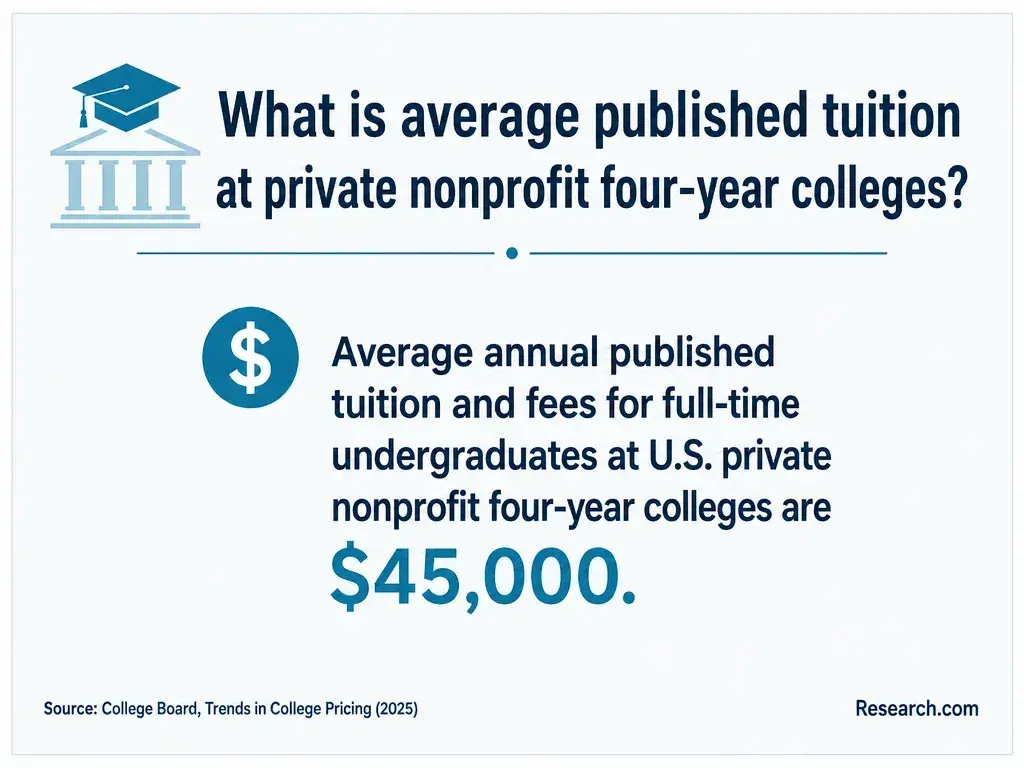
Compare both catalog options using the same inputs: remaining tuition-bearing credits, mandatory fees, expected terms, books or software, and travel or lost work time for required fieldwork. Check whether an added term would affect financial-aid eligibility and whether the school's satisfactory academic progress rules count prior attempted credits. Do not assume that switching catalogs saves money merely because it accepts more electives.
A bachelor's completion budget should stand on its own. Comparing online MPH tuition costs becomes relevant only if graduate study is part of the student's longer-term plan; those prices are not undergraduate completion costs.
Possible entry-level work includes community health outreach, program assistance, health communication support, and data or evaluation support when the applicant has the skills an employer requests. Responsibilities may involve coordinating events, communicating with community partners, maintaining program records, or helping summarize results. Job titles and degree requirements vary by employer.
When comparing catalogs, look beyond course names: identify which plan leaves time for a supervised internship, a relevant elective, or a portfolio-quality project. Those experiences can provide evidence of skills that a transcript alone cannot. A bachelor's degree does not by itself qualify someone for every epidemiologist, manager, or clinical position. For roles requiring graduate preparation, a public health master's degree investment guide can help frame a later decision rather than justify unnecessary undergraduate credits now.
There is no single salary for a public health bachelor's graduate. Pay depends on the occupation, location, employer, experience, and duties. The U.S. Bureau of Labor Statistics Occupational Outlook Handbook reports wages by occupation - not by undergraduate major - so its figures should not be presented as a particular program's graduate earnings.
For a useful comparison, identify the actual job titles in local postings, check their required education and experience, and then consult the corresponding BLS occupation and local pay information. Compare that evidence with the additional credits and terms each catalog would require. Doctoral earnings comparisons, including comparing public health doctorate tuition and length, describe a substantially different education decision and cannot predict the return on a bachelor's catalog change.
A public health bachelor's degree does not itself award a clinical license or professional certification. Requirements depend on the job: some health education positions may value or request the Certified Health Education Specialist (CHES) credential, while regulated clinical work requires its own qualifying education and state authorization. Check the current certifier's eligibility rules and the exact wording of target job postings before choosing courses around a proposed credential.
If a revised catalog advertises credential preparation, ask whether it changes eligibility or merely offers relevant coursework. The distinction also applies to further study: public health PhD tuition comparisons concern research degrees, not a substitute for job-specific licensure or certification.
How strong is the job outlook for public health graduates?
Outlook depends on the occupation, not the degree title. BLS employment projections can help assess a named role such as community health worker or health education specialist, but national growth does not establish hiring prospects in a student's region or guarantee that a new graduate meets employers' requirements.
Use local postings to test whether the skills available under each catalog - community engagement, communication, basic data handling, or supervised project work, match realistic entry-level jobs. If the target is advanced research instead, investigate the preparation and funding required separately; online epidemiology doctoral funding options are not a reason to delay an otherwise sound bachelor's graduation plan.
Other Things You Should Know About Public Health
Not necessarily. Schools set eligibility rules for earlier catalogs. Ask the registrar for the policy that applies to your enrollment history and obtain written confirmation before planning courses around it.
Ask the department to identify an approved replacement or substitution in writing. Do not assume a similarly named course will satisfy the requirement automatically.
Yes, depending on the school's readmission and continuous-enrollment policies. Confirm the applicable catalog before returning, especially if you have been away for multiple terms.
Some institutions permit different governing years or approved exceptions; others do not. Request a degree audit that explicitly states the catalog applied to each set of requirements.
- A narrative review of the CEPH-accredited bachelor's public health programs' curricula in the United States | nih.gov https://pmc.ncbi.nlm.nih.gov/articles/PMC11371682/
- Texas Core Curriculum Application Guide https://reportcenter.highered.texas.gov/agency-publication/miscellaneous/waar-faq-texas-core-curriculum/
- General Requirements - Bachelor's Degree | Cal Poly Academic Catalog https://catalog.calpoly.edu/academic-standards-policies/general-requirements-bachelors-degree/
- Understanding Your Catalog Year | CSUF https://www.fullerton.edu/general-education/student-info/catalog-year.html
- Change of Catalog Year (Requirement Term) | Rhode Island Small Business Development Center https://web.uri.edu/registration-records/for-students/change-of-catalog-year-requirement-term/
- EM119 - Catalog Year and Continuous Enrollment | UT System Policies https://policy.tennessee.edu/procedure/em119-catalog-year-and-continuous-enrollment/
- Catalog Year | Undergraduate Academic Advising | Illinois https://advising.grainger.illinois.edu/degree-programs/catalog-year
- 2.3 Scholastic Standards - District | Maricopa https://district.maricopa.edu/administrative-regulations/2-students/2-3
- Catalog Year and Degree Requirements | University of Louisville Academic Catalogs https://catalog.louisville.edu/undergraduate/university-wide-unit-specific-policies/catalog-year/
- CAPP Help Information | nova.edu https://ssb.nova.edu/capp/help.html