
2027 Best Accounting Schools in New Mexico – How to Become a CPA in NM

Co-Founder and Chief Data Scientist
Choosing an accounting school in New Mexico is not only a question of which campus is closest or which program costs the least. The better question is whether a program can help you qualify for entry-level accounting work, prepare for CPA licensure if that is your goal, and build skills that employers now expect in tax, audit, data systems, compliance, and financial reporting. Accounting remains a practical career path because businesses, nonprofits, government agencies, and individuals need accurate financial records and tax guidance regardless of economic cycles.
This guide explains how accounting programs in New Mexico compare, what students should know about CPA requirements, how online and campus options differ, what costs to expect, and how to evaluate whether an accounting degree is the right investment. The mean annual salary for CPAs in New Mexico is approximately $81,000, but outcomes vary by credential, employer, experience, specialization, and location.
Best Accounting Schools in New Mexico Table of Contents
- Is accounting a strong career choice in New Mexico?
- How do you become a CPA in New Mexico?
- Online vs. in-person accounting programs in New Mexico
- How long accounting programs take in New Mexico
- When an accelerated accounting degree makes sense
- Tuition and total costs for accounting students in New Mexico
- New Mexico schools with accounting programs for 2027
- How to choose an accounting program in New Mexico
- Career options for accounting graduates in New Mexico
- How interdisciplinary skills can improve accounting career options
- Earning potential and advancement for accountants in New Mexico
- Accounting trends affecting New Mexico students and professionals
- Why New Mexico’s economy and culture matter in accounting education
- Continuing professional development for New Mexico accountants
- Moving from accounting into teaching in New Mexico
- Forensic accounting opportunities in New Mexico
- Digital transformation in financial accounting careers
- Adding legal knowledge to an accounting career
- Healthcare coding as an adjacent path for accounting professionals
- Urban planning and public finance opportunities for accountants
- Networking and professional associations for accountants in New Mexico
Quick Answer: Is Accounting Worth Studying in New Mexico?
Accounting can be worth studying in New Mexico if you want a stable business career, are comfortable working with numbers and regulations, and plan carefully around CPA eligibility, tuition, and local job availability. The state has opportunities in public accounting, government, healthcare, energy, tourism, agriculture, education, and small business services. However, New Mexico’s accountant employment levels and salary ranges are lower than in some other states, so students should compare program cost against likely career outcomes before enrolling.
| Best fit | Why accounting may work well | Potential concern |
| Students seeking a practical business major | Accounting builds transferable skills in reporting, tax, audit, budgeting, and compliance. | The work requires accuracy, deadlines, and comfort with changing rules. |
| Future CPAs | A bachelor’s degree can provide a strong foundation for CPA preparation. | CPA licensure requires exam, experience, ethics, and continuing education steps. |
| Working adults | Online, part-time, certificate, and accelerated options may reduce scheduling barriers. | Not every program fits CPA requirements or transfer goals. |
| Cost-conscious students | Community college and public university pathways may lower total cost. | Tuition is only one part of the total expense. |
Is Accounting a good job in New Mexico?
Accounting can be a dependable career in New Mexico, especially for professionals who build skills in tax, audit, payroll, financial reporting, accounting systems, and compliance. The profession is less tied to one industry than many business careers because organizations across sectors need reliable financial information. Students should still enter the field with realistic expectations: New Mexico offers viable accounting opportunities, but statewide employment and salary levels are generally below national averages for this occupation.
As of 2025, there are approximately 7,150 accountants and auditors employed in New Mexico. That figure indicates a smaller labor market than many larger states, so students should research employers, internship pipelines, and regional openings before choosing a school. If you are still comparing whether accounting is the right business major, reviewing possible career paths for accounting degree holders can help you see how the major translates into entry-level and long-term roles.
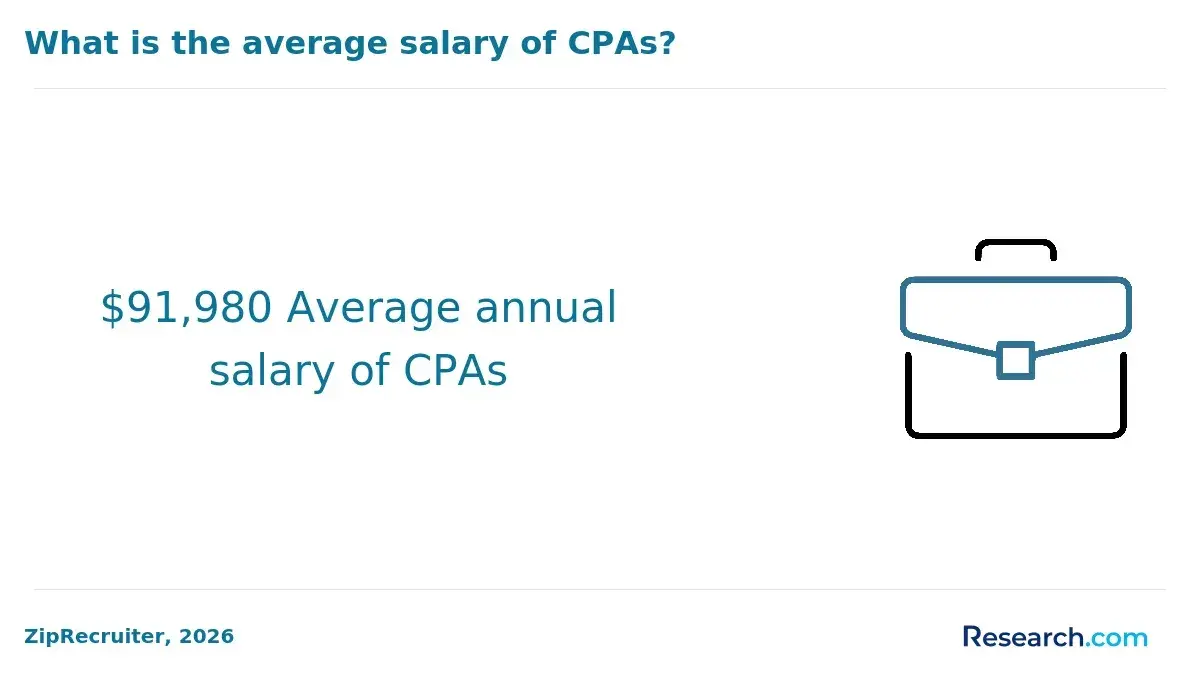
Reported annual salaries for accountants in New Mexico range between $48,500 and $111,000 for top earners in the field. Compared with salary ranges in higher-paying states, New Mexico remains on the lower end nationally; top earners elsewhere can make as much as $75,000 more a year than top earners in New Mexico. This does not mean accounting is a poor choice in the state, but it does mean students should pay close attention to tuition, debt, CPA preparation, internship access, and specialization.
What are the steps to becoming a CPA in New Mexico?
Becoming a Certified Public Accountant in New Mexico requires more than finishing an accounting degree. Candidates must meet education expectations, pass the required CPA exam components, complete qualifying experience, satisfy ethics requirements, and apply through the state board. Because licensing rules can change, students should confirm the latest requirements with the New Mexico Public Accountancy Board before making enrollment or exam plans.
- Complete the required accounting education: A bachelor’s degree is the most common foundation for CPA candidates. Students should choose coursework that supports financial accounting, auditing, taxation, business law, accounting information systems, and ethics.
- Pass the Uniform CPA Examination: All CPAs must pass the Uniform CPA Examination administered by the American Institute of Certified Public Accountants (AICPA). The exam consists of four sections: Auditing and Attestation (AUD), Business Environment and Concepts (BEC), Financial Accounting and Reporting (FAR), and Regulation (REG). The exam sections can be taken in any order, but you must pass all four sections within an 18-month rolling period.
- Meet the experience requirement: New Mexico requires at least two years, or 4,000 hours, of qualifying work experience in public accounting, government, industry, or academia. The work should involve accounting or auditing skills and may be completed before or after the CPA Exam. Students who want earlier hands-on experience may also compare the best bookkeeping certificate programs as a shorter route into accounting support roles.
- Pass the AICPA ethics requirement: Candidates must complete the AICPA Professional Ethics Exam for CPAs, which focuses on the AICPA Code of Professional Conduct and related professional standards.
- Apply through the New Mexico Public Accountancy Board: Applicants submit transcripts, CPA Exam results, work experience documentation, and ethics exam results to the New Mexico Public Accountancy Board.
- Maintain the license with continuing education: Licensed CPAs in New Mexico must complete 80 hours of continuing professional education every two years, including at least 4 hours of ethics CPE.
The CPA path is demanding, and the exam is often the biggest hurdle. Passing rates for the exam fluctuate from 50% to 60% year on year, with the Financial Accounting and Reporting section consistently being the most challenging part of the exam, where approximately 45% of candidates passed in 2024 (NASBA, 2025). Students who plan to pursue CPA licensure should ask each school how its curriculum supports exam readiness, whether CPA review is built into the program, and how graduates perform after completing the degree.
How do online accounting programs in New Mexico compare to in-person options?
Online and in-person accounting programs can both prepare students for accounting careers, but they serve different needs. Online programs are often better for working adults, parents, military students, and learners who live far from campus. In-person programs may be stronger for students who want a structured schedule, face-to-face faculty access, campus recruiting, peer study groups, and local internship connections.
| Factor | Online accounting program | In-person accounting program |
| Schedule | Usually more flexible and easier to combine with work or family obligations. | More fixed class times and a clearer weekly routine. |
| Cost considerations | May reduce commuting, relocation, parking, or housing expenses. | May include campus-based fees, transportation, and housing costs. |
| Networking | Requires more intentional outreach through virtual events, faculty contact, and professional groups. | Often provides easier access to classmates, faculty, campus events, and recruiters. |
| Learning style | Works best for disciplined students who can manage deadlines independently. | Works best for students who prefer live discussion and immediate classroom support. |
| Career services | Quality varies; students should verify internship help, resume support, and employer connections. | Campus programs may offer more visible advising, recruiting, and local employer engagement. |
| CPA planning | Students must confirm that online coursework meets any applicable CPA education expectations. | Advisors may be easier to reach for state-specific licensure planning. |
The best choice depends on your constraints. Choose online if flexibility is essential and you can stay organized without daily campus structure. Choose in person if you need more direct academic support, want campus-based recruiting, or are entering college straight from high school and value a traditional learning environment.
Accounting Program Length in New Mexico
The time required to finish an accounting credential depends on the degree level, transfer credits, enrollment status, course availability, and whether the program is offered in an accelerated format. Students pursuing CPA licensure should also remember that finishing a degree is not the same as becoming licensed; exam, experience, ethics, and CPE requirements add time beyond graduation.
| Credential | Typical completion time | Common purpose | Best for |
| Associate’s degree | About two years full time; most associate’s degrees in accounting programs require 60 credits. | Entry-level bookkeeping, accounting clerk work, payroll support, or transfer to a bachelor’s program. | Students seeking a lower-cost starting point or a quicker credential. |
| Bachelor’s degree | Typically about four years at a traditional college or university. | Staff accounting, audit support, tax roles, corporate accounting, and CPA preparation foundation. | Students who want the broadest accounting career base. |
| Master’s degree | Usually one to two years after completing an undergraduate program. | Advanced accounting study, CPA credit planning, specialization, or career advancement. | Graduates seeking deeper technical preparation or leadership roles. |
| Doctorate level degree | Typically three to five years after earning a master’s degree. | Research, university teaching, or advanced academic work. | Students aiming for scholarly or faculty careers. |
Master’s-level options may include a Master of Accounting (MAC or MAcc), Master of Business Administration (MBA) with a concentration in accounting, Master of Professional Accounting, or Master of Science in Accounting. Students comparing graduate study with finance-related credentials may also review online graduate finance certificate options to understand how accounting and finance pathways differ.
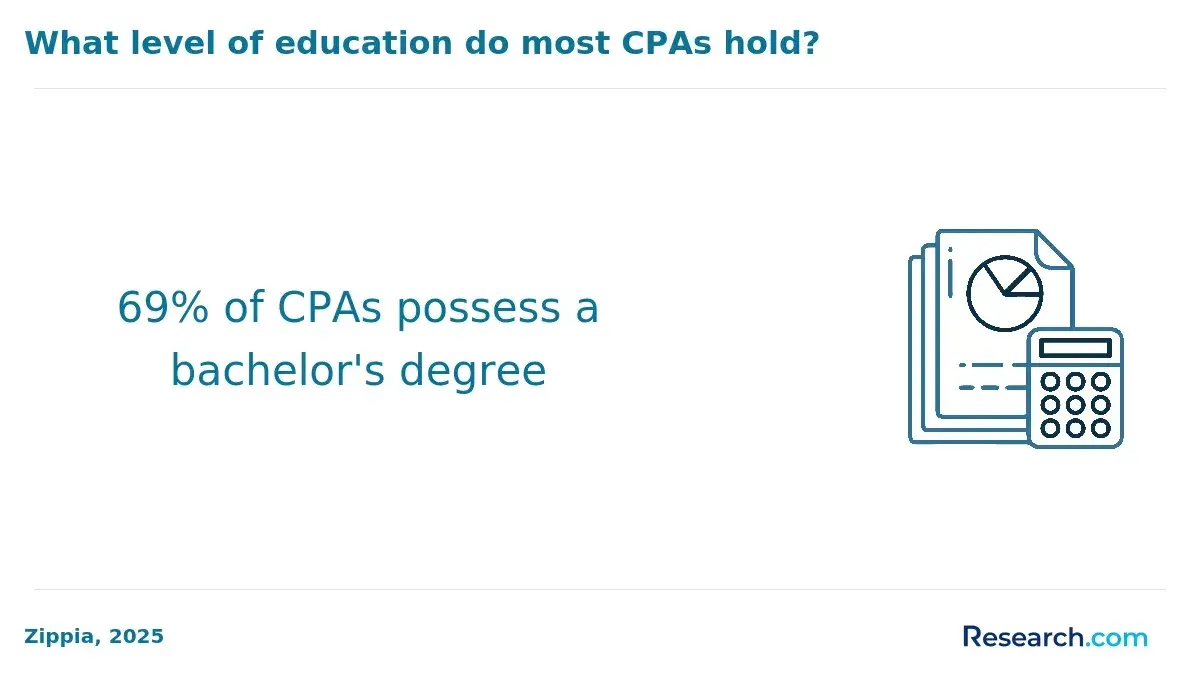
The bachelor’s degree remains the dominant credential among CPAs. According to the latest data from the National Association of State Boards of Accountancy, approximately 72% of licensed CPAs hold a bachelor’s degree, representing the majority of credentialed professionals. About 10% have associate’s degrees, while 14% hold Master’s degrees or higher. For future CPA candidates, a bachelor’s degree is usually the most practical academic base, though students should still verify credit-hour and course requirements for licensure.
What are the benefits of an accelerated accounting degree?
An accelerated online accounting degree can help students move through required coursework faster than a traditional schedule. These programs are often designed for motivated learners, transfer students, career changers, or working adults who already have some college credit or professional experience. Many can be completed in 12 to 18 months, depending on program structure and the student’s prior coursework.
The main advantage is time. A shorter path can help students enter accounting roles sooner, reduce opportunity cost, and move more quickly toward CPA preparation or graduate study. The trade-off is intensity: compressed courses require strong time management, consistent study habits, and comfort with technical material.
| Accelerated degree advantage | What to verify before enrolling |
| Faster completion | Ask whether the 12 to 18 months timeline assumes transfer credits or year-round enrollment. |
| Potentially lower total cost | Compare total program cost, not just tuition per credit. |
| Flexible online access | Confirm whether courses are asynchronous, live, or hybrid. |
| Career-focused curriculum | Check whether the program covers audit, tax, systems, ethics, and CPA-relevant topics. |
| Specialization options | Ask whether concentrations such as taxation or forensic accounting are available. |
For New Mexico students, an accelerated program may be a good fit if they already know they want accounting, can study consistently, and need to limit time away from work. It may be a poor fit for students who need extensive tutoring, are new to business coursework, or cannot commit to a heavy academic pace.
Tuition and Costs of Accounting in New Mexico
Accounting program costs in New Mexico vary by school type, degree level, residency status, delivery format, and whether students attend full time or part time. The average yearly tuition for a public, four-year, in-state higher education program in New Mexico is around $7,836, while out-of-state students typically pay approximately $24,232. Students concerned about affordability may want to compare campus programs with affordable online accounting degree options, but online programs should still be evaluated for accreditation, course quality, and CPA alignment.
Tuition is only part of the total price. Students should also budget for fees, books, accounting software, exam preparation, commuting, housing, food, utilities, internet access, and lost work hours. The cost of living index for New Mexico is 97.5, indicating that the cost of living in New Mexico is approximately 97.5% of the national average cost of living.
| Cost factor | Why it matters | Question to ask |
| Tuition per credit | Determines the direct academic cost of the credential. | Is the listed rate different for in-state, out-of-state, online, or graduate students? |
| Required credits | A lower per-credit price may not be cheaper if the program requires more credits. | How many credits are required to graduate? |
| Fees and materials | Technology fees, textbooks, software, and testing costs can add up. | What fees are mandatory each term? |
| Transfer policy | Accepted transfer credits can reduce both time and cost. | How many prior credits can be applied to the degree? |
| CPA preparation | CPA review courses and exam fees may not be included in tuition. | Does the program include CPA review support? |
| Living expenses | Campus students may face housing and transportation costs. | Can I complete the program online, commute, or live at home? |
New Mexico Schools Offering Accounting Programs for 2027
The schools below offer accounting-related programs in New Mexico. Use this section as a starting point, then confirm current tuition, admissions requirements, format, accreditation, transfer policies, and CPA alignment directly with each institution.
| School | Location | Program length | Cost per credit | Credits required | Accreditation listed |
| New Mexico State University | Las Cruces, NM | 4 years | $380 | 120 | Higher Learning Commission |
| University of New Mexico | Albuquerque, NM | 4 years | $378 | 120 | Higher Learning Commission |
| Western New Mexico University | Silver City, NM | 1 year | $250 | 54 | Accreditation Council for Business Schools and Programs |
| University of the Southwest | Hobbs, NM | 4 years | $638 | 120 | Higher Learning Commission |
| Santa Fe Community College | Santa Fe, NM | 1 year | $148 | 60 | Higher Learning Commission |
New Mexico State University
Las Cruces, NM
New Mexico State University’s accounting and information systems department offers accounting study at both undergraduate and graduate levels. Undergraduate students can pursue a Bachelor of Accountancy, while graduate students may consider the Master of Accountancy (MAcc). The curriculum is designed to build accounting knowledge for public, private, and government roles, and the school also offers a three-credit-hour CPA review course for students preparing for the CPA exam.
Program Length: 4 years
Tracks/concentrations: Accounting
Cost per Credit: $380
Required Credits to Graduate: 120
Accreditation: Higher Learning Commission
University of New Mexico
Albuquerque, NM
The University of New Mexico’s Anderson School of Management provides undergraduate and graduate accounting options. The undergraduate pathway is a Bachelor of Business Administration (BBA) with a concentration in Accounting. Graduate students can pursue a Master of Accounting (MAcc). The programs are intended to develop accounting fundamentals, professional judgment, and advanced technical skills for students moving into accounting careers or seeking further professional preparation.
Program Length: 4 years
Tracks/concentrations: Accounting
Cost per Credit: $378
Required Credits to Graduate: 120
Accreditation: Higher Learning Commission
Western New Mexico University
Silver City, NM
Western New Mexico University’s accounting program is built for students who want accounting training with opportunities for applied learning. The university offers undergraduate and graduate accounting-related study and emphasizes internships, experiential learning, and smaller classes that may allow more direct faculty interaction. Students who value personalized support should ask about advising, internship placement, and transfer pathways.
Program Length: 1 year
Tracks/concentrations: Accounting
Cost per Credit:$250
Required Credits to Graduate: 54
Accreditation: Accreditation Council for Business Schools and Programs
University of the Southwest
Hobbs, NM
The University of the Southwest College of Business Administration offers accounting programs for students preparing for roles in public accounting, private business, financial accounting, cost accounting, tax, auditing, and consulting. Undergraduate coursework includes subjects such as Principles of Accounting, Cost Accounting, and Auditing. At the graduate level, the school offers an MBA with an accounting focus rather than a standalone Master of Accounting (MAcc).
Program Length: 4 years
Tracks/concentrations: Accounting
Cost per Credit: $638
Required Credits to Graduate: 120
Accreditation: Higher Learning Commission
Santa Fe Community College
Santa Fe, NM
Santa Fe Community College’s accounting programs are designed for students seeking entry-level accounting skills or a transfer pathway to a four-year institution. SFCC offers an Associate of Arts (A.A.) in Accounting, along with certificate options such as Accounting Clerk Certificate, Accounting Technician Certificate, and Bookkeeping Certificate. These credentials may suit students who want a shorter, lower-cost start before deciding whether to pursue a bachelor’s degree.
Program Length: 1 year
Tracks/concentrations: Accounting
Cost per Credit: $148
Required Credits to Graduate: 60
Accreditation: Higher Learning Commission
What to Look for in an Accounting Program in New Mexico
A strong accounting program should match your career goal, not simply look impressive on a brochure. A student seeking bookkeeping work, a student planning to transfer, and a future CPA candidate need different levels of rigor, advising, and credential alignment. Before enrolling, compare programs using evidence rather than reputation alone.
- Institutional and business accreditation: Confirm that the school is accredited by a recognized accrediting body. Business-specific accreditation, such as AACSB or ACBSP, can also signal that a program has been reviewed against business education standards.
- CPA alignment: If you want to become a CPA, ask whether the curriculum supports New Mexico’s education requirements and whether advisors regularly work with CPA candidates.
- Core accounting curriculum: Look for financial accounting, managerial accounting, auditing, taxation, accounting information systems, ethics, and business law.
- Transfer options: Community college students should verify whether credits transfer smoothly into a bachelor’s program.
- Faculty background: Faculty with accounting practice, research, CPA, audit, tax, or systems experience can strengthen classroom learning.
- Internship and employer connections: Ask which firms, agencies, nonprofits, or businesses recruit accounting students.
- Career outcomes: Request job placement information, CPA exam support details, and examples of employers that hire graduates.
- Financial aid and scholarships: Compare grants, scholarships, assistantships, work-study, and employer tuition benefits.
Students considering graduate education should also compare campus options with online master’s degrees in accounting, especially if they need flexibility while working. The right program should be affordable, accredited, academically relevant, and realistic for your schedule.
| Common mistake | Why it can hurt students | Better approach |
| Choosing only by lowest tuition | A cheap program may still cost more if credits do not transfer or career support is weak. | Compare total cost, graduation requirements, advising, and outcomes. |
| Ignoring accreditation | Unaccredited or poorly recognized programs may limit transfer, aid, or employer acceptance. | Verify institutional and relevant business accreditation before applying. |
| Assuming every program prepares students for CPA licensure | Some programs may not include the right coursework or credit structure. | Ask the program and state board how coursework fits CPA requirements. |
| Overlooking internship access | Accounting experience can make entry-level hiring easier. | Ask about internships, employer partners, and accounting clubs. |
| Relying only on rankings | Rankings may not reflect your budget, schedule, transfer needs, or career goal. | Use rankings as one input, not the final decision. |
What Other Careers Can Accounting Graduates Pursue in New Mexico?
Accounting graduates are not limited to tax preparation or audit work. Their training can support roles in financial analysis, payroll, compliance, budgeting, business operations, internal controls, fraud review, nonprofit finance, government accounting, and small business consulting. Some graduates also move toward education or administrative leadership. If you are considering a long-term move into schools, reviewing elementary school teacher requirements in New Mexico can help you understand how a business background may intersect with education careers.
| Career direction | How accounting helps | Additional preparation that may help |
| Financial analyst | Uses statements, budgets, and performance data to guide decisions. | Excel, analytics, finance, and forecasting skills. |
| Tax specialist | Applies tax rules to individuals, businesses, and organizations. | Tax coursework, CPA preparation, and seasonal tax experience. |
| Internal auditor | Reviews controls, risk, compliance, and operational processes. | Audit coursework, systems knowledge, and communication skills. |
| Government accountant | Supports budgeting, reporting, grant tracking, and public accountability. | Government accounting and public-sector finance knowledge. |
| Accounting educator | Brings technical business knowledge into classrooms or training roles. | Teaching credentials or graduate education, depending on role. |
How Can Interdisciplinary Expertise Enhance Career Prospects in New Mexico?
Accounting careers increasingly reward professionals who can connect financial data to operations, compliance, risk, technology, and industry-specific rules. In New Mexico, interdisciplinary knowledge can be especially useful in healthcare, government, energy, agriculture, tourism, and nonprofit work. For example, an accountant who understands healthcare operations may be better prepared for budgeting, reimbursement analysis, or compliance-focused roles. Students curious about how healthcare leadership credentials differ from accounting pathways can explore how to become a nurse practitioner in New Mexico as a contrasting professional route.
What Is the Earning Potential and Career Advancement Outlook for Accountants in New Mexico?
Accounting pay in New Mexico depends on education, experience, CPA status, employer type, industry, and specialization. Entry-level positions may focus on bookkeeping, accounts payable, payroll, or staff accounting, while more advanced roles may include controller, audit manager, tax manager, finance director, compliance lead, or advisory consultant. Professionals who add CPA licensure, analytics skills, automation knowledge, and specialized tax or audit expertise may have stronger advancement options. For broader benchmarking, students and professionals can compare state-level information using Research.com’s CPA accountant salary guide.
Emerging Trends in Accounting in New Mexico
Accounting is changing quickly, and students should choose programs that prepare them for modern practice rather than only traditional bookkeeping tasks. Technology, regulation, cybersecurity, and advisory services are reshaping what employers expect from accounting graduates.
- Automation and AI: Routine tasks such as data entry, reconciliation, and basic reporting are increasingly supported by software. Accountants still need judgment, controls knowledge, and the ability to interpret results.
- Data analytics: Employers value accountants who can work with spreadsheets, dashboards, accounting systems, and large datasets to identify trends and errors.
- Regulatory change: Tax rules, reporting requirements, and compliance expectations continue to evolve, requiring ongoing professional learning.
- Cybersecurity awareness: Remote work and cloud accounting make data protection more important. Accountants often handle sensitive financial information and must understand basic security practices.
- Sustainability and ESG reporting: Organizations increasingly track environmental, social, and governance information, creating demand for professionals who can support measurement and reporting processes.
- Online accounting education: Students who need flexibility may compare the best accredited online accounting programs to find programs that combine accessibility with recognized credentials.
The key trend is not that technology replaces accountants entirely. Rather, it shifts value away from manual processing and toward interpretation, controls, compliance, advisory work, and strategic decision support.
The Role of Local Economic and Cultural Factors in Accounting Education in New Mexico
New Mexico’s economy gives accounting students exposure to a wide range of financial environments, including energy, healthcare, tourism, agriculture, education, government, tribal enterprises, small businesses, and nonprofits. Programs that use regional case studies, local internships, and community partnerships can help students understand the financial realities of organizations operating in the state.
The state’s multicultural environment also matters. Accountants often work with clients, coworkers, agencies, and business owners from different communities. Cultural awareness, clear communication, and ethical judgment can improve client service and workplace effectiveness. Students seeking broader business preparation can review the best business schools in New Mexico to compare programs that may offer accounting, management, finance, and entrepreneurship resources.
Further Growth Required for Accounting in New Mexico
New Mexico offers accounting students a practical but competitive labor market. The state’s diverse industries can support accounting employment, yet salary and employment levels are not as high as in some larger markets. This makes program selection especially important. Students should look for affordable pathways, strong advising, recognized accreditation, internship opportunities, and coursework that builds skills in systems, analytics, tax, audit, and compliance.
For many students, the best strategy is to start with a clear career target. If the goal is CPA licensure, choose a program that supports the CPA path. If the goal is immediate employment, consider certificates, associate degrees, internships, and bookkeeping experience. If the goal is advancement, plan for bachelor’s or graduate study and continuing professional development.
What Role Does Continuing Professional Development Play in Advancing Accounting Careers in New Mexico?
Continuing professional development is essential in accounting because rules, technology, and employer expectations change. For licensed CPAs in New Mexico, continuing education is also a licensure obligation: 80 hours of CPE every two years, including at least 4 hours of ethics CPE. Even non-CPA accountants benefit from ongoing training in tax updates, accounting software, data analytics, cybersecurity, payroll, audit standards, and compliance. Professionals can review CPA requirements in New Mexico to better understand the education and licensure pathway.
Can Accounting Expertise Facilitate a Transition into Teaching in New Mexico?
Accounting professionals who enjoy explaining concepts, mentoring junior staff, or training clients may consider teaching or instructional roles. The transition depends on the level and setting. High school teaching, community college instruction, corporate training, and university teaching may each require different credentials. Those exploring K-12 education should review guidance on what degree do you need to be a teacher in New Mexico before assuming accounting experience alone is enough.
Is Forensic Accounting a Promising Path in New Mexico?
Forensic accounting combines accounting, auditing, investigation, documentation, and litigation support. It may appeal to students who like detailed review, fraud detection, evidence organization, and financial problem-solving. In New Mexico, this specialty may be relevant to businesses, government agencies, legal teams, insurers, and organizations managing financial disputes or irregularities. Students interested in investigation-focused work can compare accounting training with a forensic science degree in New Mexico to understand how financial investigation differs from laboratory or crime-scene work.
How Is Digital Transformation Shaping Financial Accounting Careers in New Mexico?
Digital tools are changing financial accounting by improving transaction processing, reporting speed, data access, and audit trails. Cloud accounting platforms, automation, dashboards, and analytics tools can reduce manual work and make financial information more useful to managers. For students pursuing financial accounting careers, technical fluency is becoming a practical advantage. Employers increasingly need accountants who can interpret system-generated reports, identify errors, protect data, and explain financial results to non-accountants.
How Can Integrating Legal Expertise Enrich Accounting Careers in New Mexico?
Legal knowledge can strengthen accounting careers in compliance, contracts, taxation, audit, fraud review, risk management, and business advisory services. Accountants do not need to become attorneys to benefit from understanding legal documents, regulatory frameworks, ethical standards, and evidence requirements. Professionals interested in formal legal support roles can explore how to become a paralegal in New Mexico as a possible complement or alternative to accounting work.
Is Healthcare Coding a Viable Career Option for Accounting Professionals in New Mexico?
Healthcare coding is not the same as accounting, but it can appeal to accounting professionals who like accuracy, documentation, compliance, and reimbursement systems. Medical billing and coding roles require healthcare-specific training, but accounting skills in recordkeeping, detail review, and financial accuracy can transfer well. Those considering this adjacent path can learn how to be a medical coder in New Mexico before deciding whether healthcare revenue cycle work fits their goals.
Can Urban Planning Enhance Financial Strategy Opportunities for Accountants in New Mexico?
Accountants can contribute to public finance, infrastructure budgeting, capital project analysis, grant tracking, and municipal resource planning. Knowledge of urban planning can be useful for professionals working with local governments, real estate development, public works, housing initiatives, and economic development projects. Accountants who want to understand this field can review how to become an urban planner in New Mexico to see how planning, policy, finance, and community development intersect.
How Can Professional Networking and Industry Associations Benefit Accountants in New Mexico?
Networking helps accounting students and professionals learn about internships, job openings, mentors, CPA preparation, continuing education, and specialization options. Local accounting associations, alumni groups, campus organizations, employer events, and professional workshops can make a major difference in a smaller labor market. Networking can also help career changers explore related roles, including education. Professionals considering math or business-related teaching can review how to become a high school math teacher in New Mexico as one possible direction.
How to Choose the Best Accounting School in New Mexico: Practical Steps
- Define your end goal first: Decide whether you want bookkeeping work, a bachelor’s degree, CPA licensure, graduate study, government accounting, tax work, or business finance roles.
- Check accreditation before comparing price: Confirm that the institution is properly accredited and that business or accounting accreditation is relevant to your goals.
- Map the curriculum to your career target: CPA candidates should prioritize audit, tax, financial accounting, ethics, and systems coursework. Students seeking faster employment may prioritize practical software, payroll, and bookkeeping classes.
- Calculate total cost: Include tuition, fees, books, software, commuting, housing, exam prep, and income lost from reduced work hours.
- Ask about transfer credits: If you start at a community college, confirm how credits apply to a four-year accounting degree.
- Compare career support: Look for internships, employer partnerships, accounting clubs, resume support, CPA advising, and alumni networks.
- Evaluate delivery format honestly: Online programs require self-direction. Campus programs require schedule flexibility and commuting or relocation.
- Speak with current students or alumni: Ask about course difficulty, faculty access, advising quality, job search support, and CPA preparation.
Questions to Ask Before Enrolling
- Is the school institutionally accredited, and does the business or accounting program have specialized accreditation?
- Does the coursework support CPA eligibility in New Mexico?
- How many credits are required, and how many transfer credits will the school accept?
- What is the total estimated cost after fees, books, software, and living expenses?
- Are courses available online, in person, hybrid, full time, part time, or accelerated?
- What accounting software, analytics tools, and tax systems do students use?
- Does the school help students find internships or entry-level accounting jobs?
- Are CPA review resources included or offered separately?
- What support is available for working adults, first-generation students, transfer students, and online learners?
- What types of employers hire graduates from the program?
Key Insights
- Accounting is practical in New Mexico, but students should be cost-aware: The state offers stable accounting opportunities, yet employment and salary levels are lower than in some other states, making tuition, debt, and career support especially important.
- CPA planning should begin before enrollment: Future CPAs need the right education, the Uniform CPA Examination, two years or 4,000 hours of experience, the AICPA ethics exam, state application approval, and ongoing CPE.
- Program format matters: Online accounting programs can be ideal for working adults, while in-person programs may offer stronger structure, networking, and campus recruiting.
- Degree level should match the career goal: Certificates and associate degrees can support entry-level roles, bachelor’s degrees are the common foundation for professional accounting, and graduate degrees may help with advancement or specialized preparation.
- Technology is changing accounting work: Students should look for programs that teach accounting systems, analytics, automation awareness, cybersecurity basics, and interpretation of financial data.
- Do not choose a school by tuition alone: Accreditation, transfer policy, CPA alignment, internship access, faculty support, and total cost are all part of the return-on-investment calculation.
Related Articles for Nearby States
- 2027 Best Accounting Schools in Arizona – How to Become a CPA in AZ
- 2027 Best Accounting Schools in Colorado – How to Become a CPA in CO
- 2027 Accounting Schools in Texas: How to Become a CPA in TX
- 2027 Best Accounting Schools in Utah – How to Become a CPA in UT
- 2027 Best Accounting Schools in Oklahoma – How to Become a CPA in OK
- 2027 Best Accounting Schools in Nevada – How to Become a CPA in NV
- 2027 Best Accounting Schools in Kansas – How to Become a CPA in KS
- 2027 Best Accounting Schools in Wyoming – How to Become a CPA in WY
- 2027 Best Accounting Schools in Nebraska – How to Become a CPA in NE
- 2027 Best Accounting Schools in Missouri – How to Become a CPA in MO
References:
- BLS. (2024). May 2024 Occupational Employment and Wage Statistics. Occupational Employment and Wage Statistics Query System. BLS.
- Gleim Publications, Inc. (n.d.). 2022 CPA Exam Pass Rates Gleim Exam Prep. Gleim Exam Prep. Gleim CPA exam pass rates
- New Mexico State University. (n.d.). Accounting Bachelor of Accountancy. nmsu.edu. New Mexico State University accounting catalog
- University of the Southwest. (n.d.). Accounting. usw.edu. University of the Southwest accounting program
- World Population Review. (n.d.). Cost of Living Index by State. worldpopulationreview.com. Cost of Living Index by State
- AICPA. (2025). AICPA 2025 Trends Report. AICPA Trends Report.
- National Student Clearinghouse Research Center. (2025). Clearinghouse Enrollment Insights Series: Final Fall Enrollment Trends. National Student Clearinghouse Research Center.
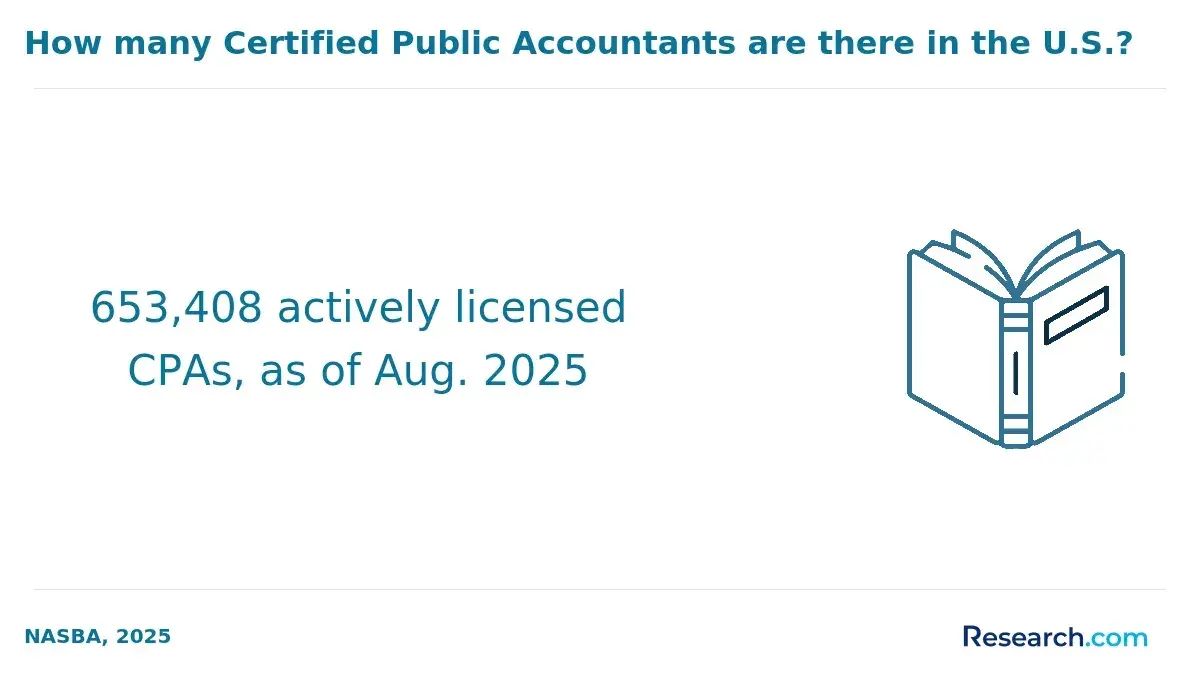
- National Association of State Boards of Accountancy. (2025). How many CPAs are there? National Association of State Boards of Accountancy.
- ZipRecruiter. (2026). Certified Public Accountant salary. ZipRecruiter CPA salary data.
- Zippia. (2025, January 8). Certified public accountant education requirements. Zippia CPA education requirements. Related cost index source: World Population Review cost of living index
Other Things You Should Know About the Best Accounting Schools in New Mexico
In 2027, accounting graduates in New Mexico can expect favorable job prospects due to the growing demand for accounting professionals across various industries. The state's expanding economy is driving opportunities in public accounting, corporate finance, and government roles, with competitive salaries and potential career growth.
In 2027, several schools in New Mexico offer robust accounting programs, including the University of New Mexico, New Mexico State University, and Eastern New Mexico University. These institutions provide comprehensive courses in accounting that are ideal for those pursuing a CPA license.
Accreditation is crucial for accounting programs in New Mexico as it ensures the program meets quality standards and is recognized by employers. Look for programs accredited by AACSB or ACBSP, as these are widely respected and can enhance your qualifications for CPA eligibility.
Look for programs accredited by recognized bodies, with a comprehensive curriculum, experienced faculty, alignment with professional certification requirements, strong job placement rates, and available financial aid.
Yes, several institutions offer online accounting programs, providing flexibility for working students and those with other commitments. Online programs can also be more cost-effective.
Yes, many schools offer financial aid, scholarships, and assistantships to help offset the cost of education. It's advisable to check with individual institutions for specific financial aid opportunities.








