
2027 How to Become a Teacher in New Mexico – What Degree Do You Need to Be a Teacher?

Co-Founder and Chief Data Scientist
Becoming a teacher in New Mexico means choosing a career that combines state licensure rules, classroom readiness, cultural responsiveness, and long-term professional growth. The decision is not only about earning an education degree; it is also about selecting the right preparation pathway, passing required assessments, understanding New Mexico’s three-tiered license system, and choosing a school or program that fits your budget and career goals.
This guide is for future teachers, career changers, substitute teachers, education majors, and current educators who want to teach in New Mexico public or private schools. It explains the core requirements, application and renewal steps, program options, specialization routes, classroom expectations, and advancement opportunities so you can decide whether teaching in New Mexico is the right path for you.
Teachers can have a wide reach over the course of a career. In the U.S., a typical educator will teach more than 3,000 students during their entire career (NCES, 2024). That influence makes the preparation process important: the stronger your training, the better equipped you are to support students academically, socially, and personally.
How to Become a Teacher in New Mexico Table of Contents
- Overview of the Teaching Industry in New Mexico
- Educational Requirements for Teachers in New Mexico
- Teacher in New Mexico Licensure Application and Renewal Process
- Understanding the Cost and Pathways to Teaching Credentials in New Mexico
- List of Top Teaching Programs in New Mexico for 2027
- How can I specialize as an English teacher in New Mexico?
- What role do online education programs play in teacher preparation?
- What is the process for special education teacher certification in New Mexico?
- What classroom management strategies are effective for teachers in New Mexico?
- Are there alternative career roles in New Mexico schools?
- What are the specific requirements for kindergarten educators in New Mexico?
- Are there unique requirements for private school teachers in New Mexico?
- Can I complete my teacher certification online in New Mexico?
- Which teacher certification option best aligns with my career aspirations in New Mexico?
- What are the prerequisites for substitute teaching roles in New Mexico?
- What support systems are available for new teachers in New Mexico?
- How do I determine the best path to teaching in New Mexico?
- What are the career advancement opportunities for teachers in New Mexico?
- How can advanced degrees enhance my teaching career in New Mexico?
Quick Answer: How do you become a teacher in New Mexico?
To become a teacher in New Mexico, you generally need a bachelor’s degree from a regionally accredited college or university, completion of an approved teacher preparation program, passing scores on the required New Mexico Teacher Assessments, a background check, and an application through the New Mexico Public Education Department. After earning an initial license, teachers renew or advance their credentials by completing professional development, meeting experience requirements, and, for higher license levels, completing additional qualifications such as a master’s degree, PD Dossier, or National Board Certification.
| Step | What you need to do | Why it matters |
| 1. Earn a bachelor’s degree | Complete an approved degree from a regionally accredited institution. | This is the baseline academic requirement for New Mexico teacher licensure. |
| 2. Complete teacher preparation | Finish a New Mexico-approved educator preparation program. | The program provides supervised teaching practice and verifies your readiness for licensure. |
| 3. Pass required assessments | Complete the required content and subject area exams, including NMTA tests when applicable. | Assessment results show that you meet state expectations for teaching knowledge and subject competence. |
| 4. Complete a background check | Schedule fingerprinting and background verification through the required process. | Schools require clearance before placing educators in classrooms. |
| 5. Apply through NMPED | Submit transcripts, test scores, preparation program evidence, and fees. | NMPED reviews your documentation and issues the appropriate license level. |
| 6. Renew or advance | Complete renewal requirements or move through the state’s three-tiered system. | Licensure is an ongoing process tied to professional growth and experience. |
Overview of the Teaching Industry in New Mexico
New Mexico uses a structured career ladder for public school educators. Through the New Mexico Three-Tiered Licensure Advancement System, teachers can move through license levels as they build classroom experience, document stronger performance, and qualify for greater professional responsibility. This model gives educators a defined path for growth rather than treating licensure as a one-time credential.
The average salary for public school teachers in New Mexico is $54,520 (Salary.com, 2026). The national average salary for the same profession is $69,597 (NEA, 2024). Pay is only one part of the decision, however. New Mexico’s cost of living is 5% lower than the national average (RentCafe, 2023), which can affect how far a teacher’s salary goes depending on the district, housing market, benefits, and commuting costs.
Is teaching in New Mexico worth considering?
Teaching in New Mexico may be a strong fit if you want a stable public-service career, are prepared for ongoing professional development, and are interested in working with diverse student populations. It may be less suitable if you are looking for a short training path with no continuing education obligations or if your financial goals require a salary level that is not typical for public school teaching in the state.
| Teaching in New Mexico may fit you if... | You may want another path if... |
| You are committed to working with children or adolescents over many years. | You want a career with minimal certification, assessment, or renewal requirements. |
| You value a clear advancement structure through licensure levels. | You are not interested in professional development after earning your initial credential. |
| You want to work in public education, special education, early childhood, secondary subjects, or bilingual/multicultural settings. | You are choosing teaching only because it appears familiar, not because you want classroom responsibility. |
| You are willing to compare preparation programs carefully before enrolling. | You are not ready to complete fieldwork, student teaching, or state-mandated assessments. |
Educational Requirements for Teachers in New Mexico
Teacher preparation matters because educators are expected to teach content, manage classrooms, assess learning, communicate with families, and adapt instruction for students with different needs. Public trust in the profession remains high: 61% of Americans view grade-school teachers highly, ranking them second among U.S. professions (Gallup, 2024).
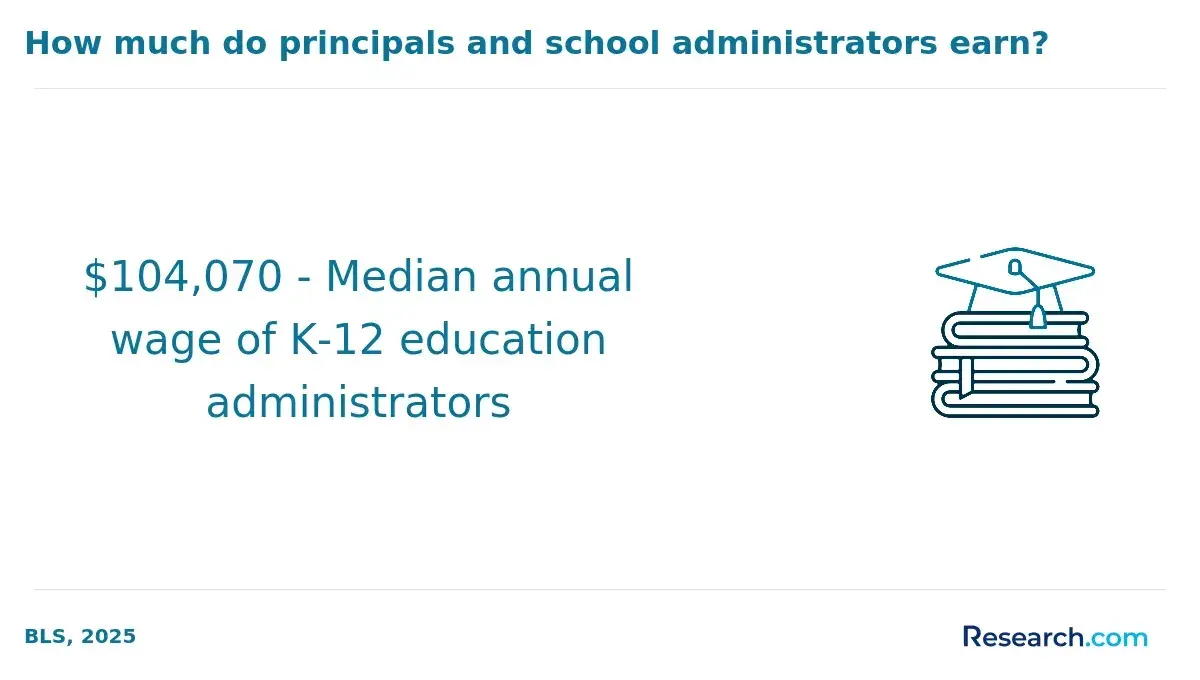
Most candidates need to complete the following teacher in New Mexico requirements before applying for licensure:
- Earn a bachelor’s degree: New Mexico teacher candidates must hold a bachelor’s degree from a regionally accredited college or university. If you know you want to work with young children, a bachelor’s degree in child development may help you build relevant knowledge, though your program must still align with New Mexico licensure expectations.
- Finish an approved teacher preparation program: Candidates must complete a teacher preparation program that meets New Mexico Public Education Department expectations. NMPED maintains, approves, and monitors educator preparation programs in the state, so you should confirm approval before enrolling.
- Pass required examinations: Future teachers must pass the applicable content and subject area exams, including the New Mexico Teacher Assessments. Your grade level and subject area determine which tests apply.
Traditional, alternative, and graduate routes compared
There is no single best route for every future teacher. The right option depends on your current education level, whether you already have a bachelor’s degree, the grade level you want to teach, and how quickly you need to move into paid classroom work.
| Pathway | Best for | Main advantage | Key caution |
| Traditional bachelor’s in education | First-time college students who know they want to teach. | Combines academic coursework, education methods, and field experience in one degree plan. | Changing majors late may delay graduation or require extra credits. |
| Post-baccalaureate or alternative licensure | Career changers or graduates with a non-education bachelor’s degree. | Can focus directly on licensure requirements without completing a second full bachelor’s degree. | You must verify that the route is accepted by NMPED for your intended license area. |
| Graduate education program | Candidates seeking advanced preparation, leadership preparation, or a career change into teaching. | May support licensure preparation while building graduate-level expertise. | Graduate tuition and admissions requirements vary widely. |
| Associate degree or certificate pathway | Students exploring education careers, paraprofessional roles, or transfer options. | Can be a lower-cost starting point before completing a bachelor’s degree. | An associate degree alone typically does not meet full public school teacher licensure requirements. |
Teacher in New Mexico Licensure Application and Renewal Process
New Mexico schools employ educators across multiple grade bands and instructional areas. In the state, there are 8,500 elementary school teachers, 6,360 secondary school teachers, 3,460 middle school teachers, and 690 vocational education teachers (U.S. Bureau of Labor Statistics, 2024).
These professionals support students in general education, career and technical education, special education, and subject-specific classrooms. Teachers who later complete graduate study, such as a master’s-level child development program, may strengthen their preparation for specialized roles, leadership opportunities, or advanced instructional responsibilities.
If your goal is to work as a licensed public school teacher in New Mexico, you will need to complete the state’s application process and maintain your credential after it is issued.
Licensure Application Process
- Complete fingerprinting and background verification: After meeting the academic and preparation requirements, schedule the required background check through IdentoGo New Mexico.
- Submit official academic records: Provide transcripts to NMPED showing completion of the required bachelor’s degree. Candidates preparing for subject-specific secondary teaching may also compare options such as a secondary education online degree.
- Document educator preparation and exams: Submit evidence that you completed an approved teacher preparation program and passed the required knowledge, content, or subject area examinations.
- Apply and pay required fees: Use the New Mexico Public Education Department’s online license portal to submit applications, renewals, and related documentation.
Licensure Renewal Process
- Complete professional learning: To renew a New Mexico teaching license, teachers must complete 180 hours of professional development or 12 credit hours of education courses. These must be verified through a transcript and by the school district.
- Submit the renewal request: File the renewal application with NMPED and pay the applicable renewal fees.
- Renew a level two license at the same level: Teachers may use the Same Level Licensure system online and submit the Application for New Mexico Continuing Licensure.
- Advance from level two to level three: Teachers need three full years of teaching experience and a master’s degree. They may also submit a PD Dossier or become National Board Certified through the National Board for Professional Teaching Standards.
- Renew a level three license: Teachers may submit an Application for New Mexico Continuing Licensure and may be asked for a statement from the superintendent recommending continuation of the license.
Understanding the Cost and Pathways to Teaching Credentials in New Mexico
Cost should be part of your decision from the beginning. Tuition is important, but it is not the only expense. Future teachers should also consider textbooks, exam fees, fingerprinting, commuting to field placements, lost income during student teaching, technology requirements for online courses, and whether credits will transfer if they start at a community college.
Lower-cost routes can make sense, especially for career changers or students who need to limit borrowing. Alternative licensure options, post-baccalaureate pathways, and teaching internships may help candidates who already hold a bachelor’s degree move toward certification without repeating unnecessary coursework. Education scholarships, grants, employer tuition support, and financial aid can also reduce out-of-pocket costs when available.
New Mexico offers multiple certificate and license routes depending on whether you want to teach elementary education, secondary education, early childhood, special education, or another area. Before choosing a program, compare its approval status, total cost, timeline, field placement support, and pass-rate support rather than relying only on advertised tuition. For a deeper look at credential options and affordability, review this guide to the types of teaching certificates in New Mexico.
Questions to ask before choosing a teacher preparation program
- Is the program approved for New Mexico teacher licensure? A degree can be academically legitimate but still fail to meet the requirements for your specific license area.
- Does the program include supervised classroom experience? Fieldwork and student teaching are essential for classroom readiness.
- What exams will I need to pass? Ask how the program prepares students for required NMTA or subject-specific assessments.
- What is the total cost, not just tuition? Include fees, materials, transportation, testing, and time away from paid work.
- Can I transfer credits? Transfer policies matter if you begin at a community college or previously completed college coursework.
- Will this route support the grade level or subject I want? Elementary, secondary, special education, early childhood, and substitute roles may have different requirements.
List of Top Teaching Programs in New Mexico for 2027
Teacher demand should be interpreted carefully. In the U.S., it is projected that there will be about 103,800 job openings for kindergarten and elementary teachers each year over the decade (Bureau of Labor Statistics, 2024). At the same time, the overall job outlook for teachers in the U.S. from 2024 to 2034 is limited, with employment growth at negative two percent (BLS, 2024). Openings can still occur because of retirements, transfers, vacancies in specific districts, and demand in shortage areas, but candidates should research local hiring conditions before enrolling.
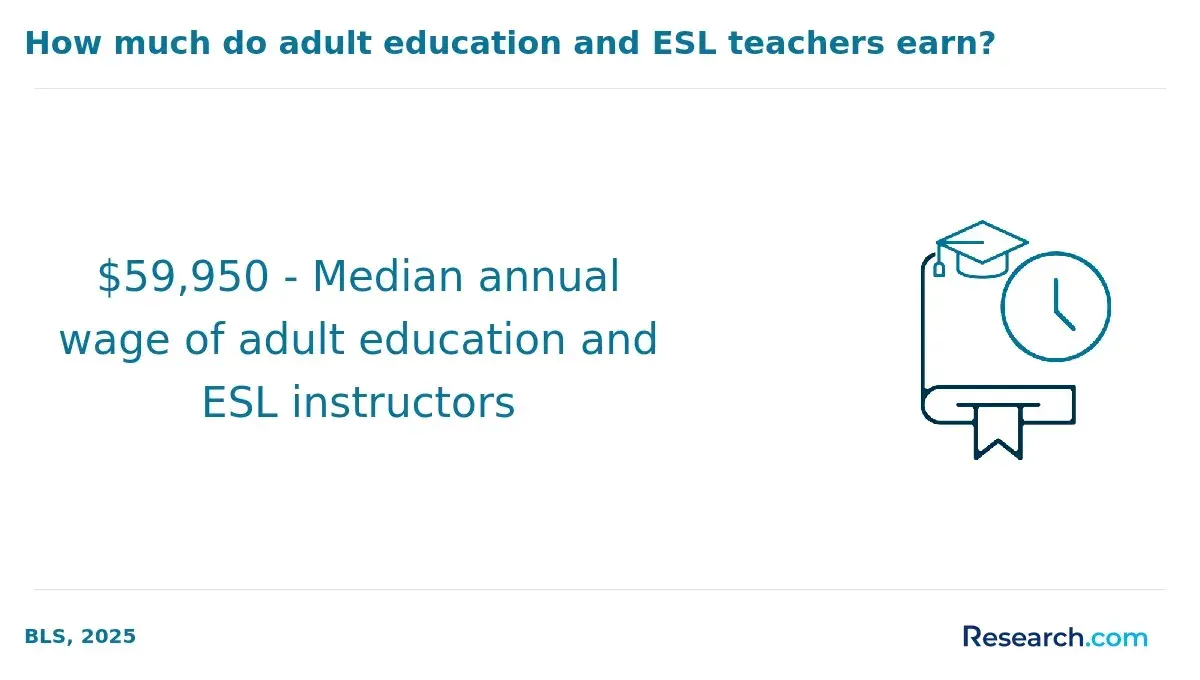
New Mexico students can choose from public universities, community college pathways, graduate programs, and online options. If you are comparing graduate routes, Research.com’s guide to online master’s degree programs in education can help you understand flexible study formats. The programs below are examples of New Mexico options for aspiring educators.
| School | Program length | Tracks or concentrations | Cost per credit | Credits | Accreditation |
| New Mexico State University | Four Years | early childhood education, elementary education, special education, and secondary education | $316 (in-state), $1,012 (out-of-state) | 120 | Council for the Accreditation of Educator Preparation (CAEP) |
| Western New Mexico University | Four Years (undergraduate); Two Years (graduate) | gifted education, early childhood education, teacher leader, and more | $327 (undergraduate); $608 (graduate) | 120 (undergraduate); 24 to 36 (graduate) | Council for the Accreditation of Educator Preparation (CAEP) |
| Eastern New Mexico University | Four Years | elementary education and special education | $228 (in-state), $342 (out-of-state) | 120 | Higher Learning Commission (HLC) |
| New Mexico Highlands University | Four Years | early childhood multicultural education, math and computer science, bilingual education, special education, and more | $296 (in-state), $501 (out-of-state) | 120 | Higher Learning Commission (HLC) |
| Central New Mexico Community College | Two Years | elementary and special education | $66 (in-state), $334 (out-of-state) | 60 | Higher Learning Commission |
New Mexico State University
New Mexico State University’s Teacher Education Program prepares candidates for teaching in diverse communities across the state. Its undergraduate education programs include several specialization options and education minors for students who want a broader foundation in teaching and learning.
- Program Length: Four Years
- Tracks/concentrations: early childhood education, elementary education, special education, and secondary education.
- Cost per credit: $316 (in-state), $1,012 (out-of-state)
- Required Credits to Graduate: 120
- Accreditation: Council for the Accreditation of Educator Preparation (CAEP)
Western New Mexico University
Western New Mexico University’s College of Education offers undergraduate and graduate education programs with an experiential focus. Its teacher education curriculum includes general education, professional core coursework, teaching field requirements, and BA or BS requirements.
- Program Length: Four Years (undergraduate); Two Years (graduate)
- Tracks/concentrations: gifted education, early childhood education, teacher leader, and more.
- Cost per credit: $327 (undergraduate); $608 (graduate).
- Required Credits to Graduate: 120 (undergraduate); 24 to 36 (graduate).
- Accreditation: Council for the Accreditation of Educator Preparation (CAEP)
Eastern New Mexico University
Eastern New Mexico University is known in the Southwest for teacher preparation. Its Teacher Education Office supports placement of teacher candidates in appropriate instructional settings. ENMU currently offers a bachelor’s in elementary and special education along with a licensure teaching degree.
- Program Length: Four Years
- Tracks/concentrations: elementary education and special education
- Cost per credit: $228 (in-state), $342 (out-of-state).
- Required Credits to Graduate: 120
- Accreditation: Higher Learning Commission (HLC)
New Mexico Highlands University
New Mexico Highlands University’s School of Education offers BA education programs and a BS in general science for secondary school. Students receive preparation in elementary subject matter, including mathematics, reading and language arts, social studies, science, and other foundational fields.
- Program Length: Four Years
- Tracks/concentrations: early childhood multicultural education, math and computer science, bilingual education, special education, and more.
- Cost per credit: $296 (in-state), $501 (out-of-state).
- Required Credits to Graduate: 120
- Accreditation: Higher Learning Commission (HLC)
Central New Mexico Community College
Central New Mexico Community College’s teacher education program includes associate degrees and certificates in education. This type of pathway can suit students who want to begin with a lower-cost credential, prepare for teaching assistant roles, or later transfer into a bachelor’s program. CNMCC also offers an alternative teacher licensure certificate program for candidates pursuing a New Mexico level one teaching license.
- Program Length: Two Years
- Tracks/concentrations: elementary and special education
- Cost per credit: $66 (in-state), $334 (out-of-state).
- Required Credits to Graduate: 60
- Accreditation: Higher Learning Commission
How can I specialize as an English teacher in New Mexico?
English teaching requires more than a general interest in reading and writing. Candidates should expect preparation in literature, composition, language development, assessment, adolescent literacy, and instructional strategies that help students analyze texts and communicate clearly. If you want a subject-specific route, review the steps for becoming an English teacher in New Mexico so you can match your coursework, exams, and licensure plan to the correct teaching level.
What role do online education programs play in teacher preparation?
Online teacher preparation can make education degrees more accessible for working adults, rural students, and career changers who cannot attend campus full time. However, online coursework does not eliminate classroom-based requirements. You still need to confirm that the program is accepted for New Mexico licensure and that it can arrange field experiences or student teaching in an approved setting. Students comparing virtual elementary education pathways can start with Research.com’s overview of the best online elementary education programs.
What is the process for special education teacher certification in New Mexico?
Special education certification typically requires focused coursework on disability categories, individualized instruction, behavior supports, assessment, collaboration with families, and legal responsibilities under special education policy. Candidates also need supervised practice with students who have diverse learning needs and must meet New Mexico’s testing and licensure requirements. For a step-by-step route, use this guide to special education teacher certification in New Mexico.
What classroom management strategies are effective for teachers in New Mexico?
Classroom management is not just discipline. It is the daily system that helps students know what to do, how to participate, and how to recover when learning is disrupted. In New Mexico, culturally responsive practice is especially important because classrooms may include students from varied linguistic, cultural, tribal, rural, and urban communities.
- Set expectations early: Teach classroom routines explicitly at the beginning of the year and revisit them after breaks or major transitions.
- Use positive reinforcement intentionally: Recognize productive behavior, effort, collaboration, and persistence instead of only reacting to disruptions.
- Build culturally responsive lessons: Use examples, texts, and classroom norms that respect students’ backgrounds and identities.
- Include visual and hands-on supports: Anchor charts, models, manipulatives, and demonstrations can help students stay engaged and understand directions.
- Keep routines predictable: Consistent entry tasks, transitions, group-work expectations, and closing activities reduce confusion.
- Teach collaboration skills: Pair and group work are more effective when students learn roles, discussion norms, and accountability structures.
The most effective teachers combine structure with relationships. Students are more likely to participate when they understand expectations and believe the teacher is invested in their success.
Are there alternative career roles in New Mexico schools?
Not every education career requires leading a traditional classroom all day. New Mexico schools also need curriculum specialists, instructional coordinators, librarians, paraprofessionals, education support professionals, assessment staff, and program leaders. These roles may require different credentials from a standard classroom teaching license. If you are interested in information literacy, research support, and library services, review the pathway for becoming a school librarian in New Mexico.
What are the specific requirements for kindergarten educators in New Mexico?
Kindergarten teachers need preparation in early childhood development, foundational literacy, early math, play-based learning, classroom routines, family communication, and observation-based assessment. Because kindergarten sits at the transition between early childhood and elementary education, candidates should verify that their program matches the exact license and grade band they want. Research.com’s guide to kindergarten teacher requirements in New Mexico explains the focused preparation and certification process.
Are there unique requirements for private school teachers in New Mexico?
Private schools may use hiring standards that differ from public school licensure rules. Some schools prefer or require state certification, while others weigh subject expertise, religious or mission alignment, classroom experience, or school-specific training. Before accepting a role, ask whether the position requires a New Mexico license, whether the school supports professional development, and whether the experience will count toward future public school goals. For a closer comparison, see Research.com’s guide to private school teacher requirements in New Mexico.
Can I complete my teacher certification online in New Mexico?
You may be able to complete substantial portions of teacher certification coursework online, but you should not assume every online program leads to New Mexico licensure. The most important questions are whether the program is accredited, whether it is approved for your intended credential, and how it handles student teaching or field placements. For a detailed online route, read this guide on how to become a teacher online in New Mexico.
Which teacher certification option best aligns with my career aspirations in New Mexico?
The right certification option depends on your starting point. First-time college students often benefit from a traditional bachelor’s route, while career changers may prefer an alternative or post-baccalaureate pathway. Candidates targeting special education, secondary subjects, early childhood, or substitute teaching should choose a route built for that specific credential. To compare available pathways, review the guide to teacher certification requirements in New Mexico.
What are the prerequisites for substitute teaching roles in New Mexico?
Substitute teaching can be a practical way to gain classroom experience, explore grade levels, and decide whether full-time teaching is right for you. Substitute credentials are different from standard teacher licensure, and candidates should expect requirements related to eligibility, training, and background verification. For the current steps, see the guide to New Mexico substitute teacher requirements.
What support systems are available for new teachers in New Mexico?
New teachers need more than a license. The first years of teaching involve lesson planning, classroom management, parent communication, assessment, and adapting instruction while still building confidence. Support systems can make the difference between surviving the first year and developing into an effective long-term educator.
- Mentorship programs: New teachers may be paired with experienced educators who can help with pacing, classroom routines, behavior systems, and professional expectations.
- District induction programs: Many districts provide orientation, workshops, peer networking, and structured support for early-career teachers.
- Professional development: Teachers can continue learning about curriculum changes, instructional technology, assessment practices, and student support strategies.
- Financial incentives and grants: Some districts provide stipends, grants, or other supports tied to training, high-need areas, or professional commitments.
- Online education resources: Teachers who want to add credentials or pursue advanced study can compare accredited online colleges that offer education-related programs while they continue working.
How do I determine the best path to teaching in New Mexico?
Start with your target classroom, not with a school brochure. Decide whether you want to teach elementary, secondary, special education, kindergarten, English, or another area. Then work backward to identify the required degree, approved preparation program, exams, field experience, and license type. If elementary education is your goal, this guide to how to become an elementary school teacher in New Mexico can help you understand the grade-specific pathway.
Decision checklist for future New Mexico teachers
- Choose your teaching level: Elementary, middle school, secondary, early childhood, kindergarten, and special education can lead to different requirements.
- Confirm program approval: Do not enroll until you know the program supports New Mexico licensure.
- Estimate total cost: Compare tuition, fees, testing, transportation, books, and time away from work.
- Ask about field placements: Strong programs help students secure supervised classroom experience.
- Review assessment preparation: Passing required exams is essential for licensure.
- Plan for renewal: Licensure requires ongoing professional development, so consider long-term obligations from the start.
What are the career advancement opportunities for teachers in New Mexico?
New Mexico’s tiered license structure gives teachers a formal way to grow, but advancement can also happen through graduate study, leadership responsibilities, specialized credentials, and non-classroom education roles. The best path depends on whether you want higher instructional expertise, administrative responsibility, curriculum work, or a specialized student-support role.
- Pursuing a master’s degree: A graduate degree in education, special education, curriculum design, child development, or educational leadership can strengthen a teacher’s qualifications and open the door to master’s in education jobs with broader responsibilities.
- National Board Certification: National Board Certification requires teachers to demonstrate advanced practice through assessments, portfolios, and evidence of student learning. It can support leadership opportunities and may align with salary advancement depending on district policies.
- School leadership roles: Experienced teachers may move into department chair, instructional coach, school coordinator, assistant principal, or principal roles. Administrative roles often require additional leadership preparation.
- Specialized instructional roles: Teachers with expertise in special education, ESL, STEM, literacy, or bilingual education may move into coordinator, mentor, or program director positions.
- Higher education roles: Experienced K-12 educators may teach as adjunct faculty, advise education students, supervise student teachers, or support curriculum design in colleges and universities.
- Educational consulting and curriculum development: Teachers with deep expertise in a content area, instructional model, or technology implementation may work with schools, districts, or consulting organizations.
How can advanced degrees enhance my teaching career in New Mexico?
Advanced degrees can help teachers deepen subject knowledge, qualify for leadership roles, prepare for specialized student populations, and meet requirements for higher licensure levels. The best graduate program is the one that matches your intended next step, whether that is curriculum leadership, physical education, child development, special education, or school administration. For educators looking for affordable graduate options in a specific specialty, Research.com’s guide to the cheapest online physical education master’s degrees can help with comparison.
Current trends affecting teachers in New Mexico
Teaching is changing in ways that future educators should consider before choosing a program. Technology is now part of lesson planning, assessment, communication, and intervention. AI tools may help teachers draft materials or analyze patterns, but educators still need professional judgment, strong content knowledge, and careful attention to student privacy and academic integrity.
Online and hybrid preparation programs have also become more common, making teacher education more flexible for rural students and working adults. Flexibility is useful, but candidates should verify accreditation, state approval, field placement support, and licensure alignment before enrolling.
Another trend is the growing importance of culturally responsive teaching, student mental health awareness, and differentiated instruction. New Mexico teachers may work with students from many linguistic, cultural, and community backgrounds, so preparation programs that include practical classroom strategies can be more valuable than programs that focus only on theory.
Common mistakes to avoid when becoming a teacher in New Mexico
| Mistake | Why it causes problems | Better approach |
| Choosing a program without checking approval for New Mexico licensure | You may graduate without meeting the requirements for the credential you need. | Confirm approval with the program and NMPED before enrolling. |
| Looking only at tuition | Fees, exams, travel, books, and unpaid fieldwork can change the true cost. | Build a full budget before committing. |
| Assuming online means fully remote | Teacher preparation usually includes fieldwork or student teaching in schools. | Ask how placements are arranged and whether they can be completed near you. |
| Ignoring grade-level and subject requirements | The wrong program may not prepare you for your intended classroom. | Choose your license area first, then select a matching program. |
| Relying only on rankings | A highly visible school may not be the best fit for your budget, location, or license goal. | Compare accreditation, cost, outcomes, field support, and schedule. |
| Assuming salary outcomes are guaranteed | Pay can vary by district, experience, license level, and role. | Review local salary schedules and advancement policies. |
Should I study to become a teacher in New Mexico?
Studying to become a teacher in New Mexico can be a meaningful choice if you want a career centered on students, community impact, and continuous learning. It is also a regulated profession, so you should be ready for exams, licensure paperwork, renewal requirements, professional development, and the realities of classroom work.
Before committing, compare expected salary with your financial needs, evaluate the total cost of preparation, and decide whether you are willing to keep developing your instructional practice over time. A postgraduate route, such as a master’s program in child development, may help educators deepen their expertise and prepare for specialized responsibilities.
The strongest candidates choose teaching because they want to help students learn, not because the pathway seems simple. If you are prepared for the responsibilities and select a licensure-aligned program, New Mexico offers multiple ways to enter and grow within the profession.
Key Insights
- New Mexico requires a structured preparation path: Most candidates need a bachelor’s degree, an approved teacher preparation program, passing assessment scores, a background check, and an application through NMPED.
- The three-tier system shapes long-term growth: New Mexico’s licensure model allows teachers to advance as they gain experience, complete professional requirements, and demonstrate stronger practice.
- Salary should be evaluated with local cost factors: The average salary for public school teachers in New Mexico is $54,520 (Salary.com, 2026), while the state’s cost of living is 5% lower than the national average (RentCafe, 2023).
- Program choice matters as much as degree choice: Accreditation, state approval, field placement quality, exam preparation, cost, and transfer policies should all be reviewed before enrollment.
- Online certification can work, but verify licensure alignment: Flexible coursework is helpful, but candidates still need approved field experience and must meet New Mexico requirements.
- Specialization changes the pathway: English, special education, kindergarten, elementary, substitute teaching, and private school roles can involve different preparation and credential expectations.
- Teaching requires ongoing development: Renewal requirements, professional development, advanced degrees, and National Board Certification can all influence career mobility.
Related Articles for Nearby States
- 2027 How to Become a Teacher in Arizona – What Degree Do You Need to Be a Teacher?
- 2027 How to Become a Teacher in Colorado – What Degree Do You Need to Be a Teacher?
- 2027 How to Become a Teacher in Texas – What Degree Do You Need to Be a Teacher
- 2027 How to Become a Teacher in Utah – What Degree Do You Need to Be a Teacher
- 2027 How to Become a Teacher in Oklahoma – What Degree Do You Need to Be a Teacher?
- 2027 How to Become a Teacher in Nevada – What Degree Do You Need to Be a Teacher?
- 2027 How to Become a Teacher in Kansas – What Degree Do You Need to Be a Teacher?
- 2027 How to Become a Teacher in Wyoming – What Degree Do You Need to Be a Teacher
- 2027 How to Become a Teacher in Nebraska – What Degree Do You Need to Be a Teacher?
- 2027 How to Become a Teacher in California – What Degree Do You Need to Be a Teacher?
References:
- Bureau of Labor Statistics. (2025) Kindergarten and Elementary School Teachers Job Outlook. https://www.bls.gov/ooh/education-training-and-library/kindergarten-and-elementary-school-teachers.htm
- Learning Policy Institute. (2025, July). An Overview of Teacher Shortages: 2025 Fact Sheet. https://learningpolicyinstitute.org/media/4764/download?inline&file=Teacher_Shortages_Overview_2025_FACTSHEET.pdf
- National Council on Teacher Quality. (n.d.). New Mexico’s 3-Tiered Licensure Performance Evaluation Handbook. https://www.nctq.org/dmsView/New_Mexicos_3-Tiered_Licensure_System
- National Student Clearinghouse Research Center. (2026, January 15). Final Fall Enrollment Trends. https://nscresearchcenter.org/final-fall-enrollment-trends
- Salary.com. (2025). Public School Teacher Salary in New Mexico. https://www.salary.com/research/salary/benchmark/public-school-teacher-salary/nm
Other Things You Should Know About Becoming a Teacher in New Mexico
To become a teacher in New Mexico, you must have a bachelor's degree from a regionally accredited college or university. Additionally, you need to complete a teacher preparation program approved by the New Mexico Public Education Department (NMPED).
Yes, New Mexico offers reciprocity for out-of-state teaching licenses. You must apply for a New Mexico teaching license and meet the state's requirements, which may include submitting proof of your existing licensure, passing required exams, and undergoing a background check.
New Mexico's three-tiered licensure system allows teachers to advance through three levels: Level 1 (entry-level), Level 2 (professional), and Level 3 (master teacher). Each level requires demonstrating increased competencies and responsibilities, often accompanied by higher salaries.
To apply for a teaching license in New Mexico, you need to complete a background check, submit your transcripts and proof of completing a teacher preparation program, pass the required exams, and pay the necessary fees through the New Mexico Public Education Department's online license portal.
To become a teacher in New Mexico in 2027, candidates must pass the Praxis exams specific to their subject area and grade level. The Praxis Core Academic Skills for Educators is typically required, as well as relevant Praxis Subject Assessments. These ensure competency in both general and specialized knowledge.


