
2027 How to Become a Private School Teacher in New Mexico: Requirements & Certification

Co-Founder and Chief Data Scientist
Becoming a private school teacher in New Mexico is different from entering a public school classroom. Private schools generally set their own hiring standards, which can create more flexible entry points for candidates with subject expertise, youth work experience, alternative credentials, or a traditional education degree. That flexibility is useful—but it also means applicants must evaluate each school carefully instead of relying on one statewide checklist.
This guide explains what New Mexico private schools typically look for, how licensure differs from public school requirements, what education and training options are available, what costs to plan for, and how to compare teaching opportunities. It is designed for recent graduates, career changers, certificate holders, and experienced educators who want to understand whether private school teaching in New Mexico is a practical next step.
Quick Answer: How Do You Become a Private School Teacher in New Mexico?
New Mexico does not require private school teachers to hold state teacher certification in the same way public school teachers must. However, many private schools prefer candidates with a bachelor’s degree, teaching experience, subject-area knowledge, a teaching credential, or evidence of strong classroom readiness. Applicants should expect school-specific hiring requirements, interviews, possible demonstration lessons, and background checks such as fingerprinting.
| Decision Point | What It Means for Private School Applicants in New Mexico |
| State certification | Not generally required for private school teachers, but it may improve competitiveness. |
| Degree expectations | A bachelor’s degree is commonly preferred, especially for lead teaching roles. |
| School discretion | Each private school may set its own requirements based on mission, accreditation, grade level, and subject needs. |
| Background checks | Prospective teachers should be ready for fingerprinting and criminal background screening, which may involve fees. |
| Best preparation strategy | Combine academic preparation, classroom experience, strong references, and familiarity with the school’s philosophy. |
Key Things You Should Know About Becoming a Private School Teacher
- New Mexico private school teachers are not required to earn state certification, although many schools give preference to applicants with relevant degrees, credentials, or teaching experience.
- Private schools may follow religious, Montessori, classical, college-preparatory, arts-focused, bilingual, or other educational models, so applicants should understand the school’s instructional philosophy before applying.
- Teachers in private schools often have more room to shape lessons, assessments, and classroom routines, but that autonomy comes with responsibility for meeting school and parent expectations.
- Networking with local educators, school leaders, alumni, and professional associations can help applicants learn which schools are hiring and what they value in candidates.
- Understanding New Mexico education regulations, child safety requirements, and school accreditation practices can help teachers operate professionally even when state licensure is not mandatory.
- There is no single private school teacher license application process, but hiring schools may require fingerprinting, background checks, references, transcripts, and other documentation.
- Education requirements for New Mexico private school teachers
- Licensure, hiring, and renewal expectations
- Teaching with a certificate or associate degree
- Private education program costs in New Mexico
- Typical timeline to enter private school teaching
- Total cost to become a private school teacher
- Job outlook for private school teachers
- Private school teacher salary expectations
- Special education specialization
- Professional development options
- Career paths in private education
- Alternative careers with early childhood education training
- Digital classroom engagement strategies
- Networking and mentorship
- Subject-specific certification benefits
- Emerging trends in New Mexico private schools
- Teacher certification pathways
- Online teaching certification benefits
- Early childhood education certification advantages
- Other education career options in New Mexico
- Financial aid for aspiring private school teachers
- Private school career planning
- Questions to ask before accepting a teaching job
What are the educational requirements for private school teachers in New Mexico?
New Mexico private schools generally have more flexibility than public schools when hiring teachers. A public school teacher must meet state licensure rules, while a private school may decide that a candidate’s degree, subject expertise, classroom experience, faith alignment, youth development background, or professional references are the stronger indicators of fit. This differs from some public-sector routes, such as the process described in this guide to teacher qualifications in Louisiana.
Most applicants should still expect private schools to look for a solid academic foundation. The stronger your preparation, the easier it is to compete for lead teacher roles, higher grade levels, specialized subjects, and schools with accreditation standards.
- Bachelor’s degree: Many private schools prefer a bachelor’s degree in education, child development, or the subject you want to teach. For example, a high school math teacher is usually more competitive with substantial mathematics coursework than with only general education training.
- Teacher preparation: A teacher preparation program can help applicants build lesson planning, assessment, classroom management, and student teaching experience. Even when not required by law for private schools, it can make a resume stronger.
- Optional state certification: A New Mexico teaching license is not generally required for private school employment, but it signals that you have met formal teacher preparation standards. It may also make it easier to move between private and public school roles later.
- Graduate education: Some private schools may prefer teachers with a master’s degree in education or a subject area, especially for advanced coursework, leadership roles, curriculum design, or specialized programs.
- Continuing education: Schools may expect teachers to keep improving through workshops, conferences, curriculum training, child safety training, or coursework connected to the school’s mission and student population.
| Credential or Experience | How It Helps | Best Fit |
| Bachelor’s degree in education | Shows formal preparation in teaching methods and child development. | Elementary, middle school, and general classroom roles. |
| Bachelor’s degree in a subject area | Supports subject-specific teaching credibility. | Middle school and high school courses such as English, science, history, or mathematics. |
| Teaching license | Adds professional credibility even when not mandatory. | Applicants who want maximum flexibility across private and public schools. |
| Certificate or associate degree | May help with early childhood, assistant, enrichment, or school-specific roles. | Candidates entering the field gradually or applying to schools with flexible hiring policies. |
| Youth work experience | Demonstrates practical skill with children and families. | Career changers, coaches, tutors, mentors, camp staff, and paraprofessionals. |
A practical way to evaluate your readiness is to compare your background with the actual job descriptions of schools where you want to work. If several listings mention a degree, classroom experience, and faith-based or mission-specific alignment, those are not optional preferences to ignore—they are clues about what the hiring committee will value.
What is the licensure application and renewal process for private school teachers in New Mexico?
There is no universal private school teacher license application or renewal process in New Mexico because private schools are not generally required to hire state-licensed teachers. Instead, schools create their own hiring procedures. A school may request transcripts, references, a resume, a teaching philosophy statement, a background check, fingerprinting, interviews, and a demonstration lesson.
That said, applicants should not assume “no state licensure required” means “no standards.” Competitive private schools often evaluate candidates carefully because teachers represent the school’s academic quality, mission, safety culture, and relationship with families.
- Academic records: Schools often ask for college transcripts or proof of degree completion.
- Professional background: Prior teaching, tutoring, coaching, mentoring, or child care experience can strengthen an application.
- Optional credentials: A state teaching license, subject endorsement, or specialized certificate can help show readiness.
- School-specific screening: Interviews, reference checks, background checks, and demonstration lessons may be part of the process.
- Ongoing development: Even without license renewal, schools may require annual training or professional learning aligned with their curriculum and student needs.
Educators who want to expand their credentials beyond classroom teaching may also explore related academic fields. For example, library science degree options can be useful for educators interested in school libraries, literacy programming, information literacy, or instructional resource roles.
Labor market conditions also matter. According to the National Center for Education Statistics, schools, both public and private, faced greater challenges filling teaching positions in 2020-21 compared to 2011-12. For example, 40% of public schools struggled to find special education teachers in 2020-21, up from 17% in 2011-12. While that example refers to public schools, it helps explain why private schools may value applicants with hard-to-find skills such as special education, bilingual education, STEM, and student support experience.
Can I become a private school teacher in New Mexico with just a certificate?
Possibly, but it depends on the school, grade level, subject, accreditation expectations, and whether the role is a lead teaching position or a support role. Some private schools may consider candidates with a teaching certificate, associate degree, or strong practical experience, especially for early childhood programs, enrichment classes, tutoring, coaching, or assistant teaching. However, many lead teacher positions still prefer or expect a bachelor’s degree.
The safest answer is this: a certificate can open doors, but it may not be enough for every private school teaching role. Applicants without a bachelor’s degree should target schools whose job postings explicitly accept equivalent experience or alternative preparation.
- Certificate-only applicants: May be considered when they can show classroom skill, subject knowledge, child development experience, or strong references.
- Associate degree holders: May be competitive for early childhood, assistant teacher, or school support roles, depending on school policy.
- Career changers: Can improve their chances by documenting tutoring, coaching, mentoring, ministry, camp, or youth program experience.
- Bachelor’s degree holders in non-education fields: May benefit from New Mexico’s Alternative Licensure Program if they want a formal teaching credential.
- Applicants seeking long-term mobility: Should consider whether earning a bachelor’s degree or license would improve future options.
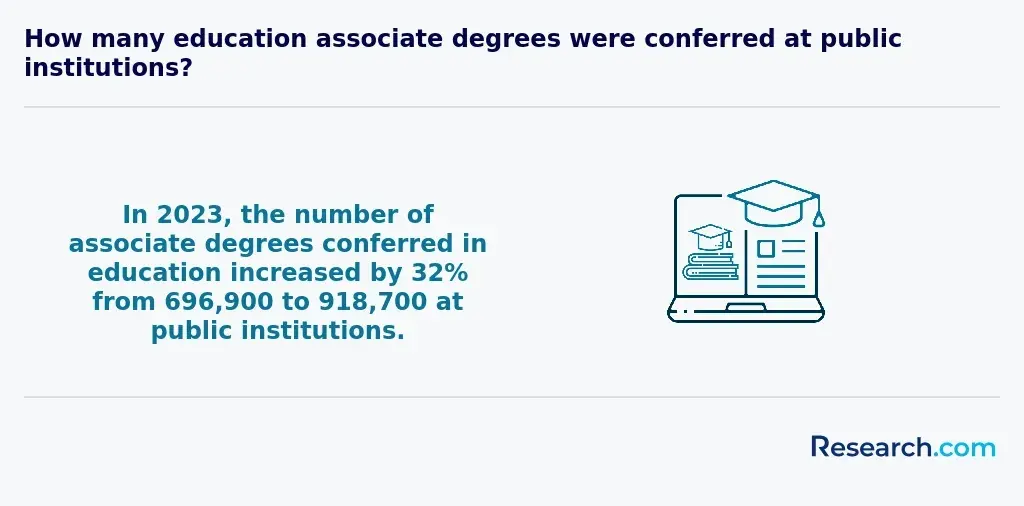
In academic year 2022-2023, postsecondary institutions conferred a total of 5.1 million awards, ranging from certificates below the bachelor's level to doctoral degrees. For associate degrees, it increased by 32%. For private school applicants, this range of credentials reflects the reality that education pathways are not one-size-fits-all, but the credential that works for one school may not be accepted by another.
| Your Current Background | Most Realistic Private School Entry Point | How to Strengthen Your Application |
| Certificate only | Assistant, enrichment, early childhood, tutoring, or school-specific teaching role. | Add supervised classroom experience and strong references. |
| Associate degree | Early childhood, paraprofessional, assistant teacher, or lower-grade support role. | Ask schools whether the role can lead to a lead teacher position. |
| Bachelor’s degree in a non-education field | Subject-area teaching, especially at middle or high school level. | Consider alternative licensure or education coursework. |
| Bachelor’s degree in education | Lead classroom teacher roles. | Build a portfolio with lesson plans, assessment examples, and classroom evidence. |
| Licensed teacher | Most private school teaching roles, depending on mission fit. | Emphasize instructional results, adaptability, and school philosophy alignment. |
What is the average cost of private education programs in New Mexico?
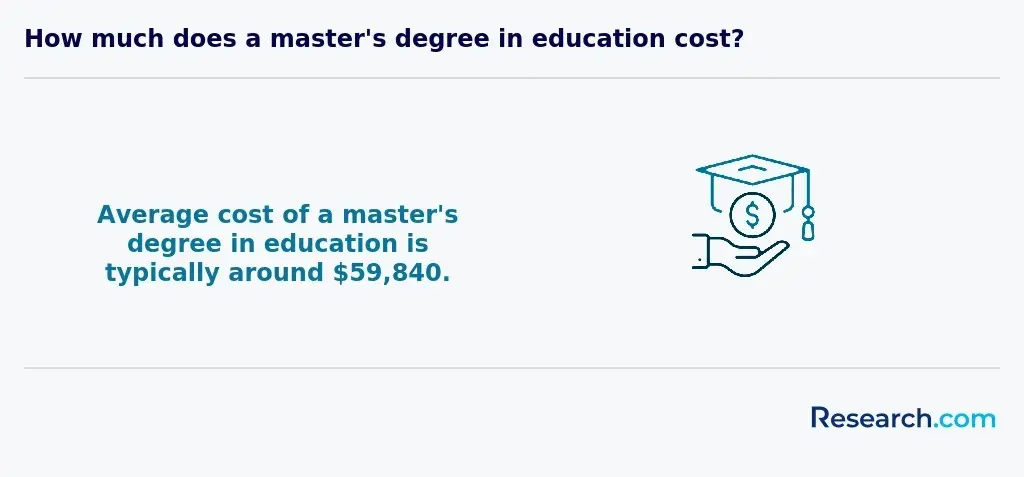
The average annual tuition for private schools in New Mexico is approximately $8,774, but that figure describes private school tuition rather than the cost of becoming a teacher. Costs vary by school type, religious affiliation, grade level, location, and program model. A master’s degree in education can cost $59,840, depending on the program referenced.
Families considering private education and aspiring teachers evaluating the private school market should understand how tuition affects staffing, program resources, compensation, and parent expectations.
- Preschool tuition: Private preschool tuition may range from $4,000 to $13,000, depending on the school’s curriculum, schedule, reputation, and services.
- Religious schools: Religious private schools, including Catholic schools, are often less expensive than non-religious private day schools. The average annual tuition for elementary students in Catholic schools is around $4,480.
- Non-religious day schools: These schools often charge higher tuition, which can influence program offerings, class size, facilities, and parent expectations.
- Additional costs: Families may also pay for supplies, technology, activities, uniforms, transportation, meals, and specialized programs.
| Cost Category | Amount Stated | Why It Matters to Aspiring Teachers |
| Average annual private school tuition in New Mexico | Approximately $8,774 | Tuition can affect school budgets, resources, and compensation structures. |
| Private preschool tuition | $4,000 to $13,000 | Early childhood teachers should understand family expectations in tuition-funded settings. |
| Average annual Catholic elementary tuition | Around $4,480 | Religious schools may operate with different budget models and mission expectations. |
| Master’s degree in education | $59,840 | Graduate study may support advancement, but applicants should evaluate return on investment. |
For teachers, the important takeaway is not simply that private education has a cost. It is that private schools operate within tuition-driven financial realities. Before accepting a job, ask how the school supports teacher development, classroom supplies, planning time, benefits, and long-term salary growth.
How long does it take to become a private school teacher in New Mexico?
The timeline can range from several months to a couple of years, depending on your starting point and the type of role you want. A candidate with a bachelor’s degree, youth experience, and a strong subject background may be able to apply immediately. Someone who needs a certificate, additional coursework, supervised experience, or alternative licensure will need more time.
- Teaching certificate: Completing a certificate program can take anywhere from a few months to a year, depending on the structure of the program and your prior preparation.
- Alternative licensure: For candidates with a bachelor’s degree in a non-education field, alternative licensure programs can often be completed in one academic year.
- Degree completion: Applicants who still need a bachelor’s degree should plan for a longer timeline.
- Experience building: Tutoring, substitute teaching, coaching, volunteering, or working in youth programs can be added before or during the job search.
- Hiring timeline: Private schools may hire before the academic year, midyear for vacancies, or on a rolling basis for specialized roles.
| Starting Point | Possible Timeline | Recommended Next Step |
| Already licensed teacher | Potentially immediate, depending on openings. | Target schools that match your teaching philosophy and subject area. |
| Bachelor’s degree, no teaching license | Immediate to one academic year. | Apply to private schools while considering alternative licensure. |
| Certificate or associate degree | Several months to a couple of years. | Look for flexible-entry roles and ask about advancement requirements. |
| No formal education credential | Longer pathway. | Begin with coursework, youth experience, and school support roles. |
The best timeline is the one that matches your target role. If your goal is to teach high school science at a college-preparatory private school, you will likely need stronger academic credentials than someone seeking an assistant role in an early childhood classroom.
How much does it cost to become a private school teacher in New Mexico?
The cost depends on whether you pursue a degree, a certificate, state licensure, graduate education, or only school-specific hiring requirements. Because New Mexico private schools generally do not require state licensure, some applicants may spend less than public school candidates. Others may invest more if they choose a bachelor’s degree, master’s degree, endorsements, or specialized certifications.
Licensure and Background Check Fees
If you decide to pursue New Mexico teacher licensure or add credentials that may strengthen your application, plan for required processing fees. The stated fees include:
- Initial Teacher License: $150
- License Renewal: $120
- Initial Teacher Resident License: $40
- Endorsement Addition: $120
- Criminal Background Check: $59
Education Costs
Tuition varies widely by institution and credential level. For a bachelor’s degree in education, tuition typically ranges from $7,000 to $30,000 annually. In-state students at the University of New Mexico may pay around $10,000 per year, while private colleges often charge more. A master’s degree in education can cost between $15,000 and $40,000 in total, depending on program length and format.
Other Costs to Budget For
Books and supplies are estimated at $500 to $1,000 per year. Transportation can also add meaningful cost, especially for students commuting to campus, completing field placements, or traveling to interviews across different communities.
| Expense | Amount Stated | Is It Always Required for Private School Teaching? |
| Initial Teacher License | $150 | No, but it may help with competitiveness and mobility. |
| License Renewal | $120 | Only relevant if you maintain a license. |
| Initial Teacher Resident License | $40 | Relevant for certain licensure pathways. |
| Endorsement Addition | $120 | Useful for adding subject or grade-level credentials. |
| Criminal Background Check | $59 | Commonly relevant because schools screen employees who work with children. |
| Bachelor’s degree in education | $7,000 to $30,000 annually | Often preferred, especially for lead roles. |
| University of New Mexico in-state example | Around $10,000 per year | May apply to students choosing that institution and residency status. |
| Master’s degree in education | $15,000 and $40,000 in total | Optional, but can support specialization or advancement. |
| Books and supplies | $500 to $1,000 per year | Likely for degree or credential programs. |
What is the job outlook for private school teachers in New Mexico?
The job outlook for private school teachers in New Mexico depends on school enrollment, community demand, tuition affordability, subject needs, teacher turnover, and the number of schools in a given region. Private schools may not follow the same hiring patterns as public school districts, so applicants should research individual institutions rather than relying only on statewide teacher labor trends.
Applicants with specialized skills may have better opportunities. Schools often value teachers who can support STEM, arts, special education, bilingual instruction, early childhood development, religious instruction, college preparation, or differentiated learning.
- Subject expertise matters: A strong background in a shortage-prone or specialized field can make an applicant more attractive.
- Mission fit matters: Private schools often hire for philosophy and community alignment, not only credentials.
- Experience matters: Student teaching, tutoring, coaching, and classroom support experience can demonstrate readiness.
- Networking matters: Openings may circulate through school communities, professional associations, faith communities, and alumni networks.
- Flexibility matters: Teachers who can contribute to extracurriculars, advisory programs, curriculum design, or family engagement may stand out.
Career changers with academic backgrounds outside education should translate their prior experience into classroom value. For example, a graduate exploring career options with a history degree may be able to connect research, writing, cultural analysis, and civic learning to private school history or humanities instruction.
How much do private school teachers in New Mexico make?
Private school teacher salaries in New Mexico can vary by school funding, tuition model, location, grade level, subject area, teacher experience, and benefits. A commonly cited salary range is between $30,000 and $60,000 annually. This may be lower than public school compensation in some cases, so applicants should compare the full compensation package rather than focusing only on base salary.
Private schools may offer non-salary advantages such as smaller class sizes, mission alignment, curriculum flexibility, close family relationships, or supportive school culture. Those benefits can matter, but they do not replace the need to evaluate pay, health benefits, retirement options, workload, planning time, and advancement opportunities.
| Compensation Factor | Questions to Ask Before Accepting an Offer |
| Salary | Where does the offer fall within the $30,000 and $60,000 annually range? |
| Benefits | Are health insurance, retirement contributions, paid leave, and tuition discounts available? |
| Workload | How many classes, students, preps, duties, and extracurricular expectations are included? |
| Professional development | Does the school pay for conferences, certifications, graduate coursework, or curriculum training? |
| Advancement | Are there salary steps, leadership roles, department positions, or curriculum stipends? |
Teachers who want to improve long-term earning potential or qualify for leadership roles may consider graduate study. Research.com’s guide to the best online master’s degree in teaching can help educators compare flexible options.
Job satisfaction is another factor to weigh. Private and charter school teachers report significantly higher job satisfaction than their public school counterparts. According to Morning Consult, 69% of private school teachers are satisfied and thriving. This does not guarantee that every private school job will be a good fit, but it suggests that school environment can strongly affect teacher experience.
Should private school teachers specialize in special education?
Special education training can be a strong advantage for private school teachers in New Mexico, especially as families increasingly look for schools that can support diverse learning needs. Even when a school does not operate a full special education program, teachers benefit from knowing how to differentiate instruction, document student progress, collaborate with families, and adapt materials for learners with different strengths and challenges.
Special education specialization may be especially useful if you want to work in inclusive classrooms, intervention programs, early childhood settings, or schools that serve students with learning differences. Educators exploring this path can review Research.com’s guide on how to become a special education teacher in New Mexico.
How can private school teachers advance their professional development in New Mexico?
Professional development should be tied to a clear career goal. A new teacher may need classroom management and lesson planning support. A mid-career teacher may want advanced assessment, curriculum design, or leadership training. A teacher working with diverse learners may benefit from special education coursework or literacy intervention training.
Useful professional development options include school-sponsored workshops, regional educator conferences, mentorship programs, graduate coursework, subject-area associations, and certifications aligned with the teacher’s grade level. Educators seeking advanced preparation for diverse learners may compare programs such as the most affordable online special education master’s degree options.
| Professional Goal | Development Option | Why It Helps |
| Improve classroom practice | Workshops, coaching, peer observation. | Builds practical strategies that can be used immediately. |
| Teach specialized learners | Special education, literacy, or intervention training. | Supports differentiation and student support planning. |
| Move into leadership | Graduate coursework, curriculum training, department leadership. | Prepares teachers for dean, coordinator, or administrator roles. |
| Strengthen subject expertise | Subject-specific certifications or content-area coursework. | Helps teachers design deeper, more rigorous instruction. |
What career paths are available for Private school teachers in New Mexico?
Private school teaching can lead to more than one long-term career path. Some educators stay in the classroom and deepen their expertise. Others move into curriculum, administration, counseling, admissions, student support, or consulting. Because private schools may have smaller teams, teachers who take initiative can sometimes gain broad experience earlier than they might in larger systems.
- Classroom teacher: The most common starting point, focused on instruction, assessment, classroom culture, and student development.
- Subject specialist: A teacher may focus on STEM, arts, humanities, languages, religion, music, or another specialized area.
- Curriculum developer: Experienced teachers may design courses, align curriculum with school mission, or lead instructional improvement.
- Department chair or academic dean: Teachers with leadership ability may supervise curriculum, mentor colleagues, and support academic policy.
- School administrator: With experience and additional preparation, teachers may move into principal, director, or program leadership roles.
- Educational consultant: Some educators advise schools on curriculum, teacher training, accreditation preparation, or instructional design.
- Library and learning resources professional: Educators interested in research, literacy, and information access can explore library science career paths.
Can a Bachelor’s Degree in Early Childhood Education Lead to Alternative Career Paths?
Yes. A bachelor’s degree in early childhood education can prepare graduates for more than preschool or elementary classroom teaching. The training often includes child development, family engagement, curriculum planning, observation, assessment, and early intervention principles. Those skills can transfer to curriculum design, child care leadership, family services, education nonprofits, community programs, and early learning administration.
Graduates deciding whether to stay in teaching or move into a related role can review career options with a bachelor’s degree in early childhood education.
What digital strategies can private school teachers in New Mexico use to enhance classroom engagement?
Digital tools can strengthen private school classrooms when they are tied to clear learning goals. Teachers should avoid using technology only for novelty. The best digital strategies help students practice skills, receive feedback, collaborate, show understanding, or access materials that would be difficult to provide otherwise.
- Learning management systems: Organize assignments, resources, grades, and communication with students and families.
- Adaptive practice tools: Provide targeted practice based on student performance, especially in math, reading, and language learning.
- Collaborative platforms: Support group writing, presentations, peer feedback, and project-based learning.
- Digital assessment: Help teachers identify misconceptions quickly and adjust instruction.
- Blended learning: Combine direct instruction, independent practice, small-group work, and online resources.
Teachers who want a broader view of classroom preparation can also review Research.com’s guide on how to become a teacher in New Mexico.
How can professional networking and mentorship advance your career as a private school teacher in New Mexico?
Networking is especially valuable in private education because hiring may be more relationship-driven than in large public systems. Mentors can help candidates understand school culture, prepare for demonstration lessons, negotiate offers, and avoid roles that do not match their teaching style.
Effective networking does not mean asking strangers for jobs. It means building professional trust: attending educator events, connecting with alumni, volunteering in school communities, joining subject-area associations, and learning from experienced teachers. New teachers can also use mentorship to understand classroom routines, parent communication, grading expectations, and mission-based instruction.
For candidates focused on elementary grades, Research.com’s guide to becoming an elementary school teacher in New Mexico can provide additional context.
What are the benefits of subject-specific teaching certifications for private school educators in New Mexico?
Subject-specific certifications can help private school teachers stand out because they demonstrate focused expertise. They are especially useful for teachers in music, art, STEM, languages, history, religious studies, special education, or other areas where schools want distinctive programs.
For example, a teacher pursuing music teaching qualifications in New Mexico may be better prepared to lead ensembles, integrate music theory, develop performances, and build a schoolwide arts program. The same logic applies to other subject areas: certification can signal depth, not just general teaching interest.
What emerging trends are shaping private school teaching in New Mexico?
Private school teaching is being shaped by several ongoing changes: more digital instruction, increased attention to individualized learning, stronger expectations for family communication, interest in interdisciplinary curriculum, and demand for teachers who can support diverse learners. Schools may also emphasize distinctive program identity to compete for enrollment.
Teachers who can connect subjects across disciplines may be especially useful in private school settings. For example, history teachers may collaborate with literature, civics, religion, art, or cultural studies programs. Candidates interested in that route can learn more about how to become a history teacher in New Mexico.
What certification pathways are available for private school teachers in New Mexico?
Private school teachers in New Mexico can choose from several credential-building routes, even though state licensure is not generally required for private school employment. The best pathway depends on whether you want to teach only in private schools, keep public school options open, specialize in a subject, or move into leadership.
| Pathway | When It Makes Sense | Trade-Off |
| Traditional teacher preparation | You want a structured route into teaching with broad credibility. | Usually requires more time and tuition. |
| Alternative licensure | You already have a bachelor’s degree in another field. | May be designed mainly around public school licensure rules. |
| Subject-specific certification | You want to teach a specialized subject or strengthen your application. | May not replace degree requirements at some schools. |
| Graduate degree | You want leadership, specialization, or long-term advancement. | Requires careful ROI evaluation. |
| School-based professional development | You are already employed and want to grow within one institution. | May not transfer as easily to other schools. |
To compare formal credential options, review Research.com’s overview of teacher certification types and requirements in New Mexico.
What are the benefits of pursuing online teaching certifications in New Mexico?
Online teaching certifications can be useful for working adults, rural students, career changers, and current school employees who need flexibility. The main advantage is access: online formats may allow educators to continue working while completing coursework in pedagogy, assessment, classroom technology, or subject-specific instruction.
However, applicants should verify whether an online program meets their goals. Ask whether it is accredited, whether field experience is required, whether credits transfer, and whether the credential is recognized by the schools where you plan to apply. For more guidance, see how to become a teacher online in New Mexico.
How can obtaining early childhood education certifications enhance your teaching career in New Mexico?
Early childhood education certifications can help teachers qualify for roles serving young children and demonstrate training in developmental stages, play-based learning, observation, family communication, and early literacy. These credentials may be especially valuable in private preschools, faith-based early learning centers, Montessori-inspired programs, and lower elementary settings.
Teachers focused on young learners can compare the preschool teacher requirements in New Mexico to understand how early childhood preparation may support their career plans.
What other career options are available to individuals interested in education in New Mexico?
Not everyone who wants to work in education needs to become a classroom teacher. Related careers may include instructional support, school administration, educational consulting, library services, counseling, curriculum development, child care leadership, speech-language services, and nonprofit education programs.
One student support pathway is speech-language pathology, which focuses on communication, language, and speech development. To explore that route, review how to become a speech pathologist in New Mexico.
What financial aid options are available for aspiring private school teachers in New Mexico?
Financial aid can reduce the cost of becoming a teacher, but eligibility depends on the program, school, credential type, enrollment status, and career plan. Aspiring private school teachers should compare grants, scholarships, employer support, lower-cost credential routes, and loan forgiveness possibilities before choosing a program.
- Grants and scholarships: Look for awards aimed at education majors, future teachers, high-need subjects, bilingual education, STEM teaching, early childhood education, or local community service.
- Loan forgiveness programs: Some loan forgiveness programs primarily focus on public school teachers, but eligibility rules can vary by school classification, subject, and location.
- Lower-cost credential routes: Cost-conscious candidates can compare options such as the cheapest teaching credential program in New Mexico.
- Employer support: Some private schools may offer tuition reimbursement, professional development stipends, certification support, or paid training.
- Transfer credits: Applicants returning to college should ask how many prior credits can transfer before committing to a program.
Common Mistakes to Avoid When Pursuing Private School Teaching in New Mexico
| Mistake | Why It Can Hurt You | Better Approach |
| Assuming no license means no qualifications | Private schools may still expect a degree, experience, or subject expertise. | Read each job posting carefully and contact the school if requirements are unclear. |
| Choosing a program based only on tuition | A cheap program may not support your career goal, transfer credits, or licensure needs. | Compare accreditation, outcomes, field experience, cost, and flexibility together. |
| Ignoring school mission | Private schools often hire for cultural, religious, or educational philosophy fit. | Study the school’s curriculum, values, community, and family expectations before applying. |
| Overlooking background checks | Schools that serve children will likely require screening before employment. | Prepare documents early and budget for possible fingerprinting or background check fees. |
| Relying only on rankings | Rankings may not reflect your local job market or target school type. | Talk to working educators, compare job ads, and ask schools what credentials they prefer. |
| Assuming salary outcomes are guaranteed | Private school pay varies widely by school, role, funding, and experience. | Request a complete compensation breakdown before accepting an offer. |
Questions to Ask Before Accepting a Private School Teaching Job
- What degree, certificate, license, or experience does the school require for this role?
- Is the school accredited, and does accreditation affect teacher qualifications or curriculum expectations?
- What curriculum model does the school use, and how much freedom do teachers have to adapt lessons?
- How many students will be in each class, and how many course preparations are expected?
- What is the full salary and benefits package, including retirement, health insurance, leave, and tuition discounts?
- Are teachers expected to coach, advise clubs, attend evening events, supervise lunch, or lead extracurricular programs?
- Does the school provide paid planning time and professional development support?
- How does the school support students with learning differences, behavioral needs, or language needs?
- What is the process for evaluation, contract renewal, and salary growth?
- How does the school communicate with families, and what role do parents play in the learning community?
Here’s What Graduates Have to Say About Becoming a Private School Teacher in New Mexico
“Working in a New Mexico private school changed how I understood teaching. Because my classes are smaller, I can respond to students as individuals and watch their academic and personal confidence build over time. Seeing that growth has made the work deeply meaningful for me.” — Carmen S.
“I was drawn to private education because I wanted to teach in a school with a clear mission. In New Mexico, the cultural richness and curricular flexibility have allowed me to design lessons that fit my students and the community. The relationships with families are one of the most rewarding parts of the job.” — Dalia N.
“Teaching in a private school opened opportunities I did not expect. I have been able to bring art into my lessons, experiment with creative methods, and work with colleagues and parents who are invested in the school community. I feel both challenged and supported.” — Samson D.
Key Insights
- New Mexico private schools generally do not require state teacher certification, but they still evaluate applicants based on education, experience, references, background checks, and school fit.
- A bachelor’s degree remains the strongest foundation for most lead teaching roles, while certificates or associate degrees may work for some early childhood, assistant, enrichment, or school-specific positions.
- Optional licensure can be worth pursuing if you want stronger job mobility, credibility, or the ability to move between private and public school settings.
- Costs vary widely: licensure-related fees include $150 for an Initial Teacher License, $120 for License Renewal, $40 for an Initial Teacher Resident License, $120 for an Endorsement Addition, and $59 for a Criminal Background Check.
- Education costs should be evaluated carefully. A bachelor’s degree in education typically ranges from $7,000 to $30,000 annually, while a master’s degree in education can cost between $15,000 and $40,000 in total.
- Private school salaries in New Mexico may range between $30,000 and $60,000 annually, so applicants should compare benefits, workload, advancement, and school culture—not salary alone.
- Special education, STEM, arts, early childhood education, bilingual instruction, and subject-specific expertise can make candidates more competitive.
- The best next step is to identify target schools, study their hiring requirements, compare credential options, budget realistically, and ask detailed questions before committing to a program or accepting a job offer.
Related Articles for Nearby States
- 2027 How to Become a Private School Teacher in Arizona: Requirements & Certification
- 2027 How to Become a Private School Teacher in Colorado: Requirements & Certification
- 2027 How to Become a Private School Teacher in Texas: Requirements & Certification
- 2027 How to Become a Private School Teacher in Utah: Requirements & Certification
- 2027 How to Become a Private School Teacher in Oklahoma: Requirements & Certification
- 2027 How to Become a Private School Teacher in Nevada: Requirements & Certification
- 2027 How to Become a Private School Teacher in Kansas: Requirements & Certification
- 2027 How to Become a Private School Teacher in Wyoming: Requirements & Certification
- 2027 How to Become a Private School Teacher in Nebraska: Requirements & Certification
- 2027 How to Become a Private School Teacher in California: Requirements & Certification
References:
- Morning Consult. (2023). Teachers and K-12 Education: A National Polling Report. Retrieved from: https://edchoice.morningconsultintelligence.com/assets/231100.pdf
- National Center for Education Statistics. (2023). Characteristics of Traditional Public, Public Charter, and Private School Teachers. Retrieved from: https://nces.ed.gov/programs/coe/indicator/sld/public-private-school-teachers
- National Center for Education Statistics teacher characteristics data
- RaiseRight. (2024). How Much Do Private Schools Cost? Breakdown of Tuition (2024). Retrieved from: https://www.raiseright.com/blog/how-much-do-private-schools-cost
- New Mexico Public Education Department. (2024). Licensure Processing Fees/Fee Schedule. Retrieved from: https://webnew.ped.state.nm.us/bureaus/licensure/licensure-processing-fees/
Other Things You Should Know About How to Become a Private School Teacher in New Mexico
Foreign nationals can indeed become teachers in private schools in New Mexico. Unlike public schools, which require state licensure, private institutions have greater flexibility in their hiring practices.
- Private schools in New Mexico are authorized to employ foreign teachers, provided they possess the appropriate work visa.
- While a state teaching license is not mandatory, many private schools prefer candidates with a bachelor's degree in education or a related field.
- Additionally, obtaining a teaching certification from a recognized body can enhance a foreign applicant's prospects.
In 2021, New Mexico had over 100 private schools, reflecting a diverse educational landscape that welcomes qualified educators from abroad.
In 2027, to become a private school teacher in New Mexico, you typically need a bachelor's degree, though it's not always mandatory for private schools. Some schools may require state certification, while others might have their own criteria. Verification of teaching experience or relevant coursework can also be advantageous.
In 2027, to become a private school teacher in New Mexico, candidates typically need a bachelor's degree. Although state certification isn't usually required for private schools, relevant teaching experience and a passion for education are highly valued. Some schools might have additional specific requirements.





