2027 Art Studies Degree Oversupply or Undersupply? Student Volume vs Employer Demand

Co-Founder and Chief Data Scientist
Deciding whether to invest time and resources in an art studies degree hinges on understanding if the growing number of graduates matches employer demand. In 2024, the National Center for Education Statistics reported a 9% annual increase in art-related bachelor's degrees, while the Bureau of Labor Statistics projects only 3% job growth in arts occupations through 2030. This disparity suggests potential oversupply, risking heightened competition and underemployment for new entrants.
Geographic concentrations further skew opportunities, favoring urban cultural hubs. This misalignment also pressures skill requirements beyond traditional curricula. This article compares student volume with employer demand, job growth, industry needs, regional factors, and skill gaps to clarify whether art studies offer sustainable career options or face growing saturation.
Key Things to Know About Art Studies Graduate Supply and Employer Demand
- Graduate completions in art studies rose 12% nationally since 2022, intensifying entry-level competition and forcing many to accept roles outside their specialization, highlighting a tradeoff between degree acquisition speed and field relevance.
- Employers report a 17% shortage in applicants with digital media skills within art roles, indicating a workforce gap that shapes hiring toward specialized skills rather than generalist art studies graduates.
- Clusters of art-related jobs remain concentrated in major urban centers, creating geographic access barriers that significantly increase opportunity costs for students outside these hubs seeking practical employment post-graduation.
- Is There an Oversupply or Undersupply of Art Studies Graduates? Graduate Oversupply or Shortage
- How is Art Studies Degree Enrollment Changing? Degree Enrollment Trends
- How Many Art Studies Graduates Enter the Workforce Each Year? Annual Graduate Workforce Entry
- Does Job Growth Support the Rising Supply of Art Studies Graduates? Job Growth Versus Supply
- How Competitive is the Entry-Level Market for Art Studies Graduates? Entry-Level Market Competition
- Which Industries Have the Greatest Demand for Art Studies Graduates? Top Hiring Industries
- Where are Art Studies Graduates Most in Demand? Top Geographic Demand
- Which Art Studies Specializations and Degree Levels Face the Strongest Demand? Which Art Studies Specializations and Degree Levels Face the Strongest Demand?
- Are Employer Skill Gaps Affecting Demand for Art Studies Graduates? Are Employer Skill Gaps Affecting Demand for Art Studies Graduates?
- What is the Future Supply-and-Demand Outlook for Art Studies Graduates? Future Supply-Demand Outlook
Is There an Oversupply or Undersupply of Art Studies Graduates?
The current labor market shows a nuanced dynamic where the supply of art studies graduates does not align uniformly with employer demand. In many traditional art roles such as fine artists and craftworkers, the number of graduates entering the market surpasses job openings, creating heightened competition, especially for bachelor's degree holders seeking entry-level positions.
This mismatch is compounded by slower industry growth and often requires candidates to develop additional technical skills or pursue higher education to stay competitive. However, pockets of undersupply exist within specialized fields like digital media, animation, and user experience design, where employer demand in technology and urban centers frequently outpaces graduate production.
Regional differences intensify the perceived oversupply of art studies degree holders regionally, with rural and smaller markets struggling to absorb new graduates, while metropolitan areas show localized shortages in niche creative roles. Graduates with dual competencies or advanced degrees tend to navigate these market discrepancies more successfully, often filling roles at the intersection of art and technology.
Additionally, many graduates pivot into related sectors such as marketing or education, which obscures straightforward comparisons between art studies graduate volume and art-designated job openings. For those weighing educational paths, understanding these complexities is crucial, as pursuing specialized skills or combining fields may better position candidates for employment realities than relying on traditional art roles alone.
Prospective students should also consider the implications of enrollment growth against available jobs, as the credential mismatch and employer expectations for experience can distort supply-demand projections over time, underscoring the value of informed career planning within this space.
Decision-making for art studies students can benefit from evaluating labor market signals beyond raw graduate numbers, particularly by tracking demand trends in emerging creative-technical fields where job growth is more robust.
Given these shifting dynamics, exploring accelerated pathways that integrate relevant skills may enhance employability; for example, those interested in interdisciplinary professions could find value in programs highlighted among the fastest online MSW programs model, exemplifying quicker access to credentialed career advancement through focused curricula.
Ultimately, balancing supply against demand in art studies requires attention to geographic, specialization, and credential nuances rather than relying on broad assumptions about oversupply or undersupply across the entire field.
How is Art Studies Degree Enrollment Changing?
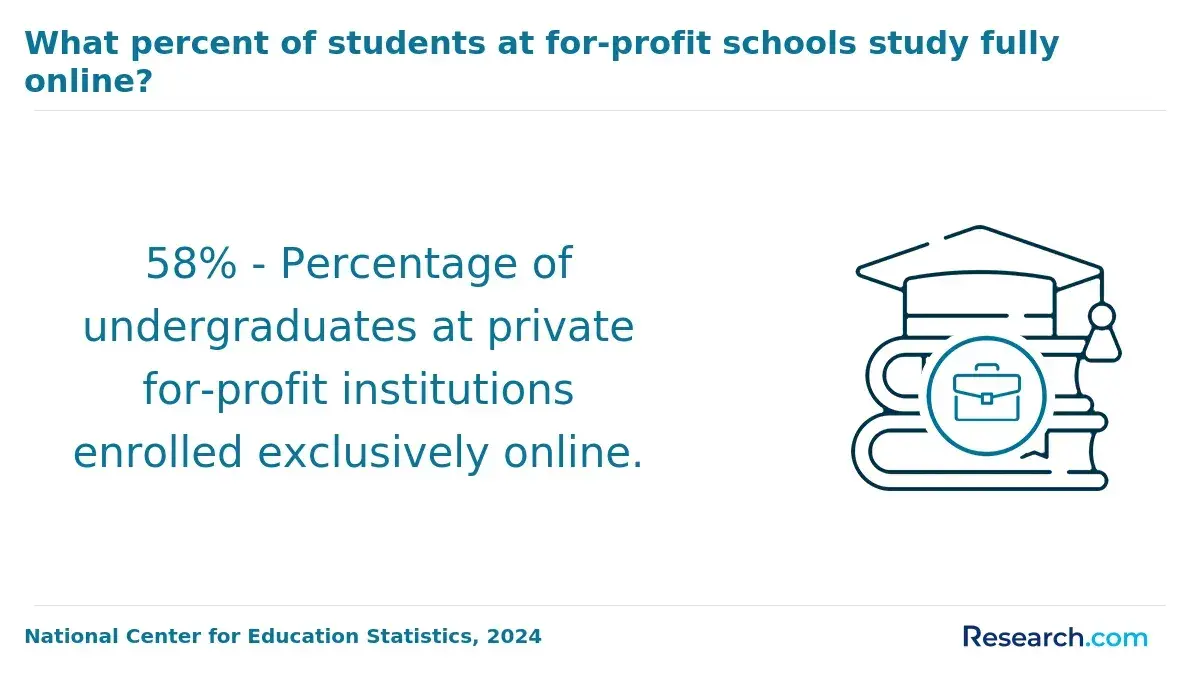
Enrollment in art studies degree programs has generally declined at the bachelor's level over recent years, yet the expansion of online and certificate offerings adds complexity to understanding supply trends. This redistribution toward shorter, more flexible credentials reflects shifting student priorities and demographic pressures, notably a contracting college-age population in some areas combined with growing interest in STEM fields.
Despite rising online participation, which has improved access, many employers prioritize tangible portfolio work and real-world experience, raising concerns about whether these newer formats translate into competitive job readiness.
National data from the National Center for Education Statistics shows a slight drop in bachelor's completions but a rise in associate and professional certificate awards, suggesting increased competition at entry points and potential oversaturation without a proportional increase in stable employment opportunities.
The implications of these enrollment patterns vary regionally, as artistic job markets do not uniformly absorb graduates, often relying on concentrated creative hubs with limited full-time positions. This geographic and sector-specific fragmentation means national enrollment figures can mask local oversupplies or shortages, complicating workforce planning.
Employers tend to value candidates combining creative skillsets with practical business or technical competencies, intensifying pressure on graduates to differentiate themselves beyond academic credentials.
Without a notable expansion in stable roles or industry demand, ongoing enrollment declines at traditional degree levels might more accurately signal realignment rather than opportunity growth, underscoring the risks of misconstruing rising certificate numbers as easing employment competition.
A current art studies student described how their program recently consolidated several in-person studio classes due to fewer applicants, while simultaneously launching multiple online certificate options attracting a more diverse student body. This student noted uncertainty among peers about whether these shifts indicated a healthier market or simply more crowded entry points for a static number of jobs.
Their experience highlighted a cautious optimism mixed with concern that increased enrollment in alternative credentials might create illusions of opportunity without addressing core employment challenges faced by degree holders. This nuanced view reflects a broader student awareness of evolving program structures amid unpredictable labor market conditions.
How Many Art Studies Graduates Enter the Workforce Each Year?
The volume of art studies graduates each year is an incomplete indicator of labor market balance because not all completers immediately seek or find employment directly related to their degrees. Data from the National Center for Education Statistics and IPEDS shows that while roughly 30,000 to 35,000 students earn bachelor's degrees in art studies annually, only about 60% to 70% enter fields tied to their training within a couple of years.
This gap arises from factors including varied career trajectories, part-time or gig work engagement, and geographic disparities in job availability, which complicate straightforward interpretations of supply versus demand.
Employer demand in arts-related roles reflects not only the number of open positions but also the nature of requisite skills, practical experience, and portfolio strength-criteria that often exclude many degree holders from direct competition.
Regional market differences and the prevalence of contract or freelance work further dilute the direct translation of graduate numbers to employment rates. Hence, assessments must consider that many graduates pursue nontraditional or entrepreneurial paths, meaning a high number of degrees does not necessarily compress the market for conventional jobs, nor does it imply consistent understaffing.
Does Job Growth Support the Rising Supply of Art Studies Graduates?
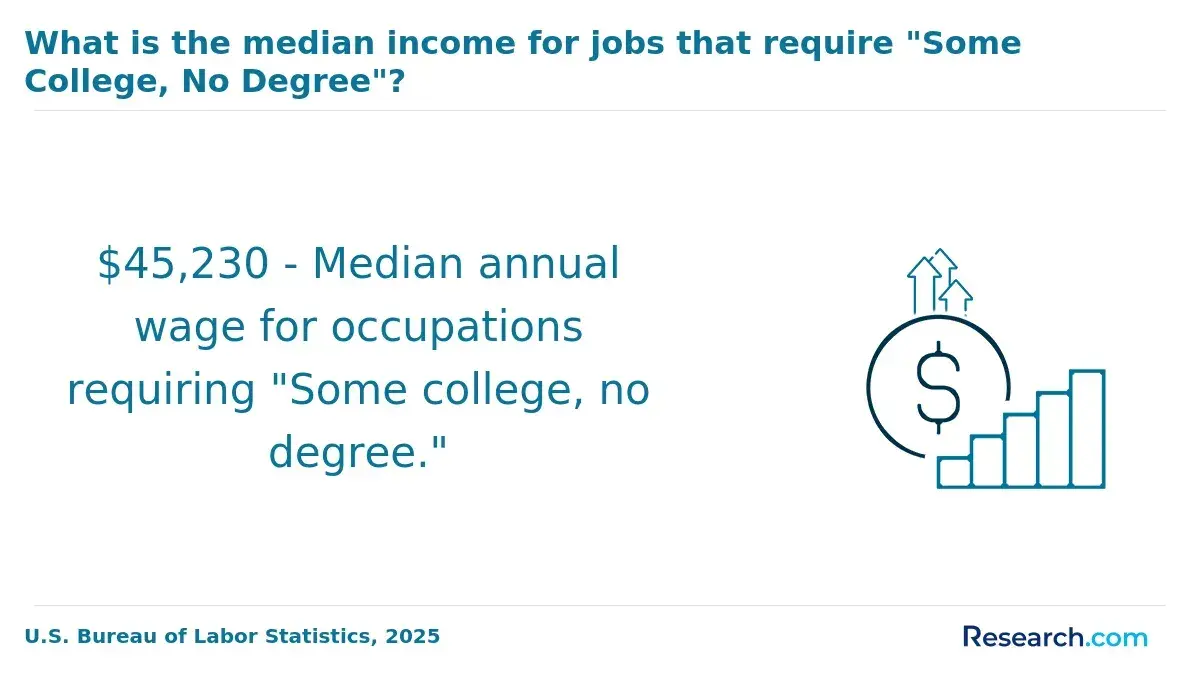
The supply of art studies graduates increasingly outpaces job creation in many traditional fields, despite modest projected occupational growth. Visual arts roles are expected to expand by only 3-5% over the next decade according to the U.S. Bureau of Labor Statistics, a pace slower than overall job market growth.
Combined with rising completions of art-related degrees, this dynamic intensifies competition, especially as most employers prioritize candidates with interdisciplinary skills such as digital media or business knowledge, limiting opportunities for graduates with purely artistic credentials.
Many job openings in art studies consist of freelance or part-time positions concentrated in metropolitan areas, creating geographic and stability challenges for new entrants. Even where growth appears steady, employers often seek practical experience and robust portfolios, so entry-level access remains constrained.
Replacement demand from retirements may ease pressures in some sectors, but it seldom balances the overall surplus of graduates, which can lead to underemployment or forced career shifts. Prospective students should carefully evaluate their specialization, geographic flexibility, and the value of augmenting their art studies degree with complementary skills to better navigate these nuanced labor market realities.
Understanding these trends is critical for anyone considering or holding an art studies degree, as misjudging market conditions can result in prolonged job search periods or career compromises.
For professionals weighing advanced study options, costs and return on investment matter deeply; programs identified as the cheapest master's degree offerings may appeal where financial risk must be minimized. Ultimately, aligning education with labor market signals is essential to avoid labor oversupply pitfalls common in creative industries.
How Competitive is the Entry-Level Market for Art Studies Graduates?
The entry-level market for art studies graduates in 2024 reveals a nuanced imbalance where job growth modestly trails graduate output, generating intense competition. The U.S. Bureau of Labor Statistics projects only a 3-5% increase in relevant arts occupations over the next decade, which is below the average for most careers.
This slow expansion, coupled with rising graduate numbers, compresses opportunities especially for those lacking extensive portfolios or practical experience.
Employers often prioritize candidates with interdisciplinary skills, practical internships, or freelance work, setting a higher bar than academic achievement alone. The disparity between supply and demand is also uneven across regions and specialties, impacting how graduates approach job searches. Several key factors influence this competitive landscape:
- Graduate Volume Pressure: The rising number of graduates entering creative fields often outpaces available entry-level roles, resulting in multiple applicants per position and longer job searches.
- Experience Expectations: Employers frequently require demonstrated projects or internships, raising entry barriers for candidates focused primarily on academic credentials.
- Industry Demand Variability: Certain sectors, such as digital media and marketing-design integration, show stronger hiring velocity compared to traditional fine arts roles, affecting job availability by specialization.
- Geographic Concentration: Employment opportunities are heavily clustered in urban creative hubs, compelling some graduates to weigh relocation against limited local jobs.
- Skillset Breadth: Cross-disciplinary competencies like coding, digital tools, and marketing enhance employability by addressing evolving employer needs.
- Remote and Contract Competition: Increasing remote work options widen applicant pools nationally, intensifying competition beyond local job markets.
- Portfolio Significance: A robust freelance or internship portfolio often distinguishes candidates, signaling readiness for practical challenges beyond theory.
One recent graduate described navigating over 50 applications in diverse urban and suburban markets. Despite strong academic results, repeated insistence on prior freelance experience delayed interviews. Reluctantly shifting focus toward smaller creative firms outside primary hubs improved response rates, illustrating how adaptability and strategic targeting can mitigate harsh competition even when market growth is sluggish.
Which Industries Have the Greatest Demand for Art Studies Graduates?
Employer demand for art studies graduates is highly concentrated in sectors that blend creative skills with practical, market-driven applications. Job growth sectors for art studies degree holders predominantly reflect industries where visual communication and digital proficiency are vital to economic activity, rather than traditional fine arts roles.
For example, graduates must weigh factors like job volume, competition intensity, and the specific technical skills required, such as UI/UX design or digital illustration, when choosing between industries. Comparing digital media with museum curation illustrates this well: media fields may offer more openings but require constant adaptation to technology, while curation positions are fewer and often demand advanced credentials.
Below are the industries showing the greatest demand for art studies graduates:
- Design and Multimedia: Driven by the growth of digital marketing and entertainment, this sector values skills in video editing, graphic design, and interactive media. Employers frequently seek graduates for roles ranging from junior multimedia artists to lead art directors, emphasizing portfolios demonstrating current software competency.
- Advertising and Marketing: The commercial need to capture consumer attention fuels consistent hiring of creatives proficient in branding, campaign visuals, and digital content strategy. Entry-level roles often involve collaborative project work, while senior positions require combining creativity with data-informed decision-making.
- Film and Television Production: This industry demands art professionals who can manage set design, visual effects, and storyboarding. Experience with industry-standard tools and networking within production companies enhances advancement potential, though freelance work is common.
- Fashion and Retail: Textile design and fashion illustration skills align with employer needs in this dynamic sector. Graduates entering merchandising and product development roles benefit from understanding business and technology integration, which supports adaptability amid shifting consumer trends.
- Digital Gaming and Software Development: Increasing interactivity in media outlets has boosted demand for artists skilled in UI/UX and 3D modeling. Cross-disciplinary expertise blending art with coding or user psychology enhances employability in this competitive environment.
- Arts Education and Curation: Although these traditional roles remain limited in number, institutions require specialized credentials, often favoring candidates with advanced degrees. Competition is intense, and full-time opportunities are scarce, demanding strategic career planning.
Graduates should prioritize developing technical and cross-sector skills that respond directly to evolving employer expectations. While some sectors offer robust opportunities, others require navigating tighter labor markets and credential demands. Alongside art studies, exploring complementary fields, such as blockchain degree programs, can provide strategic advantages in emerging interdisciplinary roles.
Where are Art Studies Graduates Most in Demand?
National employment statistics for art studies graduates often mask stark regional disparities driven by industry clustering, local education capacity, and cultural economies. For example, while metropolitan hubs like New York and Los Angeles report concentrated employer demand due to dense creative industries, competition remains fierce and cost of living high, limiting practical job accessibility.
A graduate targeting these cities may face pressure to specialize in digital skills or niche creative roles to stand out, or alternatively consider relocation to smaller markets with less competition but fewer opportunities and potentially reduced remote work options.
States such as California and New York continue to exhibit talent shortages in art-related professions, influenced by robust cultural institutions and growing sectors in digital content and experiential design. However, regional labor markets vary widely; rural areas and smaller cities typically offer fewer openings, often in narrowly defined specializations, forcing graduates to broaden their portfolios or move to sustain employability.
Data from Lightcast and the U.S. Bureau of Labor Statistics highlight how metropolitan demand aligns closely with vibrant media, technology, and corporate branding activities, underscoring the importance of evaluating not just job volume but also economic factors like living costs and employer expectations before choosing a location.
Employers increasingly seek candidates who complement artistic abilities with practical business acumen and digital fluency, emphasizing how geographic location intersects with skill sets to affect hiring outcomes. Prospective students and professionals should weigh how local credential recognition, interdisciplinary demands, and competitive intensity influence long-term career stability.
Opting for a "hot" market may yield more postings, but understanding nuanced supply-demand dynamics is essential to navigate risks of saturation and optimize opportunities beyond headline job counts.
Which Art Studies Specializations and Degree Levels Face the Strongest Demand?
Demand for art studies graduates is distinctly uneven, concentrated in applied and technology-focused specializations rather than traditional fine arts disciplines. Employers increasingly prioritize candidates with practical skills linked to digital media, user experience, and animation, reflecting broader market expansion in tech, marketing, and entertainment sectors.
For instance, a bachelor's degree in graphic design typically aligns with job market needs, while a similar degree in studio art often faces oversupply and fewer openings. Meanwhile, master's-level credentials enhance prospects for niche roles such as art therapy and museum curation, but these positions remain comparatively limited and competitive.
This divergence means two graduates from art studies programs may encounter sharply different employment landscapes based on their focus and degree level. A bachelor's graduate in UI/UX design is more likely to find opportunities in technology firms or startups, whereas a master's graduate in art education might navigate a tighter market requiring additional certification.
According to 2024 U.S. Bureau of Labor Statistics data, digital and applied art careers show stronger and growing employer demand, contrasting with the oversaturation commonly seen in traditional fine arts jobs.
Key specializations driving employer demand include the following:
- Graphic Design Bachelor's: Employers seek graduates proficient in digital design tools to support branding, advertising, and multimedia content across industries, valuing portfolio strength and practical software competencies.
- Animation and Digital Media: The entertainment and marketing sectors require skilled animators and digital artists able to produce engaging visual content; familiarity with industry-standard software enhances hireability.
- UI/UX Design Bachelor's: Rapid growth in tech companies fuels demand for designers focused on user interface and experience, requiring skills in research, prototyping, and human-computer interaction principles.
- Art Education Master's: Specialized teaching roles in schools and community programs need advanced credentials and state certification, despite relatively limited openings and regional variation.
- Art Therapy Master's: Increasing demand in healthcare and wellness sectors calls for therapists with both master's degrees and professional licensure, though positions remain fewer and more competitive.
- Museum Curation Master's: Cultural institutions seek curators with deep academic knowledge and collection management expertise; these roles often require advanced degrees but offer limited vacancies.
- Traditional Fine Arts Bachelor's: Graduates face oversupply due to tight job markets in galleries and nonprofits, with hiring often dependent on supplemental skills or entrepreneurial efforts rather than credentials alone.
Are Employer Skill Gaps Affecting Demand for Art Studies Graduates?
The demand for art studies graduates is not constrained by a simple shortage of candidates but rather by a deficit in fulfilling specific technical, professional, and industry competencies that employers increasingly require. Employers often prioritize candidates who demonstrate applied experience with digital proficiency, such as UX/UI design, data visualization, and familiarity with relevant collaboration platforms.
For example, multimedia roles focused on innovation frequently remain unfilled despite an abundant graduate pool, reflecting regional employer skill shortages in art studies jobs rather than an actual oversupply. This misalignment can lead to competitive hiring in some sectors while making traditional art skill sets less sought after without complementary technical capabilities.
Current labor market data underscores that many art studies programs still emphasize conventional techniques without adequately integrating digital tools or interdisciplinary skills, which weakens applicability in tech-driven and commercial environments. Graduates who complement their artistic talent with project management, digital literacy, or certifications related to industry-specific software tend to have stronger outcomes.
Prospective students and degree holders should carefully evaluate program curricula and seek internships or projects that build these competencies to better match evolving employer expectations. This approach aligns with insights from the analysis of art studies graduate skill gaps in employer demand as well as real hiring dynamics influencing competition across regions and entry-level roles.
Those weighing degree options and career paths may also consider broader data on workforce trends, such as those outlined in the report on best degrees for remote work, to understand how digital fluency enhances flexibility and opportunity in creative industries.
Strategic skill development addressing both creative and technical domains mitigates the risk of prolonged job searches due to credential mismatches and helps reconcile perceptions of either oversupply or undersupply in the art studies labor market.
What is the Future Supply-and-Demand Outlook for Art Studies Graduates?
Targeted job searches consistently outperform high-volume, unfocused applications because they align candidates' skills and portfolios with the specific needs and language of employers, reducing time spent on unlikely roles. For example, a recent art studies graduate focusing applications on entry-level digital artist positions in tech hubs like Seattle or San Francisco is more likely to receive interviews than one mass-applying to general graphic design roles nationwide.
Prioritizing employers' stated requirements and tailoring resumes accordingly enables candidates to demonstrate relevant cross-disciplinary competencies, such as UX/UI design or animation, which many organizations now value.
Understanding regional employment outlook for art studies degree holders is crucial for navigating local oversupply risks common in smaller markets and adapting to cyclical demand shifts in creative industries tied to advertising and entertainment. Graduates who invest effort in cultivating portfolios and internships that showcase real-world experience substantially improve their interview conversion rates.
Timing applications strategically and leveraging market research can further optimize outcomes; however, no individual tactic guarantees employment without evidence of job readiness. For those considering alternatives or complementary paths, exploring accredited options like online master's programs in human resource management may offer broader employment opportunities beyond saturated art-related roles.
References
- Careers in Art History - For Art History https://forarthistory.org.uk/careers-in-art-history/
- Careers in the Arts: Who Stays and Who Leaves? https://snaaparts.org/findings/reports/careers-in-the-arts-who-stays-and-who-leaves
- Navigating Declining Enrollment and Shifting Demands - Collegiate Consulting https://collegiateconsulting.com/navigating-declining-enrollment-and-shifting-demands/
- A Palette of Possibilities and Diverse Career Paths for Art Degree https://www.ucumberlands.edu/blog/diverse-career-paths-for-art-degree
- Is there an oversupply of university graduates? - VDC https://vdc.edu.au/vdc-news/is-there-an-oversupply-of-university-graduates/
- Six profitable careers you can get with an art school degree https://www.cca.edu/newsroom/6-highest-paying-careers-you-can-get-art-school-degree/
- What Can You Do With a Degree in Studio Art or Art History? - Brooklyn College https://www.brooklyn.edu/art/art-degree/
Other Things You Should Know About Art Studies
Many art studies programs offer a heavy emphasis on studio practice and theoretical work, which can demand significant time and effort beyond typical class hours. Prospective students should assess whether the curriculum includes practical experiences that align with employer expectations, such as portfolio development, internships, or cross-disciplinary collaboration.
A rigorous workload without clear connection to professional outcomes may lead to challenges in transitioning to employment, so prioritizing programs with structured real-world components is advisable.
Specialized degrees in areas like digital media or art conservation tend to align more closely with niche job markets but often have fewer openings, requiring strong technical expertise.
Conversely, broadly focused art studies degrees may provide a wider skill set but can lack the depth employers seek for specialized roles. Students need to weigh the risk of limited openings against the potential benefit of versatility and consider how much technical skill versus conceptual flexibility their preferred career path demands.
Employers increasingly expect candidates to possess strong digital skills alongside traditional artistic abilities, reflecting the evolving nature of many art-related professions. Graduates who rely solely on conventional studio skills without digital literacy may face reduced opportunities, particularly in applied fields such as graphic design or multimedia arts.
Therefore, incorporating substantial digital training within an art studies degree can enhance employability and align with current workforce demands.
Yes, prioritizing programs with established industry partnerships or internship pipelines is crucial for bridging the gap between academic learning and employment. These connections often facilitate hands-on experience, networking, and early exposure to job markets that purely academic programs may lack. Choosing schools with robust ties to galleries, studios, or creative agencies can significantly improve graduate outcomes and reduce the uncertainty of post-degree employment.