
2027 Chartered Accountant vs. CPA: Explaining the Difference

Co-Founder and Chief Data Scientist
Choosing between Chartered Accountant (CA) and Certified Public Accountant (CPA) is not just a question of which credential sounds more prestigious. It is a decision about where you want to work, which accounting rules you want to specialize in, how much training time you can commit, and what type of clients or employers you want to serve.
Both credentials prepare professionals for serious accounting, audit, tax, financial reporting, and advisory work. The main difference is jurisdiction. The CA designation is widely used in countries such as India, Canada, the UK, and other Commonwealth-influenced systems, while the CPA license is the dominant public accounting credential in the United States. That distinction affects exam content, licensing rules, employer expectations, salary comparisons, and long-term mobility.
This guide compares the CA and CPA paths from a practical career standpoint: what each professional does, which skills matter, how salaries and job outlook differ, how career progression typically works, whether you can switch credentials, and how to decide which route fits your goals.
Key Points About Pursuing a Career as a Chartered Accountant vs a CPA
- Chartered Accountants often have broader international recognition, especially in Commonwealth countries, while CPAs hold strong influence within the US financial sector.
- CPA roles offer higher average salaries, typically ranging from $70,000 to $120,000 annually, compared to Chartered Accountants' $60,000 to $110,000 globally.
- Job outlook for CPAs in the US shows a growth rate of 6% by 2030, reflecting steady demand; Chartered Accountants see varied opportunities depending on regional markets and industries.
What does a Chartered Accountant do?
A Chartered Accountant helps organizations maintain accurate financial records, comply with tax and reporting rules, evaluate risk, and make better financial decisions. The exact scope depends on the country where the CA is credentialed, but the role usually combines technical accounting knowledge with audit, tax, and advisory responsibilities.
Common CA duties include preparing and reviewing financial statements, conducting audits, evaluating internal controls, advising on tax obligations, and helping leaders understand the financial impact of major business decisions. In senior roles, CAs may support mergers and acquisitions, insolvency work, business restructuring, valuation, risk management, or corporate governance.
CAs work in public accounting firms, corporations, banks, government agencies, nonprofits, consulting firms, and multinational companies. They are especially valuable in organizations that need disciplined financial reporting, cross-border accounting knowledge, and practical advice on compliance and business strategy.
Where Chartered Accountants often add the most value
- Audit and assurance: Reviewing financial information and internal controls to improve reliability and compliance.
- Tax planning and compliance: Helping individuals and organizations meet tax obligations while planning responsibly.
- Corporate finance: Supporting budgeting, forecasting, investment analysis, and capital decisions.
- Advisory services: Assisting with restructuring, transactions, risk management, and long-term business planning.
- International business: Applying accounting knowledge in multinational environments where local and global rules intersect.
What does a CPA do?
A Certified Public Accountant is a licensed accounting professional qualified under U.S. state accountancy rules. CPAs are strongly associated with U.S. audit, tax, financial reporting, and public accounting work, although many also work in corporate finance, government, consulting, nonprofit leadership, and forensic accounting.
Typical CPA responsibilities include preparing and analyzing financial statements, auditing company records, preparing tax returns, advising on U.S. tax strategy, reviewing compliance with Generally Accepted Accounting Principles, and helping organizations improve financial controls. CPAs may also investigate fraud, support litigation, advise business owners, or lead internal accounting departments.
The CPA license is particularly important for professionals who want authority and credibility in the U.S. accounting market. In public accounting, it is often essential for advancement into senior audit, tax, or partner-level roles. In corporate settings, it can strengthen a candidate’s profile for controller, finance director, or chief financial officer roles.
CPAs serve many industries, including finance, healthcare, manufacturing, technology, government, and nonprofits. In 2025, there were approximately 653,408 actively licensed CPAs in the United States, which reflects the credential’s broad role in the U.S. financial system.
Common CPA work settings
- Public accounting firms: Audit, tax, advisory, and assurance services for clients.
- Corporations: Financial reporting, internal controls, budgeting, and leadership roles.
- Government agencies: Compliance, auditing, budgeting, and public finance oversight.
- Nonprofits: Grant accounting, reporting, tax compliance, and financial stewardship.
- Forensic and consulting practices: Fraud investigation, litigation support, and risk advisory work.
What skills do you need to become a Chartered Accountant vs. a CPA?
Chartered Accountants and CPAs need many of the same core abilities: strong accounting knowledge, ethical judgment, attention to detail, analytical thinking, and the ability to explain financial information clearly. The difference is emphasis. A CA usually trains within the accounting and tax system of the country where the designation is granted, while a CPA must be highly fluent in U.S. reporting, audit, and tax requirements.
Skills a Chartered Accountant needs
- Accounting and reporting expertise: CAs must understand the accounting standards used in their jurisdiction and apply them accurately to financial statements, audits, and advisory work.
- Analytical thinking: The role requires the ability to interpret financial data, identify patterns, assess risk, and connect accounting results to business decisions.
- Regulatory awareness: CAs need strong knowledge of local tax rules, corporate reporting requirements, audit standards, and compliance obligations.
- Audit discipline: Many CAs build their careers through audit training, so they must be able to verify evidence, test controls, and document conclusions carefully.
- Business judgment: Senior CAs often advise on transactions, restructuring, financing, and growth strategy, which requires more than technical bookkeeping knowledge.
- Communication skills: CAs must translate financial findings into clear recommendations for executives, clients, regulators, or boards.
Skills a CPA needs
- In-depth GAAP knowledge: CPAs working in the U.S. must understand Generally Accepted Accounting Principles and how they apply to financial reporting.
- U.S. tax expertise: Many CPA roles require knowledge of federal, state, and business tax rules, especially in public accounting and advisory work.
- Audit and assurance competence: CPAs must understand audit procedures, evidence standards, risk assessment, and professional responsibilities.
- Ethical judgment: Because CPAs often handle sensitive financial information and regulated work, confidentiality and independence are critical.
- Problem-solving ability: CPAs are frequently asked to resolve accounting discrepancies, interpret complex rules, and recommend practical financial solutions.
- Technology proficiency: Accounting software, audit tools, spreadsheets, enterprise systems, and data analytics are increasingly important in both public and corporate accounting.
Key skill difference
The CA path often develops broad business, audit, and advisory skills within a country-specific professional framework. The CPA path is more directly tied to U.S. accounting, tax, and licensing standards. If you want to work mainly in the United States, CPA-specific technical knowledge is usually more important. If your goal is to work in a CA-recognizing country or in international finance, CA training may fit better.
How much can you earn as a Chartered Accountant vs. a CPA?
Earnings for CAs and CPAs vary by country, employer, industry, experience level, and whether the professional works in public accounting, corporate finance, consulting, government, or a specialized advisory field. In the United States, CPAs generally have clearer market recognition because the CPA license is built around U.S. accounting regulation and state licensing requirements.
Chartered Accountant salary in USA 2025 data shows the average annual income is around $75,300. Entry-level Chartered Accountants may start near $45,000, while most earn between $62,000 and $87,000 as they gain experience. Experienced CAs, especially those in high-paying sectors or with substantial experience, can earn upwards of $100,000 annually.
CPA average salary by experience in the US indicates entry-level CPAs typically earn between $59,000 and $68,000, with the national average reaching approximately $79,284 annually. Senior CPAs in management roles often see earnings exceeding $105,000.
Salary comparison at a glance
| Credential | Early-career earnings | Average or typical earnings | Higher-end earnings |
| Chartered Accountant in the U.S. | Entry-level Chartered Accountants may start near $45,000 | Average annual income is around $75,300; most earn between $62,000 and $87,000 | Experienced CAs can earn upwards of $100,000 annually |
| CPA in the U.S. | Entry-level CPAs typically earn between $59,000 and $68,000 | National average reaches approximately $79,284 annually | Senior CPAs in management roles often see earnings exceeding $105,000 |
When comparing salaries, look beyond the headline average. Location, firm size, specialization, overtime expectations, bonus structure, and promotion speed can change total compensation significantly. Tax, audit, advisory, forensic accounting, corporate controllership, and finance leadership roles may all produce different earnings trajectories.
Students planning the education stage should also compare cost, speed, and accreditation before enrolling. For some learners, exploring the best accelerated online bachelor degree programs can be a practical way to shorten the path toward accounting career requirements.
What is the job outlook for a Chartered Accountant vs. a CPA?
The job outlook is stronger and easier to measure for CPAs in the United States because the CPA license is the recognized U.S. public accounting credential. Chartered Accountants can still find strong opportunities, especially in multinational companies and international accounting environments, but U.S.-specific employment projections for the CA designation are less clearly defined.
Chartered Accountants in the U.S. often compete for roles based on their accounting experience, international expertise, industry knowledge, and whether employers understand the CA credential. The designation can be especially useful in global companies, cross-border finance, international audit teams, and organizations that work with accounting systems outside the United States.
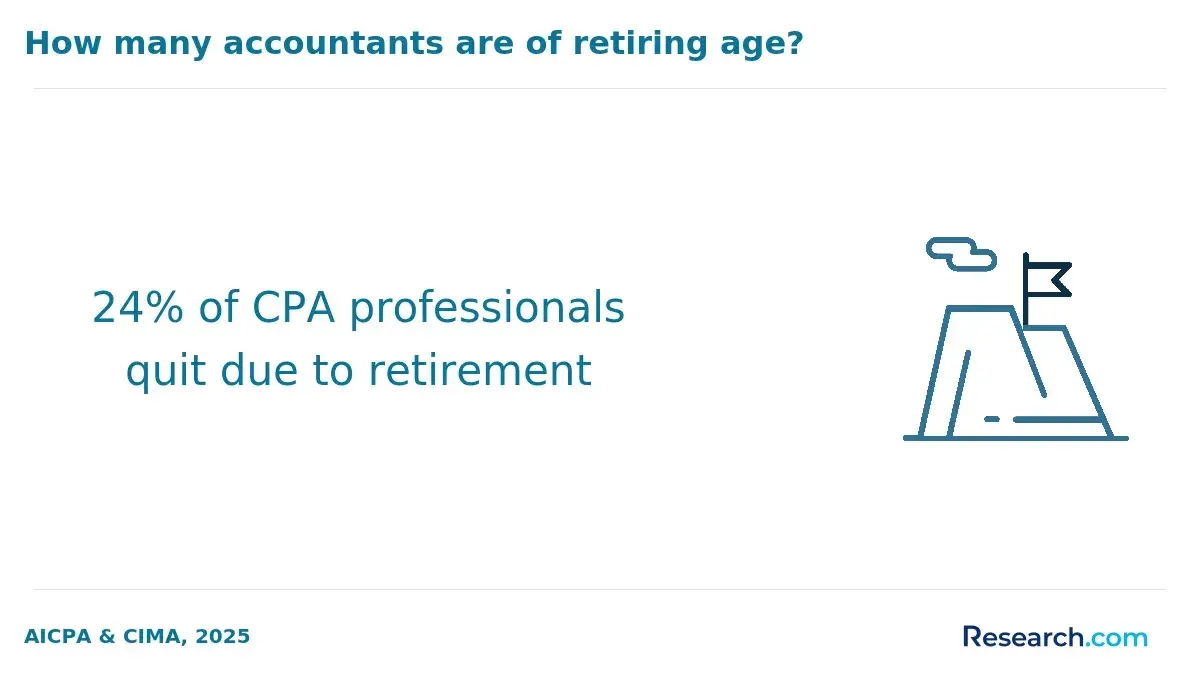
CPAs benefit from direct alignment with U.S. financial reporting, tax compliance, audit, and licensing expectations. The profession is expected to grow by approximately 5% between 2024 and 2034, outpacing the average growth rate across all occupations. Demand is supported by complex financial regulations, retirement and staffing pressures, business formation, tax needs, and the ongoing need for reliable reporting.
Technology is changing the work rather than eliminating the need for qualified accountants. Automation can reduce repetitive tasks, but employers still need professionals who can interpret rules, evaluate risk, communicate findings, exercise judgment, and take responsibility for regulated work.
Which outlook is better?
- Choose CPA for U.S.-based accounting careers: The credential is more directly tied to U.S. licensure, public accounting, audit, and tax roles.
- Choose CA for international or country-specific opportunities: The credential may be more valuable in countries where the CA pathway is the standard professional route.
- Consider both only if your career requires cross-border authority: Dual credentialing can help in multinational work, but it takes time, money, and additional exams or experience verification.
What is the career progression like for a Chartered Accountant vs. a CPA?
Both CA and CPA careers can lead from entry-level accounting work to senior management, partnership, consulting, or executive leadership. The path differs mainly because each credential is tied to different training systems, regulatory expectations, and employer markets.
Typical career progression for a Chartered Accountant
- Audit Associate/Junior Accountant: Entry-level or training-contract roles focused on audit testing, bookkeeping review, reconciliations, tax support, and financial statement preparation.
- Senior Associate: More responsibility for client communication, complex audit sections, tax assignments, financial analysis, and supervision of junior staff.
- Manager: Leading teams, managing deadlines, reviewing workpapers, advising clients, and specializing in areas such as tax advisory, business restructuring, risk, or corporate finance.
- Partner/Director: Senior leadership roles involving client strategy, business development, quality control, technical judgment, and firm or department leadership.
This structured path is common in the UK for career progression for Chartered Accountant in UK candidates, but CA progression varies by country and professional body. In corporate roles, CAs may move into finance manager, controller, head of finance, chief financial officer, or consulting leadership positions.
Typical career progression for a CPA
- Staff Accountant/Junior Auditor: Early roles in public accounting, government, or corporate finance focused on financial reporting, audit support, tax preparation, and reconciliations.
- Senior Accountant/Audit Manager: Greater responsibility for engagements, financial analysis, tax matters, audit planning, client communication, and staff supervision, typical by years four to seven.
- Director/Controller/Senior Manager: Mid-to-senior leadership overseeing accounting departments, reporting processes, internal controls, compliance, or business units, reached between years eight to twelve.
- Partner/CFO/Executive Roles: Top public accounting, finance, or executive positions that rely on technical expertise, leadership ability, judgment, and business development skills.
The CPA designation is especially useful for advancement in the United States because many employers treat it as a benchmark for accounting leadership. It also supports specialized paths such as forensic accounting, internal auditing, tax advisory, financial reporting, risk consulting, and controllership.
How to think about advancement
Credential choice matters, but it is not the only factor in promotion. Advancement usually depends on technical competence, communication, reliability under deadline pressure, industry specialization, leadership ability, and the quality of work experience. For students still building academic credentials, reviewing the easiest associate's degree options may help identify an accessible first step before pursuing more advanced accounting education.
Can you transition from being a Chartered Accountant vs. a CPA (and vice versa)?
Yes, it is possible to transition between CA and CPA pathways, but the process is not automatic. Each credential is controlled by its own licensing or professional body, and requirements depend on the jurisdiction where you want to practice. Prior accounting experience helps, but you should expect additional education review, exams, work-experience verification, and local ethics or regulatory requirements.
Transitioning from Chartered Accountant to CPA
A chartered accountant to CPA transition guide usually starts with the rules of the U.S. state board where you plan to become licensed. Typically, this involves holding a bachelor's degree with at least 120 credit hours, although many states require 150 hours. Candidates must pass the Uniform CPA Exam, which focuses on US accounting, auditing, and tax regulations.
Most candidates also need to satisfy state-specific experience rules, often including 1-2 years of relevant work experience under a licensed CPA. Some states may have residency, ethics, or documentation requirements. Proof of legal work eligibility in the US, such as a visa or citizenship, must be provided where applicable.
CA experience in financial reporting, audit, tax, and advisory work can transfer well, but the exam content is U.S.-specific. CAs should be prepared to study GAAP, U.S. tax, audit standards, business law, and state licensing rules. If additional credits are needed, an accelerated associate degree program may help some learners complete prerequisites faster, depending on state board rules and transfer-credit policies.
Transitioning from CPA to Chartered Accountant
The CPA to chartered accountant career switch depends on the CA body in the country where you want recognition. Requirements often include a recognized degree, 2-3 years of approved work experience, local exams, and documentation of professional competence. Some CA bodies provide streamlined routes or partial recognition for international CPAs, but full membership usually still requires proof that the candidate understands country-specific accounting, tax, audit, and ethics standards.
Before switching credentials
- Confirm the exact jurisdiction: Rules differ by U.S. state and by national CA body.
- Check education-credit requirements early: Missing credits can delay licensing even if you have strong work experience.
- Budget for exams and review courses: Switching credentials can be expensive and time-consuming.
- Ask whether the second credential is necessary: If your current credential already satisfies employer expectations, a second credential may not produce enough return on investment.
What are the common challenges that you can face as a Chartered Accountant vs. a CPA?
CA and CPA careers can be rewarding, but both come with pressure from exams, deadlines, changing regulations, client expectations, and heavy workloads. The challenges differ by country, employer, and specialization, but prospective accountants should understand the trade-offs before committing.
Challenges for a Chartered Accountant
- Extensive training period: A rigorous three-year articleship can delay full workforce entry and create opportunity costs, especially for candidates balancing income needs with exam preparation.
- Complex regional regulations: CAs must master local financial laws, tax rules, audit standards, and professional requirements, particularly in India and Commonwealth countries.
- Difficult exams and high competition: CA pathways are often academically demanding, and candidates may need multiple attempts or long preparation periods.
- Salary growth limitations in some markets: Experienced CAs may earn high salaries yet face slower advancement in multinational firms compared with US CPAs, depending on location and employer recognition.
- Pressure during audit and filing seasons: Deadlines can produce long hours, especially in public practice and large audit firms.
Challenges for a CPA
- High workload and burnout: Long hours and limited flexibility during peak tax and audit seasons can contribute to stress and turnover.
- Talent shortage impact: The 2025 CPA shortage stretches teams thin, causing stress and delays in reporting.
- Education barriers: The 150-hour requirement deters some students, worsening the decline in new entrants.
- Licensing complexity: CPA rules vary by state, so candidates must track education, exam, ethics, and experience requirements carefully.
- Constant technical change: CPAs must stay current with tax law, reporting standards, audit rules, and technology-driven workflow changes.
Challenges both credentials share
- Deadline pressure: Tax filings, audits, financial closes, and regulatory reports often have strict timelines.
- Ethical responsibility: Accountants must protect financial integrity even when facing pressure from clients or employers.
- Continuing education: Both careers require ongoing learning to remain competent and compliant.
- Technology disruption: Automation changes routine accounting tasks, increasing demand for analysis, advisory, and systems skills.
Education cost can also be a barrier. Prospective students comparing accounting pathways may want to evaluate inexpensive online universities that accept financial aid, especially if they need flexible study options while working.
Is it more stressful to be a Chartered Accountant vs. a CPA?
Neither credential is automatically more stressful in every situation. Stress depends on the country, employer, role, season, client load, exam stage, and personal tolerance for deadlines. However, the source of stress often differs.
Chartered Accountants typically face intense pressure during the certification process. In many CA systems, candidates must complete a rigorous three-year articleship while preparing for difficult exams and mastering a broad syllabus. In regions such as India, where audit firms and professional exams are highly demanding, this can create sustained pressure over several years.
CPAs often experience stress from the CPA exam, state licensing requirements, U.S. tax rules, GAAP, audit deadlines, and demanding busy seasons. Although the CPA certification process is usually shorter than that of many CA pathways, the exam requires focused preparation, and public accounting workloads can be heavy during tax and audit periods.
Where stress tends to show up
- For CA candidates: Long training periods, articleship demands, broad exams, and country-specific professional expectations.
- For CPA candidates: U.S.-specific exam content, state licensing rules, busy-season workloads, and tax or audit deadlines.
- For both: Client pressure, ethical responsibility, long hours, regulatory change, and the need to maintain accuracy under time constraints.
If stress management is a major concern, compare not only the credential but also the work setting. A CPA in a high-pressure public accounting tax role may have a very different lifestyle from a CPA in government. A CA in a demanding audit firm may face different pressure than a CA in an internal finance role. Employer culture often matters as much as the credential itself.
How to choose between becoming a Chartered Accountant vs. a CPA?
The best choice depends on where you want to build your career and which accounting system you plan to work in. If your target market is the United States, the CPA is usually the more direct credential. If your target country uses the CA pathway as the primary professional accounting route, the CA may be the better fit. If you want international mobility, compare the recognition of each credential in the specific countries and employers you care about.
Decision factors to compare
- Geographical scope: CPA is primarily recognized in the US and focuses on local tax, audit, and reporting standards. CA is internationally respected in many countries and may offer stronger mobility in CA-recognizing markets.
- Education and training: US CPAs need a bachelor's degree, must pass the Uniform CPA Exam, and complete 1-2 years of experience. CA requirements vary by country and often involve longer apprenticeships.
- Professional interests: CPAs often focus on US auditing, tax, compliance, and financial reporting. CAs may work more broadly in management accounting, international finance, audit, tax, and advisory roles depending on jurisdiction.
- Lifestyle and work balance: CPA certification generally takes 5-6 years when including education, exams, and experience. CA training may extend longer with demanding but practical articleships.
- Earning potential: CPAs in the US earn about $92,879 on average, higher than non-certified accountants. CA salaries vary but are competitive internationally, especially in cross-border finance.
Choose CPA if:
- You want to practice accounting, audit, or tax primarily in the United States.
- You want a credential closely aligned with U.S. state licensing requirements.
- You are targeting public accounting, corporate controllership, U.S. tax, or financial reporting leadership roles.
- You are comfortable studying U.S. GAAP, audit standards, tax law, and business regulation.
Choose CA if:
- You plan to work in a country where the CA designation is the standard accounting credential.
- You want structured professional training that may include articleship or apprenticeship experience.
- You are interested in international accounting, audit, advisory, corporate finance, or management roles.
- You may work with multinational companies or cross-border financial reporting.
Do not choose based on salary alone. Credential recognition, licensing authority, employer demand, training cost, exam difficulty, and where you want to live are usually more important over the long term. For a broader view of earnings outside traditional degree paths, you can also review highest paying job in trade school data.
What Professionals Say About Being a Chartered Accountant vs. a CPA
- Joey: "Pursuing a career as a Chartered Accountant has been incredibly rewarding in terms of financial stability. The demand for skilled professionals remains consistently high across various industries, ensuring long-term job security. I appreciate how this profession offers a clear path to increasing salary potential as expertise grows."
- Morgan: "The challenging environment of the CPA industry has helped me develop unique problem-solving skills and adaptability. Working in diverse sectors, from finance to consulting, provides continuous learning opportunities that keep my work engaging and dynamic. This career truly pushes you to grow both personally and professionally."
- Hudson: "Becoming a Chartered Accountant opened doors to extensive professional development, including specialized training programs and leadership roles. The structured career progression allows for steady growth while contributing meaningfully to business success. It's a profession that demands commitment but rewards with significant career advancement."
Other Things You Should Know About a Chartered Accountant & a CPA
Most U.S. states require CPA applicants to complete an ethics course or pass an ethics exam before licensing. The specific rule is set by each state board of accountancy, and some boards also require an AICPA ethics exam score, often alongside 150 semester hours and the Uniform CPA Exam.
In the United States, the CPA credential is generally more recognized and valued by employers in the accounting and finance sectors compared to the Chartered Accountant designation. This is largely due to the CPA's alignment with U.S. accounting standards and regulations.
Yes, Chartered Accountants have diverse career opportunities beyond public accounting, including roles in corporate finance, auditing, taxation, consulting, and management. Many CAs also hold senior financial positions in multinational corporations, government agencies, and non-profit organizations. Their rigorous training equips them with skills applicable across various sectors.
References
- Certified Public Accountant: What the CPA Credential Means https://www.investopedia.com/terms/c/cpa.asp
- What Is a CPA? | Accounting.com https://www.accounting.com/careers/cpa/
- Dealing with workplace stress in accountancy | AAT Careers Hub https://jobs.aat.org.uk/article/dealing-with-workplace-stress-in-accountancy/
- Pathway from CPA Australia to CA Membership | CA ANZ https://www.charteredaccountantsanz.com/become-a-member/memberships/pathway-from-cpa-australia
- What is a chartered accountant? https://www.bpp.com/insights/what-is-a-chartered-accountant
- How under-pressure accountants can manage stress https://uk.markel.com/about-us/news-and-insights/how-under-pressure-accountants-can-manage-stress
- What Is a Chartered Accountant? https://www.theforage.com/blog/careers/chartered-accountant
- Stressed accountants too busy to seek mental health support https://charteredaccountantsworldwide.com/stressed-accountants-busy-seek-mental-health-support/
- More than half of accountants suffer with stress https://www.icaew.com/insights/viewpoints-on-the-news/2022/apr-2022/more-than-half-of-accountants-suffer-with-stress
- What CPAs do - CPA Canada https://www.cpacanada.ca/the-cpa-profession/cpas-and-what-we-do/what-cpas-do
- National Association of State Boards of Accountancy. (2025). How many CPAs are there? https://nasba.org/licensure/howmanycpas/
- AICPA. (2025). AICPA 2025 Trends Report. https://www.aicpa-cima.com/professional-insights/download/2023-trends-report
- BLS. (2024). May 2024 OEWS Profiles 13-2011 Accountants and Auditors. Occupational Employment and Wage Statistics (OEWS) Profiles. Retrieved January 2026, from https://data.bls.gov/oesprofile/
- AICPA & CIMA. (2025). MAP survey executive summary. https://www.aicpa-cima.com/resources/download/map-survey-executive-summary


