2027 Medical Billing & Coding Degree Completion Rates by Format: Online, Hybrid, and Campus Programs Compared

Co-Founder and Chief Data Scientist
A prospective student ready to advance in the healthcare administration field often faces a complex choice: whether to complete a medical billing & coding degree online, through a hybrid program, or on a traditional campus. Each option brings distinct challenges and supports that influence persistence and completion. Online formats offer flexibility but may lack direct interaction and immediate oversight, while campus programs provide structured environments but demand greater commuting and scheduling commitments.
Key Things to Know About Medical Billing & Coding Degree Completion Rates by Format
- Online completion rates for medical billing & coding average around 55%, reflecting challenges in self-motivation and limited direct support that can prolong time-to-degree for some students.
- Hybrid formats yield higher completion rates near 70%, combining flexibility with in-person accountability, which enhances skill acquisition crucial for coding accuracy.
- Campus-based programs maintain the highest rates, approximately 75%, due to structured environments and immediate access to faculty, fostering timely progression and stronger practical competencies.
- Key Things to Know About Medical Billing & Coding Degree Completion Rates by Format Key Things to Know About Medical Billing & Coding Degree Completion Rates by Format
- How Do Completion Rates Compare Across Online, Hybrid, and Campus Medical Billing & Coding Programs? Completion Rate Comparison
- What Factors Have the Greatest Impact on Medical Billing & Coding Degree Completion? Degree Completion Factors
- Which Medical Billing & Coding Degree Format Is Hardest to Complete? Completion Difficulty
- How Does Each Medical Billing & Coding Learning Format Affect Student Success? How Does Each Medical Billing & Coding Learning Format Affect Student Success?
- How Does Enrollment Status Affect Medical Billing & Coding Completion Rates? How Does Enrollment Status Affect Medical Billing & Coding Completion Rates?
- Can Transfer Credits Improve Medical Billing & Coding Degree Completion? Transfer Credits
- What Student Support Services Improve Medical Billing & Coding Completion Rates? Student Support Services
- How Do Medical Billing & Coding Completion Rates Affect Career Outcomes? Impact on Career Outcomes
- How Should Students Choose the Best Medical Billing & Coding Learning Format? Choosing the Best Format
- What Are the Long-Term Pros and Cons of Each Medical Billing & Coding Learning Format? Learning Format Pros & Cons
How Do Completion Rates Compare Across Online, Hybrid, and Campus Medical Billing & Coding Programs?
Prospective students should weigh completion rate comparisons alongside their personal learning preferences, availability, and career objectives. For example, someone employed full-time with caregiving duties might succeed in an online medical billing and coding program if equipped with robust self-motivation and access to virtual resources. Conversely, learners who thrive with face-to-face interaction might find campus settings more conducive. For those exploring options in healthcare education broadly, resources such as nurse practitioner school pathways may offer further context on balancing flexibility with student success.
What Factors Have the Greatest Impact on Medical Billing & Coding Degree Completion?
- Student Engagement and Interaction: Persistence in medical billing & coding studies correlates strongly with the level of interaction students have with instructors and peers. Campus-based programs often facilitate immediate feedback and social motivation, though well-designed online and hybrid models with synchronous sessions and active forums can offer similar engagement. Students who proactively participate in discussions and seek timely help tend to maintain momentum toward graduation.
- Effective Time Management Skills: Balancing coursework with personal and professional responsibilities is critical, especially for non-traditional students. A 2024 Education Advisory Board study found that students using structured time management techniques are 30% more likely to complete their degrees. Developing consistent study habits and setting realistic deadlines help mitigate procrastination risks common in online learning formats.
- Institutional Support Systems: Access to academic advising, tutoring, and mental health services strongly influences completion rates by addressing barriers that disrupt persistence. Programs that invest in comprehensive student support, regardless of delivery format, enable learners to navigate difficulties successfully. Advocating for these resources early can provide a vital safety net during challenging periods.
- Program Structure and Curriculum Design: Clear and organized coursework that aligns with practical skill-building enhances student confidence and keeps learners on track. Hybrid and online programs that replicate campus consistency with modular pacing and regular assessments minimize dropout risk. Students should evaluate whether a program's structure matches their learning style and schedule flexibility needs.
- Personal and Financial Responsibilities: Many medical billing & coding students juggle work and family commitments, influencing how feasible it is to maintain steady progress. Online formats offer flexibility but require discipline to avoid delayed completion. Understanding one's capacity to balance obligations before enrolling helps ensure realistic alignment between life demands and program expectations.
- Readiness for Self-Directed Learning: Online and hybrid formats demand higher levels of self-motivation and self-monitoring. Learners who thrive in these environments typically exhibit strong self-efficacy and seek resources proactively. Building these traits before or during the program improves persistence and reduces attrition.
- Career Clarity and Long-Term Commitment: Students with well-defined goals for entering the medical billing & coding workforce show better perseverance. Aligning education with clear career pathways, such as pursuing a masters of health administration, can reinforce motivation through tangible professional outcomes. This purpose-driven approach reduces dropout rates by linking academic efforts to future opportunities.
Which Medical Billing & Coding Degree Format Is Hardest to Complete?
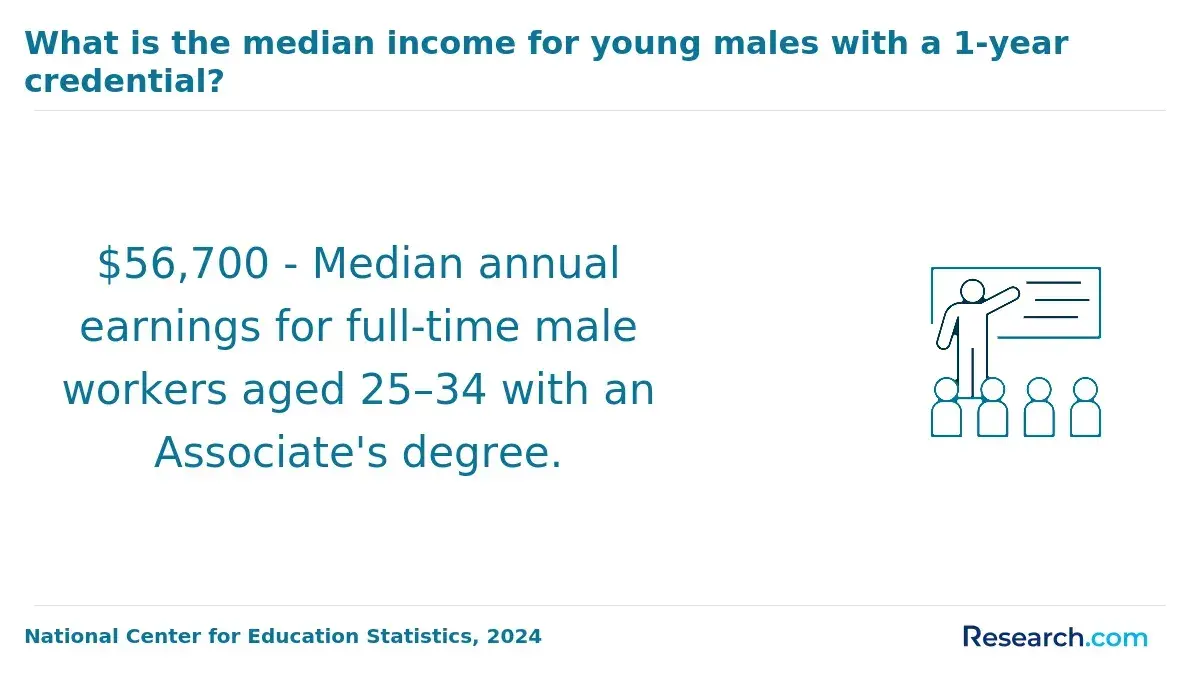
Completion rates in medical billing & coding programs vary notably by format, with fully online courses generally presenting the greatest challenge. Despite their flexibility, fully online formats demand significant self-discipline and time management, often stretching students who juggle work and family responsibilities. Recent 2024 data from the National Center for Education Statistics indicates that associate degree completion rates for online learners average about 45%, compared to roughly 65-70% for campus-based programs. Hybrid options fall in between, around 55%, balancing in-person interaction with remote learning but still requiring a fair degree of independent effort.
The structured environment of campus-based programs fosters accountability and immediate support through direct faculty access and peer collaboration, which likely contributes to their higher completion statistics. Hybrid formats provide a compromise, offering some face-to-face engagement while retaining flexible elements of online study. Yet, none suit every student equally-success hinges on individual circumstances and how well learners manage the demands of their chosen format.
One graduate reflected on their experience choosing between formats while managing a full-time job and young children. Initially hesitant about the online option, they underestimated the isolation and time management pressures involved. Switching to a hybrid program allowed them scheduled campus visits that helped maintain motivation and clarify complex material. This balance eased their concerns about feeling disconnected, ultimately proving decisive in their ability to finish the degree without sacrificing family commitments or work performance.
How Does Each Medical Billing & Coding Learning Format Affect Student Success?
Student success in medical billing & coding hinges less on the learning format itself and more on how well that format matches a student's study habits, scheduling needs, and external responsibilities. This alignment determines whether students stay engaged, manage their time effectively, and maintain motivation to complete the program. For instance, a working parent might struggle with fixed campus hours but thrive in a hybrid setting that blends flexibility with some in-person support. Below are key ways that different learning formats can impact academic outcomes.
- Engagement Through Direct Interaction: Campus-based programs typically offer the highest levels of face-to-face instructor contact and peer collaboration, which can enhance engagement and persistence. Students who benefit from structured environments and real-time feedback are more likely to complete their degree on time in this setting.
- Flexibility Balancing Responsibilities: Fully online formats provide unmatched schedule flexibility, aiding those juggling work or family obligations. However, students with weaker self-discipline or limited access to virtual support services may find this independence challenging, leading to slightly lower completion rates compared to hybrid or campus formats.
- Accountability via Hybrid Structure: Hybrid programs combine online learning with periodic in-person sessions, creating a balance of autonomy and accountability. This format tends to fit learners who need flexibility but also value regular check-ins and social interaction to stay motivated and on track.
- Access to Support Resources: On-campus learners generally have easier access to academic resources like tutoring and labs, which can improve understanding and confidence. Online formats are closing this gap through virtual support, yet disparities in usage can affect outcomes among remote students.
- Real-time Feedback and Adaptation: Programs offering prompt instructor feedback, whether online through virtual tools or in person, tend to improve student retention by addressing challenges early. Students proactive in seeking assistance are more successful regardless of format.
- Impact of Learning Preferences: Visual and kinesthetic learners may excel in campus or hybrid settings where hands-on activities are more feasible, while self-motivated, independent learners often benefit from fully online formats. Misalignment between learning style and program format can hinder progression.
- Completion Data Trends: According to 2024 findings from the National Center for Education Statistics and the National Student Clearinghouse Research Center, campus-based medical billing & coding programs generally have the highest persistence and completion rates, with hybrid programs ranking in the middle and fully online programs slightly lower, reflecting differences in engagement and resource accessibility.
How Does Enrollment Status Affect Medical Billing & Coding Completion Rates?
Enrollment status is a critical factor influencing completion rates in medical billing & coding degree programs, but its impact depends on individual circumstances beyond simply the number of courses taken. Students' external responsibilities, motivation levels, and program formats interplay with full-time or part-time enrollment to shape outcomes. Understanding these nuances can help prospective students select a path aligned with their capacity and life demands, particularly when comparing online, hybrid, and campus options. The following points outline key ways enrollment status affects completion success.
- Time Commitment and Focus Intensity: Full-time students often allocate more sustained hours to their studies, which translates into faster and more consistent progress. This concentrated effort benefits those without heavy outside obligations, increasing completion likelihood. Conversely, part-time students balancing work or family may struggle to dedicate equivalent focus, impacting their pace and retention.
- Program Delivery Format Interaction: Campus-based full-time programs generally show the highest completion rates due to structured schedules and peer engagement, crucial for maintaining discipline. Hybrid formats offer moderate face-to-face support while retaining flexibility, suiting full-time students seeking balance. Part-time learners gravitate toward online programs for convenience, but they must overcome challenges related to isolation and self-motivation.
- External Life Responsibilities: Part-time students frequently juggle employment and caregiving, introducing unpredictability to study schedules and extending program duration. Such commitments can increase attrition unless students employ effective time management strategies, highlighting why objective assessment of one's availability is essential before enrollment.
- Social and Academic Support Networks: Full-time enrollment fosters community through regular faculty contact and peer interaction that reinforce accountability and motivation. Part-time students, especially in strictly online settings, may lack these connections, raising risks of disengagement unless supplemental supports are utilized.
- Completion Rate Disparities: National educational statistics from recent workforce analyses indicate that full-time medical billing and coding students complete their degrees at rates approximately 20-30% higher than part-time counterparts, underscoring enrollment status as a measurable influence on graduation success.
- Self-Discipline and Persistence Requirements: Part-time online students face unique challenges requiring high levels of self-regulation to stay on track amid competing priorities. Those confident in their ability to self-manage might find this pace sustainable, while others may benefit from the routine imposed by full-time studies.
- Alignment with Career and Life Goals: Selecting part-time enrollment can be strategic for individuals needing gradual education progression without pausing work, though it may delay entry into the workforce. Full-time study accelerates readiness but may be unrealistic for those with heavy responsibilities. Awareness of these tradeoffs is vital for informed decision-making.
Prospective students evaluating how enrollment affects their medical billing & coding graduation success should weigh these factors alongside personal circumstances. For those curious about how varying program intensities compare across healthcare fields, exploring options such as an online masters healthcare management program can offer additional insights on managing part-time versus full-time commitments.
Can Transfer Credits Improve Medical Billing & Coding Degree Completion?
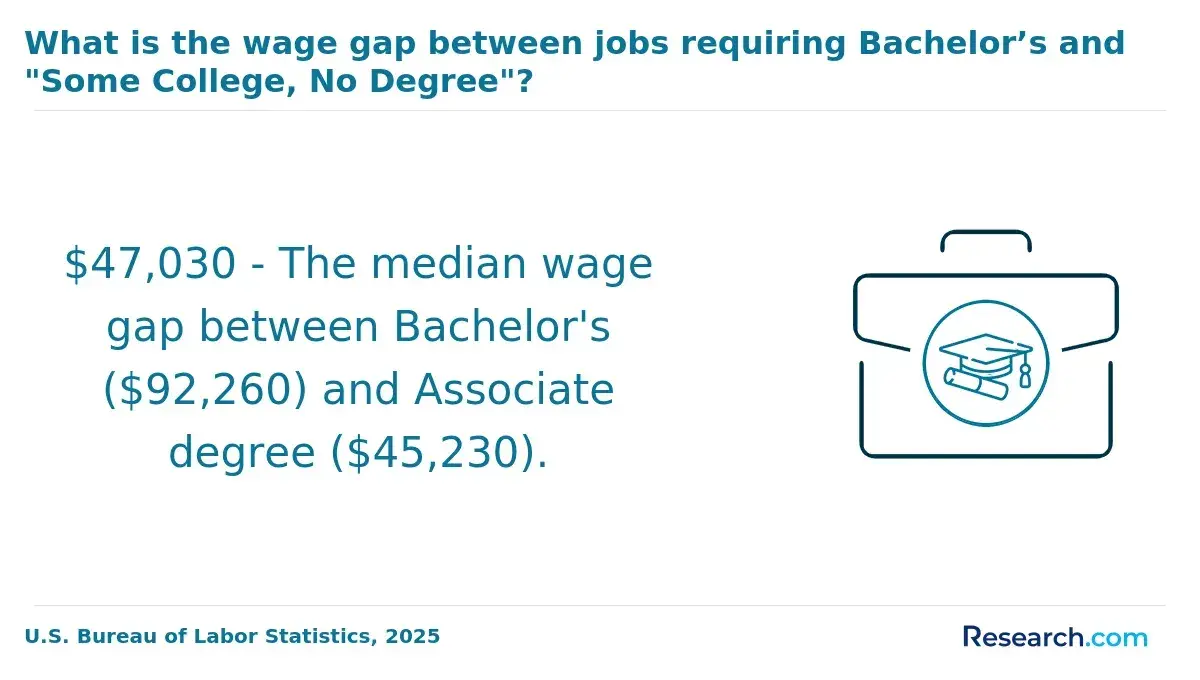
Transfer credits have the potential to shorten the path to earning a medical billing & coding degree by eliminating redundant coursework, but their impact varies significantly based on program structure, institutional policies, and the nature of the credits themselves. According to the National Center for Education Statistics in 2024, students who transfer eligible credits from prior postsecondary experiences graduate within six years at a rate 20% higher than those without such credits. This suggests a meaningful advantage, though not a guaranteed fast-track for all learners.
For example, a working adult enrolling in an online program may benefit greatly from transfer credits earned via previous college classes or military training, accelerating entrance into advanced courses and reducing overall program length. Yet, success hinges on how the institution evaluates and accepts these credits. Some schools have stringent criteria, especially in campus-based programs with hands-on lab or practicum requirements, where not all credits transfer smoothly or count toward core curriculum.
Hybrid programs fall in between, offering some flexibility but still maintaining residency or contact hour rules that can limit how many transfer credits apply toward degree completion. Consequently, even with transferable credits, students might face delays if critical courses require on-site attendance or sequential study. This complexity means transfer credits do not universally translate into a shorter timeline.
Prospective students should request an official credit evaluation from their target programs to understand which credits qualify and how they fit into remaining degree requirements. Comparing these results with the program's credit load and one's planned enrollment intensity can help gauge whether transferring credits will realistically improve completion prospects. Ignoring this step risks overestimating time savings, especially if transferred credits do not align with essential certification or accreditation standards.
Ultimately, while transferring credits can reduce costs and academic duplication-contributing to faster degree completion for many-successful graduation in medical billing & coding depends on multiple intertwined factors. Careful analysis of transfer policies, degree design, and personal circumstances is key to leveraging prior learning effectively without unforeseen setbacks.
What Student Support Services Improve Medical Billing & Coding Completion Rates?
Completion rates in medical billing & coding programs vary notably depending on the availability and type of student support services offered across different formats. Research from 2024 by organizations like the National Center for Education Statistics (NCES) and the Community College Research Center illustrates a clear link between targeted academic assistance and higher program persistence. However, the effectiveness of support depends on how well it aligns with each program's delivery method, whether campus, online, or hybrid. The following key services have emerged as crucial contributors to improving degree completion rates.
- Personalized Academic Advising: Tailored guidance helps students navigate course selection and address academic challenges early. This proactive approach reduces uncertainty and improves retention, especially when advisors maintain regular outreach.
- Synchronous Tutoring Sessions: Real-time tutoring, either face-to-face or via video conferencing, provides immediate clarification of complex topics, which supports students facing rigorous medical billing & coding curricula.
- Career Counseling and Credentialing Support: Assistance with understanding industry certifications and job placement motivates students to persist by connecting education to tangible employment outcomes.
- Early Alert Systems and Check-ins: Timely identification of at-risk students through automated alerts allows for prompt intervention, boosting program completion by approximately 15% in online cohorts according to the Online Learning Consortium.
- Peer Support and Community Building: Opportunities for engagement with classmates foster motivation and accountability, which campus students often find through in-person networks and hybrid students through blended interaction opportunities.
- Flexible Access to Asynchronous Resources: Recorded workshops and discussion boards accommodate diverse schedules, a vital factor for working adults balancing family responsibilities while studying online.
- Integrated Communication Across Modalities: For hybrid students, seamless coordination of support services across in-person and virtual platforms prevents fragmentation that can hinder persistence.
One online medical billing & coding graduate recalled grappling with balancing work shifts and coursework during an accelerated term. Initially hesitant to reach out for help, she eventually utilized virtual advising and online tutoring after missing key deadlines. These resources provided timely strategies to reorganize her study plan and manage stress, making the difference between withdrawing and successfully completing the program. Her experience underscores that while no single support guarantees success, accessible, personally responsive services tailored to real-life constraints are essential for many students' persistence and graduation in this field.
How Do Medical Billing & Coding Completion Rates Affect Career Outcomes?
Completion rates in medical billing and coding degree programs strongly influence a graduate's ability to access quality job opportunities and navigate long-term career trajectories. Research indicates that students who finish their programs typically experience better employment outcomes, higher wages, and more promotion possibilities compared to those who do not complete their studies. For instance, a recent workforce analysis found that individuals holding completed credentials have a 20% greater likelihood of securing full-time positions in healthcare administration within a year of graduation. Here are several specific ways completion impacts career outcomes in this field:
- Credential attainment improves hiring prospects and reduces barriers to entry: Employers prioritize candidates with verified program completion because it demonstrates mastery of the core competencies required for medical billing and coding jobs. Students who persist through the entire curriculum are far more likely to receive interviews and job offers in competitive labor markets, particularly those balancing work and study who benefit from flexible program formats.
- Higher earning potential tied to demonstrated competency and degree status: Completing a medical billing and coding degree often leads to better starting salaries and steady wage growth. Data from a 2024 labor report shows graduates with completed programs earn on average 15% more annually than those with partial training or certificates, highlighting the financial value of persistence through graduation.
- Increased internal promotion and career mobility opportunities: Employers tend to consider completed degrees when promoting staff or assigning advanced responsibilities. This is especially true in healthcare settings favoring employees who have credentials from bacb accredited schools or recognized programs. Medical billing and coding graduates who finish their degrees often find clearer pathways to supervisory or specialist roles.
- Enhanced eligibility for graduate education and specialized certifications: Completion opens doors to advanced certifications that can further differentiate professionals within the medical billing and coding career outcomes landscape. Graduates with formal degrees are more likely to pursue credentials, improving long-term employability and job security.
Balancing learning format preferences with individual support needs is key because online or hybrid programs may offer flexibility but sometimes show lower completion rates. Campus formats, while typically yielding higher persistence, require consideration of lifestyle constraints. Prospective students should evaluate how these dynamics affect their ability to finish, as completion remains a foundational element shaping success in medical coding jobs.
How Should Students Choose the Best Medical Billing & Coding Learning Format?
Choosing between online, hybrid, and campus learning formats for a medical billing and coding degree significantly impacts degree completion and long-term career outcomes. According to 2024 data from the National Center for Education Statistics, students balancing work or family are more likely to persist in flexible online programs, yet those formats often demand higher self-discipline and risk a greater dropout rate without robust support. Hybrid models offer a middle ground by fostering engagement with periodic in-person sessions, while campus programs provide immersive environments that encourage networking and hands-on learning. Each format suits different lifestyles and learning preferences. Below are key factors students should evaluate when determining the best medical billing and coding program format for themselves.
- Work and Family Commitments: Students with demanding schedules or caregiving responsibilities often benefit most from online learning's flexibility, which allows study at irregular hours. If a student struggles with independent time management, hybrid or campus formats with structured meeting times may reduce attrition risk.
- Self-Motivation and Time Management: Online programs require strong self-discipline as students navigate coursework without daily oversight. Assess your ability to stay on track without external accountability, since studies show higher attrition rates in purely online cohorts lacking support systems.
- Learning Style Preferences: Campus environments offer direct interaction and immediate feedback, which benefits those who excel in hands-on, social settings. Hybrid options balance this with digital content, while online suits students comfortable with virtual communication and written materials.
- Geographic and Transportation Considerations: Students living far from campus or with limited transport options may find online or hybrid formats more feasible, reducing barriers that can delay degree completion.
- Program Accreditation and Outcomes: Prioritize programs accredited by reputable bodies demonstrating strong graduate employment rates. Regardless of format, alignment with credentialing standards and proven success is critical to career readiness.
- Technological Readiness: Reliable internet access and familiarity with learning management systems are essential for success in online and hybrid formats. Lack of these resources can impede progress and satisfaction.
- Future Career Goals: Consider how each format supports skills beyond course completion. Campus programs may offer better networking and applied training needed in healthcare administration, while online options serve those focusing on foundational knowledge.
Evaluating these factors helps students realistically match their circumstances with the best medical billing and coding program format for sustained success. For related guidance on navigating degree options, students can explore easy to get counseling degree pathways as an example of balancing program accessibility and career relevance.
What Are the Long-Term Pros and Cons of Each Medical Billing & Coding Learning Format?
Choosing between online, hybrid, or campus learning formats for medical billing & coding affects long-term success in unique ways. Completion rates, career readiness, and personal circumstances all play crucial roles. Recent 2024 data from higher education research institutes highlight the importance of matching format with individual needs. Consider these key factors for informed decision-making:
- Completion Rates and Retention: Campus programs show higher completion rates due to structured schedules and direct faculty support, benefiting students who thrive with routine. Online formats offer flexibility but face higher dropout rates linked to less social interaction. Hybrid models improve retention by blending both approaches, ideal for students needing moderate structure.
- Career Preparedness: Graduates of campus and hybrid programs typically report stronger practical skills, with hands-on labs enhancing employer confidence. Online-only learners may need extra effort to demonstrate proficiency, emphasizing self-discipline and proactive skill-building.
- Flexibility vs. Scheduling Challenges: Online formats suit non-traditional students balancing work or family, whereas campus programs can conflict with such commitments due to fixed schedules. Hybrid learning requires careful planning but offers moderate accessibility.
- Engagement and Networking Opportunities: Campus environments foster peer engagement and faculty interaction, which support confidence and job placement. Online students must seek alternative networking strategies, potentially impacting employability.
- Technology Dependence and Accessibility: Online and hybrid students rely on stable internet and digital literacy. Campus learners benefit from on-site resources, which can reduce technical barriers.
- Long-Term Employment Outcomes: Entry-level job placement rates are similar across formats, but campus and hybrid graduates often exhibit better readiness for complex roles, reflecting their more immersive training.
- Personal Learning Preferences: Self-motivated students favor online programs' autonomy, while those needing structure or hands-on guidance benefit from campus or hybrid options, aligning education with career goals.
References
- Top Medical Billing and Coding Programs to Kickstart Your Career in Healthcare | eLearningConnex https://www.elearningconnex.com/lms_blog/top-medical-billing-and-coding-programs-to-kickstart-your-career-in-healthcare/
- What Careers Does the Medical Billing and Coding Program Prepare You For? https://www.uei.edu/guides/medical-billing-coding/medical-billing-and-coding-career-outcomes/
- Online Medical Billing and Coding Programs https://www.ultimatemedical.edu/program/medical-billing-and-coding/
- What is Medical Billing and Coding? - AAPC https://www.aapc.com/resources/medical-billing-and-coding-training
- Medical Billing and Coding Careers | DeVry University https://www.devry.edu/blog/medical-billing-and-coding-careers.html
- How to Select the Best Medical Coding Course for Your Career Goals https://www.cigmamedicalcoding.com/blogs/how-to-choose-the-best-medical-coding-course-for-your-goals
- Medical Billing and Coding Certification Prep - Jefferson State Community College https://www.jeffersonstate.edu/academics/fast-track/healthcare-academy/medical-billing-and-coding-certification-prep/
- Medical Coding Specialist https://www.wctc.edu/WCTC/Academics/Program-List/Medical-Coding-Specialist
- Online Medical Billing and Coding Associate Degree Program https://chartercollege.edu/programs/health-care/medical-billing-and-coding-aas/
- On-Campus Medical Coding and Billing Certificate | CHCP https://www.chcp.edu/degrees-certificates/medical-billing-coding-certificate/on-campus/
Other Things You Should Know About Medical Billing & Coding
While online programs offer unmatched scheduling flexibility, this advantage can sometimes backfire for students lacking strong self-discipline. The absence of fixed class times requires learners to manage their workload independently, which, in medical billing & coding's detail-oriented curriculum, may increase the risk of falling behind. Students considering online study should honestly assess their time management skills and either commit to disciplined routines or consider hybrid or campus options with more structured engagement.
Employers in healthcare settings often respect campus programs for the direct interaction and hands-on experiences they provide, which are believed to better prepare graduates for real-world billing and coding challenges. Hybrid programs can balance flexibility with some in-person elements, making them appealing when completion rates improve through added structure. Students aiming for employers who prioritize practical exposure might lean toward hybrid or campus formats, even if online completion rates appear competitive.
The workload pacing varies widely between formats; campus programs typically follow a rigorous, consistent schedule that might intensify short-term strain but promote steady progress. Online formats often allow workload customization over a longer period but can lead to sporadic study habits that threaten completion. For students prone to procrastination or external distractions, prioritizing formats with enforced deadlines and face-to-face accountability may improve completion odds.
Program formats that foster peer interaction and instructor access often help students overcome challenges with immediate support, which correlates with higher completion rates. Hybrid and campus settings encourage collaboration and real-time feedback critical for mastering the complex coding systems. Prospective students struggling with isolation in online environments should prioritize these formats to leverage social motivation and reduce dropout risk.