2027 Online vs Campus Medical Billing & Coding Outcomes Report: Graduation Rates, Cost, and Career Trade-Offs

Co-Founder and Chief Data Scientist
Adult learners with transfer credits often confront unexpected time and financial setbacks when choosing between online and campus medical billing & coding programs. Despite efforts to streamline credit recognition, a 2024 study reveals that only 62% of transfer credits in these programs are accepted on average, pressuring students to repeat coursework or extend their enrollment. This shortfall signals persistent institutional rigidity that slows degree completion and inflates costs for non-traditional students juggling work or family.
Balancing these factors with variable graduation rates and employer preferences demands strategic evaluation. This article compares graduation outcomes, total costs, and career trade-offs between online and campus delivery to clarify the optimal pathway for different student profiles.
Key Things to Know About Online vs Campus Medical Billing & Coding Outcomes
- Online medical billing & coding programs report slightly lower graduation rates than campus counterparts, reflecting challenges in virtual engagement that may affect student retention and completion timing.
- Cost analyses reveal online formats often reduce direct expenses but may extend overall time to credential, impacting total educational investment and delayed workforce entry.
- Employer surveys as of 2024 indicate mixed perceptions, with some preferring campus-trained graduates for perceived hands-on preparedness, emphasizing targeted networking as a career advancement factor.
- Key Things to Know About Online vs Campus Medical Billing & Coding Outcomes Key Things to Know About Online vs Campus Medical Billing & Coding Outcomes
- What Are the Biggest Differences Between Online and Campus Medical Billing & Coding Program Outcomes? Online vs Campus Outcomes
- How Do Graduation Rates Compare Between Online and Campus Medical Billing & Coding Programs? Comparing Graduation Rates
- Why Do Online and Campus Medical Billing & Coding Students Have Different Completion Rates? Why Completion Rates Differ
- How Do Online and Campus Medical Billing & Coding Programs Compare on Total Cost? Total Cost Comparison
- What Hidden Costs Should Students Expect in Online vs Campus Medical Billing & Coding Programs? Hidden Program Costs
- How Does Financial Aid Affect the Cost of Online and Campus Medical Billing & Coding Programs? Financial Aid Impact
- Do Online and Campus Medical Billing & Coding Graduates Have Different Career Outcomes? Comparing Career Outcomes
- How Do Employers View Online vs Campus Medical Billing & Coding Degrees? How Do Employers View Online vs Campus Medical Billing & Coding Degrees?
- Which Medical Billing & Coding Degree Format Offers Better Flexibility for Working Adults? Which Medical Billing & Coding Degree Format Offers Better Flexibility for Working Adults?
- How Should Students Choose Between an Online and Campus Medical Billing & Coding Program? Choosing Your Program Format
What Are the Biggest Differences Between Online and Campus Medical Billing & Coding Program Outcomes?
Graduation rates between online and campus medical billing & coding programs reveal a significant divide that shapes completion timelines and career trajectories. Campus-based programs report three-year graduation rates exceeding 60%, a pattern linked to structured schedules, direct faculty access, and cohort support that enhance persistence. In contrast, online programs average closer to 45-50% completion, partly due to the demands of balancing work and family while enrolled part-time. This difference can extend the time to certification, influencing when graduates enter the workforce and potentially affecting earnings trajectories during early career stages.
Cost considerations frequently alter program choice but carry hidden complexities beyond advertised tuition. While some online options appear more affordable upfront, additional expenses-such as technology fees and exam proctoring-often elevate total price points, narrowing the gap with campus programs. Institutional aid and on-campus work-study opportunities can reduce debt burdens for campus learners, which is reflected in an average 10-15% higher debt load for online graduates according to recent College Scorecard data. Prospective students evaluating medical billing certification cost must weigh these factors against flexibility and geographic access, recognizing that lower sticker prices online do not always translate to better long-term financial outcomes.
The cost differences between online and campus medical billing & coding programs also intertwine with employer perceptions and practical readiness. Campus attendees benefit from direct exposure to practicum placements typical of local healthcare networks and the collaborative environment of face-to-face instruction, which some employers regard as stronger preparation for clinical tasks and team-based workflows. Online students often must independently secure fieldwork, which can vary widely by region and limit practical experience. These structural and experiential disparities influence career mobility and hiring preferences, underscoring the necessity for students to align format choice not only with immediate needs but with their longer-term professional strategy.
How Do Graduation Rates Compare Between Online and Campus Medical Billing & Coding Programs?
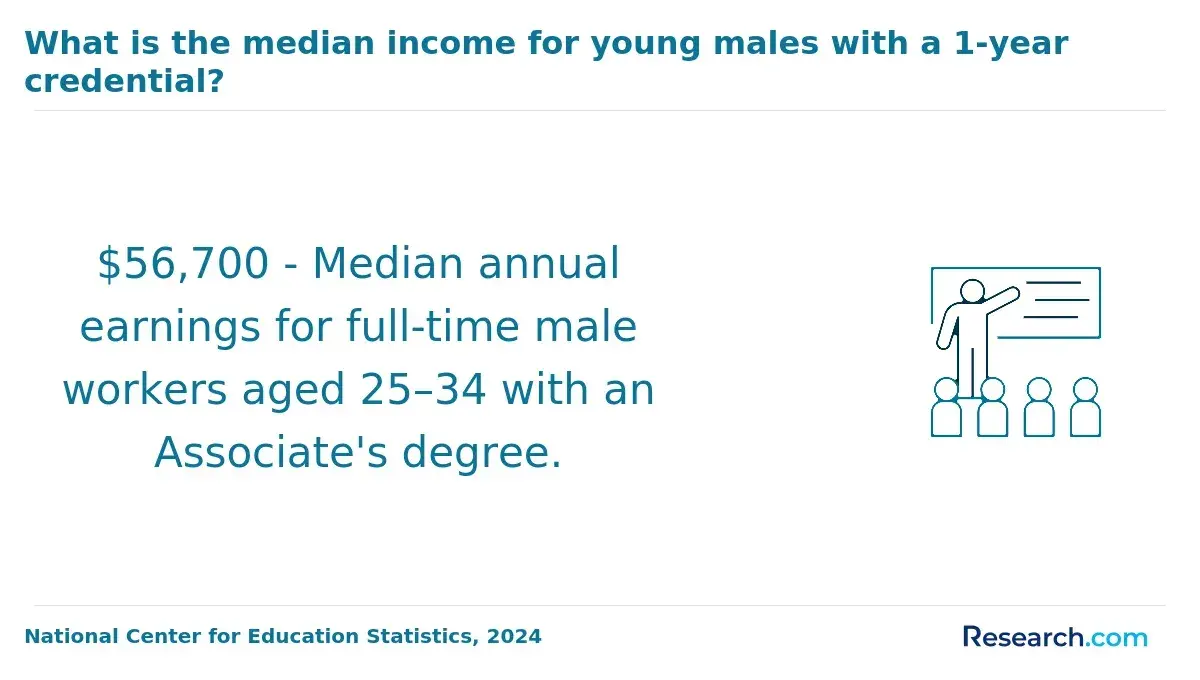
Graduation rates for medical billing & coding programs differ significantly between online and campus formats, reflecting more than just delivery method. According to 2024 data from the National Center for Education Statistics, campus-based programs report completion rates near 65% within the expected timeframe, whereas online programs average closer to 50%. This disparity often stems from factors such as the heavier presence of adult learners juggling employment and family responsibilities in online cohorts, as well as a higher proportion of part-time attendance that can extend time to completion or increase dropout risk. Campus programs frequently offer structured peer interactions, cohort models, and direct advising, fostering accountability and persistence-advantages less consistently replicated in online settings where asynchronous pacing can challenge student motivation and timely progress.
Raw graduation statistics can mislead prospective students unless aligned with the realities of program design and individual circumstances. Online medical billing & coding programs typically accommodate nontraditional learners seeking flexibility, which may result in varied pacing and reporting conventions different from traditional campus pathways. Meanwhile, campus programs often enforce selective admissions and immersive experiences that correlate with higher graduation outcomes, but these benefits come with commuting demands and fixed schedules. Choosing between formats requires weighing how personal time constraints, support needs, and learning preferences shape not only completion likelihood but also readiness for workforce expectations in a rapidly evolving healthcare environment.
One graduate reflected on this decision-making process, recalling how they initially favored an online program's flexibility to manage full-time work and family but hesitated after reviewing graduation data and program support structures. They considered concerns about staying on track without face-to-face advising and cohort camaraderie, elements that campus students readily accessed. Ultimately, this student balanced those doubts with the reality of their schedule and credits transferring from prior coursework, deciding that an online format aligned best with their circumstances despite the potential for slower progress. Their experience underscores how understanding the interplay between graduation rates and program design is crucial for realistic expectations when selecting a medical billing & coding pathway.
Why Do Online and Campus Medical Billing & Coding Students Have Different Completion Rates?
Differences in completion rates between online and campus medical billing & coding students often highlight deeper distinctions in learner profiles and institutional frameworks rather than purely the mode of delivery. For example, many online learners juggle work and family responsibilities and tend to enroll part-time, which can prolong program duration and increase the risk of interruptions or withdrawal. In contrast, campus learners usually follow full-time schedules with structured semester pacing, fostering steady progression and benefiting from direct access to academic advising, tutoring, and peer networks-resources shown to improve retention and completion.
Academic readiness also varies between settings; campus programs often require prerequisite assessments that screen for preparedness, which can filter out students less likely to persist. Online programs frequently accept a broader range of academic backgrounds, leading to wider variation in student success. According to recent data from the National Center for Education Statistics, campus graduation rates typically exceed 60%, while online cohorts hover around 40-50%. This gap partly reflects differences in how well students can leverage institutional support and cohort cohesion, with online students facing challenges in personalized advising and motivation due to limited peer interaction. Understanding these nuances can help prospective students assess how their personal circumstances, such as schedule flexibility needs and support requirements, might influence their ability to complete a medical billing & coding program successfully.
How Do Online and Campus Medical Billing & Coding Programs Compare on Total Cost?
Differences in total cost between online and campus medical billing & coding programs extend beyond advertised tuition, affecting financial planning and program completion timelines. Campus learners typically incur additional mandatory fees for facilities and activities, plus substantial living expenses like housing and transportation, which often add thousands annually. Meanwhile, online students may face technology fees and travel costs for hands-on clinical placements, with less access to comprehensive employer tuition reimbursement often tied to accredited in-person programs. These factors can make campus programs more financially intensive upfront, but potentially more supported by federal aid and employer assistance, influencing debt levels and the pace at which students can maintain work while studying.
For students weighing campus versus online medical billing & coding tuition and fees analysis, the average debt burden illustrates these trade-offs: online completers often carry higher debt, sometimes exceeding $15,000, compared to about $10,000 for campus students at public institutions, reflecting differing aid availability and cost structures. This disparity underscores the importance of factoring in not only sticker price but also ancillary costs and financial aid when choosing a program format. Considering program length and scheduling flexibility alongside total expenses will better align decisions with career and personal circumstances. Prospective students might also explore options like the cheapest online master's in nutrition for parallels in managing affordability against practical career demands.
What Hidden Costs Should Students Expect in Online vs Campus Medical Billing & Coding Programs?
Hidden costs substantially reshape the financial landscape of medical billing & coding programs and influence students' format choices beyond base tuition. Online learners often face technology fees, software subscriptions, and proctoring charges that accumulate to hundreds annually, while asynchronous schedules can drive up childcare expenses despite saving on commuting. In contrast, campus students encounter mandatory activity and lab fees, substantial transportation costs-estimated near $8,000 yearly for urban commuters by the American Automobile Association-and housing and meal plan expenses that together can exceed $12,000 annually according to the College Scorecard, all adding layers of financial complexity. These factors force prospective students to weigh trade-offs between the up-front and ongoing indirect costs each format entails, impacting not only affordability but also scheduling flexibility, as rigid campus schedules may reduce work hours and income during their studies.
Financial aid packages tend to be more inclusive for campus-based programs, covering some auxiliary fees, whereas online students often absorb extra costs individually, leading to a 22% higher average loan balance among for-profit online cohorts reflecting cumulative expenses. Beyond monetary impact, clinical or internship placements can impose unpredictable travel and lodging costs, especially for campus students, introducing additional budgeting challenges. This mosaic of hidden costs plays a crucial role in planning successful course completion and career entry, as students must realistically appraise not only tuition but also personal circumstances, access to technology, and work-life balance constraints inherent to their chosen format.
One student shared how initial enthusiasm for the lower advertised tuition of an online program waned after uncovering mandatory software fees and proctoring costs that raised her yearly expenses significantly. Meanwhile, evaluating a nearby campus option uncovered exorbitant parking fees and unpredictable costs tied to on-site clinical rotations requiring weekend travel. This comparison caused her to hesitate, realizing that neither choice offered clear financial relief without trade-offs, ultimately underscoring the need to scrutinize all auxiliary expenses and schedule demands carefully before committing.
How Does Financial Aid Affect the Cost of Online and Campus Medical Billing & Coding Programs?
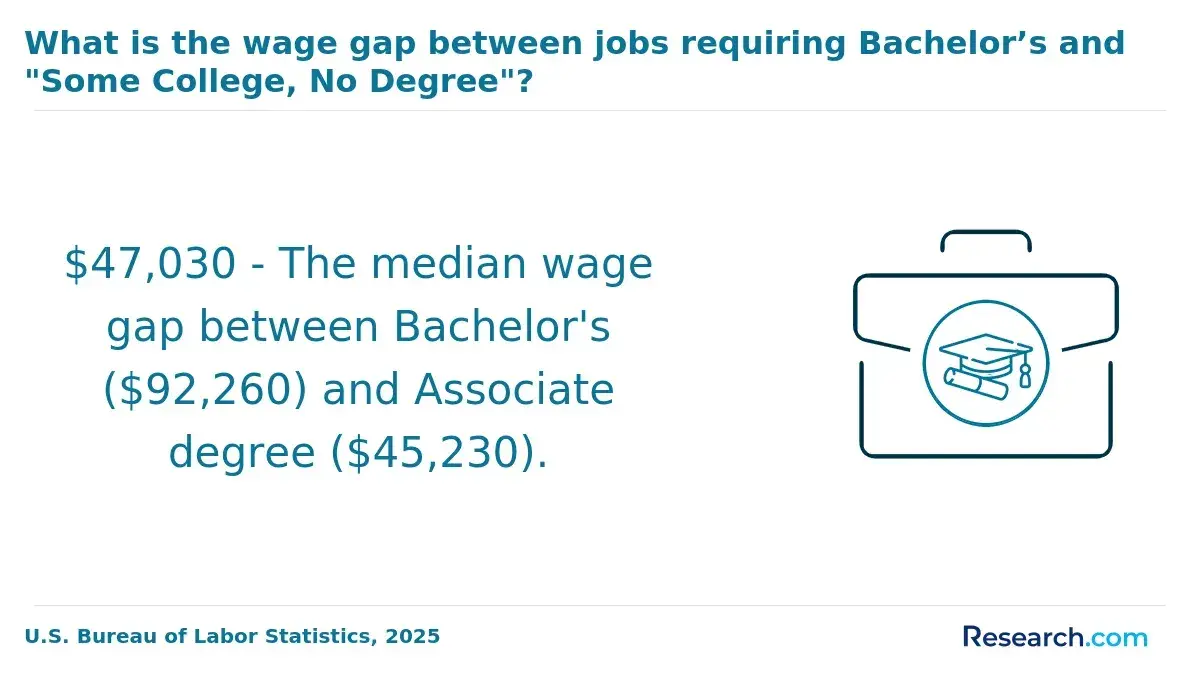
Financial aid shapes the effective cost of medical billing & coding programs differently for online and campus students, creating distinct budgeting and enrollment implications. Campus students often benefit from institutional aid like grants and scholarships, which can reduce tuition by 20% to 40%, but this advantage comes with expectations of full-time enrollment and residency requirements that influence aid eligibility. By contrast, online students-commonly part-time-may qualify for fewer institutional awards yet frequently access federal aid and employer reimbursement plans, which can offset tuition but may limit the size of available grants. For example, a working adult leveraging an employer's tuition benefit may find online study financially manageable despite fewer scholarships, while a full-time campus student might benefit from assistantships but face higher living expenses and potentially more borrowing.
When comparing financial aid impact on cost of online medical billing and coding programs, students must weigh net price after aid rather than published tuition. Campus learners generally see about $4,500 per year lower net costs due to institutional awards; however, online students avoid room and board but pay for technology fees and hardware. Eligibility for federal loans also varies by enrollment intensity, affecting borrowing decisions and program pacing. Veterans and military enrollees have access to GI Bill benefits regardless of format, yet campus programs sometimes offer additional veteran support services enhancing aid navigation. Assessing these factors is crucial for a realistic understanding of total debt exposure and the value proposition between delivery modes.
Prospective students evaluating campus medical billing and coding program financial aid options benefit from examining the interplay of grants, scholarships, loans, and employer aid within their personal schedule and employment status. Those seeking flexible progress may consider online pathways, including related options like accelerated PMHNP programs online for healthcare career transitions. Ultimately, meaningful cost planning requires understanding that financial aid is not only about upfront savings but also about how aid structures affect program length, debt accumulation, and career-readiness outcomes in medical billing & coding.
Do Online and Campus Medical Billing & Coding Graduates Have Different Career Outcomes?
Graduates from campus Medical Billing & Coding programs generally report a slightly higher full-time employment rate within six months, largely because these programs provide direct access to internships, onsite practicums, and in-person networking that many employers in dense urban markets still value. Although certification pass rates between online and campus graduates are nearly identical, some employers remain partial to campus credentials due to perceived rigor and established hiring pipelines, which can influence early-career opportunities especially where competition is high. This preference underscores the importance of considering program accreditation and how clearly a diploma differentiates delivery format during hiring, as well as the local industry connections a graduate leaves with.
Career services accessibility also shapes distinct pathways: campus students often leverage face-to-face advising and recruitment fairs, facilitating stronger employer relationships and alumni networks that can lead to supervisory roles or specialized positions. Conversely, online graduates benefit from greater geographic flexibility and usually lower student debt, which can ease relocation or career shifts without additional training but may pose challenges in securing fieldwork or forming local professional contacts unless their program offers intentional employer engagement. Deciding between formats therefore involves weighing the immediate networking advantages and local job market familiarity of campus settings against the scheduling convenience and financial considerations that come with remote study.
How Do Employers View Online vs Campus Medical Billing & Coding Degrees?
Employers in healthcare increasingly assess medical billing & coding degrees with a focus on accreditation, program rigor, and evidence of practical experience rather than delivery format alone. A 2024 SHRM report indicates that about 68% of healthcare employers prioritize the institution's reputation and accreditation status-such as regional accreditation or recognition by the American Health Information Management Association (AHIMA)-over whether the degree was earned online or on campus. For example, a hospital hiring manager might weigh an online credential equally if it includes verified clinical internships or hands-on billing projects that align with industry certifications like the Certified Professional Coder (CPC).
However, employer familiarity with online education remains uneven, making the presence of applied learning components critical in overcoming residual skepticism. Data from the National Association of Colleges and Employers (NACE) 2024 survey shows growing acceptance of online credentials contingent on demonstrable practicum involvement. This underscores that candidates with even an online degree must emphasize internships or real-world experience to parallel the networking and team-based exposure often found in campus programs. Without this, graduates may face barriers in fields where personal recommendations and face-to-face interaction significantly influence hiring decisions.
From a workforce perspective, the U.S. Department of Education's College Scorecard reveals no significant wage or advancement gap between online and campus graduates when programs meet core quality criteria. This suggests that students should weigh institutional credibility and the availability of experiential learning heavily in decision-making, especially given the increasing demand across healthcare systems for professionals who couple technical knowledge with demonstrated applied skills. Ultimately, the modality chosen affects more than convenience-it can shape early career opportunities and long-term mobility.
Which Medical Billing & Coding Degree Format Offers Better Flexibility for Working Adults?
Flexibility in medical billing and coding programs for working adults hinges on the balance between scheduling autonomy and access to essential in-person components. Online programs excel in offering asynchronous coursework and reduced commuting, enabling students managing work-study balance in medical billing and coding degrees to control when and where they engage with material. However, these programs often require synchronous clinical sessions, proctored exams, or partnerships with local healthcare providers for practicums, which may impose scheduling challenges for those with irregular hours. Campus programs, conversely, typically involve fixed class times and mandatory on-site labs that can impede students with full-time jobs or caregiving duties, though they provide structured cohort experiences and immediate faculty interaction that some learners find critical for accountability and engagement.
This divergence affects persistence and graduation outcomes. Adult learners juggling competing responsibilities tend to favor programs with flexible stop-out policies and transfer options; such features are more readily available in online or hybrid formats, helping reduce cost exposure and avoid prolonged program interruptions. Still, the inherent structure of campus programs may better support learners needing consistent interaction, even if it demands greater logistical effort. For some, the decision may parallel other healthcare educational pathways, where understanding trade-offs-such as in how long is NP school-guides realistic planning of time and resources.
Ultimately, working adults must evaluate how clinical components, cohort dynamics, and scheduling demands align with their unique situations. The flexibility of online learning increases independence but may require proactive time management to maintain career continuity, whereas campus formats offer regimented structures that might both support and constrain progress depending on personal and professional obligations.
How Should Students Choose Between an Online and Campus Medical Billing & Coding Program?
Students choosing between online and campus medical billing & coding programs must weigh graduation rates, cost structures, and career impacts with real-world pragmatism. Campus programs generally show higher graduation rates-around 65% versus 55% for fully online in related health administration fields-reflecting stronger student engagement and direct access to faculty and labs. For example, a working adult balancing family responsibilities may prefer the scheduling flexibility of an online medical billing and coding program benefits, accepting the possibility of lower persistence and less hands-on support, which could delay course completion and affect early career momentum.
Cost differences also shape decisions beyond sticker price. While online options are often 20-30% less expensive due to eliminated housing and commuting expenses, financial aid tends to be comparable if the program is accredited by bodies like AAPC or AHIMA, influencing employer acceptance and job placement. Networking and internship opportunities tend to be richer on campus, where career services facilitate connections employers value. This is critical because employers sometimes prefer graduates from accredited campus programs, particularly when evaluating licensure readiness and practical skills among candidates.
Considering these trade-offs alongside individual work-life commitments and career goals is vital. Students must analyze how delivery format affects scheduling stability, opportunity costs, and employer expectations without assuming online is inherently cheaper or campus programs universally superior. For those seeking guidance on accessible pathways, exploring online MPH programs easy to get into offers insight into flexibility trends applicable across health-related fields.
References
- Train for a career in Medical Billing and Coding in less than 10 months https://sacramento.campus.edu/programs/healthcare/medical-billing-and-coding-professional
- Student Loans for Medical Billing and Coding School in 2026 https://www.credible.com/student-loans/student-loans-for-medical-billing-and-coding-school
- Medical Billing and Coding Online Courses with Financial Aid https://bilnow.com/best-medical-billing-and-coding-online-courses/
- What is Medical Billing and Coding? - AAPC https://www.aapc.com/resources/medical-billing-and-coding-training
- Learn How to Use Social Media Responsibly in College https://www.edumed.org/online-schools/medical-billing-coding/most-affordable/
- Online Medical Billing and Coding Certification Prep https://www.nscc.edu/academics/programs/medical-billing-coding.php
- What to Expect When Learning Medical Billing and Coding Online | Miller-Motte College https://www.miller-motte.edu/blog/healthcare/what-to-expect-when-learning-medical-billing-and-coding-online/
- What is Medical Billing and Coding? | University of Phoenix https://www.phoenix.edu/articles/healthcare/what-is-medical-billing-and-coding.html
- Medical Coding and Billing (AAS) https://www.uagrantham.edu/online-degrees/medical-coding-and-billing/
- Medical Billing and Coding Career Guide (2022) | UMA https://www.ultimatemedical.edu/blog/how-to-start-career-in-medical-billing-and-coding/
Other Things You Should Know About Medical Billing & Coding
Yes, campus programs typically offer more hands-on experiences through direct access to instructors, immediate feedback, and in-person labs that simulate real-world medical coding environments. Online programs often rely heavily on self-paced learning and virtual simulations, which can limit skill development if not supplemented with practical internships or externships. For students prioritizing applied coding competencies, campus programs generally provide clearer advantages, though motivated online students who seek out additional practical opportunities can still achieve comparable readiness.
Campus students benefit from a structured social environment that fosters peer accountability and proactive communication, which can reduce dropout risk and encourage staying on schedule. Online students often face isolation and less immediate support, increasing the chance of procrastination or disengagement, particularly given the self-discipline required. Those who struggle with time management or thrive on group learning should lean toward campus programs, while highly self-directed learners may handle the online format without significant setbacks.
Some employers remain cautious about online-only credentials in medical billing & coding due to concerns about practical experience and verification of skills, especially for complex coding tasks requiring nuanced understanding. Campus graduates often have an edge in fields emphasizing teamwork and direct training interaction, but this gap is narrowing as reputable online programs incorporate industry-aligned projects and verified externships. Job seekers should prioritize programs with strong employer networks and demonstrated placement success over format alone.
Working adults frequently face trade-offs between program intensity and life obligations. Online programs offer flexibility but can demand more self-motivation and time blocking, which may be challenging without dedicated study routines. Campus programs provide set schedules and immersive environments that can enable more focused learning but may require significant rearrangements of work or personal time. Adults who need rigid structure might find campus programs more effective despite logistical challenges, while those with variable schedules often benefit more from the adaptability of online learning but should plan carefully to avoid burnout.