2027 Medical Billing & Coding Student Debt Report: Borrowing, Monthly Payments, and Repayment Risk

Co-Founder and Chief Data Scientist
Medical billing & coding programs often feature compressed timelines and stringent certification demands that shape borrowing behavior and repayment patterns distinctly from broader education sectors. Many students enter these programs seeking swift labor market entry, influencing loan amounts and monthly payment commitments tied to shorter program durations.
The field's reliance on recognized accreditation and certification affects both enrollment choices and financial risk, as noncompliance can delay employment and repayment capacity. Recent 2024 data from the U.S. Bureau of Labor Statistics highlights variable salary ranges linked to certification status, intensifying financial outcomes tied to program completion. The age diversity of students suggests an evolving workforce balancing re-skilling with cost constraints.
Key Things to Know About Medical Billing & Coding Student Debt
- Average student debt for medical billing & coding programs often rivals shorter-term vocational courses, creating a repayment tradeoff where faster credentialing may not reduce overall financial burden.
- Employers increasingly prefer certifications paired with practical experience, so relying solely on debt-funded credentials without concurrent skill-building can limit hiring prospects and income growth.
- Loan repayment risk heightens when students delay entry into coding-related roles, as newer data shows late workforce attachment correlates with higher default rates among graduates.
- Key Things to Know About Medical Billing & Coding Student Debt Key Things to Know About Medical Billing & Coding Student Debt
- How Much Student Loan Debt Do Medical Billing & Coding Graduates Typically Have at Graduation? Average Studen Loan Debt
- What Factors Have the Biggest Impact on Medical Billing & Coding Student Loan Debt? Student Debt Key Factors
- What Is the Average Monthly Student Loan Payment for Medical Billing & Coding Graduates? Average Monthly Payment
- How Do Repayment Rates Compare Between Public and Private Institutions? Public vs. Private Institution Repayment Rates
- Do Online Medical Billing & Coding Graduates Have Different Repayment Outcomes Than Campus-Based Students? Online vs. On-Campus Student Loan Repayment
- Which Industries Provide the Best Financial Return Relative to Borrowing Costs? Which Industries Provide the Best Financial Return Relative to Borrowing Costs?
- Does Student Debt Affect Which Jobs Medical Billing & Coding Graduates Accept? Does Student Debt Affect Which Jobs Medical Billing & Coding Graduates Accept?
- What Factors Increase Student Loan Repayment Risk for Medical Billing & Coding Graduates? Loan Repayment Risk Factors
- How Can Medical Billing & Coding Students Reduce Student Loan Debt While Earning Their Degree? Tips to Reduce Student Debt
- How Should Prospective Students Evaluate Borrowing Risk Before Enrolling? Evaluating Student Debt Risk
How Much Student Loan Debt Do Medical Billing & Coding Graduates Typically Have at Graduation?
Recent data from 2024 indicate that student loan debt for medical billing & coding graduates generally falls between $7,000 and $20,000 at the time of graduation. This range reflects the program's typically brief duration-often one to two years-and its focused curriculum, which contrasts with longer degree pathways. Such borrowing levels are well below the national average debt for bachelor's degree holders, which exceeds $30,000, highlighting the concentrated financial commitment associated with these shorter programs.
Understanding the average student loan borrowing for medical billing & coding programs provides insight into how tuition cost, financial aid, and enrollment choices shape these financing outcomes. The variation in debt among graduates often stems from differences in institution type, residency status, and funding support. For instance, public institutions with in-state tuition can substantially lower borrowing needs compared to private schools or out-of-state rates, where costs rise.
Availability of grants, scholarships, or employer tuition assistance also plays a crucial role in reducing loan dependence, while students attending part-time may spread or increase debt due to longer enrollment periods. Additionally, students exploring alternatives such as accelerated or hybrid formats-similar to the structure found in some medical assistant programs-might experience different borrowing patterns tied to condensed timelines and project costs.
These debt ranges impact graduates' financial stability post-completion, as entry-level wages averaging from $35,000 to $45,000 require considered budgeting for loan repayment. Income-driven repayment plans can mitigate monthly payment burdens but extend debt duration and interest accumulation, intensifying long-term affordability challenges.
Awareness of these dynamics informs career decision-making and emphasizes the necessity for deliberate financial planning to avoid repayment stress, particularly for those whose debt exceeds the typical range and whose earnings may not sufficiently outpace principal balances.
What Factors Have the Biggest Impact on Medical Billing & Coding Student Loan Debt?
Student loan debt levels among medical billing & coding students reflect a complex interplay between institutional pricing structures and individual financial circumstances rather than a single determining factor. Variations in borrowing arise not only from direct tuition costs but also from nuanced differences in program design, financial aid access, and regional economic contexts.
Understanding these overlapping influences is crucial for prospective students managing debt risks linked to their educational choices.
- Institution Type and Pricing Models: Public community colleges typically set tuition at rates significantly lower than private or proprietary institutions, directly reducing borrowing needs. According to 2024 data from the National Center for Education Statistics, students in for-profit medical billing & coding programs borrow on average 30% more than those attending public colleges, reflecting institutional pricing power as a key driver of debt disparity.
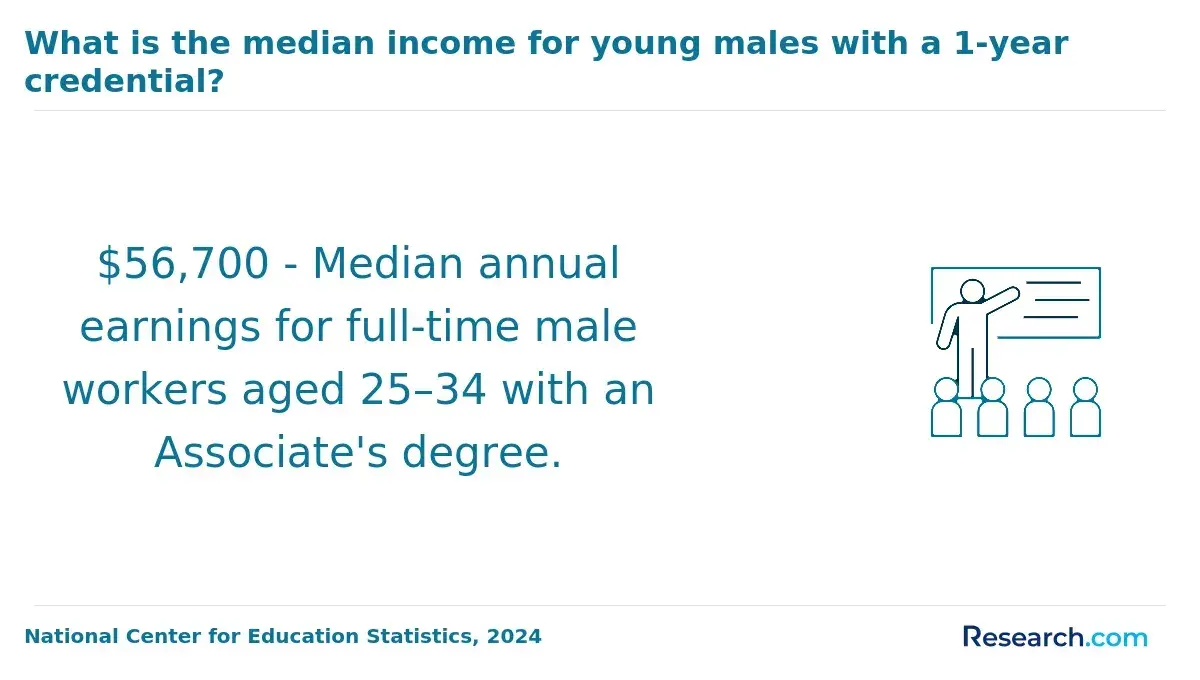
- Program Length and Credential Level: The spectrum of available credentials, from short-term certificates to associate degrees, shapes cumulative borrowing by extending enrollment time and associated costs. Longer programs frequently entail higher tuition, fees, and living expenses, with certificate holders typically incurring around $7,500 in student loan debt, while those completing associate degrees may average $14,000, indicating how credential choices materially affect debt levels.
- Financial Aid Availability and Student Financial Behavior: Access to grants, scholarships, and timely aid disbursements mitigates borrowing but varies widely by institution and student background. Students from lower-income families, often lacking robust external resources, depend more on loans and may resort to higher-cost private borrowing if aid is delayed or insufficient, increasing long-term repayment burdens and influencing debt accumulation patterns.
- Geographic Location and Cost of Living: Campus location in high-expense metropolitan areas adds indirect borrowing pressure as students cover elevated housing and living costs. These ancillary expenses, often underestimated during enrollment decisions, compound tuition-related debt and vary regionally, making location a significant factor layered atop institutional and program-level costs.
- Career Outcome Expectations and Wage Realities: Moderate median wages within the medical billing & coding field shape student willingness to limit borrowing to manageable levels. Concerns about post-graduation repayment feasibility lead some students to opt for less debt-intensive pathways, although risk tolerance and loan literacy vary, influencing individual borrowing behavior and repayment trajectories.
Borrowers should consider these factors holistically alongside average student loan repayment rates for medical billing & coding graduates to evaluate long-term financial impact. In navigating such complexities, practical guidance and transparent data sources can reduce debt-related uncertainty. For example, prospective students weighing credential options might compare debt burdens for shorter certificates versus longer associate degrees while factoring in local cost differences.
Those exploring broader healthcare education pathways might find reference points in the cheapest fastest RN to BSN online programs, which similarly balance tuition, aid, and labor market factors to optimize affordability and career outcomes.
What Is the Average Monthly Student Loan Payment for Medical Billing & Coding Graduates?
Recent data from the U.S. Department of Education and the Federal Reserve indicate that monthly student loan payments for medical billing & coding graduates typically fall between $200 and $350. This range reflects the moderate debt loads common in this field, often spanning from $10,000 to $25,000 in total borrowing. Payment amounts fluctuate based on factors such as the interest rate environment and the specific repayment plan chosen, with more aggressive, shorter-term plans resulting in higher monthly obligations.
For many graduates, these payments represent a manageable portion of income but require balancing against entry-level wages typical within healthcare administration roles. Variations in monthly payments hinge primarily on loan balance size and repayment strategy. Graduates who select income-driven repayment plans often see significantly reduced initial payments-sometimes below $150-though this can extend loan terms and increase accrued interest over time.
Conversely, those on standard or extended 10-year plans face steadier, often higher payments but reduce long-term interest costs. Salary variability within medical billing & coding jobs also shapes budgeting capacity, as early-career salaries may limit payment flexibility, emphasizing the need for borrowers to carefully evaluate their repayment options in relation to expected earnings and overall financial stability.
One graduate noted the challenge of navigating a rolling admissions process for their medical billing & coding program, which prolonged their enrollment timeline. They described hesitating to commit without clear financial aid details, which delayed starting classes by several months. "I wasn't sure if waiting would improve my chances for scholarships or better repayment options," they said. This uncertainty underscored the importance of timing and preparation in managing the financial reality tied to student loans and repayment expectations in this field.
How Do Repayment Rates Compare Between Public and Private Institutions?
Graduates from public institutions in medical billing & coding programs consistently demonstrate higher student loan repayment rates within the first three years after entering repayment compared to those from private schools. Recent data from the U.S. Department of Education's College Scorecard shows that roughly 62% of public institution graduates reduce their loan balances by at least 10% within this period, whereas only about 48% of private institution graduates achieve a similar level of repayment.
This gap highlights not only differences in borrowing patterns but also variations in loan management and financial stress experienced by borrowers across these sectors. Federal Reserve findings further indicate that graduates from private colleges are more inclined to enter loan forbearance or deferment, signaling elevated repayment difficulties relative to their public counterparts.
The underlying drivers of these disparities often stem from differences in institutional pricing, average debt burdens, and post-graduation earnings potential. Public universities generally offer lower tuition rates, resulting in smaller loan amounts and more manageable repayment obligations for their graduates. In contrast, private institution students tend to accumulate higher debt due to steeper tuition costs and potentially more limited access to grant-based aid, which can delay their capacity to make significant loan reductions.
While earnings for medical billing & coding graduates may not drastically differ by institution type, the heavier debt loads faced by private school borrowers skew their debt-to-income ratios unfavorably. These structural financial factors create a repayment environment where graduates of public institutions can more effectively balance income against debt, improving overall repayment outcomes.
This payment dynamic has broader implications for financial mobility and the perceived value of medical billing & coding programs. Increased reliance on forbearance signals repayment stress that can limit economic flexibility and compound long-term debt risks for private institution graduates.
Consequently, repayment performance becomes a critical measure of institutional accountability and program efficacy, influencing how prospective students assess educational investments within this sector. Understanding these nuanced patterns aids borrowers in making informed decisions about the potential financial tradeoffs inherent in choosing between public and private medical billing & coding education providers.
Do Online Medical Billing & Coding Graduates Have Different Repayment Outcomes Than Campus-Based Students?
Graduates of public institutions tend to demonstrate higher student loan repayment rates within the first few years after completing their medical billing & coding studies compared to their counterparts from private institutions. According to the 2024 Student Loan Repayment Report by the Education Data Initiative, about 58% of borrowers from public schools are actively reducing their loan balances three years after graduation, whereas graduates from private institutions show a repayment rate closer to 52%.
This discrepancy is a significant consideration when analyzing online medical billing and coding graduate debt repayment comparison, as it highlights the complex financial realities students face beyond program delivery mode alone. The underlying drivers behind these repayment differences are multifaceted. Public institutions typically offer lower tuition costs, resulting in smaller average borrowing amounts, which can reduce monthly repayment burdens and increase the likelihood of on-time payments.
Private school graduates often carry larger loan balances due to higher tuition, impacting their debt-to-income ratios and complicating repayment efforts despite sometimes stronger institutional prestige or networking opportunities. Post-graduation earnings and financial aid distribution vary as well, with many private school students taking on more debt regardless of potential income, exacerbating repayment stress and longer-term financial mobility challenges for medical billing & coding graduates.
Such repayment performance variations influence how prospective students weigh the value of educational investments in medical billing & coding programs. Consistently lower repayment rates among private institution graduates may raise concerns about program affordability and financial outcomes, which in turn affect institutional accountability and perceived return on investment.
For students navigating these decisions, incorporating research on comparable credentials, including diverse fields seen in exercise science degrees online, can provide broader insight into balancing accessible education paths with sustainable debt management strategies.
Which Industries Provide the Best Financial Return Relative to Borrowing Costs?
Financial return on education for medical billing & coding graduates varies significantly across industries, reflecting more than just entry-level wages. A meaningful return on investment depends on how salary growth, hiring stability, and typical borrowing levels align to ease student debt repayment over time.
This balance determines whether graduates can manage monthly loan obligations without undue financial strain, making some sectors notably more advantageous despite similar educational requirements elsewhere.
- Health Insurance Companies: These employers generally offer the highest starting salaries and benefits, often accompanied by clear paths for skill-based wage increases. Strong demand for coders familiar with insurance claims translates into faster hiring and lower loan default rates, helping graduates service debt more effectively.
- Hospital Administration: Large hospital systems tend to pay above median wages for coding professionals, reflecting the complexity and volume of billing tasks. While credentialing demands may be higher, the resulting premium on earnings combined with stable job availability often offsets borrowing costs more efficiently than smaller providers.
- Outpatient Clinics and Physician Offices: Wages in these smaller settings typically lag behind larger institutions, which can prolong debt repayment periods. Although entry barriers might be lower, slower salary growth and less structured advancement increase the risk of extended loan burden.
- Government Healthcare Programs: Positions tied to public health initiatives or Medicare/Medicaid billing can provide moderate pay but often come with added job security. This stability supports gradual repayment but may not accelerate income enough to rapidly reduce borrowing impact.
- Third-Party Billing Services: These firms serve multiple healthcare clients, offering diversified work and occasional wage premiums for experience and certification. However, competitive pressure can limit rapid salary gains, resulting in balanced but moderate financial returns relative to debt.
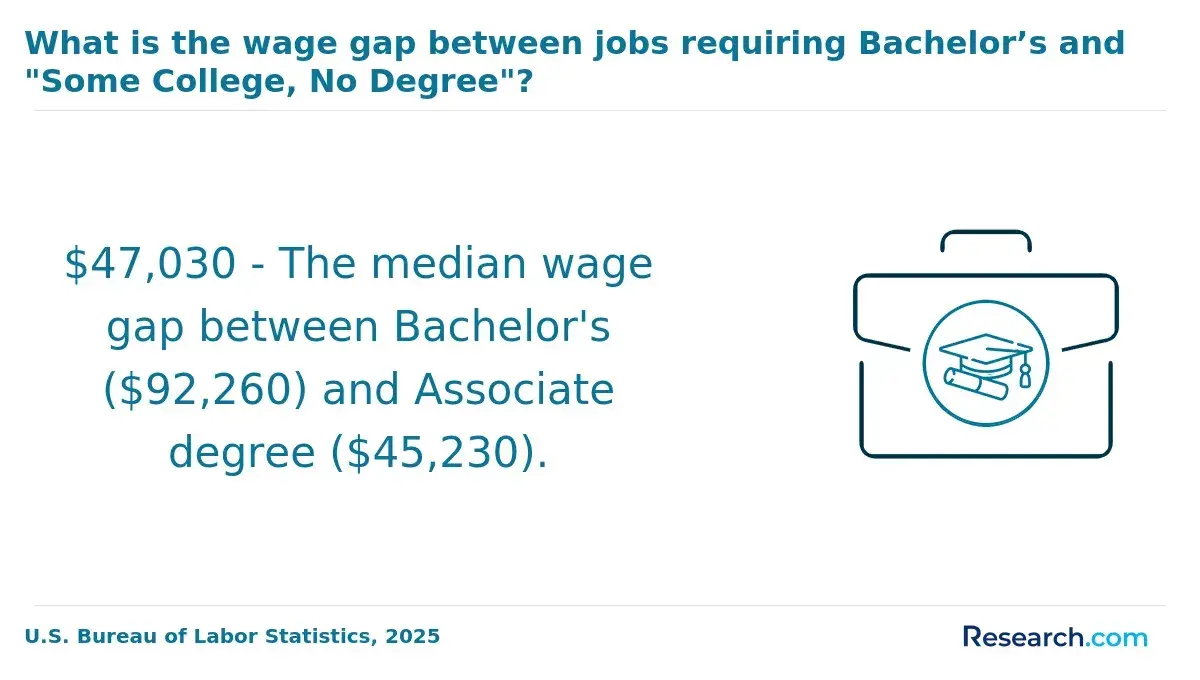
According to 2024 data from the U.S. Bureau of Labor Statistics and the National Center for Education Statistics, graduates working in insurance and hospital administration report nearly 20% higher starting salaries and approximately 5 percentage points lower student loan default rates than peers in smaller healthcare settings. These differences underscore the financial value of aligning education pathways with industries that provide sustained earnings growth and hiring demand strong enough to support manageable debt repayment outcomes.
Does Student Debt Affect Which Jobs Medical Billing & Coding Graduates Accept?
Student loan obligations significantly shape the initial employment decisions of medical billing & coding graduates, with repayment demands often guiding them toward roles offering higher starting salaries and stable full-time hours. These graduates must evaluate job offers against monthly debt servicing costs, frequently prioritizing immediate financial solvency over positions that might align better with their career interests but provide lower or delayed compensation.
According to a 2024 report by the National Center for Education Statistics, about 68% of graduates carrying student debt select jobs based on higher pay rather than potential for growth or preferred workplace environment, highlighting how loan burdens constrain early-stage choices and effectively narrow their employment options in a labor market that ranges widely in compensation and benefits.
Beyond salary considerations, debt levels also influence geographic flexibility and sector selection within healthcare administration. Graduates with heavier debt loads are less likely to pursue lower-paying internships, part-time roles, or positions in high-cost urban centers that might offer robust networking or advancement opportunities but present financial risks.
This can lead to an uneven distribution in where and how medical billing & coding professionals enter the workforce, with low-debt graduates having greater latitude to accept training-intensive roles or relocate for career advancement. Additionally, the pressure to meet repayment schedules may delay further credentialing or specialization efforts, restricting long-term career trajectory. Such dynamics reveal that student debt is not just a financial hurdle but a structural factor that shapes labor market behavior and access within this field.
A recent graduate recounted the challenges faced during the rolling admissions period for their medical billing & coding program. Initially hesitant due to uncertainty over financial aid approval and looming debt concerns, they delayed application submission, hoping to secure scholarships or better loan terms. This waiting period narrowed their enrollment window, forcing last-minute decisions about program start dates and job search timing.
Ultimately, the graduate accepted an entry-level coding position with a higher salary than initially hoped for, prioritizing financial stability over ideal alignment with their career goals. Their experience underscores how debt-related anxiety and timing pressures can influence not just job acceptance but also the educational pathway itself.
What Factors Increase Student Loan Repayment Risk for Medical Billing & Coding Graduates?
Student loan repayment risk for medical billing & coding graduates arises from a complex interplay of debt levels, income stability, and labor market factors rather than a single factor alone. Repayment challenges often reflect how borrowing relates to expected earnings and the variability in employment quality and availability following program completion.
These considerations are critical to understanding student loan repayment challenges in medical billing & coding education, especially as graduates face uncertain job markets and evolving industry demands.
- High Debt-to-Income Ratios: Medical billing & coding graduates frequently incur student loan debts averaging close to $20,000, while median starting salaries range roughly between $35,000 and $45,000 annually. This sizeable debt relative to income can lead to monthly payments that significantly strain disposable income, increasing repayment difficulty amid other living expenses.
- Employment Instability and Underemployment: Graduates entering regions or programs with weak job placement face longer spells of underemployment or part-time roles lacking benefits. Income volatility from such positions undermines steady repayment capability, creating higher default risk in line with labor market uncertainties.
- Limited Utilization of Income-Driven Repayment Plans: Insufficient awareness or access to income-driven repayment options exacerbates repayment challenges. Many borrowers miss opportunities to tailor payments to earnings, making fixed monthly loans less manageable when salary growth remains stagnant.
- Economic and Geographic Variability: Regional labor market strength and cost-of-living differences influence repayment prospects. Graduates in high-cost areas without accompanying wage increases face amplified financial pressures that elevate loan stress.
A 2024 report by the National Center for Education Statistics underscores these dynamics, highlighting the debt-to-income tension and employment challenges medical billing & coding graduates contend with. Addressing these risks requires realistic evaluation of program costs relative to job market outcomes and proactive financial planning.
Those navigating these factors may also benefit from exploring alternative healthcare education pathways, such as accelerated NP programs online, offering different income and repayment profiles.
How Can Medical Billing & Coding Students Reduce Student Loan Debt While Earning Their Degree?
Reducing student loan debt while earning a medical billing & coding degree requires proactive financial planning, institutional savvy, and focused academic decision-making. Strategies to minimize medical billing & coding student loan debt revolve around selecting affordable programs, leveraging available work opportunities, and optimizing federal and private aid resources. Understanding how different program formats and institutional partnerships affect both costs and employability is essential to limit borrowing while maintaining academic and professional momentum.
Here are actionable tips for lowering student debt in medical billing & coding programs that prioritize realistic application and financial efficiency:
- Choose Accredited Lower-Cost Programs: Enrolling in accredited community colleges or online certificate programs can reduce tuition costs by 30-50% compared to private or for-profit schools. This choice directly lowers initial borrowing needs and allows students to access federal financial aid targeted at public institutions.
- Utilize Federal Work-Study and Part-Time Healthcare Roles: Engaging in on-campus work-study or part-time jobs within healthcare settings offsets living expenses, the largest contributor to debt growth. This also builds relevant experience employers value, decreasing the chance of extended post-graduate training costs.
- Select Programs with Employer Partnerships and Internship Guarantees: Programs tied to healthcare employers often provide no-cost internships that enhance job readiness without requiring costly supplementary certification. This lowers future borrowing linked to additional credentialing.
- Avoid Accelerated Programs with Elevated Fees: While accelerated options may appeal due to shorter duration, they tend to have higher tuition per term and intense schedules that limit working hours, raising overall debt risks despite faster completion.
- Apply for Allied Health Scholarships: Less than 20% of medical billing & coding students currently tap into scholarships specifically for allied health fields. Targeted scholarships represent non-repayable aid that can markedly reduce loan dependence.
- Plan Academic Progress Strategically: Steady enrollment pacing balanced with employment opportunities reduces the need for high-cost semester overloads or remedial courses, minimizing excess borrowing stemming from extended time to degree.
- Consider Long-Term Educational Pathways Carefully: Some students may explore advancing through related degrees, such as counseling fields, where options like a doctorate in counseling online offer cost-effective progression without excessive debt accumulation.
How Should Prospective Students Evaluate Borrowing Risk Before Enrolling?
Evaluating borrowing risk before enrolling in a medical billing & coding program is critical to understanding the long-term financial impact of education debt. Prospective students must weigh total expected debt against realistic post-graduation earnings to determine if loan obligations are sustainable. This assessment transcends simple budgeting, requiring an analysis grounded in program costs, earning potential, and repayment realities within the medical billing & coding field.
Key considerations include:
- Projected Earnings Potential: Analyze median and entry-level wages, which typically hover around $46,000 annually, according to the 2024 National Center for Education Statistics. Understanding these salary norms helps gauge maximum feasible monthly loan payments aligned with income.
- Loan Payment-to-Income Ratio: Aim for total student loan payments to remain below 10-15% of monthly take-home pay. This benchmark supports maintaining financial stability and limits repayment stress.
- Program Completion and Job Placement Rates: High completion and placement improve chances of steady income and timely loan repayment, reducing financial risk exposure.
- Accreditation and Industry Recognition: Accredited programs may enhance employability and certification eligibility, which influence earnings and debt management prospects.
- Financial Aid Availability: Scholarships and grants directly lower borrowing needs, altering risk calculus by reducing principal debt.
- Regional Labor Market Demand: Demand for medical billing & coding professionals varies, affecting wage levels and job stability; localized market data informs realistic income expectations.
- Debt Burden Relative to Income: Consider total expected debt against typical wages to avoid disproportionate borrowing. A 2024 Consumer Financial Protection Bureau report indicates nearly 25% of graduates with debt encounter repayment difficulty early on, underscoring the importance of manageable loan sizes.
References
- The Healthcare Workforce Crisis. Are Students Drowning in Debt or Is the Industry Under-Selling Its Jobs? - Futuro Health https://futurohealth.org/the-healthcare-workforce-crisis-are-students-drowning-in-debt-or-is-the-industry-under-selling-its-jobs/
- Understanding the ROI of Medical Coding and Billing Certifications - AAPC https://www.aapc.com/resources/understanding-the-roi-of-medical-coding-and-billing-certifications
- Financial Aid for Medical Billing and Coding Online Programs https://www.cambridgehealth.edu/medical-billing-and-coding/medical-biller-coder-program/financial-aid-for-medical-billing-and-coding-online-programs/
- GEDT_Output_Print https://www.nunez.edu/academics/files/documents/Gainful_Employment/Medical_Billing_and_Coding_CAS/51.0713-GedtPrint.html
- Financial Aid Overview and Scholarships https://www.medicalbillingandcoding.org/resources/financial-aid/
- CFPB Highlights Default Risk Factors for Student Loans https://www.consumerfinancialserviceslawmonitor.com/2022/04/cfpb-highlights-default-risk-factors-for-student-loans/
- What is the typical debt load for graduates of four-year public universities - APLU https://www.aplu.org/our-work/4-policy-and-advocacy/publicuvalues/student-debt/
- Top Challenges in Medical Billing Service and How to Overcome Them https://medtechsolutions.com/resource-center/blog/top-challenges-in-medical-billing-service-and-how-to-overcome-them/
- Entry-level jobs offering student loan repayment have doubled since 2019—where to find them https://www.cnbc.com/2023/09/05/entry-level-jobs-with-student-loan-repayment-doubled-since-2019-says-new-data.html
- Student Loan Repayment Options | Sallie Mae https://www.salliemae.com/student-loans/manage-your-private-student-loan/understand-student-loan-payments/explore-loan-repayment-options/
Other Things You Should Know About Medical Billing & Coding
The diversity of program formats-from short certificate courses to longer associate degrees-directly affects how much students need to borrow. Longer programs generally mean higher tuition costs and thus higher debt, but they may also lead to stronger credentials that improve employability and earning potential. Students must weigh whether the incremental benefit of a lengthier program justifies the increased borrowing, especially given the modest wage growth typical in this field.
Given the generally stable but moderate income range for billing and coding professionals, aggressive repayment can reduce long-term interest costs but may strain monthly budgets. Income-driven repayment plans offer flexibility but typically extend the payoff period and total interest paid. Graduates should prioritize flexible plans if their entry-level earnings or job stability are uncertain, reserving aggressive repayment strategies for when income growth or job security is more established.
Borrowers need to account for employer reimbursement trends and certification requirements that might demand further education or credential renewal costs. Additionally, the workload often involves meticulous attention to detail but limited upward mobility without additional qualifications, which can suppress salary growth. These realities mean that unexpectedly high debt combined with stagnant wages significantly increases repayment risk over time.
Employers increasingly expect not only foundational coding knowledge but also ongoing certification maintenance and specialized skills in electronic health records or compliance. As a result, investing in programs that align with these expectations-even if slightly more costly-can improve job prospects and reduce repayment risk by enhancing employability. Students should prioritize programs with strong industry alignment to avoid debt burden without corresponding career benefits.