2027 Highest-Paying Jobs You Can Get With a Health Sciences Degree

Co-Founder and Chief Data Scientist
Deciding whether to pursue a health sciences degree often hinges on its financial return versus alternative education pathways. Many prospective students face uncertainty about how much extra income graduate credentials and professional licensure can unlock. For instance, workers with master's degrees in health sciences earn a median annual salary nearly 20% higher than those with only a bachelor's degree-highlighting the tangible wage premium tied to advanced qualifications. Geographic location and industry sector further influence compensation, complicating straightforward ROI calculations. This article examines the highest-paying jobs available to health sciences graduates, detailing how credentials, certifications, and market factors shape earning potential and career choices.
Key Things to Know About the Highest-Paying Jobs You Can Get With a Health Sciences Degree
- Graduate credentials deliver a wage premium-master's degree holders earn up to 20% more on average than bachelor's degree holders in health sciences-related roles.
- Professional licensure and certification significantly boost salaries-certified professionals often command 15% to 25% higher pay due to specialized expertise and employer demand.
- Return on investment in a health sciences degree often surpasses alternative pathways-graduates typically experience faster salary growth and more stable employment opportunities across healthcare industries.
What Exactly Does a Health Sciences Degree Qualify You to Do in Today's Job Market?
A health sciences degree opens doors to a wide range of roles within the expanding healthcare sector, focusing on prevention, treatment, and management of health conditions. According to the U.S. Bureau of Labor Statistics (BLS), employers expect graduates to have foundational knowledge in biology, public health, healthcare administration, and patient care coordination. The professional scope covers health education, clinical research, healthcare management, and health informatics-offering many career paths with a health sciences degree in today's job market.
Key competencies set degree holders apart from those relying solely on on-the-job experience or alternative credentials-employer data from LinkedIn Insights and Lightcast identifies these essential skills as:
- Technical Skills: proficiency in healthcare technologies, medical terminology, data analysis, and regulatory compliance.
- Analytical Abilities: ability to interpret health data, conduct research, and implement evidence-based solutions.
- Interpersonal Competence: effective communication with patients, healthcare teams, and stakeholders in multidisciplinary settings.
It is vital to distinguish what a health sciences degree does not automatically enable-graduates generally do not qualify for licensed roles like physicians, registered nurses, or physical therapists without further credential-specific education and certifications. Some roles in the field are open-entry, requiring no mandatory licenses, while others necessitate credential gating to meet healthcare regulations.
Top-paying career options tied to this degree include healthcare administrators, clinical managers, epidemiologists, and health informatics specialists. Advanced degrees-master's and doctoral levels-generally command higher salaries by unlocking leadership and specialized expertise.
Many students considering a graduate path explore accelerated DNP programs online to expedite earning potential and credentials. This analysis supports assessing the wage premium tied to graduate credentials and professional licensure when evaluating the return-on-investment of a health sciences degree in the US labor market.
Which Health Sciences Jobs Command the Highest Salaries Right Now?
Salary potential in health sciences careers correlates strongly with degree level-graduate degrees often yield a substantial wage premium-and specialization areas that command premium wages. Geographic markets focused on healthcare industries and employer sectors such as hospitals, private industry, and government organizations also play a crucial role.
These factors combine to define the true earning potential for the highest-paying health sciences careers in the US.
Physician Assistants
These professionals rank highest among health sciences degree holders for compensation. According to recent BLS data, the median annual wage is about $121,500, with the 75th percentile near $140,000 and the top 10% exceeding $165,000. They often compete with individuals from medical or nursing backgrounds, but a health sciences degree paired with specialized certification provides a distinct advantage-especially in primary care and surgical specialties.
Salary variations depend heavily on advanced degrees, specialization areas like emergency medicine or orthopedics, employment in high-demand regions such as California, Texas, and New York, and work environments including hospitals and specialty clinics.
- Advanced degrees and specialized training in fields such as emergency medicine or orthopedics
- Employment in high-demand geographic markets like metropolitan areas in California, Texas, and New York
- Work settings including hospitals, outpatient care centers, and specialty clinics
Healthcare Administrators
Graduates who combine health sciences credentials with an MBA or MHA typically see median salaries around $104,000-and top earners surpass $150,000 annually. This role merges clinical expertise with management, giving health sciences degree holders an edge over those without health-focused education.
Salary factors include graduate credentials, specializations in hospital administration or health policy, and employer type with large health systems and private sectors often offering the highest wages.
- Graduate-level credentials boosting earning potential
- Specializations in hospital administration, health policy, or finance
- Employer type-large health systems and private industry typically offer higher wages
Occupational Therapists
Median earnings approximate $87,000, climbing to $104,000 at the 75th percentile and exceeding $120,000 in the top decile. Licensure and clinical certification remain critical, but a health sciences degree provides foundational knowledge-especially when complemented by advanced credentials in neurology or pediatrics. Salaries vary substantially due to state-specific licensing requirements, work environments like rehabilitation centers, and demand in urbanized areas.
- State-specific licensing requirements influencing pay scales
- Work environment-rehabilitation facilities and specialized outpatient centers offer higher salaries
- Higher earnings in urbanized regions due to increased demand
Medical and Health Services Managers
With a median income near $104,000 and top salaries over $153,000, these professionals leverage their health sciences background in operational leadership. Those holding master's degrees and certifications such as the FACHE demonstrate a measurable salary premium. Industry sector and geographic markets with extensive healthcare infrastructures significantly affect compensation.
- Advanced degrees driving top-end compensation
- Industry sectors-public hospitals, government agencies, and insurance companies
- Geographic regions with large healthcare infrastructures resulting in higher pay
Health Informatics Specialists
This growing field offers median salaries around $90,000, rising sharply for those with certifications in health IT and electronic medical record systems. Health sciences degree holders who combine their education with technical IT and analytics skills benefit most. Employment at academic medical centers and tech-focused systems in innovation hubs like Boston and San Francisco yield higher earnings.
- Level of IT and analytics expertise
- Employment in academic medical centers or tech-forward healthcare systems
- Locations with robust healthcare innovation economies such as Boston and San Francisco
For those considering the cost-effectiveness of health sciences education pathways, evaluating options such as RN to BSN online programs cost comparison can provide valuable insights into long-term financial returns relative to alternative routes. This nuanced financial landscape helps prospective students and career changers make informed, salary-focused decisions aligned with their goals for top health sciences jobs with best salaries.
How Does Degree Level-Bachelor's vs. Master's vs. Doctoral-Affect Health Sciences Earning Potential?
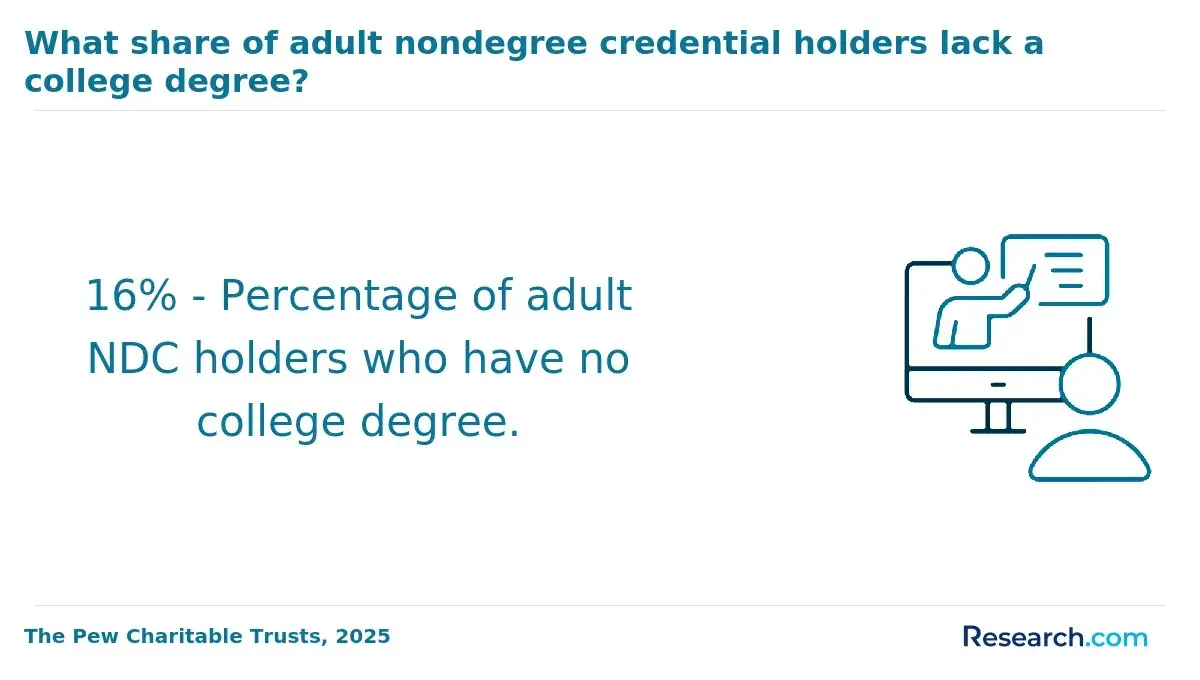
Salary differences across health sciences degree levels are substantial, with advanced credentials often yielding significantly higher pay. Data from the Bureau of Labor Statistics and the College Scorecard indicate that master's and doctoral degree holders can expect earnings 20% to 50% above those with just a bachelor's degree, although this varies by specialty and job function.
- Bachelor's Degree Salary: Many entry-level roles-such as health educators, community health workers, and health services managers-require a bachelor's and offer median pay between $50,000 and $75,000. Some managerial positions may exceed this range depending on employer and location.
- Master's Degree Premium: Advanced roles like clinical nurse specialists, public health program managers, and health administration directors typically mandate a master's degree. Salaries here commonly range from $75,000 to over $100,000, reflecting the degree's value in enabling leadership and specialized clinical practice.
- Doctoral Degree Impact: High-level positions-such as physicians (MD), occupational therapists holding doctorates (OTD), or health policy researchers with PhDs-can command $100,000 to $200,000+ annually. Doctoral credentials are often necessary for licensure or research-intensive careers, defining compensation brackets distinct from lower degrees.
Licensing boards and employers set credential requirements to ensure proficiency in complex clinical and research roles. While professional doctorates support licensure for practitioners like physicians, research doctorates open doors to academia and policy. Conversely, many administrative health roles prioritize experience alongside master's qualifications without a doctorate mandate.
Prospective students must consider the full time-to-payoff equation before pursuing graduate education-balancing tuition costs, lost income during studies, and the post-degree salary increase. For those transitioning careers, master's programs might offer a more time- and cost-effective path to mid- or senior-level positions, whereas doctoral routes better suit specialized practice or research ambitions.
Health sciences graduates command the highest pay in select industries shaped by economic scale, regulatory complexity, and workforce demand. The private sector-including healthcare, pharmaceuticals, and biotechnology-leads in compensation due to large revenues and the premium placed on specialized skills.
Positions such as healthcare administration, clinical research, and pharmaceutical sales management tend to offer top salaries in these areas.
- Private Sector: Major hospital systems, biotech firms, and pharma companies provide competitive salaries especially for those with advanced degrees or certifications.
- Government: Federal, state, and local agencies-like health departments and the Department of Health and Human Services-offer stable pay with strong benefits. Senior roles in policy, epidemiology, or health program management pay respectably, reflecting the regulatory knowledge and public accountability required.
- Nonprofit Organizations: Salaries here are generally lower than other sectors, but leadership and research posts in well-funded foundations or advocacy groups sometimes yield competitive wages.
- Self-Employed and Consulting: Independent experts in niches such as health informatics, compliance, or wellness program design can achieve high income levels that sometimes exceed salaried roles, depending on reputation and client networks.
Compensation varies significantly by job title and degree level-a master's-level health services manager in a hospital system may earn $80,000 to $120,000 annually, while a public health analyst with a bachelor's in a local agency could earn $50,000 to $70,000. Credentials matter; professional certifications, including CCS certification or others, can enhance earning potential.
Targeting high-paying employers involves aligning skills and credentials with sector demands. Building relevant expertise, gaining industry-specific certifications, and cultivating networks during and after your health sciences degree increase access to premium-paying roles and employers who prioritize specialized knowledge and experience.
Top-paying health sciences jobs cluster in metro areas where strong employer networks, high median wages, and regional cost-of-living adjustments create notable real income advantages. Using current BLS data combined with indices like C2ER and MIT's Living Wage Calculator, several regions emerge as leaders in reimbursement and employer density.
- San Jose, California: This area commands some of the highest wages in the field-driven by a biotech and advanced medical research ecosystem. Despite steep living expenses, the salaries for specialized professionals such as clinical research coordinators remain competitive in real terms.
- Boston, Massachusetts: Renowned for healthcare innovation and major academic medical centers, Boston sustains robust compensation. The local presence of pharmaceutical firms further elevates pay for roles in regulatory affairs and health informatics.
- Seattle, Washington: With significant health technology growth and large healthcare employers, Seattle balances attractive pay against a moderate cost of living, benefiting mid-to-senior level practitioners.
- Houston, Texas: Home to one of the largest medical complexes nationwide, Houston offers strong salary packages enhanced by a relatively affordable cost of living, especially for licensed clinicians and health administrators.
- Raleigh-Durham, North Carolina: Emerging as a biotech and health data hub, this region provides solid wages combined with one of the more affordable living costs, increasing overall financial gains.
The rise of remote work reshapes salary geography-allowing research analysts, health educators, and telehealth providers to earn competitive wages without relocating. However, licensed roles requiring direct client interaction or specialized equipment tend to remain location-bound.
Professionals weighing relocation must balance higher nominal wages and network access against rising living costs. Conversely, remote opportunities offer lifestyle flexibility and cost savings but may limit career advancement or require navigating licensure restrictions.
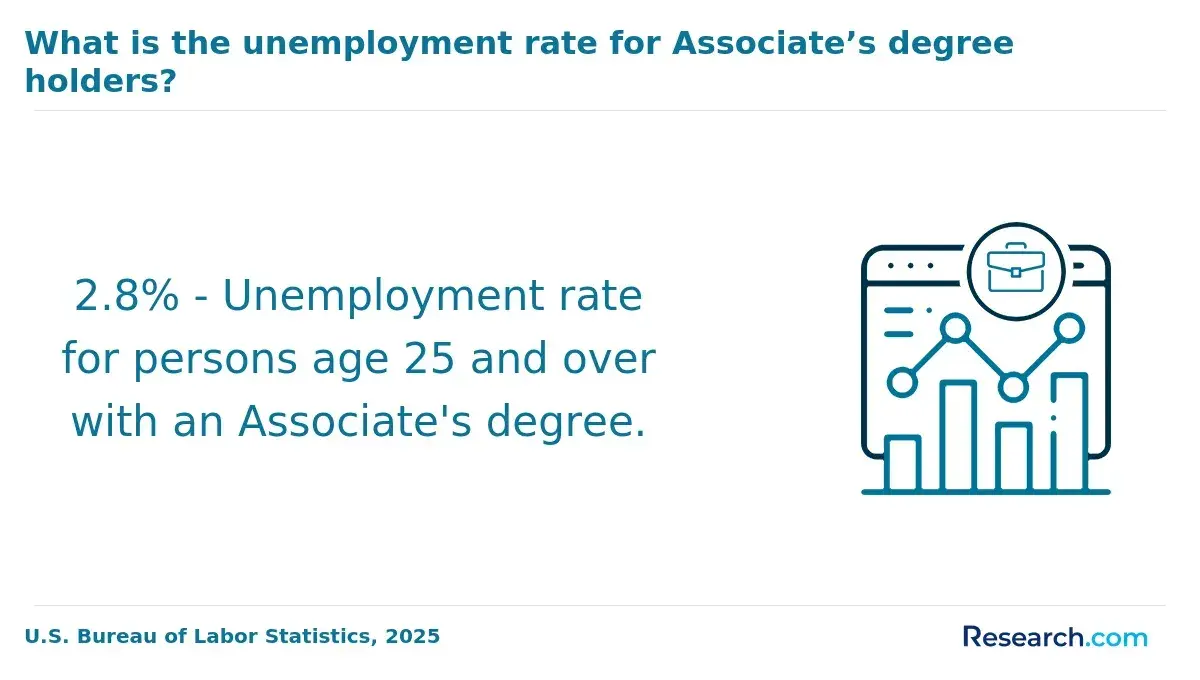
Verify that credentials are accredited by reputable organizations such as ANSI or NCCA to ensure they are recognized and enhance earning potential. Employer preferences vary-some certifications are mandatory while others provide competitive advantage-and researching specific regional and sector requirements is essential to maximizing return on investment.
- Certified Health Education Specialist (CHES): Requires a bachelor's degree in health education or a related discipline and passing a standardized exam from the National Commission for Health Education Credentialing. Initial fees are about $300, with renewal every five years through continuing education. CHES certification typically yields a median salary increase near 15% in public and community health roles.
- Registered Health Information Administrator (RHIA): Eligibility includes completing an accredited health information management program and passing the AHIMA exam, which costs around $230. Recertification demands 30 continuing education units biennially. Certified professionals often see 20-25% higher earnings, mainly in clinical data management.
- Licensure for Clinical Roles: Many clinical positions-like medical technologists or laboratory scientists-require state licensure after meeting educational prerequisites and passing licensing exams, costing $100 to $300. Licensed individuals frequently earn over 20% more than non-licensed peers.
Earnings for health sciences professionals start modestly-often between $40,000 and $60,000 annually at entry level-varying by role and location. Within five years, salaries typically rise to a mid-career range of $60,000 to $90,000, reflecting gained experience and skill development.
- Career Inflection Points: Key milestones that drive faster salary growth include promotions into management or supervisory roles, earning advanced degrees or specialized certifications, and transitioning into fields like health informatics or clinical research. These steps typically lead to larger pay increases than staying in generalist positions.
- Specialization and Leadership: Professionals focusing on specialized fields-epidemiology, healthcare administration, or pharmaceutical sciences-typically command higher compensation. Leadership duties and business development activities further enhance earnings by demonstrating value beyond clinical or research work.
- Salary Benchmarks: After ten years, many earn between $80,000 and $120,000 annually, while senior roles or those with doctorates and multiple certifications often surpass six figures. Peak-career salaries, usually after 15 to 20 years, can exceed $150,000 in top-paying sectors and leadership positions. High earners differentiate themselves through ongoing skill enhancement, networking, and reputation-building.
Choosing advanced education routes versus immediate workforce entry significantly impacts lifetime earnings. Licensure and certification add wage premiums, while geographic and industry choices-such as relocating to biotech hubs or large healthcare systems-can further boost income potential.
Several health sciences specializations offer significantly higher compensation due to factors like specialized knowledge requirements, regulatory complexity, and workforce shortages. Areas such as healthcare administration, health informatics, and clinical research management consistently lead to some of the highest-paying roles. Healthcare administration specialists typically pursue careers as hospital executives or health systems managers-positions commanding premium salaries because of their critical role in navigating complex healthcare regulations and large organizational structures.
Health informatics professionals, combining expertise in data management and medical systems, benefit from growing demand as healthcare increasingly depends on digital technology, driving salaries upward amid a shortage of skilled specialists. These top-paying health sciences concentrations reflect strong labor market demand and growth potential.
Clinical research management is another lucrative concentration, where graduates oversee clinical trials and compliance measures-a niche requiring detailed knowledge of regulatory protocols and advanced scientific literacy. These roles frequently garner high pay due to the technical depth and regulatory risks involved.
Students exploring health sciences specializations with the highest salary potential in the US should analyze occupation-specific wage data and job growth projections to guide their choice rather than relying solely on personal interest.
- Return on Investment: Top online health sciences programs deliver competitive salaries relative to tuition costs, enabling strong financial outcomes post-graduation.
- Licensure and Certification Impact: Professional credentials in fields like healthcare management or informatics often yield salary premiums exceeding 15% compared to non-certified peers.
- Graduate Credential Advantage: Master's or specialized certifications typically open doors to senior roles with 25% higher median wages than bachelor's-only graduates.
Those already enrolled in general health sciences programs may leverage targeted internships, certifications, and continuing education to access high-paying career paths without returning for additional degrees. For example, stacking credentials in healthcare management or informatics enhances earnings and career advancement opportunities.
Prospective students might also consider completing an online biology degree to complement their health sciences expertise and improve marketability.
The job market for health sciences professionals is projected to grow steadily over the next decade, driven by demographic shifts, technological advances, and policy changes. According to the Bureau of Labor Statistics (BLS), several high-paying roles-including physician assistants, physical therapists, and nurse anesthetists-are expected to see employment growth well above the national average.
This sustained expansion reflects an aging population's increasing demand for medical care, innovations that enable new treatment methods, and legislative reforms broadening healthcare access. Understanding health sciences job market growth projections is vital for those aiming to align career choices with future labor market trends.
Automation risk remains low for occupations requiring complex decision-making, interpersonal skills, and advanced credentials-qualities difficult to automate. Positions such as healthcare managers and nurse anesthetists typically offer long-term earning stability. Conversely, roles focused on routine tasks or administrative functions face higher automation or outsourcing risks, requiring ongoing upskilling for continued competitiveness.
- Demographic Demand: An aging population and rising chronic conditions fuel consistent need for skilled practitioners, supporting employment growth and wage stability.
- Technological Transformation: Emerging healthcare technologies expand career scope, especially for professionals blending clinical knowledge with informatics and data analytics.
- Legislative Changes: Health policy reforms and increased funding generally enhance job opportunities, though fluctuations in budgets can create localized or sector-specific vulnerabilities.
- Credential Inflation: Higher educational requirements for advanced roles raise entry barriers but enhance wage premiums, underscoring the value of graduate degrees and professional certifications.
- Job Market Risks: Some high-paying roles carry risks related to cyclicality or limited job volume, making them less stable despite attractive wages.
Individuals seeking long-term earning stability in health sciences careers should target occupations with strong growth outlooks and low automation risk-while investing in credentials and adaptable skills. For those considering degree advancement, options like the BSN to MSN online pathway offer accessible routes to increase professional qualifications and earning potential.
Leadership and executive roles in health sciences stand among the highest-paying career paths-offering considerable salary advantages over individual contributor positions. Common titles include healthcare administrators, clinical managers, directors of operations, and chief medical officers. These roles typically operate at mid- to senior-executive levels within hospitals, healthcare networks, government health agencies, and private organizations.
- Salary Premium: Data from the Bureau of Labor Statistics highlights a significant wage gap between healthcare managers and frontline staff. For instance, medical and health services managers earn median annual salaries well above registered nurses and health technologists-often surpassing $120,000-due to their broad scope of operational and fiscal responsibilities.
- Organizational Responsibilities: Executives in health sciences oversee clinical services, budgeting, regulatory compliance, and strategic growth. They lead diverse teams and coordinate with stakeholders to ensure services align with evolving healthcare policies and patient demands-justifying higher compensation through complex accountability.
- Career Pathways: Advancement toward leadership usually requires 5-10 years of progressive experience augmented by graduate education like a Master's in Health Administration or an MBA. Certifications such as Certified Health Executive or fellowships with professional bodies can speed promotion.
Pursuing advanced degrees-ideally after gaining frontline experience-optimizes return on investment and readiness for top-tier compensation. Networking, mentorship, and ongoing skill development are critical to effectively navigate competition for executive positions.
- Experience: Steady progression through increasingly responsible positions builds necessary skills and credibility.
- Education: Graduate degrees become instrumental for senior roles-enhancing leadership and business expertise.
- Competencies: Success depends on financial literacy, strategic planning, and strong interpersonal capabilities.
Technological advances, shifting regulations, and demographic changes are creating new, well-compensated roles within the health sciences sector. Labor market forecasts and investment trends highlight several emerging occupations expected to see significant growth and high salaries over the next decade, prompting degree programs to update curricula accordingly.
- Digital Health Specialists: Experts in telemedicine, wearable tech, and AI diagnostics who blend healthcare with data analytics and informatics.
- Genomic Counselors and Specialists: Professionals focusing on personalized medicine, interpreting genetic data, and molecular biology to meet rising demand.
- Healthcare Cybersecurity Experts: Specialists trained in protecting sensitive medical data amid increasing cyber threats, incorporating regulatory compliance.
- Population Health Analysts: Analysts using biostatistics and epidemiology to improve community health outcomes through preventive care and policy.
- Regulatory Affairs Managers: Professionals navigating complex healthcare regulatory environments to ensure compliance and facilitate approvals.
Health sciences programs increasingly integrate interdisciplinary studies and offer experiential learning opportunities such as internships in tech-driven settings. To gain a competitive edge, students should pursue micro-credentials, boot camps, or certifications in areas like data science and bioinformatics that align with new specializations.
Targeting emerging health sciences roles carries risks-some jobs may not fully materialize or grow on forecasted timelines. Evaluating long-term viability requires analyzing investment trends, regulatory shifts, and demographic factors to balance opportunity with uncertainty.
To stay informed about evolving occupations and salary trends, tracking resources such as professional associations, specialized publications, and market intelligence platforms including Lightcast, Burning Glass, and LinkedIn Economic Graph is vital. These tools help professionals make evidence-based career decisions in a dynamic labor market.
What Graduates Say About the Highest-Paying Jobs You Can Get With a Health Sciences Degree
- Arden: "Graduating with my health sciences degree truly opened doors I hadn't imagined-especially knowing that the wage premium for graduates in this field is significant. The boost in salary you get compared to just having a general bachelor's degree really validates the effort put into this program. If you're aiming for those highest-paying roles, investing in this degree is a smart move that pays off both financially and intellectually."
- Santos: "Reflecting on my journey, the impact of professional licensure and certification cannot be overstated-these credentials drastically increased my earning potential in the health sciences sector. What stood out to me is how these qualifications set you apart and often determine access to specialized, better-paid positions. Plus, the return-on-investment for my degree compared to alternative pathways made the challenging study hours worth every minute."
- Leonardo: "Working across different regions, I realized how much industry type and geographic location shape salary outcomes in health sciences careers-some areas pay substantially more thanks to demand and cost of living factors. This information helped me strategically choose where to apply my skills post-graduation. Understanding these trends combined with my degree gave me a professional edge and a clearer career trajectory."
Other Things You Should Know About Health Sciences Degrees
Regions like California, New York, and Massachusetts often offer the highest salaries for health sciences graduates. This is due to a high concentration of medical facilities, research institutions, and demand for healthcare professionals. Salary levels can vary based on urbanization and local industry demands.
Employer type significantly influences the salary levels within health sciences careers. Generally, private sector jobs tend to offer higher salaries-but may come with fewer benefits-while public and nonprofit organizations often provide more comprehensive benefits and job security. Compensation packages vary considerably by employer and geographic location, making it important for graduates to consider both pay and ancillary benefits.
Certifications like Certified Health Education Specialist (CHES) and Clinical Research Coordinator (CRC) can enhance salary prospects for health sciences graduates in 2027. These certifications demonstrate specialized skills and knowledge, making candidates more attractive to employers, which can lead to higher salaries.
- 20 Highest Paid Non-Physician Jobs in Healthcare | Medical Field Jobs https://www.healthcare-management-degree.net/highest-paid-non-physician-jobs-in-healthcare/
- Master’s vs. Bachelor’s Degree Programs: Exploring Education Opportunities in Healthcare https://blog.methodistcollege.edu/masters-vs.-bachelors-degree-programs-exploring-education-opportunities-in-healthcare
- Health Sciences Degree Careers and Salary in Europe - StudyinEurope.eu https://www.studyineurope.eu/health-sciences/health-sciences-degree-careers-salary-europe/
- Top 50 Health Careers - Salary & Career Growth https://www.medicaltechnologyschools.com/medical-lab-technician/top-50-healthcare-careers
- 46 healthcare careers that pay well: Entry level to highest paying https://www.iah.edu.au/blog/highest-paying-healthcare-careers-that-pay-well-salaries
- Benefits of Getting a Healthcare Certification | CALRegional https://calregional.com/blog/benefits-of-getting-a-healthcare-certification/
- Highest Paid Public Health Careers https://www.publichealthdegrees.org/careers/highest-paid-public-health-jobs/
- What jobs can you get with a Health Science degree in 2024 https://www.kingseducation.com/kings-life/jobs-health-science-degree
- Why trust GlobalHealth Education? https://globalhealtheducation.com/au/resources/highest-paying-jobs
- Careers in Health Sciences https://hsabc.org/careersinhealth