2027 Best Online Health Sciences Degrees for Jobs

Co-Founder and Chief Data Scientist
Choosing the best online health sciences degree often feels overwhelming-prospective students face questions about accreditation, curriculum rigor, and whether the investment will lead to meaningful career advancement. With 43% of graduates in health sciences-related fields reporting underemployment within the first year, it's clear program quality and outcomes vary widely. Many programs also differ in their requirements for practical experience and the level of student support offered, factors critical for working adults balancing education with other responsibilities. This article will analyze top online health sciences degrees through a rigorous lens-highlighting factors that impact job prospects and long-term value-to help readers confidently select programs that align with their goals.
Key Things to Know About the Best Online Health Sciences Degrees for Jobs
- Accreditation ensures quality and eligibility for licensure-over 90% of employers prefer graduates from regionally accredited health sciences programs.
- Curriculum rigor impacts job readiness-programs with comprehensive coursework plus practical case studies yield 25% higher board exam pass rates.
- Cost must align with return on investment-graduates of affordable online health sciences degrees report average starting salaries exceeding $50,000 within a year.
What Is a Health Sciences Degree, and What Can It Do for Your Career?
A health sciences degree offers a comprehensive and interdisciplinary study of health, healthcare systems, and human biology-preparing students with the knowledge and skills needed for a variety of health-related careers. Accredited professional organizations such as the American Public Health Association emphasize that health sciences combines scientific principles, research methodologies, and applied practices to enhance individual and community health outcomes. This field differs from closely related areas like medicine or nursing by focusing broadly on health systems and preventive strategies rather than direct clinical care.
Core domains covered in a health sciences curriculum include anatomy, physiology, epidemiology, healthcare ethics, health policy, and patient care techniques. The program's applied competencies emphasize critical thinking, data analysis, communication, and ethical decision-making-skills essential to adapting within evolving healthcare landscapes. For those seeking accredited online health sciences degree programs with strong job outcomes, these foundational elements ensure preparedness for diverse professional environments.
- Academic Credentials: Health sciences degrees vary in level and scope-
- Associate's degrees equip graduates for entry-level roles in healthcare support and administration.
- Bachelor's degrees provide a robust foundation, ideal for health promotion, management, and allied health careers.
- Master's degrees emphasize leadership, research, or specialization such as healthcare informatics or public health.
- Doctoral degrees prepare students for advanced research, academic roles, and policymaking positions.
- Career Versatility: Graduates find opportunities in hospital administration, health education, clinical research coordination, health information management, and more.
- Applied Competencies: Emphasizing critical thinking, data analysis, communication, and ethical decision-making equips students to meet changing healthcare needs effectively.
Prospective students can also explore pathways offered by institutions like Chamberlain university, known for accessible healthcare education. By evaluating these factors with an outcomes-driven approach, readers gain tools to choose programs aligned with their professional goals and maximize their return on investment.
How Do Online Health Sciences Degree Programs Compare to Traditional Campus Programs?
When comparing online health sciences degree programs to traditional campus programs, key factors emerge from accreditation records, graduate outcomes, and employer feedback that shape career outcomes of online and traditional health sciences degrees. Both formats generally maintain strong curriculum depth and rigor-particularly when offered by regionally accredited institutions and those accredited by recognized bodies like the Commission on Accreditation of Allied Health Education Programs (CAAHEP). Research shows that online programs from reputable schools often match the content and complexity of their campus counterparts, ensuring academic quality without compromise.
Curriculum Depth and Rigor: Accredited online programs deliver comprehensive coursework mirroring traditional offerings, covering foundational sciences, healthcare policy, and research methods with similar intensity. The main difference lies in how the material is delivered, not what is taught.
Faculty Qualifications: Faculty teaching in respected online programs usually hold doctoral or master's degrees combined with clinical expertise-equivalent to campus instructors-providing expert guidance crucial for student success.
Student-Faculty Interaction: While spontaneous exchanges are less common online, students benefit from scheduled virtual office hours, robust discussion boards, and video conferencing. Cohort models further foster engagement and mentorship, addressing some traditional interaction gaps.
Peer Collaboration: Though face-to-face networking is limited, many programs integrate group projects and real-time virtual discussions to help build teamwork skills and develop peer connections essential in healthcare professions.
Clinical or Practicum Requirements: In-person practicum experience remains a must across all quality programs. Online programs typically partner with local healthcare facilities to provide hands-on training near the student's location-offering practical experience without relocation. This critical element supports competency despite the remote delivery of coursework.
Employer Perception: Surveys reveal employers value degrees from accredited online programs-especially when graduates complement their credentials with relevant practical experience and professional certifications-confirming legitimacy in the job market.
Structural Advantages: Online delivery provides genuine benefits for working adults, military veterans, caregivers, and individuals in remote areas lacking campus access-breaking geographical barriers while maintaining quality education. For instance, programs like the LPN program no TEAS required highlight such flexibility.
Documented Limitations and Innovations: Challenges including reduced hands-on interaction and isolation feelings are actively addressed through technology-enhanced platforms, simulation labs, occasional on-campus residencies, and comprehensive student support services-making online health sciences pathways increasingly effective and accessible.
What Are the Accreditation Standards That Define a Reputable Online Health Sciences Degree?
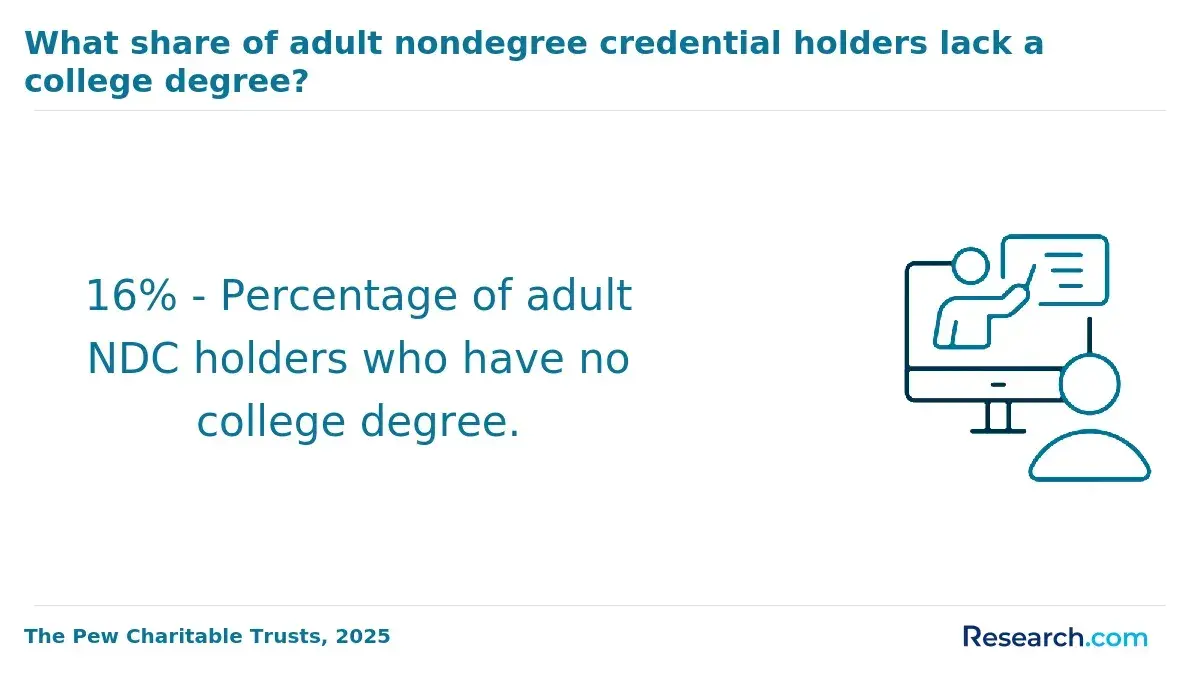
Accreditation serves as a vital benchmark for evaluating the legitimacy and quality of online health sciences degree programs. Regional accreditors-often viewed as the highest standard in the U.S.-assess the institution as a whole, ensuring academic excellence across all offerings. Leading regional agencies include the Middle States Commission on Higher Education, the New England Commission of Higher Education, and the Southern Association of Colleges and Schools Commission on Colleges.
National programmatic accreditors specialize in health sciences disciplines and verify compliance with professional requirements. Key organizations include:
- Accreditation Council for Occupational Therapy Education (ACOTE): ensures occupational therapy curricula meet entry-level professional standards.
- Commission on Accreditation of Allied Health Education Programs (CAAHEP): accredits allied health programs such as medical assisting and diagnostic medical sonography.
- Commission on Accreditation for Health Informatics and Information Management Education (CAHIIM): validates health informatics and information management programs vital to evolving healthcare systems.
Choosing an unaccredited or marginally accredited program puts graduates at risk of facing licensing hurdles-since many boards mandate graduation from accredited programs-nontransferable credits, and employer doubts about degree authenticity. Prospective students should verify accreditation status through the U.S. Department of Education's database and the Council for Higher Education Accreditation (CHEA) directory before enrolling.
Accreditation must be a non-negotiable baseline criterion when assessing online health sciences programs, outweighing factors like cost or convenience. This foundational safeguard directly influences licensure eligibility, career prospects, and academic mobility.
Reflecting on his journey, a professional who completed a health sciences degree shared that navigating accreditation details initially felt overwhelming, but became empowering once understood. "Knowing the program's credentials gave me confidence to invest my time and money. The licensing board's strict standards validated that my degree was recognized and respected," he recalled. "Verifying accreditation was the first step in a career path that felt secure and credible from day one."
Online health sciences degrees are available across all academic tiers, providing flexible pathways for diverse healthcare careers. Bachelor's programs offer a broad foundation in health systems, wellness, and pre-professional tracks, while master's degrees allow for deep specialization in leadership, healthcare informatics, or clinical research. At the highest level, online doctoral options (like the DHSc or PhD) prepare experienced professionals for executive administration, advanced policy analysis, and university-level teaching.
Associate's Degrees: These programs usually require only a high school diploma and take around two years. They offer foundational knowledge suited for entry-level healthcare positions or serve as a launchpad for more advanced education, often appealing to recent graduates and adults seeking prompt career entry.
Bachelor's Completion Programs: Designed for those with prior college credits or an associate's degree, these programs typically take 1-2 years to complete. They facilitate career growth by stacking credits toward advanced degrees, enhancing salary prospects and opening supervisory roles. Many students pursuing a bachelor's health sciences degree online programs find this path convenient for balancing work and study.
Master's Degrees: Accessible to those with a bachelor's degree, these 1-3 year online programs focus on specialization, leadership, and research. They attract working professionals aiming to deepen clinical expertise or expand into management, with curricula tailored to public health, research, or advanced practice.
Doctoral Programs: The highest academic tier-often requiring a master's or exceptional bachelor's graduates-lasting 3-6 years. These degrees emphasize clinical mastery, research, and academic careers and cater to professionals seeking top-tier roles in healthcare leadership and education.
Post-Baccalaureate Certificates: Shorter credentialing options for professionals targeting niche skills or emerging areas without committing to full degrees. These credentials complement ongoing career development.
Stackable Credentials: Many online health sciences degree programs include pathways that let students apply coursework progressively-from certificates to bachelor's to master's-supporting working adults and career changers in advancing credentials efficiently.
Completion Time and Outcomes: IPEDS data show associate degrees average two years, bachelor's full-time four years, with online formats and credit transfers often reducing time. Master's vary widely, while doctorates require longer commitments but yield the greatest salary gains. Programs offering strong student support and practical experience typically see higher completion rates for working professionals.
For those exploring practical and accelerated options, fast-track LPN programs online represent an efficient entry into health sciences careers.
Costs vary widely depending on institution type and residency. Public in-state programs typically charge between $5,000 and $15,000 per year, while out-of-state students often pay from $10,000 to $25,000 annually. Private nonprofit colleges generally have tuition ranging from $20,000 to $40,000 yearly, and for-profit schools tend to be pricier but may provide flexible payment options and accelerated courses.
Additional Fees: Beyond tuition, students should budget for compulsory fees such as technology or online learning charges, which can add several hundred to over a thousand dollars each year. Some programs might also require brief on-campus residencies or clinical practicums that incur travel and lodging expenses.
Federal Financial Aid: Many students leverage federal support including Pell Grants-need-based awards that do not require repayment-along with subsidized and unsubsidized federal loans. Subsidized loans do not accrue interest while enrolled, whereas unsubsidized loans begin accumulating interest immediately. Veterans and their families may access GI Bill benefits to cover tuition and fees at qualifying online programs.
Scholarships: Numerous opportunities target health sciences students specifically. Professional organizations offer merit- and need-based awards, state workforce agencies provide scholarships aimed at addressing local healthcare shortages, and many institutions offer merit scholarships for high-achieving or returning adult students.
Cost Evaluation: It is crucial to assess total program expenses rather than focusing solely on per-credit-hour tuition. Tools such as the College Scorecard's net price calculator enable prospective students to estimate actual out-of-pocket costs after financial aid, helping with informed program comparisons.
A professional who built her career after completing an online health sciences degree shared her experience: "Navigating the financial side was daunting at first-I had to piece together scholarships, federal aid, and save for the unexpected fees like campus visits. The flexibility of online classes let me work simultaneously, which was essential. I found the real challenge was understanding the full scope of costs upfront rather than just the advertised tuition. Having a clear budget from the start helped me stay on course and graduate without overwhelming debt." Her reflections highlight the importance of thorough financial planning and using available resources to make the most of an online health sciences education.
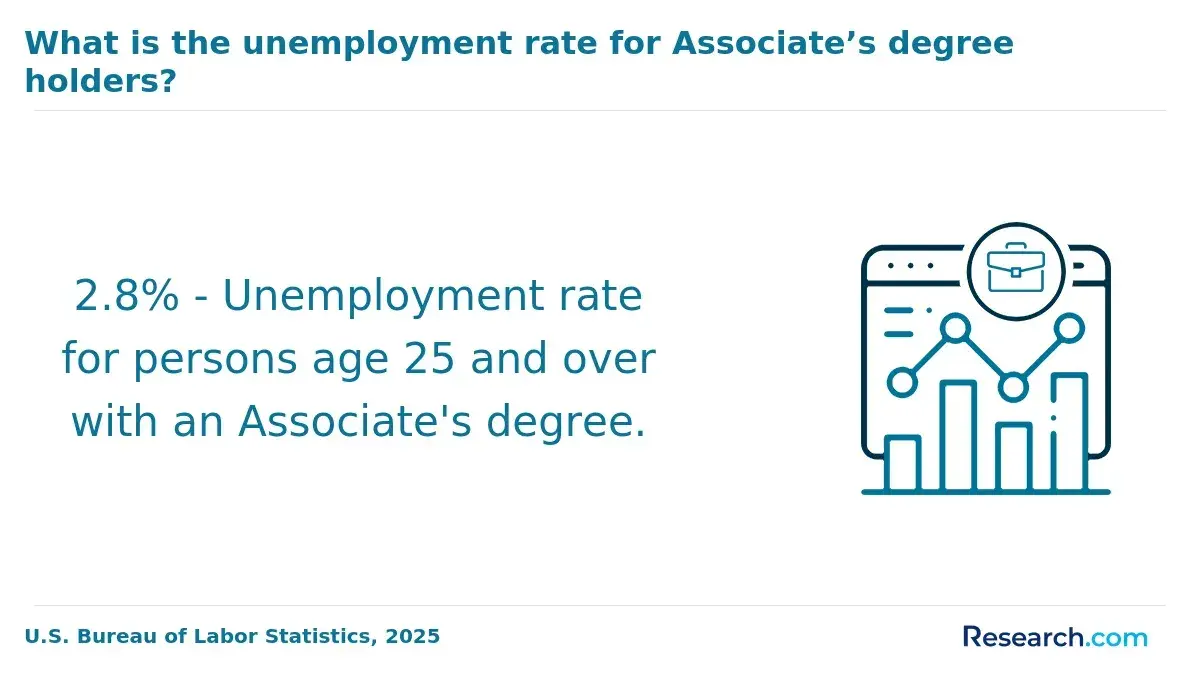
Online health sciences degree durations vary by credential-associate degrees generally require about 2 years of full-time enrollment, bachelor's degrees around 4 years, master's programs typically span 1.5 to 3 years, and doctoral studies can take between 3 and 6 years depending on research and clinical components.
Enrollment Status: Full-time students tend to complete programs faster, whereas part-time learners-often balancing work or family-may extend their timeline by two to three times the standard duration.
Transfer Credits: Prior college coursework or professional certifications can shorten time to degree. Many programs accept transfer credits or use prior learning assessment (PLA) to recognize relevant experience, enabling students to bypass certain requirements.
Program Format: Accelerated tracks and year-round course offerings help motivated students finish sooner. Competency-based formats allow progression through mastery rather than time spent, benefiting those with existing skills.
Time Limitations: Schools impose minimum and maximum completion windows to maintain academic momentum. Surpassing maximum durations-often 150% of the expected length-may impact financial aid eligibility under satisfactory academic progress (SAP) policies.
Average Completion Times: Accredited online health sciences programs report actual average completion closer to 2.5 years for associates and 5-6 years for bachelor's degrees, reflecting realities like part-time study and temporary breaks rather than advertised lengths.
Students should prioritize programs with flexible pacing, clear milestones, and strong support systems. Options like PLA, transfer credits, and accelerated formats are particularly advantageous for working adults and veterans seeking to reduce both time and cost toward meaningful credentials.
High-quality online health sciences programs-accredited by bodies such as the Commission on Accreditation of Allied Health Education Programs (CAAHEP) or the Association of Schools of Public Health (ASPH)-offer a rigorous curriculum blending foundational knowledge with practical skills. Prospective students should expect a clearly defined curriculum that supports progressive learning and career readiness.
- Core Courses: Comprehensive programs cover anatomy and physiology, medical terminology, healthcare ethics, health informatics, and epidemiology, establishing essential scientific and operational expertise.
- Required Sequences: Structured pathways transition from introductory subjects to advanced topics like healthcare management, policy, and research methodologies, promoting cohesive skill development.
- Capstone or Integrative Experiences: Programs feature practicums, internships, or capstone projects enabling students to apply knowledge in realistic environments-highlighting abilities in problem-solving, communication, and critical thinking.
- Competency Areas and Outcomes: Graduates demonstrate skills including healthcare data analysis, evidence-based practice implementation, regulatory navigation, and effective multidisciplinary collaboration-competencies highly sought by employers.
- Curriculum Currency: Leading programs update curricula regularly-typically every 3 to 5 years-with input from industry advisory boards to stay aligned with evolving healthcare technologies, methodologies, and compliance standards.
- Transparency and Due Diligence: Students are urged to request sample course sequences, detailed syllabi, and learning outcomes maps to verify curricular rigor beyond promotional materials.
Enrollment in online health-related degrees has surged by over 20% recently-highlighting growing demand for flexible, career-focused education options that meet today's workforce needs.
Working adults pursuing a career change or promotion need to carefully weigh tuition costs against post-graduation salaries and employment rates when selecting online health sciences degree programs. Public universities often deliver the best balance of affordability and strong employer connections-factors that improve job placement rates and accelerate early career salary growth. Programs reporting median earnings at six and ten years post-enrollment, sourced from trusted institutional outcome reports, provide vital insight into long-term return on investment (ROI).
- Cost Efficiency: Public institutions typically offer lower tuition rates, especially for in-state students, boosted by reciprocity agreements that reduce fees for residents of neighboring states.
- Employment Outcomes: Programs with extensive employer networks and required practical experience consistently enable graduates to secure relevant positions faster, which is essential for those prioritizing a high return on investment health sciences degrees online.
- Post-Graduation Earnings: Evaluating median earnings at intervals after graduation sheds light on programs that sustain income growth over time-a key consideration for working adults balancing education expenses with career advancement.
- Financial Support: Employer tuition reimbursement and scholarships substantially lower students' net costs, reducing debt burdens and loan default risks to improve ROI.
- Accreditation and Curriculum Quality: Accredited and rigorous programs enhance credential value and graduate competitiveness, impacting overall investment returns positively.
- Outcome Transparency: Examining program-specific data, such as loan default rates and employment statistics-not just rankings-empowers prospective students to make informed choices aligned with their professional goals.
For those exploring options, including military veterans and professionals seeking advanced credentials, investing time to analyze verified outcome data is crucial. This approach helps identify programs that meet individual financial situations and career ambitions. Working adults evaluating the online masters degree in nutrition and related fields will benefit from prioritizing programs grounded in transparent outcomes. The best online health sciences degree programs for working adults consistently marry affordability, strong career outcomes, and student support catered to adult learners' needs.
Top online health sciences program admission requirements usually include several key elements designed to assess academic readiness and professional potential. A minimum undergraduate GPA-commonly around 3.0 on a 4.0 scale-is often expected, with some selective programs requiring higher marks, especially in science-related courses. Applicants should also note that many institutions have implemented test-optional policies, though some still require the GRE or similar exams depending on the program's rigor and focus.
- Minimum GPA: Typically 3.0 or above, particularly for prerequisite science courses.
- Standardized Tests: Test-optional policies are becoming widespread, but some programs still mandate GRE scores.
- Letters of Recommendation: Usually two or three letters from academic or professional references attesting to abilities and character.
- Personal Statement: A statement conveying career goals, motivation, and fit with the program.
- Professional Experience: Many graduate-level programs prefer or require relevant healthcare work experience, especially for leadership tracks.
- Prerequisite Coursework: Applicants without a health sciences background often must complete foundational courses like biology, chemistry, or statistics before or during early study terms.
Admissions requirements vary significantly between tiers-from flexible criteria at community colleges or open-enrollment institutions, which may only require a high school diploma or GED, to the demanding standards of research universities, which might include portfolio reviews or interviews. For those evaluating common prerequisites for accredited online health sciences degrees, understanding this spectrum can help identify the best fit.
Since admissions policies-especially regarding test-optional status and prerequisite enforcement-can shift annually, it is prudent to contact admissions advisors for tailored, up-to-date guidance. This helps applicants understand how their background aligns with program expectations and enhances competitiveness.
For working professionals and students comparing options, researching most affordable MSN programs can also offer valuable insights into program quality and affordability.
Graduates with a bachelor's degree in health sciences often begin their careers in foundational positions that emphasize practical experience and clinical knowledge development. Job titles at this stage can include Health Educator, Clinical Research Coordinator, Assistant to Medical and Health Services Managers, and Public Health Analyst. These roles involve direct patient interaction, managing data, or implementing health programs.
Advanced Clinical and Specialist Positions: Those pursuing graduate education or additional certification can move into specialized clinical careers such as Physician Assistant, Occupational Therapist, or Epidemiologist. These roles demand advanced degrees, professional licensing, or certifications and focus on direct patient care, disease prevention strategies, or health promotion.
Management and Administrative Careers: Online health sciences degrees also prepare graduates for leadership roles in hospitals, outpatient facilities, insurance companies, and government agencies. Typical job titles include Health Services Manager, Program Director, and Healthcare Consultant. Advancement often follows a path from assistant or coordinator roles to overseeing budgets, regulatory compliance, and staff management.
Research and Policy Roles: Graduates can enter academic or applied research, public health policy, or healthcare data analytics. Positions range from Research Assistant and Data Analyst to Policy Advisor, usually within universities, governmental organizations, or private research entities. Master's or doctoral qualifications open avenues to principal investigator or senior policy development roles that influence healthcare innovation.
Career Pivot Opportunities: The interdisciplinary nature of health sciences-spanning biology, health systems, and policy-enables professionals from areas like education, social work, or business to transition into health sciences careers. Supplementary certifications and targeted experience often facilitate this shift, broadening employment options.
Typical Career Progression: Over a 5- to 10-year timeframe, many health sciences graduates progress from frontline or technical roles to supervisory or specialist positions. Career mobility includes lateral moves between clinical research, management, and administrative sectors, allowing professionals to customize their paths while deepening expertise within health sciences.
Salary outcomes for professionals with an online health sciences degree vary significantly depending on education level, experience, industry, location, and specialization. Entry-level roles with a bachelor's degree generally offer median salaries between $55,000 and $65,000 annually, while those holding master's or doctoral degrees often see median wages exceeding $90,000-with certain specialized positions reaching six figures.
- Degree Level: Earnings rise markedly with advanced education-bachelor's degree holders typically earn less than professionals with graduate credentials in areas such as healthcare administration or epidemiology.
- Experience: Salary growth is common as health sciences professionals accrue 5 to 10 years of experience, with increases ranging from 20% to 40%, reflecting expanded responsibilities and expertise.
- Industry Sector: Compensation differs across sectors; healthcare providers, government, research, and private firms exhibit pay variations up to 25%. Pharmaceutical and biotech companies often offer higher salaries.
- Geographic Market: Location strongly impacts salaries-major metropolitan areas and regions demanding healthcare resources, like California and the Northeast, provide substantially higher pay than rural or less populated areas.
- Specialization: Certain certifications and expertise-such as clinical research, healthcare informatics, and public health leadership-carry salary premiums.
- Professional Certifications: Credentials including Certified Health Education Specialist (CHES), Project Management Professional (PMP), and Certified Clinical Research Professional (CCRP) typically boost earnings. Online graduates can enhance career prospects and compensation by obtaining these after completing their degree.
- Salary Projections and Advisories: The health sciences field projects steady compensation growth driven by demographic trends and healthcare needs. However, readers should consult current BLS data and industry surveys regularly as economic shifts can alter salary landscapes.
What Graduates Say About the Best Online Health Sciences Degrees for Jobs
- Arden: "Choosing an online health sciences degree with proper accreditation standards gave me confidence that my qualification would be respected by employers-something I found essential when entering the job market. The curriculum rigor truly challenged me to master complex concepts, preparing me for real-world applications. Looking back, the investment felt worthwhile because it opened doors that wouldn't have been accessible otherwise."
- Santos: "I appreciated how the program balanced cost with a solid return on investment-making it affordable without sacrificing quality. The practical experience requirements were a game changer, allowing me to gain hands-on skills that boosted my employability immediately after graduation. Plus, the robust student support infrastructure-especially during clinical placements-made a significant difference in managing my workload and stress."
- Leonardo: "From a professional standpoint, the career outcomes of my health sciences degree exceeded my expectations-many alumni secured positions in respected healthcare organizations quickly. This program's student support infrastructure helped me navigate challenges both academic and personal with ease. The comprehensive curriculum ensured I was well-prepared to meet industry demands head-on."
Other Things You Should Know About Health Sciences Degrees
Online health sciences programs typically require students to complete practicum or clinical placements in healthcare settings near their location. These hands-on experiences are coordinated through partnerships with local hospitals, clinics, or community organizations. The placement ensures that students apply theoretical knowledge in real-world situations under professional supervision, a critical element for licensure or certification in many health fields.
Employers generally value the accreditation and reputation of the health sciences program more than the delivery format. A degree from a regionally accredited institution with a strong curriculum and completed practicum is usually seen as equally credible, whether earned online or on campus. Hiring managers also recognize the discipline and time management demonstrated by online learners, especially working adults balancing multiple responsibilities.
Yes, but transfer depends on the receiving school’s policies, regional accreditation, and course content. Many graduate programs accept only upper-division courses with a grade of C or higher, and some require prerequisite classes to be completed within the last 5 to 7 years.
- Bachelor's degrees in health science | edX https://www.edx.org/bachelors/health-science
- 2025's Top Online Master’s in Health Science Programs https://www.onlinemastersdegrees.org/best-programs/health-science/
- Accreditation for Online Colleges and Healthcare Education https://www.edumed.org/resources/accreditation-for-online-colleges/
- Online Degree https://bhsc.queensu.ca/future-students/online-degree
- 6 Reasons to Finish Your Bachelor's Degree on a Physical Campus Versus Online https://www.nuhs.edu/6-reasons-to-finish-your-bachelors-degree-on-a-physical-campus-versus-online/
- Online Course in Health Sciences https://www.ukstudyonline.com/subject-area/health-sciences/
- Home https://www.husson.edu/online/blog/2025/04/careers-in-health-science
- Online Degree vs. Traditional: Choosing the Right Path https://beal.edu/online-degree-vs-traditional/
- Where can a career in health science take you? https://www.vu.edu.au/about-vu/news-events/vu-blog/where-can-a-career-in-health-science-take-you