2027 Mental Health Care Manager Careers: Skills, Education, Salary & Job Outlook

Co-Founder and Chief Data Scientist
Becoming a Mental Health Care Manager is a strong fit for people who want to improve access to behavioral health care without working only in direct therapy. The role sits at the center of patient support, care coordination, provider communication, documentation, referrals, and follow-up. That makes it valuable in clinics, hospitals, community agencies, government programs, and integrated care teams.
The path is not effortless. Many roles require a bachelor’s degree in a related field, and some employers prefer or require a master’s degree, supervised experience, certification, or professional licensure depending on the setting and scope of work. The trade-off is that the field can offer stable demand, meaningful advancement, and reported median annual salaries between $75,000 and $105,000, with top earners exceeding $120,000.
This guide explains what Mental Health Care Managers do, the skills and credentials employers look for, how to enter the field, what salary and job outlook data suggest, and how to decide whether this career matches your strengths, values, and long-term goals.
Key Things You Should Know About Mental Health Care Manager Career
- Mental health care managers need strong communication, empathy, organizational, and problem-solving skills to coordinate patient care and support treatment plans effectively.
- Most positions require a bachelor’s or master’s degree in psychology, social work, nursing, or a related field, along with relevant licensure or certification.
- Demand for mental health care managers continues to grow as awareness of mental health increases and healthcare systems expand integrated care programs.
What do Mental Health Care Managers do?
Mental Health Care Managers help people navigate behavioral health services, medical care, community resources, and treatment plans. Their core purpose is to reduce gaps in care: missed appointments, unclear referrals, poor follow-up, fragmented provider communication, and unmet social needs that can make mental health recovery harder.
In practice, they serve as a bridge between clients, therapists, psychiatrists, primary care providers, social workers, family members, insurers, and community organizations. They do not all perform the same duties in every workplace. Some roles focus heavily on case management and referrals, while others include care planning, brief interventions, population health tracking, program oversight, or clinical coordination under licensed supervision.
A Day in the Life of Mental Health Care Managers
A typical day often combines direct client contact with administrative and team-based work. A Mental Health Care Manager may review a caseload, identify clients at risk of crisis or disengagement, call patients after missed appointments, update care plans, document outcomes in electronic health records, and coordinate with providers about medication, therapy, housing, transportation, or substance use treatment needs.
The work is practical and people-centered. One hour may involve calming a client who is overwhelmed by the healthcare system; the next may involve preparing documentation for a multidisciplinary team meeting. The best Mental Health Care Managers are organized enough to manage complex systems and empathetic enough to keep the person—not the paperwork—at the center of the plan.
What are the key responsibilities of Mental Health Care Managers?
Mental Health Care Managers are responsible for keeping care organized, timely, and responsive to the client’s needs. The role requires follow-through: assessing needs, building a plan, coordinating services, tracking progress, and adjusting support when circumstances change.
- Review and prioritize caseloads: Identify urgent needs, crisis risks, missed follow-ups, and clients who require additional outreach.
- Conduct assessments: Gather information about behavioral health symptoms, physical health concerns, social support, housing, safety, substance use, insurance, and access barriers.
- Maintain regular client contact: Communicate by phone, virtual visit, or in person to monitor progress, encourage treatment engagement, and provide support.
- Create and update care plans: Set realistic goals, connect clients with appropriate services, and revise plans as needs change.
- Coordinate across providers: Share relevant information with therapists, physicians, psychiatrists, social workers, community agencies, and family members when appropriate and permitted.
- Manage referrals and resources: Help clients access therapy, psychiatry, primary care, housing support, transportation, financial assistance, crisis services, or substance use treatment.
- Document accurately: Record assessments, contacts, interventions, outcomes, and next steps in electronic health records for continuity, compliance, and quality improvement.
The Most Challenging vs. The Most Rewarding Tasks
The most challenging part of the job is often managing cases where mental health symptoms intersect with housing insecurity, trauma, substance use, chronic illness, poverty, limited transportation, or inconsistent insurance coverage. These barriers can slow progress even when the client is motivated. Care managers must balance compassion with boundaries, urgency with realistic planning, and advocacy with documentation requirements.
The most rewarding part is seeing clients move from crisis toward stability. Progress may look like attending therapy consistently, taking medication as prescribed, reconnecting with family, securing housing, returning to work, or simply trusting the care team enough to ask for help earlier. Those outcomes often happen because someone coordinated the details that otherwise fall through the cracks.
If you are trying to enter the field while working, comparing flexible degree options such as the quickest online degree for working adults can help you plan a more realistic route into mental health care management.
What are the key skills for Mental Health Care Managers?
Mental Health Care Managers need a mix of clinical awareness, administrative discipline, communication skill, and systems thinking. Employers usually look for candidates who can work with vulnerable clients while also meeting documentation, compliance, and performance expectations.
Hard Skills
- Assessment and care planning: Understanding client needs, identifying risks, setting priorities, and translating goals into practical action steps.
- Data analysis and visualization: Reviewing caseload trends, tracking outcomes, identifying service gaps, and using data to improve programs.
- Database management: Maintaining accurate, secure, and timely client records in electronic health record or case management systems.
- Program administration: Coordinating services, managing workflows, supporting team operations, and aligning care delivery with organizational goals.
- Fiscal operations: Understanding budgets, reimbursement constraints, resource allocation, and financial accountability in healthcare or community settings.
Soft Skills
- Critical thinking: Interpreting complex client situations and choosing the most appropriate next step.
- Communication: Explaining care plans clearly to clients, families, clinicians, and community partners.
- Active listening: Understanding what clients need, what they fear, and what barriers may prevent follow-through.
- Problem solving: Finding workable solutions when transportation, insurance, provider availability, or client readiness becomes a barrier.
- Emotional resilience: Staying effective when cases are difficult, progress is uneven, or clients experience setbacks.
The One Overlooked Skill That Separates the Good from the Great
Cross-cultural competence is one of the most important and often underestimated skills in this career. Mental health beliefs, family expectations, communication styles, stigma, language access, and trust in healthcare systems vary widely. A care plan that ignores those realities may look correct on paper but fail in practice.
A strong Mental Health Care Manager adapts communication, asks respectful questions, avoids assumptions, and helps teams provide care that fits the client’s context. This skill can reduce misunderstandings, improve engagement, and strengthen collaboration among clients, families, and providers. It also becomes more valuable in hospitals, private healthcare organizations, and other high-responsibility settings where diverse patient populations are the norm.
For professionals returning to school later in life or changing careers, exploring college degrees for seniors online may help identify flexible programs that support skill development without requiring a traditional campus schedule.
Mental Health Care Manager Careers: A Step-by-Step Guide to Getting Started
The path to becoming a Mental Health Care Manager is easier to evaluate when you separate it into education, experience, credentials, and advancement. Requirements vary by employer and state, especially when a role involves clinical services, supervision, or licensure-sensitive duties.
- Complete foundational education. Start with a degree related to behavioral health, social work, psychology, healthcare administration, public health, human services, or a similar field.
- Build practical experience. Look for internships, volunteer roles, peer support work, care coordinator jobs, case management assistant roles, or entry-level positions in clinics, community agencies, hospitals, or social service organizations.
- Develop core workplace skills. Learn documentation standards, referral processes, crisis protocols, electronic health records, privacy practices, and team-based care communication.
- Pursue advanced education or training if needed. A master’s degree may be useful or required for leadership, clinical, or specialized roles, depending on the employer and scope of practice.
- Obtain relevant credentials. Review certification, supervised practice, and licensure requirements for your target role and location before committing to a program.
- Choose a specialization or advancement track. Over time, you may move toward behavioral health integration, program management, quality improvement, health information management, pediatric behavioral health, or executive leadership.
A common mistake is choosing a degree or certification before checking job postings in your target location. Before enrolling, compare several local and remote job descriptions to see which qualifications appear most often. That step can help you avoid paying for credentials that do not match your intended career path.
What education, training, or certifications are required?
The most common qualifications for Mental Health Care Manager roles include bachelor’s degrees such as a Bachelor of Social Work (BSW), Bachelor of Science in Psychology, or Bachelor of Science in Healthcare Management. These programs can provide a foundation in human behavior, service systems, ethics, healthcare operations, and client support.
Certifications may also strengthen a candidate’s profile. Common examples include the Certified Case Manager (CCM), issued by the Commission for Case Manager Certification (CCMC), and the Accredited Case Manager (ACM), issued by the American Case Management Association (ACMA). Certification requirements can include education, professional experience, examination, and continuing education, so candidates should review eligibility rules before planning around a specific credential.
Training is not limited to the classroom. Internships are often required during or after undergraduate study, and most positions expect 1-2 years of supervised work experience in case management or related fields. Employers commonly provide orientation and ongoing training on internal protocols, documentation systems, care models, crisis procedures, privacy rules, and referral networks.
Are advanced degrees or niche certifications worth the investment?
Advanced credentials such as a Master of Social Work (MSW) or a Master of Healthcare Administration (MHA) can be worthwhile for professionals seeking leadership, specialized clinical work, program administration, or roles that require licensure or advanced expertise. They may also improve competitiveness for positions with more responsibility and higher salary potential.
The investment is significant. Graduate programs can require substantial tuition and often take one to three years. Before enrolling, compare the cost, schedule, accreditation status, field placement requirements, licensure alignment, employer tuition support, and the types of jobs graduates typically pursue.
For some professionals, the best decision is to gain experience first, then pursue graduate study once their target path is clearer. For others, especially those aiming for licensed or senior roles, advanced education may be necessary. If time is a major concern, reviewing options such as the shortest masters degree online can help you evaluate whether an accelerated format fits your goals and workload.
What is the earning potential for Mental Health Care Managers?
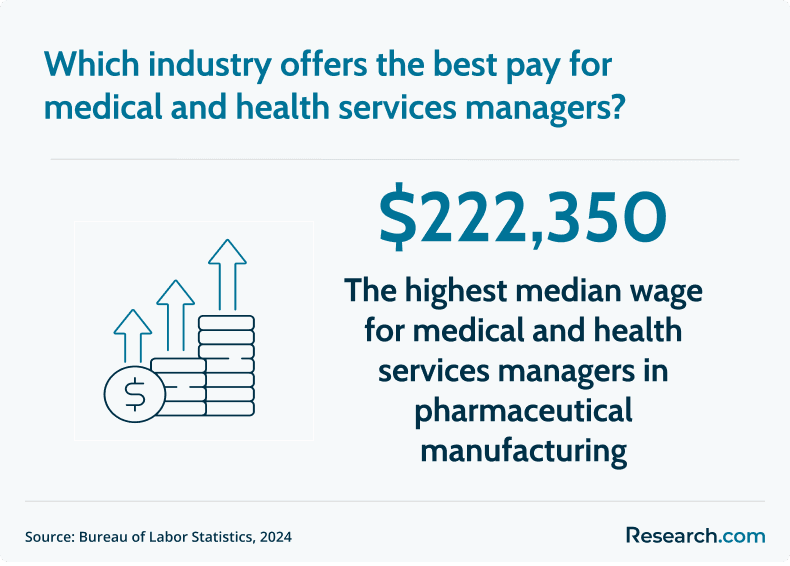
The mental health care manager salary 2025 figure cited for the U.S. is approximately $106,978 as a median annual income. Reported pay varies widely: entry-level behavioral health care managers can start near $34,000, the 25th percentile is around $55,000, and senior professionals may earn up to $128,541.
That range reflects how different this role can look across employers. A care manager in a community agency may have a different salary structure than a manager in a hospital system, private healthcare organization, government setting, or behavioral health integration program. Compensation is also shaped by education, certification, licensure, years of experience, supervisory duties, data or program management responsibilities, and local labor market conditions.
What can increase earning potential?
- Experience with complex care coordination: Employers value professionals who can manage high-need caseloads and reduce service gaps.
- Advanced credentials: A graduate degree, certification, or licensure may qualify candidates for higher-responsibility roles.
- Leadership responsibilities: Supervising staff, managing programs, overseeing quality metrics, or leading integrated care initiatives can raise compensation.
- Technology and data skills: Experience with electronic health records, reporting, population health tools, and outcome tracking can set candidates apart.
- Location and setting: Geographic location has a major influence on pay, with cities like San Francisco offering some of the highest pay rates.
Salary should be evaluated alongside workload, caseload size, documentation demands, benefits, supervision quality, career mobility, and emotional intensity. A higher-paying role may also carry higher administrative, clinical, or leadership pressure.
What is the job outlook for Mental Health Care Managers?
The projected 10-year growth rate for medical and health services managers specializing in mental health care is 23% from 2024 to 2034. That is much faster than the average 3-4% growth for all occupations and signals strong long-term demand for professionals who can manage behavioral health services effectively.
The Key Factors Shaping the Future Outlook
Demand is being shaped by several connected forces. More organizations are recognizing the importance of behavioral health access, care coordination, and integrated services. An aging U.S. population with increased longevity also creates more demand for mental health services and the management systems needed to deliver them.
Growth in mental health and behavioral health facilities, outpatient centers, and community-based care also supports employment. As care shifts across settings, managers who can coordinate services, monitor outcomes, and help teams work across disciplines become more valuable.
Technology is another major factor. Electronic health records, telehealth, informatics systems, and data reporting tools are now central to healthcare operations. Mental Health Care Managers who understand both client care and technology-supported workflows may be better positioned for future roles.
If you are preparing for this field through online education, researching the best non profit accredited online university can help you focus on programs that align with long-term career requirements and employer expectations.
What is the typical work environment for Mental Health Care Managers?
Mental Health Care Managers commonly work in outpatient clinics, community health centers, social service agencies, hospitals, behavioral health programs, and government-supported services. About 20% of mental health case managers are employed in outpatient mental health and substance abuse centers, followed by 19% in individual and family services, and 15% in state and local government outside education and hospitals.
The work environment is usually a mix of office-based documentation, team communication, client outreach, and community coordination. Many roles require frequent contact with clients, family members, healthcare providers, social workers, and external agencies. The job can involve scheduled appointments as well as unexpected urgent needs.
Most positions are full time and often follow standard business hours, but evenings or weekends may be needed when clients are in crisis, appointments are limited, or community programs operate outside typical schedules. Remote work may be available for some documentation, telehealth, or coordination tasks, but it is often limited because in-person assessments, team meetings, and community visits remain important in many settings.
What the work setting means for your day-to-day life
- Outpatient settings may involve high caseloads, regular follow-up, and strong coordination with therapy or psychiatry providers.
- Community agencies may require more resource navigation, outreach, and work with housing, benefits, transportation, or family systems.
- Hospital or integrated care settings may involve faster-paced communication, more medical coordination, and stronger emphasis on discharge planning or population health.
- Government or public programs may include compliance, reporting, eligibility rules, and coordination across multiple service systems.
Before accepting a position, ask about average caseload size, crisis expectations, supervision, documentation time, travel requirements, and staff support. These factors strongly influence job satisfaction.
What are the pros and cons of Mental Health Care Manager careers?
Mental Health Care Manager careers can be deeply meaningful, but they are not low-stress jobs. The role is best for people who can combine empathy with structure, advocacy with patience, and emotional commitment with professional boundaries.
Pros
- Meaningful client impact: You can help people move from crisis or confusion toward stability, treatment engagement, and independence.
- Varied daily work: The role combines client interaction, teamwork, planning, documentation, and problem solving.
- Strong collaboration: You work with therapists, physicians, social workers, community agencies, and family support systems.
- Career mobility: Experience can lead to leadership, program management, quality improvement, healthcare administration, or specialized behavioral health roles.
- Growing demand: The projected employment outlook suggests continued need for skilled managers in mental health care.
Cons
- High emotional demands: Clients may face trauma, relapse, crisis, or severe instability, which can be difficult to carry over time.
- Complex barriers to care: Housing, insurance, transportation, provider shortages, and stigma can limit progress.
- Heavy documentation: Accurate records are essential, but paperwork can reduce time available for direct client support.
- Large caseloads: Some settings may require managing many clients with limited resources.
- Boundary challenges: The desire to help can lead to burnout if supervision, workload, and self-care are weak.
A good fit for this career usually includes patience, strong organization, emotional resilience, comfort with teamwork, and a realistic understanding that progress in mental health care is often gradual. If you need a flexible education route before entering the field, programs at national accredited online colleges may be worth comparing carefully for accreditation, cost, and career alignment.
What are the opportunities for advancement for Mental Health Care Managers?
Advancement in mental health care management can happen in two main ways: moving into leadership or building specialized expertise. The best path depends on whether you prefer supervising people and programs, working with complex populations, improving systems, or using data and operations to shape care delivery.
Clear Promotion Paths for Mental Health Managers
- Entry-level roles: Care Coordinator, Case Management Assistant, Peer Support Specialist, or Behavioral Health Support Specialist can build practical experience.
- Core management roles: Mental Health Care Manager or Behavioral Health Care Manager positions involve direct coordination, monitoring, documentation, and care planning.
- Program leadership: Mental Health Program Manager or Director of Behavioral Health Integration roles may oversee staff, budgets, outcomes, workflows, and service delivery.
- Senior clinical or administrative leadership: Clinical Director or Healthcare System Director roles may influence policy, strategy, compliance, and organizational performance.
Specializations to Accelerate Career Growth
- Pediatric Behavioral Health Management: Focuses on child and adolescent mental health systems, family coordination, school collaboration, and developmental needs.
- Integrated Care Consulting: Helps organizations combine behavioral health with primary care and other medical services.
- Health Information Management: Emphasizes electronic records, informatics, privacy, reporting, and data-driven quality improvement.
- Quality Improvement and Operations: Focuses on workflow design, compliance, performance metrics, financial sustainability, and improved care delivery.
To advance faster, document measurable achievements. Examples may include improving follow-up rates, reducing missed appointments, strengthening referral completion, training staff, improving documentation quality, or helping launch a new care coordination process. Employers often promote candidates who can show both client-centered judgment and operational results.
What other careers should you consider?
If you are interested in mental health systems but unsure whether care management is the exact fit, several related careers use similar skills. Comparing alternatives can clarify whether you prefer direct client coordination, workplace wellness, education, advocacy, program management, or specialized support.
- Human Resources Specialist / Employee Assistance Program (EAP) Coordinator: Supports employees with workplace challenges, mental health resources, conflict resolution, and referrals.
- Academic Advisor / Student Affairs Professional: Helps students navigate academic, personal, and institutional barriers while connecting them with campus resources.
- Mental Health Advocate / Nonprofit Program Manager: Builds outreach programs, promotes access to care, coordinates community services, and supports mental health awareness initiatives.
- Corporate Trainer / Wellness Program Coordinator: Develops training on stress management, mental health awareness, communication, conflict resolution, and employee wellness.
- Special Education Teacher / Educational Consultant: Supports individuals with special needs through individualized planning, advocacy, inclusive strategies, and collaboration with families or schools.
How to choose between these paths
Choose Mental Health Care Management if you want to coordinate care directly for clients and can handle complex systems, documentation, and emotional pressure. Consider HR, wellness, or training roles if you prefer organizational support over clinical or community-based care. Consider nonprofit program management if advocacy and service design appeal to you. Consider education-related roles if you are drawn to student development, learning support, and family collaboration.
The right choice depends on the population you want to serve, the setting where you work best, and the level of direct client responsibility you want to carry.
Here's What Professionals Say About Their Mental Health Care Manager Careers
- Marcus: "Being a Mental Health Care Manager means I'm often the essential link between clients and a confusing healthcare system that can overwhelm them. I make it my mission to guide individuals through appointments, insurance hurdles, and community resources, which can make all the difference in their recovery. Knowing that my involvement can shift someone from crisis to stability gives this work deep purpose. It's incredibly rewarding to support people as they regain control over their lives."
- Nia: "One of the hardest parts of my role is carrying the emotional weight when clients face severe setbacks or when progress stalls unexpectedly. I've learned to lean heavily on my team of therapists, social workers, and physicians because collaboration is vital to providing consistent care. There are moments when I feel like the only steady presence in someone's life, and that responsibility can be intense. Still, I remind myself to celebrate each small improvement, even if the overall situation feels overwhelming."
- Emiliano: "The best moments come when I see tangible change-like when a client moves into their own apartment or reconnects with family after months apart. These achievements reflect the countless hours spent coordinating services, advocating for the client, and providing emotional support during tough times. Knowing that my efforts contribute directly to a person's increased independence and hope keeps me motivated. Those successes, no matter the size, affirm why I continue this demanding work."
Key Findings
- Mental Health Care Managers coordinate behavioral health services, care plans, referrals, documentation, and communication among clients, providers, families, and community resources.
- Common education paths include a Bachelor of Social Work (BSW), Bachelor of Science in Psychology, or Bachelor of Science in Healthcare Management, while some roles may favor or require graduate education.
- Important credentials include the Certified Case Manager (CCM) from the Commission for Case Manager Certification (CCMC) and the Accredited Case Manager (ACM) from the American Case Management Association (ACMA).
- Most positions expect practical experience, and many employers look for 1-2 years of supervised work experience in case management or related fields.
- The mental health care manager salary 2025 figure cited for the U.S. is approximately $106,978 as a median annual income, with entry-level pay near $34,000, the 25th percentile around $55,000, and senior professionals earning up to $128,541.
- The projected 10-year growth rate for medical and health services managers specializing in mental health care is 23% from 2024 to 2034, compared with 3-4% growth for all occupations.
- The career is rewarding for people who value client advocacy and system navigation, but it can involve emotional strain, high caseloads, documentation pressure, and difficult access barriers.
- Advancement may lead to program management, behavioral health integration leadership, clinical director roles, health information management, quality improvement, or specialized work with specific populations.
Other Things You Should Know About Mental Health Care Manager Careers
In 2027, the average salary for a Mental Health Care Manager is expected to remain competitive, with a projected average annual salary between $65,000 and $85,000, depending on factors like location, experience, and specific employer. Salaries may increase with advanced certifications and specialized skills.
A Master of Health Administration, Master of Social Work, or Master of Public Health can prepare you for this role. Employers often prefer 2 to 5 years of behavioral health, case management, or supervisory experience, plus training in budgeting, staffing, and program compliance.
References
- Mental Health Program Manager Job Description (Updated 2023 With Examples) | Together SC https://jobs.togethersc.org/career/mental-health-program-manager/job-descriptions
- Job Outlook for Mental Health Services https://www.healthecareers.com/career-resources/career-opportunities/job-outlook-for-mental-health-services
- Understanding the Mental Health Case Manager Role & How to Become One | Oct 11, 2025 https://www.readysethire.com/job-search/position-overview/mental-health-case-manager
- Exploring Different Degree Pathways to a Career in Mental Health https://global.nmsu.edu/blog/healthcare/mental-health-career-pathways/
- How to Get a Job in Mental Health | Job Types & Career Paths https://www.highspeedtraining.co.uk/hub/mental-health-jobs/
- Mental health case management: Characteristics, job function, and occupational stress - Community Mental Health Journal https://link.springer.com/article/10.1007/BF02188761
- Behavioral Health Workforce - Career Roadmap - Mayor's Office of Community Mental Health https://mentalhealth.cityofnewyork.us/workforce-career-roadmap
- Mental Health Clinician Skills in 2025 (Top + Most Underrated Skills) https://www.tealhq.com/skills/mental-health-clinician
- What does a Counseling Services Manager do? Career Overview, Roles, Jobs | NASWVA https://careers.naswva.org/career/counseling-services-manager