2027 Environmental Engineering Degree Completion Rates by Format: Online, Hybrid, and Campus Programs Compared

Co-Founder and Chief Data Scientist
A student weighing the decision to complete an environmental engineering degree faces complex tradeoffs beyond course content. Online formats offer flexibility but may lack the structured environment that supports consistent progress. Hybrid programs combine face-to-face interaction with digital access yet require balancing both modes effectively. Traditional campus programs provide immersive experiences but demand significant time and commuting commitments.
Completion rates often reflect these varying challenges and advantages linked to each format. Factors such as student engagement, accessibility, and support systems critically influence outcomes in environmental engineering programs. This article compares online, hybrid, and campus completion rates, examines the key elements driving student success, and guides prospective students toward the format most likely to help them achieve their educational and career objectives.
Key Things to Know About Environmental Engineering Degree Completion Rates by Format
- Online environmental engineering programs show a completion rate approximately 15% lower than campus-based formats, reflecting challenges in maintaining engagement without in-person mentorship, which can impact timely degree attainment.
- Hybrid formats often yield the highest completion rates, with a 2024 study indicating up to 70% success, likely due to combining flexibility with structured face-to-face support that reinforces complex concept mastery.
- Campus programs typically have steadier progression but may limit access for working students, suggesting that while completion likelihood is higher, opportunity costs and scheduling rigidity affect non-traditional learner persistence.
- Key Things to Know About Environmental Engineering Degree Completion Rates by Format Key Things to Know
- How Do Completion Rates Compare Across Online, Hybrid, and Campus Environmental Engineering Programs? Completion Rate Comparison
- What Factors Have the Greatest Impact on Environmental Engineering Degree Completion? Degree Completion Factors
- Which Environmental Engineering Degree Format Is Hardest to Complete? Completion Difficulty
- How Does Each Environmental Engineering Learning Format Affect Student Success? Learning Format
- How Does Enrollment Status Affect Environmental Engineering Completion Rates? Enrollment Status Impact
- Can Transfer Credits Improve Environmental Engineering Degree Completion? Transfer Credits
- What Student Support Services Improve Environmental Engineering Completion Rates? Student Support Services
- How Do Environmental Engineering Completion Rates Affect Career Outcomes? Impact on Career Outcomes
- How Should Students Choose the Best Environmental Engineering Learning Format? Choosing the Best Format
- What Are the Long-Term Pros and Cons of Each Environmental Engineering Learning Format? Learning Format Pros & Cons
How Do Completion Rates Compare Across Online, Hybrid, and Campus Environmental Engineering Programs?
Degree completion rates for environmental engineering programs provide insight into student outcomes rather than direct indicators of program quality. Variations in these rates often reflect differences in the demographics, responsibilities, and motivations of students choosing online, hybrid, or campus formats. For example, traditional campus students who tend to enroll full-time with fewer work commitments generally demonstrate higher completion rates, but this success owes as much to their situation as to the program itself. Recognizing completion rates as signals of learner profiles helps frame expectations realistically.
The contrast in completion rates across online, hybrid, and campus environmental engineering programs frequently emerges from factors such as employment obligations, enrollment intensity, scheduling flexibility, and student support availability. Online learners often juggle work and family alongside study, which can reduce persistence and lower completion percentages despite improved digital resources. Hybrid models offer a middle ground by blending remote convenience with periodic in-person engagement, supporting students who require adaptability without sacrificing connection to faculty or peers. Still, the individual's time management and motivation play crucial roles regardless of format, so there is no one-size-fits-all answer.
When comparing environmental engineering degree completion rates by learning format, prospective students should weigh these statistics against their personal learning preferences, available study time, and external responsibilities. A working professional managing family life might prioritize hybrid options to balance flexibility and accountability, while a recent high school graduate could thrive in a campus setting that encourages immersion and networking. Integrating this analysis with awareness of key career pathways, including the most profitable majors, equips applicants to choose a format that aligns not only with their educational goals but also their chances of finishing the program successfully.
What Factors Have the Greatest Impact on Environmental Engineering Degree Completion?
Degree completion in environmental engineering hinges on more than just individual drive; it requires the alignment of academic support, personal circumstances, and program structure. Motivation alone rarely sustains progress through demanding coursework, complex lab work, and professional requirements inherent in environmental engineering studies.
Understanding the multifaceted factors influencing persistence can better prepare students for successful graduation. Key elements affecting whether students finish their environmental engineering degrees include:
- Academic engagement and faculty interaction: Frequent, meaningful contact with professors and peers boosts understanding and motivation. Campus-based environmental engineering students often benefit from direct access to faculty and collaborative learning environments, which research shows correlates with a 68% graduation rate within six years compared to lower rates online.
- Time management amid external commitments: Balancing work, family, and study is critical, especially for online learners who often juggle competing priorities. Success depends on structured schedules and regular progress checks that help students manage intensive lab components and project deadlines.
- Access to academic support services: Tutoring, advising, and career counseling are more consistently available in campus and hybrid formats, offering timely interventions that prevent attrition. Students lacking access to these resources are at increased risk of falling behind or withdrawing.
- Experiential learning opportunities: Hands-on labs, internships, and fieldwork are central to environmental engineering competence. Programs that effectively integrate practical experience, typically through campus or hybrid models, help sustain motivation and employability, reinforcing degree completion.
- Program design and flexibility: Hybrid formats provide balance between accessibility and engagement but may dilute community connection and accountability. Programs that incorporate structured milestones alongside flexibility see higher retention than fully asynchronous online environments.
- Student support networks and peer interaction: Feeling part of a learning community supports persistence by reducing isolation, a common challenge for online students. Structured group projects or cohort models can strengthen these bonds and improve completion outcomes.
A practical consideration is that a working parent enrolled fully online may struggle with limited lab access and minimal direct support, increasing risk of delayed or incomplete graduation. In contrast, the same student in a hybrid program might attend weekend workshops or evening labs, enabling hands-on experience and faculty contact that improve their odds.
Prospective students weighing environmental engineering degree formats should consider these interacting factors to align their choice with personal responsibilities and learning needs. This approach recognizes the complexity behind CACREP accredited counseling programs or any comparable rigorous curriculum, rather than viewing motivation as a sole determinant of completion.
Which Environmental Engineering Degree Format Is Hardest to Complete?
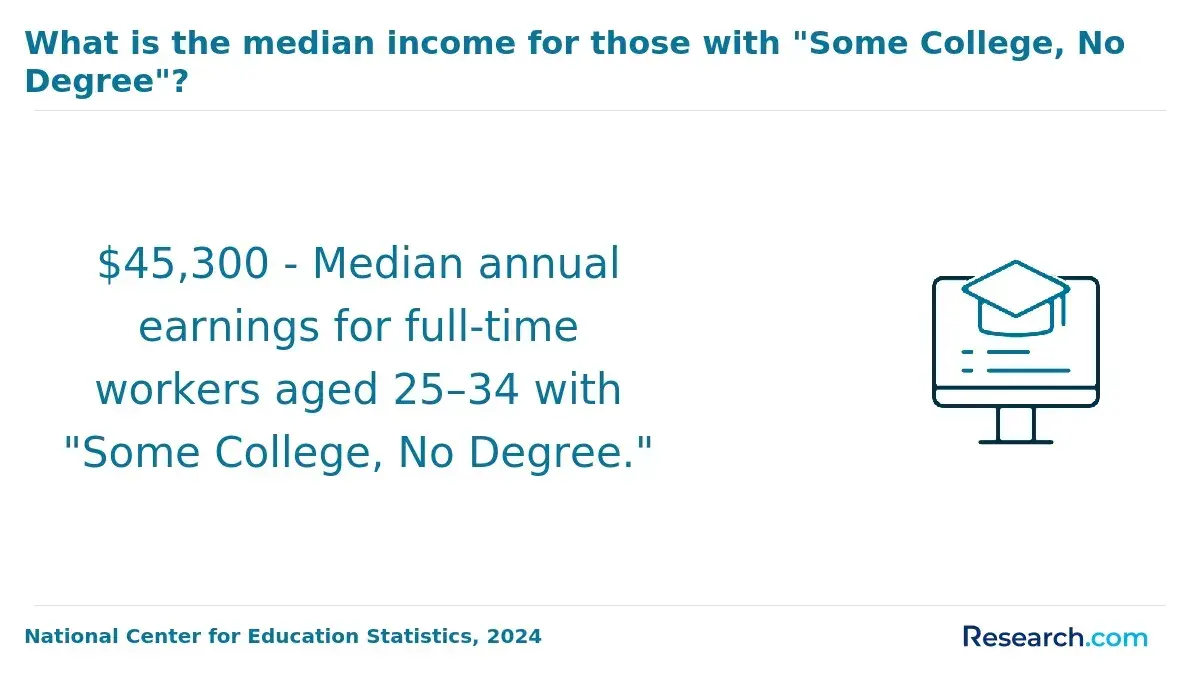
Completion rates for environmental engineering degrees vary notably by format, shaped by the unique demands and supports each offers. According to 2024 data from the National Center for Education Statistics, on-campus programs typically achieve the highest completion, around 70-75% within six years, benefiting from direct faculty access, hands-on lab opportunities, and structured peer environments.
Meanwhile, fully online programs see lower rates near 50-55%, hindered by limited instructor interaction and the challenge of self-directed lab experiences. Hybrid formats fall in between with about 60-65% completion, balancing flexibility with necessary in-person components but sometimes complicating schedules due to travel or mixed commitments.
Deciding which format is hardest to complete ultimately depends on individual circumstances rather than inherent program weaknesses. For example, a working adult with family obligations may find online study's flexibility crucial despite lower completion odds, while a student thriving on campus resources might struggle with time constraints yet benefit from stronger institutional support. Such tradeoffs highlight how completion difficulty correlates with personal context and resilience more than simply program design or delivery mode.
How Does Each Environmental Engineering Learning Format Affect Student Success?
Student success in environmental engineering degree programs hinges more on how well a learning format fits a student's personal learning style, schedule, and outside commitments than on the format itself. For example, a working professional juggling family responsibilities might find campus programs difficult to attend regularly, while a highly self-disciplined learner may thrive in a fully online setting.
Recent findings from the National Center for Education Statistics and the National Student Clearinghouse Research Center from 2024 reveal degree completion rates vary notably by format, with campus programs showing the highest success, followed by hybrid, then fully online. Below are key ways the format choice impacts student outcomes in environmental engineering.
- Engagement and Community Support: Campus programs provide frequent face-to-face interaction that cultivates peer networks and immediate access to faculty, fostering accountability. Students who rely on social learning and real-time feedback tend to perform better here, while online learners may struggle without strong community ties.
- Flexibility Balanced with Structure: Hybrid formats combine online convenience with in-person sessions, offering a middle ground. This structure benefits students needing adaptability but who also require some direct instructor interaction to stay motivated and clarify complex technical material.
- Self-Motivation and Time Management: Fully online learning demands high self-discipline and effective time management. Learners with strong independent study skills succeed, but others face risks of falling behind due to limited synchronous engagement and less immediate academic support.
- Access to Academic Resources: Campus settings often provide more immediate tutoring, labs, and advising, which can be critical in a challenging field like environmental engineering. Online programs that invest in virtual support and synchronous elements show improved retention but still lag behind campus rates.
- Real-World Collaboration Opportunities: Environmental engineering requires teamwork on practical projects. On-campus formats enable more direct collaboration, mentorship, and hands-on experiences, which can influence career readiness. Hybrid models offer some interaction, whereas purely online formats may limit networking unless specifically designed to include group work.
- Impact of Distractions and Environment: Campus learners benefit from dedicated learning spaces and fewer home distractions, elements vital for difficult coursework. Online students juggling multiple roles or unsuitable study environments may find it harder to maintain sustained focus and persistence.
How Does Enrollment Status Affect Environmental Engineering Completion Rates?
Enrollment status is one of the most important factors influencing environmental engineering degree completion rates, yet its impact extends beyond simply the number of courses a student takes at once. The effect of full-time versus part-time study varies widely depending on individual circumstances, such as work commitments, family responsibilities, and access to institutional resources.
Recognizing these nuances helps prospective students choose a path aligned with their life demands and academic goals rather than defaulting to full- or part-time by assumption. Below are key ways enrollment status shapes degree completion in environmental engineering programs.
- Focused Academic Engagement: Full-time students often benefit from sustained immersion in their studies, which can lead to higher completion rates. These students usually have more consistent contact with faculty and access to labs, critical in environmental engineering. However, full-time status requires capacity to dedicate significant hours weekly, so prospective students should realistically assess their ability to sustain this focus.
- Balancing External Responsibilities: Part-time enrollment is frequently chosen by working professionals or those with family obligations. While this provides necessary flexibility, the divided attention can slow degree progress and increase dropout risk unless supplemented by supportive program structures.
- Institutional Support Systems: Completion rates for part-time students improve markedly when programs offer tailored advising, cohort-based learning, and flexible scheduling. Hybrid formats, for example, can pose coordination challenges but excel when institutions account for part-time learners' unique needs.
- Completion Rate Disparities: According to data from the National Center for Education Statistics 2024 report, full-time students in campus environmental engineering programs graduate at rates roughly 25-30% higher than part-time peers. This gap reflects differing engagement levels and resource access, not the inherent superiority of full-time study.
- Pacing and Cost Implications: Part-time enrollment often extends the total time and cost to degree completion, influencing career and financial trajectories. Students should weigh these long-term tradeoffs against their current life demands and potential income from concurrent employment.
- Online Learning Flexibility: For many non-traditional students, part-time online study offers a viable path despite lower average completion rates. The college programs for moms illustrate how online formats can support part-time learners by offering flexible pacing coupled with community and advising support.
- Integration into Academic Communities: Full-time students often experience greater integration into campus environments, fostering motivation and peer accountability. Part-time students may struggle with this integration but can benefit from program designs that intentionally build cohorts and engagement opportunities.
Can Transfer Credits Improve Environmental Engineering Degree Completion?
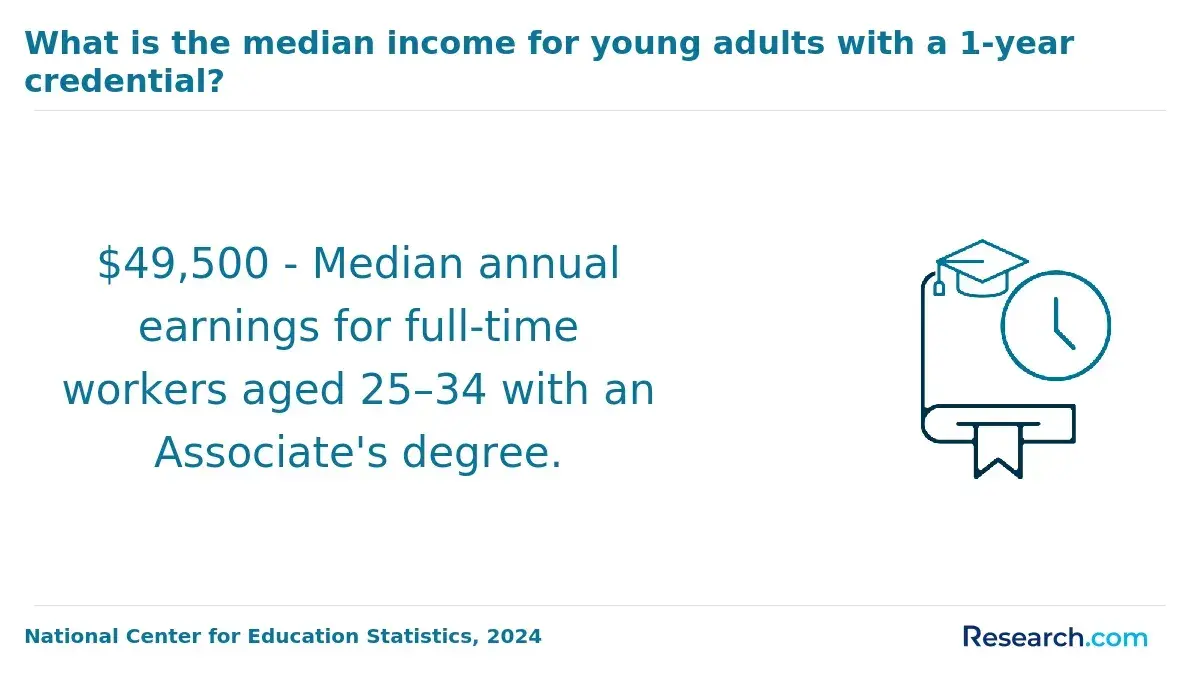
Transfer credits have a measurable impact on how quickly and effectively students complete environmental engineering degrees, but their benefits are far from uniform. A 2024 report from the National Center for Education Statistics shows that students who use transfer credits tend to graduate 12 to 18 months earlier on average, illustrating a clear potential to accelerate degree completion by reducing redundant coursework.
However, this time savings hinges on how well prior credits align with the specific requirements of the environmental engineering program. For example, a student transferring general science and math credits from a community college to a campus-based program with established articulation agreements might bypass foundational courses, smoothing their academic path and boosting persistence. Conversely, students transferring into online or hybrid programs may encounter variability in how credits are evaluated, as these formats often have less standardized policies, which can limit the usefulness of some transferred coursework.
Consider a working professional with military training and professional certifications who seeks to enroll in a hybrid environmental engineering degree. If the institution recognizes relevant prior learning, this student could potentially lessen their course load substantially, enabling a focus on advanced topics critical for licensure and career readiness. Yet, if credits are not deemed applicable or are too narrowly accepted, the intended acceleration might not materialize, requiring additional semesters and impacting financial and time resources.
Transfer credits also influence degree completion indirectly by reducing financial strain, allowing students to invest more in academic support or dedicate themselves to full-time study, both of which improve outcomes. Still, prospective students should approach credit transfer with a critical eye: securing an official credit evaluation and carefully reviewing how many credits remain relative to their planned enrollment pace is essential. Transferability does not guarantee faster graduation; it is one factor among several that shape the feasibility and timing of earning a degree in environmental engineering.
What Student Support Services Improve Environmental Engineering Completion Rates?
Student support services play a critical role in improving completion rates for environmental engineering programs, yet their effectiveness varies by delivery format. Data from the U.S. Department of Education and the American Society for Engineering Education in 2024 highlight that tailored advising, counseling, and academic resources directly influence persistence and graduation outcomes.
While no single service guarantees success, specific interventions stand out across online, hybrid, and campus settings as essential for navigating the distinct challenges each mode presents. Below are key support services that consistently correlate with higher completion rates.
- Targeted academic advising: Personalized academic guidance helps students align coursework with career goals, especially in complex fields like environmental engineering. Proactive academic advising-frequent, flexible, and modality-specific-has been shown to reduce dropout rates by identifying issues early and providing actionable study plans.
- Real-time technical support: Particularly vital for online learners, immediate access to IT assistance minimizes disruption from technical difficulties. The National Center for Education Statistics reports that programs offering rapid-response tech support see a 15% increase in retention compared to those without this resource.
- Career counseling and readiness workshops: Services that integrate career planning into the curriculum enhance motivation and help students envision practical applications of their degree. This is especially effective in hybrid models where students benefit from both virtual and in-person networking opportunities.
- Peer mentoring and study groups: Facilitated peer interaction combats isolation often experienced by distance learners and fosters accountability. Structured peer support has been linked to improved engagement and course completion, addressing the self-discipline barriers common in online study.
- Blended tutoring services: Combining online and face-to-face tutoring allows hybrid and campus students to deepen understanding of challenging subjects through personalized support. Data suggests tutoring access correlates with a 25% higher probability of degree completion in STEM fields.
- Mental health and stress management resources: Counseling services addressing workload stress and well-being are crucial for all formats but especially for campus-based students juggling intensive lab work and academic demands.
How Do Environmental Engineering Completion Rates Affect Career Outcomes?
Completion rates for environmental engineering degrees play a critical role in shaping long-term career trajectories, highlighting that degree attainment remains essential despite evolving program formats. Recent analysis shows that students who finish their environmental engineering bachelor's degrees see improved employability and earnings across online, hybrid, and campus modalities.
The impact of these completion rates on career outcomes is substantial but varies depending on program delivery and individual circumstances. Understanding these nuances helps prospective students decide which format best aligns with their motivation and career objectives. Key career implications of degree completion include the following:
- Access to Specialized Technical and Professional Roles: Graduates with completed environmental engineering degrees qualify for a wider range of technical positions that demand rigorous academic preparation. Employers prioritize candidates holding bachelor's degrees for complex problem-solving roles in environmental projects. Students who fail to complete their degrees often face barriers to professional licensure or certification, constraining them to technician-level jobs with limited advancement opportunities.
- Higher Lifetime Earnings and Promotion Potential: Degree completion correlates with increased salary trajectories and likelihood of promotions within environmental engineering fields. Data from the National Center for Education Statistics indicates bachelor's degree holders earn on average 30% more over their careers than those without degrees. This premium reflects employer recognition of technical knowledge and leadership potential cultivated through degree programs, especially relevant for those in campus or hybrid settings with stronger completion rates.
- Improved Eligibility for Graduate Study and Research Roles: Completing an environmental engineering bachelor's degree is a prerequisite for many advanced degrees critical to leadership in the sector. Persistence through graduation expands opportunities to pursue graduate study or specialized certifications that influence career advancement. Students considering flexibility may investigate options such as online clinical psychology programs to understand tradeoffs in online degree completion dynamics across fields.
- Program Format Influences Completion Risk and Required Student Self-Motivation: Online formats offer unmatched flexibility but often have lower completion rates than campus or hybrid programs. Students requiring flexible schedules must maintain strong self-discipline to navigate challenges inherent to remote learning. Those opting for online study should weigh how non-completion could limit career options compared to traditional formats that typically foster higher persistence.
The relationship between environmental engineering graduate completion impact on career prospects underscores that while degree completion enhances opportunities, individual outcomes also depend on skills, work experience, and local labor market conditions.
How Should Students Choose the Best Environmental Engineering Learning Format?
Choosing the best environmental engineering program format requires a nuanced view that weighs personal circumstances, program structure, and realistic completion potential. A 2024 study from the National Center for Education Statistics and the Online Learning Consortium reveals that completion rates differ notably among online, hybrid, and campus programs, often reflecting variations in student demographics and external responsibilities.
For example, recent high school graduates tend to have higher completion rates in campus programs due to structured environments and peer support, while working professionals benefit from the flexibility of online learning despite generally lower completion rates. Below are key factors prospective students should consider when comparing online hybrid and campus environmental engineering degrees.
- Work and Family Commitments: Students balancing employment or caregiving responsibilities often find online programs more manageable due to their asynchronous nature. However, those with fewer external pressures may thrive in campus settings where scheduled interactions enhance accountability and immersion.
- Self-Discipline and Time Management Skills: Online learning demands strong self-motivation and effective time management. Hybrid formats can offer a middle ground, requiring some on-site attendance that helps maintain engagement while offering flexibility.
- Access to Support Services: Campus programs typically provide immediate access to faculty and academic resources, which can be critical for understanding complex material. Online students must proactively seek support, making this factor essential in format selection.
- Learning Preferences and Interaction Needs: Some students excel with face-to-face peer collaboration and hands-on labs available on campus, while others prefer the autonomy of online study. Hybrid programs offer combined experiences for those needing both.
- Program Industry Connections: Programs with strong ties to employers and cooperative education components enhance job placement opportunities regardless of format, influencing long-term success.
- Program Duration and Commitment: Realistic assessment of time availability is crucial since extended timelines or rigid schedules can increase dropout risk, especially in formats lacking structure.
- Career Goals and Upskilling Needs: Professionals seeking quick certifications that pay well may favor online or hybrid paths for flexibility, while newcomers might benefit from immersive campus experiences to build foundational networks.
What Are the Long-Term Pros and Cons of Each Environmental Engineering Learning Format?
Choosing between online, hybrid, and campus formats for an environmental engineering degree shapes not only your educational experience but also your long-term career outcomes. Research from 2024 indicates that each format brings distinct strengths and challenges influencing degree completion and skill mastery.
Consider these key factors when aligning your choice with personal needs and professional goals.
- Practical skill development: Campus programs excel in hands-on labs and immediate faculty support, crucial for roles requiring advanced technical expertise. Hybrid formats offer periodic in-person labs balancing theory and practice, while online formats may limit experiential learning, potentially affecting readiness for fieldwork.
- Flexibility and accessibility: Online programs lead in accommodating work and family commitments, with growing synchronous offerings improving engagement. Hybrid formats provide moderate flexibility but require managing transitions, whereas campus programs demand full-time presence, limiting accessibility for nontraditional students.
- Completion rates: Latest data shows campus and hybrid students tend to have higher completion rates compared to fully online learners, partly due to enhanced peer interaction and structured schedules, though online formats are improving with evolving digital tools.
- Networking opportunities: In-person formats foster informal peer and faculty connections aiding career entry, while online learners might face reduced networking, which can slow early professional integration in collaborative industries.
- Time management challenges: Hybrid students often handle complex scheduling between modalities, demanding strong self-regulation; online learners benefit from pacing control but must remain motivated; campus students follow fixed timetables which help discipline but restrict flexibility.
- Cost considerations and affordability: Online programs frequently offer cost savings on housing and commuting, appealing to students balancing budgets, while campus and hybrid learners may incur additional expenses linked to residency or travel.
References:
- Environmental Engineering (ENVE) https://calendar.uoguelph.ca/undergraduate-calendar/programs-majors-minors/environmental-engineering-program-enve/
- [PDF] APPENDIX A: Undergraduate Engineering Student Success Survey https://account.seejournal.org/index.php/vt-j-see/article/download/133/126
- Environmental Engineering degrees https://www.whatuni.com/degree-courses/search
- Environmental Engineering Degree (BS) https://floridapoly.edu/academics/programs/environmental-engineering/
- Environmental Engineering in English (spec. Modern Engineering in Water Managment) - Warsaw University of Life Sciences https://www.sggw.edu.pl/en/kierunki-sggw/environmental-engineering-in-english-spec-modern-engineering-in-water-managment/
- What is Environmental Engineering? - Ken Institute https://keninstitute.com/what-is-environmental-engineering/
- 15 Best Colleges with an Environmental Engineering Major | National Society of High School Scholars https://www.nshss.org/resources/blog/blog-posts/15-best-colleges-to-pursue-an-environmental-engineering-degree/
- Top 7 Online Environmental Engineering Degrees | NEWENGINEER https://newengineer.com/advice/top-7-online-environmental-engineering-degrees-1415753
Other Things You Should Know About Environmental Engineering
Yes, online environmental engineering programs often require strong self-discipline and time management due to their asynchronous nature. Students without these skills may struggle to keep pace, impacting completion rates. However, students who juggle work and study might benefit from the flexibility, suggesting online formats suit those with established routines and intrinsic motivation rather than those who need consistent external structure.
Hybrid programs blend online coursework with occasional in-person labs or projects, which can enhance hands-on skills crucial in environmental engineering. Yet, the scheduling demands of hybrid formats may deter some students, especially if commuting or coordinating in-person sessions conflicts with work or family obligations. For many, hybrid degrees strike a middle ground, but students must prioritize managing dual-format demands to maintain their progress.
While campus programs often provide stronger networking opportunities and direct access to faculty, which can support completion, employer preference varies by industry segment. Some employers highly value the discipline and collaboration skills gained on campus, potentially increasing the return on investment for campus graduates. Students focused on careers in research-heavy or traditional engineering roles might prioritize campus programs despite slightly longer or more rigid schedules to maximize employability.
Campus programs typically follow fixed semester schedules with steady pacing, which may help students maintain momentum but can overwhelm those with competing responsibilities. Online and hybrid formats often allow for self-paced study, which benefits students needing flexibility but can also lead to procrastination and drop-off. Students who struggle with managing workload under low external pressure should consider campus formats for structured pacing, while highly disciplined self-starters might find online or hybrid schedules more accommodating for sustained completion.