2027 Entry-Level Hiring Trends for Environmental Engineering Graduates: Where New Grads Have the Best Odds

Co-Founder and Chief Data Scientist
Recent graduates in environmental engineering face a difficult decision: which job titles, industries, and locations offer the best chance for entry-level employment amid uneven demand. Many postings still require prior experience, narrowing accessible opportunities.
For example, a 2024 National Association of Environmental Professionals survey found that 63% of employers prioritize specialized technical skills over general degree holders, intensifying competition in traditional roles like compliance or site assessment.
Meanwhile, emerging sectors such as renewable energy and water resources show faster growth but demand niche expertise. This article pinpoints the entry-level roles, industries, geographies, and skills that maximize new grads' chances of landing their first position.
Key Things to Know About Entry-Level Hiring for Environmental Engineering Graduates
- Demand for entry-level environmental engineering roles is concentrated in water resources and wastewater management sectors, with 43% of hiring occurring in these areas, signaling strategic specialization benefits for graduates.
- Employers increasingly prioritize candidates with proficiency in GIS and data analysis, reflecting a shift toward skills-based hiring that favors those with practical technical experience over purely academic credentials.
- Geographic disparities persist, as metropolitan regions with dense infrastructure projects offer 25% more entry-level openings, highlighting the tradeoff between relocation costs and immediate job accessibility.
// PREVIEW //
- Key Things to Know About Entry-Level Hiring for Environmental Engineering Graduates Key Things to Know About Entry-Level Hiring for Environmental Engineering Graduates
- What Is the Entry-Level Hiring Outlook for Environmental Engineering Graduates? Entry-Level Hiring Outlook
- What Are the Best Entry-Level Jobs for Environmental Engineering Graduates? Best Entry-Level Jobs
- Which Industries Hire the Most Entry-Level Environmental Engineering Graduates? Top Hiring Industries
- Where Do Environmental Engineering Graduates Have the Best Hiring Odds? Best Entry-Level Markets
- What Starting Salaries Can Entry-Level Environmental Engineering Graduates Expect? Entry-Level Salaries
- Which Skills and Certifications Help Environmental Engineering Graduates Get Hired? Top Skills and Certifications
- How Much Experience Do Entry-Level Environmental Engineering Jobs Require? Entry-Level Experience Requirements
- What Do Employers Look for in New Environmental Engineering Graduates? What Do Employers Look for in New Environmental Engineering Graduates?
- How is AI Affecting Entry-Level Hiring for Environmental Engineering Graduates? How is AI Affecting Entry-Level Hiring for Environmental Engineering Graduates?
- How Can Environmental Engineering Graduates Improve Their Job Search Results? Job Search Strategies
What Is the Entry-Level Hiring Outlook for Environmental Engineering Graduates?
The entry-level demand for environmental engineering graduates exhibits notable unevenness, influenced by geographic priorities and industry specialization rather than broad uniform growth.
Data from the U.S. Bureau of Labor Statistics projects a 6% increase in environmental engineer employment through 2032, slightly above average growth, yet this moderate expansion masks regional dynamics where states like California and Texas dominate due to robust infrastructure investments and environmental policy initiatives.
Graduates focusing solely on oversubscribed metropolitan hubs or generic environmental roles may encounter prolonged job searches, especially without relevant internships or technical skills such as GIS or data analysis that employers increasingly prioritize.
In practical terms, new grads targeting specialized sectors-water resources management, renewable energy projects, or environmental consulting-tend to find stronger hiring activity and less competition relative to broad-based market roles.
Entry-level environmental engineering job market trends underscore the advantage of aligning job searches with local demand concentrations and accepting roles in smaller firms or government agencies that often offer critical early-career experience despite lower initial wages.
Pursuing targeted credentials or demonstrated project work enhances employability, a reality that contrasts with the common expectation that a degree alone secures placement. For those uncertain about how to navigate this complexity, understanding sector- and region-specific patterns will shape more successful entry strategies and help avoid costly missteps related to overly broad or poorly timed applications.
Graduates weighing their options may also consider programs with accelerated paths in adjacent fields that intersect with environmental aspects-for example, pursuing accelerated social work programs to complement community and environmental health perspectives-reflecting a growing interdisciplinary approach valued in environmental problem-solving today.
This cross-sector skill blending can open alternative career avenues while preserving core environmental engineering competencies. Such nuanced decision-making frameworks reflect the evolving hiring outlook for new environmental engineering graduates, where practical experience, regional fit, and specialized knowledge now dictate market access more than ever before.
What Are the Best Entry-Level Jobs for Environmental Engineering Graduates?
Strong entry-level positions for environmental engineering graduates combine employer demand, skill alignment, and clear pathways to specialization or credentialing. Roles such as environmental engineer and water resource engineer are closely tied to core technical competencies including fluid mechanics and compliance with environmental regulations, making them attractive entry points where foundational internships or cooperative education experience heavily influence candidate selection.
Environmental consultant roles, while less technically intensive, require versatility and communication skills to navigate regulatory landscapes across industries like construction and manufacturing, appealing to graduates who prioritize flexible skill development over licensure.
Meanwhile, sustainability analyst positions, growing notably in urban ESG-focused markets, offer broader corporate and nonprofit exposure but often necessitate evolving data analysis capabilities rather than strict engineering expertise, which may limit traditional engineering career trajectories.
According to the U.S. Bureau of Labor Statistics, the environmental engineering field is projected to grow by approximately 5% annually through 2033, supporting steady hiring but also underscoring the need for graduates to differentiate themselves through targeted skills and relevant experience.
In practice, graduates face tradeoffs between immediate job availability and aligning roles with long-term professional goals. For example, water resource engineering jobs may concentrate geographically in regions with infrastructure funding or water scarcity, potentially restricting geographical flexibility but offering robust practical experience.
Conversely, entry into consulting can open diversified industry exposure but typically demands certifications like OSHA training and adaptability to shifting regulatory requirements, which can delay technical advancement. Graduates without engineering licensure often find sustainability analyst positions accessible, though these roles may provide slower routes to senior technical leadership.
The decision to focus on a technically demanding role versus a broader, compliance-oriented position should consider both current labor market data and the graduate's readiness to pursue additional credentials or software proficiency that employers emphasize.
One recent graduate recalled navigating offers between a municipal water resource engineer position and an environmental consultant role with a large construction firm. While the water resource job aligned closely with their hydrology specialization and promised direct field project involvement, it required relocation to a less populated state with fewer social opportunities.
The consulting role, offering diverse assignments and greater urban amenities, came with a steeper learning curve due to its broader, less technical scope and emphasis on client communication.
Ultimately, the graduate chose the water resource position, valuing concentrated technical growth and licensure potential despite initial uncertainty about geographic tradeoffs-a decision reflecting the nuanced balance many face when entering the environmental engineering workforce.
Which Industries Hire the Most Entry-Level Environmental Engineering Graduates?
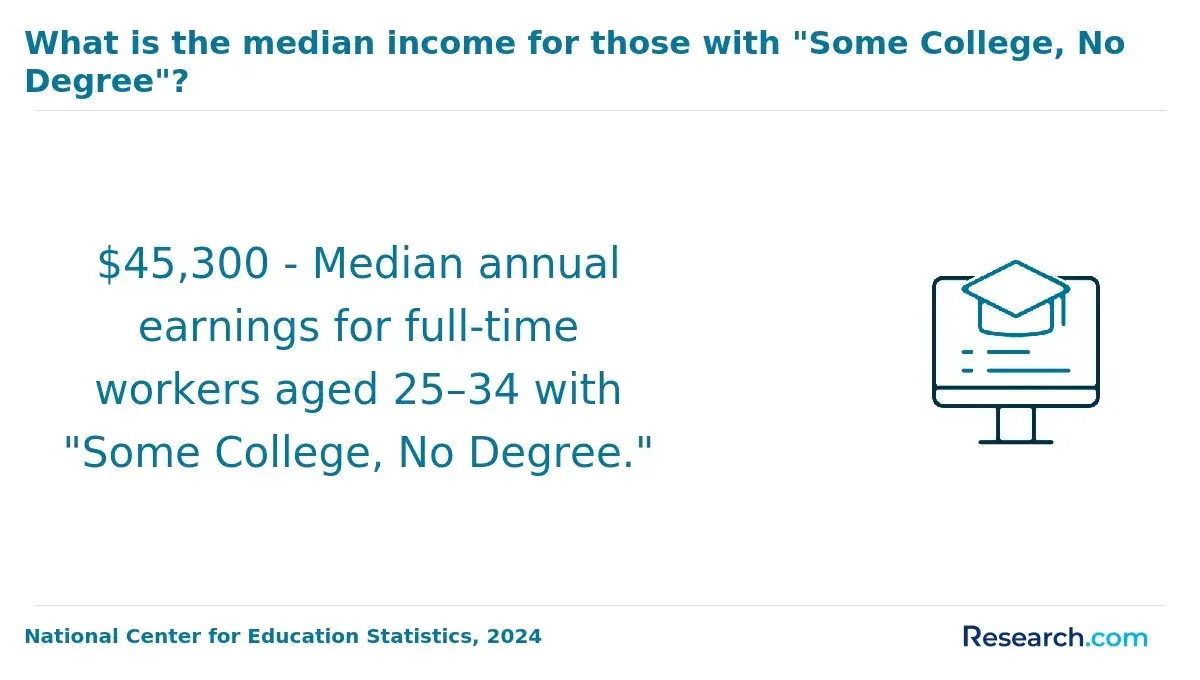
Entry-level hiring for environmental engineering graduates is most concentrated in environmental consulting, government agencies, and construction sectors, each presenting unique tradeoffs that influence a new graduate's job prospects. Environmental consulting leads by volume due to its broad client base and steady demand driven by regulatory compliance and environmental impact assessments.
These roles often require internships or cooperative experience but typically allow entry despite limited full-time experience. However, consulting jobs tend to cluster near urban and industrial centers, which can require relocation for candidates prioritizing job availability or long-term mobility.
Government employers, including federal bodies like the EPA and state departments, offer relatively stable positions focused on water resources, waste management, and policy enforcement.
While entry-level roles here may demand some familiarity with public sector processes, they commonly provide clearer advancement frameworks and job security compared to private firms. By comparison, construction and civil engineering firms hire fewer environmental engineers but offer hands-on roles ensuring environmental compliance and sustainable design that can accelerate practical skill development and career growth.
Emerging opportunities in renewable energy and sustainable infrastructure highlight a growing need for digital modeling and data analysis expertise, reflecting a shift toward technologically integrated environmental solutions.
According to 2024 data from the U.S. Bureau of Labor Statistics, environmental consulting and government sectors combined account for the majority of entry-level hires, underscoring their dominance in workforce demand. Graduates should weigh factors such as geographic concentration, employer expectations, and role responsibilities to strategically target sectors that align with their experience and career priorities rather than defaulting to the largest hiring industry.
Where Do Environmental Engineering Graduates Have the Best Hiring Odds?
Entry-level hiring odds for environmental engineering graduates hinge largely on the concentration of employers, industry sectors, and available junior roles rather than simply location. Metropolitan areas like Seattle, Denver, and Washington D.C. illustrate how municipal infrastructure projects, renewable energy, and environmental remediation drive higher job postings relative to candidate pools.
However, graduates targeting manufacturing-heavy regions or private hydrocarbon companies may face steeper applicant competition, even if demand for compliance roles is evident. Balancing these dynamics requires evaluating not only job volume but also the density of qualified applicants and employer preferences, which increasingly favor relevant internships and state licensure.
For instance, graduates in smaller but emerging markets such as Austin or Raleigh may benefit from lower competition and growing environmental initiatives fueled by state policies, although they might encounter limits in advanced project experience without access to larger urban centers. The rise of remote and hybrid work has not significantly altered field-dependent roles, underscoring the need to consider geographic constraints alongside sector fit.
Choosing where to pursue entry-level positions also involves weighing living costs, professional networking opportunities, and the availability of internships critical for early-career development, all of which influence long-term employability. According to 2024 data from the U.S. Bureau of Labor Statistics and LinkedIn Workforce Insights, these factors collectively shape the best hiring regions for environmental engineering graduates seeking optimal entry-level jobs.
Graduates balancing these factors may also explore related fields or educational pathways, such as seeking a cheapest online psychology bachelor degree to diversify skills relevant to environmental health and safety disciplines, thereby enhancing adaptability in the job market.
What Starting Salaries Can Entry-Level Environmental Engineering Graduates Expect?
Starting salaries for environmental engineering graduates depend on multiple variables beyond simply holding the degree. Factors like job specialization, geographic location, prior internships, and the industry sector contribute to wide discrepancies in offers.
For example, a recent graduate focusing on renewable energy in a high-cost metropolitan area might receive an entry-level salary 15% above the national median but face higher living expenses, while another accepting a government position in a smaller city could see a lower base pay compensated by stronger benefits and job security.
Such tradeoffs highlight the importance of evaluating the full compensation package and growth potential rather than just initial salary numbers. According to 2024 data from the U.S. Bureau of Labor Statistics and the National Association of Colleges and Employers, typical starting pay ranges between $58,000 and $72,000 annually.
Key considerations shaping these figures include:
- Specialization Focus: Graduates working in water resources, hazardous waste, or renewable energy fields often receive higher starting salaries reflecting market demand and regulatory complexity, though these roles may require niche skills and certifications.
- Geographic Variance: Salaries tend to be 10-20% above national medians in expensive metropolitan areas like California's Bay Area or the Pacific Northwest, offset somewhat by higher living costs, while rural or less industrial regions offer lower pay but sometimes faster wage growth.
- Industry Sector: Private environmental consulting firms and contractors generally offer more competitive initial salaries than public agencies, but public roles typically provide better benefits, job stability, and clearer promotion tracks.
- Technical Experience: Candidates with internships, cleanup certifications, or proficiency in GIS and sustainable design software frequently command offers above the median entry-level range due to proven practical skills.
- Training Versus Pay: Early career wage progression is often stronger for those accepting slightly lower starting salaries in roles emphasizing structured on-the-job training and project diversity than for those pursuing the highest immediate pay.
One recent graduate shared how she grappled with two entry-level offers: one from a private firm in a major metro area offering a higher base salary but fewer growth opportunities, and another from a state environmental agency with lower pay but comprehensive training and clearer promotion paths.
Despite initial disappointment at the lower number, she chose the public role, valuing the stability and skill-building environment that she believes will yield stronger long-term career returns. This scenario underscores the importance of weighing salary against professional development and total compensation when entering the environmental engineering workforce.
Which Skills and Certifications Help Environmental Engineering Graduates Get Hired?
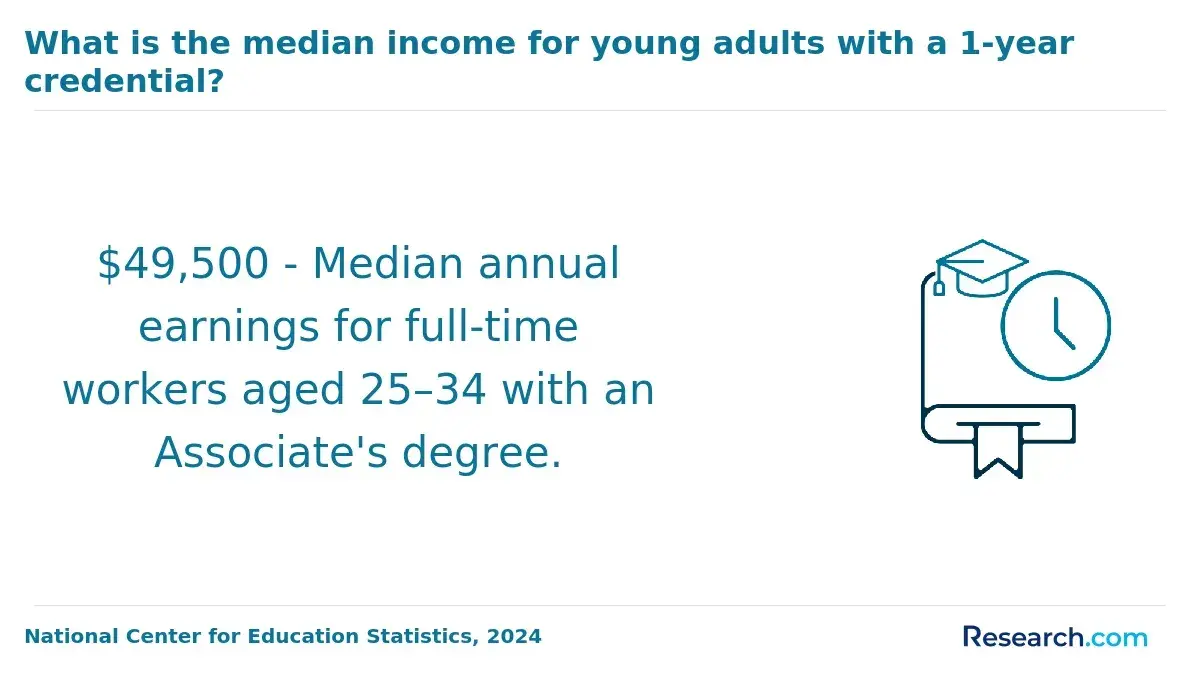
Employers filling entry-level environmental engineering positions increasingly demand more than academic credentials alone. Practical, applied skills coupled with digital fluency and tangible evidence of job readiness shape hiring decisions, as firms seek candidates who can immediately contribute to multidisciplinary projects. Graduates who demonstrate mastery in both core technical tools and emerging data analytics positions stand out, especially when supported by internships or project portfolios.
For example, a recent graduate targeting water treatment firms found that highlighting hands-on regulatory compliance experience alongside an OSHA safety credential substantially improved interview opportunities. Navigating these hiring preferences requires judicious choices about skills and certifications tailored to specific sectors.
Key skills and certifications improving entry-level environmental engineering employability:
- Technical Software Proficiency: Mastery of Geographic Information Systems (GIS), AutoCAD, and simulation software remains critical in project design and environmental impact analysis, widely valued in engineering consulting and infrastructure roles. Demonstrable project work or internships using these tools proves competence beyond coursework.
- Data Science Skills: Familiarity with Python or R and foundational AI concepts increasingly appears on job postings, especially in sustainability modeling and risk assessment roles. Candidates benefit by showcasing practical data analysis projects rather than standalone courses.
- FE License: The Fundamentals of Engineering (FE) exam remains a strong signal of theoretical knowledge and commitment to engineering standards, often required or strongly preferred in competitive markets. Passing this exam early can differentiate applicants effectively.
- LEED Green Associate: This credential aids candidates targeting sustainable construction and green infrastructure sectors by validating understanding of energy-efficient design principles, though it is more a differentiator than a baseline requirement.
- OSHA Safety Certifications: Particularly important for roles involving site inspections or compliance oversight, the OSHA 30-hour safety certification signals readiness for field responsibilities and employer risk management priorities.
- Communication and Internship Experience: Environmental engineering roles demand translating technical data into accessible formats for clients or regulators. Internship experience, frequently preferred by employers, provides practical exposure to team dynamics and client interactions that academic records do not capture.
- Industry-Specific Knowledge: Understanding sector nuances-such as regulatory frameworks in water treatment or advanced software agility in renewable energy-allows candidates to tailor applications strategically. This specificity often outweighs general certifications.
For graduates seeking to expand credentials while remaining mindful of return on effort, exploring a 6 month masters degree can offer timely, focused upskilling aligned with these hiring realities.
How Much Experience Do Entry-Level Environmental Engineering Jobs Require?
Entry-level environmental engineering positions often require more nuanced experience than the term "entry-level" suggests, with many employers expecting between one and two years of practical exposure, including internships or related project work.
According to a 2024 LinkedIn Economic Graph report, about 45% of such job listings specify this range, while another 30% consider candidates without formal work experience if they can demonstrate strong academic credentials or relevant certifications. This variation reflects how experience criteria serve more as indicators of readiness rather than rigid prerequisites, particularly depending on employer size and industry segment.
Smaller firms and public agencies are typically more flexible, frequently valuing applied learning through internships, senior projects, or volunteer activities as substitutes for paid work, which benefits fresh graduates seeking hands-on opportunities.
Larger corporations and consulting firms tend to demand prior experience to assure accuracy and compliance under client and regulatory scrutiny, often requesting one to three years. For example, a recent graduate who excelled in capstone research and holds a Fundamentals of Engineering certification might still face challenges applying to firms prioritizing extensive client project histories, underscoring the importance of evaluating job descriptions carefully and highlighting relevant competencies beyond simple year counts.
Environmental engineering graduates should assess entry-level openings with a focus on how well their academic and experiential portfolios align with employer expectations rather than assuming all "no experience required" roles are equally accessible. Many employers value transferable skills obtained through interdisciplinary internships or volunteer work in allied fields, which can offset modest gaps in formal employment.
Understanding these distinctions helps candidates identify realistic targets and strategically present their backgrounds in increasingly competitive labor markets, where experience requirements are shaped as much by geographic demand and sector-specific needs as by firm policies.
What Do Employers Look for in New Environmental Engineering Graduates?
Employers evaluating entry-level environmental engineering graduates increasingly prioritize tangible job readiness rather than purely academic credentials. Recruiters assess applied skills, relevant hands-on experience, communication ability, technical proficiency, adaptability, and awareness of current industry tools and challenges.
For example, a hiring manager at a regional environmental consultancy may prefer a candidate who has demonstrated successful collaboration on a capstone project addressing local water quality issues over one with only high GPA and coursework. This reflects broader hiring trends emphasizing immediate contribution over potential alone.
The following points highlight the qualities employers most commonly value in new environmental engineering graduates:
- Problem-Solving Ability: Employers look for candidates who can approach complex environmental challenges with practical, innovative solutions. Evidence often comes from internships, project work, or participation in competitions showcasing analysis and mitigation strategies, which signal readiness to handle on-the-job demands.
- Technical Competence: Proficiency with environmental modeling software, Geographic Information Systems (GIS), and data analysis tools demonstrates foundational capability. While necessary, technical skills alone rarely distinguish candidates without accompanying applied experience.
- Communication Skills: Clear, adaptive communication is crucial for navigating interdisciplinary teams and regulatory environments. Employers value examples of effective written reports, presentations, or stakeholder engagement from academic or internship settings.
- Relevant Experience: Hands-on internships or cooperative education experiences that simulate real-world regulatory or environmental problems strongly influence hiring decisions by evidencing applied knowledge beyond theoretical learning.
- Digital Fluency: Familiarity with emerging technologies such as remote sensing and AI tools marks candidates as adaptable to evolving industry standards, an advantage given the increasing integration of digital tools in environmental engineering practice.
- Certifications and Commitment: Credentials like Fundamentals of Engineering (FE) registration are respected as indicators of professionalism and dedication, though they often have greater weight as supplementary qualifications rather than mandatory hiring criteria.
- Adaptability and Teamwork: Especially in smaller firms or decentralized teams, the ability to flexibly handle multiple roles and collaborate across disciplines can outweigh formal qualifications.
How is AI Affecting Entry-Level Hiring for Environmental Engineering Graduates?
AI-driven recruitment tools for environmental engineering entry-level jobs are reshaping hiring by prioritizing candidates who can integrate technological fluency with environmental expertise. Employers increasingly screen resumes using automated systems that identify keywords related to AI skills, GIS software, and data analytics.
In practice, this means that early-career job seekers must highlight experience with these tools to avoid being filtered out, especially for roles involving pollutant monitoring or environmental impact simulations where automation accelerates traditional workflows.
Compared to industries less reliant on complex environmental modeling, sectors like resource management and sustainability innovation offer stronger prospects for graduates who combine core engineering knowledge with AI capabilities.
The impact of artificial intelligence on hiring trends for environmental engineering graduates also introduces nuanced tradeoffs. While some manual data collection roles diminish, hybrid positions that demand both data literacy and problem-solving in AI-augmented contexts are emerging.
Candidates who adapt by developing programming skills or machine learning basics have an advantage, yet those lacking digital proficiency may face entry barriers intensified by competitive markets. Internships and cooperative programs integrating advanced software training demonstrate higher conversion to employment, underscoring shifting expectations beyond traditional academic credentials.
Graduates weighing their education pathways should consider how evolving job roles affect marketability and practical skill development. Pursuing targeted experience with AI and environmental modeling platforms can differentiate applicants during employer screenings.
Resources like online interdisciplinary studies admissions and costs offer insight into educational options that blend environmental engineering fundamentals with emerging digital demands. Strategic positioning that balances engineering principles and AI-related competencies remains critical for navigating recruitment dynamics shaped by advancing technology.
How Can Environmental Engineering Graduates Improve Their Job Search Results?
Targeted job searches consistently outperform high-volume, unfocused applications for environmental engineering graduates by aligning skills and qualifications with the specific demands of employers. Graduates who focus on precise entry-level job titles such as "Environmental Compliance Specialist" or "Water Resources Engineer," and tailor their resumes to mirror employer language, often navigate automated applicant tracking systems more successfully.
For example, a candidate applying generically for "engineer" roles without emphasizing specialized credentials risks being overlooked, whereas prioritizing positions with clearly stated requirements matching their background improves callback likelihood markedly. This approach reflects a practical tradeoff: concentrated effort on well-matched roles is more effective than broad-based applications that dilute attention and reduce interview chances.
Geographic and industry priorities significantly affect outcomes within entry-level environmental engineering job search strategies. Graduates concentrating on metropolitan areas with high environmental regulation enforcement or regions seeing increased infrastructure and renewable energy investment encounter a richer job market, as these markets offer up to 20% more entry-level roles than less regulated areas.
Demonstrating applied skills through internships, capstone projects, or certifications such as EIT strengthens candidacy, particularly when timing submissions to match academic recruiting cycles. Additionally, professional networking remains an important complement to applications, with referrals increasing interview success by 30% to 40%. Incorporating market research and strategic timing enhances effectiveness, though no single tactic guarantees placement.
Environmental engineering graduates leveraging data-driven strategies gain a clearer understanding of where to allocate effort in the competitive job market. While academic credentials remain a foundation, combining actionable insights on job titles, local demand, and relevant experience offers better prospects than generic search activity.
For those exploring alternative educational pathways or credentialing, examining ALA-accredited schools can inform decisions related to interdisciplinary or expanded qualifications that may enhance career flexibility and long-term employability.
References
- Career By Design https://collaborate.asce.org/careerbydesign/discussion/is-it-really-this-hard-to-get-an-entry-level-job
- How to Hire an Environmental Engineer: 2026 Guide https://ehscareers.com/employer-blog/how-to-hire-environmental-engineer-2026-guide/
- AI's Impact on Graduate Jobs: A 2025 Data Analysis | IntuitionLabs https://intuitionlabs.ai/articles/ai-impact-graduate-jobs-2025
- How AI is changing the nature of entry level work https://www.weforum.org/stories/artificial-intelligence/how-ai-is-changing-the-nature-of-entry-level-work/
- Entry Level Environmental Engineer Jobs (with Salaries) - SEEK https://au.seek.com/entry-level-environmental-engineer-jobs
- Entry Level Environmental Jobs | Your Career Starts Here https://www.scsengineers.com/entry-level-environmental-jobs/
- “Everyone is so panicked”: Entry-level tech workers describe the AI-fueled jobpocalypse https://restofworld.org/2025/engineering-graduates-ai-job-losses/
- Environmental Engineers: Salary, career path, job outlook, education and more - RaiseMe https://www.raise.me/careers/architecture-and-engineering/environmental-engineers/
Other Things You Should Know About Environmental Engineering
The distinction between research-heavy academic programs and those emphasizing industry partnerships is significant for new grads. Programs with industry integration often provide hands-on experience and internships that align closely with employer expectations, increasing hiring odds. In contrast, research-focused tracks may strengthen technical expertise but sometimes at the expense of practical skills or networking opportunities. For those targeting immediate employment, prioritizing programs with robust industry connections and applied projects improves readiness and marketability.
Choosing between geographic mobility and deep specialization depends on individual priorities and market dynamics. Urban and industrial hubs tend to offer more entry-level positions but often require relocation and adaptability. Conversely, specialization in niche areas like water treatment or environmental remediation can command premium roles but may limit opportunities to specific regions or employers. New graduates should evaluate regional market demand alongside their willingness to relocate, as this tradeoff often dictates job availability and career trajectory early on.
Entry-level workloads in environmental engineering frequently involve balancing fieldwork, compliance documentation, and interdisciplinary collaboration, which can be demanding. While heavy workloads can accelerate learning and skill acquisition, they may also lead to burnout if unmanaged. Graduates should seek positions with structured mentoring and reasonable work-life balance to ensure sustainable growth. Prioritizing employers known for supportive onboarding can mitigate risks and foster stronger professional development paths.
Interdisciplinary skills, such as data analysis, regulatory knowledge, and communication, increasingly influence hiring outcomes. Employers value candidates who can navigate technical and non-technical challenges, collaborate across departments, and translate complex data into actionable recommendations. However, graduates must balance building these cross-functional competencies with maintaining core environmental engineering expertise. Deliberate development of complementary skills aligned with industry demands enhances employability without diluting foundational technical strengths.