2027 Environmental Engineering Career Outcomes by Degree Level Report: Pay, Employment, and Advancement Patterns

Co-Founder and Chief Data Scientist
Choosing the right education level in environmental engineering can significantly affect career outcomes, yet many learners struggle to pinpoint how degree attainment influences pay, employment stability, and advancement prospects. A 2024 National Science Foundation report reveals that professionals with a master's degree in environmental engineering experience a notably higher likelihood of promotion within five years compared to those holding only a bachelor's degree, reflecting employer preferences for advanced technical expertise and leadership potential. Understanding these nuanced degree-level impacts is critical for transfer students, working adults, and military-affiliated learners balancing education investments against career growth.
This article analyzes pay differences, employment patterns, and advancement opportunities across environmental engineering degree levels to help readers make informed educational and career decisions.
Key Things to Know About Environmental Engineering Career Outcomes by Degree Level
- Associate degrees often enable quicker workforce entry but typically limit advancement to technician roles, reflecting a tradeoff between early employment and long-term career growth in environmental engineering.
- Data from 2024 shows employers increasingly require master's-level credentials for leadership roles, suggesting a credential-based stratification impacting promotion and job-market access.
- The extended time and higher cost of doctoral programs reduce immediate practical returns, making PhDs viable primarily for specialized research or academic careers rather than broad industry roles.
- Key Things to Know About Environmental Engineering Career Outcomes by Degree Level Key Things to Know About Environmental Engineering Career Outcomes by Degree Level
- What Career Outcomes Can Students Expect From Each Environmental Engineering Degree Level? Career Outcomes by Degree
- How Much Do Environmental Engineering Graduates Earn by Degree Level? Salary by Degree Level
- Which Environmental Engineering Degree Level Offers the Strongest Employment Prospects? Best Degrees for Employment
- What Entry-Level Jobs Can You Get With a Environmental Engineering Degree? Entry-Level Career Opportunities
- How Do Environmental Engineering Degree Levels Affect Career Advancement and Promotion Opportunities? Career Growth by Degree
- Is a Environmental Engineering Degree Worth It Based on Salary, Employment, and ROI? Salary, ROI, and Value
- How Do Associate, Bachelor's, Master's, and Doctoral Environmental Engineering Degrees Compare? Comparing Degree Levels
- Which Industries and Employers Hire Environmental Engineering Graduates by Degree Level? Which Industries and Employers Hire Environmental Engineering Graduates by Degree Level?
- What Skills, Credentials, and Experience Improve Environmental Engineering Career Outcomes? What Skills, Credentials, and Experience Improve Environmental Engineering Career Outcomes?
- Which Environmental Engineering Degree Level Is Best for Your Career Goals? Choosing the Right Degree
What Career Outcomes Can Students Expect From Each Environmental Engineering Degree Level?
The career outcomes in environmental engineering fundamentally differ by degree level, reflecting not only the depth of technical expertise but also employer expectations for licensure and leadership potential. For example, technicians with associate degrees or certificates can enter the workforce more quickly, often in support roles with limited upward mobility unless they later pursue further education. Bachelor's degree holders typically access a wider range of positions, including those qualifying for Professional Engineer (PE) licensure, which many employers prioritize for supervisory or consulting roles. This distinction shapes a common workforce decision: pursuing longer educational pathways at the bachelor's level often delays entry but broadens long-term opportunities for advancement and specialization.
Master's degrees usually cater to professionals aiming for specialized roles in areas like environmental systems modeling or sustainable design, enhancing readiness for leadership and complex project management. Data from the U.S. Bureau of Labor Statistics captures how graduate degree holders experience faster progression and greater job stability amid regional market fluctuations. Meanwhile, doctoral credentials focus on academic research, policy formulation, or high-level consulting, where decision-making authority and innovation influence regulatory frameworks. For working adults and transfer students, understanding these employment and advancement patterns by degree level is crucial to aligning educational investments with realistic career trajectories, especially when leveraging prior credits or balancing full-time work with part-time study demands.
The evolving demand for credentials in environmental engineering means some students begin with certificates or associate degrees and later transition upward through flexible learning pathways, balancing early employment needs with eventual career growth. This layered approach exemplifies how degree-level choices also affect access to internships, cooperative education experiences, and employer networks-elements increasingly central to securing desirable positions. For those considering broader options, including online social work programs, it is worth exploring specialized pathways that fit unique career goals. Such nuanced planning ensures that degree decisions are not just academic milestones but strategic moves within a complex labor market shaped by credential requirements and practical work experience.
How Much Do Environmental Engineering Graduates Earn by Degree Level?
Salary outcomes for environmental engineering graduates vary considerably by degree level, shaped by licensure, specialization, and professional experience rather than by credentials alone. While bachelor's degree holders typically report median annual wages around $79,000, advancing to a master's degree can increase median earnings to approximately $92,000 according to the U.S. Bureau of Labor Statistics (2024). However, this premium often depends on obtaining roles requiring specialized expertise or leadership in regulatory and sustainability domains. Practical experience combined with professional engineer (PE) licensure frequently narrows or even reverses wage differences between bachelor's and master's graduates, particularly in early to mid-career stages where employer expectations focus heavily on demonstrated competency and authorized responsibilities.
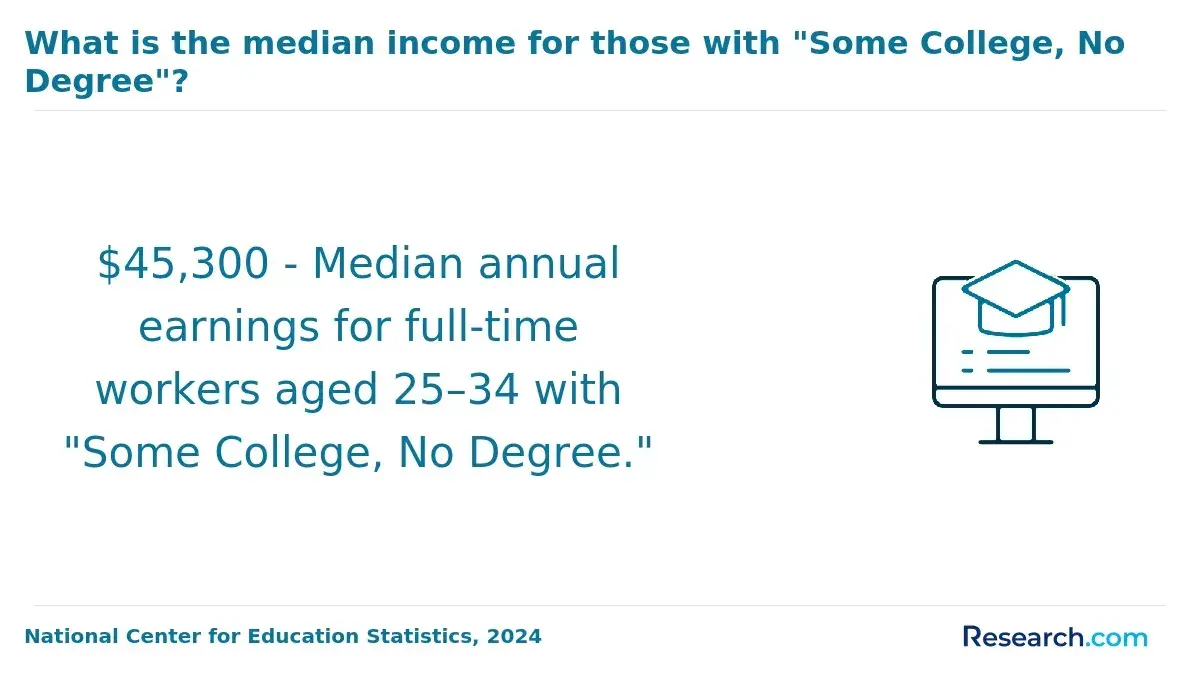
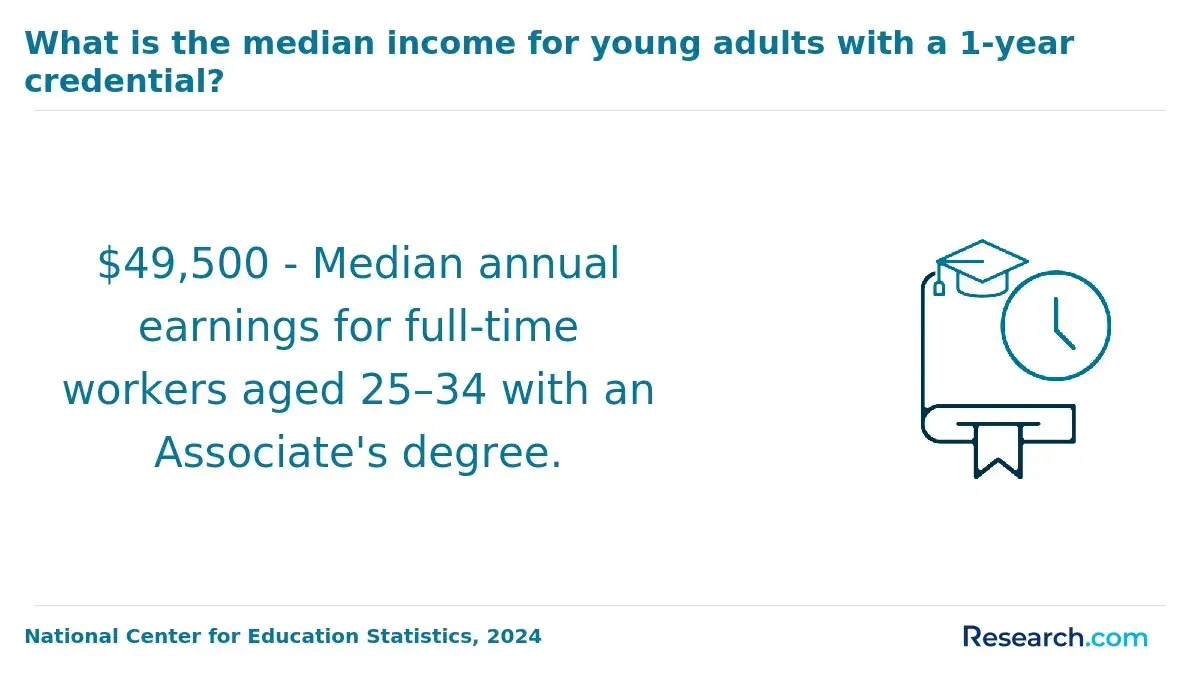
Technical certificates and associate degrees generally lead to technician or support positions with lower median wages near $45,000 to $55,000 but offer quicker labor market entry, a factor critical for working adults or military-affiliated students balancing time and financial constraints. Doctoral credentials, meanwhile, unlock niche research or advisory roles often exceeding $100,000, though the extended time and financial investment require weighing long-term career benefits against immediate opportunity costs. Geographic distribution and sector employment-public agencies versus private consulting-also influence compensation and progression, underscoring that degree level itself is only one piece within a complex employability puzzle. For prospective students, especially transfers or part-time learners, evaluating how additional credits, licensure pathways, and workforce demand align with their financial and professional timelines is key to informed decision-making.
One graduate recounted initially considering a master's degree to boost earnings but hesitated after reviewing local job listings that prioritized PE licensure and hands-on experience over advanced degrees. Balancing tuition costs, program duration, and the prospect of gaining licensure led them to first complete their bachelor's and pursue work experience. Conversations with employers later confirmed that many valued licensure-linked competencies more than a master's credential alone, prompting a strategic deferment of graduate studies until career advancement required it. This pragmatic approach avoided upfront educational debt while maintaining flexible pathways for future specialization or doctoral studies if career needs evolved.
Which Environmental Engineering Degree Level Offers the Strongest Employment Prospects?
Employers in environmental engineering generally view a bachelor's degree as the essential threshold for most professional roles, primarily because it qualifies graduates for licensing processes like the Fundamentals of Engineering exam, which is critical for career progression. While associate degrees or certificates may enable quicker entry into technician or support positions, these roles typically provide lower pay and limited upward mobility, often restricting graduates to narrower job markets with higher unemployment rates. For example, individuals holding only certificates face more significant hiring barriers and may struggle in regions with strict environmental regulations where comprehensive technical expertise is prioritized.
Advanced degrees, especially master's programs, offer advantages in specialized fields such as environmental systems design and regulatory compliance, where employers increasingly seek candidates with interdisciplinary skills and analytical depth. Data from LinkedIn's 2024 job-posting analysis indicates a 25% rise in positions favoring master's-level qualifications, reflecting how graduate studies can open doors to consulting roles and leadership tracks that are less accessible to bachelor's holders. However, pursuing graduate education involves trade-offs: delayed workforce entry and higher education costs must be weighed against the potential for faster advancement and higher starting salaries.
Doctoral degrees typically align with roles emphasizing research leadership or academic careers rather than broader industry employment, where practical engineering experience often supersedes terminal credentials. For students balancing the decision to enter the workforce quickly or invest in further education, regional labor market demands and long-term career goals should guide their choices, considering that bachelor's graduates tend to find the strongest balance of job stability and licensing eligibility, while advanced degrees enhance specialization and promotion potential but with inherent opportunity costs.
What Entry-Level Jobs Can You Get With a Environmental Engineering Degree?
Entry-level environmental engineering jobs in the United States often reflect a pragmatic balance between academic credentials and hands-on experience, shaping early career trajectories. Graduates holding associate degrees typically enter technician roles focused on site assessments, regulatory compliance, and operational support, which serve as foundational positions but offer limited direct advancement without further education or licensure. In contrast, those with bachelor's degrees have access to broader engineering functions that demand technical proficiency, software literacy, and understanding of environmental laws, positioning them for more rapid progression into independent project roles or specialist positions. Data from the U.S. Bureau of Labor Statistics in 2024 reports that about 35% of new environmental engineering graduates start as engineering technicians or assistants, signaling a widespread employer preference for candidates with prior practical experience acquired via internships or cooperative programs.
Employers often require or strongly encourage credentials such as the Fundamentals of Engineering (FE) certification early in employment to move beyond entry-level roles, emphasizing how licensure remains a pivotal factor in long-term mobility. Geographic and industry-specific variables also influence job accessibility; regions with concentrated industrial activity offer a higher density of positions but may demand greater regulatory familiarity and on-site presence, limiting opportunities for remote work.
Practical considerations, like obtaining transferable skills in project management and data analysis, become crucial for graduates contemplating advanced studies or seeking stability amid competitive markets. For students weighing degree options or supplementing a technical foundation, pursuing recognized credentials and real-world experience-potentially alongside flexible pathways like an online accounting degree in complementary fields-can significantly impact employability and career resilience.
How Do Environmental Engineering Degree Levels Affect Career Advancement and Promotion Opportunities?
Promotion prospects in environmental engineering strongly correlate with degree level, as employers increasingly prioritize advanced credentials for supervisory and specialized roles. According to 2024 data from the National Center for Education Statistics and Lightcast, professionals holding master's degrees advance more rapidly and gain leadership opportunities more readily than those with only bachelor's degrees. While a bachelor's is typically sufficient for initial licensure as a Professional Engineer (PE), mid-career progression often demands further certifications or graduate education to meet employer expectations for project management and technical expertise. This dynamic means that workers with only a bachelor's may experience slower upward mobility unless they pursue additional training or certifications.
Graduate programs emphasize focused development in areas such as sustainability and compliance, making candidates more competitive for roles requiring critical thinking and policy influence. For adult learners or working professionals, flexible transfer-credit policies in master's programs can reduce downtime and facilitate smoother transitions into higher positions. Conversely, those entering the workforce immediately after undergraduate study may gain early experience but face a longer timeline-and sometimes more uncertainty-before eligibility for leadership tracks. This tradeoff creates a strategic decision point for environmental engineering students balancing immediate earnings against accelerated promotion potential through advanced education.
A recent environmental engineering graduate recounted hesitation when deciding whether to pursue a master's degree after several years in the field. Employers required PE licensure for supervisory roles, but leadership postings favored candidates with graduate credentials due to specialized project demands. Although confident in technical skills, the graduate worried that deferring advanced education could limit internal mobility and salary growth. Ultimately, this influenced a measured choice to enroll part-time in a master's program, reflecting the practical gap many experience between credential requirements and workplace realities in environmental engineering careers.
Is a Environmental Engineering Degree Worth It Based on Salary, Employment, and ROI?
Salary outcomes and employment stability vary significantly between environmental engineering degree levels, influencing both short- and long-term career decisions. Bachelor's degree holders typically enter the workforce with competitive starting salaries and manageable debt relative to program costs but may face slower advancement without licensure or specialized credentials. Master's degree earners tend to command higher median pay and often secure leadership roles, though the additional two years of study increase opportunity costs that working adults or transfer students must weigh carefully. Regional labor markets-such as those in California, Texas, and Washington-further affect earnings potential and job security, making local job demand a practical factor in assessing the return on investment for environmental engineering degrees.
From a workforce perspective, advancement often hinges on Professional Engineer (PE) licensure and relevant specialization, which emphasize experience alongside academic credentials. Candidates balancing education with work should note that part-time or accelerated options influence total cost and time-to-completion, impacting career mobility. This dynamic is particularly relevant for military-affiliated students and working professionals evaluating whether the incremental salary gains from a master's justify extended educational commitments. For those exploring alternative pathways or reduced tuition loads, options like the cheapest online MBA may offer strategic flexibility outside pure engineering tracks, underscoring the value of a cross-disciplinary approach when considering pay scales and advancement opportunities tied to environmental engineering career salary and employment outcomes.
How Do Associate, Bachelor's, Master's, and Doctoral Environmental Engineering Degrees Compare?
Choosing between associate, bachelor's, master's, and doctoral degrees in environmental engineering fundamentally shapes a graduate's career trajectory, defining their access to roles, advancement speed, and specialization options. For example, those ending their education at an associate degree often enter technician or support positions with stable but limited upward mobility and wage growth, reflecting a tradeoff between quicker entry and restricted leadership potential. Bachelor's degrees remain essential for professional licensure and broader employment eligibility, offering a practical balance of technical foundation and opportunity expansion; data from the U.S. Bureau of Labor Statistics (2024) confirm higher employment rates and more varied openings for bachelor-degree holders compared to associates, making it a critical threshold for many aspiring engineers. However, transferring credits from associate programs to bachelor's can be uneven, which complicates relying solely on early credentials without a clear continuation plan.
Advancing to a master's degree often aligns with employer preferences for supervisory or specialized roles in areas like sustainable design or water management, providing measurable acceleration in leadership positioning and research involvement. Yet the cost in time and money requires careful consideration, as career gains are more niche-dependent and not uniform across the field. Doctoral education, while limiting direct job market size, offers authority and exclusivity valuable in academic, policy, or high-level consultancy settings, though it demands longer study periods with fewer immediate employment openings and higher debt burdens, according to the College Scorecard (2024). Throughout all levels, the pursuit of licensure acts as a gatekeeper for many upward moves; students must weigh the immediate benefits of entering the workforce against the eventual mobility unlocked by higher credentials and credential stacking strategies that affect time to workforce reentry and earnings potential.
Which Industries and Employers Hire Environmental Engineering Graduates by Degree Level?
Hiring patterns for environmental engineering graduates vary significantly by degree level, shaping both the sectors they enter and the scope of their responsibilities. Those with an associate degree typically fill technical and operational roles in municipal public works, wastewater treatment, or environmental testing laboratories where hands-on skills and certifications outweigh advanced theory. This credential aligns with local government and smaller utility employers who prioritize immediate field competency over formal licensure, enabling quicker workforce entry but with limited advancement potential and narrower pay scales.
Bachelor's degree holders compose the largest segment of employed environmental engineers, often recruited by consulting firms, government agencies like the Environmental Protection Agency, and industries such as manufacturing and energy. Employers in these sectors expect foundational technical knowledge paired with project management ability, viewing the bachelor's as essential for progression toward Professional Engineer (PE) licensure. This licensure, pursued post-degree, is a key gatekeeper for roles demanding higher accountability and influence, reflecting the tradeoff between educational investment and long-term career expansion documented by the National Center for Education Statistics.
At the master's and doctoral levels, environmental engineering graduates increasingly secure leadership, research-intensive, and policy advisory roles, particularly in sustainability consulting, renewable energy technology, academia, and regulatory bodies. Holding advanced degrees signals readiness for multidisciplinary team leadership and strategic decision-making, with doctoral hires specifically expected to contribute original research impacting environmental standards. Regional labor markets also shape demand, with urban centers favoring advanced degrees for complex infrastructure roles, while rural areas maintain operational openings suited to associate-level credentials, demonstrating how degree choice affects both employer type and job function in concrete terms.
What Skills, Credentials, and Experience Improve Environmental Engineering Career Outcomes?
Licensure as a Professional Engineer remains a decisive factor for environmental engineering roles beyond entry level, requiring an accredited bachelor's degree, documented work experience, and passing rigorous exams. Candidates who prioritize environmental engineering certifications and licenses for career advancement find that these credentials directly impact eligibility for leadership and project management positions. Practical skills such as GIS proficiency, risk assessment, and sustainability analytics align closely with employer expectations and are particularly valuable for bachelor's- and master's-level graduates, while associate degree holders often enhance their job prospects through targeted certifications in environmental health or wastewater management.
Internships, cooperative education, and apprenticeships offer a substantive boost to employment access by integrating technical abilities with workplace communication, teamwork, and problem-solving skills that employers rigorously evaluate. For adult learners and working professionals, combining prior experience with formal internships not only facilitates immediate job mobility but also builds portfolios that differentiate candidates for roles requiring specialization or leadership exposure. Military veterans and those with industry experience similarly leverage transferable technical and organizational competencies, expanding their advancement pathways within environmental engineering.
Given these practical realities, students must also weigh the tradeoffs involved in credential progression. Transitioning between degree levels benefits significantly from aligning skill development with clearly defined industry demands rather than merely pursuing credential accumulation. For learners considering advanced options, exploring the shortest master's degree programs online can offer expedited specialization while maintaining workforce relevancy and cost-effectiveness.
Which Environmental Engineering Degree Level Is Best for Your Career Goals?
Choosing the right environmental engineering degree level critically shapes job access, pay, and long-term advancement, with each tier aligning differently to varied workforce dynamics. Most entry-level operational positions and roles focused on environmental compliance require at least a bachelor's degree, which remains the baseline credential for approximately 85% of employed environmental engineers, according to 2024 U.S. Bureau of Labor Statistics data. Professionals targeting project management, leadership, or specialized technical consulting generally benefit from a master's degree, which enhances employability by deepening expertise and often accelerates progression toward licensure and senior roles. This tradeoff includes increased time and financial investment, as graduate programs frequently lead to higher debt burdens, a factor prospective students should weigh given early-career pay realities.
Doctoral degrees appeal primarily to those pursuing academic research or niche policy advisory roles, but the narrower employment market limits their practical relevance for most. Importantly, licensure requirements enforce a baseline of accredited bachelor's education plus experience, while master's credentials can expedite this path in many states. Adult learners, career switchers, and working professionals must consider credit transferability and program flexibility when deciding how far to continue, balancing opportunity costs with specialization needs.
For those evaluating the best environmental engineering degree level for career advancement, exploring options such as accelerated or part-time pathways can mitigate certain barriers without sacrificing depth. Resources like the best online masters degree in human resource management programs demonstrate evolving models that may inform related engineering fields facing similar workforce shifts.
References
- What does an environmental engineer do? https://ppi2pass.com/resources/fe-exam/what-environmental-engineers-do
- Entry Level Environmental Engineer Jobs (with Salaries) - SEEK https://au.seek.com/entry-level-environmental-engineer-jobs
- Environmental Engineer Job Description (Salary, Skills) https://www.goconstruct.org/construction-careers/what-jobs-are-right-for-me/environmental-engineer
- Environmental Engineers: Salary, career path, job outlook, education and more - RaiseMe https://www.raise.me/careers/architecture-and-engineering/environmental-engineers/
Other Things You Should Know About Environmental Engineering
Graduate degrees often emphasize narrower specializations such as water resources, air quality, or sustainable design, which can enhance expertise but limit entry into broader roles. Bachelor's programs generally provide more holistic training, offering flexibility to switch between sectors like consulting, government, and manufacturing. Prospective students who want versatility in employer types should weigh the tradeoff between deep specialization and adaptable skill sets, as highly specialized credentials may delay transitions to different environmental fields.
Employers typically expect bachelor's degree candidates to have internships or co-ops that demonstrate hands-on skills, while master's level hires are often presumed to bring advanced technical knowledge reducing the emphasis on entry-level work experience. Doctoral graduates may face a paradox where advanced research experience is valued in academic or highly specialized roles but can be seen as overqualification in general industry positions. Job seekers should prioritize degree programs with integrated experiential components to align with employer preferences, especially if targeting non-research careers.
Master's and doctoral programs can delay full-time workforce entry by two to six years, impacting total career earnings and practical experience accumulation. However, advanced degrees may open doors to higher-level technical or managerial roles that are less accessible to bachelor's degree holders. Candidates should assess whether the expected incremental salary and career advancement justify extended time in school, considering personal financial situations and long-term career goals. For many, targeted industry certifications combined with a bachelor's degree might offer more immediate return on investment.
Bachelor's programs tend to follow a more structured curriculum with defined course sequences, enabling steady progression and timely graduation, which supports early entry into the job market. Graduate programs, especially at the doctoral level, often require significant independent research and time management, which can complicate work-study balance and prolong program completion. Students balancing employment and education should prioritize programs with flexible scheduling or part-time options and realistic timelines, as these factors profoundly influence readiness and employability upon graduation.