2027 Environmental Engineering Job Market Report: Open Roles, Salary Bands, and Hiring Momentum

Co-Founder and Chief Data Scientist
The environmental engineering labor market reflects a complex interplay of shifting regulatory frameworks, technological integration, and evolving employer expectations. Open roles and salary bands do not merely signal demand but underscore the sector's adaptation to increasingly stringent environmental standards and the rise of data-driven solutions. Hiring momentum often hinges on the timing of infrastructure investments and the geographic concentration of projects tied to climate resilience and sustainability goals. Credential inflation and specialized skill sets reshape candidate pools, while demographic trends suggest a gradual influx of early-career professionals with interdisciplinary training. This analysis explores these variables to clarify workforce dynamics beyond surface metrics.
Key Things to Know About Environmental Engineering Job Market
- The current availability of environmental engineering roles skews toward specialized skills like water resource management, implying generalist graduates may face longer entry periods without targeted expertise.
- Despite steady salary bands, an ongoing skills gap pushes employers to prioritize interdisciplinary training, signaling that hybrid technical-business competencies increase hire likelihood.
- Rising program costs paired with slower credential recognition times create a tradeoff where lengthy education pathways delay workforce entry, affecting early-career financial stability and progression.
- Key Things to Know About Environmental Engineering Job Market Key Things to Know About Environmental Engineering Job Market
- How Strong Is Demand for Environmental Engineering Graduates in Today's Job Market? Demand for Graduates
- Which Environmental Engineering Careers Have the Most Open Job Opportunities? In-Demand Careers
- What Salary Bands Are Employers Offering Across Environmental Engineering Careers? Offered Salary Bands
- Which Industries Are Hiring the Most Environmental Engineering Graduates? Top-Hiring Industries
- How Does Hiring Demand Vary by State, Region, and City? Hiring Demand by Location
- What Skills Are Employers Prioritizing in Environmental Engineering Job Postings? In-Demand Skills
- Which Certifications Increase Employability and Salary Potential? High-Value Certifications
- How Do Remote and Hybrid Opportunities Affect the Environmental Engineering Job Market? How Do Remote and Hybrid Opportunities Affect the Environmental Engineering Job Market?
- Which Environmental Engineering Careers Show the Strongest Long-Term Hiring Momentum? Strongest Careers
- How Can Students Use Job Market Data to Make Better Career Decisions? How Can Students Use Job Market Data to Make Better Career Decisions?
How Strong Is Demand for Environmental Engineering Graduates in Today's Job Market?
The demand for environmental engineering graduates in the US continues to align closely with broader economic and infrastructural priorities, maintaining steady growth as reported in recent 2024 projections from the U.S. Bureau of Labor Statistics. Employment expectations, hovering near an 8% increase over the next decade, reflect sustained interest, particularly from sectors focused on urban infrastructure, renewable energy, and environmental remediation. However, hiring momentum varies significantly by region, with metropolitan areas engaged in aggressive environmental policy enforcement presenting stronger opportunities compared to less regulated or rural markets. Insights from LinkedIn Workforce Reports further confirm that top industries hiring environmental engineering graduates tend to emphasize technical expertise combined with practical experience rather than purely academic credentials, shaping candidate competitiveness.
Key drivers influencing this labor demand include rapid technological adoption in environmental monitoring and data analysis, ongoing expansion of green technologies, and regulatory complexities that require specialized skill sets. Employers increasingly seek graduates adept at environmental modeling, adaptable to evolving compliance standards, and capable of integrating innovation with sustainability challenges. Regional economic shifts and sector-specific labor shortages intensify the need for candidates who bring both technical proficiency and hands-on experience to address complex ecosystem and pollution control issues. For those contemplating advanced study paths, it's notable that flexible program formats, such as a PhD online, may offer strategic advantages for balancing skill enhancement with workforce demands.
Which Environmental Engineering Careers Have the Most Open Job Opportunities?
Job opportunities within environmental engineering reflect deep ties to evolving industry demands, tightening regulations, and the growing complexity of sustainability challenges. Open roles concentrate where infrastructure modernization, regulatory compliance, and climate adaptation require specialized expertise. This distribution stems not only from sector expansion but also from skills shortages in critical subfields, prompting employers to prioritize candidates who combine technical knowledge with practical experience in emerging environmental technologies. Understanding these labor market dynamics helps clarify why certain environmental engineering careers have disproportionate hiring activity and how employer expectations have shifted accordingly.
- Water Resource Engineers: Strong demand in municipal and regional water management drives openings as communities invest in improving water quality and infrastructure resilience. Employers seek engineers skilled in hydrology, treatment process design, and regulatory compliance to address aging systems and water scarcity, with openings reportedly up nearly 12% year-over-year according to recent Environmental Protection Agency data.
- Environmental Compliance Specialists: Increasingly stringent environmental regulations at federal and state levels create sustained hiring needs for professionals adept at permitting, pollution control, and regulatory reporting. These specialists must navigate complex legal frameworks and assist multiple industries in meeting compliance deadlines, with a demonstrated 15% rise in job vacancies since 2023 highlighted by industry associations.
- Sustainability Analysts and Planners: Organizations pursuing net-zero emissions are expanding roles that focus on carbon reduction and resource efficiency, particularly in corporate and public sector projects. The Job Openings and Labor Turnover Survey data points to nearly 10% growth in sustainability-related environmental engineering positions, emphasizing skills in data analysis, project evaluation, and policy implementation aligned with broader sustainability goals.
- Waste Management Engineers: With escalating environmental concerns around waste disposal and resource recovery, hiring in waste management engineering emphasizes expertise in waste treatment technologies, landfill design, and circular economy principles. Industrial and municipal employers demand engineers who can innovate in waste minimization and regulatory compliance amidst growing public and governmental scrutiny.
- Climate Resilience Engineers: Addressing infrastructure vulnerability to extreme weather events and long-term climate effects fuels demand in climate resilience roles. These engineers work across sectors to design adaptable systems, conduct risk assessments, and implement mitigation strategies, reflecting a labor market shift toward proactive environmental risk management in public works and private development projects.
The distribution of open roles among these environmental engineering careers underscores the influence of sector-specific growth, regulatory pressures, and evolving technical requirements on job availability. Professionals aiming to improve employability in this competitive field benefit substantially from integrating specialized certifications and practical experience focused on water treatment, regulatory compliance, and sustainability analytics. Additionally, those who engage with interdisciplinary challenges in environmental infrastructure and climate adaptation position themselves favorably amid these labor market trends shaping the top industries hiring environmental engineering graduates by job openings. Candidates seeking broader educational options may also choose to study psychology online to complement their understanding of human factors in environmental systems planning and community engagement strategies.
What Salary Bands Are Employers Offering Across Environmental Engineering Careers?
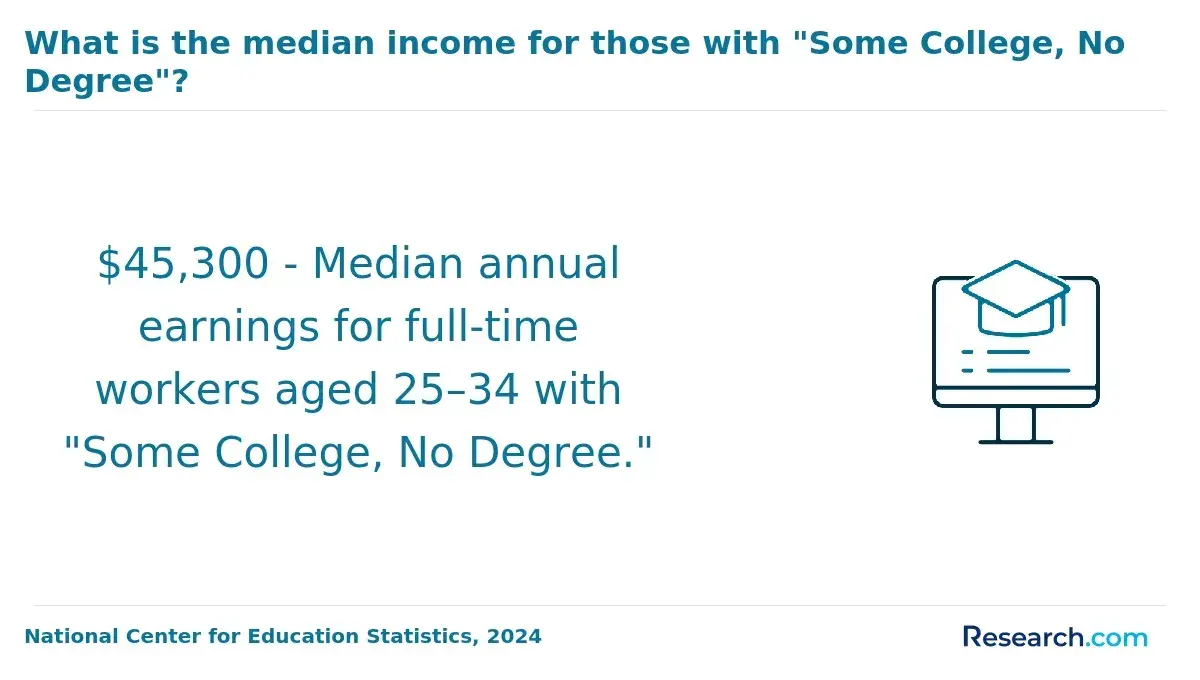
Salary ranges in environmental engineering reflect a clear progression aligned with experience and responsibility. Entry-level roles typically offer between $58,000 and $75,000 annually, where foundational skills like site evaluations and regulatory basics are developed, as noted by the U.S. Bureau of Labor Statistics and LinkedIn Salary Insights for 2024. Mid-career professionals with five to ten years' experience earn roughly $75,000 to $105,000, a range that corresponds with increased project management duties and client interactions, particularly in consulting and government sectors. At the senior level, compensation climbs to $105,000-$140,000 or higher, driven by leadership, strategic oversight, and specialized expertise, with advanced degrees and certifications often serving as critical differentiators in this competitive tier.
Variations in these salary bands stem from multiple intersecting factors: industry sector, regional economic conditions, and the scarcity of technical skills in emerging environmental fields. Urban areas with elevated living costs and stringent environmental regulations push salaries upward, while employer type-whether large consultancy, energy firm, or public agency-shapes pay scales due to differing operational budgets and project scopes. Specializations such as climate resilience or sustainable infrastructure command premiums, underscoring how employers reward cutting-edge expertise amid rising regulatory complexity. Beyond formal qualifications, the ability to navigate interdisciplinary demands and regulatory landscapes directly influences compensation, reflecting broader labor market dynamics where technical depth and management skills drive wage differentiation.
One recent environmental engineering graduate recalled applying to programs during a rolling admissions cycle, experiencing uncertainty as acceptance notifications arrived sporadically over several months. This unpredictable timing complicated strategic planning around internship offers and relocation. The graduate emphasized the value of starting early with application materials and maintaining flexibility, noting how initial hesitation to submit applications due to incomplete credentials gave way to urgency as opportunities tightened. Navigating this process imparted lessons on balancing thorough preparation with practical timing-an insight echoed in managing career progression within a field where wait times and competitive positioning continue to influence outcomes.
Which Industries Are Hiring the Most Environmental Engineering Graduates?
Demand for environmental engineering graduates is concentrated in industries undergoing substantial transformation, workforce growth, or critical skill shortages. These sectors are driven by evolving regulatory landscapes, sustainability imperatives, and the integration of advanced technologies requiring specialized expertise. Hiring activity thus reflects broader economic shifts where environmental impact mitigation and regulatory compliance have become central operational priorities.
- Government Agencies: Public sector employers, including federal, state, and local entities, are expanding recruitment to meet growing regulatory enforcement and infrastructure needs tied to climate resilience, water quality, and pollution control. Over a quarter of environmental engineers work in this sector, which prioritizes skills in policy adherence, environmental impact analysis, and project management to support large-scale public initiatives.
- Environmental Consulting Firms: Consulting companies are hiring aggressively to advise private and public clients on compliance with tightening environmental regulations and to conduct environmental site assessments. These firms seek graduates proficient in data analysis, risk evaluation, and sustainable development solutions, reflecting increased demand for technical expertise and client-facing communication capabilities.
- Manufacturing and Energy Companies: Industries focusing on waste reduction, resource efficiency, and regulatory compliance drive hiring to improve operational sustainability. The incorporation of renewable energy technologies has also boosted demand for engineers skilled in designing environmentally sound processes. National industry reports highlight a 10% rise in openings annually, emphasizing competencies in process optimization and regulatory navigation.
- Water and Wastewater Management: Growing infrastructure investments and stricter environmental standards in this sector propel the need for experts who can innovate treatment systems and ensure regulatory compliance. Technical proficiency in systems engineering and an understanding of environmental regulations are key hiring criteria.
How Does Hiring Demand Vary by State, Region, and City?
Hiring demand for environmental engineering roles shows marked variation across states and broader regions, shaped by the economic and regulatory environments unique to each area. States like California, Texas, and New York consistently lead in openings due to concentrated investments in green energy, water management, and remediation projects, which reflect local policy priorities and industry presence. According to labor market data from the U.S. Bureau of Labor Statistics and regional workforce analytics, the West Coast benefits from aggressive climate initiatives and a robust tech sector focused on sustainability, boosting demand for specialized skills. Meanwhile, the Southeast sees moderate growth tied to coastal resilience and waste management but often at lower salary bands due to cost-of-living differences and fewer corporate sustainability programs. Understanding these dynamics is critical for environmental engineering job seekers evaluating geographic mobility and sector-specific skill alignment within diversified regional labor markets covering environmental engineering job demand by state and metro area.
At the city level, demand intensifies where urban centers cluster industries needing environmental expertise, such as tech hubs, healthcare systems, and infrastructure-heavy metros. Cities like San Francisco, Seattle, and Boston exhibit the highest concentrations of roles and compensation levels, powered by dense employer ecosystems and municipal initiatives that elevate competition and candidate requirements. Infrastructure development and local talent pipelines further differentiate hiring across metros, with mid-sized cities in states like Colorado and Minnesota emerging as cost-effective alternatives offering steady demand. Prospective candidates should weigh salary premiums against higher living expenses and tighter talent pools. Those considering advanced credentials can explore options like an MBA entrepreneurship online to enhance their adaptability in these complex job markets.
What Skills Are Employers Prioritizing in Environmental Engineering Job Postings?
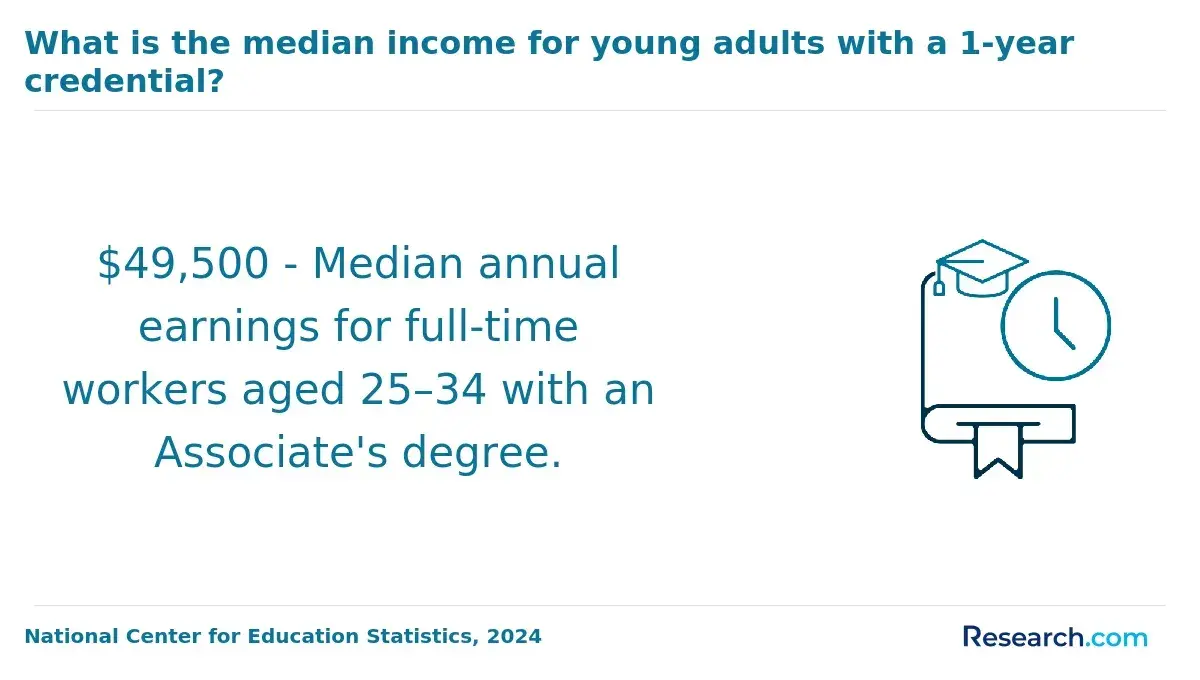
Employer demands in environmental engineering roles are shifting in response to advancing technologies, regulatory complexity, and the increasing need for interdisciplinary problem-solving. Skill requirements appear less static and more tied to the dynamic nature of industry transformation, where automation, data-driven decision-making, and sustainability initiatives intertwine. These evolving expectations reflect how environmental engineers must blend technical prowess with regulatory insight and adaptive soft skills to remain competitive. Current hiring trends reveal a nuanced shift toward multifaceted capabilities rather than isolated technical knowledge.
- Data Analysis and Environmental Software Proficiency: Familiarity with tools like geographic information systems (GIS), AutoCAD, and statistical modeling software is highly sought after because these enable engineers to efficiently interpret complex environmental data and design compliant, innovative projects. This competency is essential as employers rely on digital technology to drive precise environmental assessments and optimize resource management.
- Regulatory Expertise: Mastery of laws such as the Clean Water Act and Clean Air Act signals readiness to navigate stringent compliance landscapes, which are central to project approval and risk mitigation. The heavy regulatory environment underscores the necessity for engineers who can integrate legal requirements seamlessly into design and operational activities, thereby reducing delays and ensuring alignment with environmental standards.
- Project Management: The capacity to lead multidisciplinary teams, manage budgets, and control project timelines is increasingly embedded in environmental engineering roles because technical solutions often require coordinated execution. Employers place significant value on engineers who can balance technical accuracy with resource management, reflecting the profession's growing complexity and accountability.
- Communication and Leadership Skills: As nearly half of hiring managers recognize, the ability to clearly communicate complex findings and guide teams is critical for bridging technical and stakeholder divides. These skills improve project cohesion and effectiveness, especially in roles interfacing with clients, regulators, or public entities.
- Adaptability and Problem-Solving: With technological innovation accelerating, environmental engineers must demonstrate flexibility to incorporate emerging systems such as renewable energy integration and climate forecasting tools. Problem-solving capabilities allow engineers to navigate uncertain conditions while balancing cost constraints and sustainability goals, making this skill vital for long-term employability.
Which Certifications Increase Employability and Salary Potential?
Certifications in environmental engineering act as crucial markers of specialized expertise, technical competence, and readiness for industry challenges. These credentials complement formal education by validating practical skills employers seek, especially as regulatory complexity and sustainability demands grow. Holding targeted certifications can sharpen a candidate's differentiation in a competitive labor market, influencing both hiring decisions and salary levels.
- Professional Engineer (PE) License: Recognized widely as a standard for technical proficiency and professional accountability, the PE license signals mastery in engineering fundamentals and ethical practice. Employers often link this credential with a 15% to 25% salary premium, reflecting its alignment with stringent industry standards and leadership expectations in environmental projects.
- Certified Environmental Engineer (CEE): This certification validates specialized environmental engineering knowledge beyond general licensure. CEE holders frequently experience faster job placement and report about 10% higher median wages, underscoring employer demand for candidates who demonstrate disciplined application of environmental principles in complex regulatory contexts.
- Project Management Professional (PMP): As integration between engineering and project execution intensifies, PMP certification affirms a candidate's capability to lead multidisciplinary teams and deliver projects on time and budget. It bridges technical skills with operational management, making PMP holders more attractive where employers prioritize practical project delivery and coordination.
- Leadership in Energy and Environmental Design Accredited Professional (LEED AP): With sustainability gaining priority, the LEED AP credential is increasingly preferred for roles focused on green infrastructure and eco-friendly site design. About 40% of employers surveyed in 2024 cite LEED AP as a desirable qualification, reflecting its value for candidates versed in contemporary environmental standards and sustainable building practices.
One graduate recalled hesitating between pursuing the PE license immediately or waiting to gain more field experience first. During the rolling admissions for the licensing exam, she faced uncertainty about when to apply given the exam schedules and her current workload. She decided to postpone her application by a year, prioritizing on-the-job learning before dedicating the necessary months for exam preparation. This strategic delay felt risky but allowed her to balance practical experience with certification readiness, ultimately improving her confidence and passing results. This example highlights the nuanced timing considerations candidates must navigate when translating certification choices into tangible employability and salary gains.
How Do Remote and Hybrid Opportunities Affect the Environmental Engineering Job Market?
Remote and hybrid opportunities are reshaping hiring trends within environmental engineering careers, driven by the growing emphasis on data analysis, regulatory compliance, and project management tasks that can be conducted off-site. According to recent labor market analyses from 2024, employers increasingly extend candidate searches beyond local geographies, reflecting a shift facilitated by digital tools and virtual collaboration platforms. Although the traditional expectation for on-site fieldwork persists, a notable portion of roles now accommodate hybrid workflows, combining remote and site-based responsibilities to optimize both operational needs and employee preferences. These changes align with broader workforce trends seen across related STEM fields, impacting talent sourcing and the structure of environmental engineering roles.
The broader impact of remote and hybrid models includes expanding geographic mobility for candidates and introducing wage normalization pressures, particularly where organizations adjust salaries based on regional cost-of-living disparities. This can lead to compressed pay scales in major urban centers, affecting overall compensation competitiveness. Additionally, employers now prioritize strong digital communication abilities and proficiency with remote collaboration tools alongside established technical skills, intensifying competition among applicants. Workers with blended expertise capable of navigating hybrid workflows tend to have greater access to emerging opportunities. For those exploring degree options and related credentials, understanding these shifts is vital; early-career professionals should balance technical development with adaptability to hybrid environments. Prospective students might also consider affordability and flexibility in education paths such as a cheapest online MBA to complement technical skills, which some employers increasingly value. These evolving dynamics signal a transforming job market where remote environmental engineering job opportunities in the United States reshape long-term career trajectories.
Which Environmental Engineering Careers Show the Strongest Long-Term Hiring Momentum?
Long-term hiring momentum in environmental engineering careers reflects deep structural changes in industrial practices and regulatory frameworks rather than transient job market shifts. This momentum is shaped by enduring economic and technological trends driving sustained workforce demand, particularly in areas focused on sustainability and infrastructure resilience. Understanding these forces aids prospective professionals in making informed decisions aligned with evolving labor market realities and environmental priorities.
- Water Resources and Wastewater Treatment Engineers: Persistent aging infrastructure alongside tightening regulatory standards creates steady demand for engineers skilled in water quality management and advanced treatment technologies. The emphasis on resilient system design to address climate variability further anchors this role's long-term stability.
- Renewable Energy Project Engineers: Rising deployment of solar, wind, and other renewable projects, driven by decarbonization policies and corporate sustainability goals, sustains hiring growth. These engineers integrate cutting-edge technology and regulatory compliance, ensuring ongoing opportunities as the energy sector transforms.
- Environmental Remediation Specialists: The ongoing need to address contaminated sites and hazardous waste management under evolving environmental standards maintains consistent demand. Public and private sectors rely on professionals adept in complex cleanup and compliance, reaffirming the role's resilience amid regulatory shifts.
- Professionals Skilled in GIS and Environmental Data Analysis: Technological advances make spatial analysis and environmental modeling critical for decision-making and regulatory reporting. Proficiency in these tools offers a measurable advantage in hiring competitiveness, reflecting a broader labor trend toward data-driven environmental solutions.
The U.S. Bureau of Labor Statistics projects an 8% growth rate for environmental engineers through 2032, outpacing the average for all occupations, underscoring the sustained demand across these specialties. For individuals weighing educational pathways, such nuanced labor market data offers essential guidance beyond surface-level job counts or salary statistics. Prospective students benefit from programs that emphasize skill development in these growth areas while maintaining adaptability to future technology and regulatory changes.
Given the critical and evolving role of environmental engineers, those considering a specialized study, such as an online electrical engineering bachelor degree for veterans, should integrate environmental engineering trends into their broader workforce strategy. Awareness of long-term hiring momentum helps align educational investments with realistic employment outcomes and evolving employer needs.
Long-term environmental engineering job growth trends in the United States indicate that sustained demand corresponds closely with structural shifts in infrastructure and energy policy rather than short-term economic cycles. Continuous skill development focused on emerging technologies and compliance frameworks remains crucial for maintaining relevance in a competitive hiring environment.
How Can Students Use Job Market Data to Make Better Career Decisions?
Students pursuing environmental engineering should leverage up-to-date job market data, such as labor reports, hiring platforms, and salary databases from 2024 onward, to assess sector-specific demand and compensation dynamics. This targeted analysis reveals which specializations-like sustainable design or water resource management-show growth potential, helping clarify which skills and certifications might increase employability. Examining hiring momentum across industries such as renewable energy or urban infrastructure also signals where employers are investing, enabling students to align their education with sectors exhibiting robust openings rather than saturated or declining fields.
When interpreting this data, students must weigh immediate hiring prospects against long-term career stability, geographic demand variations, and skill alignment with evolving employer expectations. Overemphasizing short-term trends risks narrowing options prematurely, so integrating labor market insights with personal interests and professional goals creates a more resilient framework for planning. Ultimately, thoughtful interpretation of environmental engineering labor data supports strategic decision-making that balances realistic job availability with sustained capacity for growth and adaptability.
References
- Environmental Engineer Job Description (Salary, Skills) https://www.goconstruct.org/construction-careers/what-jobs-are-right-for-me/environmental-engineer
- Environmental Engineer (m/f/d) Salary, Tasks & Jobs | Hays https://www.hays.de/en/job-profiles/environmental-engineer
- What does an environmental engineer do? https://ppi2pass.com/resources/fe-exam/what-environmental-engineers-do
- Top Engineering Certifications for Career Growth & Higher Salaries - Blue Signal Search https://bluesignal.com/2025/02/20/top-engineering-certifications-for-career-growth-higher-salaries/
- Environmental Job Market Trends | ECO Canada https://eco.ca/research-and-resources/environmental-job-market-trends/
- Navigating the Green Job Market: Tips and Advice for Job Seekers | EuroBrussels https://www.eurobrussels.com/article/819/navigating-the-green-job-market-tips-and-advice-for-job-seekers
- Greener Careers https://greenercareers.co.uk/blog/remote-environment-jobs-work-green-from-anywhere
- How to Hire an Environmental Engineer: 2026 Guide https://ehscareers.com/employer-blog/how-to-hire-environmental-engineer-2026-guide/
- targetjobs https://targetjobs.co.uk/careers-advice/engineering/what-skills-do-engineering-employers-look
- 500+ Water Jobs (Updated Today) – Free to Apply https://jobs.watertechintel.com/blog/remote-environmental-engineering-jobs
Other Things You Should Know About Environmental Engineering
Early-career professionals face a tradeoff between deep specialization in niche areas like water treatment design or environmental remediation and acquiring diverse project experience across regulatory compliance, impact assessments, and consulting. Employers often value well-rounded candidates who can adapt to multifaceted roles, particularly in smaller firms. Prioritizing breadth initially can open more opportunities and clearer career pathways, while specialization may be best reserved for those targeting highly technical roles or advanced research positions later in their careers.
Salary bands for environmental engineering roles can differ significantly by region, but higher pay often coincides with increased cost of living and workload expectations. Candidates must weigh whether salary increases meaningfully improve net compensation after expenses. In some cases, accepting slightly lower pay in regions with robust, steady hiring momentum and lower living costs may result in better long-term job stability and work-life balance.
Sectors experiencing slow hiring momentum, such as some traditional manufacturing or legacy infrastructure roles, might limit growth and promotion opportunities. Environmental engineers should evaluate the pace of innovation and regulatory change within target industries and prioritize sectors displaying clear investment in sustainability initiatives. Making career decisions aligned with dynamic sectors reduces the risk of stagnation and enables continuous skill development to maintain employability.
Advanced degrees may enhance candidacy for research-heavy roles or management tracks but can delay workforce entry and salary growth. In hiring environments where practical, hands-on experience drives job offers, prioritizing internships, co-ops, or project-based work yields more immediate employability gains. Candidates should evaluate employer expectations in their target subfields and balance degree progression against opportunities for real-world application and networking.