2027 Regional vs National Accreditation for Online Agriculture Bachelor's Degrees

Co-Founder and Chief Data Scientist
Consider a student with an associate degree aiming to pursue an online agriculture bachelor's degree while working full-time. The student worries whether credits earned at a college with national accreditation will transfer smoothly to a regional institution later, enabling pursuit of a graduate program in agricultural science.
Employers in the agriculture industry and graduate admissions committees often weigh accreditation status heavily, influencing hiring and acceptance decisions. According to the National Center for Education Statistics, 38% of online agriculture bachelor's graduates switch institutions or pursue further education within five years.
This article examines how regional and national accreditation affect transferability, academic rigor, and career outcomes to guide informed choices.
Key Benefits of Regional vs National Accreditation for Online Agriculture Bachelor's Degrees
- Regional accreditation is widely recognized for academic rigor, enhancing credibility and acceptance by employers and graduate schools compared to many nationally accredited programs.
- Credits from regionally accredited online agriculture degrees typically transfer more easily, supporting student mobility and eligibility for advanced graduate programs.
- National accreditation often suits career-focused students seeking quick certification, while regional accreditation better supports those pursuing research, advanced degrees, or professional licenses.
What Is the Difference Between Regional and National Accreditation for an Online Agriculture Bachelor's Degree?
Regional and national accreditation represent two distinct systems for evaluating online Agriculture bachelor's degree programs in the U.S. Regional accreditation is awarded by bodies that oversee institutions within specific geographic areas, focusing on rigorous academic standards and comprehensive institutional reviews.
In contrast, national accreditation is typically granted by agencies that specialize in schools with particular missions, such as vocational, technical, or career-oriented education, and often have more flexible or specialized criteria. The scope of regional accreditation is broader and generally considered more prestigious because it evaluates overall academic quality, faculty, and student services.
Reflecting broader trends in online education, about 37% of U.S. students enrolled in distance learning attend nationally accredited institutions, illustrating its growing role in accessible higher education options.
The practical effects of regional versus national accreditation are notable when considering credit transfer, professional recognition, and graduate school acceptance. Degrees from regionally accredited universities in Agriculture usually have wider acceptance among employers, graduate programs, and other colleges, facilitating smoother credit transfer and advanced study.
Meanwhile, national accreditation might restrict transferability to regionally accredited institutions and could be less favored by some employers or graduate schools that prioritize regional standards. However, national accreditation remains a valid option for students focused on applied or technical careers within Agriculture.
For those exploring flexible options, resources like easy bachelor degrees online highlight varied pathways in higher education.
Which Agencies Provide Regional Accreditation for Online Agriculture Bachelor's Degrees?
Regional accreditation in the United States is granted by a limited number of recognized accrediting bodies that evaluate colleges and universities based on rigorous academic quality and institutional standards. This form of accreditation is widely respected, with over 3,000 institutions holding regional accreditation, ensuring credits earned are transferable and degrees are valued by employers and graduate programs.
These regional accreditation agencies for online agriculture degrees play a crucial role in maintaining high educational standards across geographic regions.
- Middle States Commission on Higher Education (MSCHE): This agency accredits institutions in Delaware, the District of Columbia, Maryland, New Jersey, New York, Pennsylvania, and Puerto Rico, covering a significant portion of the Mid-Atlantic region.
- New England Commission of Higher Education (NECHE): NECHE oversees colleges and universities in Connecticut, Maine, Massachusetts, New Hampshire, Rhode Island, and Vermont, ensuring quality in the New England area.
- Higher Learning Commission (HLC): Responsible for accrediting institutions across 19 central states, including Illinois, Indiana, Iowa, Michigan, Minnesota, and Ohio, HLC supports consistent academic standards in the Midwest.
- Southern Association of Colleges and Schools Commission on Colleges (SACSCOC): This commission accredits schools in Alabama, Florida, Georgia, Kentucky, Louisiana, Mississippi, North Carolina, South Carolina, Tennessee, Texas, and Virginia, serving much of the southern United States.
- Western Association of Schools and Colleges Senior College and University Commission (WSCUC): WSCUC covers California, Hawaii, and Pacific territories, providing accreditation to institutions in the westernmost U.S. regions.
- Northwest Commission on Colleges and Universities (NWCCU): Covering Alaska, Idaho, Montana, Nevada, Oregon, Utah, and Washington, NWCCU is known for northwest commission accreditation in agriculture programs, assuring quality education in these states.
Each of these commissions ensures that online agriculture programs meet standards equivalent to those of traditional campus programs, supporting the transferability of credits and maintaining academic integrity. Prospective students considering an online agriculture bachelor's degree can trust that regional accreditation provides a solid foundation for career and graduate school opportunities.
For those researching options, exploring the best bachelor degrees can be an important step in career planning.
What Are the Main National Accrediting Bodies for Online Agriculture Bachelor's Degree Programs?
National accreditation in the United States is awarded by agencies that oversee institutions focusing on career-driven, technical, or specialized education across multiple states. This form of accreditation differs from regional accreditation by targeting schools that emphasize industry-specific programs and workforce preparation.
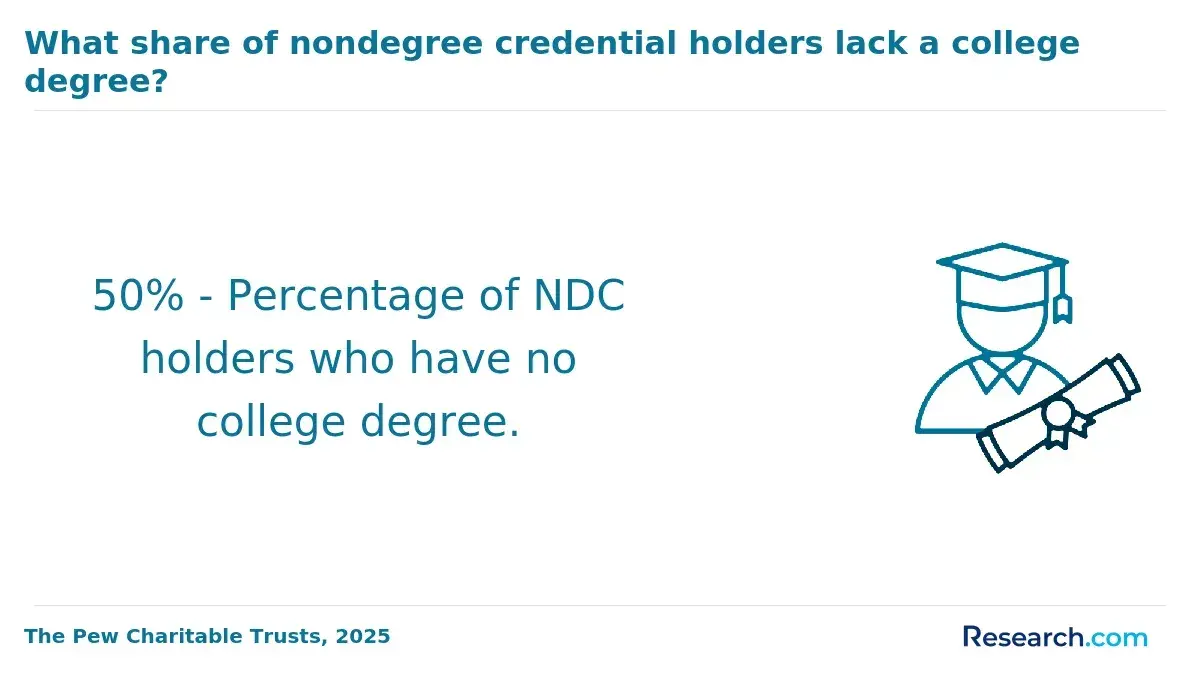
About 6% of higher education institutions in the U.S. hold national accreditation, highlighting their niche in certifying career and technical programs. The primary national accrediting organizations associated with online agriculture bachelor's degrees include:
- Accrediting Commission of Career Schools and Colleges (ACCSC): Accredits career-centered postsecondary institutions, emphasizing vocational and technical education. Recognized by the U.S. Department of Education, ACCSC supports quality in applied degree programs.
- Distance Education Accrediting Commission (DEAC): Focuses on fully online schools providing distance learning, including specialized agriculture degrees. DEAC ensures online education meets high academic and administrative standards.
- Council on Occupational Education (COE): Accredits schools offering occupational and technical programs, including agriculture-related fields. COE supports institutions geared toward career-focused training.
- National Association of Trade and Technical Schools (NATTS): Although less prevalent, NATTS recognizes institutions specializing in trades and technologies, covering applied agriculture and horticulture programs.
These accrediting bodies play essential roles in validating programs for students seeking practical, workforce-oriented agriculture education that may differ from traditional university pathways.
How Do Admission Requirements Vary by Accreditation Type for an Online Agriculture Bachelor's Degree?
Programs with regional accreditation generally have more rigorous admission standards for online agriculture bachelor's degrees. Applicants typically must submit official high school transcripts or equivalent records and standardized test scores like the SAT or ACT, although some institutions may waive these tests.
The application process often requires essays or personal statements to demonstrate academic readiness. These requirements reflect the selective nature of regionally accredited schools, which tend to prepare students for advanced study or careers demanding strong academic backgrounds. According to data from 2022, such institutions report an average acceptance rate near 65%, indicating moderate competitiveness.
Conversely, nationally accredited programs tend to prioritize accessibility and flexibility in their admissions. They often require only a high school diploma or GED, with fewer supporting documents needed, and frequently do not mandate standardized test scores.
These programs may also welcome applicants from non-traditional educational paths or those seeking expedited enrollment options, benefiting working adults or individuals changing careers. This approach broadens eligibility and simplifies entry for a diverse student body, emphasizing inclusivity over selectivity.
A graduate of an online agriculture bachelor's degree program shared that her application to a nationally accredited school was straightforward but still involved navigating some uncertainty about document submission and timing. She recalled feeling relieved that the process accommodated her unique work schedule and educational background.
She noted, "It wasn't just about meeting strict criteria; they really seemed to understand my situation." This experience illustrated how flexibility in admissions can ease the path for students balancing life commitments alongside their academic goals.
How Does Online Agriculture Bachelor's Degree Tuition Differ by Accreditation Type?
Tuition for online agriculture bachelor's degree programs varies significantly depending on whether the institution holds regional or national accreditation, as well as on the school's structure and program design. Typically, regionally accredited programs charge 15% to 30% more than nationally accredited ones, reflecting differences in service scope and academic resources.
This cost variance influences how students assess the value and affordability of their education.
- Pricing Models: Regionally accredited programs often use semester-based pricing, which may bundle fees for campus resources and student services, even for online learners. Nationally accredited schools generally charge per credit hour, offering pricing flexibility but sometimes extra costs for materials or technology access.
- Overall Cost: Regionally accredited degrees usually come with higher base tuition due to their broader academic offerings and faculty qualifications. In contrast, nationally accredited programs tend to have lower sticker prices but may add fees that increase total expenses.
- Included Fees: Tuition at regionally accredited institutions often covers ancillary services, limiting unexpected charges. Nationally accredited programs might require additional payments for course-related items, affecting final costs.
- Value Considerations: While national accreditation can reduce upfront expenses, the focused curricula may impact credit transfer and graduate school opportunities, important factors in an online agriculture bachelor's degree tuition comparison by accreditation.
- Related Fields: Prospective students interested in practical, accelerated pathways might explore other disciplines, such as a construction management bachelor degree, which shares some similar cost and accreditation considerations.
Can I Get Financial Aid for Both Types of Accredited Online Agriculture Bachelor's Degrees?
Financial aid options for online agriculture bachelor's degrees depend largely on whether the school holds regional or national accreditation and its participation in aid programs. Approximately 85% of undergraduate students receive some type of financial assistance, emphasizing its vital role in funding higher education.
Below is a comparison of how financial aid applies to these two accreditation types.
- Federal Student Aid: Regionally accredited institutions almost always qualify for federal grants and loans like Pell Grants and Direct Subsidized Loans, making these funds broadly accessible. Nationally accredited schools might participate in federal aid programs, but many do not, which can restrict students' eligibility.
- State Grants and Scholarships: State-specific financial aid usually requires attending a college recognized by that state's education department. Regionally accredited schools typically meet this criterion, whereas nationally accredited ones may have inconsistent access depending on the state, limiting available aid.
- Institutional Aid: Both kinds of schools may offer their own scholarships and grants, but regionally accredited colleges are often able to provide more substantial support because of larger endowments and funding resources.
- Private Loans: Private lenders base loan approval mostly on credit history, so accreditation generally doesn't affect eligibility. However, the borrower's rates and loan terms might vary based on the reputation linked to the institution's accreditation type.
- Veterans Benefits: GI Bill and other veterans' education benefits may be accepted by both regional and national schools, but students should ensure the institution is certified to utilize these benefits before enrolling.
Can I Transfer Credits From a Nationally Accredited to a Regionally Accredited Online Agriculture Bachelor's Degree?
Transferring credits from a nationally accredited online agriculture bachelor's degree to a regionally accredited program can be difficult due to varying institutional policies and strict accreditation recognition standards.
Regionally accredited schools typically require comprehensive course equivalency evaluations, including course descriptions and syllabi, to ensure that transferred credits align closely with their curriculum. This often leads to limited acceptance of credits from nationally accredited institutions, as regional accreditation is generally viewed as a higher academic standard in U.S. higher education.
A common practice is that regionally accredited programs may accept transfer credits on a case-by-case basis, but many students face the need to retake courses or complete additional requirements to meet program standards. Articulation agreements between national and regional schools are rare, making early consultation with admissions or registrar offices essential for prospective students.
When asked about his experience, a student currently enrolled in an online agriculture bachelor's degree shared that the transfer process felt "overwhelming" at first, as he had to gather multiple course syllabi and detailed content outlines to even begin the credit evaluation. He noted, "The registrar's office was helpful but very strict about matching course content exactly."
Despite having completed many relevant courses, he ended up needing to retake a few core classes to align with the regionally accredited program's requirements. He described the process as "time-consuming and somewhat discouraging" but felt that understanding these challenges upfront could help others navigate their transfer journey more smoothly.
Does Accreditation Type Affect Job Opportunities After an Online Agriculture Bachelor's Degree?
Accreditation type can influence how employers perceive online agriculture bachelor's degrees, affecting job prospects based on industry standards and hiring preferences. Research shows that around 75% of employers prefer candidates with degrees from regionally accredited institutions, viewing these credentials as markers of academic rigor and reliability.
This trend shapes how employers evaluate educational backgrounds in agriculture-related fields.
- Employer Perception: Regional accreditation is often regarded as more prestigious and widely recognized, which can enhance job prospects. However, nationally accredited degrees may still be valued, especially by employers focusing on career-oriented or technical skills within agriculture.
- Industry Expectations: Roles in agricultural research, extension services, or scientific positions typically favor graduates from regionally accredited programs, as these credentials are widely accepted for further study and professional certification.
- Hiring Filters: Some companies use regional accreditation as a minimum requirement in their hiring processes, making it a potential barrier for graduates with nationally accredited agriculture degrees. This hiring filter is common in more traditional or academic sectors of agriculture.
- Role-Specific Requirements: Practical, business-oriented, or technical agriculture roles may be more flexible and accept degrees from nationally accredited schools, especially if aligned with sector-specific skills or certifications.
- Career Planning: Graduates should consider how the impact of regional versus national accreditation on agriculture degree careers aligns with their professional goals. Understanding this can inform decisions about degree programs and future opportunities, such as pursuing an online master's in communication or related fields.
Will Accreditation Affect Eligibility for Advanced Degrees After an Online Agriculture Bachelor's Degree?
Accreditation type significantly affects eligibility and admission decisions for advanced degrees after completing an online agriculture bachelor's degree. Nearly 80% of graduate programs in the U.S. require applicants to hold degrees from regionally accredited institutions, highlighting the impact of regional accreditation on graduate school admission agriculture.
This requirement often determines how degrees and credits transfer and how academic quality is perceived by graduate schools.
- Admissions Recognition: Graduate programs typically prioritize regional accreditation as a mark of academic rigor. Degrees from nationally accredited schools may face skepticism, limiting acceptance into master's or doctoral agriculture programs.
- Institutional Policies: Many universities maintain strict policies that only accept credits or degrees from regionally accredited institutions, affecting students' ability to advance in academia with nationally accredited credentials.
- Credit Evaluation: Transcripts from nationally accredited programs undergo intense scrutiny, which can lead to denial of transfer credits or prerequisite waivers compared to regionally accredited programs.
- Variability Across Schools: While most institutions emphasize regional accreditation, exceptions sometimes exist, especially in specialized fields or programs with flexible standards, meaning some nationally accredited degrees may still find pathways for advanced study.
- Career Impact: Beyond academics, the national accreditation influence on advanced degrees in agriculture can affect career opportunities, especially in fields requiring graduate credentials. Prospective students should carefully weigh accreditation when planning their educational trajectories.
Students interested in pursuing graduate education after their agriculture bachelor's degree can benefit from exploring the most in demand masters degrees to align their academic choices with recognized credentials and future career goals.
How Do I Choose Between Regional vs National Accreditation for an Online Agriculture Bachelor's Degree?
Students weighing regional versus national accreditation for an online agriculture bachelor's degree should consider how each impacts institutional recognition, academic goals, and program flexibility. Regional accreditation tends to be more broadly accepted by employers and postsecondary institutions, which is vital for those planning to transfer credits or pursue advanced degrees.
National accreditation often appeals to learners seeking specialized, career-focused programs with more flexible structures. However, credits earned from nationally accredited schools might face limitations when transferred to regionally accredited institutions. Notably, surveys indicate that over 60% of students lack awareness about these distinctions, making informed research essential.
When deciding between accreditation types, students should start by confirming the school's accreditation status through official education resources. It is crucial to review credit transfer policies, especially if future education at different institutions is likely.
Reflecting on long-term academic and career objectives helps determine which accreditation aligns better with personal goals. Understanding the implications of accreditation on degree validity and credit acceptance will guide students toward programs best suited to their aspirations in agriculture education.
What Graduates Say About Regional vs National Accreditation for Online Agriculture Bachelor's Degrees
- Shane: "Choosing a regionally accredited online agriculture bachelor's program was a game changer for me because I wanted assurance that my degree would be recognized by employers nationwide. The flexibility of online coursework allowed me to balance work and study, although staying self-motivated was sometimes challenging. Ultimately, the accreditation gave me the confidence to pursue advanced certification in sustainable farming practices, which boosted my career significantly."
- Emiliano: "I opted for a nationally accredited online agriculture bachelor's degree mainly due to its affordability and accessible curriculum tailored to modern farming techniques. While the program offered great practical knowledge, I learned to carefully evaluate course quality since national accreditation standards can vary. This degree opened doors for me in agricultural policy research, where my hands-on experience and formal education have been invaluable."
- Juni: "Reflecting on my time in a regionally accredited agriculture bachelor's online program, I appreciated the rigorous academic environment combined with the convenience of distance learning. The program's reputation helped me secure an internship that transitioned into a full-time role in agribusiness management. I recommend seeking regional accreditation when possible, as it truly enhanced my professional credibility within the agriculture sector."
Other Things You Should Know About Agriculture Degrees
Yes, online Agriculture bachelor's degrees from regionally accredited institutions tend to be more widely recognized by employers across various sectors. Regional accreditation is often considered a mark of academic quality, which can enhance graduates' credibility in the job market. This recognition can be particularly important in agriculture-related roles that require rigorous training or licensure.
Employers in agriculture-related fields can differentiate between regional and national accreditation, especially for roles requiring technical competence or advanced knowledge. Regional accreditation is typically viewed as a stronger indicator of academic rigor. However, some specialized agricultural employers may accept national accreditation if the program is well respected within the industry.
If you aim to work in agricultural research or extension services, regional accreditation is generally preferred because these positions often require advanced degrees or certifications. Regional accreditation ensures that your degree meets standards aligned with research institutions and government agencies. National accreditation may limit opportunities for further education or employment in these areas.
References
- Accreditation: National vs Regional Comparison | Online Learning https://uoflonline.com/2015/04/accreditation-national-vs-regional-comparison/
- Regionally Accredited Online Colleges: What You Need to Know | Tiffin University https://go.tiffin.edu/blog/regionally-accredited-online-colleges-what-you-need-to-know/
- UGC bans distance learning degree programmes in agriculture https://www.financialexpress.com/jobs-career/education-ugc-bans-distance-learning-degree-programmes-in-agriculture-1529057/
- When to Consider Regional Vs. National Accreditation https://www.onlineu.com/resources/college-planning/regional-vs-institutional-accreditation
- Understanding the Difference Between Regional and National Accreditation https://www.qahe.org/article/understanding-the-difference-between-regional-and-national-accreditation/
- Regional vs National Accreditation: What This Means for You https://www.uopeople.edu/blog/regional-vs-national-accreditation-whats-the-difference/