2027 Nurse Administrator Affordability by State: Where Students Pay the Most and Least

Co-Founder and Chief Data Scientist
Choosing between a Nurse Administrator program in-state with lower tuition but higher living costs versus an out-of-state option with steep tuition yet affordable housing forces students into complex financial trade-offs. A 2024 study from the National Center for Education Statistics shows that students paying out-of-state fees borrow 35% more on average, revealing how residency status sharply impacts debt levels. These disparities reflect varied state funding policies and healthcare workforce demand that directly affect program pricing. For budget-conscious students, understanding these nuanced cost drivers is critical to avoiding untenable debt and selecting a path aligned with both financial capacity and long-term career goals.
This article examines how Nurse Administrator affordability varies by state, helping students pinpoint where programs are most and least accessible financially to make smarter enrollment decisions.
Key Things to Know About Nurse Administrator Affordability by State
- States with lower published tuition often have higher out-of-state fees, limiting affordability for nonresidents; prospective nurse administrator students must weigh these tradeoffs against potential financial aid availability.
- Employer demand often favors graduates with local licensure and clinical networks, so enrolling out-of-state to save money may reduce workforce integration and long-term career opportunities.
- The 2024 National Center for Education Statistics report shows 35% of nurse administrator students borrow loans exceeding average state tuition, highlighting that total cost of attendance and living expenses critically affect debt and access timing.
- Key Things to Know About Nurse Administrator Affordability by State Key Things to Know About Nurse Administrator Affordability by State
- Which States Have the Most Affordable Nurse Administrator Degree Programs? Most Affordable State Programs
- Which States Have the Highest Nurse Administrator Degree Costs? Highest State Tuition Costs
- How Much Does a Nurse Administrator Degree Cost by State? Degree Costs by State
- Why Does Nurse Administrator Affordability Vary So Much Between States? State Affordability Variations
- How Do In-State and Out-of-State Tuition Rates Affect Nurse Administrator Affordability? In-State vs. Out-of-State Rates
- How Does the Cost of Living Impact Overall Nurse Administrator Affordability by State? Living Costs and Affordability
- Which States Offer the Best Value for a Nurse Administrator Degree? Best Value State Degrees
- What Financial Aid and Scholarship Opportunities Can Reduce Nurse Administrator Costs? What Financial Aid and Scholarship Opportunities Can Reduce Nurse Administrator Costs?
- Are Online Nurse Administrator Degree Programs More Affordable Than On-Campus Options? Are Online Nurse Administrator Degree Programs More Affordable Than On-Campus Options?
- Is a Nurse Administrator Degree Worth the Cost Based on Career Outcomes and ROI? Degree ROI and Outcomes
Which States Have the Most Affordable Nurse Administrator Degree Programs?
Affordability in nurse administrator degree programs hinges largely on state-level investment in public higher education and the structuring of tuition policies, which create significant disparities in out-of-pocket costs across the country. States that allocate a larger share of funding to universities often reduce the financial burden for residents, leveraging in-state tuition advantages and scholarship programs to maintain accessibility. This dynamic means that a prospective student in Wyoming, for example, may pay nearly 40% less in tuition than peers elsewhere, allowing for a focused educational investment without excessive debt. However, these savings may come with tradeoffs, such as fewer program options or limited campus facilities, which factors into considering where to pursue the most affordable nurse administrator degree programs by state.
Beyond tuition, the availability of online and hybrid options plays a crucial role in affordability, especially for working nurses balancing employment and study. States with developed regional university systems-such as Alabama and New Mexico-offer multiple pathways that reduce ancillary costs like housing and transportation, a practical consideration often overlooked when comparing nominal tuition expenses. Students weighing these options must consider how lower tuition combined with accessible financial aid programs and reduced living expenses aligns with their career timelines and geographic commitments. For those who need flexibility, states integrating robust online courses into their nurse administrator education options may present a more efficient path to completion and employer readiness, exemplified by the growing demand for programs like a hospital administration course online.
Which States Have the Highest Nurse Administrator Degree Costs?
Higher nurse administrator degree costs in certain states reflect deeper economic and policy dynamics beyond simple supply and demand. Elevated tuition in places like California or New York is often tied to higher living expenses and reduced state funding for public universities, which shifts financial pressure directly onto students. The predominance of private institutions with premium pricing models in these regions further intensifies overall expenses, especially since private schools typically don't benefit from state subsidies. Prospective students must, therefore, weigh if the potential regional reputation or networking advantages justify committing to substantially higher tuition, especially when online or hybrid programs offer more affordable alternatives without geographical constraints.
Residency restrictions and program availability also shape affordability, forcing out-of-state and international applicants to pay significantly more in many high-cost states. This can complicate decision-making for students debating relocation or online study, since lower in-state tuition rates elsewhere may allow for better financial outcomes despite perceived prestige differences. According to recent data from the Integrated Postsecondary Education Data System in 2024, some states see public in-state annual tuition and fees reaching upwards of $15,000, a benchmark that can double or more at private schools. Students who ignore these structural cost factors risk assuming that all nurse administrator degrees hold equal value, when in reality the return on investment will vary greatly depending on the selected state and institution's financial context.
A nurse administrator student recalled how she hesitated to commit to a well-known program in a high-cost state due to its steep out-of-state tuition, which was nearly triple her in-state options elsewhere. Although attracted by the campus's extensive clinical partnerships, she felt uncertain whether the premium justified the extra debt burden, especially as comparable hybrid programs offered flexible schedules and competitive outcomes at a fraction of the cost. Eventually, she chose an in-state university with solid employer connections, prioritizing manageable expenses over the name recognition, while planning to leverage continuing education to fill gaps later if needed. Her experience underscores the complex tradeoffs budget-conscious students face when navigating regional price disparities and balancing access with affordability.
How Much Does a Nurse Administrator Degree Cost by State?
The cost of pursuing a nurse administrator degree differs widely across states due to varying public and private institution mixes, in-state residency policies, and regional economic pressures. For instance, data from the National Center for Education Statistics in 2024 show that states like Wyoming and New Mexico offer average in-state tuition rates below $8,000 annually, while places such as Massachusetts and California can exceed $20,000 when including fees. This gap significantly influences decisions about where to study, especially for students balancing tuition costs against the potential need to relocate, which adds housing and living expenses often overlooked in tuition-focused comparisons.
Public institutions frequently provide lower tuition for residents, making state residency status a critical financial consideration; out-of-state learners often face fees that can double their total cost. Moreover, states with stronger funding for higher education tend to maintain more affordable programs, whereas high-cost regions reflect local income levels and demand for healthcare administrators, driving tuition increases. Students must weigh whether higher tuition states' often more extensive clinical placement opportunities and employer networks justify the added upfront burden or if more affordable programs elsewhere align better with their financial and career goals.
Considering these disparities is essential for strategic educational planning. Lower tuition states may offer fewer program options or limited financial aid, potentially prolonging time-to-degree or restricting specialization paths. Conversely, enrolling in high-tuition states might necessitate increased borrowing, impacting long-term financial flexibility after graduation. Balancing immediate program costs with regional job market outcomes and personal circumstances-such as the feasibility of online coursework or employer partnerships-helps prospective students make informed choices grounded in realistic expectations about total investment and post-degree employability.
Why Does Nurse Administrator Affordability Vary So Much Between States?
Variations in nurse administrator degree cost differences by state largely stem from disparities in public funding and institutional composition. States that allocate more per-student funding to public colleges typically offer lower in-state tuition, directly impacting affordability for local students. Conversely, states with constrained higher education budgets often transfer expenses to enrollees, pushing many toward private institutions where tuition is generally higher and less sensitive to residency. This dynamic shapes enrollment patterns as budget-conscious students may opt to study online or in neighboring states to manage costs, navigating complex tradeoffs between location, price, and program quality.
Cost-of-living disparities deepen accessibility challenges, with states like California and New York imposing substantially higher total expenses beyond tuition, including housing and daily living costs, which can deter potential students from pursuing nurse administrator degrees locally. Alongside these economic factors, state-specific financial aid policies critically influence whether candidates can afford programs, with certain states offering targeted grants that significantly reduce out-of-pocket burdens for healthcare administration learners. According to a 2024 Education Policy Analysis meta-study, these aid variations correlate with improved diversity and enrollment outcomes, highlighting the real impact of state policy choices on nurse administrator education affordability. For those exploring programs, understanding these layers is essential, whether considering traditional campus routes or alternatives like medical billing and coding online schools that sometimes offer cost-efficient pathways in related health administration fields.
How Do In-State and Out-of-State Tuition Rates Affect Nurse Administrator Affordability?
The disparity between in-state and out-of-state tuition rates significantly influences the financial accessibility of nurse administrator programs, often dictating whether a prospective student's choice is viable without incurring substantial debt. Public institutions typically charge out-of-state learners tuition averaging 2.5 times higher than residents, a gap that can add tens of thousands over the course of study, according to the 2024 Integrated Postsecondary Education Data System. This pricing structure forces students to weigh the benefits of enrolling locally-where residency policies, state funding priorities, and lower costs align-against potential advantages from out-of-state schools that might offer specialized faculty or stronger regional networks. For some, regional reciprocity agreements can mitigate these costs but rely on geographic and policy nuances that aren't universally available, complicating cross-state enrollment decisions.
Online program options introduce further complexity by often applying uniform tuition regardless of residency, making virtual study a financially strategic alternative for non-resident students unable or unwilling to relocate. Meanwhile, private institutions generally maintain a single tuition rate irrespective of state boundaries, shifting the conversation from residency discounts to program quality and career outcomes as primary affordability drivers. Financial aid eligibility, residency reclassification possibilities, and the interaction with living expense differentials all factor into long-term cost calculations, demanding that nurse administrator students conduct detailed, individualized cost-benefit analyses beyond headline tuition figures.
One nurse administrator student faced uncertainty when moving to a new state shortly before enrollment and found themselves classified as an out-of-state student, unexpectedly increasing tuition by nearly threefold. Despite initially hoping to establish residency quickly, the delayed reclassification forced them to reconsider program choices and budgets. Their experience underscored how residency status can abruptly shift financial planning and foster hesitation over whether paying premium rates for out-of-state status is justified relative to accessible in-state options or online alternatives. This real-world scenario highlights the tangible impact of residency policies on managing education costs within the nurse administrator pathway.
How Does the Cost of Living Impact Overall Nurse Administrator Affordability by State?
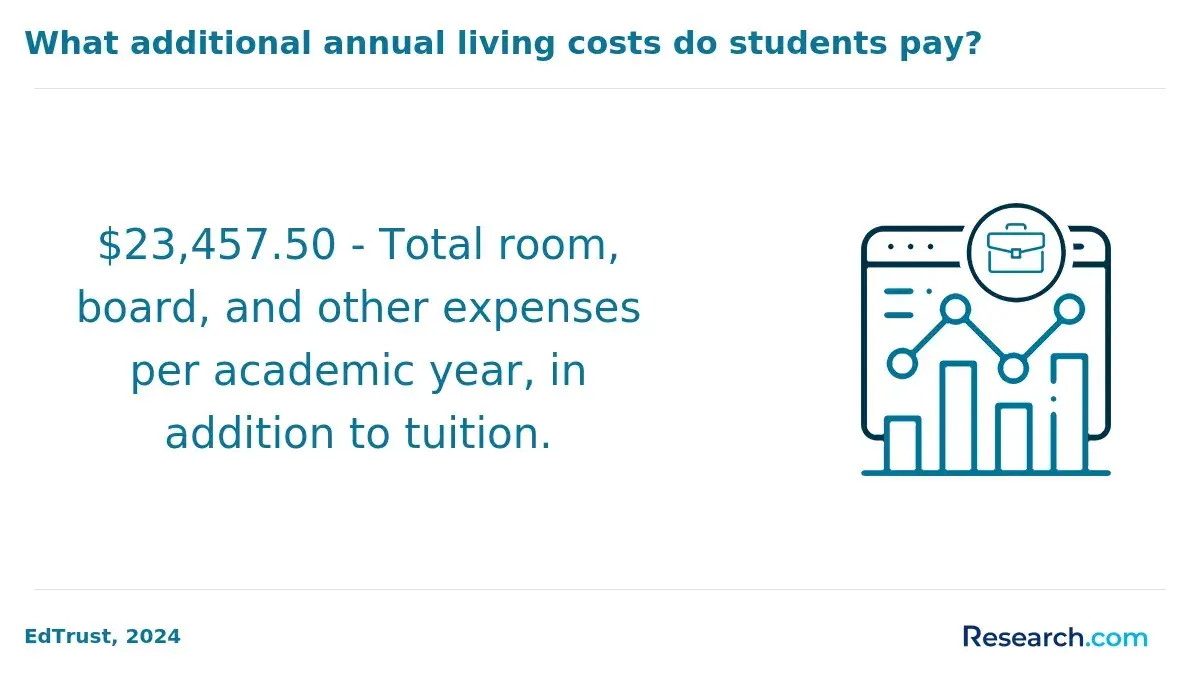
States with high living costs often mask the true expense of earning a nurse administrator degree, where housing and daily expenses can outweigh moderate tuition fees. For example, a student attending school in California faces significant rent premiums-frequently 40 to 60 percent higher than rural counterparts-which can double monthly costs and force reconsideration of commuting or online options. These regional living expenses and nurse administrator education costs critically shape financial aid requirements and debt exposure, pressing students to analyze local wage conditions and healthcare prices alongside tuition figures.
Transportation expenses further complicate these cost tradeoffs, especially in states lacking robust public transit, where car ownership adds insurance, fuel, and maintenance burdens. Meanwhile, food and healthcare costs vary notably by region, influencing budget planning over multi-year degree programs. Students must weigh these factors when comparing in-state versus out-of-state options or exploring flexible curriculum paths like online PharmD programs, which may mitigate some local expenses yet alter networking and clinical opportunities.
For prospective learners, a nuanced understanding of cost of living effects on nurse administrator degree affordability by state is essential for realistic long-term planning. States with lower tuition but steep housing or transportation costs may offer less overall value than places with moderate tuition coupled with affordable daily living. Accurately assessing these layered expenses supports informed enrollment choices and sustainable financial management throughout the educational journey.
Which States Offer the Best Value for a Nurse Administrator Degree?
Value for a nurse administrator degree hinges on more than just tuition rates; the interplay between residency-based tuition eligibility, program completion rates, and regional job prospects shapes the realistic return on investment. For instance, although Texas offers annual in-state tuition near $9,500-below the national average-its extensive public university system paired with a relatively low cost of living and a solid healthcare job market means students typically face fewer financial and employment hurdles post-graduation. Conversely, a student relocating to a higher-cost state like California might encounter steep tuition and living expenses that offset potentially stronger employer networks, highlighting how affordability is deeply context-dependent rather than simply about sticker price.
North Carolina's alignment of curricula with workforce demands and accessible financial aid reduces median student debt, approximately $23,000 for nurse administrator graduates, which can ease early-career financial pressure and enable smoother transitions into hospital and long-term care administrative roles. Meanwhile, Florida's healthcare sector growth, driven by its aging population, offers accelerating employment opportunities, justifying investments despite tuition averaging slightly higher than Texas. Prospective students must weigh these localized labor market dynamics alongside institutional support mechanisms and completion success, as programs with graduation rates near 70% or above significantly increase the chances of timely degree attainment and subsequent employment, thereby enhancing overall value.
Choosing where to study involves balancing tradeoffs among tuition costs, living expenses, financial aid availability, and regional demand for nurse administrators. States like Ohio and Georgia present comparable cost-to-quality ratios with supportive funding and completion outcomes, whereas high-cost hubs such as New York pose greater financial challenges despite rich healthcare infrastructures. For budget-conscious students, securing residency to qualify for in-state tuition or pursuing accredited online programs that maintain strong employer recognition can be decisive strategies. Ultimately, evaluating nurse administrator program value requires integrating financial realities with post-degree employment prospects, not relying solely on nominal tuition figures.
What Financial Aid and Scholarship Opportunities Can Reduce Nurse Administrator Costs?
Financial aid availability significantly shapes the actual cost of pursuing a nurse administrator degree, with state policies and institutional sources playing pivotal roles in affordability. For example, a student in Texas may benefit from extensive merit-based scholarships tied to large healthcare systems, reducing costs substantially compared to a peer in a high-cost state with fewer funding options. Federal grants like Pell Grants primarily target undergraduates but can indirectly affect nurse administrator candidates through institutional eligibility windows or combined aid packages. However, aid stacking limitations and renewal requirements frequently constrain how much financial support can be applied concurrently, making application timing and ongoing academic performance crucial factors in financial planning.
State-based aid and tuition reciprocity agreements often allow candidates to leverage lower rates by enrolling in neighboring states, but eligibility criteria-such as residency status and enrollment intensity-can restrict these options, particularly for part-time working professionals balancing employment with study. Employer-sponsored tuition benefits are another key consideration; while many healthcare employers offer partial or full tuition reimbursement, these often require service commitments that limit geographic and professional mobility after graduation. According to the National Center for Education Statistics (2024), nearly 70% of graduate nursing leadership students receive some financial aid, which can reduce direct expenses by up to 40%, but this varies widely by location and program structure.
Are Online Nurse Administrator Degree Programs More Affordable Than On-Campus Options?
Online nurse administrator degree programs can offer meaningful cost advantages, but affordability varies significantly based on tuition structures, state residency rules, and additional fees. While a 2024 NCES report notes that average online graduate nursing tuition is 15% to 30% lower than campus-based options, this saving can be offset by technology fees and at-home study expenses that differ by state. Students living in states with high campus fees and living costs often see clearer financial benefits from online formats, whereas those in regions with strong public in-state discounts may find the cost gap less distinct. The cost comparison of online versus on-campus nurse administrator programs must also factor in expenses like housing, commuting, and meal plans, which on-campus students incur but online learners generally avoid.
Financial aid access plays a pivotal role, with many federal and institutional grants restricted by program delivery format, leading some online students to rely more heavily on employer tuition reimbursement programs. This trend reflects the real-world scheduling flexibility online programs provide, enabling working professionals to maintain income while studying. However, on-campus programs sometimes deliver richer clinical placements and networking opportunities that can affect employability outcomes, an important consideration for those weighing affordability against long-term career benefits. Prospective students should also consider state-specific pricing differences and policies when seeking the most financially viable route to a nurse administrator degree.
For budget-conscious learners, evaluating how long does it take to become a nurse practitioner alongside program affordability provides clarity on time investment versus cost. While online options generally reduce opportunity costs for full-time employees, the practical realities of tuition pricing, aid eligibility, and regional living costs should inform decisions. Those researching online nurse administrator degree affordability in the United States must weigh these nuanced factors together for a realistic understanding of financial impact, rather than presuming inherent online savings.
Is a Nurse Administrator Degree Worth the Cost Based on Career Outcomes and ROI?
Variations in tuition and state-specific labor markets heavily influence the nurse administrator degree return on investment in the United States, making affordability a critical consideration for prospective students. For example, pursuing this degree in California or New York often involves higher upfront costs, which can extend debt repayment periods despite strong local demand for healthcare managers. In contrast, states like Texas and Florida offer more cost-effective programs paired with favorable graduation rates, resulting in a lower financial burden and a quicker path to workforce entry. Students should also evaluate completion times carefully, as lingering beyond typical program lengths can amplify tuition expenses and opportunity costs.
Career outcomes and salary potential for nurse administrator graduates by state reveal that median wages near $105,000 suggest a competitive earnings advantage over registered nurses nationally. Still, geographic factors like living costs and job availability create a complex ROI landscape that extends beyond basic salary figures. Effective decision-making requires balancing program quality, institutional reputation, and career alignment with local healthcare market dynamics. Budget-conscious students may also find value in exploring related options, such as easiest counseling degree programs, to identify pathways that match their financial and professional expectations.
References
- How Much Do Nurse Administrators Make? – Nursing Education https://nursingeducation.org/careers/nurse-administrator/salary/
- Importance of Cost of Living | Goldwater Institute https://www.goldwaterinstitute.org/cost-of-living/
- Is A Master’s Degree in Healthcare Management A Good Investment? - Healthcare Management Degree Guide https://www.healthcare-management-degree.net/faq/is-a-masters-degree-in-healthcare-management-a-good-investment/
- Best States for Nurses Based on Pay and Opportunity | USAHS https://www.usa.edu/blog/the-best-states-for-nurses/
- What drives health spending in the U.S. compared to other countries? - Peterson-KFF Health System Tracker https://www.healthsystemtracker.org/brief/what-drives-health-spending-in-the-u-s-compared-to-other-countries/
- Health Care Costs and Affordability | KFF https://www.kff.org/health-costs/health-policy-101-health-care-costs-and-affordability/
- Nursing Loan Repayment, Scholarship, and Grant Programs https://bhw.hrsa.gov/nursing-programs
- The Role of Nurses in Cost Savings & Efficiency - SpendMend https://spendmend.com/the-role-of-nurses-in-cost-savings-efficiency/
- Nurse Administrator Salary: What Leaders in Nursing Make https://betternurse.org/nurse-administrator-salary/
- Healthcare Administrator ROI Guide https://www.healthadministrationdegrees.com/articles/healthcare-administrator-roi-guide/
Other Things You Should Know About Nurse Administrator
Program structures vary widely between states, influencing both cost and time to completion, which are critical affordability factors. Some states offer accelerated or competency-based programs that allow students to finish faster, reducing living expenses and lost income, while others require longer clinical practicums or credit hours, increasing costs. Students should prioritize programs that balance affordability with accreditation and employer recognition to avoid paying less upfront only to face hurdles in licensure or job placement later.
Lower tuition in some states might come with fewer local job prospects for nurse administrators, potentially undermining affordability over the long term if graduates need to relocate or accept lower salaries. Prioritizing program cost without examining employer demand risks limited return on investment. Students should consider both upfront tuition and the strength of local healthcare networks and administrative job openings to ensure that affordability translates into timely and well-remunerated employment.
High-cost states often provide access to more prestigious programs with stronger healthcare industry connections, which can improve employment outcomes and salary prospects post-graduation. However, this advantage is not guaranteed and depends on the program's reputation and networking capabilities. For budget-conscious students, weighing these potential long-term benefits against immediate financial strain is critical. If employer recognition and opportunities in the program state are limited, paying extra may not yield proportional career returns.
Employer preferences for nurse administrator qualifications can vary by region, with some states emphasizing advanced leadership credentials, while others focus more on clinical experience or specific certifications. Prospective students need to research local employer standards carefully; selecting a program that aligns with these expectations can enhance job placement and salary prospects. Ignoring regional employer demands in favor of cheaper programs might result in credentials that are undervalued or require costly additional certifications after graduation.