2027 Nurse Administrator Degree Completion Time Report: How Long Students Actually Take to Graduate

Co-Founder and Chief Data Scientist
Degree completion timelines for nurse administrators often reflect a complex interplay of employment demands, part-time enrollment, and transfer credit applicability. A 2024 National Center for Education Statistics report highlights that over 60% of graduate students balance work with study, affecting progression rates. Clinical practicum requirements and administrative workload further shape pacing, with some students pausing enrollment to meet professional obligations.
These nuances produce varied graduation timelines beyond standard program durations. Understanding these realities provides critical context for anticipating how long students actually take to complete a nurse administrator degree and the systemic and personal factors that influence their academic journeys.
Key Things to Know About Nurse Administrator Degree Completion Time
- Most students take longer than the advertised program length. Only about 45% of first-time, full-time bachelor's students graduate within four years, while roughly 64% finish within six years, making the actual completion time longer for many learners.
- The average college graduate is often older than expected. The median age of bachelor's degree recipients is around 23 years, while master's degree recipients are typically in their early 30s, reflecting the growing number of adult and returning students.
- Completing a degree can significantly increase lifetime earnings. Workers with a bachelor's degree earn roughly 65% more per week than those with only a high school diploma, and graduate degree holders typically earn even higher median wages over their careers.
- What Is the Average Graduation Time for Nurse Administrator Students? Average Graduation Timeline
- What Factors Have the Biggest Impact on Graduation Speed? Graduation Timeline Factors
- How Does Full-Time Versus Part-Time Enrollment Affect Graduation Timelines? Full-Time vs. Part-Time Timeline
- Do Online Nurse Administrator Students Graduate Faster Than Campus-Based Students? Online vs. On-Campus Timeline
- How Many Months or Years Can Transfer Credits Save? Transfer Credits
- Do Accelerated Nurse Administrator Programs Significantly Reduce Completion Time? Accelerated Program Timeline
- Which Nurse Administrator Program Requirements Most Often Extend Graduation Timelines? Factors Extending Graduation Timeline
- Does Taking Longer to Graduate Increase the Cost of a Nurse Administrator Degree? Impact on Program Cost
- Does Graduating Faster Improve Career Prospects? Impact on Career Prospects
- Which Scheduling Mistakes Commonly Delay Graduation? Mistakes to Avoid
What Is the Average Graduation Time for Nurse Administrator Students?
Completing a nurse administrator degree typically spans two to four years, with full-time students often finishing closer to the two-year mark, especially in accelerated or cohort-based programs targeting working nurses pursuing leadership roles. Part-time enrollment, common among those balancing employment and family demands, can extend duration to four years or beyond. This variation reflects the flexibility needed by many candidates to integrate studies with ongoing professional responsibilities, impacting the overall average degree completion time for nurse administrator programs observed across institutions. In practice, while structured programs may promote faster graduation, the diversity of student situations results in a broad range of completion timelines rather than a fixed duration.
Several factors influence these graduation timelines. Enrollment status-full-time versus part-time-is pivotal, as part-time students carry lighter credit loads, often to maintain work-life balance. Transfer credits from prior healthcare education or certifications can accelerate progress, but institutional policies vary widely. Program delivery methods also play a critical role; online and hybrid formats offer scheduling flexibility, which some students leverage to extend study periods to fit their pace, whereas traditional on-campus cohorts enforce fixed schedules that encourage timely completion.
Additionally, practical components such as internships or leadership practicums, increasingly emphasized by employers, may lengthen programs but enhance readiness for administrative roles. External pressures like financial constraints and academic advising access further shape how quickly students can meet graduation requirements.
Graduation timing has direct implications on both financial planning and workforce entry. Delays in completion, though sometimes strategic for gaining supplementary hands-on administrative experience, can increase total educational costs and postpone career advancement opportunities, a tradeoff that candidates must carefully consider. Data from recent workforce studies underscore that practical experience combined with degree attainment improves employability in a sector facing growing leadership demand.
Prospective students benefit from assessing how program structure, personal responsibilities, and credit transfer options intersect with their goals to set realistic expectations about typical graduation timelines and align these with their career planning, including understanding related costs such as medical billing and coding certification cost.
What Factors Have the Biggest Impact on Graduation Speed?
Graduation speed for nurse administrator degree programs results from a complex interaction between academic planning, program structure, and personal circumstances. No single factor solely determines the timeline; rather, how students manage enrollment status, course sequencing, and work-life balance collectively shapes their progress. Recognizing these dynamics enables students to make strategic choices regarding course load and program format, ultimately optimizing their path to completion. Awareness of these elements is particularly important given the wide variation in how long nurse administrator students take to graduate, even within the same program.
- Enrollment Status: Full-time versus part-time enrollment fundamentally affects completion speed. Full-time students typically graduate faster since they invest more hours per semester, while part-time students, often juggling employment or family care, see extended timelines. According to the National Center for Education Statistics, about 62% of full-time graduate students in health administration fields finish within three years, compared to only 40% of part-time counterparts, underscoring how enrollment strategy directly impacts graduation speed.
- Program Delivery Format and Flexibility: The mode and structure of curriculum delivery critically influence how quickly students can progress. Programs incorporating asynchronous online coursework or accelerated scheduling enable motivated individuals to reduce time spent in the program. Conversely, fixed course sequencing and limited enrollment cohorts can delay graduation. The effect of program delivery format on graduation speed for nurse administrator students is pronounced, with flexible formats enabling up to 20% faster completion compared to standard cohorts with rigid timelines.
- Transfer Credits and Prior Learning: Students who enter with transferable academic credits or recognized prior learning can bypass foundational courses, reducing the total credits required and shortening degree duration. However, variance in institutional credit acceptance policies means some students face the full curriculum length regardless of previous coursework. This inconsistency in credit transfer interacts with enrollment status and course availability, creating complex pathways that affect overall graduation timelines.
- Work and Life Responsibilities: Many nurse administrator students are working professionals managing demanding roles in healthcare alongside studies. Shift work, caregiving, and other personal obligations often reduce available study time, extending typical degree completion by 12 to 18 months beyond traditional full-time students. These responsibilities influence decisions about part-time enrollment and course load intensity, making flexibility in program design and institutional support key to managing this factor.
- Institutional Support Services and Advising: Access to academic advising, tutoring, and career counseling can mitigate delays by helping students navigate course planning and challenges efficiently. Programs with robust support systems foster clearer degree pathways and reduce the likelihood of course retakes or pauses. Lack of these services correlates with increased risk of extended timelines, as students may struggle to balance institutional demands with external pressures.
Decisions on enrollment status and program delivery must account for these interacting elements to avoid unintended delays. Understanding that the enrollment status impact on nurse administrator master's degree completion time is modulated by workload distribution, transfer credits, and institutional flexibility allows students to optimize their academic progression more realistically.
For students considering alternative formats, exploring options such as PhD nursing programs online offers insight into how evolving delivery models affect educational timelines and career trajectories.
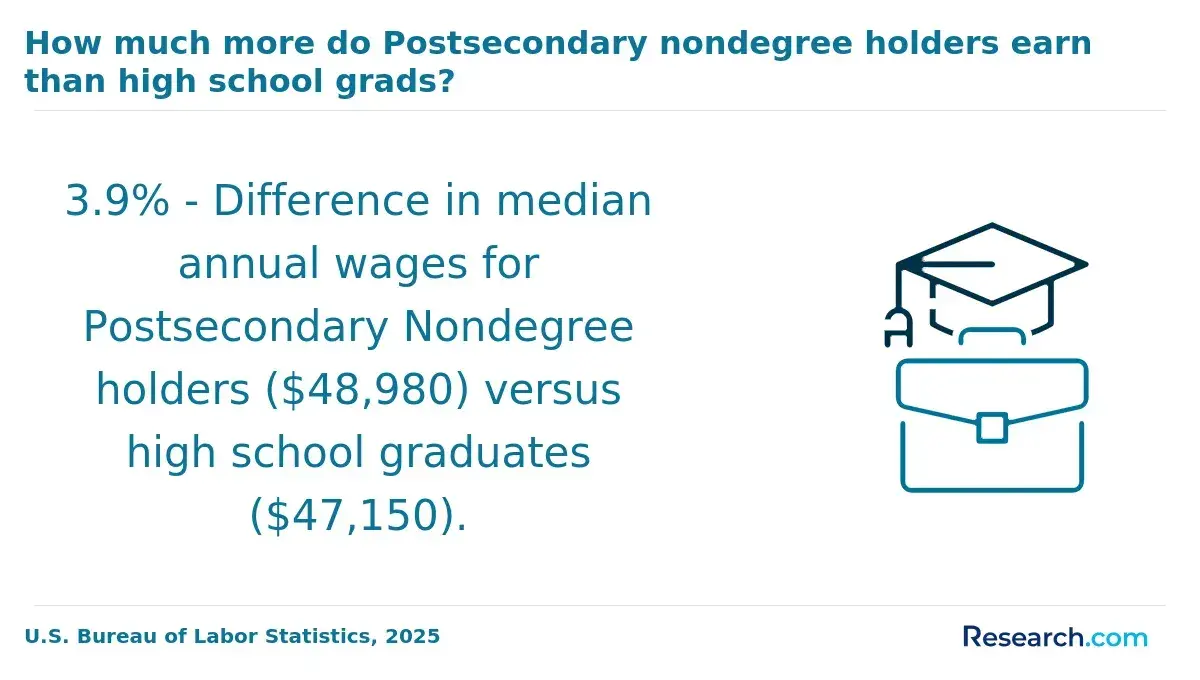
How Does Full-Time Versus Part-Time Enrollment Affect Graduation Timelines?
Graduation timelines for nurse administrator degrees differ notably between full-time and part-time enrollment, with full-time students generally completing their master's programs in around two years. Part-time students, by contrast, often extend their studies over three to four years or more, primarily due to a reduced course load each term. This divergence is influenced by program requirements and the pace at which students accumulate credits. Data from 2024 educational outcome reports emphasize that swifter degree completion aligns with employer preferences for ready candidates, affecting workforce entry and advancement opportunities.
Several structural and personal factors shape these timelines, including credit load per semester, course availability, and program format flexibility. Full-time enrollment demands a concentrated weekly commitment, which, while accelerating academic progression, can strain those balancing work or family obligations. Part-time paths offer accommodation for external responsibilities but introduce risks such as delayed graduation impacting financial aid eligibility or cumulative tuition costs. Additionally, the sequencing of required courses and whether programs offer asynchronous options further influence a student's ability to progress efficiently within their enrollment status.
Do Online Nurse Administrator Students Graduate Faster Than Campus-Based Students?
Online nurse administrator students are often perceived as completing their degrees faster than their campus-based peers due to the flexibility inherent in virtual learning environments. Recent data from the National Center for Education Statistics and the 2024 report by the Online Learning Consortium indicate that online learners typically finish their programs in about 3.5 years compared to roughly 4 years for traditional students. However, this gap is not uniform; completion timelines vary widely based on individual circumstances and institutional factors rather than modality alone. Some campus-based students, especially those at schools offering accelerated or flexible scheduling, may match or exceed the pace of online students.
Key drivers of graduation speed include program scheduling flexibility, the option for self-paced study, and the balance between part-time and full-time enrollment. Online programs often facilitate year-round course availability and incorporate competency-based models that reduce repetitive coursework, supporting quicker progression. Conversely, campus-based formats might impose stricter semester structures and clinical practicum requirements that extend timelines. Student workload management-particularly juggling employment, family, and academic commitments-also plays a critical role, influencing how efficiently learners navigate either modality.
Choosing between online and campus-based study impacts not only the timeline but also the discipline required to maintain steady progress. Virtual learners need greater self-motivation and time management skills due to less structured environments, whereas on-campus students benefit from regular deadlines and direct oversight but may face scheduling constraints that slow advancement. These factors affect when students can enter the workforce after graduation, with implications for their early-career opportunities in an increasingly competitive healthcare landscape.
A nurse administrator graduate recalls the uncertainty experienced during the application phase: weighing the timing of rolling admissions, they hesitated over submitting credentials immediately, fearing hurried decisions might compromise their preparation. Ultimately, choosing to wait a few weeks to strengthen prerequisite documentation delayed acceptance but allowed smoother onboarding later. This experience highlighted how admissions timing and strategic planning can influence overall duration in the program, separate from learning modality considerations.
How Many Months or Years Can Transfer Credits Save?
Transfer credits can significantly shorten the time required to complete a nurse administrator degree, often reducing the duration by several months up to over a year. According to 2024 educational outcome reports, transfer credits may cover between 25% to 50% of the coursework, allowing students with applicable prior learning to bypass foundational classes and accelerate progression. However, the precise time saved depends on how well previously earned credits align with the nurse administrator program's curriculum and degree requirements. Thus, while some students realize notable reductions in degree length, others see less dramatic changes based on credit relevance and applicability within their specific academic pathways, highlighting the nuanced nature of transfer credits impact on nurse administrator degree completion time.
Several factors determine the actual extent of timeline compression achievable through transfer credits. Institutional policies on maximum allowable transfer credits often limit the proportion of degree requirements that can be satisfied by previous coursework. Additionally, accreditation standards influence which credits meet professional administration benchmarks and are accepted for core competencies rather than electives. Compatibility of transferred courses with program residency requirements further affects progression speed; some programs mandate a minimum number of credits completed on-site or within the institution. These variables create complex credit articulation processes requiring detailed evaluation, meaning transfer credits alone do not guarantee uniform reductions in total study length.
Strategically leveraging transfer credits requires careful academic planning, as these credits influence not only graduation timelines but also financial investment and course sequencing. Students who effectively map credit equivalencies in advance can minimize redundant learning and optimize course loads, thereby accelerating entry into advanced nurse administrator roles and possibly influencing long-term salary trajectories. In contrast, failure to align transfer credits with core program demands risks prolonging study duration and incurring additional costs. For working adults considering how transfer credits shorten nurse administrator graduation timeline, this complexity underscores the importance of precise advising to maximize both educational and workforce outcomes.
Practical considerations also extend to workforce expectations, where relevant academic credentials affect employability and advancement, including regional comparative data such as psych NP salary by state.
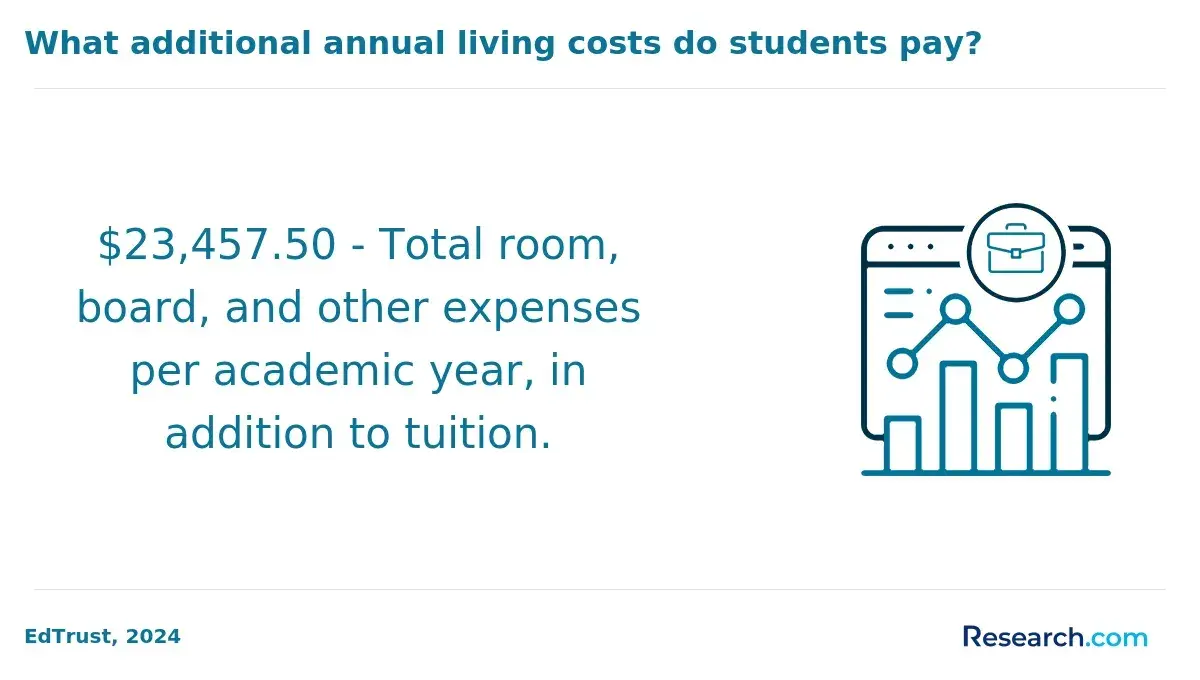
Do Accelerated Nurse Administrator Programs Significantly Reduce Completion Time?
Accelerated nurse administrator programs are structured to condense the typical graduate degree timeline by increasing the course load per term and streamlining curricular requirements. These formats aim to enable completion in roughly 18 to 24 months, compared to the traditional 30 to 36 months or longer. The core intention is to reduce the overall time investment by delivering content more intensively and by minimizing breaks and extended sequencing. However, this compression relies heavily on maintaining a fast-paced curriculum with fewer gaps between courses and, in some cases, leveraging transferred credits to bypass foundational requirements.
Whether accelerated programs genuinely shorten completion times depends on multiple factors beyond just faster course delivery. High course intensity can mean heavier weekly commitments and limited flexibility, which not all students can sustain, particularly those balancing external responsibilities. Some institutions do not alter essential components like clinical rotations or capstone projects, which retain fixed time frames and thus constrain overall acceleration. Additionally, prerequisite chains and credit transfer policies influence progression speed, with delays often occurring if required courses must be completed sequentially. Institutional program design-and how rigorously it compresses or sequences content-ultimately shapes the practical time savings.
The trade-offs embedded in accelerated paths often manifest as increased workload stress and reduced opportunities for deep integration of administrative competencies. While faster graduation may appeal to working adults or transfer students needing expediency, the compressed format can limit time for reflection, skill refinement, and networking, which are critical for leadership readiness. Scheduling inflexibility may also challenge students with complex personal or professional obligations, affecting retention and experience quality. The decision to pursue acceleration should weigh these structural and pedagogical constraints alongside the promise of shortening calendar time.
One graduate recalled feeling hesitant during the rolling admissions process, unsure whether to commit immediately or wait for more information about credit transfers that could affect her start date. The delay in confirmation meant she had to juggle job commitments while anxiously monitoring deadlines, uncertain if accelerated enrollment truly fit her schedule. Ultimately, she chose to apply quickly, motivated by the program's potential to bypass redundant courses, but noted the pressure of compressed terms demanded careful upfront planning to avoid setbacks. This experience highlights how timing and institutional policies around admissions and credit evaluation critically influence perceptions of accelerated program advantages.
Which Nurse Administrator Program Requirements Most Often Extend Graduation Timelines?
Extended graduation timelines within nurse administrator programs typically stem not from total credit hours alone but from specific embedded curricular components requiring hands-on application, sequence adherence, and demonstration of advanced skills. These requirements, which ensure professional readiness and align with industry expectations, also impose rigid scheduling constraints and workload demands that directly influence how quickly students progress. Recognizing these structural and administrative bottlenecks is crucial for anticipating realistic program completion times.
- Extensive Clinical Practicum Hours: Mandated clinical hours, often ranging between 200 to 400 supervised practice hours, provide essential real-world leadership exposure in healthcare settings. However, limited availability of approved facilities and preceptors restricts flexible scheduling, frequently causing delays, especially for working nurses balancing employment with study.
- Capstone Projects Requiring Research and Application: These comprehensive projects demand substantial time for data collection, analysis, and scholarly writing. Students less experienced in research or project management may find these tasks disproportionately time-consuming, lengthening degree completion beyond classroom instruction.
- Sequential Coursework and Prerequisites: Programs commonly require strict ordering of courses, where enrollment in advanced classes depends on successful completion of earlier ones. Any postponement, such as failing or deferring a prerequisite, cascades through subsequent terms, slowing overall progression.
- Comprehensive Exams with Added Preparation: Final assessments test integration of administrative concepts and practical knowledge, requiring dedicated study periods often outside regular course timelines. This additional workload can delay graduation if students need multiple attempts or extended preparation.
- Interdepartmental Scheduling Coordination: For programs emphasizing interdisciplinary learning, aligning course offerings across different departments can be challenging, limiting simultaneous enrollment options and forcing extended study duration.
According to recent data from the U.S. Bureau of Labor Statistics, over 40% of students in nurse administrator tracks cite scheduling conflicts with practicum components as a primary factor for delayed graduation. This highlights the real-world administrative and operational challenges students face beyond academic requirements alone. Understanding these specific delays aids students and planners in creating more accurate timelines and developing support mechanisms that reflect the demands of rigorous, professionally-oriented nurse administrator curricula.
Does Taking Longer to Graduate Increase the Cost of a Nurse Administrator Degree?
Extended timelines for completing a nurse administrator degree frequently lead to increased total tuition and associated costs, particularly when programs charge students on a per-term or per-credit basis. Students taking longer often encounter additional tuition payments, fees, and expenses such as textbooks and course materials. Many financial aid packages are structured to support standard program durations, so exceeding typical completion windows can reduce eligibility for grants or scholarships, effectively raising the net cost. According to a 2024 report by the National Center for Education Statistics, nearly 40% of students who took more than six years to finish their bachelor's degree experienced a 20-30% increase in overall education expenses compared to those graduating within four years. These patterns reflect the broader cost impact of extended nurse administrator degree completion, which presents significant financial consequences of delayed nurse administrator graduation for many individuals.
However, the extent to which extended completion timelines increase costs depends heavily on specific program pricing and enrollment policies. Flat-rate tuition models or programs designed with flexible pacing and part-time pricing can mitigate or sometimes neutralize additional charges for longer enrollment. Employer tuition assistance and tuition reimbursement programs also play a role in offsetting prolonged study costs. Enrollment choices-such as course load adjustments due to work-life balance or transfer student credit acceptance-can indirectly influence overall expenses by altering total time enrolled. In an era of increasing demand across healthcare systems, nurse administrators' salary ranges reflect competitive staffing needs, and understanding the financial consequences of delayed nurse administrator graduation is critical. For students evaluating pathways, reviewing program pricing structures alongside practical plans for timely completion is essential to managing cost effectively and sustaining long-term return on investment.
Further insights on career earnings and role-specific data can be found in resources such as functional medicine nurse salary.
Does Graduating Faster Improve Career Prospects?
Graduating faster from a nurse administrator degree program can offer an earlier entry point into the job market, potentially allowing candidates to begin their job search ahead of peers still completing their studies. However, employers weigh graduation speed alongside other hiring signals rather than valuing it in isolation. In fact, early graduation rarely guarantees a competitive edge by itself, as administrators seek candidates demonstrating not only timely completion but a robust mix of leadership qualities, clinical experience, and readiness for complex roles. For those navigating the impact of accelerated nurse administrator degree completion on job opportunities, it is crucial to understand that speed may affect initial positioning but is not a definitive hiring advantage.
The value of faster graduation hinges largely on factors such as internship quality, mastery of administration concepts, and professional networking-all integral to building a strong candidate portfolio. Employers prioritize practical experience accrued through immersive practicum hours and connection-building within healthcare settings, which accelerated programs can sometimes compress. While a quick finish might slightly improve early hiring rates, sources like the American Organization for Nursing Leadership show that promotion frequency and long-term advancement relate more closely to depth of experience than mere graduation speed. Alignment with real-time industry demand and demonstrated skill proficiency often determine whether fast completion translates into sustained employability.
There are notable trade-offs between accelerating degree completion and cultivating experiential depth essential for leadership roles in healthcare administration. Graduating too quickly may truncate critical learning phases, reducing preparedness for the nuanced challenges of senior positions. Students and working adults should balance the desire for speed with opportunities to engage thoroughly in internships and network development to maximize long-term career prospects.
For those weighing various educational routes, reviewing related fields such as MFT master's programs online can provide additional context on program pacing and outcomes.
Which Scheduling Mistakes Commonly Delay Graduation?
Graduation delays in nurse administrator programs frequently arise not just from academic difficulty but from avoidable scheduling and planning mistakes during course selection and enrollment. These issues affect students across undergraduate and graduate levels, whether full-time, part-time, or working adults. Understanding how misaligned course sequencing, workload misestimation, and enrollment decisions interact with program structures is crucial for sustaining steady academic progress and timely degree completion.
Common scheduling mistakes that prolong graduation timelines include:
- Overloading Courses Without Time Assessment: Students often enroll in more credits than they can realistically handle alongside work and personal commitments, leading to burnout or incomplete coursework. Nearly 40% of part-time graduate students extend their programs due to overestimating their available time according to the National Center for Education Statistics 2024 report.
- Ignoring Prerequisite Sequencing: Many nurse administrator curricula require strict completion of foundational courses before advanced subjects. Overlooking these rules forces students to wait for future terms, interrupting progression and delaying graduation.
- Insufficient Academic Advising: Missing regular consultations with advisors can cause students to choose electives that do not apply to their degree or miss essential practicum requirements. These missteps often emerge late, necessitating additional semesters.
- Irregular Enrollment Patterns: Frequent breaks between terms or switching unpredictably between full-time and part-time status disrupt academic momentum. Such patterns complicate credit load planning and delay meeting graduation benchmarks.
These challenges reflect structural realities in nurse administrator programs where credit requirements, prerequisite chains, and institutional policies shape enrollment strategy. Proactive scheduling and informed decision-making remain pivotal for maintaining consistent progression aligned with workforce timelines.
Other Things You Should Know About Nurse Administrator
Practicum requirements are often the least flexible part of nurse administrator programs and can introduce scheduling complexities due to site availability and work shifts. Delays in securing appropriate placements frequently push graduation dates back. Students should start identifying placement options early and maintain communication with program advisors to align these experiences with academic schedules to minimize timeline disruptions.
Programs with strong reputations often have rigid curricula and fixed timelines, which can limit flexibility but may enhance employer recognition upon graduation. Conversely, highly flexible programs may accommodate individualized pacing but sometimes lack the prestige that impacts job placement. For students aiming at leadership roles in competitive settings, prioritizing program quality and outcomes is advisable even if it extends completion time slightly, whereas those balancing changing personal circumstances might value flexibility more.
Non-work-related commitments such as caregiving or additional part-time jobs reduce available study time, often necessitating extended enrollment periods. Students with these responsibilities benefit from proactive time management and should realistically account for potential slower academic progress. Programs that provide asynchronous coursework and allow breaks without academic penalty better support these students, making these features important criteria in program selection.