2027 Cheapest Accredited Online Cloud Computing Degree Programs: Tuition, Fees, and Financial Aid

Co-Founder and Chief Data Scientist
Choosing an online cloud computing degree is often a cost puzzle, not just a tuition search. College Board reported average published tuition and fees of $11,610 for in-state public four-year students and $43,350 at private nonprofit four-year schools for 2024-25, making total cost and aid eligibility critical. This guide is for students comparing accredited online cloud computing programs, including bachelor's and transfer-friendly options. You'll learn how tuition, fees, accreditation, FAFSA, scholarships, transfer credits, and net price affect affordability so you can identify genuinely lower-cost programs and avoid expensive surprises.
Key Things You Should Know
- Among widely available accredited online bachelor's options, WGU's competency-based BS in Cloud Computing is often one of the lowest-cost choices because students pay by 6-month term rather than by credit; the final cost depends heavily on how many terms they need.
- Public in-state pricing can beat national online rates: for example, UMGC's Maryland resident undergraduate rate is substantially lower than its out-of-state rate, while private online programs commonly publish rates near the high $300s per credit before fees.
- The cheapest advertised tuition is not always the cheapest net price; Pell Grants, institutional scholarships, employer tuition benefits, transfer credits, course fees, technology fees, certification costs, and pacing can change the student's actual out-of-pocket cost.
What Are the Cheapest Accredited Online Cloud Computing Degree Programs?
The cheapest accredited online cloud computing degree programs are usually not ranked by sticker price alone. A useful comparison looks at whether the school is institutionally accredited, whether the program is truly online, how tuition is charged, what fees are mandatory, how many credits or terms are required, and whether the student can use federal financial aid.
Cloud computing degree names vary. Some schools offer a dedicated cloud computing bachelor's degree, while others offer information technology, computer networking, cybersecurity, or computer science degrees with cloud computing concentrations. For affordability, the key question is whether the cloud curriculum matches your career goal without requiring unnecessary credits, extra subscriptions, or expensive certification exams.
The table below compares commonly available accredited online cloud-focused programs using published tuition structures. Costs are estimates before individualized financial aid and should be confirmed with the school because tuition, fees, residency rules, and course requirements can change.
| School | Online cloud-focused degree option | Accreditation type to verify | Published tuition model | Estimated tuition before aid | Best cost fit |
| Western Governors University | BS in Cloud Computing | Institutional accreditation by a recognized accreditor | Flat-rate 6-month terms | Depends on number of terms; often lower for students who accelerate | Students with transfer credits, IT experience, or time to complete courses quickly |
| University of Maryland Global Campus | BS in Cloud Computing and Networking | Institutional accreditation by a recognized accreditor | Per-credit tuition with separate resident and nonresident rates | Lower for Maryland residents; higher for out-of-state students | Maryland residents, military-affiliated students, and transfer students |
| Franklin University | BS in Cloud Computing | Institutional accreditation by a recognized accreditor | Per-credit online undergraduate tuition | Generally based on required credits after transfer evaluation | Adult learners with prior college credit and employer reimbursement |
| Wilmington University | BS in Cloud Computing | Institutional accreditation by a recognized accreditor | Per-credit undergraduate tuition | Generally based on credits needed after transfer | Students seeking a private university with a transfer-friendly structure |
| Purdue Global | BS in Cloud Computing and Solutions | Institutional accreditation by a recognized accreditor | Quarter-credit tuition plus term-based fees | Higher sticker total for students completing most credits at the institution | Students who qualify for tuition reductions, transfer credit, or employer benefits |
For many students, the cheapest path is a two-step plan: complete general education or lower-division IT credits at a lower-cost accredited community college, then transfer into an online bachelor's program with a clear cloud computing major or concentration. This strategy can reduce the number of higher-priced credits taken at the bachelor's institution.
Before choosing the lowest published rate, ask each school for a written cost estimate. A good estimate should separate tuition, mandatory fees, course materials, certification exam costs, transfer-credit assumptions, and the expected number of terms or semesters needed to graduate.
How Were the Cheapest Online Cloud Computing Degree Programs Ranked?
The most useful affordability ranking starts with programs that meet a baseline quality standard: recognized institutional accreditation, online availability, cloud-relevant coursework, transparent tuition, and eligibility for federal financial aid when applicable. Programs that do not clearly publish tuition or accreditation status should not be treated as low-cost simply because their marketing sounds affordable.
This ranking approach weighs both price and cost risk. A program with slightly higher tuition may be the better value if it accepts more transfer credits, includes certification preparation, has fewer hidden fees, or offers stronger advising for working adults.
The ranking factors below show how to compare programs in a way that reflects the real cost of earning the credential, not just the advertised tuition rate.
- Confirm institutional accreditation through a recognized accreditor and verify that the institution participates in Title IV federal student aid if you plan to use FAFSA-based aid.
- Calculate total tuition using the number of credits, quarters, semesters, or competency-based terms you realistically need after transfer credit.
- Add mandatory fees, including technology fees, course fees, student service fees, graduation fees, proctoring fees, and required course-material charges.
- Estimate net price after grants, scholarships, military benefits, employer tuition assistance, and institutional discounts.
- Compare transfer-credit policies, residency requirements, prior-learning credit, and whether certifications such as AWS, Azure, or CompTIA can reduce course requirements.
- Review academic quality indicators such as curriculum relevance, faculty support, student services, completion support, and career-aligned projects.
A common mistake is ranking programs by the lowest per-credit rate while ignoring the number of credits required. A $350-per-credit program requiring 120 credits may cost more than a competency-based program if the student can finish the latter quickly, but it may cost less if the competency-based student needs many extra terms.
How Can You Verify the Accreditation of an Online Cloud Computing Degree Program?
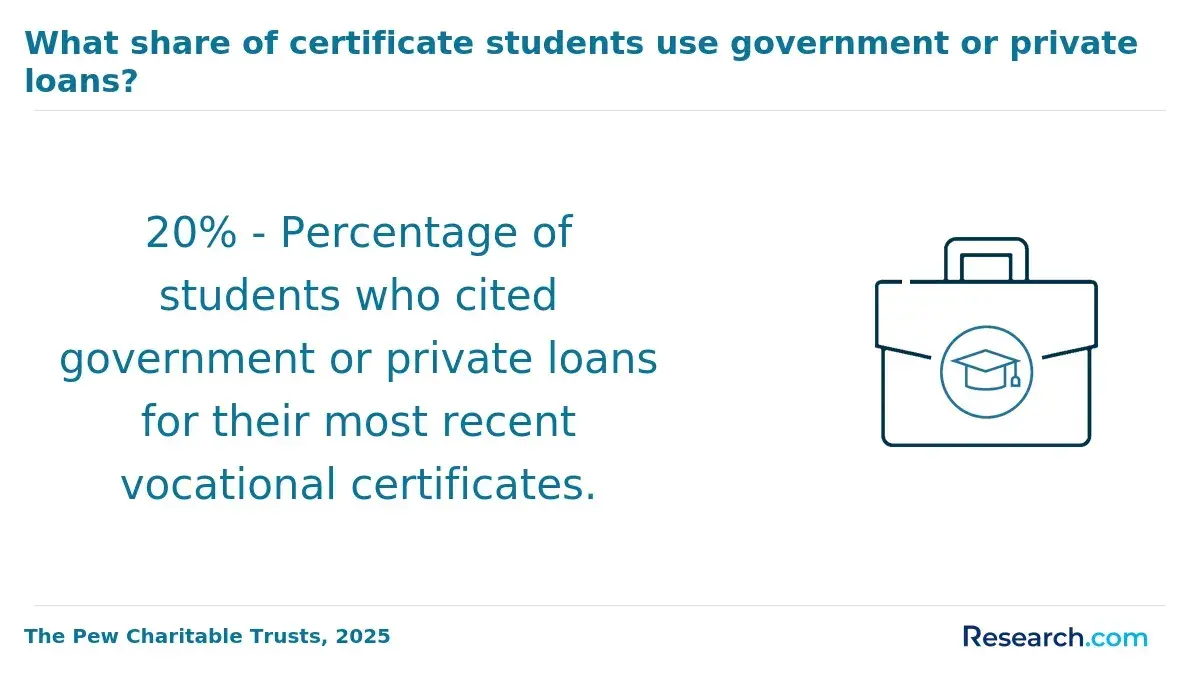
Accreditation is the first affordability filter because it affects credit transfer, employer acceptance, graduate-school options, and federal financial aid access. For online cloud computing degrees, the most important form is institutional accreditation from an accreditor recognized by the U.S. Department of Education or the Council for Higher Education Accreditation.
Programmatic accreditation is less common for cloud computing than for fields such as nursing, social work, or engineering. Some computing programs may hold ABET accreditation, but many legitimate online IT and cloud computing degrees do not. The absence of programmatic accreditation is not automatically a red flag, but unclear institutional accreditation is.
Use the following process before applying or paying an enrollment deposit. It helps prevent one of the most expensive mistakes in online education: choosing a low-cost program whose credits, aid eligibility, or credential value are limited.
- Search the institution in the U.S. Department of Education's Database of Accredited Postsecondary Institutions and Programs or the accreditor's own directory.
- Confirm that the school name, campus, online division, and accreditor match the program you are considering.
- Check whether the institution is approved for Title IV federal student aid if you intend to submit the FAFSA.
- Ask whether the specific cloud computing program is active, fully online, and accepting new students.
- Request written confirmation of transfer-credit rules, residency-credit requirements, and whether online students receive the same transcripted degree as campus students.
Red flags include vague phrases such as "internationally accredited" without a recognized U.S. accreditor, pressure to enroll immediately, no clear tuition page, unclear faculty credentials, or promises that a degree will automatically lead to a specific job or salary.
How Much Does an Accredited Online Cloud Computing Degree Really Cost?
The real cost of an accredited online cloud computing degree includes more than tuition. Tuition is the instructional price, mandatory fees are required charges for enrollment or services, total program cost is the estimated price before aid, financial aid is funding that may reduce or defer payment, and net price is what remains after grants and scholarships are applied.
For bachelor's programs, cost depends on three major variables: how many credits you still need, whether tuition is per credit or per term, and how much gift aid you receive. This is why two students in the same online program can pay very different amounts.
The table below shows the major cost components students should compare before deciding which program is truly cheapest. It is designed to help you request better estimates from admissions and financial aid offices.
| Cost component | What it means | Why it changes affordability |
| Tuition | The posted charge for credits, courses, semesters, or competency-based terms | It is the largest advertised cost but may not include required fees or materials |
| Mandatory fees | Required technology, student service, academic, course, or graduation fees | Fees can make a low-tuition program more expensive than it first appears |
| Course materials | Books, digital resources, labs, cloud platforms, or bundled courseware | Cloud courses may require software, labs, or exam preparation tools |
| Certification exams | Optional or required industry exams tied to AWS, Azure, Google Cloud, CompTIA, or Linux | Included vouchers lower cost; required out-of-pocket exams raise cost |
| Transfer credits | Previously earned credits accepted toward the degree | Every accepted credit can reduce tuition if it replaces a required course |
| Net price | Estimated cost after grants and scholarships, before or after loans depending on the school's format | This is usually more useful than sticker price for comparing affordability |
Students comparing degrees in other fields face the same total-cost problem; for example, guides to affordable online masters programs often emphasize net price, transfer policies, and fees rather than tuition alone. The same logic applies to cloud computing, especially when programs bundle certifications or charge per term.
A practical way to calculate your likely cost is to ask each school for a personalized degree plan. Then multiply the remaining credits or terms by the tuition rate, add all required fees, subtract grants and scholarships that do not need to be repaid, and only then compare out-of-pocket cost or borrowing needs.
Which Tuition Models Make Online Cloud Computing Degree Programs More Affordable?
Tuition model matters because cloud computing students often enter with very different backgrounds. A student with certifications and prior IT coursework may save more in a competency-based program, while a first-time student may prefer a predictable per-credit public university rate.
The main pricing models below can each be affordable in the right situation. The best choice depends on your pace, transfer credits, work schedule, and financial aid package.
| Tuition model | How it works | When it may lower cost | Cost risk |
| Per-credit tuition | Students pay for each credit attempted | Best when many transfer credits are accepted or when studying part time | Extra credits, repeated courses, or low transfer acceptance increase cost |
| Flat-rate term tuition | Students pay one price for a term and complete as many eligible courses as allowed | Best for motivated students who can complete more courses per term | Slow pacing can make the degree more expensive than expected |
| In-state public tuition | Public universities charge lower rates to qualifying residents | Best when the student qualifies for resident pricing and the program is fully online | Out-of-state rates may be much higher |
| Military or employer-discounted tuition | Eligible students receive reduced rates or reimbursement | Best for military-affiliated students or workers at participating employers | Benefits may have annual caps, grade requirements, or repayment rules |
| Subscription or competency-based study | Students advance by demonstrating mastery within paid periods | Best for experienced learners who can move quickly through known material | Requires strong self-management and enough study time each week |
Students planning a long-term academic path should also consider whether the cheapest bachelor's program will support future graduate study. That issue is not unique to cloud computing; students comparing PhD programs online also need to verify accreditation, transfer policies, and employer recognition before choosing the fastest or cheapest route.
The biggest mistake with flat-rate or competency-based tuition is assuming "accelerated" means automatic savings. It only saves money if you complete enough requirements within each paid period to reduce the total number of terms.
What Fees and Hidden Costs Should Online Cloud Computing Degree Students Expect?
Online programs often look cheaper because they remove commuting and housing costs, but cloud computing students may still face required fees and technology expenses. Some are listed clearly in the tuition page; others appear in course schedules, bookstore portals, certification requirements, or enrollment agreements.
Before enrolling, ask for a complete fee sheet and confirm whether each charge is one-time, per term, per course, or per credit. The list below shows costs that can change the final price even when tuition seems affordable.
- Technology or online learning fees charged per course, credit, or term
- Student service, academic support, library, registration, transcript, or graduation fees
- Digital textbooks, access codes, lab platforms, virtual machines, or cloud sandbox subscriptions
- Proctoring fees for online exams or identity-verification services
- Certification exam vouchers, retake fees, preparation materials, or testing-center charges
- Hardware upgrades such as a laptop, webcam, headset, external monitor, or reliable broadband connection
- Portfolio, capstone, practicum, or project platform expenses
- Fees for dropped, repeated, or late-added courses
Cloud computing courses can be more resource-intensive than general online courses because students may work with networking labs, virtualization, Linux environments, scripting tools, and cloud services. If a program advertises certification alignment, ask whether exam vouchers are included in tuition or charged separately.
A useful red-flag question is: "What is the total amount a student completing the entire program with no transfer credits would pay in tuition and required fees?" If the school cannot answer clearly, compare carefully before committing.
How Does FAFSA and Federal Financial Aid Work for Online Cloud Computing Degree Programs?
FAFSA is the gateway to federal financial aid for eligible students attending participating accredited institutions. Online students are generally treated the same as campus students for federal aid purposes when the school, program, enrollment level, and student all meet eligibility rules.
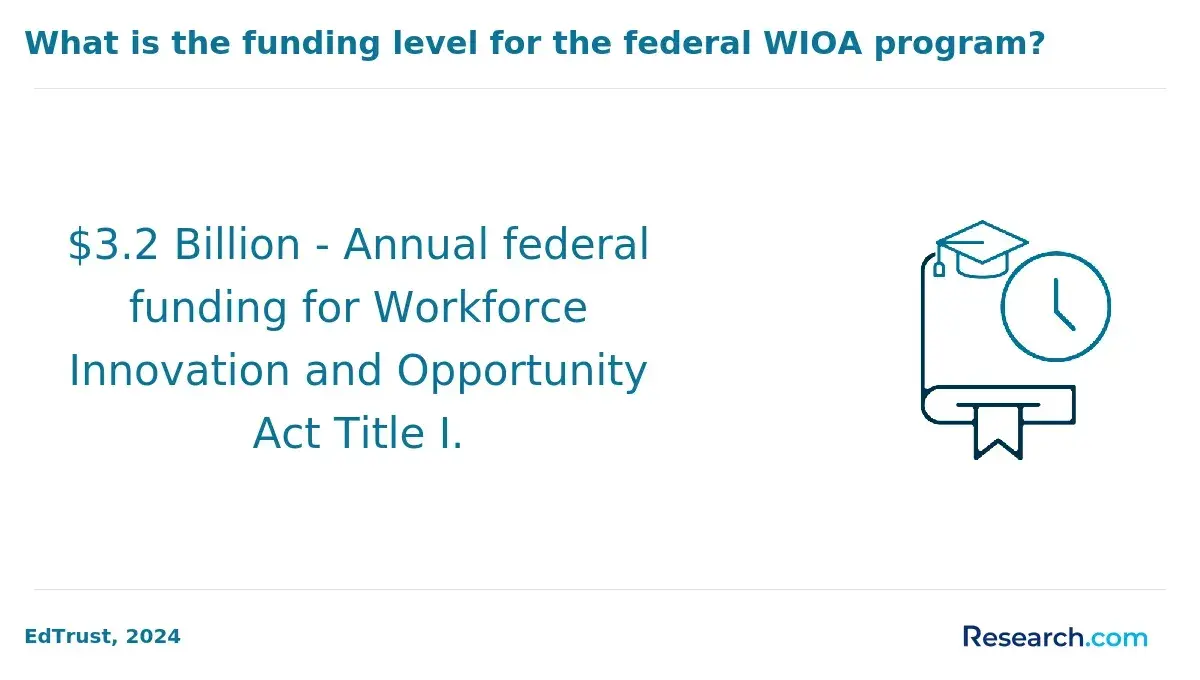
Federal aid can include grants, loans, and work-study, though work-study availability may be limited or location-dependent for online students. The maximum Federal Pell Grant for the 2025-26 award year is $7,395, but the actual amount depends on financial need, enrollment intensity, cost of attendance, and federal eligibility rules.
Use the FAFSA process in this order so you can compare net price across schools rather than guessing from tuition pages.
- Create or access your StudentAid.gov account and complete the FAFSA for the correct award year.
- List each accredited school you are seriously considering so its financial aid office can prepare an aid offer.
- Review each school's cost of attendance, including tuition, fees, books, supplies, technology, and estimated living expenses.
- Separate gift aid, such as grants and scholarships, from loans that must be repaid.
- Ask whether your aid changes if you enroll part time, accelerate, withdraw, repeat a course, or take a term break.
- Compare the remaining net price and expected borrowing for each program before making an enrollment decision.
Financial aid rules apply across online fields, not just technology. Students comparing cloud computing with fields such as the best MSW programs online should still verify institutional accreditation, Title IV participation, enrollment intensity, and whether the program's online format affects aid timing.
Do not assume every accredited online cloud computing program qualifies for federal aid. Some certificate programs, nondegree options, continuing education courses, or short bootcamp-style credentials may be offered by accredited institutions but still not be eligible for Title IV aid.
Which Scholarships, Grants, and Tuition Benefits Can Help Pay for an Online Cloud Computing Degree?
Grants and scholarships are usually more valuable than loans because they generally do not need to be repaid if you meet the conditions. Tuition benefits can also be powerful, especially for working adults in IT roles whose employers want cloud skills.
The most affordable cloud computing degree plan often combines several funding sources. The list below shows options to investigate before relying on private loans.
- Federal Pell Grants for eligible undergraduate students with financial need
- State grants for residents attending eligible in-state or participating online institutions
- Institutional scholarships for transfer students, adult learners, military-affiliated students, or high-achieving applicants
- Departmental scholarships from computing, engineering technology, cybersecurity, or information systems programs
- Employer tuition assistance or reimbursement, often with annual limits and grade requirements
- Military education benefits, including Tuition Assistance, GI Bill benefits, and school-specific military rates when eligible
- Professional association scholarships connected to IT, cybersecurity, networking, women in technology, veterans, or underrepresented students in computing
- Certification partner discounts or included vouchers for AWS, Azure, Google Cloud, CompTIA, Linux, or networking exams
Scholarships can be renewable or one-time, and that distinction matters. A $2,000 renewable award over several years can reduce total cost more than a larger one-time award that applies only to the first term.
Students looking at online education across disciplines should compare aid rules program by program. For example, someone deciding between cloud computing and psychology online programs should ask each school whether scholarships apply to online students, accelerated formats, transfer students, and part-time enrollment.
A smart scholarship strategy is to apply before enrollment deadlines, keep copies of award terms, and ask whether the scholarship stacks with federal grants, employer benefits, military benefits, or tuition discounts. Some schools reduce institutional aid when another benefit is added.
Can Transfer Credits, Prior Learning, and Competency-Based Study Lower the Cost of an Online Cloud Computing Degree?
Transfer credits, prior learning, and competency-based study can reduce cost because they lower the number of courses or terms you must pay for. This is especially relevant in cloud computing, where many students have prior IT courses, military training, vendor certifications, or professional experience.
The savings can be substantial, but only if credits apply to degree requirements. Credits that transfer as electives may not shorten the program enough to reduce tuition, so students should request an official or preliminary degree audit before enrolling.
The following credit-saving options are worth checking with each school. Ask for written confirmation because policies vary by institution, program, catalog year, and accreditation requirements.
- Community college transfer credits for general education, programming, networking, database, Linux, or cybersecurity courses
- ACE-recommended credits from military training, workplace learning, or approved alternative providers
- Credit for industry certifications such as AWS, Microsoft Azure, Google Cloud, CompTIA, Cisco, Linux, or security credentials
- Prior-learning assessment through portfolio review, challenge exams, or faculty evaluation
- Credit-by-exam options such as CLEP or DSST for eligible general education requirements
- Competency-based courses that let experienced students progress after demonstrating mastery
- Associate-to-bachelor's transfer pathways with preapproved course equivalencies
One common mistake is transferring into a program without checking the residency requirement. A school may accept many credits in theory but still require a minimum number of credits to be completed at that institution, which limits total savings.
Another issue is certification overlap. If you already hold a cloud or networking certification, ask whether it grants credit, waives a course, satisfies a prerequisite, or simply helps you move faster. These are different outcomes with different cost effects.
How Should Students Compare the Net Price, Quality, and Return on Investment of Online Cloud Computing Degree Programs?
The best-value online cloud computing degree is the one that balances low net price with recognized accreditation, relevant curriculum, manageable pacing, and credible career alignment. Cheapest is useful only if the program helps you finish and supports your next step.
Cloud computing careers can overlap with systems administration, network engineering, DevOps, cybersecurity, cloud support, and solutions architecture. The U.S. Bureau of Labor Statistics reported a median annual wage of $105,990 for computer and information technology occupations in May 2024, which shows why many students view computing degrees as potential career investments. That figure is not a promise of earnings; actual outcomes depend on experience, location, certifications, role, employer, and portfolio strength.
The table below summarizes how to compare cost and quality together. Use it to avoid choosing a program that is inexpensive up front but weak for your goals.
| Comparison factor | What to review | Why it matters for ROI |
| Net price | Cost after grants and scholarships, plus expected borrowing | Lower debt improves flexibility after graduation |
| Accreditation | Recognized institutional accreditation and any relevant program approvals | Affects aid, transfer, graduate study, and employer recognition |
| Curriculum | Cloud architecture, networking, Linux, security, automation, scripting, databases, and DevOps concepts | Better alignment can reduce the need for extra training after graduation |
| Certifications | Included preparation or vouchers for AWS, Azure, Google Cloud, CompTIA, Linux, or Cisco | Can strengthen job readiness but may add costs if not included |
| Student support | Advising, tutoring, career services, technical support, and online library access | Support can affect persistence and completion |
| Transfer policy | Maximum transfer credits, residency requirements, and certification credit | Generous transfer policies can lower total tuition |
| Schedule fit | Part-time, full-time, asynchronous, synchronous, and competency-based options | A program that fits your work schedule is more likely to be completed |
Students comparing technology degrees with business pathways, such as top online MBA programs, should use the same decision logic: net price, accreditation, outcomes, curriculum fit, and opportunity cost matter more than advertised tuition alone.
Before enrolling, ask each school these questions: What is my personalized total cost after transfer credits? Which fees are mandatory? Are certification exams included? What aid is renewable? What happens to cost if I study part time? What student outcomes are available for online cloud computing students? Clear answers make it easier to choose a program that is affordable and credible.
Other Things You Should Know About Cloud Computing
An online cloud computing degree can be respected when it comes from an institutionally accredited school and the curriculum matches the role. Employers often also look for hands-on projects, internships or work experience, certifications, and proof that you can work with cloud platforms and related tools.
Not always, but certifications can help demonstrate platform-specific skills. A degree provides broader academic preparation, while certifications such as AWS, Azure, Google Cloud, CompTIA, or Linux credentials may support entry into specific technical roles.
A bachelor's degree commonly requires about 120 semester credits or the equivalent, but completion time varies. Transfer credits, prior learning, part-time enrollment, and competency-based pacing can shorten or lengthen the timeline.
Common target roles include cloud support associate, systems administrator, network administrator, cloud administrator, junior cloud engineer, DevOps support specialist, and technical support roles. More advanced cloud architect or cloud security roles usually require experience in addition to education.
References
- What Financial Aid Options Are Available for Online Education? - Lakewood University https://lakewood.edu/online-education-financial-aid-3/
- 2026 Most Affordable Online Master's Degrees in Computer Science https://www.onlineu.com/most-affordable-colleges/computer-science-masters-degrees
- Financial Aid For Online Colleges https://www.affordablecollegesonline.org/financial-aid/financial-aid-for-online-colleges/
- Paying for a Computer Science Degree | Scholarships, Grants, Loans https://www.computerscience.org/resources/how-to-pay-for-a-degree/
- Can I get financial aid for an online degree? | edX https://www.edx.org/resources/can-i-get-financial-aid-for-an-online-degree
- Online Master's Degree: Cloud Computing Systems https://www.umgc.edu/online-degrees/masters/cloud-computing-systems
- Grants and Scholarships - NCICU https://ncicu.org/scholarships-and-grants/
- Types of Financial Aid for Online Colleges https://www.umassglobal.edu/blog-news/types-financial-aid-online-colleges
- Learn More About Graduate Outcomes in USA | Fortray USA https://www.fortray.com/us/career-path/graduate-outcomes-job-guarantee-courses-online-learning-certification/