2027 Cheapest Accredited Online Cloud Computing Degree Programs That Accept FAFSA

Co-Founder and Chief Data Scientist
Choosing an online cloud computing degree is really a cost-versus-career decision: you need a program that is accredited, FAFSA-eligible, flexible, and not likely to leave you overborrowed. The stakes are high because the U.S. Bureau of Labor Statistics reported a $105,990 median annual wage for computer and information technology occupations in May 2024.
This guide is for students comparing affordable online cloud programs, especially working adults and transfer students. You will learn which programs are lower-cost, how FAFSA affects net price, and how to judge value beyond advertised tuition.
Key Things You Should Know
- The cheapest FAFSA-eligible online cloud computing options are usually public universities, competency-based programs, or schools with strong transfer policies; posted tuition can range from roughly under $40,000 to more than $65,000 before grants, fees, and transfer credits.
- FAFSA participation means the institution can process federal aid, not that your full tuition will be covered; the maximum Federal Pell Grant for recent aid years is $7,395, and loans may still be needed if grants and scholarships are limited.
- Cloud computing ROI depends on total net cost, debt, transfer credits, certifications, and career fit; BLS May 2024 wage data shows strong pay potential across computer occupations, but no degree guarantees a specific job or salary.
Which Are the Cheapest Accredited Online Cloud Computing Degree Programs That Accept FAFSA?
The lowest-cost accredited online cloud computing degree is not always the same for every student. Residency, military status, transfer credits, competency-based pacing, scholarships, and eligibility for need-based grants can change the final out-of-pocket price substantially.
The table below compares affordable online bachelor's-level cloud computing programs or closely aligned cloud computing degree pathways at accredited institutions that commonly participate in federal student aid. Tuition figures are based on publicly posted undergraduate online tuition structures and should be verified with each school before applying because fees, discounts, and rates can change.
| School and online program | Accreditation and aid status | Published tuition basis | Estimated tuition before aid and fees | Best fit |
| University of Maryland Global Campus, BS in Cloud Computing and Networking or a closely related cloud pathway | Institutionally accredited; participates in federal student aid | Lower in-state rate for Maryland residents; higher out-of-state online rate | About $39,600 for 120 credits at a $330 in-state rate; about $62,880 at a $524 out-of-state rate | Maryland residents, military-affiliated students, and transfer students who want a public university option |
| Western Governors University, BS in Cloud Computing | Institutionally accredited; participates in federal student aid | Flat-rate six-month terms rather than per-credit pricing | Total tuition depends heavily on the number of terms completed | Self-paced students who can accelerate and complete more courses per term |
| American Public University, BS in Cloud Computing | Institutionally accredited; participates in federal student aid | Per-credit undergraduate tuition | About $42,000 for 120 credits at a $350 rate before discounts | Cost-conscious adults, military learners, and students who want a direct cloud computing major |
| Franklin University, BS in Cloud Computing | Institutionally accredited; participates in federal student aid | Per-credit undergraduate tuition | About $49,352 for 124 credits at a $398 rate before fees | Transfer students and working adults seeking a career-focused cloud curriculum |
| University of Arizona Global Campus, BS in Cloud Computing and Solutions or a similar cloud-focused pathway | Institutionally accredited; participates in federal student aid | Per-credit undergraduate tuition | About $61,200 for 120 credits at a $510 rate before fees | Students who prioritize frequent online start dates and structured asynchronous study |
| Purdue Global, BS in Cloud Computing and Solutions or related IT pathway | Institutionally accredited; participates in federal student aid | Quarter-credit undergraduate tuition | About $66,780 for 180 quarter credits at a $371 rate before fees and discounts | Students who want a large public-university system brand and multiple online support services |
Use this table as a shortlist, not as a final ranking. A student who transfers 60 credits into a $398-per-credit program may pay less than a student who starts from zero credits at a lower advertised rate, and a competency-based program may be cheaper only if the student can complete courses quickly.
How Does FAFSA Eligibility Work for Online Cloud Computing Degree Programs?
Before assuming a program accepts FAFSA, students should confirm each part of eligibility directly. The safest approach is to ask the financial aid office for program-specific confirmation, not just a general statement that the school accepts federal aid.
- Confirm the institution is institutionally accredited by an accreditor recognized for federal aid purposes.
- Ask whether the specific online cloud computing degree is Title IV-eligible, especially if it is new, accelerated, certificate-based, or offered through a continuing education division.
- Use the school's federal school code when completing the FAFSA and list every school you are seriously considering.
- Review the aid offer for grants, scholarships, subsidized loans, unsubsidized loans, and work-study rather than focusing only on the total aid package.
- Check renewal rules, including satisfactory academic progress, enrollment intensity, annual loan limits, and deadlines.
The biggest mistake is treating FAFSA acceptance as a promise that tuition will be fully funded. FAFSA is the application gateway; your actual aid depends on your Student Aid Index, enrollment level, cost of attendance, dependency status, prior borrowing, citizenship or eligible noncitizen status, and the school's packaging policies.
How Much Does an Online Cloud Computing Degree Cost After Financial Aid?
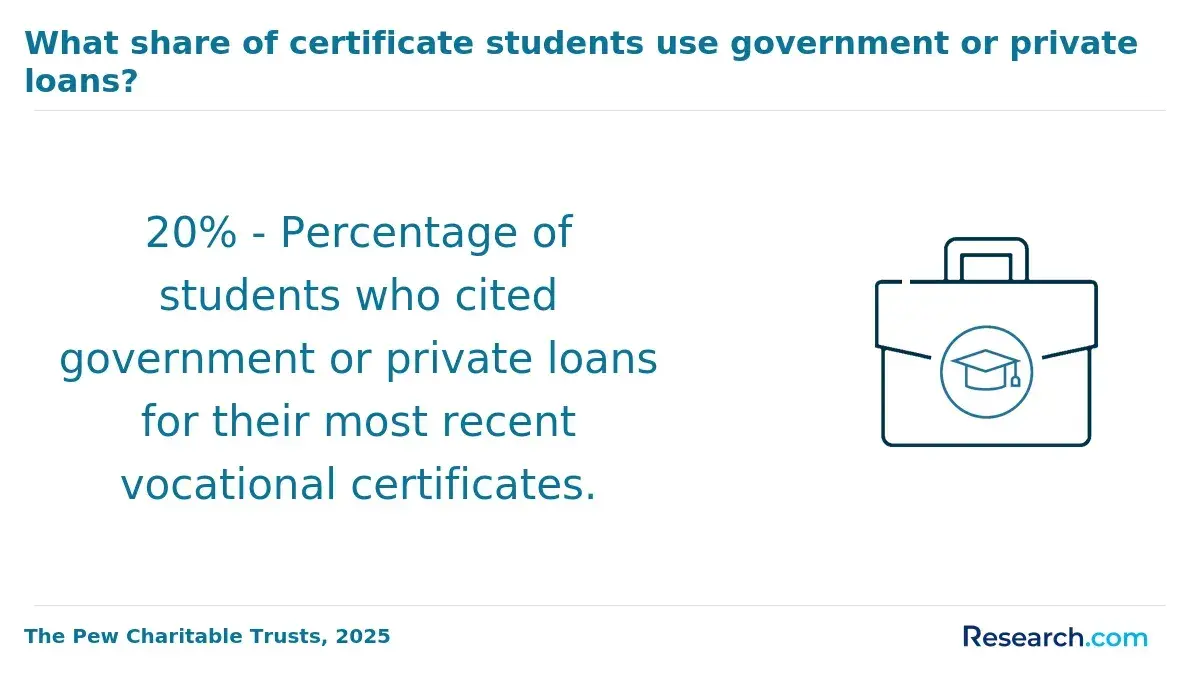
The cost after financial aid is the number that matters most. Published tuition is only the starting point, while net price reflects grants, scholarships, transfer credits, employer assistance, and any required borrowing. Students comparing undergraduate technology degrees should use the same net-cost discipline they would use when evaluating affordable online masters options later in their education path.
The table below shows how the same posted tuition can lead to very different out-of-pocket costs. These examples are simplified planning scenarios, not aid guarantees, because actual awards are determined by the FAFSA, the school, and the student's circumstances.
| Scenario | Starting tuition estimate | Potential cost reducers | Planning takeaway |
| Full-time first-year student with limited income and no transfer credits | $40,000 to $65,000 before fees for many full bachelor's programs | Pell Grant, state grants where available, institutional scholarships, federal loans | Need-based grants may reduce cost, but four years of enrollment can still require careful borrowing limits |
| Adult transfer student with 60 accepted credits | About half of the remaining bachelor's tuition if the credits apply cleanly | Transfer credits, employer tuition assistance, institutional completion scholarships | Transfer acceptance can be more valuable than a slightly lower per-credit tuition rate |
| Competency-based student who completes courses quickly | Term-based instead of credit-by-credit pricing | Accelerated completion, prior experience, certification-aligned coursework | The program can be very affordable if the student has time, discipline, and a strong technical background |
| Part-time student using employer reimbursement | Lower cost per term but longer calendar timeline | Employer payments, federal aid if eligible enrollment levels are met | Debt may be lower, but graduation may take longer, and aid eligibility can vary by enrollment intensity |
To estimate your real cost, start with tuition and mandatory fees, subtract gift aid that does not need repayment, subtract accepted transfer credits, and then decide whether any remaining balance should be covered by savings, employer assistance, payment plans, or federal loans. Avoid comparing schools by tuition alone if one program has high fees, low transfer acceptance, or limited institutional scholarships.
Which Affordable Online Cloud Computing Degree Programs Offer the Best Value?
The best-value program is the one with the lowest reasonable net cost for your career goal, not simply the lowest advertised tuition. For cloud computing, value also depends on whether the curriculum covers networking, Linux, virtualization, cybersecurity, databases, scripting, cloud architecture, automation, and widely used platforms such as AWS, Microsoft Azure, or Google Cloud.
If you are still comparing majors, the same value framework applies outside technology; for example, students weighing accelerated psychology online programs should also compare completion speed, aid eligibility, accreditation, and career outcomes instead of choosing by tuition alone.
The table below summarizes when a cheaper program is likely to be a strong value and when a higher-cost program may be worth considering.
| Decision factor | When the cheaper program may be better | When a higher-cost program may be worth it |
| Transfer policy | It accepts most prior credits into major, general education, or elective requirements | It accepts substantially more credits than the cheaper school, lowering total remaining tuition |
| Cloud curriculum | It includes hands-on labs, networking, security, scripting, and cloud deployment projects | It offers stronger labs, capstone projects, internship support, or certification preparation |
| Student support | You are experienced, self-directed, and comfortable learning technical material online | You need structured tutoring, career coaching, academic advising, or live faculty interaction |
| Program pace | You can accelerate or attend full time without sacrificing performance | You need predictable part-time scheduling while working or caring for family |
| Career alignment | Your target role values skills, projects, and certifications as much as school brand | Your target employer, graduate school, or promotion path prefers a specific institution or curriculum depth |
A low-cost degree is most valuable when it helps you graduate with less debt and a usable portfolio of cloud projects. A more expensive option may be rational if it reduces time to completion, accepts more credits, provides stronger career services, or includes certification preparation that you would otherwise pay for separately.
Are the Cheapest Online Cloud Computing Degree Programs Properly Accredited?
Students should verify accreditation before discussing tuition, scholarships, or transfer credits. For federal aid purposes, the most important baseline is institutional accreditation from a recognized accrediting agency, along with the school's participation in Title IV federal student aid programs.
Programmatic accreditation is less standardized in cloud computing than in fields such as nursing, engineering, counseling, or social work. Some computing programs may hold ABET accreditation, but many legitimate cloud computing degrees do not. That means students should evaluate both institutional accreditation and curriculum quality.
Use this checklist before enrolling, especially if a program advertises unusually low tuition or aggressive enrollment incentives:
- Ask for the school's institutional accreditor and confirm that the accreditation applies to the institution offering the online degree.
- Confirm the online cloud computing degree, not only the campus version or a related certificate, is eligible for federal student aid.
- Review whether credits are semester credits, quarter credits, competency units, or another format, because this affects transfer and cost comparisons.
- Check whether industry certification exams are included in tuition, discounted, optional, or paid separately.
- Look for clear disclosures on tuition, fees, refund rules, academic progress requirements, and graduation requirements.
Red flags include vague accreditation claims, pressure to enroll before receiving an aid offer, unclear total cost, promises of guaranteed cloud jobs, or reluctance to explain whether credits will transfer to another accredited institution.
What FAFSA Grants and Federal Aid Can Pay for an Online Cloud Computing Degree?
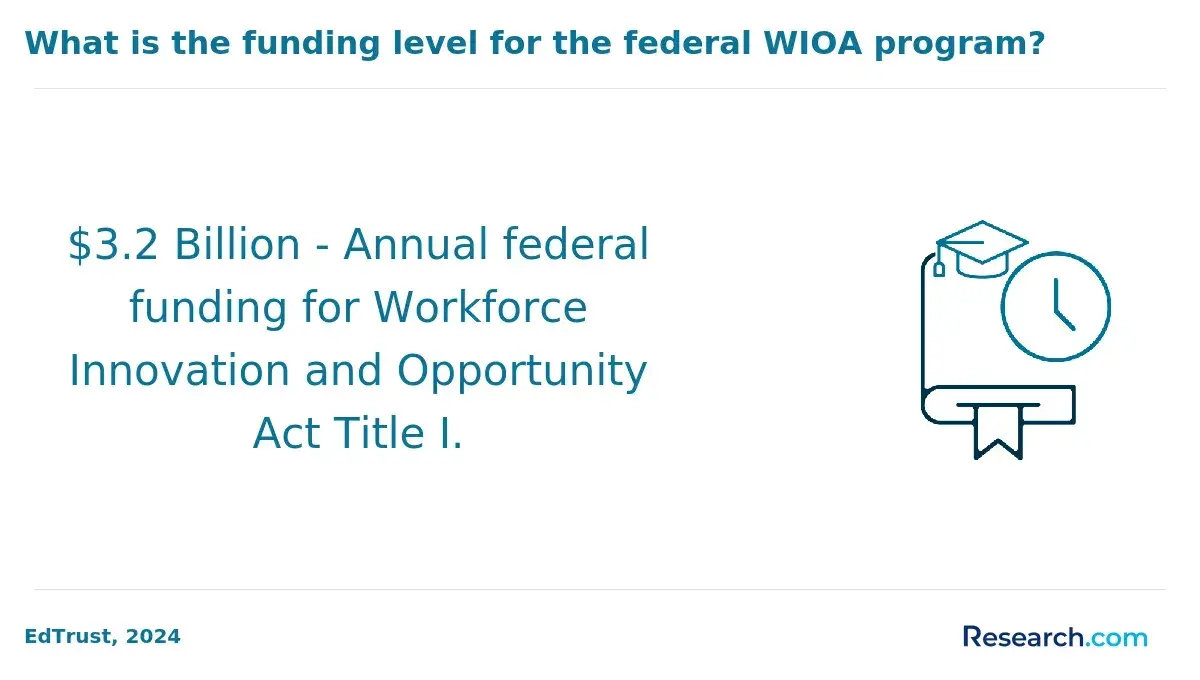
Federal aid can make an accredited online cloud computing degree more affordable, but the type of aid matters. Gift aid lowers cost directly, while loans defer cost and must be repaid with interest. The maximum Federal Pell Grant for recent federal aid years is $7,395, which can meaningfully reduce annual tuition for eligible students but may not cover a full online bachelor's program by itself.
The table below explains the major federal aid categories students may see after filing the FAFSA. It is useful because two schools can show similar total aid amounts while giving very different mixes of grants and loans.
| Aid type | Repayment required? | How it can help cloud computing students | Important limitation |
| Federal Pell Grant | No, unless eligibility changes or enrollment rules are not met | Reduces tuition and fees for eligible undergraduate students with financial need | Amount varies by FAFSA results, enrollment intensity, and annual federal limits |
| Federal Supplemental Educational Opportunity Grant | No, in normal circumstances | May add extra need-based aid at participating schools | Funding is limited and not available equally at all institutions |
| Federal Direct Subsidized Loan | Yes | Can cover remaining undergraduate costs with interest benefits while in school if eligible | Available only to eligible undergraduates with financial need and subject to annual limits |
| Federal Direct Unsubsidized Loan | Yes | Can help bridge gaps after grants and scholarships | Interest generally accrues while enrolled, increasing total repayment cost |
| Federal Work-Study | No loan repayment, because it is earned wages | Can provide part-time income while enrolled if the school offers it | Online students may have fewer practical placement options depending on the school |
Students should read the aid offer line by line. A package that covers the full cost with mostly loans is very different from one that uses grants and scholarships to lower the actual price.
How Do Transfer Credits Lower the Cost of an Online Cloud Computing Degree?
Transfer credits are one of the most powerful ways to lower the total cost of an online cloud computing degree. A school with a higher per-credit rate can still be cheaper if it accepts more of your previous college work, military training, professional certifications, or standardized exam credit.
Before choosing a program, ask for an official or preliminary transfer evaluation and compare how each school applies credits to the degree plan. The goal is not just to transfer credits, but to transfer credits that replace required courses.
- Request a degree audit showing which credits satisfy general education, major, elective, and upper-division requirements.
- Ask whether cloud certifications, IT certifications, military training, or prior learning assessments can reduce required credits.
- Compare the number of remaining credits, not just the number of accepted credits.
- Check residency requirements, because many schools require a minimum number of credits to be completed through them.
- Estimate tuition for remaining credits plus fees, materials, certification exams, and any required technology costs.
A common mistake is choosing the lowest per-credit tuition while ignoring lost transfer credit. If one school costs $350 per credit but requires 75 remaining credits, and another costs $398 per credit but requires only 45 remaining credits, the second option may have the lower total tuition before fees.
Which Students Benefit Most From a Low-Cost Online Cloud Computing Degree With FAFSA?
A low-cost online cloud computing degree with FAFSA access is often a strong fit for working adults, career changers, veterans, military-affiliated students, community college transfers, and students who need to keep debt low while building technical skills. It can also fit learners who already have IT experience and need a bachelor's credential for promotion or HR screening.
Students comparing cloud computing with other online professional paths should look at career fit as well as cost. For example, someone drawn to human services may find that the best MSW programs online align better with long-term goals than a technical degree, even if cloud computing has a different salary profile.
The students most likely to benefit from a low-cost FAFSA-eligible cloud degree usually share several traits. These traits matter because online technical programs require sustained independent practice, not just attendance.
- They can complete programming, networking, and systems assignments in an online lab environment.
- They are willing to build a portfolio with cloud deployments, automation scripts, security configurations, or capstone projects.
- They have enough schedule stability to maintain satisfactory academic progress for financial aid renewal.
- They compare net price across multiple schools before committing.
- They treat federal loans as a last-mile financing tool rather than automatic spending money.
Students who should be cautious include those who need extensive in-person support, are unsure about technical work, plan to enroll only because the program is cheap, or cannot verify how much aid they will receive. The lowest-cost option can become expensive if the student stops out, loses aid eligibility, or later pays to retake nontransferable coursework.
How Does the Cost of an Online Cloud Computing Degree Affect Career ROI?
Career ROI depends on the relationship between total education cost and likely career opportunity. Cloud computing degrees can support roles related to cloud support, systems administration, network administration, DevOps support, cloud security, database infrastructure, and eventually cloud architecture, but job titles and pay vary by experience, location, certifications, and employer needs.
Students who want to move from technical roles into leadership may later compare technology experience with management credentials, including top online MBA programs. That decision should also be based on net cost, debt, employer support, and target role.
The table below connects common cloud-related career directions with the BLS May 2024 wage context. BLS categories do not perfectly match every cloud job title, but they provide a useful benchmark for comparing degree cost with broader U.S. labor market pay.
| Cloud-related career direction | Closest BLS wage category | May 2024 median annual wage | ROI interpretation |
| Cloud support, systems administration, infrastructure operations | Network and computer systems administrators | $96,800 | Lower degree debt is especially important for entry and mid-level infrastructure roles where experience affects pay progression |
| Cloud networking, enterprise infrastructure, network design | Computer network architects | $130,390 | A higher-cost program may be reasonable only if it builds strong networking depth and supports advancement beyond entry-level work |
| Cloud software, DevOps, automation, platform engineering | Software developers | $133,080 | ROI improves when the degree includes coding, automation, projects, and practical deployment experience |
| Cloud data platforms, database infrastructure, data engineering support | Database administrators and architects | $123,100 | Students should look for database, security, scripting, and cloud architecture coursework rather than cloud concepts alone |
A practical debt rule is to compare estimated total borrowing with conservative early-career earnings, not with the highest cloud architect salaries advertised online. If two accredited programs can lead to the same entry path, the lower-debt option often gives you more flexibility to pursue certifications, relocate, or accept an entry-level role that builds experience.
How Should Students Choose the Cheapest FAFSA-Eligible Online Cloud Computing Degree?
The smartest way to choose the cheapest FAFSA-eligible online cloud computing degree is to compare total net cost, accreditation, completion likelihood, transfer acceptance, and career alignment at the same time. If you expect to pursue graduate study later, including technical master's degrees or even PhD programs online, choose an institutionally accredited bachelor's program with credits and credentials that are likely to be recognized by other schools.
Use the following process before enrolling. It turns a confusing list of tuition rates into a decision based on real affordability and risk.
- Build a shortlist of accredited online cloud computing programs that clearly participate in federal student aid.
- Request the full cost of attendance, including tuition, fees, books, technology costs, certification exams, and estimated living expenses if relevant.
- File the FAFSA and compare actual aid offers from multiple schools before making a deposit.
- Ask for a written transfer evaluation and calculate remaining credits required for graduation.
- Separate gift aid from loans so you know what reduces cost and what creates future repayment obligations.
- Review curriculum depth in cloud platforms, networking, Linux, scripting, databases, security, automation, and hands-on labs.
- Ask about career support, internship access, portfolio projects, alumni outcomes, and certification preparation.
- Choose the program with the best combination of low net cost, realistic completion path, recognized accreditation, and relevant technical training.
Do not enroll based only on a low monthly payment, a fast admissions call, or a headline tuition rate. The best affordable program is the one you can finish, finance responsibly, and use for the cloud computing roles you actually want.
Other Things You Should Know About Cloud Computing
Yes, many bachelor's programs admit beginners, but students without IT experience should expect foundational courses in networking, operating systems, databases, and programming. If you are new to technology, look for tutoring, labs, beginner-friendly sequencing, and career advising.
Certifications can help prove platform-specific skills, but they do not fully replace a degree when an employer requires a bachelor's credential. Many students use both: the degree for broad education and HR eligibility, and certifications for specific cloud tools.
A full bachelor's degree commonly takes about four years for first-time full-time students, while transfer students may finish faster. Competency-based programs can shorten the timeline for students who already know the material and can complete courses quickly.
Most students need a reliable computer, stable internet, webcam or microphone for some courses, and the ability to run cloud labs or remote environments. Ask the school for minimum technology requirements before enrolling because technical courses may require more than a basic laptop.
References
- Paying for a Computer Science Degree | Scholarships, Grants, Loans https://www.computerscience.org/resources/how-to-pay-for-a-degree/
- Best Cloud Computing Bachelor's Programs 2026 https://hakia.com/degrees/cloud-computing/best-bachelors-programs/
- Which cloud training course to choose? - ECE https://www.ece.fr/en/which-cloud-training-course-to-choose/
- Can Online Colleges Offer Competitive Career Outcomes? https://www.onlineu.com/magazine/popular-online-schools-career-outcomes
- Online Master's Degree: Cloud Computing Systems https://www.umgc.edu/online-degrees/masters/cloud-computing-systems
- The 4 Best Online Colleges that Accept FAFSA https://joinjuno.com/financial-literacy/financial-aid/online-colleges-accept-fafsa
- 9 Online Schools That Accept FAFSA (and How to Get Financial Aid) https://www.studentloanplanner.com/financial-aid-online-colleges/
- Cost of College by Country [2025]: Average Tuition Fees https://educationdata.org/average-cost-of-college-by-country
- Cloud Computing Bachelor's Degrees | Top Online Programs 2024 https://www.itcareerfinder.com/program-rankings/best-cloud-computing-bachelors-degrees.html