2027 Who Should Consider an Online SLP Program Instead of On-Campus Study?

Co-Founder and Chief Data Scientist

Reviewed by Rhea Paul, PhD
SLP Education & Research Expert
Many aspiring speech pathologists face barriers to attending on-campus programs, including rigid schedules, geographic limitations, or current job commitments. These challenges can delay or derail career changes for individuals seeking to enter this growing field. Online SLP programs offer flexibility and accessibility for those balancing work, family, and education. They allow students to complete accredited coursework without relocating or sacrificing income.
This article examines who benefits most from online speech pathology programs versus traditional study options, providing guidance to help prospective students choose the best path for their professional goals and personal circumstances.
Key Things You Should Know
- Online SLP programs offer flexibility for working professionals and those in remote areas, accommodating diverse schedules without compromising accreditation standards or clinical practicum requirements.
- Recent data show that 42% of students enrolled in Speech Pathology graduate programs in 2025 chose online formats for balancing family or job commitments effectively.
- Accredited online SLP programs integrate advanced telepractice training, preparing students for emerging remote clinical services expanding across the U.S. healthcare landscape.
Who should choose online SLP programs over on-campus?
Online SLP programs for working professionals offer a practical solution for those balancing full-time jobs or personal responsibilities with advanced study. Data from the ASHA 2024 CSD Education Survey shows 78% of students in online speech pathology degree programs in the USA maintained full-time employment, compared to only 45% of their on-campus peers. This highlights the flexibility of online formats for career-driven individuals.
These flexible speech pathology degree programs in the USA also benefit students who live far from accredited campuses, removing the burden of relocation and long commutes without compromising educational quality or clinical training. Additionally, caregivers supporting family members often find the asynchronous coursework and adaptable pacing advantageous.
Many programs accommodate part-time enrollment or self-directed progress, ideal for students managing health issues or career changes. However, hands-on training remains essential for certification, so reputable online programs coordinate supervised clinical practicum placements locally.
For those researching these options, exploring the best online SLP programs can reveal affordable paths to earning a degree while maintaining work and family commitments.
Ultimately, online speech pathology degree programs combine rigorous academics with practical clinical experience, catering to working adults, remote learners, caregivers, and anyone needing schedule flexibility.
What are key differences between online and on-campus SLP degrees?
Key differences between online vs on-campus speech pathology degree differences involve delivery format, access to clinical experiences, and admissions competitiveness. Online speech pathology programs offer flexible scheduling designed for students balancing work, family, or geographic constraints, enabling coursework to be completed remotely. This format suits those who cannot relocate but requires strong self-discipline and reliable technology. In contrast, on-campus programs provide face-to-face interaction with faculty and peers, fostering immediate collaboration and hands-on learning environments.
Clinical practicums remain critical and generally must be completed in person to meet accreditation standards. Online students often arrange local placements, which vary in availability and quality, while on-campus programs tend to integrate practicums within affiliated clinics or partner sites, simplifying logistics and supervision.
Admissions competitiveness varies by region. Western states like Wyoming and Montana report acceptance rates between 50-85%, higher than the national average of 45.3% according to the ASHA 2024 Communication Sciences and Disorders Education Survey. These regional differences influence students considering on-campus programs in less competitive areas or exploring online options partnered with those regions.
Benefits of online speech pathology programs include flexibility, though students may have limited immediate access to campus resources such as specialized labs and study groups. Traditional programs often require relocation and commuting costs. Prospective students should evaluate learning styles, clinical placement options, and admission chances carefully. Understanding future job prospects is also vital; those interested in salary expectations can review the speech pathologist salary with a master's degree to inform career planning.
Are online SLP programs accredited and legitimate?
Online slp program accreditation and legitimacy depend on meeting standards set by recognized bodies such as the Council on Academic Accreditation in Audiology and Speech-Language Pathology (CAA) of the American Speech-Language-Hearing Association (ASHA). Accreditation guarantees the program offers rigorous academic content, qualified faculty, and sufficient clinical training needed for licensure and certification. Graduates from CAA-accredited programs can complete the Speech-Language Pathology Clinical Fellowship and earn the ASHA Certification of Clinical Competence (CCC-SLP), required in most states.
Before enrolling, students should know how to verify accredited online slp programs by checking institutional accreditation on university websites or through ASHA's program directory. Many accredited online programs also include structured clinical practicum supervised via partnerships with local clinics or schools, ensuring hands-on experience despite remote learning.
The demand for flexible accredited options is rising, with a 35% increase in enrollments among students aged 30 and older. Flexibility helps working professionals and parents access recognized credentials without daily campus attendance. Those considering such programs should look closely at:
- CAA accreditation
- State licensure eligibility after graduation
- Clinical practicum opportunities
- Alignment with ASHA certification requirements
For those seeking accelerated options, reviewing SLP accelerated programs can provide insights into reputable and efficient pathways in online speech pathology education.
Online SLP programs have admission requirements that closely resemble those of traditional campus programs but often include specific components for remote learners. Typically, candidates must hold a bachelor's degree from an accredited school, ideally with coursework in communication sciences or related fields. A minimum GPA of 3.0 is usually expected, although some programs may consider lower GPAs if compensated by relevant experience or strong recommendations.
GRE scores are commonly required unless explicitly waived by the program, which enhances accessibility for many applicants. Essential application materials include two or three letters of recommendation that highlight academic abilities and clinical potential, along with a personal statement outlining career goals and motivation.
Additional requirements for online formats may involve demonstrating technical proficiency, having reliable internet access, and sometimes participating in on-campus orientations or in-person residencies. Students must complete supervised clinical hours locally, coordinated with program advisors to ensure placements comply with accreditation standards.
Regarding online SLP program admission criteria, these conditions require thorough preparation and a clear plan for clinical practice. Financially, the average tuition for online master's programs in speech pathology was $45,000, reflecting a 28% savings compared to out-of-state on-campus tuition.
Those interested in exploring accessible options can review online SLP programs that balance quality and entry requirements.
Meeting all requirements effectively positions applicants for success in this growing healthcare field.
Online speech pathology master's programs generally take 2 to 3 years to complete, influenced by enrollment status and program design. Full-time students often finish in about 24 months, while part-time learners may extend their studies to around 3 years or more. The flexibility of asynchronous coursework supports working professionals and others with commitments, allowing progress at a personal pace.
Programs typically include core courses, clinical practicum, and sometimes research or thesis components. Clinical practicums require in-person client interaction or observation, arranged locally to meet accreditation standards. This hands-on experience can occasionally lengthen the program if placements are delayed or students juggle multiple responsibilities.
Students entering with unrelated bachelor's degrees, such as education or psychology, often appreciate the asynchronous format for balancing prerequisite or foundational courses alongside graduate studies. According to the ASHA 2024 CSD Education Survey, 35% of speech-language pathology enrollees held such degrees, highlighting the appeal to career changers needing flexible timelines.
Choosing between accelerated and standard tracks depends on personal availability, clinical placement opportunities, and academic readiness. It's important to review program policies regarding maximum completion times and part-time availability to align your studies with career goals and life demands.
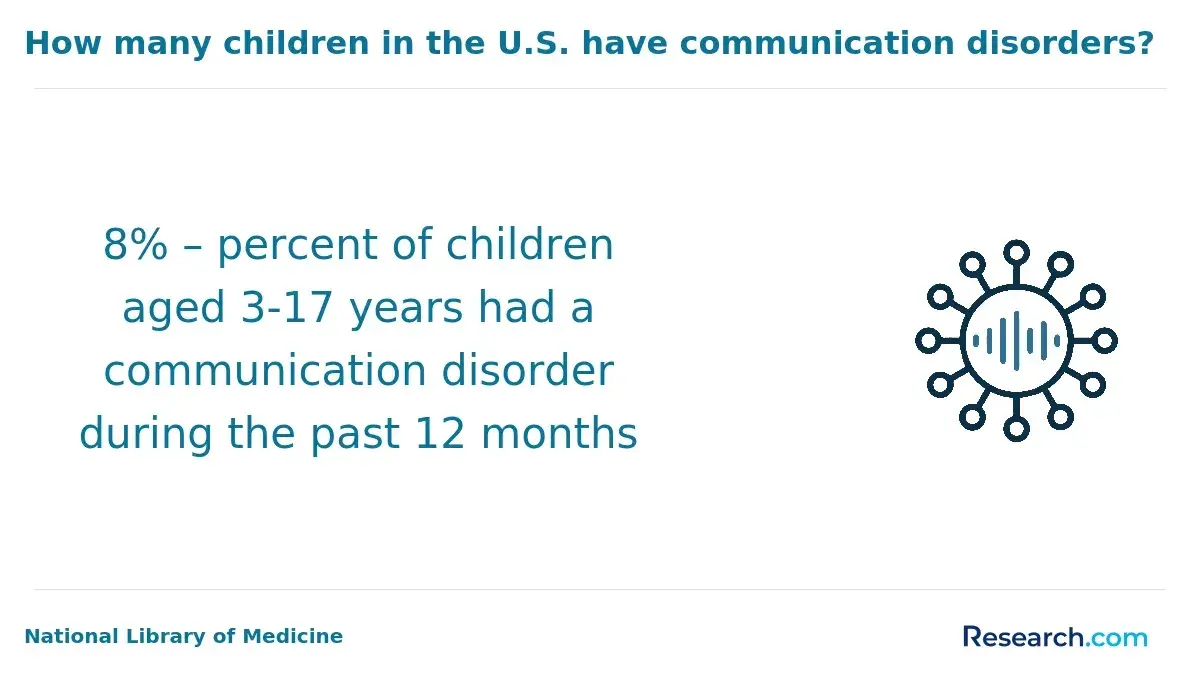
The online speech pathology curriculum spans essential topics to prepare students for professional standards and clinical practice. Coursework covers anatomy and physiology of speech and hearing, language development throughout the lifespan, articulation and phonological disorders, voice and fluency disorders, and neurogenic communication disorders. Additionally, students learn audiology fundamentals alongside the influence of cultural and linguistic diversity on assessment and treatment.
Clinical practicum is a vital component of online programs, offering supervised hands-on experiences in diverse settings such as schools and healthcare facilities. This practical training develops skills in diagnostics, treatment planning, and evidence-based interventions. Virtual simulations and telepractice exercises are often integrated to prepare students for the increasing role of remote service delivery in the field.
Programs emphasize research methods and professional ethics, fostering critical evaluation of emerging studies and adherence to regulatory standards. Specialized electives may focus on pediatric speech disorders, adult neurogenic communication, or swallowing disorders, allowing learners to tailor their education to specific career interests.
Given a 22% rise in rural speech pathology job openings, outpacing urban growth by 15% (U.S. Bureau of Labor Statistics 2025 Occupational Outlook), flexible online options are especially valuable for those aiming to serve underserved communities. These programs enable students to balance work or family responsibilities while obtaining necessary credentials.
Online speech pathology programs typically offer a cost advantage over traditional campus-based study. Tuition for online degrees generally ranges from $25,000 to $60,000, varying by institution and residency. In contrast, on-campus programs often exceed $70,000 due to extra fees like campus facilities, parking, and mandatory health insurance. Beyond tuition savings, online students reduce living expenses significantly by avoiding relocation, commuting, and room and board costs, which can save $10,000 to $20,000 annually.
Flexible scheduling in online programs benefits working professionals and those with families by lowering opportunity costs compared to fixed on-campus class times. Financial aid availability is comparable for both formats, although some scholarships specifically target distance education students. Prospective students should check with schools directly about these options.
Health-related factors also influence tuition decisions. Post-2024 data shows that 18% of speech pathology applicants report chronic health conditions limiting on-campus attendance, highlighting the importance of remote accessibility. Online cohorts also show a 92% retention rate versus 85% for on-campus programs, indicating better persistence and potentially improved return on investment.
An online speech pathology degree equips graduates for diverse careers focused on communication disorders. Common roles include licensed speech-language pathologists employed in schools, hospitals, outpatient clinics, and rehabilitation centers. Specialty positions are available in pediatric speech therapy, adult neurogenic communication disorders, voice therapy, and swallowing disorders.
Beyond clinical practice, opportunities extend to research, program administration, and speech technology development. Some professionals transition into educational roles, offering supervision and training for new clinicians. Telepractice is also expanding, allowing graduates skilled with digital tools to provide remote therapy services.
Online programs offer flexibility that benefits those balancing work, family, or geographic limitations. This flexibility often leads to quicker workforce entry and higher earning potential. The OnlineU 2026 Speech Pathology Report notes a median starting salary of $82,000 for online graduates, representing a 245% return on investment five years after graduation and exceeding on-campus peers by 12%. This advantage stems partly from accelerated program completion and concurrent work opportunities.
Licensure requirements remain the same irrespective of degree format, so students should choose programs compliant with state standards and providing adequate clinical practicum experiences. Careers in school districts, private practice, and teletherapy demand the same competencies regardless of online or on-campus credentials.
The salary outlook for speech pathology graduates remains strong, with entry-level speech-language pathologists (SLPs) earning between $62,900 and $134,160 annually. Salaries vary by state and work environment, with those in hospitals or specialized clinics often receiving higher starting pay than those in schools or community health settings. Experienced SLPs in urban areas with high demand can earn median salaries exceeding $90,000.
Key factors affecting salary include geographic location, employer type, level of education, and specialization. States like California, New York, and Texas typically offer higher salaries due to living costs and demand. Specializations such as pediatric care or swallowing disorders may also boost income. School-based positions often provide stable benefits and growth opportunities despite sometimes lower starting salaries.
Graduates from online speech pathology programs have demonstrated strong outcomes, with a 91% passing rate on the 2025 Praxis exam, matching or surpassing the 89% rate for on-campus graduates according to the ASHA 2024 CSD Education Survey. This parity supports employability and salary competitiveness for online-trained candidates.
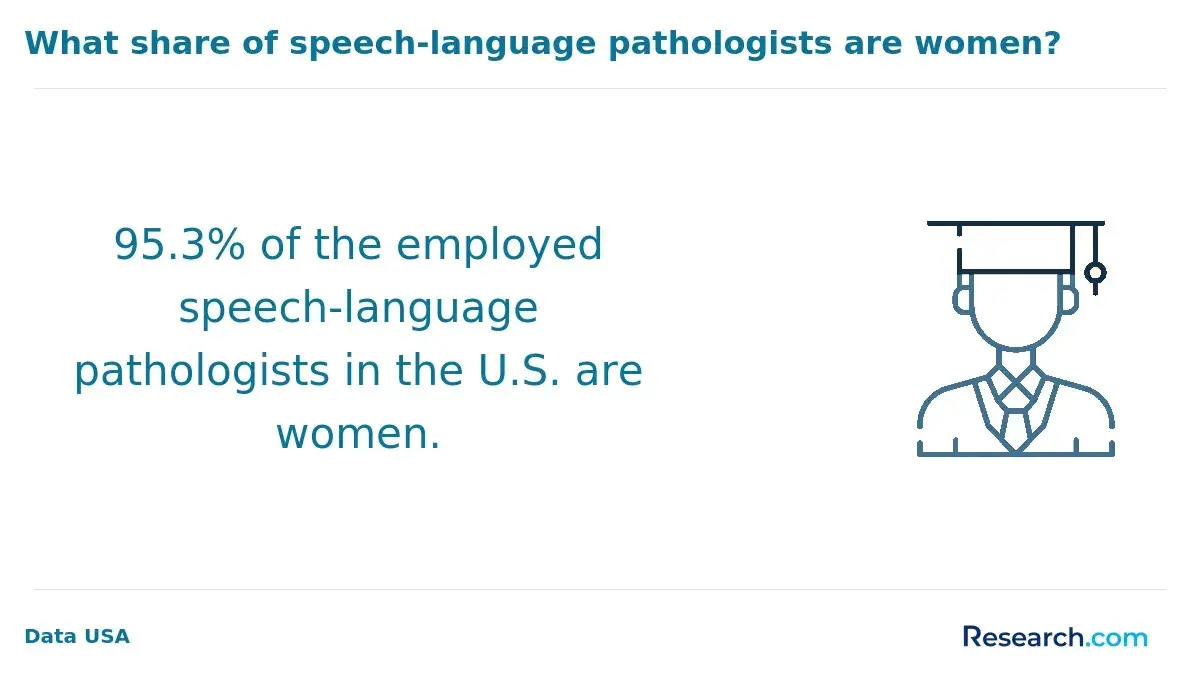
National growth in the field is driven by increased awareness of communication disorders and an aging population, ensuring demand for well-prepared professionals continues to rise.
What is the job demand for speech-language pathologists?
The demand for speech-language pathologists (SLPs) is projected to grow significantly, with the U.S. Bureau of Labor Statistics reporting an 17% increase in employment from 2025 to 2035. This growth means about 14,000 new jobs annually, creating strong opportunities for graduates and seasoned professionals alike.
Key factors contributing to this rise include an aging population needing speech and swallowing therapy, better recognition of communication disorders in children, and the expansion of telehealth services. Online-trained SLPs now fill around 40% of telehealth roles, demonstrating how remote education supports emerging job markets.
Online speech pathology programs are suited for those balancing work, family, or location challenges, often including telepractice training to meet employer demands. Choosing a program aligned with these market dynamics can strengthen career opportunities in this competitive sector.
Other Things You Should Know About Speech Pathology
In 2027, individuals with full-time jobs, family commitments, or those living far from universities stand to benefit most from online SLP programs. These programs offer flexible schedules and eliminate commuting, catering specifically to those who require adaptable learning environments.
Yes, many speech pathologists specialize in areas such as pediatric speech therapy, adult rehabilitation, voice disorders, or swallowing difficulties. Others may focus on working with specific populations like children with autism or patients recovering from stroke. Specialization often requires additional training or certification beyond the general speech pathology degree.
Most online SLP programs require a laptop or desktop with a webcam, microphone, and reliable high-speed internet for live classes and supervised clinical sessions. Many also use learning platforms such as Canvas or Blackboard, plus secure teleconferencing tools for group work and practicum meetings.
Continuing education is essential for speech pathologists to maintain licensure and stay current with evolving best practices and technologies. Most states require a set number of continuing education hours for license renewal. Ongoing training helps professionals improve treatment techniques and adapt to new research findings in the field.
- U.S. Bureau of Labor Statistics - Speech-Language Pathologists https://www.bls.gov/ooh/healthcare/speech-language-pathologists.htm
- ASHA EdFind - Accredited Speech-Language Pathology Programs https://find.asha.org/ed/
- O*NET OnLine - Speech-Language Pathologists https://www.onetonline.org/link/summary/29-1127.00
- University of Wisconsin-Eau Claire - Master of Science in Speech-Language Pathology (Online) https://www.uwec.edu/speech-language-and-hearing-sciences-department/graduate-program/speech-language-pathology-online
- University of North Carolina at Greensboro - Speech-Language Pathology, M.A. (Online) https://csd.uncg.edu/graduate/masters-of-arts-online/
- New York University - Online MS, Communicative Sciences and Disorders (Speech@NYU) https://steinhardt.nyu.edu/degree/online-ms-communicative-sciences-and-disorders
- West Virginia University - Speech-Language Pathology, M.S. - Online https://medicine.hsc.wvu.edu/communications-sciences-and-disorders/speech-language-pathology-ms/future-students/curriculum/online-slp-program/
- Nova Southeastern University - SLP Program - Master of Science in Speech-Language Pathology https://osteopathic.nova.edu/degrees/masters/speech-language-pathology/index.html