2027 Hospital-Based Speech Pathology Careers: What Students Should Know

Co-Founder and Chief Data Scientist

Reviewed by Rhea Paul, PhD
SLP Education & Research Expert
Many students with unrelated undergraduate degrees face uncertainty when considering a career switch to hospital-based speech pathology. The complexity of healthcare settings and accreditation requirements creates confusion about the necessary steps and qualifications.
Balancing work, study, and clinical experience often feels overwhelming. Without clear guidance, prospective candidates struggle to identify flexible and accredited programs that fit their goals and timelines.
This article clarifies the essential pathways, credentialing processes, and practical considerations for entering hospital-based speech pathology. It aims to equip readers with the knowledge needed to confidently navigate their educational and career transition into this field.
Key Things You Should Know
- The U.S. Bureau of Labor Statistics projects 17% job growth for hospital-based speech pathologists through 2035, highlighting strong demand driven by aging populations and increasing medical complexity.
- Most positions require a master's degree in speech pathology and certification from the American Speech-Language-Hearing Association (ASHA), with clinical fellowships as crucial practical experience.
- Entry-level salaries average around $70,000 annually, but working in hospitals often offers higher wages and benefits compared to school or outpatient clinic roles.
What is hospital-based speech pathology?
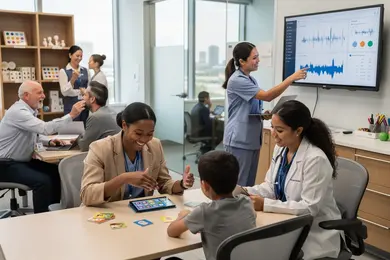
Hospital-based speech pathology careers in current healthcare settings focus on assessment, diagnosis, and treatment of communication, swallowing, and cognitive-communication disorders. Speech-language pathologists (SLPs) in hospitals treat patients recovering from strokes, traumatic brain injuries, surgeries, or neurodegenerative diseases.
These clinical roles for hospital-based speech pathologists often involve managing complex conditions like aphasia, dysphagia, and vocal cord dysfunction, requiring rapid, precise, and medically informed interventions.
Hospital SLPs collaborate closely with physicians, nurses, and occupational therapists to create care plans, perform bedside swallowing evaluations, and implement measures that prevent aspiration pneumonia, a potentially life-threatening condition.
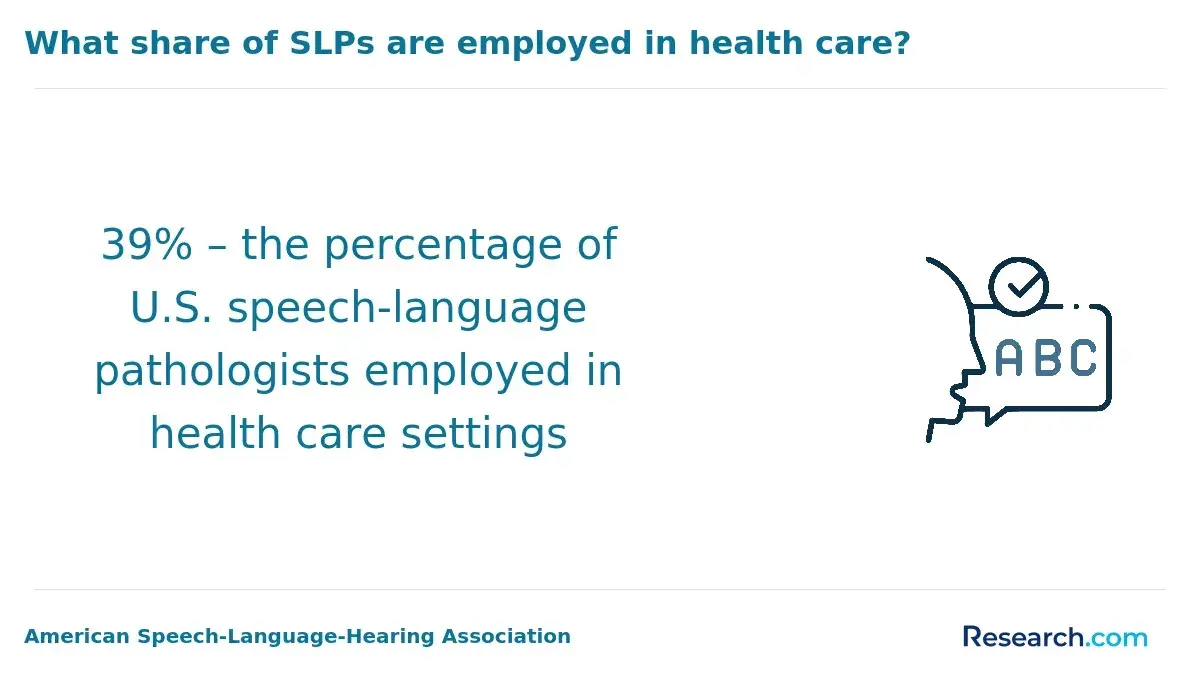
Unlike the educational sector where 56% of SLPs practice, hospital roles demand fluency in medical terminology, adaptability to patient fluctuations, and teamwork in a fast-paced environment.
Different hospital settings serve varied functions: acute care centers stabilize patients quickly, inpatient rehabilitation units focus on restoring communication and swallowing functions, and outpatient clinics provide long-term therapy for chronic speech and swallowing difficulties.
Students exploring the field should consider specialties like oncology, pediatrics, or geriatrics, which offer diverse caseloads. Gaining clinical experience through hospital rotations during graduate education is essential for building confidence and meeting documentation and evidence-based protocol demands.
For those interested in advancing their knowledge, numerous online speech and language pathology programs provide accessible pathways to deepen expertise.
What education is required for hospital speech pathology careers?
Hospital speech pathology educational requirements include earning a master's degree in speech-language pathology from a program accredited by the Council on Academic Accreditation (CAA) in Audiology and Speech-Language Pathology. This graduate-level education prepares candidates for assessing and treating communication and swallowing disorders.
Students also complete around 400 supervised clinical practicum hours in diverse settings, including hospitals, to gain essential hands-on experience with complex cases such as neurological damage and trauma.
Certifications needed for hospital-based speech pathology careers include passing the National Examination in Speech-Language Pathology administered by the American Speech-Language-Hearing Association (ASHA) to obtain the Certificate of Clinical Competence (CCC-SLP).
Additionally, state licensure requires meeting specific board criteria. Some professionals pursue a clinical doctoral degree (CScD or SLP-D) to advance in clinical work, research, or leadership, although it is not required for initial employment in hospitals.
Continuing education remains vital to maintain licensure and keep up with evolving hospital practices. With robust growth in demand, 15% projected employment increase and 28,200 new jobs nationwide according to the BLS Occupational Outlook Handbook, hospital speech pathologists are positioned well for the future.
For insights on compensation, individuals can explore the speech therapist salary data available through reliable sources.
How do I become a licensed speech-language pathologist?
Students aiming to become licensed speech-language pathologists in hospital settings must complete several important steps. Initially, earning a master's degree in speech-language pathology from an accredited program, covering anatomy, linguistics, audiology, and clinical methods, is essential. This foundation is crucial for advancing toward licensure.
Following graduate education, candidates need to fulfill a Clinical Fellowship Year (CFY) involving at least 1,260 hours of supervised professional experience. This practical training bridges academic knowledge with real-world skills in hospitals, schools, rehabilitation centers, or nursing homes and is a key step to meet the steps to obtain speech pathology licensure for hospital careers.
The next requirement is passing the Praxis Exam in Speech-Language Pathology, administered by the Educational Testing Service. This exam evaluates readiness to practice and is mandatory for certification and state licensure, where requirements vary but typically include education, Clinical Fellowship completion, and exam passage. Maintaining licensure also demands continuing education.
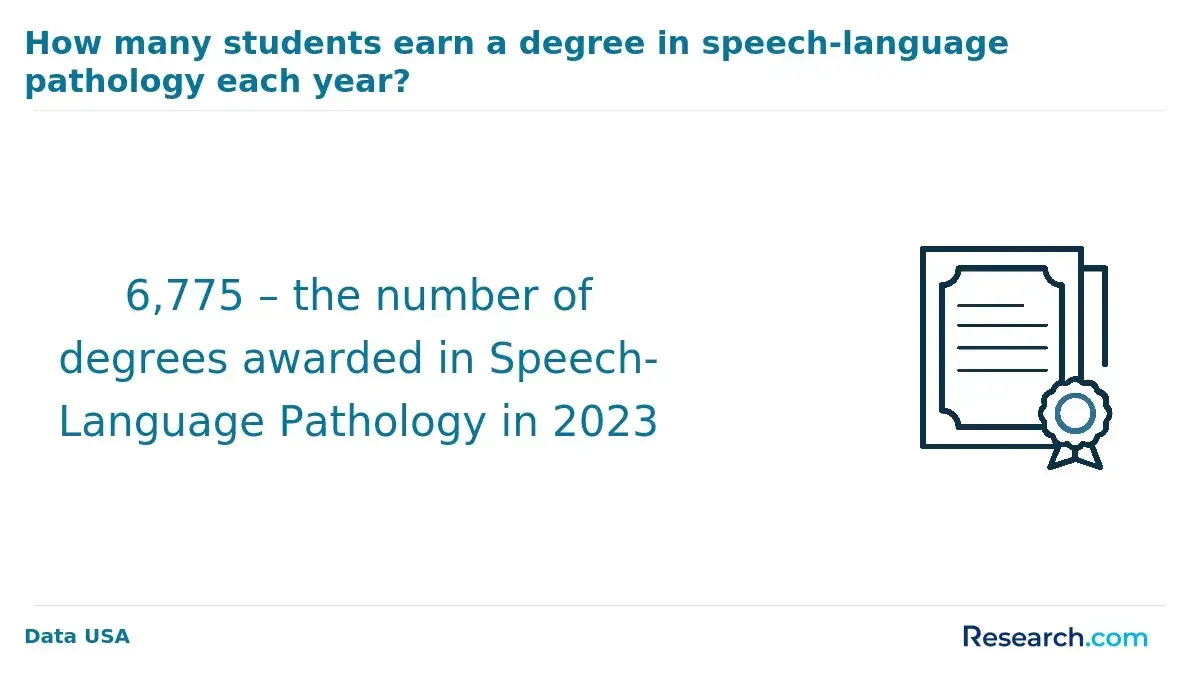
Salary data indicates speech-language pathologists earn up to $129,930 annually in nursing homes and home health, surpassing school-based salaries. Prospective students seeking efficient pathways might consider a speech pathology accelerated program to meet educational requirements faster.
Hospital speech pathology degree programs require, at minimum, a master's degree in speech-language pathology accredited by the Council on Academic Accreditation in Audiology and Speech-Language Pathology (CAA). This graduate-level education equips students with clinical training and theoretical knowledge essential for licensure and certification.
Although some entry-level assistants may qualify with a bachelor's degree in communication sciences and disorders (CSD), hospital-based speech pathology careers focus primarily on licensed clinicians, making the master's degree the standard.
The educational pathway usually starts with a bachelor's degree in communication sciences and disorders or a related field, followed by a master's program that emphasizes clinical practicum in medical settings.
These programs train students to assess and treat speech, language, and swallowing disorders prevalent in hospital populations. Specialized coursework in geriatrics, neurogenic disorders, and dysphagia improves job prospects in hospital environments.
Key credentials include the Certificate of Clinical Competence in Speech-Language Pathology (CCC-SLP) from the American Speech-Language-Hearing Association (ASHA), requiring passage of the national Praxis exam and completion of a supervised clinical fellowship. While some professionals pursue doctoral degrees (PhD or clinical doctorate) for research or advanced clinical roles, these are not mandatory for hospital practice.
An aging population has increased demand for hospital speech pathology services, particularly for communication and swallowing rehabilitation. Prospective students may find it helpful to explore online speech pathology programs as alternative routes to achieve the necessary education and licensure.
Hospital speech pathologists assess, diagnose, and treat patients with communication and swallowing disorders caused by conditions such as stroke, traumatic brain injury, and dysphagia. Their daily work involves clinical evaluations and designing personalized treatment plans to improve speech, language, cognitive-communication, and swallowing functions.
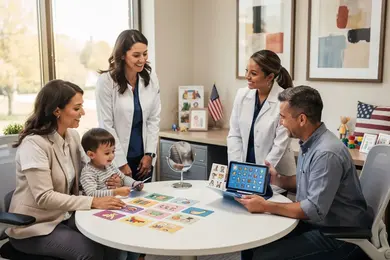
Typical responsibilities include one-on-one therapy sessions focusing on articulation, language comprehension, and oral-motor skills. They also educate patients and families on managing disorders and preventing complications.
For example, stroke rehabilitation often targets aphasia, while brain injury therapy addresses cognitive and pragmatic communication challenges. These professionals collaborate closely with interdisciplinary teams, neurologists, occupational therapists, and dietitians, to ensure comprehensive care.
They meticulously document patient progress and adapt treatment plans accordingly. Additionally, speech pathologists may train nursing staff on safe feeding techniques, reducing aspiration risks in dysphagia patients.
Caseloads reflect broader national trends, with over 40 million Americans affected by communication disorders. Hospitals especially handle many stroke and brain injury cases, demanding that speech pathologists balance clinical work with care coordination and education.
Success in this fast-paced environment requires strong assessment skills, adaptability, and effective communication.
Online speech pathology programs can prepare students for hospital careers by offering required coursework and supervised clinical experiences, often at local healthcare sites. Many programs blend online learning with in-person clinical rotations in hospitals or medical centers to meet credentialing standards.
Accreditation by the Council on Academic Accreditation in Audiology and Speech-Language Pathology (CAA) is essential to satisfy American Speech-Language-Hearing Association (ASHA) certification requirements.
Competition for hospital speech pathologist roles is strong, with a significant demand documented by Advanced Therapy Clinic. Employers prefer candidates with ASHA certification, clinical experience in medical settings, and specialized credentials such as infection control training.
Prospective students should carefully evaluate programs to ensure clinical practicums align with hospital hiring standards.
Key questions to ask when researching programs include:
- Does the program offer clinical placements specifically in hospital settings?
- How does it support meeting ASHA certification standards?
- What online tools foster engagement with instructors and peers?
- Are there options to complete hospital-based practicum locally?
Choosing the right online speech pathology program is crucial to reduce barriers to joining hospital healthcare teams, where workforce shortages continue to drive demand.
Hospital-based speech pathologists typically earn between $65,000 and $90,000 annually, influenced by location, experience, and facility size. Entry-level roles often start near $65,000, while those with advanced skills or certifications can exceed $90,000. Metropolitan hospitals or specialized acute care units sometimes offer higher salaries to attract top candidates.
Salary differences also stem from hospital budgets, regions, and patient populations. For instance, speech pathologists in large urban trauma centers tend to earn more than their counterparts in smaller rural hospitals. Advanced certifications in specialties like swallowing disorders or pediatric care can further increase earning potential.
About 14% of speech-language pathologists (SLPs) work in hospital settings, according to Advanced Therapy Clinic data cited in the 2024 update. These roles often come with higher caseloads but may provide flexible shifts, especially in acute care, which can improve work-life balance.
Prospective students should weigh salary estimates against job demands. High patient volumes and complex cases can be stressful but also offer valuable clinical experience. Evaluating these factors helps align potential income with professional goals and personal priorities.
Typical salaries vary widely based on experience, setting, and specialization, while flexible hours may offset challenges tied to demanding workloads.
The demand for hospital speech pathologists is expected to grow steadily due to an aging population and rising cases of strokes, neurodegenerative diseases, and other conditions needing speech and swallowing rehabilitation. Hospitals require skilled professionals to manage these complex patient needs effectively.
Digital health technologies are also expanding career opportunities. The digital speech therapy market is projected to grow annually by 9.8%, creating new roles in telehealth leadership where speech pathologists may oversee remote care teams or develop innovative digital therapy solutions.
Key factors shaping job prospects include:
- Rising demand for telepractice skills as remote therapy becomes common in hospital settings.
- Specialization options in pediatric neurorehabilitation, traumatic brain injury, and voice disorders.
- Career growth potential through certifications in telehealth or healthcare management.
- Higher demand growth in suburban and rural hospitals with limited specialist access.
Students and graduates should build strong clinical skills alongside technology literacy, including expertise with electronic health records and virtual therapy platforms. Engaging in internships or clinical rotations at hospitals offers practical experience and networking benefits.
Adapting to healthcare trends and cultivating versatile skills supports long-term success as a hospital-based speech pathologist.
Accreditation by the Council on Academic Accreditation in Audiology and Speech-Language Pathology (CAA) is critical when choosing speech pathology programs.
This ensures rigorous educational standards necessary for certification, Clinical Fellowship status, and passing the national Praxis exam. Programs lacking CAA accreditation may limit licensure and career opportunities.
Strong clinical practicum experiences in hospital settings are essential. With a 17% growth in demand for speech pathologists in hospitals through 2035, according to AMN Healthcare Insights, 2024, programs affiliated with hospitals offer valuable hands-on exposure to diverse patient populations and complex cases.
Consider program length and degree options; most entry-level roles require a master's degree. Accelerated or bridge programs benefit working professionals seeking rapid transition. Faculty with hospital experience and relevant research further enhance training quality.
Additional factors to evaluate include national exam pass rates, graduate employment in hospital roles, and program transparency about these outcomes. Location impacts access to highly demanded hospital placements, where workforce gaps make local clinical opportunities competitive.
Look for programs providing certification support and continuing education resources, preparing students for licensure and specialty certifications for a hospital speech pathology career in 2026 and beyond.
What certifications boost hospital speech pathology careers?
Certifications play a vital role in advancing hospital-based speech pathology careers by validating expertise and enhancing job prospects. The American Speech-Language-Hearing Association's (ASHA) Certificate of Clinical Competence (CCC-SLP) is foundational, ensuring professionals meet nationally recognized standards in assessment and intervention.
Specialized board certifications in areas like fluency disorders or swallowing disorders help candidates qualify for focused hospital roles, such as rehabilitation or intensive care. Certifications in augmentative and alternative communication (AAC) are critical for supporting patients with complex communication needs, especially in acute hospital settings.
Hospitals increasingly seek professionals with interdisciplinary skills. Certifications related to neurogenic communication disorders or pediatric feeding and swallowing expand opportunities within hospital teams.
Continuing education in telepractice and cultural competency addresses evolving care trends, improving effectiveness with diverse patient populations and hospital staff.
Noteworthy statistics show that women make up 88.1% of speech-language pathologists, with projections reaching 95% by 2025, affecting recruitment priorities toward cultural sensitivity and communication skills (Advanced Therapy Clinic, 2024).
Additional credentials often required in hospitals include CPR certification and familiarity with medical devices, essential for inpatient care. Prospective hospital speech pathologists should therefore pursue both core and supplemental certifications to maximize career potential in demanding healthcare environments.
Other Things You Should Know About Speech Pathology
Hospital speech pathologists treat a wide range of patients, including those recovering from strokes, traumatic brain injuries, and surgeries affecting the head or neck. They also assist patients with swallowing disorders, voice problems, and communication difficulties caused by neurological conditions. The hospital setting allows them to work closely with interdisciplinary medical teams to provide comprehensive care.
Hospital speech pathologists need a state speech-language pathology license and the ASHA Certificate of Clinical Competence in Speech-Language Pathology (CCC-SLP) for most jobs. Clinical fellows complete a 36-week supervised fellowship, and employers often require Basic Life Support certification before the first hospital shift.
Yes, hospital speech pathologists play a key role in discharge planning by assessing patients' communication and swallowing abilities before they leave the hospital. They collaborate with medical staff, patients, and families to develop recommendations for ongoing therapy or support services. This ensures a safer transition from the hospital to home or rehabilitation facilities.
- U.S. Bureau of Labor Statistics - Speech-Language Pathologists https://www.bls.gov/ooh/healthcare/speech-language-pathologists.htm
- ASHA EdFind - Accredited Speech-Language Pathology Programs https://find.asha.org/ed/
- Audiology and Speech-Language Pathology Interstate Compact https://aslpcompact.com/compact-map/
- Emerson College - Master of Science (M.S.) in Communication Disorders (Speech@Emerson, online) https://speech.emerson.edu/
- University of North Carolina at Greensboro - Speech-Language Pathology, M.A. (Online) https://csd.uncg.edu/graduate/masters-of-arts-online/
- James Madison University - Master of Science (M.S.) in Speech-Language Pathology (Distance Education / Online) https://www.jmu.edu/chbs/csd/online_ms/index.shtml
- University of Scranton - Master of Science (M.S.) in Speech-Language Pathology https://www.scranton.edu/academics/pcps/health-and-human-performance/programs/speech-language-pathology/index.shtml
- University of Nebraska at Kearney - Speech-Language Pathology, Master of Science in Education (Online Track) https://www.unk.edu/online/degrees-programs/speech-language-pathology-online.php