2027 How Online SLP Students Build Clinical Skills at a Distance

Co-Founder and Chief Data Scientist

Reviewed by Rhea Paul, PhD
SLP Education & Research Expert
Many online speech pathology students struggle to gain hands-on clinical experience due to geographic constraints and limited local resources. This gap can delay skill development essential for certification and professional practice.
Traditional clinical placements often require in-person attendance, creating barriers for those balancing work or family commitments. The challenge lies in finding effective, accessible alternatives that provide real-world experience remotely.
This article explores innovative strategies and technologies that enable online speech pathology students to build clinical skills at a distance. It aims to guide prospective students in overcoming practical obstacles while ensuring high-quality, accredited learning experiences.
Key Things You Should Know
- Online SLP programs use virtual simulations and telepractice to provide remote clinical experience, vital during and after 2024's technology surge, with 72% of students reporting effective skill development.
- Fieldwork placements integrate hybrid models, combining in-person and remote sessions, improving access by 40% for students in underserved or rural areas.
- Accredited online programs align with ASHA clinical standards, ensuring all students meet essential competencies for certification and professional readiness by 2026.
How do online SLP students build clinical skills remotely?
Online speech pathology clinical skill development is achieved through a blend of simulated practice, telepractice, and supervised hands-on placements. Advanced simulation software lets students develop assessment and intervention abilities in diverse, controlled scenarios, honing critical decision-making without needing physical presence.
Telepractice delivers live therapy via video platforms, giving students real-time client interaction and faculty feedback. This method is essential for gaining experience with various disorders remotely while refining skills under expert supervision.
Additionally, remote practicum experiences for speech pathology students are often arranged locally, ensuring clinical hours comply with certification requirements and allow for direct patient engagement under licensed supervisors.
Students should consider key factors such as reliable technology for teletherapy, consistent mentorship, completing required hours at approved sites, and training on the ethical and legal aspects of telepractice.
Strong evidence supports the effectiveness of remote clinical skill training. For example, James Madison University's online distance SLP program reported a 100% Praxis pass rate for 25 candidates, demonstrating high standards in remote education.
Those exploring options can find more about affordable options through online SLP masters programs that offer comprehensive remote clinical training pathways.
What accreditation is required for online SLP programs?
Online speech pathology (SLP) programs must have accreditation from the Council on Academic Accreditation in Audiology and Speech-Language Pathology (CAA), which operates under the American Speech-Language-Hearing Association (ASHA).
This accreditation ensures that programs meet rigorous standards for curriculum quality, faculty qualifications, and provide sufficient clinical training opportunities. Without CAA accreditation, graduates might be unable to obtain the Certificate of Clinical Competence in Speech-Language Pathology (CCC-SLP), essential for state licensure and employment.
Accreditation standards for online speech pathology programs emphasize integrated clinical experiences. These typically combine virtual simulations with supervised in-person or telepractice clinical hours.
Due to the COVID-19 pandemic, many programs expanded remote simulations, but SLP graduate students report lower satisfaction and confidence with simulated experiences compared to traditional face-to-face clinical work, highlighting challenges in replicating hands-on skill development remotely.
Prospective students should verify how online programs provide the required 400 clinical clock hours, including at least 25 hours of supervised telepractice experience. Many programs collaborate with local clinics or healthcare providers for in-person opportunities despite distance learning structures.
Regional accreditation for distance speech pathology degrees also ensures quality and supports student clinical skill competencies across diverse populations and settings.
Ensuring program accreditation prevents credentialing delays or needing extra clinical hours after graduation. It aligns graduates with professional expectations and increases eligibility for licensure and insurance reimbursement.
Students interested in the field can also explore career prospects and speech pathologist salary with a master's degree through reliable sources.
Can you become a licensed SLP through online education?
Yes, you can become a licensed SLP through online education in the United States if the program is accredited and complies with state licensure requirements. The Council on Academic Accreditation in Audiology and Speech-Language Pathology (CAA) endorses numerous hybrid and fully online master's programs that blend remote coursework with supervised clinical practicums.
These practicums provide essential hands-on experience, which is critical for licensure.
Online SLP licensure requirements for distant students include completing a clinical fellowship arranged locally, ensuring supervision by licensed professionals. This step cannot be fulfilled solely through online study.
Many programs incorporate advanced virtual patient simulations, which have proven highly effective; a 2022 study in ASHA Perspectives found these methods enhance interpersonal skills significantly compared to other simulation types.
Prospective students should consider the following:
- Verifying program accreditation and state licensure eligibility to prevent credentialing issues.
- Confirming the availability of local clinical placements required for certification.
- Assessing the quality and technology of simulated clinical experiences that foster skill development.
For those exploring accelerated pathways, exploring 5 year accelerated speech pathology programs can be beneficial in achieving licensure in a timely manner.
An online speech pathology degree curriculum offers comprehensive training on human communication, disorders, and therapeutic techniques essential for clinical competence.
Core coursework typically includes anatomy and physiology of speech and hearing mechanisms, phonetics, language development, neuroanatomy, audiology, and the diagnosis and treatment of speech, language, and swallowing disorders.
Students also master evidence-based intervention methods designed for diverse populations such as children, adults, and culturally varied groups, ensuring well-rounded clinical skills development in online speech pathology programs.
Programs utilize virtual simulations and remote practicums to develop clinical skills. For instance, USAHS SLP students can apply up to 75 simulation lab hours toward the 400 total required for ASHA CCC-SLP certification by participating in interprofessional learning with physical and occupational therapy students through virtual scenarios.
Telepractice training is integrated to teach effective delivery of services through video and online platforms, reflecting current industry trends. Ethical considerations, multicultural competence, clinical documentation, and professional communication are emphasized to prepare students for healthcare environments.
Additional specialized topics may cover augmentative and alternative communication (AAC), dysphagia, and pediatric or geriatric speech-language pathology. To explore available study options, consider reviewing SLP programs online that align with career goals and certification requirements.
Online SLP programs generally require a bachelor's degree from an accredited school, with prerequisite courses in communication sciences, biology, psychology, and statistics. A minimum GPA of around 3.0 is common to ensure candidates are academically prepared. GRE scores may also be required, though many programs have eased this rule, especially since the pandemic.
Applicants must submit standard documents such as letters of recommendation, a statement of purpose, and a resume emphasizing relevant clinical or volunteer experience. Some programs prefer or require direct observation hours in speech pathology settings before admission. Background checks and immunization records are often mandatory due to clinical placement policies.
International applicants usually need to provide English proficiency proof through TOEFL or IELTS. Verification of practicum eligibility is critical, as these placements must comply with state licensure laws.
For example, Western Kentucky University includes four weeks of telepractice training to prepare distance Communication Sciences and Disorders students for supervised remote interventions during summer internships.
- Strong clinical or volunteer background enhances admission chances
- Preparation for telepractice is increasingly important for online SLP training
- Understanding and meeting remote clinical hour requirements supports licensure eligibility
Careful review of each program's specific prerequisites and early readiness for telepractice can improve competitiveness and future success in the field.
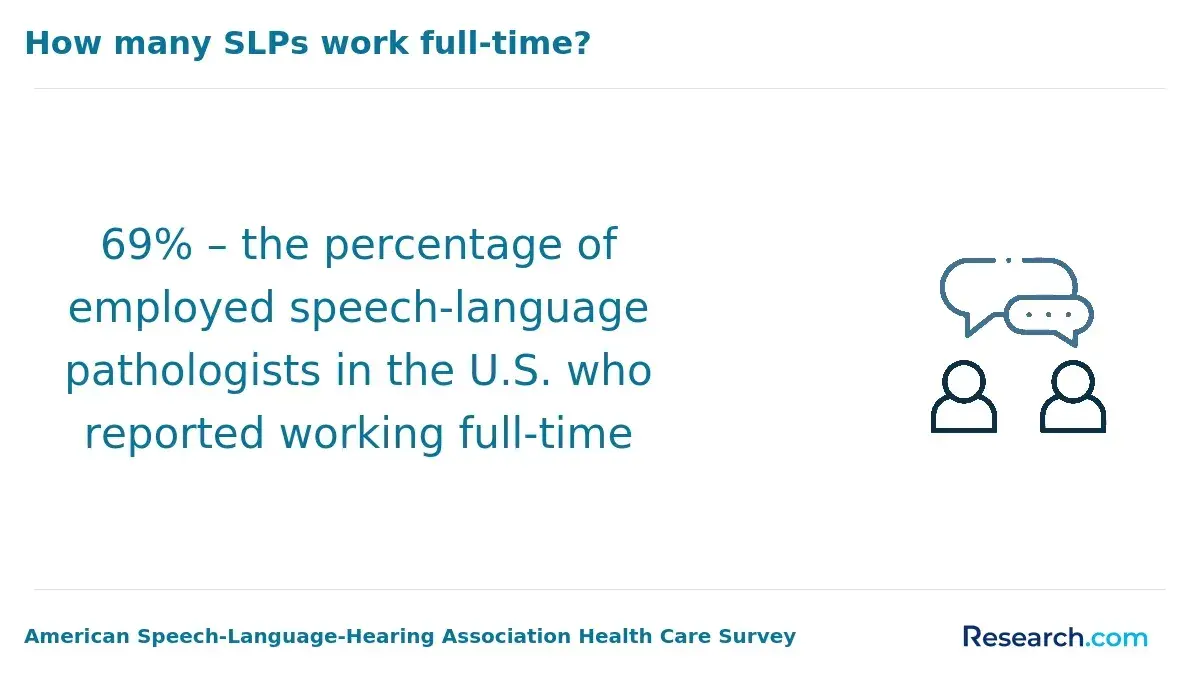
Online speech pathology programs generally span two to three years, depending on full-time or part-time enrollment and specific program requirements. Most master's degree programs, the standard entry-level credential, take 24 to 36 months to complete. Part-time pathways accommodate working professionals or those managing family responsibilities and may extend the duration.
The timeline also depends on clinical practicums and internships. Students must complete a required number of supervised clinical hours—often 400 or more—arranged locally. Some may finish these hours faster by securing intensive placements, while others progress more gradually.
To standardize clinical skill evaluation, 83% of speech pathology programs, including online options, use the CALIPSO tool. This method employs checklists and direct observation to provide clear benchmarks for students and supervisors during practicums.
Prospective students should ask about timeline flexibility, clinical coordination, and whether accelerated tracks or summer sessions are available. Some programs also require mandatory on-campus intensives, which can affect scheduling.
Tuition for online speech pathology degree programs generally ranges from $400 to $1,200 per credit hour, with total master's degree costs between $20,000 and $60,000. These variations depend largely on whether the institution is public or private and its reputation.
Additional expenses may include technology fees, clinical placement coordination, and textbooks, potentially adding several thousand dollars to the overall cost.
Clinical externships or practicum requirements can also affect costs. Students might need to organize local supervision or incur travel expenses if their program does not provide nearby placements. Some programs incorporate clinical placement costs into tuition, while others charge separately.
Financial aid options vary significantly. Public universities often offer lower in-state tuition, while private schools may have higher sticker prices but provide more generous scholarships or grants.
It's important for prospective students to evaluate net costs after aid rather than just the listed price. Part-time enrollment can spread out tuition but may increase total program expenses due to extended duration.
Outcomes for online and residential speech pathology programs are comparable. For example, James Madison University's residential SLP program achieved a 100% Praxis pass rate (29/29) in 2024-25, reflecting trends in distance education success and showing cost does not directly predict certification outcomes.
Graduates of online speech pathology programs can explore a variety of career opportunities across healthcare, education, research, and private practice. Clinical positions in hospitals, rehabilitation centers, and outpatient clinics are primary employers where speech pathologists diagnose and treat communication and swallowing disorders.
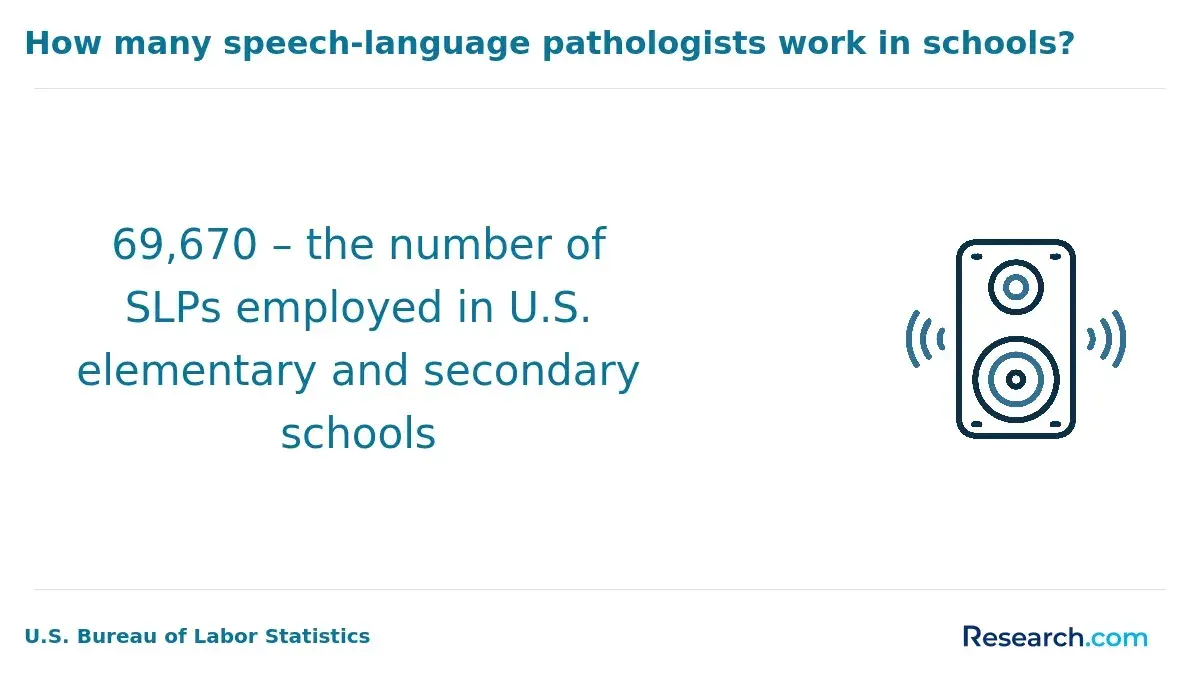
Schools and early intervention programs hire speech pathologists to support children facing speech and language challenges, often collaborating closely with educators and families.
Many professionals further specialize in areas such as stroke recovery, traumatic brain injury, developmental delays in children, or voice and fluency disorders. Telepractice is an expanding field, allowing speech pathologists to deliver therapy remotely, which enhances access for rural and underserved populations.
Beyond clinical roles, speech pathology graduates may pursue academic research or faculty positions, contributing to evidence-based practice and training future clinicians. Administrative and advocacy roles in healthcare agencies, government organizations, and nonprofits focus on policy development and improving services for communication disorders.
Interdisciplinary teamwork is common in this field. Studies show online speech pathology programs prepare students well for collaborative environments, a crucial skill in healthcare and education.
- Medical and rehabilitation clinical speech pathologist
- School-based speech-language pathologist
- Early intervention specialist
- Telepractice clinician
- Academic researcher or faculty member
- Healthcare administrator or advocate
Certifications and clinical specializations significantly enhance employment prospects. Practical experience through diverse clinical placements during training is essential for readiness in these roles.
The job outlook for speech-language pathologists (SLPs) is highly promising, with employment projected to grow 17% through 2035, according to the BLS Occupational Outlook Handbook. This growth is much faster than average and reflects increasing demand across healthcare, education, and private practice settings.
Median salaries typically range from $65,000 to $85,000 annually, with variations depending on factors such as work environment and geography. SLPs working in hospitals or school districts may see different pay scales influenced by regional funding and patient needs.
Experienced practitioners and those with advanced certifications can earn over $90,000. Additionally, telepractice roles are expanding, offering competitive wages, particularly for those leveraging online clinical services.
Key factors affecting salary include:
- Educational level: master's or doctoral degrees often lead to higher pay.
- Specialization and experience: working with pediatric, geriatric, or neurological disorders can increase earning potential.
- Geographic region: urban areas and higher cost-of-living locations typically offer better salaries.
- Employer type: private clinics and specialty rehab centers may pay more than public schools.
Graduates of online speech pathology programs remain well-positioned in this favorable market, provided they maintain certification and gather diverse clinical experience. This ensures competitive salaries in a field adapting to both traditional and remote service delivery models.
How strong is the job demand for speech-language pathologists?
Employment for speech-language pathologists (SLPs) is expected to rise by 17% between 2025 and 2035, according to the U.S. Bureau of Labor Statistics. This growth outpaces many other fields and is driven by an aging population requiring therapy and increased emphasis on early intervention for children with communication disorders.
Opportunities span multiple settings, including schools, hospitals, and nursing care facilities. While urban centers see high competition, rural and underserved areas offer expanding prospects. Online speech pathology programs featuring clinical simulations like SimuCase have shown significant improvements in students' clinical skills, supporting better preparation for evolving job demands.
Skills in telepractice and technology-assisted therapy are increasingly valued as remote healthcare services expand. Employers look for candidates adept at collaborating with interdisciplinary teams, handling electronic health records, and navigating insurance authorization processes. Familiarity with payer systems enhances employability.
Gaining diverse clinical experiences through internships and virtual simulations is essential. Focusing on evidence-based interventions, tracking state-specific licensure requirements, and pursuing continuing education in specialties such as pediatric feeding or neurogenic disorders can improve career stability and advancement.
Other Things You Should Know About Speech Pathology
In 2027, online SLP students utilize virtual simulation platforms and telepractice to engage with diverse clinical populations. These technologies offer scenarios with various disorders, enabling students to practice their skills with varied demographics, fostering comprehensive learning.
Online SLP programs use HIPAA-compliant video platforms, electronic health record training systems, and virtual simulation software to teach assessment and treatment skills. Students also complete synchronous telepractice sessions and supervised practicum hours, often through partner clinics, to meet state licensure and ASHA certification requirements.
Yes, many speech pathologists choose to specialize in areas such as pediatric speech disorders, adult neurogenic communication impairments, voice therapy, or fluency disorders like stuttering. Specialization often involves additional training or certification and allows clinicians to tailor their expertise to specific populations or conditions. This can enhance career opportunities and patient outcomes.
Several professional organizations provide valuable resources, networking, and advocacy for students and practitioners in speech pathology. The American Speech-Language-Hearing Association (ASHA) is the largest and most widely recognized, offering certification, continuing education, and access to research. Joining such groups can help build professional connections and keep up to date with industry standards.
- U.S. Bureau of Labor Statistics - Speech-Language Pathologists https://www.bls.gov/ooh/healthcare/speech-language-pathologists.htm
- ASHA EdFind - Accredited Speech-Language Pathology Programs https://find.asha.org/ed/
- ETS Praxis - Speech-Language Pathology (5331) https://praxis.ets.org/test/speech-language-pathology-5331.html
- Maryville University - Master of Science in Speech-Language Pathology https://www.maryville.edu/masters/speech-language-pathology/
- Pepperdine University - Master of Science in Speech-Language Pathology https://healthscience.pepperdine.edu/online-masters-in-speech-language-pathology/
- University of Nebraska at Kearney - Speech-Language Pathology, Master of Science in Education (Online Track) https://www.unk.edu/online/degrees-programs/speech-language-pathology-online.php
- Auburn University, Montgomery - Master of Science in Speech-Language Pathology https://www.aum.edu/degree/ms-speech-language-pathology/
- Baylor University - Master of Science in Speech-Language Pathology (Online) https://csd.robbins.baylor.edu/graduate/online-csd-graduate-program