
2027 How to Become a Paralegal in Connecticut

Co-Founder and Chief Data Scientist
Becoming a paralegal in Connecticut can be a practical entry point into the legal field if you want work that involves research, documents, clients, deadlines, and case preparation without attending law school. The state has an established legal services market, and Connecticut reports an estimated 510 annual openings for paralegal roles, but job growth is projected at less than 1% from 2022 to 2032. That means preparation matters: applicants who combine formal training, legal technology skills, internship experience, and professional credibility are better positioned than those who rely on interest alone.
This guide explains how to become a paralegal in Connecticut in 2026, including what the job involves, which education paths make sense, how certification works, what costs to expect, how salaries compare, and how to find internships or entry-level legal support jobs. It is designed for first-time students, working adults changing careers, and professionals deciding whether a paralegal certificate, associate degree, bachelor’s degree, or related legal studies path is the right move.
Quick Answer: How do you become a paralegal in Connecticut?
Connecticut does not require a state license to work as a paralegal. Most candidates enter the field by completing a paralegal certificate, associate degree, bachelor’s degree, or related legal studies program; gaining supervised experience through an internship, legal assistant job, or volunteer legal work; and building proficiency in legal research, writing, case management, and document preparation. Voluntary certification through organizations such as NALA or NFPA can strengthen a resume, especially in competitive practice areas.
- Connecticut projects a less than 1% job growth rate from 2022 to 2032, so strong credentials and experience can help candidates stand out.
- The median annual salary for paralegals in Connecticut is approximately $62,260, compared with the national median of about $61,010 per year.
- Paralegal certificate programs in Connecticut commonly take 6 months to 1 year, making them one of the faster routes into legal support work.
| Decision point | What Connecticut paralegal candidates should know |
| State license | No Connecticut paralegal license is required, but paralegals must work under attorney supervision and may not provide legal advice. |
| Typical education | Employers often prefer a paralegal certificate, associate degree, bachelor’s degree, or legal studies background. |
| Fastest training route | A certificate can be completed in about 6 months to 1 year, especially for students who already have college experience. |
| Best way to improve employability | Combine education with an internship, legal office experience, technology skills, and optional national certification. |
| Salary context | Connecticut’s median annual pay of approximately $62,260 is slightly above the national median of about $61,010 per year. |
- What paralegals do in Connecticut
- Basic requirements for Connecticut paralegals
- Education options for paralegal students
- Expected cost of becoming a paralegal
- Paralegal certification options in Connecticut
- Job outlook for Connecticut paralegals
- How interdisciplinary study can strengthen a paralegal career
- Challenges in Connecticut’s legal support market
- Alternative careers that use paralegal skills
- How forensic science knowledge can support legal work
- How paralegal skills connect with law enforcement roles
- Paralegal salary in Connecticut
- Steps for career changers entering the paralegal field
- Skills Connecticut employers look for
- How to find a paralegal job or internship
What does a paralegal do in Connecticut?
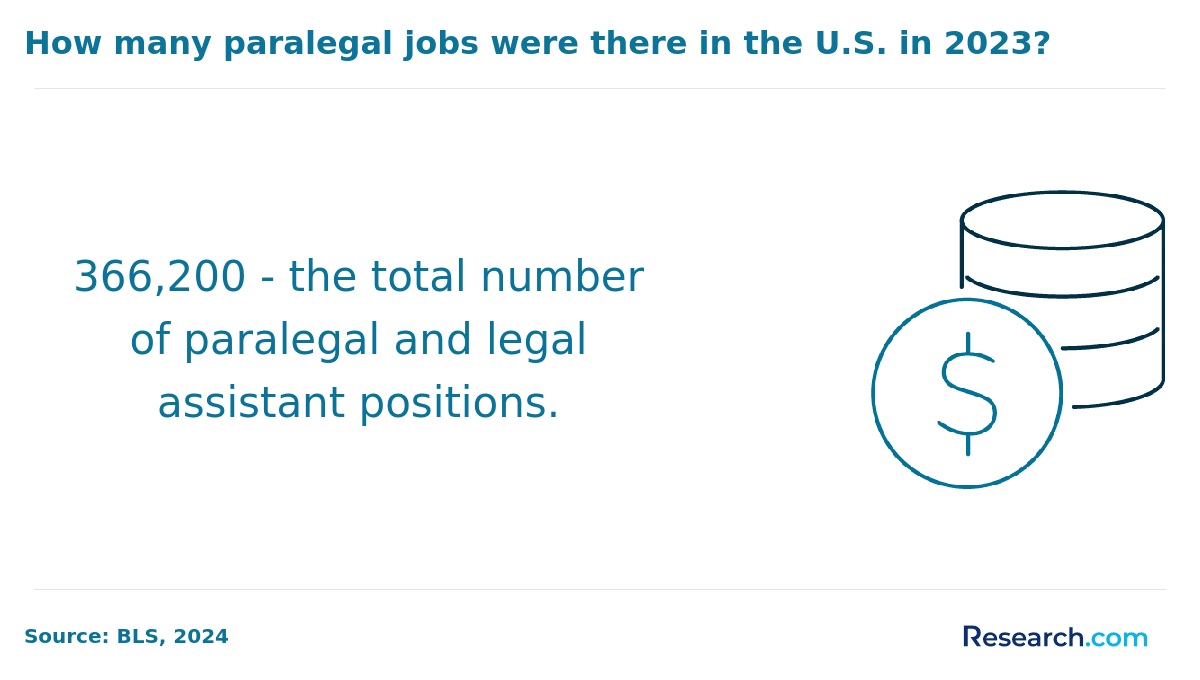
Paralegals help attorneys deliver legal services by handling research, drafting, case organization, client communication, and trial preparation tasks. As of 2022, Connecticut employed approximately 5,250 paralegals, and these professionals work across law firms, corporate legal departments, insurance companies, government offices, nonprofits, and litigation support teams.
The work varies by practice area. A litigation paralegal may prepare discovery materials and organize exhibits, while a real estate paralegal may track closing documents and title materials. A corporate paralegal may maintain entity records, assist with compliance filings, or support contract workflows. In every setting, the paralegal’s value comes from accuracy, deadline control, and the ability to translate legal procedures into organized work products.
Common paralegal duties in Connecticut
- Researching law and procedure: Paralegals review statutes, regulations, court rules, case law, and secondary sources so attorneys can evaluate legal issues efficiently.
- Preparing legal documents: They draft correspondence, pleadings, motions, briefs, contracts, discovery materials, and internal memoranda for attorney review.
- Managing files and deadlines: Paralegals organize case records, maintain calendars, track court dates, monitor filing requirements, and keep documents accessible.
- Communicating with clients and witnesses: They may gather facts, schedule interviews, request records, summarize information, and keep parties informed under attorney direction.
- Supporting hearings and trials: Paralegals can prepare exhibits, coordinate logistics, organize binders or digital evidence, and assist attorneys before and during proceedings.
- Handling legal office administration: Depending on the employer, they may also assist with billing records, correspondence, intake forms, document management systems, and workflow coordination.
| Practice setting | Typical paralegal work | Good fit for candidates who like |
| Law firms | Case preparation, pleadings, discovery, client communication, trial support | Fast deadlines, varied matters, direct attorney support |
| Corporate legal departments | Contracts, compliance records, entity maintenance, internal investigations | Business operations, recurring processes, risk management |
| Government agencies | Public records, administrative hearings, regulations, enforcement support | Public service, procedure, policy-focused legal work |
| Nonprofit legal services | Client intake, document preparation, advocacy support, community resource coordination | Client-facing work and access-to-justice issues |
A key limitation is important: Connecticut paralegals may not represent clients in court, set legal fees, accept cases on behalf of an attorney, or give independent legal advice. Their work must be performed under attorney supervision.
What are the basic requirements to become a paralegal in Connecticut?
Education expectations
Connecticut does not set one required degree or state credential for paralegals. In practice, however, many employers prefer applicants who have completed an associate degree, bachelor’s degree, paralegal certificate, or related legal studies coursework. This preference is especially important in competitive areas influenced by nearby legal markets such as New York City and Boston.
Programs such as the University of Connecticut’s certificate offerings can help students build a foundation in legal research, writing, ethics, litigation support, and practical legal procedures. A formal program is not the only possible route, but it gives career changers and entry-level candidates a clearer way to demonstrate readiness.
Hands-on experience
Employers look for more than classroom knowledge. Internships, volunteer roles, legal assistant jobs, courthouse exposure, and nonprofit legal work can help candidates learn how deadlines, filings, client records, and attorney supervision work in real legal settings. Experience with tools such as Westlaw and LexisNexis, along with familiarity with Connecticut court procedures, can make an applicant more useful from day one.
Optional certification and continuing education
Connecticut does not require paralegal certification, but national credentials can support career mobility. Options such as the NALA Certified Paralegal or NFPA Registered Paralegal can help signal competence to employers, particularly for candidates entering specialized areas such as corporate law, litigation, real estate, or healthcare law. Continuing education through professional associations and legal organizations can also help paralegals stay current as technology, procedure, and practice expectations change.
Professional boundaries
Ethics are central to paralegal work. A paralegal must protect confidential information, avoid conflicts, follow attorney instructions, and understand the line between legal support and unauthorized practice of law. Training programs usually cover these limits because mistakes can harm clients, expose employers to risk, and damage a paralegal’s career.
If you are interested in a specialized legal support path, reviewing career expectations for criminal law roles, including criminal law paralegal salary, can help you compare practice areas before choosing a program or internship.
What education options are available for paralegals in Connecticut?
The best education path depends on your current background. Someone with a bachelor’s degree may only need a focused certificate, while a first-time college student may benefit from an associate or bachelor’s degree. Connecticut currently has eight recognized paralegal training programs, and those programs recently produced nearly 230 graduates, showing that students have several in-state training options.
| Education option | Typical student | Main advantage | Possible drawback |
| Paralegal certificate | Career changers or college graduates who want focused legal training | Often completed in 6 months to 1 year and emphasizes job-ready skills | May be less broad than a degree for students without prior college coursework |
| Associate degree | Students starting college or seeking a structured entry-level credential | Combines general education with paralegal coursework | Takes longer than a certificate |
| Bachelor’s degree in legal studies or a related field | Students seeking broader advancement options or future graduate study | Can support roles beyond entry-level paralegal work | Usually requires a larger time and cost commitment |
| Online or hybrid program | Working adults, parents, or students outside major campus locations | Offers scheduling flexibility | Requires self-discipline and careful evaluation of internship support |
| Continuing education | Working paralegals who want to update skills or specialize | Helps maintain relevance in technology, procedure, and practice areas | Usually supplements, rather than replaces, core training |
Certificate programs are usually the fastest option because they concentrate on legal research, writing, civil procedure, ethics, and document preparation. Associate degree programs add broader academic coursework and may be useful for students who do not already have a degree. Bachelor’s programs can be valuable for students who want a stronger foundation for compliance, legal operations, policy, public administration, or possible graduate study.
Online and hybrid formats can work well for Connecticut students who need flexibility, but they should be evaluated carefully. Before enrolling, ask whether the program includes live instruction, attorney-taught courses, legal research database training, career services, internship connections, and employer recognition. Flexibility is useful only if the program also provides structure and practical support.
Students who are weighing a long-term legal education route may also want to compare legal studies and pre-law options with broader resources such as rankings of the best lawyer degree programs for future lawyers, especially if they are considering law school later.
Questions to ask before choosing a Connecticut paralegal program
- Is the school institutionally accredited, and is the paralegal program recognized by employers in Connecticut?
- Does the curriculum cover legal research, legal writing, civil litigation, ethics, technology, and Connecticut procedure?
- Are internships, practicums, or placement support available?
- Who teaches the courses: attorneys, experienced paralegals, or general instructors?
- Does the program prepare students for national certification exams?
- Can credits transfer if you later pursue an associate or bachelor’s degree?
- What are the total costs after fees, books, technology, transportation, and certification preparation?
How much does it cost to become a paralegal in Connecticut?
The cost of becoming a paralegal in Connecticut depends on the credential, school, delivery format, and whether you already have college credits. Tuition is only one part of the total price. Students should also budget for books, legal database access or training, technology, transportation, parking, exam preparation, professional memberships, and possible lost work time.
For example, the University of Connecticut’s Paralegal Studies Certificate program ranges from approximately $6,000 to $8,000, depending on residency and course load. Textbooks and course materials, especially in specialized legal topics, can add several hundred dollars more.
Voluntary certification adds another layer of cost. Exams for credentials such as the NALA Certified Paralegal or NFPA Registered Paralegal typically range from $180 to $350. Study guides, review courses, and retake fees, if applicable, can increase the total.
Professional development should also be part of the budget. Membership in groups such as the Connecticut Paralegal Association may require annual dues, while Continuing Legal Education courses can cost several hundred dollars each year. These expenses are not always required to get hired, but they can support networking and long-term career growth.
Students attending campus-based programs should consider living and commuting costs. Housing and meal plans alone may cost between $10,000 and $15,000 annually, which can make an online or part-time format more affordable for some learners.
When comparing cost with potential earnings, Connecticut’s average paralegal salary is approximately $63,260. That does not guarantee a specific return for every graduate, but it does provide a useful benchmark when estimating whether a program’s price, timeline, and job placement support are reasonable.
| Cost category | What to check before enrolling |
| Tuition and fees | Ask for the total program cost, not just the per-course or per-credit rate. |
| Books and materials | Confirm whether legal texts, style guides, and software tools are included. |
| Certification expenses | Budget for exam fees, preparation materials, and possible review courses. |
| Transportation or housing | Compare commuting, parking, and campus living costs with online or hybrid options. |
| Career support | Find out whether internship placement, resume help, and employer connections are included in tuition. |
| Financial aid | Ask about federal aid eligibility, employer tuition reimbursement, scholarships, and Workforce Innovation and Opportunity Act support if applicable. |
How do you get certified as a paralegal in Connecticut?
Certification is not required by the state, but it can help employers quickly understand your level of preparation. Connecticut candidates generally pursue national certification after completing education and gaining enough legal work experience to meet the certifying organization’s eligibility rules.
Start with credible education
A strong certification plan begins with a reputable paralegal program. Many candidates prefer ABA-approved or otherwise well-recognized programs because they are more likely to cover the legal research, writing, ethics, and procedural knowledge tested by national exams. The more structured the curriculum, the easier it is to identify and close knowledge gaps before sitting for a credentialing exam.
Build supervised legal experience
Certification bodies often value substantive legal work performed under attorney supervision. In many cases, one to two years of experience can help candidates connect classroom concepts to actual legal workflows, including discovery, filing, client communication, and document review.
Choose and pass a recognized exam
Common national credentialing organizations include NALA, NFPA, and AAfP. Their exams assess legal knowledge, analytical ability, ethics, communication, and practical understanding of paralegal work. Candidates should review eligibility requirements directly with the organization before paying for an exam or preparation course.
Use Connecticut-based professional resources
Local organizations such as the Connecticut Paralegal Association and the Judicial Branch Paralegal Program can help students and working paralegals learn about state-specific practice expectations, continuing education opportunities, and networking events. These connections can be especially helpful for candidates who are new to the legal field.
Keep your knowledge current
Certification is not a one-time career solution. Laws, procedures, court technology, filing systems, and employer expectations change. Continuing education helps paralegals maintain professional credibility, prepare for specialization, and adapt to new legal technologies.
| Certification step | Why it matters |
| Complete relevant education | Builds the legal foundation needed for exam preparation and entry-level work. |
| Gain legal experience | Shows that you can apply legal concepts in a supervised professional setting. |
| Select a national credential | Allows you to match your background and goals to the right certifying organization. |
| Prepare for the exam | Reduces the risk of paying exam fees before you are ready. |
| Maintain professional development | Helps you remain competitive as legal practice and technology evolve. |
What is the job outlook for paralegals in Connecticut?
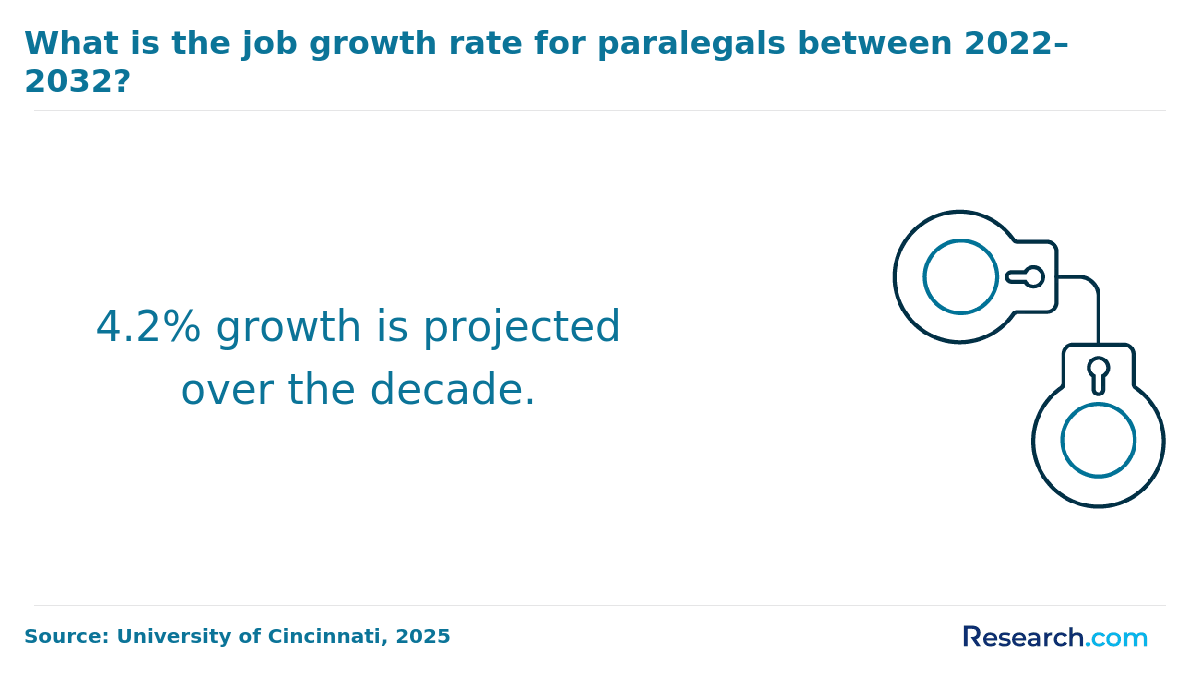
Connecticut’s paralegal market is stable but competitive. The projected job growth rate is less than 1% from 2022 to 2032, which means the field is not expanding rapidly. At the same time, the state still reports an estimated 510 annual openings, which may come from replacement needs, retirements, promotions, and movement into adjacent legal or compliance roles.
Applicants can improve their prospects by focusing on the areas employers consistently need: litigation support, document management, legal research, e-discovery, contract administration, regulatory compliance, and client communication. Candidates with internship experience, technology confidence, and voluntary credentials may have an advantage over applicants with only classroom training.
Location also matters. Legal opportunities may be stronger near business, government, insurance, healthcare, and corporate centers. However, higher salaries in urban areas should be weighed against commuting and living costs.
If you are comparing Connecticut with training options in other states or need a flexible route, reviewing online certificate programs can help you evaluate curriculum structure, accreditation, and student support. For example, Research.com’s paralegal certificate Colorado resource can provide a comparison point for online paralegal certificate formats.
Current trends affecting paralegal work
- Legal technology is now part of the job: Employers increasingly expect comfort with document management systems, e-discovery tools, research platforms, spreadsheets, and remote collaboration software.
- Certification can help in a slow-growth market: When job growth is limited, credentials and practical experience can help distinguish similar applicants.
- Specialization can improve mobility: Paralegals who understand corporate compliance, healthcare, real estate, insurance, criminal law, or litigation technology may have more targeted opportunities.
- Ethical awareness is increasingly important: Faster communication and digital case files make confidentiality, supervision, and document control even more critical.
How does interdisciplinary education enhance your paralegal career in Connecticut?
Paralegal work often overlaps with social services, business, healthcare, technology, real estate, criminal justice, and public administration. Interdisciplinary education can help paralegals understand the human and organizational context behind legal matters, not just the paperwork.
For example, coursework connected to client advocacy, community systems, and public benefits can be useful in family law, housing, elder law, and nonprofit legal services. Students interested in that type of client-facing work may find it helpful to understand social worker education requirements in Connecticut, because social work knowledge can strengthen communication, referral awareness, and trauma-informed client interaction.
What challenges do Connecticut paralegals face in a dynamic legal market?
Connecticut paralegals face a mix of opportunity and pressure. A slow-growth employment outlook means candidates need to be deliberate about building marketable skills. Technology is also changing how legal teams organize discovery, manage contracts, research issues, and communicate with clients. Paralegals who avoid legal software or digital filing systems may find it harder to compete.
Some practice areas also require business and financial literacy. In corporate, tax, probate, real estate, or insurance-related work, a paralegal may need to read financial documents, understand compliance records, or help organize data-heavy materials. Candidates who want to strengthen that side of their profile may consider coursework from the best accounting schools in Connecticut as a way to support legal roles that involve financial documentation.
What alternative career paths can leverage paralegal expertise in Connecticut?
Paralegal training can support more than traditional law firm work. Research, writing, compliance tracking, records management, interviewing, and regulatory analysis are useful in many fields. Connecticut paralegals may apply these skills in compliance departments, contract administration, claims support, legal operations, court administration, government agencies, nonprofit advocacy, and policy-focused positions.
Some professionals use paralegal experience to move toward planning, public administration, or municipal roles where zoning, land use, regulations, hearings, and documentation are central. If that direction interests you, Research.com’s guide on how to become an urban planner in Connecticut can help you compare civic and regulatory career paths.
How can forensic science insights enhance your paralegal role in Connecticut?
Forensic science knowledge can be valuable for paralegals who work in criminal law, personal injury, medical malpractice, product liability, or complex litigation. A paralegal does not need to become a forensic expert, but understanding evidence handling, chain of custody, lab reports, expert witness materials, and scientific terminology can make case preparation more accurate.
This type of background can also improve communication between attorneys and technical specialists. If you are interested in evidence-heavy legal work, you may want to compare paralegal training with the career pathway described in Research.com’s article on how to become a forensic scientist in Connecticut.
How can paralegal skills complement law enforcement roles in Connecticut?
Paralegal skills can support law enforcement and public safety work because both fields rely on documentation, procedure, evidence organization, legal compliance, and clear reporting. A paralegal background may be useful in investigative support, records review, case preparation, compliance units, victim services coordination, or court liaison functions.
Professionals considering a move between legal support and public safety should compare training requirements carefully because law enforcement roles have different physical, academy, background, and authority standards. To understand those expectations, review Research.com’s overview of Connecticut police academy requirements.
How much do paralegals make in Connecticut?
Paralegal pay in Connecticut depends on experience, employer type, location, technical skills, and practice area. Entry-level candidates often earn less while they build legal judgment and workflow experience, while specialized paralegals in corporate, healthcare, litigation, real estate, or technology-heavy roles may command higher pay.
Entry-level paralegals often start near $44,000 annually. With experience, especially in places such as Hartford or Stamford, compensation can rise to $63,000 or more. The highest earners, often in specialized legal areas such as corporate or healthcare law, can surpass $95,000.
Certification may also affect earning potential. Credentialed paralegals frequently earn 10–15% more than uncertified peers, reflecting employer interest in verified legal knowledge and professional commitment. However, certification does not guarantee a raise; its value depends on the employer, role, and market.
Geography should be evaluated carefully. Urban legal markets may offer stronger salaries but also higher transportation, housing, and daily living costs. Smaller communities may offer lower pay but a more manageable cost structure or better work-life fit.
| Salary factor | How it can affect earnings |
| Experience level | New paralegals may begin near $44,000, while experienced professionals can move toward $63,000 or more. |
| Specialization | Corporate, healthcare, e-discovery, real estate, and litigation roles may offer higher earning potential. |
| Certification | Credentialed paralegals frequently earn 10–15% more than uncertified peers, although outcomes vary. |
| Location | Hartford, Stamford, and other business centers may offer higher compensation but also higher costs. |
| Technology skills | Experience with legal research, document management, and e-discovery tools can strengthen a salary case. |
What are the steps to switch careers and become a paralegal in Connecticut?
Changing careers into paralegal work is realistic for professionals from administration, education, customer service, finance, healthcare, government, insurance, or nonprofit roles. The key is to translate your existing strengths into legal support skills and then fill gaps through targeted training and experience.
1. Identify transferable skills
Start by listing work you already do that overlaps with paralegal responsibilities. Strong writing, research, scheduling, records management, client communication, confidentiality, spreadsheet use, and deadline tracking are all relevant.
2. Compare education routes
Choose a program based on your prior education and timeline. A certificate may be best if you already have a degree. An associate degree may fit if you need a broader college credential. A bachelor’s degree in legal studies can support longer-term advancement or graduate study.
3. Choose an accredited or well-recognized program
Look for ABA-approved or institutionally accredited options and confirm that employers recognize the credential. Connecticut has 8 known paralegal training programs, which recently graduated nearly 230 students, giving career changers several possible routes.
4. Seek an internship, practicum, or volunteer legal role
Legal employers often want proof that you understand real legal workflows. An internship or volunteer role can help you learn filing procedures, client intake, document review, research assignments, and attorney expectations.
5. Consider national certification
Certification is optional, but credentials such as the NALA Certified Paralegal or NFPA Registered Paralegal can help career changers demonstrate seriousness and baseline competence.
6. Join professional associations
Organizations such as the Connecticut Paralegal Association, National Association of Legal Assistants, and National Federation of Paralegal Associations can provide education, networking, job leads, and insight into employer expectations.
7. Rebuild your resume for legal employers
Do not simply submit your old resume. Emphasize research, writing, confidentiality, records management, customer or client communication, document preparation, technology use, and any paralegal coursework or internship experience.
8. Apply strategically for entry-level roles
Look for legal assistant, litigation assistant, records assistant, intake specialist, compliance assistant, and junior paralegal roles. These positions can help career changers gain experience while moving toward full paralegal responsibilities.
9. Keep developing after your first job
The first paralegal role is not the finish line. Continue learning legal technology, court procedures, practice-area terminology, and professional ethics. Advancement often comes from reliability, accuracy, and the ability to handle increasingly complex assignments.
What skills do successful paralegals need in Connecticut?
Connecticut employers look for paralegals who can work accurately under pressure, communicate professionally, and manage legal details without constant correction. Technical skill matters, but so do judgment, discretion, and reliability.
| Skill | Why it matters in paralegal work |
| Legal research and writing | Paralegals need to find relevant law, summarize issues, and draft clear documents for attorney review. |
| Case organization | Files, deadlines, exhibits, correspondence, and discovery materials must be complete and easy to locate. |
| Communication | Paralegals interact with attorneys, clients, witnesses, clerks, vendors, and other professionals. |
| Attention to detail | Errors in names, dates, citations, deadlines, or filing requirements can create serious problems. |
| Connecticut procedure awareness | Understanding local courts, filing rules, and common forms helps prevent avoidable delays. |
| Technology proficiency | Employers often expect comfort with tools such as Clio, Westlaw, LexisNexis, document systems, and Microsoft Office. |
| Ethics and confidentiality | Paralegals handle sensitive information and must avoid unauthorized practice of law. |
| Time management | Legal support work often involves multiple attorneys, urgent deadlines, and competing priorities. |
| Critical thinking | Strong paralegals spot missing information, anticipate procedural issues, and ask useful questions. |
| Professional teamwork | Legal work is collaborative, and paralegals must be dependable partners in the legal process. |
If you want a structured way to build these competencies, comparing ABA accredited online paralegal programs can help you identify affordable options aligned with employer expectations for research, writing, ethics, and practical legal support.
Common mistakes to avoid
- Choosing a program based only on tuition: A low-cost program may be a poor value if it lacks career support, legal research training, or employer recognition.
- Ignoring accreditation and reputation: Always verify the school’s accreditation and ask how graduates perform in the job market.
- Assuming online always means easier: Online legal training still requires disciplined reading, writing, deadlines, and participation.
- Skipping internships: Classroom knowledge is useful, but supervised legal experience often makes the difference in entry-level hiring.
- Overlooking ethics: Paralegals must understand what they can and cannot do without an attorney.
- Expecting salary outcomes to be guaranteed: Pay depends on experience, location, specialization, employer type, and demonstrated skills.
How do I find a paralegal job or internship in Connecticut?
Finding a Connecticut paralegal job requires more than submitting applications. Because growth is projected at less than 1%, candidates should combine education, networking, targeted applications, and evidence of practical ability.
1. Finish or near completion of your training
Many employers prefer candidates who have completed a paralegal certificate, associate degree, bachelor’s degree, or equivalent legal studies coursework. If you are considering advanced legal education later, learning what can I do with a masters in legal studies can help you understand how paralegal work may fit into broader legal and compliance career plans.
2. Build a legal-focused resume and cover letter
Highlight legal research, writing, document preparation, confidentiality, case management, technology tools, internship experience, and transferable skills. If you are new to the field, use coursework, projects, volunteer experience, and administrative accomplishments to show readiness.
3. Use Connecticut and legal-specific job resources
Search CTHires, the Connecticut Bar Association’s Career Center, college career portals, Indeed, LinkedIn, NALP, and Lawjobs.com. Set alerts for “paralegal,” “legal assistant,” “litigation assistant,” “compliance assistant,” and “legal operations” roles.
4. Apply directly to employers
Do not rely only on job boards. Review websites for law firms, insurance companies, hospitals, banks, corporate legal departments, municipalities, state agencies, and nonprofit legal organizations. Government offices and legal aid groups may also offer internship or entry-level opportunities.
5. Network with professional associations
Join or attend events hosted by the Connecticut Paralegal Association and National Federation of Paralegal Associations. Webinars, continuing education sessions, and local events can lead to referrals, mentors, and information about unadvertised openings.
6. Treat internships as career auditions
An internship can become a job lead if you show reliability, accuracy, confidentiality, and initiative. Even when an internship is unpaid or temporary, it can provide references and concrete legal experience for your resume.
7. Prepare for interviews with local legal context
Be ready to discuss legal research assignments, writing samples, deadline management, confidentiality, technology tools, and why you want to work in a specific practice area. Employers may also ask how you would handle attorney supervision, client communication, or competing deadlines.
8. Continue learning while you search
Use the job search period to complete short courses, improve typing and document skills, practice legal citation, learn case management systems, and attend professional events. A stronger skill profile can turn a long search into a more focused one.
What do paralegals say about their careers in Connecticut?
- The paralegal program at the University of Connecticut helped me build confidence in legal research and writing before I entered a law firm. Once I started working with attorneys, I understood how much organized support matters to keeping cases moving. Shane
- The Connecticut State Paralegal Program exposed me to civil litigation, client communication, and the level of detail legal work requires. I like knowing that the documents and preparation I handle can affect real outcomes for people in my community. Kaye
- Volunteering with a Connecticut nonprofit that provided paralegal training gave me firsthand exposure to family law matters. Seeing how legal issues affect families made the career feel meaningful and confirmed that I wanted to continue in this field. Craig
Related Articles for Nearby States
- 2027 How to Become a Paralegal in New York
- 2027 How to Become a Paralegal in Rhode Island
- 2027 How to Become a Paralegal in Massachusetts
- 2027 How to Become a Paralegal in New Jersey
- 2027 How to Become a Paralegal in Pennsylvania
- 2027 How to Become a Paralegal in Vermont
- 2027 How to Become a Paralegal in New Hampshire
- 2027 How to Become a Paralegal in Delaware
- 2027 How to Become a Paralegal in Maryland
- 2027 How to Become a Paralegal in Maine
References:
- NALS. (n.d.). Paralegals: Career outlook and projected growth. National Association for Legal Support Professionals. Retrieved May 19, 2025.
- O*NET OnLine. (2025, May 13). Connecticut employment trends: 23-2011.00 - Paralegals and legal assistants. O*NETOnLine.org. Retrieved May 19, 2025.
- O*NET OnLine. (2025, May 13). Connecticut training: 23-2011.00 - Paralegals and legal assistants. O*NETOnLine.org. Retrieved May 19, 2025.
- O*NET OnLine. (2025, May 13). Connecticut wages: 23-2011.00 - Paralegals and legal assistants. O*NETOnLine.org. Retrieved May 19, 2025.
- O*NET OnLine. (2025, May 13). 23-2011.00 - Paralegals and legal assistants. O*NETOnLine.org. Retrieved May 19, 2025.
- U.S. BLS. (2025, April 18). Occupational outlook handbook: Paralegals and kegal assistants. U.S. Bureau of Labor Statistics. Retrieved May 19, 2025.
- U.S. BLS. (2025, April 18). Paralegals and legal assistants: Pay. U.S. Bureau of Labor Statistics. Retrieved May 20, 2025.
Key Insights
- Connecticut does not require a paralegal license, but most employers expect formal training, legal writing ability, technology skills, and a clear understanding of attorney supervision.
- A certificate can be the fastest route, often taking 6 months to 1 year, while associate and bachelor’s degrees may provide broader long-term options.
- The state projects less than 1% growth from 2022 to 2032, so candidates should treat internships, networking, and optional certification as important career advantages.
- Connecticut’s median annual paralegal salary is approximately $62,260, slightly above the national median of about $61,010 per year, but pay varies by experience, location, specialization, and employer.
- Before enrolling, compare total cost, accreditation, career services, internship access, technology training, and transfer-credit policies—not tuition alone.
- The strongest candidates are not just interested in law; they can manage details, protect confidentiality, research efficiently, write clearly, meet deadlines, and adapt to legal technology.
Other Things You Should Know About Becoming a Paralegal in Connecticut
In 2027, aspiring paralegals in Connecticut typically need an associate degree in paralegal studies or a bachelor's degree in any field coupled with a paralegal certificate. While certification isn’t mandatory, it is highly recommended as it boosts employability and professional credibility.
Becoming a paralegal in Connecticut typically takes about 2-4 years in 2026. This timeframe includes earning an associate's degree or a bachelor's degree in paralegal studies. Additional time may be needed for certification and gaining relevant work experience.


