2027 Best Online Master's in Engineering Management for Mid-Career Professionals

Co-Founder and Chief Data Scientist
Mid-career engineers often face the same decision: stay technical, move into leadership, or prepare for roles that combine both. An online master's in engineering management can help bridge that gap without leaving work. The U.S. Bureau of Labor Statistics reported a May 2024 median annual wage of $167,740 for architectural and engineering managers, making program choice a high-stakes investment.
This guide explains formats, accreditation, admissions, cost, curriculum, careers, and ROI so you can compare programs with confidence.
Key Things You Should Know
- An online master's in engineering management is best for experienced engineers, technical project leads, product professionals, and operations specialists who want management roles without pursuing a traditional MBA.
- For U.S. architectural and engineering managers, the BLS reported a May 2024 median annual wage of $167,740, but outcomes vary by industry, region, technical background, and leadership scope.
- The strongest programs are institutionally accredited, employer-recognized, transparent about total cost, designed for working adults, and aligned with roles such as engineering manager, technical program manager, systems engineering manager, or operations leader.
What is an online master's in engineering management, and who is it best suited for?
An online master's in engineering management, often called a MEM, MSEM, or MS in Engineering Management, is a graduate degree that combines engineering decision-making with business, operations, analytics, project management, and leadership. It is not usually intended to replace an engineering bachelor's degree; instead, it helps technical professionals lead teams, budgets, products, processes, and systems.
The degree is strongest for people who already understand technical work and now need to manage people, risk, cost, timelines, quality, or innovation. It can also be useful for professionals moving from individual contributor roles into engineering leadership.
The table below summarizes who is likely to benefit from this degree and who may be better served by another path:
| Professional profile | Fit for an online engineering management master's | Why it matters |
| Mid-career engineer | Strong fit | The curriculum builds management, finance, and systems thinking on top of technical experience. |
| Technical project manager | Strong fit | The degree can deepen engineering-specific leadership, risk, and operations knowledge. |
| Engineer seeking executive track | Good fit | It can support advancement toward director or senior manager roles, especially when paired with business experience. |
| Career changer with no STEM background | Limited fit | Many programs expect prior engineering, science, math, or technical coursework. |
| Professional seeking broad corporate management | Consider an MBA instead | An MBA may be better for finance, marketing, entrepreneurship, or general management outside technical organizations. |
If you are still building your technical foundation, a cheap online engineering degree may be a more appropriate first step than jumping directly into a graduate management program.
This degree is usually worth considering when your next role requires cross-functional leadership: coordinating engineers, product teams, vendors, finance stakeholders, compliance teams, or executives. It may not be the best fit if your goal is purely research-oriented engineering, professional engineering licensure preparation, or a career pivot away from technical work entirely.
How does an online engineering management master's compare to a campus-based program?
Online and campus-based engineering management master's programs often cover similar academic material, but the student experience can differ significantly. For mid-career professionals, the deciding factor is usually not whether online learning is "easier" or "harder," but whether the format supports work, family, travel, and career momentum.
The table below compares common differences that affect schedule, networking, cost, and learning style:
| Factor | Online program | Campus-based program |
| Schedule | Often asynchronous or hybrid, with evening deadlines and part-time options | Often fixed class times, labs, or in-person meetings |
| Best for | Working engineers, military learners, parents, and professionals who cannot relocate | Students who want in-person interaction, campus recruiting, or access to local labs |
| Networking | May be distributed nationally, with virtual teams and alumni platforms | May be stronger for local employer pipelines and face-to-face relationships |
| Cost considerations | Can reduce relocation, commuting, and opportunity costs | May offer assistantships or local partnerships unavailable online |
| Learning style | Requires self-direction, written communication, and digital collaboration | Offers more immediate classroom interaction and campus structure |
An online program can be the better choice if you plan to keep earning a full-time salary while studying. A campus program can be better if you want intensive in-person networking, access to specialized facilities, or a structured graduate school experience.
There are also hybrid options. These may include short campus residencies, live virtual sessions, weekend intensives, or project-based courses with employer-sponsored assignments. Mid-career students should ask whether required synchronous sessions fit their work calendar, especially if they manage production schedules, client deadlines, or field operations.
Which online engineering management master's programs are accredited and recognized by employers?
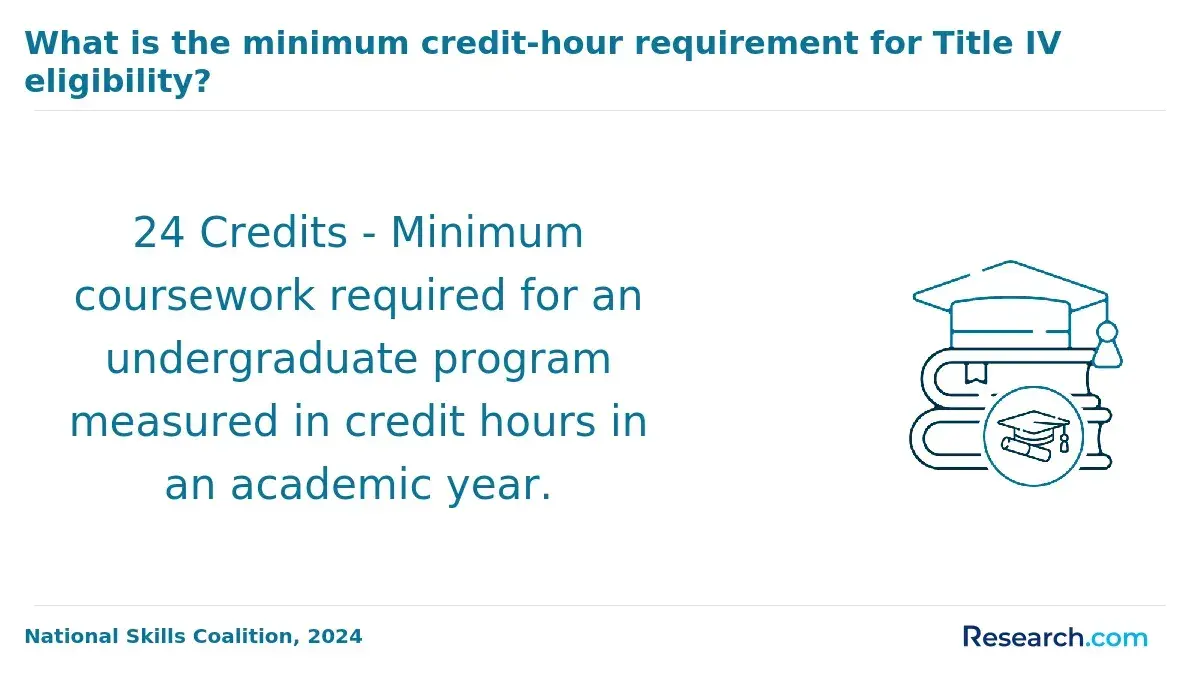
Employer recognition starts with institutional accreditation. In the U.S., reputable universities should hold accreditation from an accreditor recognized by the U.S. Department of Education or the Council for Higher Education Accreditation. This matters because accreditation can affect federal financial aid eligibility, transfer credit, employer tuition reimbursement, and how the credential is viewed on a résumé.
Engineering management master's programs are not always separately accredited in the way some undergraduate engineering programs are. ABET accreditation is common and important for many undergraduate engineering degrees, but graduate engineering management programs may rely primarily on the university's institutional accreditation and the reputation of the engineering school, business school, or systems engineering department.
Accreditation expectations vary by field. In regulated or credential-specific areas, programmatic accreditation can be essential; for example, students comparing a CAHIIM accredited HIM degree online would evaluate a different accreditation standard than engineering management students. For MEM applicants, the main priority is verifying legitimate institutional accreditation and employer relevance.
Use the following checks before applying, especially if a program is fully online or marketed aggressively to working adults:
- Confirm the university's institutional accreditation through an official accreditor or federal database, not only the school's marketing page.
- Review where the program is housed, such as an engineering college, systems engineering department, business school, or interdisciplinary graduate division.
- Look for employer-facing signals, including capstone projects, advisory boards, alumni roles, corporate partnerships, and tuition reimbursement eligibility.
- Ask whether the transcript and diploma distinguish online study from campus study, because policies vary by institution.
- Check whether courses are taught by full-time faculty, industry practitioners, or a mix of both, and decide which model best fits your goals.
A recognized program does not have to be famous nationally, but it should be transparent. Red flags include unclear accreditation language, unusually vague faculty information, pressure-based admissions tactics, missing tuition details, and no evidence of graduate outcomes or employer engagement.
What are the typical admissions requirements for an online engineering management master's?
Admissions requirements vary, but most online engineering management master's programs look for evidence that you can handle graduate-level quantitative, technical, and managerial coursework. Mid-career applicants may have an advantage when programs value professional experience, but experience alone may not replace academic preparation.
The table below summarizes common admissions elements and how applicants should interpret them:
| Requirement | Common expectation | What mid-career applicants should know |
| Bachelor's degree | Usually engineering, computer science, applied science, math, technology, or a related field | Some programs admit non-engineers with prerequisite coursework or relevant technical experience. |
| GPA | Often a minimum undergraduate GPA, commonly around a B average | Strong work history may help, but schools can still require academic evidence. |
| Work experience | Preferred or required by many professional programs | Leadership, project ownership, design responsibility, or operations experience can strengthen the application. |
| GRE or GMAT | May be optional, waived, or not required | Test waivers are common for applicants with strong GPAs or professional experience. |
| Statement of purpose | Usually required | The strongest essays connect technical background to clear leadership goals. |
| Recommendations | Academic or professional letters | Supervisors who can discuss leadership potential are often more useful than generic academic references. |
Applicants should prepare a concise career narrative before contacting admissions offices. The best narrative explains where you are now, which leadership gap you need to close, and how the curriculum supports a realistic next step.
If you are worried about prerequisites, ask admissions advisors specific questions rather than assuming you are ineligible. Useful questions include the following:
- Which undergraduate math, statistics, programming, or engineering courses are expected before enrollment?
- Can professional certifications, military training, or employer-based technical training satisfy any prerequisites?
- Are bridge courses available for applicants from technology, construction, manufacturing, or applied science backgrounds?
- Does the program admit students conditionally if they complete foundation coursework first?
A common mistake is applying only to the most recognizable school without checking fit. For mid-career students, an admissions-friendly program is not automatically the best choice; the curriculum, pacing, faculty access, and employer alignment matter just as much as acceptance odds.
How long does an online engineering management master's take, and what does it cost?
Most online master's in engineering management programs are designed for working professionals and can often be completed in about one to three years, depending on course load, credit requirements, and whether the student studies year-round. Accelerated formats may be attractive, but they can be difficult for professionals with travel-heavy, supervisory, or shift-based roles.
Cost depends on tuition, fees, residency rules, employer support, technology requirements, and how long you stay enrolled. The National Center for Education Statistics' 2024 Digest shows that average graduate tuition and required fees in the U.S. remain meaningfully higher at private nonprofit institutions than at public institutions, which is a reminder to compare total cost rather than sticker prestige alone.
When comparing costs, request a full program estimate rather than relying on per-credit tuition. The following items commonly affect the true price:
- Tuition per credit and total credits required for graduation
- Online course fees, technology fees, graduation fees, and student services fees
- Residency-based tuition differences for public universities
- Required campus visits, residencies, travel, or lodging
- Textbooks, software, simulation tools, cloud platforms, or proctoring fees
- Employer tuition assistance limits and reimbursement timing
- Potential federal student loan interest and repayment obligations
The table below explains common time-and-cost trade-offs for mid-career professionals:
| Program pace | Typical student profile | Main advantage | Main trade-off |
| Accelerated | Professionals with stable schedules and strong academic preparation | Finishes faster and may reduce time to promotion eligibility | Can be stressful alongside full-time leadership responsibilities |
| Part-time | Working adults balancing job, family, travel, or military obligations | More sustainable and often easier to fund through employer reimbursement | Longer time before the degree can influence career mobility |
| Cohort-based | Students who value peer relationships and structured deadlines | Stronger networking and predictable progression | Less flexibility if work demands change |
| Self-paced or flexible | Independent learners with changing workloads | More control over timing | Requires discipline and may provide less peer connection |
To evaluate affordability, calculate net cost after employer tuition assistance, scholarships, military benefits, and tax considerations where applicable. Then compare that number with your target role, likely timeline to advancement, and willingness to take on debt.
A low-cost program that does not match your career goal can be a poor investment, while a higher-cost program may make sense if it offers strong employer alignment and flexible pacing.
What core courses and specializations are offered in online engineering management programs?
Engineering management programs are interdisciplinary. The best curricula help students translate technical judgment into organizational decisions: which projects to fund, how to manage risk, how to lead engineers, how to improve systems, and how to communicate with executives.
Core courses commonly cover the areas below. These subjects matter because engineering managers are usually evaluated not only on technical correctness, but also on cost, schedule, quality, safety, stakeholder management, and business impact.
- Engineering project management, including scope, scheduling, budgeting, risk, and stakeholder coordination
- Engineering economics and financial decision-making for capital-intensive or technology-driven projects
- Systems engineering, systems thinking, and lifecycle management
- Operations management, supply chain, quality control, and process improvement
- Data analytics, decision analysis, modeling, and forecasting
- Leadership, organizational behavior, negotiation, and communication for technical teams
- Innovation management, product development, technology strategy, or entrepreneurship
- Capstone, practicum, or applied industry project that integrates technical and managerial decision-making
Specializations vary by school and can make a major difference. A student in software engineering leadership may need analytics, agile delivery, cybersecurity, or product management coursework, while a manufacturing professional may benefit more from operations, lean systems, reliability, and quality.
Common specialization areas include the following:
- Project and program management
- Systems engineering
- Product management and technology innovation
- Operations, supply chain, and manufacturing leadership
- Data analytics and decision science
- Construction, infrastructure, or civil systems management
- Cybersecurity management or software engineering management
- Sustainability, energy, or environmental systems management
Professionals focused on sustainability or regulatory engineering may also compare a MEM with an online environmental engineering degree, especially if they want deeper technical preparation in water, air, remediation, or environmental compliance rather than broader engineering leadership training.
Current trends are reshaping course selection. AI-assisted design, digital twins, cloud-based engineering workflows, advanced manufacturing, cybersecurity risk, and supply chain resilience are increasingly relevant to technical leaders. Mid-career students should look for programs that teach how to govern and evaluate these tools, not merely how to use software.
What careers can a master's in engineering management lead to for mid-career professionals?
A master's in engineering management can support advancement into roles that sit between engineering, operations, business, and executive leadership. It is especially relevant when employers need managers who can understand technical trade-offs while also controlling cost, schedule, staffing, and risk.
The table below outlines common career paths and the type of work each role usually involves:
| Career path | Typical responsibilities | Best-fit background |
| Engineering manager | Leads engineering teams, sets priorities, manages performance, coordinates technical delivery | Experienced engineers moving into people and project leadership |
| Technical program manager | Coordinates complex programs across engineering, product, operations, vendors, and executives | Project leads with strong communication and systems thinking |
| Systems engineering manager | Oversees requirements, integration, verification, lifecycle planning, and cross-disciplinary design | Engineers in aerospace, defense, automotive, medical device, or complex technology environments |
| Operations or manufacturing manager | Improves production systems, quality, process efficiency, staffing, and supply chain coordination | Industrial, mechanical, manufacturing, or process engineers |
| Product or technology manager | Connects customer needs, engineering feasibility, roadmaps, budgets, and launch decisions | Technical professionals interested in market-facing leadership |
| Consultant or solutions leader | Advises clients on technical systems, implementation, cost, risk, or transformation | Professionals with strong communication and domain expertise |
Some engineering management graduates move into sector-specific leadership. For example, professionals managing infrastructure, job sites, budgets, contractors, and technical teams may compare engineering management with a construction management degree if their target roles are concentrated in building, civil, or project delivery environments.
The degree is not a shortcut around experience. Employers usually expect engineering managers to demonstrate judgment under real project constraints. Mid-career professionals can strengthen their transition by using class projects to solve workplace problems, volunteering for cross-functional assignments, documenting measurable results, and seeking supervisory opportunities before graduation.
Skills that often matter most after the degree include the following:
- Translating technical risks into business language for executives and clients
- Managing budgets, schedules, trade-offs, and resource constraints
- Leading engineers without weakening technical standards
- Using data to support decisions while recognizing uncertainty and model limitations
- Handling conflict among engineering, product, operations, finance, and compliance stakeholders
- Guiding teams through technology changes, including AI tools, automation, and digital engineering platforms
What salary ranges and earning potential can graduates in engineering management expect?
Salary potential is one reason mid-career professionals consider engineering management, but it should be evaluated carefully. A graduate degree can strengthen a leadership profile, yet pay still depends on role level, industry, employer size, location, technical specialty, and prior results.
The BLS reported a May 2024 median annual wage of $167,740 for architectural and engineering managers in the United States. This figure is useful as a labor-market benchmark, but it does not mean every MEM graduate will earn that amount; it reflects an occupation that often requires significant technical experience and management responsibility.
The table below gives a practical way to interpret salary potential by career stage rather than treating one number as a promise:
| Career stage | Common role examples | How to interpret earning potential |
| Before graduate study | Senior engineer, project engineer, technical lead, analyst, operations specialist | The degree may help position the professional for broader responsibility, but experience remains central. |
| During or soon after completion | Project manager, lead engineer, systems lead, associate manager, technical program manager | Career movement may depend on internal openings, manager support, and demonstrated leadership results. |
| Established management track | Engineering manager, program manager, operations manager, product leader | Compensation is more closely tied to team size, budget ownership, product value, and business impact. |
| Senior leadership track | Director of engineering, head of operations, senior program leader, technology executive | Advanced pay may require years of leadership, strategic accountability, and industry-specific expertise. |
To estimate your own ROI, compare the program's net cost with realistic next-step roles, not only long-term executive roles. Review job postings in your target metro area or remote market, note required experience, and ask whether the MEM closes a real gap or simply adds another credential.
Be cautious of schools or advertisements that imply guaranteed salary outcomes. Strong programs may report alumni success, but salary data can be affected by response rates, local labor markets, previous work experience, and whether graduates were already employed in high-paying technical roles before enrolling.
What is the job outlook for engineering management roles in the United States?
The job outlook for engineering management roles is generally stable because organizations continue to need leaders who can manage technical complexity, cost pressure, regulatory demands, cybersecurity risk, automation, and product innovation. However, demand is not equal across all industries.
Recent BLS projections for architectural and engineering managers indicate employment growth roughly in line with the broader labor market, with openings driven by both business expansion and replacement needs. For mid-career professionals, that means the degree is best viewed as a positioning tool for competitive leadership roles rather than a guarantee of rapid promotion.
Industries that commonly employ engineering management talent include manufacturing, software and technology, aerospace, defense, energy, utilities, construction, transportation, medical devices, consulting, and research and development. The strongest opportunities often appear where technical systems are expensive, regulated, safety-critical, or strategically important.
Several current trends are affecting what employers expect from engineering managers:
- AI and automation are increasing the need for managers who can evaluate tools, validate outputs, protect data, and redesign workflows responsibly.
- Supply chain volatility has made risk planning, vendor coordination, and resilient operations more important in manufacturing and infrastructure-heavy sectors.
- Cybersecurity and systems integration are now management issues, not just technical issues, because failures can affect safety, compliance, cost, and customer trust.
- Hybrid and distributed engineering teams require stronger communication, documentation, and digital collaboration practices.
- Skills-based hiring has increased the value of demonstrable project outcomes, portfolios, certifications, and measurable leadership achievements alongside degrees.
Mid-career professionals can respond to these trends by choosing electives and projects that match where their industry is moving. For example, a mechanical engineer in manufacturing may benefit from analytics and automation coursework, while a software technical lead may need product strategy, cybersecurity governance, and program management.
How can mid-career professionals choose a reputable online engineering management program?
Choosing the best online master's in engineering management is less about finding one universal "top" program and more about matching the program to your career target, schedule, budget, and technical domain. A reputable program should make it easy to verify accreditation, total cost, curriculum, faculty, student support, and graduate relevance.
Use this step-by-step process to compare programs before applying:
- Define your target role first, such as engineering manager, technical program manager, systems leader, product manager, or operations manager.
- Map the curriculum to that role by checking core courses, electives, capstone options, and whether projects can connect to your current workplace.
- Verify institutional accreditation and avoid programs with vague or misleading accreditation claims.
- Calculate total cost, including fees, travel, software, financing, and the timing of employer reimbursement.
- Compare pacing options and confirm whether courses are asynchronous, live, cohort-based, self-paced, or hybrid.
- Ask about faculty access, advising, tutoring, career services, alumni networks, and support for online learners.
- Review admissions fit, including prerequisites, test requirements, work experience expectations, and conditional admission options.
- Check employer recognition by looking at alumni roles, industry partnerships, capstone sponsors, and whether your employer reimburses the program.
- Evaluate opportunity cost by considering how the workload may affect job performance, family time, travel, or promotion readiness.
- Apply to a balanced shortlist rather than relying only on rankings, brand name, or the lowest advertised tuition.
The table below highlights common mistakes and better alternatives for mid-career applicants:
| Common mistake | Why it can hurt your decision | Better approach |
| Choosing only by tuition | The lowest-cost option may lack the electives, support, or employer recognition you need. | Compare net cost against curriculum fit and likely career use. |
| Ignoring workload | A fast program can become unmanageable during major work projects or travel periods. | Ask for weekly time expectations and sample course calendars. |
| Assuming online means less networking | Some online programs have strong cohorts, employer projects, and alumni connections. | Ask how students interact and how career services support online learners. |
| Relying only on rankings | Rankings may not reflect your industry, schedule, location, or specialization needs. | Build a role-based comparison using courses, outcomes, cost, and flexibility. |
| Overlooking prerequisites | Missing quantitative or technical preparation can delay admission or weaken performance. | Confirm foundation requirements before applying. |
Before enrolling, ask admissions or program directors direct questions: What roles do graduates commonly pursue? Can working adults take one course at a time? Are group projects scheduled across time zones? How are capstones supervised? What happens if work obligations require a stop-out? Clear answers are a sign of a program built for professionals rather than simply delivered online.
Other Things You Should Know About Engineering Management
It depends on your goal. A master's in engineering management is usually better for leading technical teams, systems, products, operations, or engineering projects. An MBA may be better if you want broader business roles in finance, marketing, consulting, or general corporate leadership outside technical environments.
In 2027, top universities offering online master's programs in engineering management for mid-career professionals include Northwestern University, University of Florida, and Purdue University. These programs are designed to offer flexibility and advanced skills required for leadership roles in engineering.
Yes, many online programs are designed for full-time professionals. The key is pacing. One course at a time may be more realistic for managers with travel, deadlines, or family obligations, while accelerated formats work best for students with predictable schedules and strong support systems.
Many online master’s in engineering management programs require a capstone instead of a thesis, and most use a 3- to 6-credit final project. Some programs waive the thesis entirely for professional-track students and require completion within 30 to 36 credits.
References
- Masters in Engineering Management Requirements: Everything You Need to Know https://authory.com/ErinCates/a/Masters-in-Engineering-Management-Requirements-Everything-You-Need-to-Know-a042e88d7bca1448f933a87eb4d386d43
- Where does an engineers salary usually max out? - Engineering Majors - College Confidential Forums https://talk.collegeconfidential.com/t/where-does-an-engineers-salary-usually-max-out/1791458
- Best Online Master’s Programs in Engineering Management https://www.onlinemastersdegrees.org/best-programs/engineering/engineering-management/
- Study Engineering Degree Careers and Salary in Europe in Europe — 2026 - StudyinEurope.eu https://www.studyineurope.eu/engineering/engineering-degree-careers-salary-europe/
- Online Master of Science in Engineering Management | LSU New Orleans https://www.lsuneworleans.edu/academics/coe/engineering-management
- Everything You Need to Know about Master’s in Engineering Management Rankings https://engineeringmanagement.org/masters-in-engineering-management-rankings/