
2027 Online Behavioral Health Science Bachelor's Degrees for Adults Over 30

Co-Founder and Chief Data Scientist
Returning to school after 30 often involves juggling work, family, and financial responsibilities. Many adults seek flexible learning options that recognize their prior experience while offering a clear path to career growth. Behavioral health science stands out as a field with expanding opportunities, especially given that employment in mental health occupations is expected to grow 23% through 2030. Online bachelor's programs provide the necessary adaptability and support for adults managing complex schedules. This article explores how these programs cater to adult learners seeking to advance in behavioral health science and offers insights into choosing the right path for long-term success.
Key Benefits of Online Behavioral Health Science Bachelor's Degrees for Adults Over 30
- Online behavioral health science programs offer flexible scheduling that accommodates working adults, enabling study during evenings or weekends without disrupting professional commitments.
- Adults over 30 pursuing these degrees often experience enhanced career advancement opportunities, with a 15% projected job growth in behavioral health fields through 2031.
- Balancing education with family and work responsibilities is achievable, as asynchronous coursework and virtual resources support diverse learning paces and environments.
Is 30 Too Old to Start a Behavioral Health Science Bachelor's Degree?
Starting a behavioral health science bachelor's degree at age 30 is increasingly accessible due to the evolving demographics of higher education. Many institutions now serve a diverse student body that includes a growing number of 30-year-old adult learners who want to pursue or resume their studies. This reflects broader trends in educational accessibility, with schools accommodating nontraditional students who bring valuable life experience to their academic programs. As a result, age is no longer viewed as a barrier but rather as an asset in many behavioral health science degree options.
Colleges and universities support adult learners through inclusive practices and structured learning environments designed to balance academic rigor with adult responsibilities. These institutions offer broad academic pathways that often allow exploration within the behavioral health science field without unnecessary barriers. By fostering an environment that values diversity and provides comprehensive guidance, educators help students over 30 thrive. For those interested in flexible behavioral health science bachelor's programs for adults over 30, options like RN to BSN no practicum serve as examples of how education adaptable to adult learners continues to expand.
Why Do Adults Over 30 Choose Online Degree Programs?
Adults over 30 are increasingly choosing online behavioral health science bachelor's degree programs to support career growth and personal development. According to the National Center for Education Statistics, over 40% of students enrolled in online higher education courses fall within this age group, highlighting a significant trend of mature learners seeking flexible education.
Key reasons adults select these programs include:
- Career Advancement: Many adults pursue behavioral health science degrees to realign or advance their careers by tapping into the growing demand for professionals in the mental health field. This pathway offers opportunities to move into impactful roles that support communities and individual well-being.
- Flexible Learning Schedules: Flexible online degree programs for adults over 30 enable learners to manage work, family, and education simultaneously. The convenience of studying from any location reduces commuting and relocation barriers common to traditional programs.
- Personalized Pacing: Self-paced formats allow students to control when and how they study, which helps maintain motivation and consistency while juggling multiple responsibilities.
- Diverse Networking Opportunities: Virtual classrooms bring together students from varied backgrounds, enriching the learning experience with real-world perspectives on behavioral health challenges faced across different populations.
- Long-Term Educational Goals: Many adult learners seek online behavioral health science degrees for the benefits of online behavioral health science degrees for adult learners, providing a practical pathway to achieve meaningful educational and professional milestones.
For those exploring further educational options, researching the cheapest DNP online programs may provide additional opportunities in healthcare fields related to behavioral health science.
What Challenges Do Adults Over 30 Face in Online Behavioral Health Science Programs?
Adults over 30 who pursue online behavioral health science bachelor's degrees often return to school after years spent away from formal education. This transition can bring unique challenges that affect their academic progress and overall experience.
Common obstacles encountered by these students include:
- Academic Re-entry Adjustment: Returning learners must reacquaint themselves with current academic standards, study techniques, and research practices. Rebuilding confidence and skill sets is particularly important for the scientific and theoretical demands of behavioral health science.
- Time Management Demands: Balancing coursework alongside family, career, and social commitments requires strong organizational skills. Finding regular, uninterrupted time for study can prove difficult amid competing responsibilities.
- Technology Adaptation: Adults may face hurdles mastering online learning platforms, virtual communication tools, and digital resources, especially if they have limited prior exposure to recent technological advances.
- Balancing Multiple Responsibilities: Many juggle caregiving, home management, and community roles in addition to academic work, which can strain their focus and energy throughout the program.
When asked about his experience, a professional who completed an online behavioral health science degree after turning 30 reflected on the adjustment period. He described "initial moments of doubt about handling assignments and using new software," but emphasized that creating a structured routine helped him regain control. He noted that "managing family demands while keeping up with readings was exhausting," but learning to ask for support eased the pressure. His journey highlighted how persistence and adaptability played key roles in overcoming early challenges and successfully completing the program.
Online behavioral health science bachelor's programs offer adult learners over 30 the flexibility to fit education around their existing work and family obligations. Nearly 40% of undergraduate distance education students are aged 25 or older, highlighting the growing demand for adaptable learning options among adult students.
This flexibility is demonstrated through various scheduling formats available in flexible bachelor's behavioral health science programs for adult learners, including:
- Asynchronous Classes: These allow students to view lectures and complete assignments at any time, making it easier to study around unpredictable or busy schedules.
- Evening and Weekend Options: Courses scheduled outside typical business hours help those balancing full-time jobs or caregiving responsibilities pursue their degrees without conflict.
- Accelerated Pacing: For motivated students, accelerated courses enable faster completion of program requirements, advancing their education efficiently.
- Self-Paced Enrollment: This model permits learners to progress through coursework at their own speed, providing maximum control over timing and workload.
For adults seeking the most convenient formats, exploring the cheapest self-paced online college options can reveal affordable, flexible pathways to earning an online behavioral health science degree program for adults over 30.
Adults over 30 enrolled in online behavioral health science bachelor's programs typically devote between 10 and 20 hours weekly to their studies, with actual time varying due to factors like course load, program design, and personal learning speed. Many programs offer flexibility through asynchronous learning, enabling students to fit coursework around work and family commitments, while others include fixed synchronous sessions that can increase weekly hours. On average, undergraduates nationwide spend about 15 hours per week on academic tasks outside of class, a useful point of reference for these students. Managing time effectively, adult learners often create tailored study schedules to keep pace without sacrificing other responsibilities. The hands-on elements of behavioral health science, such as case studies and reflection, can demand thoughtful engagement beyond traditional coursework.
When asked about her experience, an over 30 adult learner enrolled in an online behavioral health science bachelor's degree shared, "Balancing my job and family with studies required strict planning-I typically studied in the evenings after work and weekends." She admitted that some weeks felt overwhelming, especially during assignments requiring deeper reflection, but said, "Having control over when I studied helped me stay motivated and maintain progress." She found that adapting study habits over time was key and described the journey as challenging yet rewarding, emphasizing that the flexible format made it possible to pursue her goals without sacrificing other parts of her life.
Adults over 30 pursuing an online behavioral health science bachelor's degree typically complete the program in two to four years, though this period can differ greatly depending on personal factors. Individual situations such as prior credits, work-life balance, and course scheduling all influence how long it takes to graduate.
Several key factors affect the overall timeframe:
- Course Load: Full-time students usually take 12 to 15 credits per semester and may graduate in about four years. Part-time enrollment is common for those juggling jobs or family, potentially extending completion to six years or more.
- Transfer Credits: Many adults bring in previous college credits or relevant experience, which can be applied to reduce the number of required courses and shorten the time needed to finish the degree.
- Pacing Flexibility: Online programs often allow students to adjust their course load each term. Accelerated classes or modular formats can help motivated learners finish faster, while others may choose a slower pace to accommodate life demands.
- Continuous Enrollment: Students who remain enrolled through summer and avoid semester breaks generally finish sooner. Maintaining consecutive terms calls for strong time management, which can be challenging for those with multiple responsibilities.
- Program Design: Some universities tailor their online behavioral health science programs specifically for adult learners by offering condensed courses or flexible scheduling options to streamline the path to graduation.
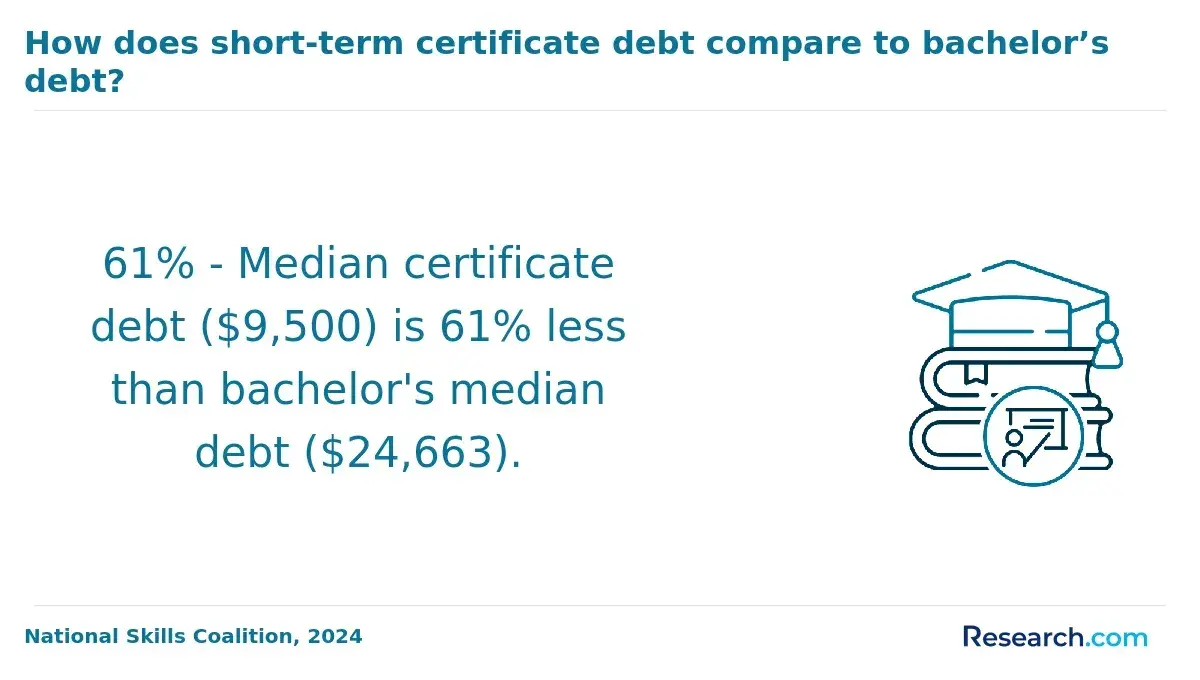
Costs for online behavioral health science bachelor's degrees for adults over 30 generally range from $20,000 to $60,000, depending on factors such as institution type and location. These programs often charge tuition per credit hour or semester, impacting the overall price significantly.
Key factors that influence the total cost include:
- Tuition Structure: Tuition is usually billed per credit hour, with rates commonly between $300 and $600. Since a typical bachelor's degree requires about 120 credits, this structure largely determines the final tuition amount.
- Additional Fees: Students may encounter extra fees including technology fees to access online platforms, application fees, or charges related to virtual labs and proctored exams, all adding to the overall cost.
- Learning Materials: While some programs include course materials, others require separate purchases for textbooks or specialized software, which can increase expenses.
- Financial Options: Adult learners often balance education with work and family; therefore, flexible payment plans, employer tuition reimbursement, and targeted scholarships can help manage costs effectively.
- Residency and Institution Type: Attending out-of-state or private institutions may lead to higher tuition rates compared to in-state public schools, influencing total costs for adult students.
Exploring these components enables adult learners to budget realistically and select programs aligned with their financial needs, ensuring an informed approach to pursuing a behavioral health science degree online.
Approximately 38% of online undergraduate students are aged 30 or older, highlighting the need for programs that accommodate adult learners balancing multiple responsibilities. Online behavioral health science programs for adults over 30 emphasize features that support flexibility and accessibility.
The following elements are key in flexible behavioral health science bachelor's degrees for adult learners:
- Flexible Scheduling: Many programs offer asynchronous courses, allowing students to complete lectures and assignments on their own time. This flexibility is crucial for adults managing work, family, and other commitments.
- Accessible Course Delivery: User-friendly online platforms simplify navigation and reduce technical barriers. Clear communication and readily available materials support various learning styles and technological comfort levels.
- Comprehensive Support Services: Dedicated academic advisors, tutoring, and career counseling tailored to behavioral health professions help adult learners stay engaged and advance their careers. Emotional support resources like counseling and peer groups also promote motivation.
- Adaptable Learning Environment: Options for part-time study, adjustable course loads, and leaves of absence accommodate life's unpredictability. These features help prevent interruptions in educational progress and reduce dropouts.
Adults seeking to continue or restart their education should also consider programs that maintain strong institutional credentials, such as those highlighted in CAHME accredited MHA programs, which demonstrate a commitment to quality and support.
Completing a behavioral health science bachelor's degree after 30 can broaden career paths in healthcare, social services, and community programs. Employment for health and social service roles is expected to grow 17% from 2022 to 2032, reflecting rising demand for trained professionals. Adults restarting education later can leverage these trends to enter meaningful roles.
Here are some job opportunities with a behavioral health science degree after 30:
- Behavioral Health Specialist: This role involves developing treatment plans and offering counseling to individuals facing mental health or substance abuse challenges, applying behavioral health science principles to improve outcomes.
- Community Outreach Coordinator: Responsible for creating programs that raise awareness about mental health and connect diverse populations to essential resources, emphasizing skills in communication and social determinants of health.
- Case Manager: Coordinates client care by collaborating with healthcare providers and social service agencies, advocating for individuals with behavioral health needs to ensure access to proper support.
- Research Assistant in Behavioral Health: Engages in studies focusing on behavioral trends and treatment efficacy, using analytical and theoretical knowledge gained through the degree to contribute to public health initiatives.
These career options illustrate how a behavioral health science degree can translate into impactful work that addresses complex human behaviors and community needs. Adults considering continuing their education might also explore related programs, such as a dietitian degree online, to further diversify their expertise in health fields.
Age is generally not a decisive factor in hiring after obtaining an online behavioral health science bachelor's degree. Employers prioritize a candidate's skills, qualifications, and relevant experience over their age. In fact, a 2023 survey by the Society for Human Resource Management found that 63% of employers value age diversity, recognizing its role in bringing varied perspectives and enhancing team dynamics. Practical competence and demonstrated abilities are often more critical in this field than demographic details.
Modern hiring trends emphasize ongoing education and professional growth, which are key qualities that online degrees often showcase. Completing such a program signals dedication, adaptability, and self-motivation-traits that help overcome potential age-related biases. Additionally, many behavioral health roles give significant weight to certifications, clinical experience, and interpersonal skills, factors that transcend age and highlight a candidate's overall readiness to contribute effectively.
What Graduates Say About Online Behavioral Health Science Bachelor's Degrees for Adults Over 30
- Robert: "Choosing to pursue an online behavioral health science bachelor's degree after turning 30 was a deliberate decision to shift my career towards something more fulfilling. Balancing work, family, and studies was challenging, but the flexibility of the program helped me stay on track. This degree opened doors to advanced roles within my organization, proving that it's never too late to reinvent your professional path."
- Case: "Returning to school in my 30s felt daunting at first, especially with an online format that required self-discipline and strong time management. However, the program's structure allowed me to learn at my own pace while gaining practical knowledge directly applicable to my work in mental health. The confidence and skills I've gained have been invaluable in advancing my career and deepening my understanding of client needs."
- Sebastian: "My experience earning a behavioral health science bachelor's degree online as an adult learner was eye-opening and rewarding. I appreciated the mature learning environment where life experience was seen as a strength, not a barrier. This degree has significantly impacted my professional life, providing me with both credibility and fresh perspectives that enhance my counseling approach."
Other Things You Should Know About Behavioral Health Science Degrees
Yes, accreditation is important and usually required for online behavioral health science bachelor's degrees. Programs should be regionally accredited and may also hold specialized accreditation from organizations focusing on counseling or behavioral health education. This ensures the program meets academic quality standards and improves credit transferability and employer recognition.
Many online behavioral health science programs offer options for credit by examination, portfolio assessments, or transfer credits from prior college work or relevant experience. Adults over 30 with prior education or professional experience may be able to accelerate their degree completion by leveraging these options. Policies vary by institution, so it is important to verify with the specific program.
Adults should verify the licensing board in the state where they plan to practice, because many behavioral health jobs require a license beyond the bachelor’s degree. Check whether the board requires an accredited degree, supervised hours, and passing scores on exams such as the National Counselor Examination or ASWB exam.
- News https://www.setonhill.edu/academics/degrees-programs/online-bachelors-degrees-certificates/behavioral-health-ba.html
- Online Psychology & Mental Health Bachelor's Degree https://www.georgefox.edu/adult-degree/psychology-mental-health.html
- Going Back to School at 30: Taking Classes Online While Working Full Time https://www.ahu.edu/blog/going-back-to-school-at-30
- Online Behavioral Science Degree Programs | University of Phoenix https://www.phoenix.edu/online-behavioral-sciences-degrees.html
- Balancing Technology and Mental Health: A Study of Online Education's Influence on Graduate Student Achievement - OJDLA https://ojdla.com/articles/balancing-technology-and-mental-health-a-study-of-online-educations-influence-on-graduate-student-achievement
- Social and Behavioral Science https://www.publichealth.org/careers/social-behavioral-science/
- 9 Mental Health Careers You Can Pursue with a BA https://www.nec.edu/news/9-mental-health-careers-you-can-pursue-with-a-ba
- How to Succeed in an Online Psychology Bachelor’s Program as a Working Adult | Palo Alto University https://paloaltou.edu/resources/blog/how-succeed-online-psychology-bachelors-program-working-adult
- Social and Behavioral Science Careers and Education | PublicHealthOnline.org https://www.publichealthonline.org/social-and-behavioral-science/
- The Overlooked Crisis: Mental Health Challenges in Online Graduate Programs https://www.citygov.com/article/the-overlooked-crisis-mental-health-challenges-in-online-graduate-programs


