2027 Certified Public Accountant (CPA) Certification

Co-Founder and Chief Data Scientist
CPA certification in the US: what it is and whether it is worth pursuing
If you are planning a career in accounting, auditing, tax, or financial reporting, CPA certification is one of the most important credentials you can earn in the United States. It signals that you meet state licensing standards for education, examination, and experience, and it can strengthen your access to roles that require trust, technical expertise, and regulatory knowledge.
This guide explains what CPA certification means, how to qualify, how long the process usually takes, what it may cost, where CPAs work, and how the credential can affect salary growth and long-term career options. It also covers practical questions candidates ask most often, including study strategies, continuing education, alternative certifications, and affordable pathways into the profession.
Quick answer: what do you need to become a CPA?
In the US, CPA licensure usually requires a bachelor's degree, 150 credit hours of education, passing the Uniform CPA Examination, and supervised work experience. Exact rules vary by state, so candidates should verify their state board requirements before enrolling in a program or scheduling exam sections. For many people, the process takes about 5 years from start to finish, though the timeline can be shorter or longer depending on transfer credits, graduate study, and work experience requirements.
Key things to know about CPA certification
- Most states require a bachelor's degree, 150 credit hours, passing the Uniform CPA Examination, and 1 to 2 years of relevant experience.
- The CPA license can support careers in public accounting, corporate finance, tax, audit, forensic accounting, and government or nonprofit work.
- The US Bureau of Labor Statistics reported that accountants and auditors had a median annual wage of $78,000 in 2022.
- What CPA certification means
- Why people pursue the CPA license
- How long the CPA path usually takes
- Education requirements for the CPA exam
- How to study effectively for the CPA exam
- Career paths available to CPAs
- Industries that hire CPAs
- Continuing education rules for licensed CPAs
- How certification can influence CPA earnings
- What an accounting degree can lead to
- How location affects CPA career outcomes
- How technology is changing CPA work
- How networking and mentorship can help
- Alternative finance roles CPAs may pursue
- What becoming a CPA typically costs
- International opportunities for US CPAs
- CPA skills in sports management
- What to do if you fail the CPA exam
- Whether you should pursue multiple certifications
- How to balance work, study, and personal life
- Affordable education paths to start the CPA journey
- Whether advanced education is worth it for CPAs
What CPA certification means
CPA stands for Certified Public Accountant. In the US, it is a state-issued license that confirms a candidate has met the standards for education, exam performance, and experience needed to practice as a public accountant. It is not just an academic title. It is a professional credential tied to public trust, especially in financial reporting, auditing, tax compliance, and advisory work.
The Uniform CPA Examination is the central testing requirement. It covers four sections: Auditing and Attestation (AUD), Business Environment and Concepts (BEC), Financial Accounting and Reporting (FAR), and Regulation (REG). Candidates also need qualifying work experience, usually completed under the supervision of a licensed CPA, before receiving full licensure in most states.
For people comparing accounting credentials, the CPA is often the strongest option when the goal is to work in public accounting, pursue leadership roles, or build a career that involves compliance and external reporting.
Why people pursue the CPA license
People pursue CPA licensure because it can expand both credibility and career mobility. It is especially valuable in roles where employers, clients, lenders, regulators, or investors expect a higher level of technical assurance.
| Benefit | Why it matters in practice |
| Broader job access | Many employers prefer or require CPAs for audit, tax, controller, and senior accounting roles. |
| Stronger earning potential | The license can help candidates qualify for higher-paying roles and more advanced responsibilities. |
| Professional credibility | Clients and employers often view CPA licensure as evidence of discipline, ethics, and technical depth. |
| Deeper technical knowledge | The exam and education requirements reinforce accounting, tax, and reporting expertise. |
| Career flexibility | CPAs can move between public accounting, industry, government, nonprofit, and consulting work. |
CPA licensure is not the right choice for everyone. It is usually most worthwhile for people who want to stay in accounting long term, work in regulated environments, or move into senior finance and leadership positions. If your goals are more focused on bookkeeping, entry-level support work, or general business operations, another path may be enough.
How long the CPA path usually takes
The CPA path often takes about 5 years, but that estimate depends on how a candidate earns the required education credits, how quickly they pass the exam, and when they complete work experience. Some students finish sooner if they begin with transfer credits or accelerated coursework. Others take longer if they study part time or need to retake exam sections.
A common path looks like this:
| Stage | Typical time frame | What happens in this stage |
| Undergraduate study | Around 4 years | Complete a bachelor's degree in accounting or a related field. |
| Additional credits | 1 to 2 years | Reach the 150-credit-hour requirement through graduate study or extra coursework. |
| CPA exam preparation | Several months | Study for and take the four exam sections. |
| Work experience | 1 to 2 years | Meet the supervised experience requirement set by the state board. |
Some candidates complete the education, exam, and experience stages in overlapping timeframes, especially if they are working in accounting while studying. That can shorten the overall route to licensure.
Education requirements for the CPA exam
Each state board sets its own rules, but the usual pattern is similar: a bachelor's degree, accounting and business coursework, and enough credits to reach the state's minimum. Many states require 150 semester hours before a CPA license can be issued, even if the exam can be taken earlier.
- Bachelor's degree. Candidates generally need a degree from an accredited college or university, often in accounting, finance, business administration, or economics.
- Credit-hour threshold. Many states require between 120 and 150 credit hours to sit for or receive licensure, depending on the jurisdiction.
- Accounting coursework. Common subjects include financial accounting, managerial accounting, auditing, and taxation.
- Business coursework. Many states also expect coursework in areas such as business law, economics, finance, and statistics.
- Ethics requirement. Some states require an ethics course or ethics exam as part of the licensing process.
If you are planning ahead, check the exact rules for your state before choosing a degree program. A program that looks affordable on paper may be a poor fit if it does not cover the right credit mix for licensure.
How to study effectively for the CPA exam
CPA exam preparation works best when it is structured, consistent, and tied to a realistic timeline. The exam is demanding, so candidates usually need more than casual review to be successful.
- Build a study calendar. Set a target exam date and work backward from it. Break the material into weekly topics and reserve regular study blocks.
- Use a reliable review system. Choose a CPA review course, textbook set, or digital resource that matches your learning style and keeps you accountable.
- Practice under timed conditions. Rehearse multiple-choice questions and simulations with strict timing so the real exam feels more familiar.
- Track weak areas. Spend more time on sections that consistently produce low scores instead of re-studying topics you already know well.
- Review sample materials. The AICPA offers sample tests that can help candidates get familiar with the exam format and pacing.
A common mistake is studying passively for too long. Reading notes is useful, but exam success usually depends on active practice, timed drills, and repeated review of difficult content.
Career paths available to CPAs
CPA licensure can open the door to a wide range of roles, many of which involve more responsibility and higher expectations than entry-level accounting positions. The best fit depends on whether you prefer client service, internal finance, investigation, compliance, or strategic planning.
| Career path | What CPAs do in this role | Best fit for |
| Public accounting | Audit financial statements, prepare taxes, and advise clients on compliance and reporting. | People who want client-facing work and a broad technical foundation. |
| Corporate accounting | Manage reporting, budgeting, internal controls, and financial planning inside a business. | Professionals who want stability and internal decision-making roles. |
| Government or nonprofit accounting | Handle public funds, grants, audits, and compliance obligations. | Those interested in mission-driven or public-service work. |
| Forensic accounting | Investigate fraud, analyze records, and support legal cases. | Detail-oriented professionals who like investigative work. |
| Management consulting | Support business improvement, mergers and acquisitions, risk analysis, and operational strategy. | CPAs who want a more advisory and strategy-focused role. |
Not every CPA stays in a traditional accounting track. Some move into finance leadership, business analysis, compliance, internal audit, or specialized advisory work after building experience.
Industries that hire CPAs
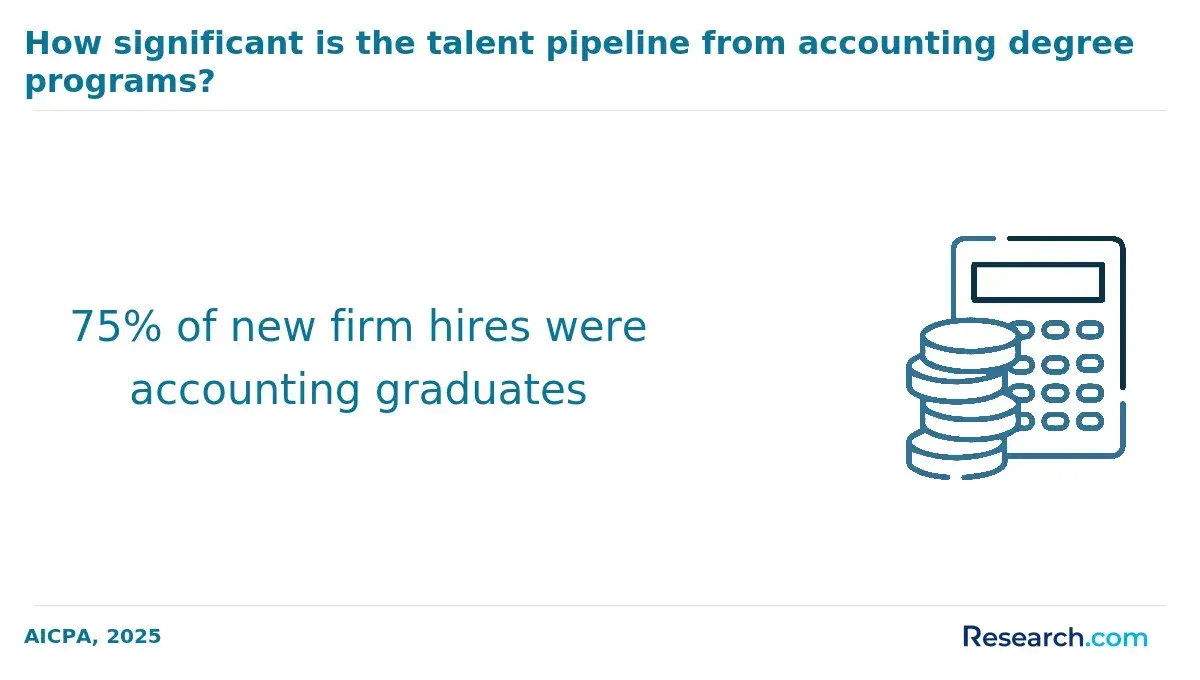
CPAs are employed across a broad mix of industries because organizations need professionals who understand reporting standards, risk, controls, and compliance. The most common hiring sectors include public accounting, corporate finance, and government or nonprofit work.
- Public accounting firms. Firms such as Deloitte, PricewaterhouseCoopers (PwC), Ernst & Young (EY), and KPMG hire CPAs for audit, tax, assurance, and consulting work.
- Corporate employers. Businesses in finance, technology, manufacturing, healthcare, and other sectors hire CPAs for controller, analyst, reporting, and leadership roles.
- Government and nonprofit organizations. Agencies and mission-driven organizations need CPAs for budgeting, grant management, financial oversight, and compliance.
When deciding where to work, candidates should think about schedule demands, travel expectations, specialization opportunities, and promotion paths. A public accounting firm can provide faster technical growth, while corporate roles may offer steadier hours and deeper industry specialization.
Continuing education requirements for maintaining a CPA license
Getting licensed is only the beginning. CPAs must complete continuing professional education, often called CPE, to keep their license active and maintain competence as standards, tools, and regulations change.
Exact requirements vary by state. Some boards require annual hours, while others use a two-year reporting cycle. As one example, Alaska requires 80 hours of continuing education every 2 years. Many states also require CPAs to keep documentation of completed CPE for a set retention period, such as 5 years.
| Maintenance requirement | Why it matters |
| Annual or biennial CPE | Shows that the CPA is staying current with accounting rules and professional standards. |
| Approved learning activities | Helps ensure the education is relevant to the license. |
| Recordkeeping | Provides proof of completion if the board requests documentation. |
| State-specific reporting | Missing deadlines or required hours can put licensure at risk. |
How certification can influence CPA earnings
CPA licensure can improve salary prospects because it helps demonstrate technical skill, professional responsibility, and readiness for more complex work. Employers often use the credential as a filter for promotions, supervisory roles, and specialized positions in audit, tax, and financial leadership.
Additional certifications may strengthen a CPA's profile further. For example, pairing the CPA with credentials such as CMA or CISA may support advancement into management accounting or information systems auditing. That said, salary still depends on more than credentials alone. Experience level, location, industry, company size, and job scope all affect pay.
The BLS reported a median annual wage of $81,680 for accountants and auditors in 2022. That figure is not a guarantee for any individual. It is best used as a reference point when comparing accounting careers, not as a promise of future earnings.
What an accounting degree can lead to
An accounting degree can lead to a wide range of paths, even before licensure. Some graduates work in bookkeeping, staff accounting, tax preparation, payroll, or audit support. Others use the degree as a foundation for CPA licensure, graduate study, or broader finance roles.
If you are weighing whether the major is right for you, focus on the type of work you want day to day. Students who enjoy structure, rules, reconciliation, and financial analysis often find accounting a strong fit. Those who want more creative, sales-driven, or highly client-facing work may prefer a different field.
How location affects CPA career outcomes
Location can influence both job availability and compensation. Urban financial centers usually offer more openings and may pay more, but they can also involve higher living costs and stronger competition. Smaller markets may offer fewer opportunities but can still provide stable work and faster access to responsibilities.
If you are comparing regions, look at more than salary alone. Consider cost of living, state licensure rules, industry concentration, commuting time, and whether remote work is realistic in your target field. A higher salary in one city may not translate into a better financial outcome if expenses are significantly higher.
How technology is changing CPA work
Automation, cloud accounting platforms, data analytics, and AI tools are changing how accounting work is done. Routine tasks are increasingly handled by software, which means CPAs are expected to contribute more interpretation, review, judgment, and advisory support.
This shift does not remove the need for CPAs. It changes the skill profile. Employers increasingly value professionals who can work with data, review systems, identify control issues, and explain financial results clearly to nonaccountants.
Candidates who build technology fluency early may be better positioned for modern accounting roles, especially in advisory, audit analytics, internal controls, and finance transformation.
How networking and mentorship can help
Networking and mentorship often make a meaningful difference in accounting careers. A mentor can help you choose a CPA path, understand state requirements, prepare for interviews, and make better decisions about timing, study strategies, and specializations.
Professional associations, alumni groups, firm events, and online accounting communities can also help candidates learn what employers actually value. These connections may reveal internships, exam tips, review resources, or affordable graduate options that are hard to find through search alone.
If you are aiming for upward mobility, it helps to build relationships before you finish the license. In accounting, reputation and referrals can matter almost as much as technical skill.
Alternative finance roles CPAs may pursue
Not every CPA remains in a traditional accounting job. The credential can support transitions into adjacent areas where financial analysis and compliance matter.
- Risk management. Evaluate financial and operational exposures.
- Internal audit. Review controls, compliance, and process effectiveness.
- Financial consulting. Advise organizations on reporting, planning, or restructuring.
- Fraud investigation. Analyze records for irregularities and support legal or internal inquiries.
- Tax advisory. Help individuals or businesses plan for tax efficiency and compliance.
People who enjoy analysis but want less repetitive compliance work often use the CPA as a launch point into these fields.
What becoming a CPA typically costs
The cost of becoming a CPA depends on where you study, how many credits you still need, whether you take a graduate program, and how much you spend on exam prep. Candidates should plan for several categories of expense rather than focusing only on tuition.
| Cost category | What it may include | Why it matters |
| College tuition | Undergraduate coursework, extra credits, or a master's program. | Usually the largest expense in the process. |
| CPA exam fees | Application and section-related exam costs. | These add up if sections must be retaken. |
| Review materials | Books, question banks, live prep courses, and practice exams. | Often essential for organized preparation. |
| Licensure and renewal costs | State application, licensing, and continuing education expenses. | Ongoing costs continue after passing the exam. |
To lower the total cost, candidates can use community college credits, employer reimbursement, scholarships, lower-cost online programs, and free study resources where appropriate. The cheapest option is not always the best one if it does not satisfy state requirements.
International opportunities for US CPAs
US CPA certification can be valuable beyond the domestic market, especially with multinational employers, global advisory firms, and organizations that work across borders. The credential is respected because it reflects rigorous standards in audit, tax, and financial reporting.
That said, international recognition is not the same as automatic legal permission to practice everywhere. Professionals who want to work abroad should check local licensing, visa, and employment rules. In some cases, additional credentials, local registrations, or employer-specific requirements may apply.
For candidates planning a globally focused career, the CPA can be a strong foundation, but it should be paired with research into the target country or region.
CPA skills in sports management
CPA training can translate into sports management because teams, leagues, and athletic organizations still need budgeting, forecasting, payroll, contract review, and compliance support. Financial oversight matters in sports just as it does in any other business environment.
This path may appeal to CPAs who want to combine finance with a specialized industry. It can be especially useful for professionals interested in revenue management, sponsorship analysis, facility operations, or organizational planning.
Although this is a less traditional route, the same accounting fundamentals still apply. The difference is the setting, not the core financial logic.
What to do if you fail the CPA exam
Failing a section of the CPA exam is frustrating, but it does not end the process. Many candidates need more than one attempt on at least part of the exam, and a setback can be useful if it reveals where the preparation plan needs improvement.
- Study the score report carefully. Identify the content areas that caused the most trouble.
- Adjust your approach. Change the review method, the pacing, or the type of practice questions you use.
- Return with a focused plan. Rebuild your schedule around weak areas rather than starting from zero.
What matters most is using the result to improve your next attempt. A failed section is a delay, not a dead end.
Whether you should pursue multiple certifications
Some candidates consider earning CPA licensure alongside certifications such as CMA or CIA. That can be a smart strategy if your target roles reward multiple credentials and you have enough time and focus to prepare properly.
| Situation | Multiple certifications may make sense if... | Probably better to wait if... |
| Career target | You want roles where both accounting and management or internal control skills matter. | You are still deciding between accounting tracks. |
| Time availability | You can maintain a realistic study schedule. | Your work or family obligations already limit study time. |
| Exam overlap | The content areas reinforce each other. | The certifications require very different preparation styles. |
| Budget | You can handle exam and prep costs without strain. | The added expense would create financial pressure. |
In most cases, it is better to complete one strong credential first and add others later if they still fit your career direction.
How to balance work, study, and personal life
CPA preparation can be intense, especially for working professionals. The most effective approach is to treat it like a project with deadlines, milestones, and built-in recovery time.
- Set realistic weekly targets. Decide how many hours you can truly study and plan around that number.
- Use short study blocks consistently. Daily repetition is often more effective than rare marathon sessions.
- Protect your energy. Sleep, exercise, and downtime are part of exam preparation, not distractions from it.
- Ask for support. Let employers and family members know what your schedule requires.
- Choose flexible formats when possible. Mobile tools and online review materials can help you study in smaller windows.
Burnout is one of the biggest hidden risks in CPA prep. A sustainable schedule usually works better than an aggressive one that collapses after a few weeks.
Affordable education paths to start the CPA journey
You do not need the most expensive school to begin the CPA path. What matters more is whether the program fits state requirements, gives you the right coursework, and keeps debt manageable.
- Accredited online degree programs. These can offer flexibility for working adults and may reduce commuting and housing costs. An affordable online accounting degree can be a practical starting point if it matches your state requirements.
- Community college transfer plans. Students can start with lower-cost general education and accounting prerequisites before transferring to a four-year institution.
- Scholarships and grants. Accounting associations, universities, and private organizations may offer aid for students with strong academic or professional goals.
- Employer tuition help. Some employers reimburse part of tuition or support exam preparation for employees pursuing licensure.
- Low-cost study tools. Free guides, practice resources, and AICPA materials can reduce the amount you spend on exam prep.
When comparing affordable pathways, check accreditation first, then compare credit transfer policies, CPA eligibility, and total out-of-pocket cost. Cheap tuition is not useful if the credits do not count toward licensure.
Whether advanced education is worth it for CPAs
Advanced education can be worthwhile for CPAs, but only if it matches your goals. A master's in accounting or an MBA with an accounting focus can be useful for people who want leadership roles, deeper specialization, or a stronger position in competitive job markets.
It may be especially helpful if you want to move into roles such as controller, tax director, CFO, or advisory work that requires both technical knowledge and business judgment. For some professionals, graduate study also helps with salary growth and access to higher-level responsibilities.
Still, more education is not automatically better. If your immediate goal is to meet licensure requirements and start gaining experience, the CPA license alone may be the more efficient next step. The right answer depends on whether your target roles reward graduate study enough to justify the added time and cost. For a deeper look, see whether is getting a masters in accounting worth it.
Common mistakes CPA candidates should avoid
- Choosing a program without checking state rules. A degree can look strong and still miss the exact credit requirements for licensure.
- Assuming all online programs qualify. Online study can work well, but accreditation and state eligibility still matter.
- Ignoring total cost. Tuition, exam fees, prep materials, and renewal costs can add up quickly.
- Studying without a retake plan. If a section is failed, the next attempt should use a more targeted strategy.
- Assuming the CPA guarantees a high salary. The credential can improve prospects, but pay still depends on experience, market, and role.
- Waiting too long to network. Relationships can help with internships, job offers, and long-term advancement.
Questions to ask before choosing a CPA path
- Does my state require 120 or 150 credit hours for the stage I am planning?
- Will this program satisfy the accounting and business coursework I need?
- Is the school or program properly accredited for my goals?
- How much will the full path cost, including exam prep and licensure?
- Do I want public accounting, corporate finance, government work, or a specialized role?
- Will I need a master's degree, or can I meet requirements through undergraduate and post-baccalaureate credits?
- Does my target employer value CPA licensure strongly?
- How will I maintain CPE obligations after I am licensed?
References
- AICPA. (n.d). 150-Hour Requirement for Obtaining a CPA License. https://us.aicpa.org/becomeacpa/licensure/requirements
- AICPA. (n.d). CPA Licensure. https://us.aicpa.org/becomeacpa/licensure.html
- AICPA. (2026, January 16). Learn More About CPA Exam Scoring and Pass Rates. https://www.aicpa-cima.com/resources/article/learn-more-about-cpa-exam-scoring-and-pass-rates
- Data USA (2024). Accountants & Auditors. https://datausa.io/profile/soc/accountants-auditors
- US Bureau of Labor Statistics. (2025, August 28). Accountants and Auditors. https://www.bls.gov/ooh/business-and-financial/accountants-and-auditors.htm
Key insights
- CPA licensure is a state-specific professional path, not just a test, so candidates must verify education, exam, and experience rules before they start.
- The most common route includes a bachelor's degree, 150 credit hours, the Uniform CPA Examination, and supervised work experience.
- CPA credentials can improve access to audit, tax, corporate accounting, government, nonprofit, and consulting roles.
- Salary potential can improve with licensure, but pay still depends on geography, experience, industry, and job scope.
- Technology is changing CPA work by reducing routine tasks and increasing demand for analysis, judgment, and advisory skills.
- The best CPA path is the one that balances cost, licensure eligibility, career goals, and long-term earning potential.
Other Things You Should Know About CPA Certification
The 2027 CPA exam includes four main sections: Auditing and Attestation (AUD), Business Environment and Concepts (BEC), Financial Accounting and Reporting (FAR), and Regulation (REG). Each section covers a broad range of topics essential for aspiring CPAs, including ethics, business law, financial management, and tax regulations.
The key benefits of pursuing a CPA certification are numerous. Firstly, it significantly enhances your career prospects by opening doors to a wide range of job opportunities in accounting, finance, and auditing. Additionally, CPAs typically command higher salaries and enjoy greater job security due to their specialized expertise and professional credibility. The CPA designation also signifies a commitment to ethical standards and ongoing professional development, which is highly valued in the accounting industry. Moreover, holding a CPA license may lead to faster career advancement, increased responsibilities, and the ability to work in diverse industries such as public accounting firms, corporations, government agencies, and nonprofit organizations.