2027 What Is a CPA? What Does a Certified Public Accountant Do?

Co-Founder and Chief Data Scientist
Choosing whether to become a Certified Public Accountant is a bigger decision than simply asking whether you are “good with numbers.” The CPA credential can open doors in public accounting, corporate finance, tax, audit, government, nonprofit work, consulting, and leadership roles, but it also requires formal education, supervised experience, a difficult licensing exam, ethics requirements, and ongoing continuing education.
This guide explains what a CPA is, what CPAs actually do, how the licensing path works, what skills matter, where CPAs work, how technology is changing the profession, and what trade-offs to consider before committing to this career. It is written for students comparing accounting careers, working adults considering a credential change, and professionals deciding whether the CPA license is worth the time, cost, and effort. If you are still comparing academic routes, it can also help you understand how accounting programs fit into broader college degree options.
What Is a CPA Table of Contents
- What is a CPA?
- Skills Required to Become a CPA
- Duties and Responsibilities of a CPA
- Networking opportunities for CPAs
- Career Paths for CPAs
- Job Outlook for CPAs
- Technology in Modern CPA Work
- Average CPA Salary
- Can specialized master’s degrees help CPAs advance?
- Continuing education requirements for CPAs
- Emerging trends shaping the CPA profession
- What affects CPA salary?
- How foundational education can support a CPA path
- Supplementary certifications for CPAs
- Can a 6-month associate degree accelerate the CPA journey?
- Challenges of Being a CPA
- Educational path required to become a CPA
- Accelerated Online Programs for Becoming a CPA
Quick Answer: What Is a CPA?
A CPA, or Certified Public Accountant, is a licensed accounting professional who has met state education, examination, experience, ethics, and continuing education requirements. CPAs prepare and review financial records, advise on taxes, perform audits, support compliance, investigate financial irregularities, and help organizations make better financial decisions. The credential is more regulated than general accounting or bookkeeping roles and is often required or strongly preferred for advanced audit, tax, reporting, and finance leadership positions.
| Question | Direct answer |
| Is a CPA the same as an accountant? | No. Many accountants are not CPAs. A CPA is an accountant who has earned a state license after meeting additional education, exam, experience, and ethics requirements. |
| What is the main benefit of becoming a CPA? | The license can improve credibility, expand career options, and qualify professionals for roles involving audit, tax, financial reporting, consulting, and leadership. |
| Is the CPA path difficult? | Yes. Candidates must complete required coursework, pass the Uniform CPA Examination, gain supervised experience, and maintain continuing education after licensure. |
| Who should consider becoming a CPA? | Students and professionals who want a long-term career in accounting, audit, tax, corporate finance, financial reporting, advisory services, or accounting leadership should consider it. |
What is a CPA?
A Certified Public Accountant is a state-licensed accounting professional authorized to provide specialized accounting services after satisfying formal licensing standards. Those standards usually include an accounting-related education, supervised professional experience, successful completion of the CPA exam, ethics requirements, and an application to the state board of accountancy where the person plans to practice.
The CPA license signals that an accountant has met a recognized professional benchmark. It does not mean every CPA performs the same job. Some focus on tax planning, others conduct audits, manage financial reporting, support mergers and acquisitions, advise business owners, investigate fraud, or lead finance departments. According to the American Institute of CPAs, CPAs help protect the reliability of financial information and support better financial decision-making for individuals, organizations, and the public.
CPA vs. Accountant vs. Bookkeeper
People often use “accountant,” “CPA,” and “bookkeeper” interchangeably, but they are not the same. The differences matter when choosing a career path, hiring a financial professional, or deciding how much education you need.
| Role | Typical focus | Credential level | Best fit for |
| Bookkeeper | Recording transactions, reconciling accounts, organizing financial records, and supporting basic reporting. | May not require a degree or license, though training and certifications can help. | Entry-level finance work, small-business recordkeeping, and administrative accounting support. |
| Accountant | Preparing financial statements, analyzing data, supporting tax work, budgeting, and internal reporting. | Often requires a bachelor’s degree in accounting or a related business field. | Corporate accounting, staff accounting, budgeting, payroll, and financial analysis roles. |
| CPA | Licensed accounting services, audit and assurance, tax strategy, compliance, advanced reporting, consulting, and leadership. | Requires state licensure after meeting education, exam, experience, ethics, and CPE requirements. | Public accounting, audit, tax, controllership, finance leadership, advisory, and specialized accounting careers. |
How to Become a CPA
The process for becoming a CPA is more structured than the path to many entry-level accounting jobs. It is also more demanding than becoming a bookkeeper or completing a short accounting certificate. Requirements differ by state, so candidates should always verify rules with the state board of accountancy where they plan to apply.
- Complete the required education. Most states expect candidates to hold at least a bachelor’s degree in accounting or a closely related field. Some students pursue an online or campus-based accounting degree, while others enter through a business-related program such as an online business management degree and complete the required accounting coursework. In the United States, 72% of CPAs as of 2024 are bachelor’s degree holders.
- Pass the CPA exam. Candidates must pass the Uniform Certified Public Accountant Examination, which covers major areas such as auditing and attestation, business environment and concepts, financial accounting and reporting, and regulation. The exam is administered by the American Institute of Certified Public Accountants.
- Gain supervised work experience. Most states require candidates to complete a defined amount of accounting experience under qualified supervision. Experience may come from public accounting, corporate accounting, government accounting, nonprofit accounting, or another approved setting.
- Complete an ethics course if required. Many state boards require CPA candidates to complete a professional ethics course. These courses may be offered online, in person, or through self-study by state boards, professional associations, or educational providers.
- Pass the ethics exam if required. After completing the ethics course, candidates may need to pass an ethics exam administered by the Association of International Certified Professional Accountants. The exam includes 40 multiple-choice questions and may be available online or on paper.
- Apply for licensure. Candidates submit a CPA license application to their state board of accountancy, including fees, transcripts, exam records, experience documentation, and any other required materials.
- Maintain the license through CPE. Licensed CPAs must complete Continuing Professional Education to remain current. Requirements vary by state, but CPAs in the United States are typically required to complete around 120 hours of CPE every three-year reporting period, according to American Institute of Certified Public Accountants guidelines.
| CPA step | What to verify before moving forward |
| Education | Confirm your state’s required total credits, accounting credits, business credits, and accepted institutions. |
| Exam | Check eligibility rules, exam sections, testing windows, fees, and retake policies. |
| Experience | Ask whether your planned job setting and supervisor qualify under your state board’s rules. |
| Ethics | Find out whether your state requires an ethics course, ethics exam, or both. |
| Licensure | Prepare documentation early so transcripts, employment verification, and exam results do not delay your application. |
| CPE | Track continuing education deadlines from the first renewal period to avoid license problems later. |
Skills Required to Become a CPA
Successful CPAs combine technical accounting knowledge with professional judgment, communication, and ethical discipline. Technical skills help CPAs produce accurate work; soft skills help them explain findings, manage deadlines, work with clients, and make defensible decisions under pressure.
Technical skills CPAs need
- Accounting knowledge. CPAs must understand accounting principles, financial statements, transaction recording, account reconciliation, and financial data analysis.
- Taxation. Tax-focused CPAs need strong knowledge of tax rules, compliance deadlines, planning strategies, and documentation requirements.
- Auditing. Audit work requires the ability to test controls, evaluate evidence, identify risk, document findings, and support conclusions.
- Financial reporting. CPAs need to understand Generally Accepted Accounting Principles, financial statement analysis, reporting rules, and disclosure requirements.
- Information technology. Modern CPAs work with accounting platforms, databases, spreadsheets, enterprise systems, analytics tools, and data management processes.
Technical ability alone is not enough. CPAs often translate complicated financial information for executives, clients, regulators, or nonfinancial colleagues. That makes professional behavior and communication central to the job.
- Communication. CPAs must explain financial issues clearly in writing and in conversation, especially when audiences do not have accounting backgrounds.
- Attention to detail. Small errors in financial records, tax filings, or audit documentation can create major problems, so accuracy is essential.
- Time management. Deadlines can be intense during tax season, audit cycles, month-end close, year-end close, and regulatory filing periods.
- Analytical thinking. CPAs need to detect patterns, question unusual results, evaluate risk, and determine whether financial information is reasonable.
- Interpersonal skills. CPAs build trust with clients, colleagues, regulators, managers, and stakeholders by being clear, professional, and respectful.
- Adaptability. Accounting standards, tax law, reporting tools, and business models change, so CPAs must keep learning.
- Integrity. The AICPA Code of Professional Conduct requires CPAs to maintain objectivity and integrity, avoid conflicts of interest, and not knowingly misrepresent facts while performing professional services.
Employer job descriptions show that licensing and practice-area experience matter. According to ZipRecruiter, the three most common keywords in CPA job postings are “Certified Public Accountant,” which appears in 35.75% of postings, followed by “Public Accounting” and “Tax Preparation.” Together, those experiences appear in 59.05% of CPA job postings. Job seekers, however, often emphasize “Financial Statements” more than tax preparation in their skills lists.
The practical takeaway is simple: candidates should not build a resume around coursework alone. Employers often want evidence that a CPA candidate can apply accounting knowledge in tax, audit, public accounting, reporting, or advisory settings.
| Skill area | Why it matters | How to build it |
| Tax | Supports tax preparation, compliance, and planning roles. | Take tax courses, pursue internships, volunteer with tax assistance programs, or work in a tax department. |
| Audit | Prepares candidates for public accounting, internal audit, and assurance work. | Study audit methodology, learn documentation standards, and seek audit internship experience. |
| Data and systems | Improves efficiency and helps CPAs analyze larger, more complex financial information. | Practice spreadsheet modeling, accounting software, analytics tools, and database basics. |
| Communication | Helps CPAs explain risks, financial results, and recommendations. | Write memos, present findings, and practice translating technical issues into plain language. |
| Ethics | Protects public trust and reduces professional risk. | Study professional standards, review case studies, and learn how to identify conflicts of interest. |
Duties and Responsibilities of a CPA
CPA responsibilities vary widely by employer and specialization. A CPA in a small tax firm may spend much of the year advising individuals and business owners, while a CPA in a public company may focus on financial reporting, controls, and compliance. Despite that variety, several responsibilities are common across the profession.
- Financial reporting. CPAs prepare, review, and analyze statements such as balance sheets, income statements, and cash flow statements while applying relevant accounting standards.
- Accounting operations. CPAs may maintain ledgers, review reconciliations, verify transactions, supervise accounting staff, and resolve discrepancies.
- Tax preparation and planning. CPAs prepare tax returns, monitor tax rules, advise on tax strategies, and help clients or employers meet filing obligations.
- Audit and assurance. CPAs evaluate financial information, test internal controls, review documentation, and provide assurance services that support trust in reported financial results.
- Consulting. Some CPAs advise on budgeting, forecasting, financial analysis, business processes, risk management, and operational decision-making.
- Forensic accounting. CPAs in forensic roles investigate suspected fraud, analyze financial disputes, calculate damages, and may support legal proceedings. Students interested in investigative work may also explore an online criminal justice degree as a complementary background.
- Financial information management. CPAs help organizations collect, organize, interpret, and safeguard financial data used for decisions and compliance.
| CPA work area | Common tasks | Best suited for people who enjoy |
| Tax | Preparing returns, researching tax rules, advising on tax planning, and supporting compliance. | Detail-heavy rules, deadlines, client service, and problem-solving. |
| Audit | Testing controls, reviewing evidence, documenting procedures, and evaluating reporting accuracy. | Investigation, structured processes, travel or client interaction, and risk assessment. |
| Corporate accounting | Month-end close, reporting, reconciliations, budgeting, and internal financial analysis. | Business operations, steady reporting cycles, and cross-functional teamwork. |
| Forensic accounting | Tracing transactions, investigating fraud, calculating damages, and supporting legal teams. | Research, evidence analysis, investigative thinking, and complex cases. |
| Advisory | Improving processes, analyzing performance, advising leadership, and supporting strategic decisions. | Business strategy, communication, financial modeling, and consulting. |
What networking opportunities are available for CPAs?
Networking can help CPAs find mentors, learn about job openings, understand market changes, earn referrals, and stay current with new regulations or practice tools. It is especially useful for students, early-career accountants, firm professionals seeking clients, and CPAs moving into specialized roles.
- Professional associations. Organizations such as the American Institute of CPAs and state CPA societies connect members to technical resources, events, committees, and peer communities.
- Conferences and seminars. Industry events allow CPAs to meet peers, learn from specialists, and follow developments in accounting, audit, tax, finance, and technology.
- Local business events. Chambers of commerce, small-business groups, and local finance meetups can help CPAs build referral relationships in their region.
- Online communities. LinkedIn groups, accounting forums, and professional discussion spaces can be useful for exchanging advice and tracking industry news.
- Mentorship programs. Mentors can help candidates choose between tax, audit, corporate accounting, government, consulting, and graduate study.
- CPE programs. Continuing education courses often include peer interaction, making them a practical way to learn and expand a professional network at the same time.
Career Paths for CPAs
The CPA credential is flexible. It can support a traditional public accounting career, but it can also lead to corporate finance, government service, nonprofit leadership, consulting, education, or entrepreneurship. The right path depends on whether you prefer client service, internal operations, public-sector work, teaching, technical specialization, or leadership.
- Public accounting. Many CPAs begin in public accounting firms that provide audit, tax, assurance, advisory, and consulting services to individuals and organizations.
- Corporate accounting. CPAs can work inside companies in accounting, finance, treasury, controllership, financial reporting, internal audit, or planning roles.
- Government accounting. CPAs may work for federal, state, or local agencies, including the Internal Revenue Service, Securities and Exchange Commission, or other public-sector offices focused on audit, reporting, compliance, and oversight.
- Nonprofit accounting. CPAs in nonprofit organizations support budgeting, grant compliance, reporting, internal controls, and stewardship of restricted funds.
- International accounting. CPAs with global finance experience may work for multinational companies or international firms that manage reporting, compliance, and tax issues across jurisdictions.
- Entrepreneurship. Some CPAs build their own practices or businesses. Those who want additional management knowledge may compare affordable options such as low-cost online business programs.
- Education. CPAs can teach accounting, develop training programs, conduct research, or support professional development for future accountants.
| Path | Advantages | Potential drawbacks |
| Public accounting | Strong training, broad client exposure, clear advancement structure, and valuable early-career experience. | Busy seasons can be intense, and client deadlines may create long hours. |
| Corporate accounting | Close connection to business operations, predictable employer structure, and opportunities to move into finance leadership. | Work may be cyclical around close periods and can be narrower than public accounting. |
| Government | Public-service mission, regulatory impact, and experience with compliance and oversight. | Advancement pace and compensation structure may differ from private-sector roles. |
| Nonprofit | Mission-driven work and exposure to grants, fund accounting, and compliance. | Budgets may be tighter than in corporate or public accounting environments. |
| Entrepreneurship | Independence, client selection, and business-building potential. | Requires marketing, client management, pricing decisions, and business risk. |
Deciding among these paths is easier if you test work settings early through internships, part-time accounting roles, tax-season work, student accounting organizations, or informational interviews.
Job Outlook for CPAs
The U.S. Bureau of Labor Statistics projects 5% employment growth for accountants and auditors, including CPAs, from 2024 to 2034. That projection is faster than the average for all occupations and reflects continued demand for accounting, reporting, audit, tax, and compliance expertise.
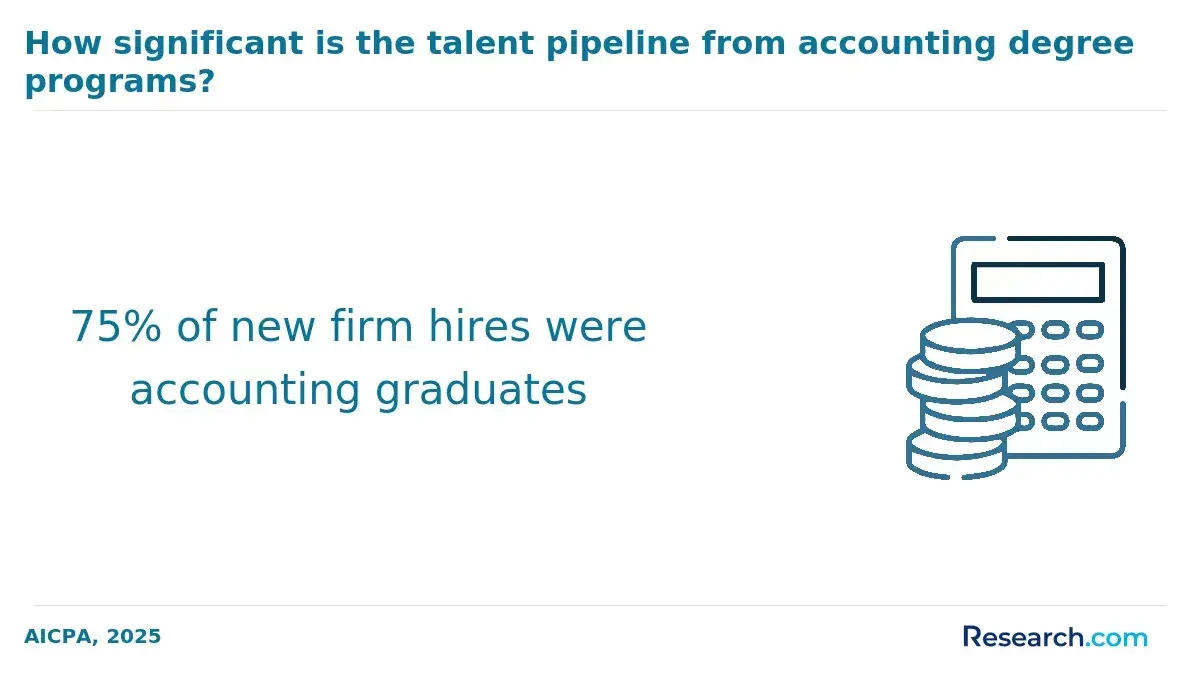
Several workforce factors may also affect CPA opportunities. CPA firms have pointed to the expected retirement of Baby Boomers over the next 15 years as one pressure point. According to an AICPA-CIMA report, Baby Boomers make up 75% of today’s public accounting CPAs. At the same time, the number of accounting graduates fell to a 20-year low of 55,152 bachelor's and master's degrees combined, and CPA exam completions declined to 18,847 in 2024.
For students and career changers, the outlook should be interpreted carefully. A positive labor market does not guarantee a job offer or a specific salary. Employers still evaluate internship experience, exam progress, communication skills, software ability, industry exposure, and whether candidates can meet licensure rules.
| Factor shaping demand | What it means for aspiring CPAs |
| Retirements in public accounting | Firms may need younger professionals prepared for audit, tax, assurance, and advisory work. |
| Lower accounting graduate numbers | Students who complete strong accounting preparation may face less candidate saturation in some markets. |
| Regulatory complexity | Businesses continue to need professionals who understand reporting, compliance, tax, and controls. |
| Technology change | Employers may favor candidates who combine accounting knowledge with data, automation, and systems skills. |
The Role of Technology in Modern CPA Practices
Technology is changing CPA work, but it is not eliminating the need for professional judgment. Automation can handle repetitive tasks such as data entry, reconciliation, report generation, and transaction matching. CPAs increasingly spend more time reviewing outputs, interpreting results, advising decision-makers, evaluating risk, and ensuring compliance.
Common accounting tools such as QuickBooks, Xero, and Oracle NetSuite can streamline bookkeeping, reporting, and account management. Analytics and AI-enabled tools can help identify unusual patterns, summarize large data sets, and support forecasting. Cloud systems allow CPAs and clients to access financial information remotely, collaborate more efficiently, and apply protections such as encryption and multi-factor authentication.
The challenge is that technology raises the baseline skill level. CPAs must understand how data flows through systems, where errors can occur, how automated results should be reviewed, and what ethical issues arise when tools influence financial decisions. Professionals balancing work, study, and family responsibilities may find flexible options such as online degree programs for working adults useful when building both accounting and technical skills.
How AI and automation affect CPA work
- Routine work becomes more automated. Data entry and basic reconciliations are increasingly supported by software.
- Review skills become more important. CPAs must verify whether automated results make sense and comply with rules.
- Advisory work gains value. Clients and employers need professionals who can turn financial data into practical decisions.
- Cybersecurity and data governance matter more. CPAs often work with sensitive financial information and must understand how it is protected.
- Continuous learning is no longer optional. Tools, standards, and expectations will keep changing throughout a CPA’s career.
Average CPA Salary
CPA compensation varies by title, state, industry, employer size, specialization, and years of experience. CPAs are often positioned above the general accounting major salary range, but earnings are not guaranteed by the credential alone.
As of May 2024, the median yearly salary for accountants and auditors was $81,680, or $39.27 per hour, according to the U.S. Bureau of Labor Statistics. Professionals can compare state-specific compensation using a CPA salary by state resource, but they should also evaluate local cost of living, industry mix, and advancement opportunities.
| Role | National average salary | How a CPA background can fit |
| Chief Financial Officer | $122,499/year | CFOs oversee financial strategy, risk, reporting, treasury, planning, accounting, investor relations, and long-term financial direction. |
| Actuarial Analyst | $112,381/year | Actuarial analysts use data to evaluate risk, build charts and models, interpret analytical results, and support accuracy in risk-related reporting. |
| International Tax Manager | $100,486/year | International tax managers handle cross-border tax compliance, planning, return review, tax strategy, and coordination with internal teams and external advisors. |
| Finance Director | $96,751/year | Finance directors guide financial health, budgeting, forecasting, compliance, reporting, financing decisions, and communication with senior leaders. |
| Accounting Professor | $78,862/year | Accounting professors teach accounting, auditing, financial management, and related subjects while also advising students, conducting research, and serving academic programs. |
Salary research should include more than averages. Ask employers or schools about job placement, internship access, CPA exam support, alumni outcomes, and the industries where graduates commonly work.
Can Specialized Master’s Degrees Enhance a CPA’s Career?
A specialized graduate degree can help CPAs move into more technical or higher-responsibility roles, especially when the degree builds expertise in a defined area such as fraud investigation, forensic analysis, compliance, analytics, taxation, or financial reporting. For example, a master’s in forensic accounting can be useful for CPAs interested in fraud detection, litigation support, financial investigations, and expert analysis.
A master’s degree is not automatically necessary for every CPA. It makes the most sense when it helps meet state education requirements, supports a clear specialization, improves promotion prospects, or provides access to faculty, employers, or alumni networks in a target field.
What are the Continuing Education Requirements for CPAs?
CPAs must complete continuing professional education to keep their licenses active and maintain professional competence. Requirements are set by state boards and may include ethics, regulatory updates, tax changes, audit standards, technology, fraud, financial reporting, or industry-specific topics. A common benchmark is around 120 hours of CPE every three-year reporting period, though candidates should verify their own state’s rule.
Continuing education is not just a compliance task. It helps CPAs stay credible as laws, standards, systems, and client expectations change. Professionals who still need accounting coursework before licensure may compare flexible programs such as an affordable online accounting degree.
What emerging trends are shaping the future of the CPA profession?
The CPA profession is being reshaped by automation, artificial intelligence, blockchain, data analytics, remote work, changing regulation, and a stronger focus on advisory services. These trends do not reduce the importance of accounting knowledge. Instead, they raise expectations for CPAs to interpret complex data, understand systems, identify risk, communicate clearly, and advise decision-makers.
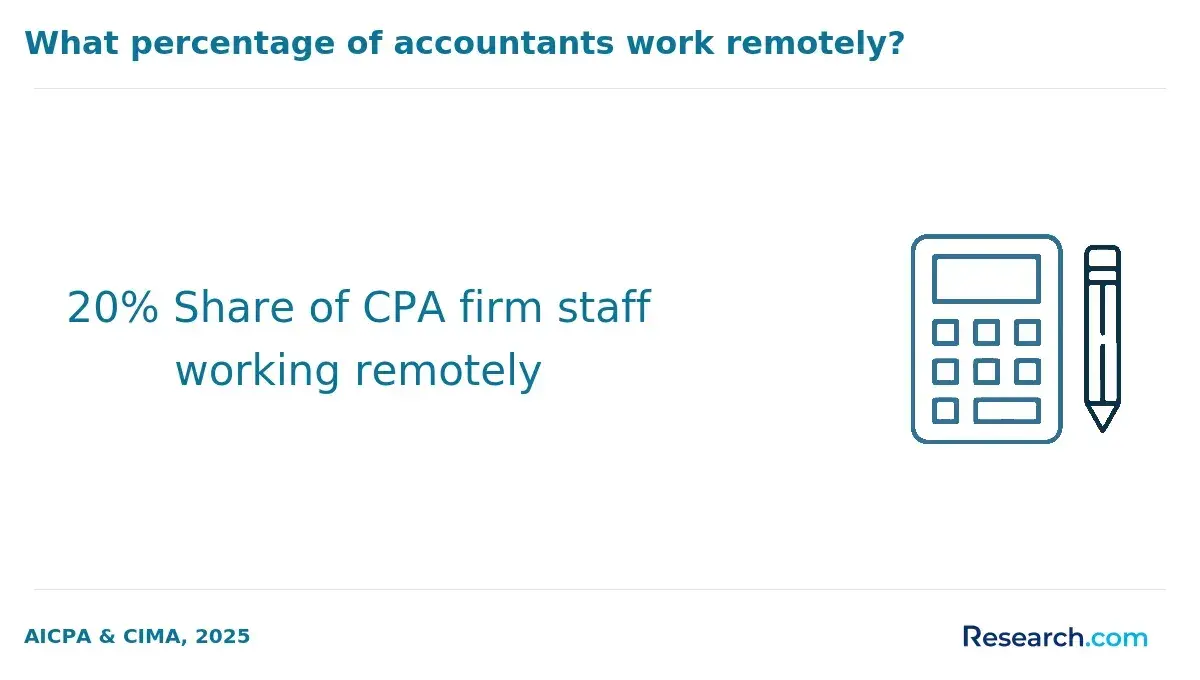
Remote collaboration has also changed how CPAs work with clients and employers. Digital document sharing, cloud accounting systems, video meetings, and secure portals make location less restrictive, but they also require stronger data security habits. CPAs who want a long-term accounting career path should plan for ongoing technical learning, not a one-time education.
What factors drive a higher salary for CPAs?
Higher CPA compensation is usually tied to a combination of licensure, specialization, experience, industry, geography, leadership responsibility, technical skill, and employer type. CPAs with expertise in forensic accounting, IT auditing, international tax, financial analysis, or corporate finance may qualify for more specialized roles. Leadership experience can also matter because employers pay more for professionals who can manage teams, interpret financial risk, and advise executives.
Salary comparisons should be treated as planning tools, not promises. To evaluate compensation more carefully, compare role requirements, bonus potential, benefits, advancement paths, cost of living, and whether the position supports CPA licensure or continuing education. For broader context, review high-paying roles and the salary of an accountant across different accounting careers.
What Role Does Cost-Effective Foundational Education Play in a CPA Career?
For students who are not ready to start a bachelor’s program immediately, an associate degree can provide a lower-cost introduction to accounting, business, and financial concepts. This can be useful for exploring the field, building confidence, earning transferable credits, or preparing for entry-level bookkeeping and accounting assistant roles.
However, an associate degree alone is not typically enough to become licensed as a CPA. Candidates still need to meet state education requirements, which usually include upper-level accounting coursework. If cost is a major concern, compare transfer policies carefully and consider options such as the most affordable online associate's degree in accounting before committing.
Can supplementary certifications enhance my CPA career?
Additional certifications can strengthen a CPA’s profile when they align with a specific career goal. Credentials in bookkeeping, fraud examination, financial analysis, information systems, or internal audit may help professionals demonstrate depth beyond general accounting. They can also be useful for CPAs changing specialties or building a niche practice.
The key is to avoid collecting credentials without a plan. Before investing, ask whether the certification is recognized by employers in your target role, whether it overlaps with the CPA license, how much maintenance it requires, and whether it improves your practical skills. If you want to broaden your foundation in recordkeeping and small-business accounting, you can explore how to get CPB certification.
Can a 6-Month Associate Degree Accelerate My CPA Journey?
An accelerated associate program can help some students begin accounting coursework quickly, especially if they want a structured introduction to accounting principles, basic financial management, and business ethics. A five- or six-month course may reduce time barriers for motivated students who already have the schedule discipline to handle compressed study.
Still, speed should not be the only factor. Students should confirm accreditation, transferability, total cost, course rigor, and whether credits can later apply toward a bachelor’s degree and CPA education requirements. To compare fast options, review 6 month associate degree online programs and ask each school how credits transfer into accounting bachelor’s programs.
Challenges of Being a CPA
The CPA path can be rewarding, but it is not easy. Candidates must handle a difficult exam, complex licensing rules, deadlines, ethical duties, and ongoing changes in regulation and technology. Understanding these challenges early helps you prepare realistically rather than being surprised later.
- CPA exam difficulty. The CPA exam is demanding because it covers accounting, business, finance, regulation, audit concepts, task-based simulations, multiple-choice questions, and written communication tasks. The exam consists of four sections and takes a total of 16 hours to complete. According to AICPA, the CPA exam passing rate is only around 45% to 55%.
- Changing regulations. CPAs must stay current with accounting standards, tax rules, reporting requirements, and compliance expectations. Falling behind can create serious professional and client risk.
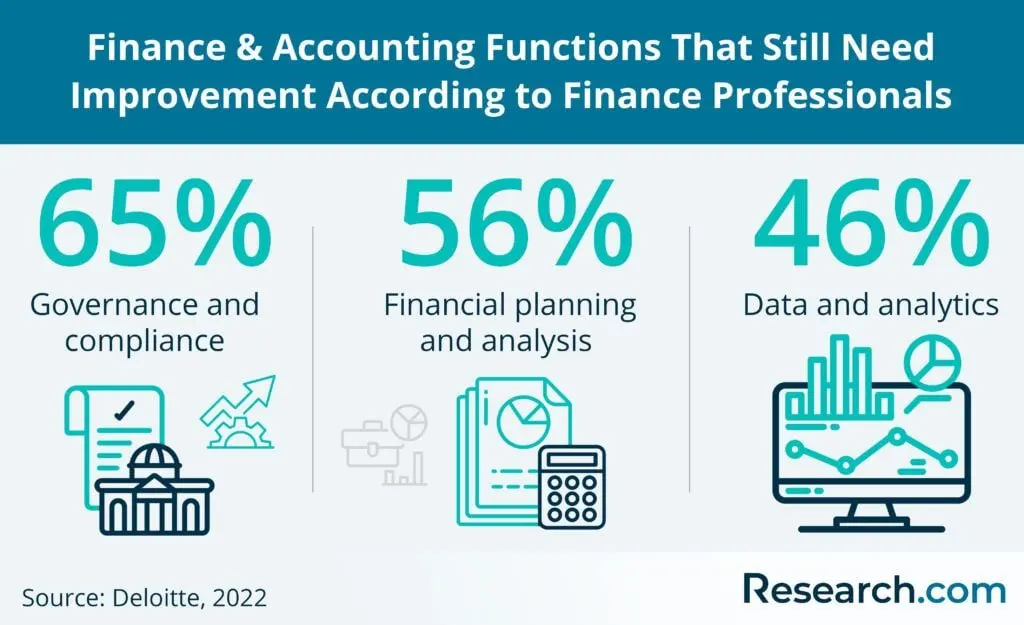
- Technology pressure. A Deloitte and Institute of Management Accountants survey found that 65% of finance and accounting professionals are unprepared for the future. The report highlighted challenges related to artificial intelligence, data analytics, automation, and the growing volume of data professionals must manage.
- Ethical dilemmas. CPAs may face conflicts of interest, confidentiality concerns, pressure to misstate results, or fraud-related risks. Consequences for violations can include dismissal of a complaint, penalties, required courses, admonishment, license consequences, or, in rare cases, jail time.
- Seasonal workload. Tax season, audit deadlines, month-end close, and year-end reporting can create periods of long hours and high stress.
- Cost and time investment. Education, exam preparation, licensing fees, and continuing education all require planning and financial commitment.
| Common mistake | Why it creates problems | Better approach |
| Choosing a program without checking accreditation | Credits may not count toward state CPA requirements or transfer smoothly. | Confirm institutional accreditation and state board acceptance before enrolling. |
| Focusing only on tuition | Fees, books, exam prep, technology, commute costs, and lost work hours can change the real cost. | Compare total program cost and ask about financial aid, transfer credits, and employer reimbursement. |
| Assuming any online program meets CPA rules | State boards may require specific accounting or business courses. | Match the curriculum to your state board’s education checklist. |
| Waiting too long to gain experience | Licensure may be delayed if work experience is not approved or supervised correctly. | Ask employers whether the role and supervisor qualify for CPA experience requirements. |
| Relying only on rankings | A highly ranked program may not be the best fit for your budget, schedule, transfer needs, or state rules. | Use rankings as one input, then evaluate outcomes, support, flexibility, and licensure alignment. |
| Assuming salaries are guaranteed | Compensation depends on many factors beyond the CPA credential. | Research local employers, internships, industries, role requirements, and advancement patterns. |
Ethics education matters because accounting professionals regularly make decisions that affect investors, taxpayers, employers, clients, and the public. In Gideol Els’s study, “Attitudes of accounting students towards ethics, continuous professional development and lifelong learning,” published in the African Journal of Business Ethics, Els argued that higher education institutions should recognize their role in shaping future accountants and revisit curricula so that students build not only technical knowledge but also ethical values and a commitment to lifelong learning.
What educational path is required to become a CPA?
Most CPA candidates begin with a bachelor’s degree in accounting or a related field, then complete any additional coursework required by their state board. A strong accounting program should cover financial accounting, managerial accounting, auditing, taxation, business law, accounting information systems, and financial reporting.
Online programs can be a practical option for students who need flexibility, but they should be evaluated carefully. Before enrolling, confirm accreditation, state CPA eligibility, transfer-credit policies, faculty support, internship access, and CPA exam preparation. Students comparing flexible programs can review top online accounting programs as a starting point.
Questions to ask before choosing a CPA-focused accounting program
- Does the program meet the education rules for the state where I plan to become licensed?
- How many accounting and business credits will I complete?
- Are courses taught by faculty with professional accounting or CPA experience?
- Does the school offer CPA exam preparation, advising, or partnerships with review providers?
- Can online students access internships, career services, tutoring, and faculty office hours?
- What is the total cost after fees, books, technology, and transfer credits?
- Will credits transfer into a bachelor’s or master’s program if I start at the associate level?
Accelerated Online Programs for Becoming a CPA
Accelerated online accounting programs can help motivated students complete accounting coursework faster than a traditional schedule allows. They may be especially useful for working adults, career changers, and students who already have transfer credits or a prior degree.
Some universities offer an accelerated online accounting degree designed to condense coursework while preserving essential accounting content. These programs can typically be completed in 12 to 18 months, depending on transfer credits, course load, and student pacing.
The advantage is speed and flexibility. The risk is overload. Accounting courses build on each other, and compressed terms can be difficult if you are also working full time or preparing for the CPA exam. Before choosing an accelerated format, ask whether you can realistically manage the workload and whether the program includes enough support.
| Program format | Best for | Watch out for |
| Traditional campus program | Students who want in-person faculty access, campus recruiting, and a structured schedule. | Less flexibility for working adults and commuters. |
| Online accounting program | Students who need flexibility because of work, family, location, or military responsibilities. | Requires strong time management and self-direction. |
| Accelerated online program | Students with strong academic discipline, transfer credits, or a clear timeline goal. | Compressed courses can be intense and may leave less time for exam preparation or internships. |
| Associate-to-bachelor’s pathway | Cost-conscious students who want to start with foundational courses and transfer later. | Credits must transfer and still satisfy CPA education rules. |
What opportunities are available for CPAs to advance their education?
CPAs who want to remain competitive can pursue graduate education, specialized certificates, employer-sponsored training, CPE tracks, or technical courses in analytics, tax, audit, systems, and leadership. A master’s in accounting, taxation, forensic accounting, business analytics, or a related field may be useful when it supports a specific career move.
For professionals who want to complete graduate study quickly, fastest masters degree options may be worth comparing. Speed should not outweigh quality, though. Check accreditation, faculty expertise, curriculum fit, cost, workload, and whether the degree improves your target career prospects.
Is CPA the right career for you?
The CPA path is a strong fit if you enjoy analytical work, can handle detailed rules, want a respected professional credential, and are willing to keep learning throughout your career. It may be less appealing if you dislike deadlines, do not want to maintain continuing education, or prefer work with little regulation or documentation.
Cost also matters. Some students reduce expenses by comparing affordable online bachelor degree programs, transferring credits, using employer tuition benefits, or starting at a lower-cost institution before completing upper-level accounting coursework. If you are deciding between online and campus study, compare flexibility, support, outcomes, and whether employers and state boards recognize the program. A helpful starting point is this guide on whether online degrees are respected.
| You may be a good fit for CPA work if... | You may want another path if... |
| You like solving financial problems and working with structured information. | You want a career with minimal exams, licensing, or continuing education. |
| You are comfortable with deadlines, documentation, and accountability. | You dislike detail-heavy work or frequent rule changes. |
| You want career options in tax, audit, reporting, advisory, government, nonprofit, or finance leadership. | You prefer a field where credentials are optional and informal learning is enough. |
| You are willing to develop technology, communication, and ethical decision-making skills. | You do not want to adapt to new accounting systems, analytics tools, or compliance expectations. |
Key Insights
- A CPA is a licensed accounting professional, not just a general accountant. The license requires education, exam passage, experience, ethics requirements, and ongoing CPE.
- The CPA credential can support many career paths. CPAs work in public accounting, corporate finance, tax, audit, government, nonprofit organizations, education, consulting, and entrepreneurship.
- Job outlook is positive but not automatic. Accountants and auditors are projected to see 5% employment growth from 2024 to 2034, but hiring still depends on skills, experience, location, and employer needs.
- Salary depends on more than licensure. The May 2024 median yearly salary for accountants and auditors was $81,680, or $39.27 per hour, while specialized and leadership roles can vary significantly.
- Technology is raising expectations for CPAs. Automation, AI, cloud accounting, and analytics make data and systems skills increasingly important, but judgment, ethics, and communication remain central.
- Program choice matters. Before enrolling in an accounting program, confirm accreditation, state CPA education alignment, transfer policies, total cost, support services, and exam preparation resources.
- The CPA path is demanding but flexible. It is best suited for people who can manage long-term learning, detailed standards, deadlines, ethical responsibility, and continuous professional development.
References
- American Institute of CPAs. (n.d.). Become a CPA. American Institute of Certified Public Accountants.
- Keiling, H. (2025, December 10). 19 High-Paying Accounting Jobs. Indeed.
- U.S. Bureau of Labor Statistics. (2025, August 28). Accountants and auditors: Occupational outlook handbook. U.S. Bureau of Labor Statistics.
- Zippia. (n.d.). Certified public accountant demographics and statistics: Number of certified public accountants in the US. Zippia.
- ZipRecruiter Marketplace Research Team. (n.d.). CPA must-have skills list & keywords for your resume. ZipRecruiter.
- ZipRecruiter. (n.d.). What is the average CPA salary by state. ZipRecruiter.
Other Things You Should Know About Being a CPA
The CPA exam in 2027 is a comprehensive four-part assessment designed to test the knowledge and skills necessary for entry into the accounting profession. It includes sections on Auditing and Attestation, Business Environment and Concepts, Financial Accounting and Reporting, and Regulation, and is administered in a computer-based format. --- **Question** What steps do I need to take to qualify as a CPA in 2027? **Answer** To qualify as a CPA in 2027, you must complete a bachelor's degree with a focus in accounting, meet the specified credit hours in accounting and business courses, pass the CPA exam, and gain relevant work experience as required by your state's accountancy board. --- **Question** What are the educational requirements to become a CPA? **Answer** To become a CPA, you typically need at least a bachelor's degree in accounting or a related field. Most states require 150 credit hours of education, which can often be achieved by pursuing a master's degree, allowing candidates to meet the CPA exam eligibility criteria. --- **Question** What is the job outlook for CPAs in 2027? **Answer** The job outlook for CPAs in 2027 is positive, with steady demand due to the complex financial regulations businesses face. CPAs' expertise in financial analysis, compliance, and strategic planning makes them valuable assets, ensuring promising career stability and growth opportunities in the accounting field.
To qualify as a CPA in 2027, you'll need a bachelor's degree, typically with 150 semester hours of education. Pass the Uniform CPA Examination and fulfill your state’s experience requirements, which usually involve one to two years of supervised work.
Most states require a minimum of a bachelor's degree in accounting or a related field, along with specific accounting and business courses. Some states may have additional educational requirements.
Successful CPAs need hard skills like accounting, taxation, auditing, and financial reporting, as well as soft skills such as communication, attention to detail, time management, analytical thinking, interpersonal skills, adaptability, and integrity.
CPAs can pursue careers in public accounting, corporate finance, government accounting, nonprofit accounting, international accounting, entrepreneurship, and education. They can also specialize in areas such as forensic accounting or become consultants.
The job outlook for CPAs is generally positive, with a projected 6% growth in employment from 2021 to 2031. This growth is driven by the increasing demand for accounting and auditing services across various industries.
CPAs face several challenges, including the difficulty of the CPA exam, staying updated with constantly changing regulations, adapting to new technologies, and navigating ethical dilemmas.
A CPA career may be right for you if you enjoy working with numbers, have strong analytical and problem-solving skills, and are interested in the financial well-being of individuals and businesses. It requires dedication, hard work, and a commitment to ongoing professional development.