2027 Best Accounting Schools in Utah – How to Become a CPA in UT

Co-Founder and Chief Data Scientist
Choosing an accounting school in Utah is not just a question of which college has the best name recognition. The better question is whether a program fits your career target, budget, schedule, CPA plans, and preferred learning format. Accounting can lead to public accounting, corporate finance, tax, audit, nonprofit finance, government roles, forensic work, data analysis, and business leadership, but the right academic path depends on what you want to do after graduation.
This guide explains what to expect from an accounting degree in Utah, how long programs usually take, how online and campus formats compare, what costs and financial aid options to review, which schools appear in our list, and how to evaluate whether a bachelor’s, associate, accelerated pathway, or master’s degree makes sense for your goals.
Quick answer: Is an accounting degree in Utah worth considering?
An accounting degree can be a strong choice for students who want a business-focused career with clear technical skills, multiple work settings, and a path toward professional credentials such as the CPA, CMA, CIA, EA, CFE, or CFA. The median annual wage for accountants is $79,819 as of early 2025, and accounting professionals may work in accounting firms, corporate finance departments, public agencies, nonprofit organizations, consulting, tax, audit, and financial analysis. Outcomes vary by school, degree level, licensure, location, industry, and experience, so students should compare programs carefully rather than choosing based on tuition or rankings alone.
What are the main benefits of earning an accounting degree?
- An accounting degree can prepare you for roles in public accounting, corporate finance, government, nonprofit organizations, tax services, auditing, financial reporting, and related business fields.
- The median annual wage for accountants is $79,819 as of early 2025, though actual earnings depend on role, experience, credentials, employer size, and location.
- Accounting skills remain useful across many industries because organizations need accurate records, financial controls, tax compliance, budgeting, and decision-ready financial information.
What can I expect from an accounting degree?
An accounting degree teaches students how to organize, verify, interpret, and communicate financial information. You can expect coursework in financial accounting, managerial accounting, taxation, auditing, accounting information systems, business law, economics, statistics, and finance. Strong programs also teach students how to use spreadsheets, accounting platforms, data tools, and professional judgment when reviewing transactions, statements, controls, and budgets.
The best accounting programs do more than teach rules. They help students learn how to identify patterns, evaluate risk, explain financial results to non-accountants, and make ethical decisions when the numbers are unclear or under pressure. Many programs also encourage internships, projects, or applied learning experiences so students can test career interests before committing to public accounting, corporate accounting, tax, audit, or a specialized area.
| Degree level | Best fit | Typical outcome |
| Associate degree in accounting | Students seeking an affordable starting point, bookkeeping roles, or transfer preparation | Entry-level accounting support, bookkeeping, payroll, or transfer to a bachelor’s program |
| Bachelor’s degree in accounting | Students who want broad accounting career options and a foundation for CPA preparation | Staff accountant, tax associate, audit associate, financial analyst, or corporate accounting roles |
| Master’s in accounting | Students pursuing advanced accounting roles, specialization, or CPA credit-hour requirements | Advanced tax, audit, advisory, accounting manager, or CPA-oriented career paths |
| Accelerated bachelor’s-to-master’s pathway | Motivated students who know they want CPA eligibility and can handle a heavier pace | Faster completion of advanced credits and earlier entry into professional accounting roles |
Where can I work with an accounting degree?
Accounting graduates can work wherever financial information must be tracked, reviewed, explained, or reported. That includes public accounting firms, private companies, banks, technology firms, healthcare organizations, government agencies, school systems, nonprofits, startups, and consulting practices.
Public accounting is a common starting point. In this setting, accountants may help clients with audits, tax filings, financial statements, compliance reviews, and advisory work. It can be demanding, especially during busy seasons, but it also exposes early-career professionals to many industries and accounting problems.
Private or corporate accounting focuses on one organization. Professionals in this path may manage ledgers, prepare reports, analyze budgets, monitor internal controls, support forecasting, or work with executives on financial strategy. Corporate finance roles can also involve financial modeling, investment analysis, performance measurement, and business planning.
Government and nonprofit accounting can appeal to students who want mission-driven work, public accountability, grant management, compliance oversight, or fund accounting. Specialized fields such as forensic accounting, data analysis, and investment banking may require additional training, credentials, or experience.
How much can I make with an accounting degree?
Accounting pay varies widely by job title, location, employer, credential, industry, and years of experience. The salary of accounting professionals in the United States, based on 2025 projections, ranges from $60,000 for an entry-level staff accountant to $145,000 for senior accounting managers in mid-to-large firms. Entry-level accountants usually earn less than experienced professionals, but starting incentives have increased in some areas because of a sustained talent shortage. Salaries are often higher in major metropolitan markets and high-cost regions where employers adjust compensation to compete for talent.
Degree level can also affect earning power. Master’s degree holders in accounting generally earn more than bachelor’s degree holders, although a graduate degree does not guarantee a specific salary. Professional credentials such as the Certified Public Accountant (CPA) or Certified Management Accountant (CMA) can increase marketability and may improve long-term earnings, particularly for professionals who move into audit, tax, advisory, finance, or management roles.
Industry matters as well. Finance, investment banking, technology, large corporations, and major public accounting firms may offer higher compensation than smaller employers or some government agencies. Specializations such as tax, audit, forensic accounting, accounting systems, and financial analysis can also influence pay.
- 2027 Best Accounting Schools in Utah
- How long does it take to complete an accounting program in Utah?
- How does an online accounting program compare to an on-campus program in Utah?
- What is the average cost of an accounting program in Utah?
- What are the financial aid options for students enrolling in an accounting school in Utah?
- What are the prerequisites for enrolling in an accounting school in Utah?
- What courses are typically in an accounting school in Utah?
- What types of specializations are available in accounting schools in Utah?
- How do you choose the best accounting school in Utah?
- What career paths are available for graduates of accounting schools in Utah?
- What is the job market for graduates of accounting schools in Utah?
- What additional certifications can complement an accounting degree in Utah?
- Why choose accelerated accounting programs in Utah?
- What are the benefits of earning a master's in accounting in Utah?
- What alternative career paths are available for those who don't pursue accounting?
- How is technology transforming accounting education in Utah?
- What role does continuing education play in enhancing accounting careers in Utah?
- Can Accounting Expertise Propel a Career in Education in Utah?
- What specialized accounting tracks are emerging in Utah?
- How can accounting expertise boost careers in forensic investigations in Utah?
- Can Accounting Expertise Facilitate a Transition into Utah's Legal Field?
- How are soft skills and networking strategies critical for succeeding in Utah's accounting field?
- Can Cross-Industry Certifications Propel Your Accounting Career?
- What Impact Do AI and Automation Have on Utah's Accounting Careers?
- Can Accounting Expertise Open Doors to Urban Planning Careers in Utah?
- How to Choose the Right Accounting Program in Utah for Your Goals
2027 Best Accounting Schools in Utah
How do we rank schools?
Research.com evaluates accounting programs with the understanding that students are making a major academic and financial decision. A useful ranking should help prospective students compare program quality, cost, flexibility, outcomes, and institutional credibility rather than simply listing schools.
This ranking was prepared by Research.com’s team using information from established education data sources, including the IPEDS database, Peterson’s database, including the Distance Learning Licensed Data Set, the College Scorecard database, and the National Center for Education Statistics. You can review Research.com’s broader ranking approach here.
Use the ranking as a starting point, not as the only factor in your decision. Before applying, confirm current tuition, delivery format, CPA alignment, accreditation, transfer policies, and graduation requirements directly with each institution.
1. Utah Valley University (UVU)
The Utah Valley University online Master of Accountancy (MAcc) program is designed for working professionals who need flexibility while developing advanced accounting knowledge. The curriculum covers areas such as financial reporting, taxation, and auditing, with remote access to coursework. Students may encounter asynchronous lectures, virtual discussions, and interactive assignments that allow them to continue working while progressing through the program.
- Program Length: 1 to 2 years
- Tracks/concentrations: Auditing, Taxation, or Financial Reporting.
- Cost per Credit: $300 to $900
- Required Credits to Graduate: 120
- Accreditation: AACSB International
2. Brigham Young University (BYU)
Brigham Young University offers an online Bachelor of Science in Accounting (BSAcc) option for students who want a structured accounting education connected to the university’s values-based academic environment. The program combines accounting fundamentals with an emphasis on ethics, professional conduct, and business integrity. Students may participate in online discussions, virtual case work, and interactive modules.
- Program Length: 4 years
- Tracks/concentrations: Accounting
- Cost per Credit: $1,200 to $2,400
- Required Credits to Graduate: 120
- Accreditation: AACSB International
3. Westminster University
Westminster University provides an online Bachelor of Science in Accounting (BSAcc) program that emphasizes individualized support and interactive learning. The program may appeal to students who prefer smaller classes, direct faculty feedback, and a more personalized academic setting. Synchronous lectures, group assignments, and virtual office hours help students stay connected while completing accounting coursework.
- Program Length: 4 years
- Tracks/concentrations: Financial Accounting, Managerial Accounting, Taxation
- Cost per Credit: $700 to $800.
- Required Credits to Graduate: 120
- Accreditation: AACSB, Northwest Commission on Colleges and Universities.
4. Utah Tech University
Utah Tech University offers an online Bachelor of Science in Accounting (BSAcc) program with a practical, career-oriented focus. Students can expect applied learning through case studies, online platforms, and simulations that connect accounting theory to workplace situations. The program’s faculty experience and applied approach may be useful for students who want hands-on preparation for accounting roles.
- Program Length: 4 years
- Tracks/concentrations: Forensic Accounting, Governmental Accounting, Accounting Information Systems
- Cost per Credit: $400 to $500.
- Required Credits to Graduate: 120
- Accreditation: ACBSP, Northwest Commission on Colleges and Universities
5. Weber State University
Weber State University has offered its online Bachelor of Science in Accounting (BSAcc) curriculum since 2014. The program is built for students with varied schedules and may combine asynchronous content, live interaction, and assignments that support collaboration. Weber State’s online structure can be useful for students who need flexibility but still want access to faculty and peer engagement.
- Program Length: 4 years
- Tracks/concentrations: Professional Accounting, Taxation, Financial Planning
- Cost per Credit: $300 to $700
- Required Credits to Graduate: 120
- Accreditation: AACSB, Northwest Commission on Colleges and Universities
6. Southern Utah University (SUU)
Southern Utah University offers an online Masters of Accountancy (MAcc) program that incorporates applied learning, projects, internships, and virtual simulations. The program may be a fit for students who want graduate-level accounting coursework with practical exposure to the field. Online lectures, workshops, and virtual labs support students preparing for professional accounting environments.
- Program Length: 1 to 2 years
- Tracks/concentrations: Financial Accounting, Managerial Accounting, Taxation
- Cost per Credit: $300 to $800
- Required Credits to Graduate: 120
- Accreditation: AACSB, Northwest Commission on Colleges and Universities
7. University of Utah (U of U)
The University of Utah online Bachelor of Science in Accounting (BSAcc) program uses a mix of self-paced modules and live virtual sessions. The format is designed for busy professionals and nontraditional students who need flexibility while maintaining academic rigor. Students may receive faculty instruction, online discussion opportunities, and individualized support during their accounting studies.
- Program Length: 4 years
- Tracks/concentrations: Auditing, Taxation, Financial Reporting
- Cost per Credit: $400 to $1,100
- Required Credits to Graduate: 120
- Accreditation: AACSB, Northwest Commission on Colleges and Universities
8. Utah State University (USU)
Utah State University offers an online Bachelor of Science in Accounting (BSAcc) program that emphasizes accounting theory, research-informed learning, and connections to industry. Students may complete online lectures, research projects, and internship experiences designed to strengthen both technical knowledge and professional readiness.
- Program Length: 4 years
- Tracks/concentrations: Financial Reporting, Taxation, Auditing
- Cost per Credit: $300 to $800
- Required Credits to Graduate: 120
- Accreditation: AACSB, Northwest Commission on Colleges and Universities
9. Salt Lake Community College (SLCC)
Salt Lake Community College offers an online Associate of Science in Accounting (ASAcc) program for students seeking a lower-cost entry point into accounting education. The program may serve students who want career preparation, transfer options, or foundational accounting knowledge. Flexible course scheduling and student support services can be especially useful for working learners and first-generation college students.
- Program Length: 1 to 2 years
- Tracks/concentrations: Financial Accounting, Managerial Accounting, Bookkeeping
- Cost per Credit: $100 to $400
- Required Credits to Graduate: 120
- Accreditation: Northwest Commission on Colleges and Universities
10. Snow College
Snow College offers an online Associate of Science in Accounting (ASAcc) program with an emphasis on smaller classes and student support. The program may suit learners who want foundational accounting coursework, mentoring, tutoring access, and applied projects before transferring or entering entry-level accounting support roles.
- Program Length: 1 to 2 years
- Tracks/concentrations: Financial Accounting, Managerial Accounting, Taxation
- Cost per Credit: $150 to $350
- Required Credits to Graduate: 120
- Accreditation: ACBSP, Northwest Commission on Colleges and Universities
Student perspectives on Utah accounting programs
“A traditional schedule did not work well with my job and family responsibilities. Studying accounting online gave me the room to watch lectures during breaks and complete assignments after my children went to bed. I also connected with classmates outside my local area, which expanded my professional network. I now work as an account manager, and the flexibility of online learning made that possible.” Sarah
“I had always been comfortable with numbers, but going back to a classroom after years away felt overwhelming. The online program helped me build confidence. Interactive tools kept me involved, professors were accessible, and online study groups became an important support system. The format also strengthened the discipline and time management I use every day in accounting.” Michael
“I worried that an online degree would feel isolated, but the program offered more community than I expected. Virtual study sessions, forums, and faculty support helped me stay connected. Because of the flexible schedule, I was also able to complete an internship while taking classes. The experience was practical, convenient, and career-focused.” Emily
Key Findings
- A full-time bachelor’s degree in accounting usually takes four years.
- The path to becoming a CPA in Utah requires five to seven years.
- There were over 9,481 accountants employed in Utah in 2024.
- The average accountant salary in Utah was approximately $63,500 in 2025.
- Utah stands as the jurisdiction with the highest pass rate of 66% for the CPA exam.
How long does it take to complete an accounting program in Utah?
The time required to finish an accounting program in Utah depends on your degree level, enrollment status, transfer credits, and whether you are preparing for CPA licensure. A bachelor’s degree generally takes four years for full-time students or five to six years for part-time students. A master’s degree typically takes two years full time or three to four years part time.
Students pursuing the CPA path should plan for more than degree completion. The CPA exam may take two years if completed in four separate parts, although some candidates attempt all parts within an intensive six-month period. The overall path to becoming a CPA in Utah requires five to seven years, depending on prior coursework, credit accumulation, exam timing, experience requirements, and application processing.
Utah stands as the jurisdiction with the highest pass rate of 66.0% for the CPA exam, but students should not assume that a strong state pass rate makes the exam easy. CPA success depends on preparation, eligible coursework, study time, work demands, and the candidate’s ability to master a large body of accounting material.
| Path | Typical timeline | Important planning note |
| Associate degree | 1 to 2 years | Best for transfer planning or entry-level support roles |
| Bachelor’s degree | 4 years full time or 5 to 6 years part time | Often the standard foundation for professional accounting careers |
| Master’s degree | 2 years full time or 3 to 4 years part time | Can help students pursue advanced roles and CPA credit requirements |
| CPA pathway | 5 to 7 years | Includes education, exam preparation, experience, and licensing steps |
How does an online accounting program compare to an on-campus program in Utah?
Online and campus-based accounting programs can both lead to strong outcomes when the school is accredited, the curriculum is rigorous, and the program fits the student’s needs. The best format depends on your schedule, learning style, budget, and need for in-person networking.
Accounting degrees online can be especially useful for working adults, parents, military-affiliated students, and learners who live far from campus. Online courses may use recorded lectures, learning modules, discussion boards, virtual meetings, and remote assignments. However, students need strong self-management skills and should confirm whether online courses provide access to advising, tutoring, faculty, internships, and recruiting support.
Campus programs offer more routine, face-to-face interaction, easier access to campus events, and stronger in-person networking. They may also come with higher total costs because of transportation, housing, meals, and other living expenses. Some students learn better in a classroom setting and benefit from direct accountability.
| Factor | Online accounting program | On-campus accounting program |
| Flexibility | Often better for students balancing work, family, or distance | Usually follows a fixed class schedule |
| Cost | May reduce commuting and housing expenses, though online fees may apply | May require additional spending on transportation, housing, and campus living |
| Interaction | Relies on virtual meetings, discussion boards, and online collaboration | Provides more face-to-face access to classmates, faculty, and events |
| Learning style | Best for self-directed students who can manage deadlines independently | Best for students who prefer structure and in-person accountability |
| Career support | Varies by school; students should ask about remote internship and recruiting support | May provide easier access to campus recruiting and local employer events |
What is the average cost of an accounting program in Utah?
Accounting program costs in Utah vary by institution, degree level, residency status, and delivery format. The cost-per-credit for accounting programs varies from $316.50 to $482 for in-state students and $789.50 to $1,301 for out-of-state students. Some universities instead use a flat rate ranging from $498 to $1,638.
Tuition is only one part of the cost. Students should also estimate fees, books, software, technology, transportation, housing, meals, uniforms if required, exam preparation, and possible CPA application or testing expenses. Graduate tuition for a master’s in accounting may differ from undergraduate tuition, so compare costs at the exact program level you plan to pursue.
Cost questions to ask before enrolling
- Is tuition charged per credit, by semester, or as a flat rate?
- Are online students charged different fees from campus students?
- How many credits will transfer, and how many must be completed at the school?
- Does the program require paid software, proctoring, textbooks, or exam review materials?
- Will the program help meet CPA education requirements, or will additional credits be needed?
- What is the realistic total cost after scholarships, grants, employer aid, and loans?
What are the financial aid options for students enrolling in accounting schools in Utah?
Students entering accounting programs in Utah may qualify for federal, state, institutional, employer-based, and private financial aid. The right mix depends on financial need, academic record, residency status, enrollment intensity, and program type.
Federal Aid
- Federal Pell Grant: A need-based grant for undergraduate students with exceptional financial need that does not have to be repaid.
- Federal Direct Stafford Loans: Subsidized and unsubsidized loans with federal repayment protections. Subsidized loans do not accrue interest during certain periods, while unsubsidized loans begin accruing interest at disbursement.
- Federal Work-Study Program: A program that lets eligible students earn money through part-time approved work, either on campus or with qualifying off-campus organizations.
State Aid
- Utah Financial Aid Office: A resource for information about state-funded aid options available to qualifying students.
- Governor’s Scholarship: A merit-based award for Utah residents with strong academic records and ACT/SAT scores.
- Tuition Waiver for Public Service Occupations: A tuition reduction or waiver option for students pursuing selected public service fields, which may include accounting depending on specialization and eligibility rules.
- Need-Based Grants: Programs such as the Opportunity Scholarship and LEAP may support Utah residents who demonstrate financial need.
A financial aid system in place has helped Utah become the jurisdiction with the highest CPA exam pass rate, at around 66%. Students should still verify current eligibility rules, award amounts, deadlines, and renewal requirements before relying on any aid source.
What are the prerequisites for enrolling in accounting schools in Utah?
Admission requirements differ by school and degree level, but most undergraduate accounting programs expect students to show college readiness in math, communication, and general academics. Graduate programs may require prior business coursework, transcripts, recommendation materials, or professional goals statements.
- Completion of a standard high school diploma or equivalent (GED).
- Strong preparation in mathematics, especially algebra and pre-calculus.
- Clear writing, reading, and communication skills.
- ACT or SAT scores for programs that still require them, although some schools may be test-optional. Minimum score expectations vary, but mid-range or higher scores are often preferred.
- Possible subject-specific testing, such as SAT Math Level 2 or ACT Math, depending on the institution.
How to strengthen your application
- Take math seriously before college; accounting relies on accuracy, logic, and quantitative reasoning.
- Build spreadsheet skills early, especially formulas, tables, charts, and basic data cleaning.
- Ask admissions offices how transfer credits are evaluated before assuming previous coursework will apply.
- For graduate programs, confirm whether prerequisite accounting, finance, economics, or statistics courses are required.
What courses are typically in accounting schools in Utah?
Accounting programs in Utah generally cover a shared technical core while allowing variation by institution, degree level, and specialization. Course titles may differ, but students should expect a mix of accounting, business, data, law, and communication coursework.
Foundational Accounting
- Principles of Accounting I & II: Covers the basics of financial and managerial accounting, including transactions, bookkeeping, statements, cost concepts, and financial analysis.
- Intermediate Accounting I & II: Expands into more complex topics such as leases, investments, intangible assets, reporting issues, and international accounting standards.
- Auditing: Introduces audit planning, internal controls, risk assessment, evidence gathering, and financial statement audit procedures.
- Taxation: Reviews federal and state tax rules with attention to individual and business income tax concepts.
Accounting Electives
- Cost Accounting: Focuses on cost behavior, budgeting, decision-making, and performance measurement.
- Government and Non-Profit Accounting: Examines accounting and reporting practices used by public agencies and nonprofit organizations.
- Advanced Accounting: Covers specialized topics such as consolidations, partnerships, and international accounting issues.
- Forensic Accounting: Applies accounting methods to fraud detection, misconduct investigation, and financial evidence review.
Business and Related Courses
- Finance: Teaches corporate finance, investment basics, financial analysis, and capital budgeting.
- Economics: Builds understanding of microeconomic and macroeconomic forces that affect business decisions.
- Business Law: Introduces legal principles relevant to contracts, transactions, liability, and business operations.
- Statistics: Develops quantitative analysis skills used in auditing, forecasting, and financial decision-making.
- Communication: Strengthens writing and presentation skills needed to explain financial information clearly.
What types of specializations are available in accounting schools in Utah?
Most Utah accounting programs provide broad training first, then allow students to focus through electives, tracks, certificates, or graduate study. Students planning advanced education can also compare an online master’s in accounting with concentration options.
- Taxation: Prepares students for tax preparation, tax consulting, corporate tax, and tax research roles. Coursework may include individual taxation, corporate taxation, estate and gift tax, international taxation, and tax planning.
- Auditing: Focuses on financial statement audits, internal controls, audit evidence, risk assessment, and compliance. This track is common for students planning public accounting or internal audit careers.
- Governmental Accounting: Covers accounting standards, reporting rules, budgets, and compliance requirements for public-sector and nonprofit organizations.
- Forensic Accounting: Teaches students to detect fraud, review suspicious transactions, analyze financial statements for misconduct, and support investigations.
| Specialization | Best for students interested in | Possible roles |
| Taxation | Tax law, planning, compliance, and advisory work | Tax associate, tax consultant, corporate tax analyst |
| Auditing | Controls, assurance, risk, and financial statement review | Audit associate, internal auditor, compliance analyst |
| Governmental accounting | Public accountability, grants, budgets, and nonprofit finance | Government accountant, fund accountant, nonprofit accountant |
| Forensic accounting | Fraud detection, investigations, and financial evidence | Forensic accountant, fraud examiner, litigation support analyst |
How do you choose the best accounting school in Utah?
The best accounting school is the one that matches your career objective, academic background, financial situation, and preferred learning format. Among CPAs, the prevailing education choice is a bachelor’s degree (69%), followed by a master’s degree (12%) and an associate’s degree (11%). That does not mean every student needs the same path, but it does show why bachelor’s and graduate planning matter for students interested in CPA licensure or long-term advancement.
Accreditation
Accreditation should be one of your first checks. It shows that a school or program has been reviewed against defined academic standards. Programmatic or business-school accreditation from AACSB, ACBSP, the American Board of CPAs, and similar organizations can signal stronger alignment with accounting education standards. Students should also verify institutional accreditation and confirm that coursework supports licensing or transfer goals.
Program Offerings
Review the curriculum against your target career. CPA-oriented students should look for programs that include or support coursework in Statistics, Economics, Tax, Audit, and Business Law. Students more interested in analytics, fraud, nonprofit work, or corporate finance should compare electives and experiential learning options.
Affordability
Do not compare tuition alone. Calculate total program cost after transfer credits, fees, books, software, commuting, housing, lost work time, and financial aid. A low tuition price can become less attractive if credits do not transfer, the program takes longer than expected, or CPA requirements require additional coursework.
Competitiveness
Selective programs may expect stronger grades, test scores, prerequisites, or prior coursework. Apply strategically by balancing reach schools with programs where your academic profile is a strong fit.
Program Outcomes
Look for graduation rates, retention rates, CPA exam preparation, internship placement, employer connections, alumni outcomes, and post-graduation earnings. If outcomes are not published, ask the accounting department directly.
Common mistakes to avoid
| Mistake | Why it can hurt you | Better approach |
| Choosing a school only because it appears in a ranking | A ranking may not reflect your budget, schedule, CPA plans, or transfer status | Use rankings as a shortlist, then compare fit and outcomes |
| Ignoring accreditation | Credits, employer recognition, transfer options, or licensure planning may be affected | Confirm institutional and relevant program accreditation before applying |
| Looking only at tuition | Fees, housing, books, software, and extra semesters can change the real cost | Calculate total cost of attendance and net price after aid |
| Assuming online programs meet CPA requirements automatically | Licensure rules depend on coursework, credit hours, and state requirements | Ask the program and Utah licensing authorities how coursework applies |
| Waiting too long to seek internships | Accounting recruiting can begin early, especially for public accounting | Meet career services and faculty advisors during the first year of study |
What career paths are available for graduates of accounting schools in Utah?
Accounting graduates can pursue many accounting careers because the degree develops technical, analytical, and business communication skills. The right path depends on whether you want client service, internal company work, public service, investigation, finance, or entrepreneurship.
- Public Accountant: Provides audit, tax, and consulting services to multiple clients, often through a public accounting firm. CPA licensure is typically important for advancement.
- Private Accountant: Manages financial records, reports, reconciliations, and internal accounting processes for one organization.
- Government Accountant: Supports financial reporting, compliance, budgeting, and public fund accountability for government agencies.
- Non-Profit Accountant: Oversees restricted funds, donor reporting, grants, budgets, and compliance for nonprofit organizations.
- Corporate Finance: Uses financial data to evaluate business performance, forecast results, build models, and support decisions.
- Investment Banking: Works on mergers and acquisitions, IPOs, valuations, and financial transactions in a high-pressure environment.
- Data Analysis: Combines accounting knowledge with analytics tools to interpret financial information, identify patterns, and support risk or performance decisions.
- Forensic Accounting: Investigates fraud, misconduct, and financial disputes using accounting records and investigative methods.
- Entrepreneurship: Builds an independent accounting, tax, bookkeeping, advisory, or consulting practice.
What is the job market for graduates of accounting schools in Utah?
Utah’s economy creates opportunities for accountants in public accounting, corporate finance, technology, healthcare, government, nonprofit organizations, and professional services. The Utah Department of Workforce Services projects an annual growth rate for accountant and auditor jobs that continues to outpace many other sectors, with thousands of annual openings expected through 2032 due to both industry expansion and replacement needs. This trend aligns with Utah's position as one of the fastest-growing states for professional services, indicating substantial job creation and sustained high demand for accounting professionals in the state.
Students can pursue roles across public accounting firms, private employers, agencies, nonprofits, and specialized finance settings. Those interested in research, teaching, consulting, or advanced scholarship may eventually consider a doctorate degree in accounting. Accounting careers can offer salary growth as professionals gain experience, earn certifications, and move into management. As of early 2025, the average accountant salary in Utah has risen to $73,738 per year.
What additional certifications can complement an accounting degree in Utah?
The CPA is the best-known credential for many accountants, but it is not the only option. Additional certifications can help professionals specialize, move into management, work in tax representation, enter fraud investigation, or transition into investment analysis.
| Certification | Focus | Requirements stated | Career value |
| Certified Management Accountant (CMA) | Management accounting and financial management | A bachelor’s degree, two years of relevant work experience, and passing the CMA exam | Useful for financial analyst, budget analyst, corporate finance, and CFO-track roles |
| Certified Internal Auditor (CIA) | Internal auditing, risk, and compliance | A bachelor’s degree, two years of work experience in internal auditing, and passing the CIA exam | Supports careers in internal audit, corporate governance, compliance, and risk assessment |
| Enrolled Agent (EA) | Tax representation before the IRS | Passing a three-part examination covering individual and business tax returns or gaining IRS experience | Valuable for tax preparation, tax consulting, and taxpayer representation |
| Certified Fraud Examiner (CFE) | Fraud detection and prevention | A bachelor’s degree, two years of fraud-related experience, and passing the CFE exam | Helpful for forensic accounting, insurance, investigations, and risk management |
| Chartered Financial Analyst (CFA) | Investment management and financial analysis | A bachelor’s degree, four years of professional work experience, and passing three levels of the CFA exam | Best aligned with asset management, investment analysis, and financial consulting |
Why choose accelerated accounting programs in Utah?
Accelerated accounting programs can help motivated students move through accounting requirements faster, especially when they are planning for CPA eligibility. These pathways are most useful for students who already know they want advanced accounting preparation and can manage a heavier academic load.
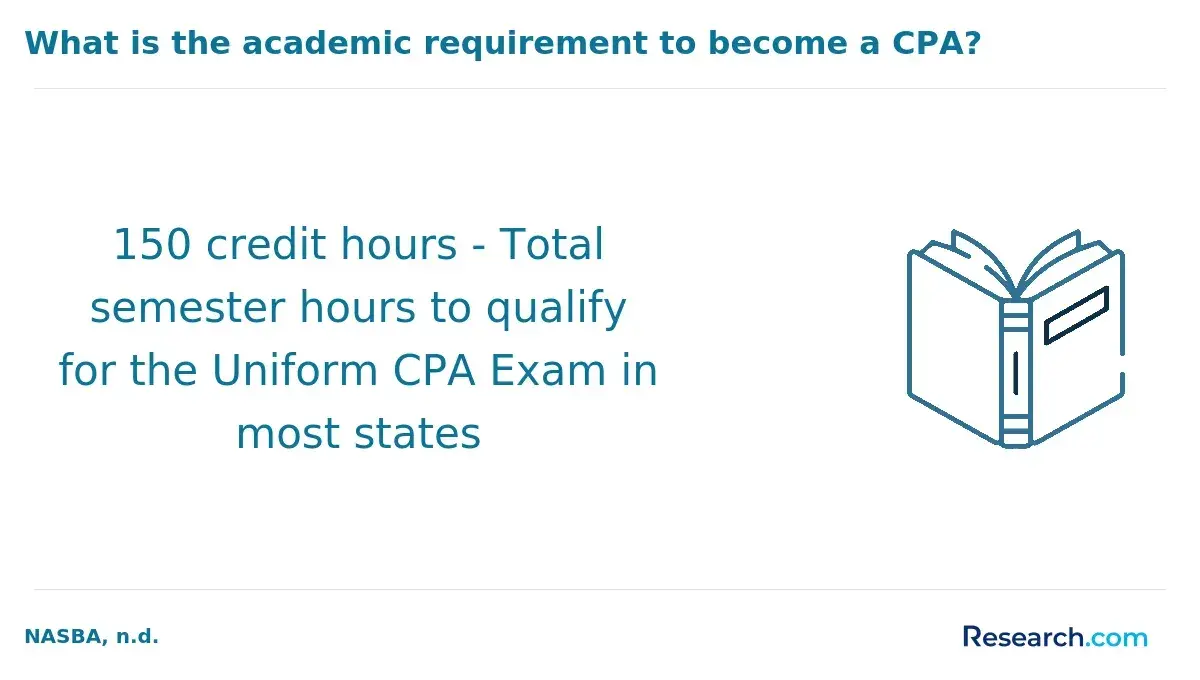
With a fast track accounting degree, students can complete a bachelor’s and master’s degree in accounting in as little as five years. This can be attractive in Utah because CPA candidates are required to complete 150 semester hours of coursework before sitting for the CPA exam. Accelerated options may combine undergraduate and graduate coursework while adding advanced study in financial reporting, auditing, taxation, and CPA exam preparation.
Key Benefits of Accelerated Accounting Programs in Utah
- Reduced Time to CPA Eligibility: Students may complete required credits more quickly than through separate traditional degree programs.
- Cost Efficiency: Fewer semesters can reduce some tuition and education-related costs, although students should confirm total pricing.
- CPA Exam Preparation: Some programs build CPA review or advanced exam-aligned coursework into the curriculum.
- Enhanced Career Readiness: Graduates may enter the workforce sooner with graduate-level coursework already completed.
Examples of Accelerated Accounting Programs in Utah
Institutions such as the University of Utah and Utah State University offer accelerated master’s pathways designed to help students fast-track their journey to becoming CPAs. In some cases, students can take graduate-level courses while still completing undergraduate requirements, allowing credits to apply toward both degree levels.
Who should consider an accelerated program?
An accelerated accounting program is best for students with strong academic habits, clear CPA goals, and the ability to handle intensive coursework. It may not be ideal for students who need a slower pace, are still exploring majors, or must work long hours while attending school.
What are the benefits of earning a master's in accounting in Utah?
A master’s in accounting can be valuable when it helps you meet CPA credit requirements, specialize in a high-demand area, or qualify for more advanced responsibilities. It also requires time and money, so students should evaluate whether the degree supports a clear career goal. If you are asking, Is getting a master's in accounting worth it?, the answer depends on licensure plans, cost, employer expectations, and the jobs you want after graduation.
- Higher Earning Potential: In Utah, professionals with a master's degree are often able to compete for higher-paying roles such as accounting manager, tax consultant, or financial director.
- Faster Career Progression: A graduate degree can help some professionals move beyond entry-level accounting into roles with oversight, analysis, or leadership responsibilities.
- Expertise and Specialization: Graduate coursework can deepen knowledge in areas such as forensic accounting, auditing, tax accounting, or advanced financial reporting.
- CPA Exam Readiness: For students in Utah who plan to become Certified Public Accountants (CPAs), a master’s in accounting can provide the necessary 150 credit hours required to sit for the CPA exam.
- Networking Opportunities: Graduate programs can connect students with faculty, classmates, alumni, recruiters, and accounting professionals.
What alternative career paths are available for those who don't pursue accounting?
Students who study accounting but decide not to become accountants still have options. Accounting coursework develops useful skills in analysis, budgeting, problem-solving, documentation, compliance, and financial communication. Those strengths can apply to finance, operations, business management, data analysis, entrepreneurship, education, and public administration.
Some students also move into teaching or training roles where financial literacy, business knowledge, and communication skills are valuable. Those considering education can compare accounting with pathways such as elementary school teacher requirements in Utah. The best alternative path depends on whether you prefer working with financial systems, people, data, compliance, or strategy.
How is technology transforming accounting education in Utah?
Accounting education is changing as employers expect graduates to understand both accounting principles and digital tools. Utah programs increasingly incorporate cloud accounting systems, spreadsheet modeling, data analytics platforms, automation concepts, and simulation-based learning. These tools help students practice interpreting larger datasets, improving accuracy, identifying exceptions, and turning raw financial information into useful business insights.
Technology is also changing how students learn. Online forums, virtual classrooms, remote collaboration tools, and digital networking spaces help students work with classmates and faculty outside traditional classrooms. Similar technology-driven shifts are visible in other fields, including resources explaining how to become a nurse practitioner in Utah, where digital learning and interdisciplinary skill development are increasingly important.
What role does continuing education play in enhancing accounting careers in Utah?
Continuing education helps accountants keep up with tax changes, reporting standards, ethics expectations, technology, audit practices, and licensing rules. For Utah professionals, ongoing learning can support compliance with CPA requirements in Utah while also strengthening career mobility. Workshops, advanced courses, professional seminars, and certification preparation can help accountants remain current and adaptable.
Can Accounting Expertise Propel a Career in Education in Utah?
Accounting professionals who enjoy explaining complex ideas may find opportunities in education, training, tutoring, curriculum support, or business instruction. Real-world accounting experience can make classroom examples more practical and help students understand how financial decisions affect organizations. Anyone considering a formal teaching route should review state credential requirements and academic expectations. For a broader view of the education pathway, see guidance on what degree do you need to be a teacher in Utah.
What specialized accounting tracks are emerging in Utah?
Accounting programs are responding to employer demand for professionals who can work with data, digital systems, fraud risk, cybersecurity concerns, and sustainability-related reporting. Emerging areas include data analytics, environmental accounting, cybersecurity-related accounting controls, and forensic methods. Students who want to focus on investigative finance may compare graduate options such as a masters in forensic accounting.
How can accounting expertise boost careers in forensic investigations in Utah?
Forensic investigations often require professionals who can follow money, recognize unusual patterns, verify records, and explain financial evidence clearly. Accounting training is useful in fraud detection, litigation support, insurance investigations, regulatory reviews, and corporate misconduct cases. Students interested in broader investigative work may also explore complementary preparation, such as a forensic science degree in Utah, depending on the type of evidence and investigation they want to pursue.
Can Accounting Expertise Facilitate a Transition into Utah's Legal Field?
Accounting skills can support legal work involving financial disputes, compliance, litigation support, business records, damages analysis, or fraud review. Professionals who understand both financial documents and legal processes may contribute to case preparation, evidence organization, and regulatory analysis. Those interested in legal support roles can review the steps for how to become a paralegal in Utah and consider whether additional legal coursework or certification would strengthen their transition.
How are soft skills and networking strategies critical for succeeding in Utah's accounting field?
Technical accounting ability is essential, but it is not enough by itself. Accountants often need to explain findings, ask good questions, manage deadlines, work with clients, document decisions, and communicate risk to non-specialists. Utah employers may value candidates who combine accuracy with communication, adaptability, leadership, and professional judgment.
Networking also matters. Internships, accounting student organizations, mentorship programs, alumni events, professional associations, and career fairs can help students learn about hiring timelines and employer expectations. These connections can improve access to accounting major jobs that require both analytical skill and relationship-building ability.
Can Cross-Industry Certifications Propel Your Accounting Career?
Some accountants increase their value by pairing accounting knowledge with credentials or training from another industry. Healthcare, insurance, construction, technology, government contracting, and education all have specialized financial rules and reporting needs. For example, professionals interested in healthcare finance may benefit from understanding billing, coding, reimbursement, and compliance. A resource on how to be a medical coder in Utah can help students see how healthcare documentation and finance intersect.
What Impact Do AI and Automation Have on Utah's Accounting Careers?
AI and automation are changing the work accountants do, especially routine tasks such as data entry, reconciliations, invoice processing, report generation, and anomaly detection. This does not eliminate the need for accounting judgment. Instead, it raises expectations: accountants increasingly need to validate automated outputs, interpret data, assess risk, communicate insights, and understand how systems affect controls and compliance.
Students should look for programs that teach accounting information systems, analytics, spreadsheet modeling, data visualization, and ethical technology use. Similar data-driven decision-making skills appear in other career areas, including guides on how to become a high school math teacher in Utah, where quantitative reasoning and technology-supported instruction also matter.
Can Accounting Expertise Open Doors to Urban Planning Careers in Utah?
Accounting skills can support urban planning and community development work when projects require budgeting, forecasting, grant tracking, cost-benefit analysis, and financial accountability. Professionals who understand financial constraints can contribute to infrastructure planning, housing initiatives, public projects, and sustainable development decisions. Those considering this interdisciplinary direction can review how to become an urban planner in Utah to understand additional credentials and planning-specific requirements.
How to Choose the Right Accounting Program in Utah for Your Goals
The right accounting program should connect your current situation with your future goal. A student who wants a low-cost transfer pathway should evaluate community colleges differently from a student aiming for CPA licensure, and a working adult may need a different format than a full-time campus student.
- Define your end goal first. Decide whether you want bookkeeping, staff accounting, public accounting, tax, audit, corporate finance, forensic accounting, nonprofit accounting, or CPA licensure.
- Match the degree level to the goal. Associate programs can be cost-effective for transfer or entry-level roles, bachelor’s programs are the standard foundation for many accounting jobs, and master’s programs may support specialization or CPA credit requirements.
- Check accreditation and CPA alignment. Confirm institutional accreditation, business or accounting accreditation, and whether the curriculum helps meet Utah CPA education expectations.
- Compare total cost, not sticker price. Include tuition, fees, books, software, housing, transportation, transfer credit loss, and time away from work.
- Evaluate the learning format honestly. Online programs require self-discipline; campus programs require schedule and location flexibility. Hybrid options may offer a middle ground.
- Ask about internships and recruiting. Accounting hiring often depends on internships, networking, and early employer contact.
- Review outcomes. Look for graduation rates, job placement support, CPA preparation, employer relationships, and alumni results.
Students comparing broader business options may also review Research.com’s list of the best business schools in Utah. Accounting is part of the larger business education ecosystem, so the strength of a school’s business network, faculty, and employer relationships can affect your experience.
| If your priority is... | Look for... | Be careful about... |
| Lowest upfront cost | Community college, transfer pathways, in-state tuition, grants | Credits that do not transfer or delay graduation |
| CPA preparation | 150-hour planning, audit/tax coverage, CPA advising, strong faculty support | Assuming any accounting degree automatically satisfies CPA rules |
| Working while studying | Online, evening, asynchronous, or part-time options | Programs with limited advising or internship access for online students |
| Fast completion | Accelerated bachelor’s-to-master’s pathways and transfer-friendly policies | Overloading your schedule without enough study time |
| Specialization | Tracks in tax, audit, forensic accounting, analytics, or government accounting | Choosing a niche before understanding entry-level hiring expectations |
Related Articles for Nearby States
- 2027 Best Accounting Schools in Nevada – How to Become a CPA in NV
- 2027 Best Accounting Schools in Arizona – How to Become a CPA in AZ
- 2027 Best Accounting Schools in Idaho – How to Become a CPA in ID
- 2027 Best Accounting Schools in Wyoming – How to Become a CPA in WY
- 2027 Best Accounting Schools in Colorado – How to Become a CPA in CO
- 2027 Best Accounting Schools in New Mexico – How to Become a CPA in NM
- 2027 Best Accounting Schools in Montana – How to Become a CPA in MT
- 2027 Best Accounting Schools in Oregon – How to Become a CPA in OR
- 2027 Best Accounting Schools in Washington – How to Become a CPA in WA
- 2027 Accounting Schools in Texas: How to Become a CPA in TX
Key Insights
- Accounting can be a versatile Utah career path because the degree supports roles in public accounting, private industry, government, nonprofits, tax, audit, finance, forensic work, and data-driven business analysis.
- A bachelor’s degree usually takes four years full time, while the CPA pathway in Utah requires five to seven years because candidates must account for education, exam preparation, experience, and licensing steps.
- Program format matters. Online accounting degrees can reduce location barriers and commuting costs, but campus programs may offer stronger in-person networking and structure.
- Do not choose a program based on tuition alone. Compare accreditation, CPA alignment, transfer credits, fees, software costs, internships, faculty access, and career outcomes.
- Accelerated accounting programs can be valuable for students with clear CPA goals, but they require strong time management and may not fit students who need a slower academic pace.
- AI and automation are changing accounting work by reducing some routine tasks and increasing demand for analytics, systems knowledge, judgment, communication, and ethical oversight.
- Professional credentials such as CPA, CMA, CIA, EA, CFE, and CFA can help accounting graduates specialize and compete for advanced roles, but each credential serves a different career purpose.
References:
- Accounting.com. (n.d.). Utah CPA requirements guide. https://www.accounting.com/states/utah-cpa/
- AccountingEdu.org. (n.d.). Utah accounting career & CPA guide – education and career path. https://www.accountingedu.org/utah/
- NASBA (National Assoc. of State Boards of Accountancy). (n.d.). CPA exam requirements information (via UACPA FAQ). https://nasba.org/exams/cpaexam/utah/ u.org/
- U.S. Bureau of Labor Statistics. (2025). Accountants and auditors: Occupational outlook handbook. https://www.bls.gov/ooh/business-and-financial/accountants-and-auditors.htm
- Utah Department of Commerce, Division of Occupational and Professional Licensing. (n.d.). Accountancy rules and licensing information. https://commerce.utah.gov/dopl/accountancy/
- Utah Department of Commerce, Division of Occupational and Professional Licensing. (n.d.). Apply for a Certified Public Accountant license. https://commerce.utah.gov/dopl/accountancy/apply-for-a-license/certified-public-accountant/
- Utah Association of CPAs. (n.d.). Steps to become a CPA in Utah. https://www.uacpa.org/steps
Other Things You Should Know About Accounting Schools in Utah
Accounting schools in Utah provide various resources to help students prepare for the CPA exam. These include access to advanced accounting software, dedicated faculty advisors, exam preparation courses, and study groups. Many schools also offer career services to connect students with internships and CPA mentorship programs.
Becoming a Certified Public Accountant (CPA) in Utah requires fulfilling specific educational, experience, and exam requirements set by the Utah Division of Occupational and Professional Licensing (DOPL). Here’s a breakdown of the key steps:
- Earn a bachelor’s degree: Your degree must be from an accredited institution and satisfy the educational requirements set by the NASBA (National Association of State Boards of Accountancy). Most accounting programs automatically fulfill these requirements, but others might need additional coursework.
- Take specific accounting courses: Ensure your degree plan covers specific accounting courses like financial accounting, auditing, taxation, and cost accounting. Consult the DOPL website and the Utah Board of Accountancy for detailed coursework requirements.
- Gain experience: Complete 2,000 hours of qualified experience. This experience must be under the direct supervision of a licensed CPA and involve tasks directly related to the practice of public accounting. Keep detailed records of your experience, including hours worked, dates, services provided, and supervisor verification.
- Pass the Uniform CPA Examination (CPA Exam): You can register and schedule your exam through the AICPA (American Institute of Certified Public Accountants) website. This computer-based exam covers four sections: Auditing and Attestation (AUD), Financial Accounting and Reporting (FAR), Regulation (REG), and Business Environment and Concepts (BEC). Each state sets its own passing score for the CPA Exam. In Utah, the passing score is 75 on each section.
Becoming a CPA in Utah typically takes several steps: completing 150 credit hours of accounting education, passing all four parts of the CPA exam, and gaining a year (2,000 hours) of relevant work experience. This process can take about six to seven years in total, depending on individual circumstances.
In 2027, top accounting schools in Utah for aspiring CPAs include the University of Utah, Utah State University, and Brigham Young University. These institutions offer strong accounting programs that are accredited and provide resources like internships and networking opportunities to enhance students' career readiness.
Utah offers various resources to prepare for the CPA exam. The Utah Association of Certified Public Accountants (UACPA) provides study materials, including review courses and practice exams tailored to Utah's exam content. Additionally, candidates can access online platforms like Wiley CPAexcel and Becker CPA Review, which offer state-specific study materials and practice questions. Local universities often offer review courses as well. The Utah State Board of Accountancy website is a valuable resource for exam requirements, application process details, and exam content outlines. Finally, joining study groups or hiring a CPA exam tutor can provide personalized support during preparation.