2027 Online MBA Programs for Real Estate Professionals

Co-Founder and Chief Data Scientist
Real estate professionals often face challenges advancing their careers without formal business training. Managing complex transactions, leading development projects, or negotiating investments requires more than industry experience. Many seek flexible education that fits around busy schedules and their existing commitments.
Transitioning from unrelated undergraduate fields adds another layer of complexity, making it harder to find suitable programs that do not demand full-time study or prior business background. This article explores online MBA programs tailored for real estate professionals, highlighting flexible, accredited options that help bridge these gaps and enhance practical business skills crucial for career growth in this competitive sector.
Key Things You Should Know
- Online MBA programs focused on real estate integrate financial analysis, property law, and market trends, preparing professionals for strategic roles in a $3.9 trillion U.S. real estate market.
- Most programs offer flexible pacing and specialization options, with average completion times ranging from 18 to 24 months to accommodate working professionals.
- Graduates report a median salary increase of 22% post-degree, highlighting the value of combining MBA credentials with real estate expertise in competitive job markets.
What are the best online MBA programs for real estate professionals?
The best online MBA programs for real estate professionals focus on blending finance, investment analysis, and real estate market knowledge. The University of North Carolina Kenan-Flagler Business School is notable for its specialized real estate concentration, offering skills in property valuation, development, and portfolio management. Graduates gain practical expertise that helps them manage complex transactions and regulatory issues effectively.
Other top accredited MBA degrees for real estate careers include programs at Arizona State University and the University of Florida Warrington College of Business. These schools provide flexible online tracks covering real estate finance, urban economics, and asset management, with asynchronous learning options supplemented by live sessions to support busy professionals.
Data from the National Association of Realtors' 2025 Real Estate Compensation Report shows that real estate professionals with an MBA earned a median base salary of $165,000, 28% higher than those with only a bachelor's degree. This highlights the financial benefits of advanced education in this field.
When choosing programs, candidates should weigh factors like faculty expertise, alumni networks in real estate, accreditation by AACSB, and opportunities for real-world projects or internships. Programs integrating technology and real estate analytics better prepare graduates for evolving market challenges.
For those exploring affordable options, see the least expensive online MBA programs for viable pathways to advance their careers without excessive financial burden.
What accreditation should online real estate MBA programs have?
Accreditation is vital for accredited online MBA programs for real estate professionals in the US to ensure quality and employer recognition. The top accrediting bodies include the Association to Advance Collegiate Schools of Business (AACSB), the Accreditation Council for Business Schools and Programs (ACBSP), and the International Accreditation Council for Business Education (IACBE).
Among these, AACSB accredited online MBA programs are widely respected for rigorous academic standards and stronger networking opportunities.
While AACSB is often considered the gold standard, ACBSP and IACBE accreditations emphasize practical teaching and applied skills, appealing to students focused on market-ready competencies. It is equally important to consider the best regional accreditation for online real estate MBA programs, such as from the Middle States Commission on Higher Education (MSCHE) or the Higher Learning Commission (HLC). These regional approvals confirm the institution meets broad educational standards beyond just business.
Prospective students should verify both business-specific and regional accreditations through official accreditor websites to avoid substandard programs. Accredited courses in real estate MBA programs typically offer up-to-date curricula combining finance, economics, and development strategies. This is essential as commercial real estate investment reached $1.1 trillion recently, driven by data center and logistics demand, boosting career prospects in this sector.
How do online MBA programs tailor curriculum for real estate careers?
Online MBA programs often feature a customized MBA curriculum for real estate professionals, integrating core business principles with specialized courses such as real estate finance, investment analysis, property law, and market dynamics. This blend equips students with practical skills like mortgage structures and risk assessment, essential for managing complex transactions.
Many programs offer electives or concentrations in areas like multifamily housing, commercial property management, and urban development. Reflecting industry trends, such as the 15% rise in multifamily investment activity reported by PwC's Emerging Trends in Real Estate 2026, these courses prepare students for career opportunities in growing sectors.
Concentrating on multifamily asset valuation and development strategies is key for those pursuing an online MBA specialization in real estate management.
Curricula also emphasize data analytics and technology applications, including Geographic Information Systems (GIS) and real estate software, to enhance decision-making and operational efficiency. Leadership and negotiation classes address tenant relations and contract management challenges.
Programs frequently incorporate case studies and capstone projects based on real estate scenarios, complemented by career services linking students to internships and networking. Prospective students should consider programs balancing foundational business skills with industry-specific training to stay ahead in evolving markets and investment trends.
Cost is an important consideration when selecting a program; those interested in financial commitments can review online executive MBA fees for insights into affordability.
Admission requirements for online real estate MBAs generally include a bachelor's degree from an accredited institution, a minimum 3.0 GPA, and relevant professional experience. Many programs expect applicants to have two to five years of work in real estate or related fields, which helps candidates manage complex coursework and contribute to class discussions.
This practical background is a key part of application criteria for real estate MBA programs.
Standardized tests like the GMAT or GRE are often required, though some schools waive these for applicants with advanced degrees or significant experience. Alongside test scores, programs typically request letters of recommendation from supervisors or industry professionals who can attest to the applicant's skills and leadership potential.
Applicants should also submit a well-crafted personal statement that outlines career goals in real estate and explains how the MBA will enhance their expertise. A resume highlighting career milestones and certifications such as CCIM or CPM can be beneficial. For international students, TOEFL or IELTS scores may be necessary to demonstrate English proficiency.
Additional requirements sometimes include demonstrating quantitative skills, and virtual interviews or video essays are increasingly common to assess communication abilities. With real estate development roles growing at 12% annually, competition for online MBA spots has intensified, favoring candidates aligned with emerging market trends.
Those seeking flexible admissions might explore options for an online MBA no GRE.
Online MBA programs for real estate professionals usually span from 18 to 36 months, depending on the format and student pace. Full-time learners typically complete their studies in about two years, while part-time options may extend to three years or longer. Accelerated tracks, requiring intensive focus, allow completion within 12 to 18 months.
Duration depends on factors such as credit requirements, course load per term, and specialization in real estate investment, finance, or property management. Many programs offer asynchronous coursework, providing flexibility for those balancing professional and personal commitments.
Part-time or self-paced programs are often ideal for working real estate professionals aiming to juggle studies and career. However, extended program length can delay return on investment, so careful timeline planning is essential.
Considering tuition against time to completion is important. According to Institutional Real Estate, Inc.'s 2025 Compensation Survey published by James Lind Institute and Rushford Business School, 62% of real estate investment management experts held advanced degrees like MBA, which correlated with 35% higher average total compensation.
Prospective students should verify program accreditation, delivery methods, and real estate-focused curriculum. Prior work experience may qualify for credit exemptions, potentially reducing program duration. Exploring diverse program lengths allows alignment of education with career goals efficiently.
Top online real estate MBA programs typically cost between $30,000 and $85,000 in total tuition, with variations based on the institution, program length, and specialization. For instance, the University of Florida's online MBA in real estate charges around $45,000, while Arizona State University's program is closer to $60,000. Programs from Ivy League or top-tier business schools can exceed $80,000.
Many programs accommodate working professionals with part-time and full-time enrollment options, which influence both price and duration. Some schools offer flat tuition rates allowing accelerated completion without extra per-credit cost. Financial aid and employer sponsorship remain important tools for managing these expenses.
The economic advantage of sustainability expertise in real estate is significant. According to the Royal Institution of Chartered Surveyors (RICS) Global Real Estate Green Value Index 2025, certifications focused on sustainability showed an 18% property value increase in 2025. This highlights the value of MBA programs including green building and sustainability modules, which can carry premium costs but often lead to better career prospects and earnings.
When assessing total costs, consider all fees, technology, and materials, not just tuition. Request detailed fee breakdowns and explore flexible payment plans to address diverse financial needs.
Professionals with a real estate MBA can explore careers in development, investment, asset management, brokerage, and finance. Key roles include real estate development managers who oversee residential or commercial projects from start to finish. Investment analysts guide acquisition and disposition decisions, essential as U.S. real estate private equity fundraising hit $85 billion in 2025, a 22% increase from 2024, according to Preqin's 2026 Global Real Estate Report cited by Rice University's Jones Graduate School of Business.
Asset managers enhance property performance through leasing, maintenance, and budgeting strategies. Real estate brokers facilitate transactions and capitalize on market trends, while finance professionals structure debt and equity for projects. Other career paths include property management, urban planning, and consulting. Urban planners with a real estate MBA contribute to sustainable development initiatives aligned with evolving market demands.
Employers value MBA graduates for combining financial expertise with sector-specific knowledge. This is crucial in real estate private equity, where understanding complex investment instruments and market dynamics gives a competitive advantage. Practical experience alongside an MBA helps navigate challenges like fluctuating interest rates and regulatory changes.
Graduates often advance quickly to executive roles such as chief investment officer or director of acquisitions. They may also shift to emerging fields like real estate technology or sustainability-focused project management, addressing current industry priorities and leading diverse teams in the competitive U.S. real estate market.
Real estate MBA graduates typically start with salaries ranging from $80,000 to $120,000 annually, influenced by factors such as location, experience, and sector. Those in mid-career roles often earn between $120,000 and $180,000, particularly when moving into senior management or development positions at commercial real estate firms or investment companies.
Executive roles can exceed $200,000, especially when including bonuses and profit-sharing.
Government-related real estate jobs have shown strong growth, with a 9% expansion in 2025 for federal contracting positions, according to the Urban Land Institute's 2026 Emerging Trends in Real Estate report. Salaries for these roles commonly range from $90,000 to $140,000, rewarding expertise in public-private partnerships and regulatory frameworks.
Specialization impacts earning potential significantly:
- Commercial real estate finance professionals often benefit from market-driven bonuses, resulting in higher pay.
- Development managers overseeing major projects usually earn median salaries around $130,000.
- Real estate consultants and analysts start near $75,000 but can advance quickly.
Geographic region is another key factor, with metropolitan areas like New York, Los Angeles, and Washington D.C. offering 10-25% higher salaries compared to smaller markets. Targeting growing sectors such as infrastructure projects backed by government initiatives can further enhance salary prospects for real estate MBA holders.
The outlook for real estate MBA professionals remains strong due to rising demand for expertise in complex real estate markets, financing structures, and regulatory frameworks. Entry-level salaries in real estate finance averaged $112,000 in 2025 for MBA holders, according to the GMAC 2025 Corporate Recruiters Survey, reflecting competitive compensation.
Employers across real estate development, commercial brokerage, investment firms, and property management seek candidates skilled in finance, strategy, and market analysis.
A 14% return on investment within three years is projected for MBA holders entering this sector, underscoring significant career growth and salary progression potential. Common roles include real estate analyst, asset manager, development manager, and acquisitions associate. Success in these roles requires strong financial modeling, market research, and negotiation expertise.
An MBA provides enhanced understanding of economic cycles and regulatory impacts, enabling professionals to lead projects and investment decisions effectively.
For those considering career shifts, versatility allows moves into related fields such as urban planning and financial services. Online MBA programs tailored for real estate professionals often feature specialized coursework in real estate law, portfolio management, and market analytics, building highly sought-after skills.
Overall, pursuing a real estate MBA is a strategic investment that combines high starting salaries, steady demand, and diverse opportunities supported by solid financial returns.
How to choose the right online MBA for real estate?
Choosing an online MBA for real estate professionals requires prioritizing programs with specialized coursework in real estate finance, property management, and Proptech integration. According to Endicott College's data, Proptech adoption surged to 78% of firms in 2025, boosting operational efficiency by 25% on average.
This trend underscores the importance of curricula that include emerging technologies such as blockchain, AI analytics, and smart building management to maintain industry relevance.
Evaluate faculty expertise and industry connections, which enhance networking and practical learning. Accreditation from respected bodies ensures rigor and employer recognition. Consider flexible program formats like fully asynchronous or hybrid options, especially if managing work commitments.
Networking opportunities through virtual events, mentorship, and alumni engagement within real estate sectors are valuable. Financial considerations include tuition, scholarships, and return on investment supported by career advancement data. Experiential learning via real estate simulations, internships, or firm partnerships adds practical value.
Align your MBA choice with your career goals-whether in development, brokerage leadership, or investment. For instance, commercial real estate investment analysis fits aspiring asset managers, while developer-focused programs emphasize project management and urban planning.
Prioritize MBA programs regularly updating their content to reflect industry standards and the efficiency gains highlighted in Deloitte's 2026 outlook.
Other Things You Should Know About MBA
While some online MBA programs require professional experience, others admit students directly after undergraduate studies. For real estate-focused MBAs, having work experience in real estate or related fields often enhances learning and networking opportunities but is not always mandatory. Applicants should review individual program requirements.
Online MBA programs frequently incorporate virtual networking events, discussion forums, and group projects to build connections among students and alumni. Many also offer access to industry-specific guest speakers and real estate professionals. Though remote, these opportunities help students expand their professional network effectively.
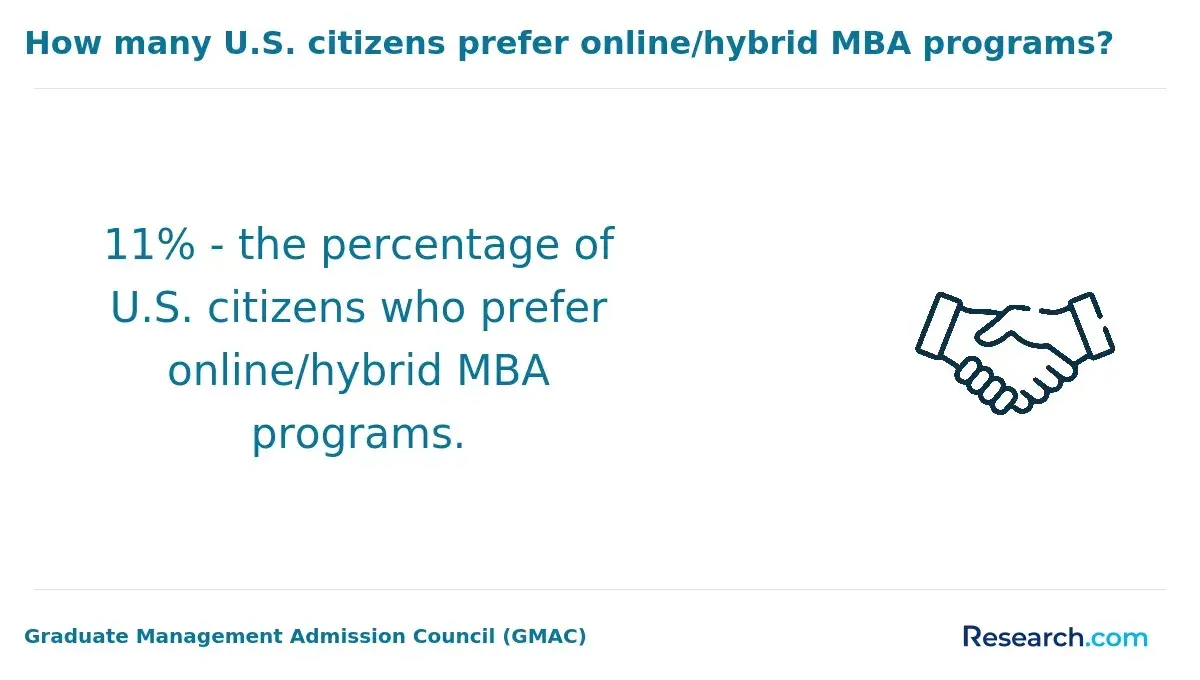
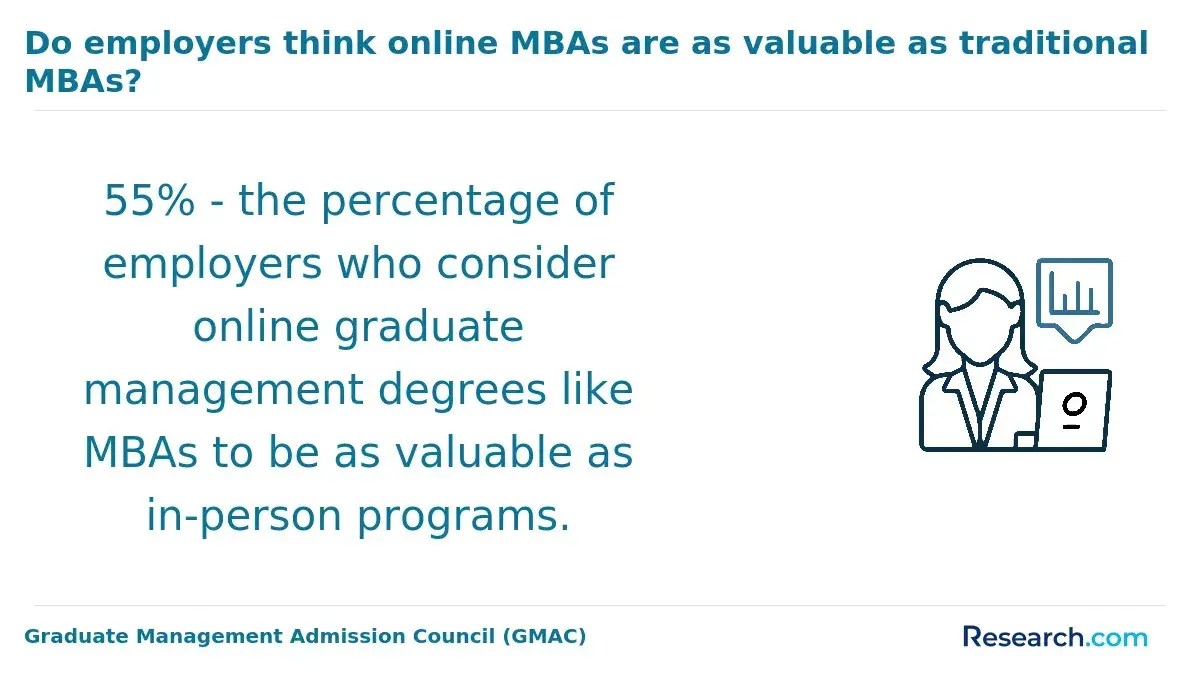
Generally, online MBA degrees from accredited institutions hold comparable value to traditional programs, especially when the curriculum and faculty are consistent. Employers increasingly recognize the rigor of online MBAs in real estate fields, provided candidates demonstrate relevant skills and accomplishments. Accreditation and program reputation remain key factors in degree recognition.
- Online MBA Real Estate | Property Development| Longwood https://online.longwood.edu/business/mba/real-estate/
- 10 Best Career Paths for MBA in Real Estate Professionals https://hub.ricssbe.org/career-path-for-mba-in-real-estate-professionals
- High & Low Real Estate MBA Salaries At The Top 25 B-Schools https://finance.yahoo.com/news/high-low-real-estate-mba-121458252.html
- MBA Course Duration | How Long to Complete an MBA? https://collegetiger.com/mba-course-duration-how-long-does-it-take-to-earn-an-mba/
- Online MBA in Real Estate Programs | OnlineMBA.com https://www.onlinemba.com/rankings/best-online-mba/real-estate/
- What Accreditations Should One Look for Before Enrolling in an Online MBA Program? - Finance, Tech & Analytics Career Resources | Imarticus Blog https://imarticus.org/blog/what-accreditations-should-one-look-for-before-enrolling-in-an-online-mba-program/