2027 Online MBA Requirements Explained

Co-Founder and Chief Data Scientist
Choosing an online MBA in 2026 means answering two questions before you apply: are you eligible, and how competitive is your profile? Most online MBA programs are built for working professionals, but admissions standards still vary widely by school, accreditation, program format, and applicant background.
This guide explains the requirements most applicants should check first: bachelor’s degree expectations, GPA ranges, work experience, GMAT or GRE policies, prerequisite business courses, English-language testing, and the documents needed for a complete application. It is designed for early-career professionals, managers, career changers, and international applicants who want a practical view of what admissions committees look for and how to prepare a stronger application.
Key Benefits of Learning About Online MBA Requirements
- Knowing the requirements helps you target programs that align with your career goals, opening doors to roles such as management consultant, financial analyst, marketing director, or operations manager.
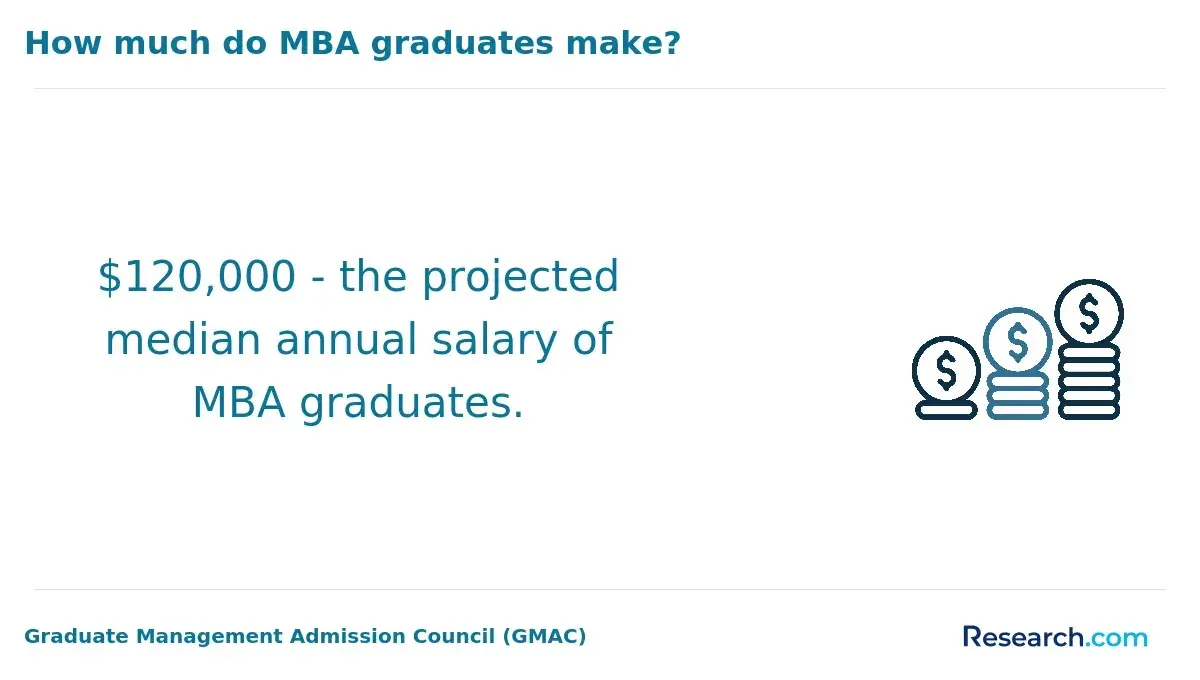
- Understanding what’s needed to qualify for an MBA allows you to plan effectively, ultimately positioning yourself for higher salaries. The median salary for MBA graduates in the U.S. typically ranges from $90,000 to $120,000, depending on experience and industry.
- Being aware of prerequisites, work experience expectations, and standardized test options ensures you can complete applications without unnecessary delays or stress.
- Knowing the online MBA requirements allows you to take advantage of remote learning, balancing your studies with work or personal commitments while earning a respected graduate degree.
What are the admission requirements for an online MBA program?
Online MBA admission requirements are usually similar to those for campus-based MBA programs, but many online programs offer more flexibility for working adults. At a minimum, applicants usually need a bachelor’s degree from an accredited institution, transcripts, a resume, recommendation letters, and a personal statement or admissions essay.
Most programs also review academic readiness, professional experience, leadership potential, communication skills, and fit with the program’s goals. A minimum GPA between 2.5 and 3.0 is often expected, although more selective schools may look for stronger academic records. Many programs prefer applicants with two to five years of professional experience because online MBA coursework often relies on case discussions, team projects, and applied business problems.
GMAT or GRE scores may still be required by some schools, especially more selective programs, but test-optional and test-waiver policies are increasingly common. A waiver may be available for applicants with strong undergraduate performance, substantial work experience, prior graduate coursework, or evidence of quantitative ability through professional roles.
Typical online MBA application requirements include:
- A completed online application form
- Official transcripts from all colleges or universities attended
- A bachelor’s degree from an accredited institution
- A professional resume or CV
- Letters of recommendation, often from supervisors or professional contacts
- A statement of purpose, personal essay, or goal statement
- GMAT or GRE scores, if required or not waived
- An interview, video response, or recorded assessment for some programs
- English-language proficiency scores for applicable international applicants
The strongest applicants do more than meet the minimum requirements. They show a clear reason for pursuing the MBA, evidence of career growth, readiness for quantitative coursework, and an understanding of how the program supports their professional goals.
What minimum bachelor’s degree is required for an online MBA in 2026?
Most online MBA programs in 2026 require a bachelor’s degree from an accredited institution. The degree usually does not need to be in business. Applicants with backgrounds in engineering, healthcare, education, public service, liberal arts, technology, science, and other fields are commonly considered.
What matters most is whether the degree is recognized by the school and whether the applicant can show readiness for graduate-level business coursework. Admissions committees review transcripts for overall academic performance, quantitative preparation, writing ability, and any evidence that the applicant can manage a rigorous MBA curriculum.
If your undergraduate degree is not in business, the school may require foundation courses before or during the early part of the program. These courses often cover accounting, economics, statistics, finance, or management basics. They are not necessarily a barrier to admission, but they can add time, cost, or workload, so applicants should confirm the policy before enrolling.
Applicants should also check whether the program requires a completed bachelor’s degree before applying or before enrollment. Some schools allow applicants to begin the process while finishing their final undergraduate term, while others require final transcripts before issuing full admission.
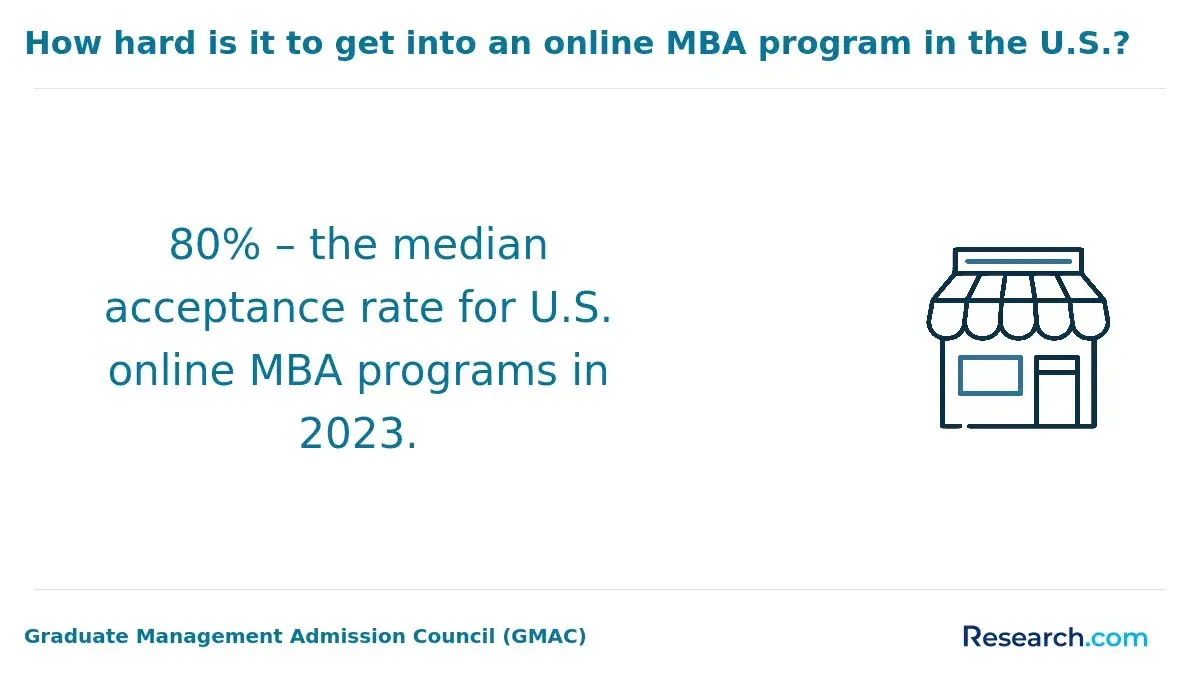
Can you apply to an online MBA without an undergraduate business major?
Yes. Many online MBA programs accept applicants who did not major in business as undergraduates. In fact, a non-business background can be an advantage when paired with strong professional experience, because MBA classrooms benefit from students who bring different industry perspectives and problem-solving styles.
Applicants without a business major should pay close attention to prerequisite policies. Some programs expect students to complete foundational work in accounting, finance, economics, statistics, or data analysis before beginning advanced MBA courses. Others include these topics in the first term or offer self-paced modules to help students prepare.
If you are coming from a non-business field, strengthen your application by showing how your experience connects to MBA study. For example, project management, budgeting, client work, operations, analytics, entrepreneurship, team leadership, or process improvement can all demonstrate business readiness even if your degree title is not business-related.
Applicants who want fewer testing barriers may also compare programs that offer an online MBA without GMAT requirements. A no-GMAT or test-waiver policy does not mean admission is automatic; schools will usually weigh your GPA, work experience, recommendations, and career goals more heavily.
If you are comparing online MBA options with more advanced professional formats, including affordable EMBA programs, review each program’s work-experience policy carefully. Executive MBA programs are usually designed for applicants with deeper management experience than standard MBA programs.
Most online MBA programs typically look for two to five years of professional work experience. This does not always have to be formal management experience, but admissions committees usually want proof that the applicant has worked in professional settings, handled responsibility, and can contribute practical insight to class discussions.
Program type makes a major difference. Standard online MBA programs often fit professionals who are building toward management roles. Executive MBA programs usually expect seven to ten years of experience, often with leadership or managerial responsibility. Early-career or accelerated MBA programs may accept applicants with less than two years of experience, especially when they have strong academic records, internships, military experience, entrepreneurial work, or clear career goals.
Admissions teams generally evaluate the quality of experience, not only the number of years. A candidate who has led projects, improved processes, managed clients, supervised staff, or influenced business outcomes may be more compelling than a candidate with more years but limited progression.
When reviewing a program’s experience requirement, ask three practical questions:
- Does the school require work experience, prefer it, or simply recommend it?
- Does the program define acceptable experience as full-time professional work, or are internships, military service, or entrepreneurship considered?
- Does the curriculum assume students already have management experience, or does it support early-career learners?
Online MBA admissions committees commonly expect a minimum undergraduate GPA between 2.5 and 3.0 on a 4.0 scale. More competitive programs, especially those at top business schools, may look for GPAs closer to 3.3 or higher. However, GPA is rarely reviewed in isolation.
A strong GPA signals academic readiness, but MBA admissions are usually holistic. Schools also evaluate professional experience, leadership potential, quantitative ability, recommendations, essays, interviews, and GMAT or GRE scores if required. A lower GPA does not automatically rule out admission, especially for applicants who can show strong career growth or recent academic improvement.
If your GPA is below the program’s preferred range, focus on evidence that offsets the concern. Useful examples include strong grades in quantitative courses, graduate certificates, accounting or statistics coursework, a solid GMAT or GRE score, measurable achievements at work, and a clear explanation of any academic challenges in an optional statement.
Applicants should avoid applying only to schools where their GPA is below the stated threshold unless they have a strong compensating profile. A balanced school list can include competitive, target, and more accessible options. Students comparing cost and academic quality may also review affordable online MBA programs as part of their search.
Most online MBA applications require a set of documents that verify your academic background, explain your career goals, and help the admissions committee judge your readiness for graduate business study. Requirements vary by school, so applicants should create a checklist for each program rather than assuming every application is the same.
| Application item | What admissions committees use it to evaluate |
| Completed application form | Basic eligibility, program selection, contact information, and application status |
| Official transcripts | Degree completion, GPA, academic rigor, and quantitative preparation |
| Resume or CV | Work history, promotions, leadership, technical skills, and career progression |
| Letters of recommendation | Professional performance, leadership potential, teamwork, and judgment |
| Statement of purpose or personal essay | Career goals, motivation for the MBA, communication skills, and program fit |
| GMAT or GRE scores | Academic readiness and quantitative or analytical ability, if required |
| English-language proficiency scores | Reading, writing, listening, and speaking readiness for applicants who must submit them |
| Interview, video response, or recorded evaluation | Communication style, professionalism, confidence, and clarity of thought |
The statement of purpose or personal essay deserves particular attention. A strong essay explains why you want an MBA now, what career outcome you are pursuing, why the specific program fits that plan, and what you will contribute to the cohort. Generic essays that could be sent to any school are less effective.
Recommendation letters should come from people who can speak directly about your work, leadership, judgment, and readiness for graduate study. A current or former supervisor is often stronger than a well-known contact who does not know your performance in detail.
Many online MBA programs in 2026 also use video interviews or recorded assessments. Treat these as professional evaluations: answer the question directly, use specific examples, and show that you can communicate clearly in an online learning environment.
GMAT or GRE scores are not always mandatory for online MBA programmes in 2026. Some universities still require standardized test scores, especially when they want additional evidence of quantitative, verbal, and analytical readiness. However, many accredited programs now use test-optional or test-waiver policies.
A test waiver may be available if you have substantial professional experience, a strong undergraduate GPA, prior graduate-level coursework, professional certifications, or a role that demonstrates quantitative and analytical ability. Waiver rules differ by school, so applicants should not assume they qualify without checking the program’s policy.
If a program requires scores, competitive online MBA applicants in 2026 typically present a GMAT score between 600 and 700. A strong score can also help applicants who have a lower GPA, limited quantitative coursework, or a non-business undergraduate background. On the other hand, if your application is already strong and the program offers a waiver, skipping the test may save time and allow you to focus on essays, recommendations, and school fit.
Use this decision rule: take the GMAT or GRE if the score is required, if it will materially strengthen a weakness in your profile, or if you are targeting programs where a score improves scholarship or admission competitiveness. Consider a waiver if the school allows it and your work history, academic record, and recommendations already show readiness.
Applicants comparing value as well as admissions flexibility can explore affordable MBA programs while checking each school’s current testing policy.
In 2026, most online MBA programs typically expect two to five years of professional work experience. This level of experience helps students connect business theory to real workplace challenges and participate meaningfully in discussions, simulations, and group projects.
Experience expectations vary by MBA format. Executive MBA programs usually expect seven to ten years of experience with demonstrated leadership responsibilities. Standard online MBA programs may accept professionals earlier in their careers, while early-career and accelerated options may consider recent graduates with strong academic records, internships, entrepreneurial projects, or other evidence of maturity and career direction.
Admissions committees look for career progression rather than a job title alone. They may ask whether you have taken on greater responsibility, solved business problems, led teams or projects, worked with clients, managed budgets, analyzed data, improved operations, or contributed measurable results.
If you have limited experience, your application should make your readiness clear. Use the resume and essay to explain what you have accomplished, what skills you have built, and why an MBA is the right next step now. If you have extensive experience, focus on leadership impact and strategic responsibility rather than listing every role in detail.
Some online MBA programs require foundational business courses before students begin the core curriculum, especially for applicants without an undergraduate business degree. These courses are designed to make sure all students can handle graduate-level work in accounting, finance, economics, analytics, strategy, and operations.
Common foundation areas include financial accounting, microeconomics, business statistics, finance, and management principles. Some schools may also recommend or require economics, calculus, data analysis, or marketing fundamentals, depending on the curriculum’s quantitative intensity.
Programs handle prerequisites in different ways. Some require students to complete courses before enrollment. Others offer self-paced online modules, short boot camps, non-credit preparatory courses, or first-term foundation classes. The format matters because it can affect your time commitment, cost, and graduation timeline.
Before applying, check whether foundation courses are:
- Required for all students or only for applicants without a business background
- Credit-bearing or non-credit
- Included in tuition or billed separately
- Completed before admission, before enrollment, or during the first term
- Waived based on prior coursework, professional experience, or placement assessments
Completing foundation work should not be viewed only as an admissions hurdle. For many students, especially career changers, these courses provide the vocabulary and quantitative base needed to succeed in advanced MBA classes.
What English-language proficiency tests are required for online MBA programmes?
Online MBA programmes typically require English-language proficiency scores from international applicants whose native language is not English or whose prior education was not completed in English. The purpose is to confirm that students can read academic material, write graduate-level assignments, participate in discussions, and communicate effectively in virtual teams.
The most commonly accepted tests are the TOEFL and IELTS. Some programs may also accept the Duolingo English Test or the PTE Academic. Score requirements vary by school, but a TOEFL iBT score of 90–100 or an IELTS overall band of 6.5–7.0 is generally considered competitive.
Some schools waive English-language testing for applicants who completed a degree in English or studied in a country where English was the primary language of instruction. Others may offer conditional admission or English support courses for applicants who are close to the required score but need additional preparation.
International applicants should confirm three details before applying: which tests the school accepts, how recent the scores must be, and whether the program requires minimum subscores in speaking, writing, reading, or listening. These details can affect both admission eligibility and the timeline for submitting a complete application.
Other Things You Should Know About Online MBA Requirements
Professional certifications such as PMP (Project Management Professional), CFA (Chartered Financial Analyst), or Six Sigma can bolster your application for a 2027 online MBA program by demonstrating specialized skills and dedication to professional growth, making you a more attractive candidate to admissions committees.
Proficiency in digital communication tools, basic data analysis software, and understanding of online learning platforms are essential for success in an online MBA program in 2026. These skills facilitate effective participation in virtual classes and contribute to managing coursework efficiently.
- Graduate Management Admission Council. (2023). 2023 corporate recruiters survey: Degree profiles – MBA.
- OnlineMBA. (2023). MBA requirements.
- Purdue Online Writing Lab. (n.d.). General format – APA style.
- Verywell Mind. (n.d.). APA format guidelines, tips, and examples. Verywell Mind
- Seattle University – Albers School of Business. (2024). Average MBA salary insights: What you can expect to earn.