2027 Why Some Online MBA Programs Cost More Than Others

Co-Founder and Chief Data Scientist
Prospective students face confusion when comparing online MBA programs with vastly different tuition fees. Two programs may appear similar in curriculum and accreditation but differ in cost by thousands of dollars. This problem complicates budgeting and decision-making for working professionals seeking flexible advancement. Some schools charge more due to brand reputation or additional services, while others may come from less established institutions with lower fees.
Understanding these price differences is crucial for making a sound investment in education. This article explores the key factors that drive cost variations and offers insights to help prospective students select the program that best fits their goals and budget.
Key Things You Should Know
- The cost variation in online MBA programs often reflects differences in faculty expertise, accreditation status, and the availability of specialized resources or networking opportunities.
- Private institutions and programs with strong brand recognition typically charge 20-40% more than public universities, impacting total tuition expenses significantly.
- Financial aid and scholarship availability can offset higher costs, but students should also consider program length and hidden fees affecting overall investment.
Why do online MBA programs have varying costs?
Costs for online MBA programs vary widely due to program reputation, curriculum design, faculty expertise, and institutional resources. Prestigious schools with strong brand recognition often charge higher tuition because their degrees carry more weight with employers and alumni networks. For instance, Carnegie Mellon University offers a top-ranked online MBA costing $149,088 in total tuition and fees, the highest among ranked programs (Poets&Quants 2026 OMBA Ranking). This reflects the school's investment in distinguished faculty, rigorous coursework, and extensive career services.
Regional tuition differences in online MBA programs also affect pricing. Private universities frequently charge more than public ones, influenced by accreditation standards, operational expenses, and endowment levels. Additionally, program length and format play a role: accelerated courses with fewer credits tend to be less expensive, while flexible part-time options featuring live sessions or one-on-one coaching usually cost more.
Some programs add value through premium features like specialized software, global immersions, or personalized mentorship, which can increase fees but enhance the educational experience. Students should balance these factors against potential job placement rates and salary growth when evaluating costs.
For those interested in exploring affordable options, sources such as cheapest online MBAs provide valuable insights into cost factors for online MBA programs and tuition variations across regions, helping prospective students make informed decisions aligned with career goals.
What factors make some online MBAs more expensive?
Tuition differences in online MBA programs stem from multiple factors like program format, faculty expertise, institutional prestige, and student services. For example, part-time online MBA programs typically cost around $16,000 per year, while full-time in-person MBAs average $46,700, showing how delivery mode and time commitment influence prices. Programs with specialized or STEM-designated MBA degrees tend to charge more due to their advanced curriculum and unique industry or research opportunities.
The impact of program reputation on online MBA costs is also significant. Elite business schools or well-known faculty members often command higher tuition fees, leveraging their prestige and networking advantages. Additionally, student support services such as career coaching and networking events add to program expenses but can enhance job placement success after graduation.
Accreditation status plays a key role; MBA programs accredited by recognized bodies like AACSB usually have higher tuition, reflecting their rigorous academic standards and greater recognition. While geographic factors affect on-campus MBA costs more, technology infrastructure needed for quality online delivery can increase tuition beyond traditional distance learning.
For those seeking affordable options, exploring the cheapest online MBA no GMAT AACSB programs can provide valuable guidance on balancing cost with quality and accreditation.
How much do online MBA programs typically cost?
Online MBA programs in the U.S. typically range from $20,000 to $100,000 in total tuition costs, varying widely by institution, program features, and residency status. Public universities often offer substantial tuition discounts for in-state residents, sometimes exceeding a 60% price difference.
The University of Texas at Dallas (Jindal) online MBA program charges $58,198 for in-state students compared to $95,697 for out-of-state-a 64% premium. This significant variance reflects a common trend in the cost comparison of accredited online MBA programs.
Tuition differences also relate to program prestige, faculty quality, technology platforms, and student support. Private institutions tend to have uniformly higher rates, sometimes surpassing $90,000, due to smaller class sizes and enhanced networking opportunities.
Key cost components include:
- Tuition fees per credit hour multiplied by total required credits
- Additional technology, course materials, and graduation fees.
- Potential savings from employer tuition reimbursement or tax-advantaged savings accounts.
- Consideration of part-time enrollment's impact on total duration and costs.
International students and nonresidents should budget for higher tuition or mandatory fees not charged to residents. Some programs offer flat-rate pricing regardless of residency, simplifying financial planning.
For those interested in more affordable options, executive MBA programs can offer alternative pathways with different pricing structures.
Expensive online MBAs can justify their cost when they deliver superior outcomes aligned with career goals. For example, Indiana University's Kelley School of Business, ranked #1 for online MBAs in 2026, maintains tuition at $94,944, serving as a benchmark for quality relative to cost. This contrasts with a 22% tuition increase among many peer institutions, raising concerns about value versus price.
Higher-priced programs often offer tangible benefits such as:
- Strong alumni networks that facilitate career advancement and job placement.
- Access to distinguished faculty with relevant industry experience
- Robust career services including personalized coaching and recruitment partnerships.
- Innovative curricula aligned with current business trends and technologies.
When assessing the value of accredited online MBA programs, prospective students should carefully evaluate graduation rates, average salary increases after graduation, and employer recognition to gauge return on investment for top online MBA degrees. Not all costly programs guarantee these advantages.
Working professionals with employer tuition assistance may find premium programs worthwhile because of added networking and career support. In contrast, self-funded students might prefer reputable but less expensive options that fulfill core learning objectives without excessive financial strain.
For those exploring alternatives, a useful resource is the most affordable online MBA programs no GMAT to find options balancing cost and quality.
Accreditation plays a crucial role in the pricing of online MBA programs, impacting both cost and recognition. Regional accreditation, prevalent in the United States, ensures schools meet strict academic standards and usually results in moderate tuition fees, balancing value and accessibility. Alternatively, national accreditation often covers specialized or vocational schools, typically with lower tuition but less prestige in the job market.
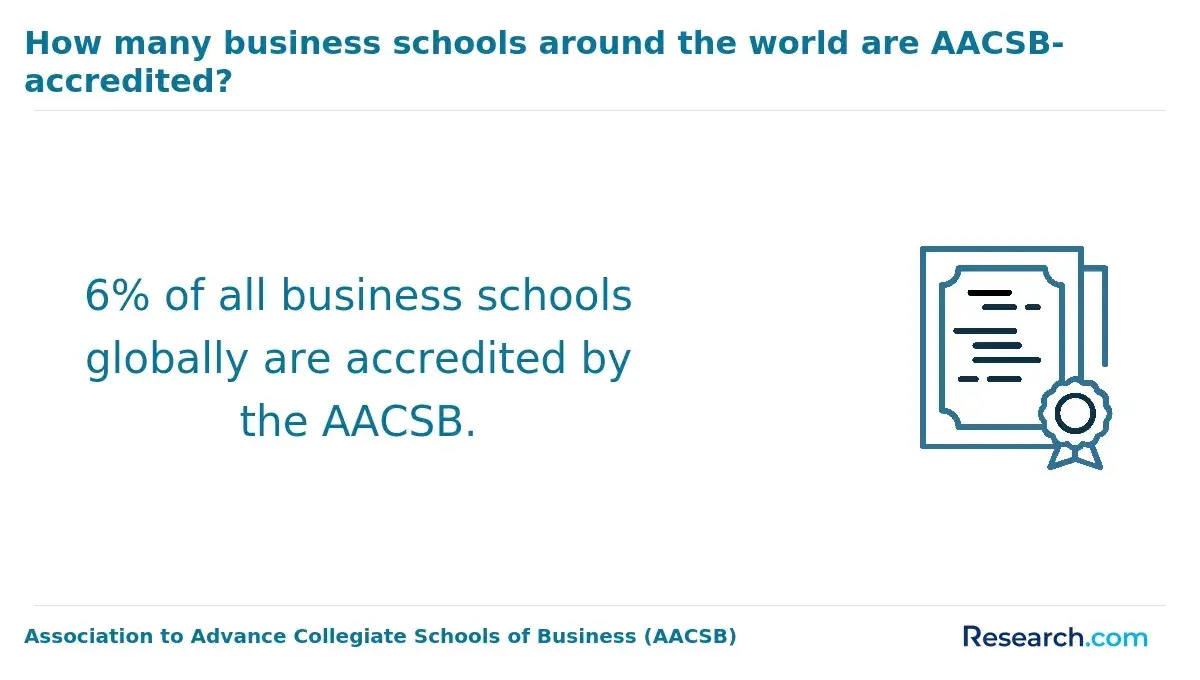
Specialized accreditations like AACSB, ACBSP, or IACBE add another dimension. AACSB accreditation, held by fewer than 5% of business schools worldwide, denotes elite quality, rigorous faculty credentials, and research focus, allowing these programs to charge tuition often exceeding $90,000. In comparison, programs with ACBSP or IACBE accreditation charge less but still maintain good standards.
The University of Kansas Business School offers an example where a top-ranked, AACSB-accredited online MBA program costs $37,590, which is substantially lower than many elite counterparts. This highlights that institutional strategy and mission influence pricing beyond accreditation alone.
Prospective students should confirm both regional and business-specific accreditation when comparing options. Accredited programs ensure credit transferability and employer recognition, while lack of reputable accreditation can limit career prospects and increase long-term expenses.
The reputation of an online MBA program plays a significant role in its cost. Programs affiliated with prestigious universities or those consistently ranked highly often charge more due to their brand value. Employers tend to favor graduates from well-known schools, increasing demand and allowing these institutions to set higher tuition rates. For example, an online MBA from a top-tier business school may cost tens of thousands of dollars more than a less-known program offering similar curricula.
Accreditation and faculty expertise also affect pricing. Programs staffed by faculty recognized for research, industry leadership, or teaching excellence often command higher costs, reflecting investments in talent and academic resources. Students seeking strong industry connections or specialized academic networks should expect to pay premiums for these benefits.
Additional factors influencing reputation-related costs include:
- Enhanced career support and tailored networking opportunities in prestigious programs that justify higher tuition.
- Innovative curricula and exclusive electives that increase operational expenses.
- Robust alumni networks aiding job placement and business ventures, adding value and cost.
Generally, online MBA programs cost about 25.6% less than comparable on-campus options-offering average savings of $10,010-due to reduced overhead, according to AffordableCollegesOnline.org 2024-2025 Survey. However, strong reputational factors can diminish these savings. Prospective students should carefully balance brand advantages with program costs and evaluate how prestige aligns with their career goals and financial situation before enrolling.
Costly online MBA programs typically deliver significantly better career outcomes than lower-priced options. Graduates from the top five US News 2025 online MBA programs, with tuition between $58,000 and $147,648, often see higher salary growth, faster promotions, and easier access to executive roles. This contrasts with the average online MBA tuition of $10,964 annually, as reported by NCES in 2020 (College Raptor NCES and GMAC 2025).
These premium programs often offer stronger employer connections and extensive alumni networks, which can be crucial for job placement and career advancement. Alumni frequently report job offers from Fortune 500 companies and consultancies that rarely recruit from lower-tier schools.
High-cost programs also emphasize experiential learning, leadership development, and strategic thinking, equipping graduates for senior management and C-suite positions. Additional career benefits include:
- Personalized career coaching and recruiting events
- Access to global internships and projects
- Enhanced brand recognition boosting candidate credibility
- Greater chances to earn prestigious certifications and executive education
For professionals aiming for finance, consulting, or tech roles, investing in a top-tier online MBA correlates with salary increases often exceeding 20%, according to GMAC career data. Prospective students should consider these measurable career returns alongside program costs rather than focusing solely on tuition price.
Graduates from high-cost MBA programs often enjoy higher post-degree salaries than those from less expensive schools, making the initial investment worthwhile through increased income. According to the Santa Clara University Online MBA Blog, post-MBA salary increases averaging $20,000 annually can recover a $100,000 program cost within five years. This demonstrates how paying more upfront may lead to significant long-term financial benefits.
Key factors behind these salary differences include program reputation, strength of the alumni network, and employer connections. Top 20 MBA programs typically offer paths into lucrative sectors like consulting, finance, and technology, where starting salaries often surpass $120,000. In contrast, less selective programs may lead to starting salaries between $80,000 and $90,000.
Salary gains vary by industry and role. Graduates working in nonprofit or government positions may experience smaller increases despite an expensive degree. Full-time MBA students tend to see faster salary growth immediately after graduation compared to part-time or online students, who may grow earnings more gradually while employed.
Prospective students should review published salary outcomes from MBA programs and assess whether expected gains justify costs. It's important to consider geographic cost-of-living and career objectives when choosing a program to ensure a good fit with personal return on investment and professional goals.
Which online MBA programs offer best value for money?
Online MBA programs offering strong value balance cost, flexibility, and quality accreditation. Hybrid online MBA, requiring less than 50% in-person attendance, average $41,610 in total tuition, about 43% higher than mostly online formats priced near $27,400. For those prioritizing affordability without compromising reputation, mostly online MBA from regionally accredited schools provide solid value for money.
Public universities often deliver the best return on investment through lower tuition and reputable accreditation. Georgia State University and University of Florida's online MBA are examples, offering fully online options that reduce expenses like travel or relocation while maintaining strong industry connections.
Prospective students should look for transparent fee structures without hidden costs for materials or technology. Some programs charge flat-rate tuition per term regardless of credit load, which benefits accelerated learners.
Ultimately, value depends on individual needs: fully online formats suit professionals needing minimal in-person sessions, while hybrid models appeal to those wanting campus experience despite higher costs. Careful comparison of costs and accreditation ensures alignment with long-term career goals.
Other Things You Should Know About MBA
Yes, many online MBA programs offer financial aid options similar to traditional programs. Students can apply for federal student loans, scholarships, grants, or employer tuition reimbursement programs. It is important to check with the specific institution for available financial assistance and eligibility criteria.
Online MBA programs typically provide networking opportunities through virtual events, discussion forums, and group projects. However, on-campus programs may offer more face-to-face interactions and access to alumni networks. That said, many online programs now emphasize strong networking through online platforms, industry meetups, and regional events.
Most online MBA programs can be completed in two to three years if attending part-time, though some accelerated options allow completion in as little as one year. The duration varies depending on whether the student studies full-time or part-time and the program's curriculum structure. Flexibility is often a key benefit of online programs.
As of 2027, online MBA degrees are increasingly respected by employers. Their credibility largely depends on the accreditation of the institution and the quality of the program. Employers appreciate the flexibility and technical skills gained, although traditional MBAs may still hold an edge in networking opportunities.
- Scu - Mba Blog https://www.scu.edu/online/mba-blog/
- DO - Translation from English into Polish https://en.pons.com/translate/english-polish/do
- Best Online MBA Programs https://www.princetonreview.com/business-school-rankings
- Are Online MBA Programs Affordable? https://www.clearadmit.com/2025/03/are-online-mba-programs-affordable/
- Top Budget Online MBAs in Europe | FIND MBA Online https://findmbaonline.com/lists/top-10-budget-online-mba-programs-in-europe
- Cheapest Online MBA in India vs Premium Programs: Key Differences Explained https://www.bduedu.in/online-mba/cheapest-vs-premium-online-mba-india-comparison
- Affordable Online MBA Costs for Working Professionals | Online MBA program 2025 https://ebsedu.org/blog/online-mba-costs-for-working-professionals/
- Mistakes to Avoid While Choosing an Online MBA https://www.dypatilonline.com/blogs/mistakes-to-avoid-choosing-online-mba
- Cost vs. Value: How to Evaluate the ROI of Top MBA Programs | Articles | Unimy https://www.unimy.com/article/cost-vs-value-how-to-evaluate-the-roi-of-top-mba-programs
- Are Online MBAs Worth It? | Comparing Value, Networking, and Career Impact https://www.edx.org/resources/is-an-online-mba-worth-it