2027 How to Prepare for Your First Semester in an Online MBA

Co-Founder and Chief Data Scientist
Starting an online MBA can feel overwhelming without clear preparation. Many students struggle with managing time, understanding course expectations, and balancing studies with professional and personal commitments. The remote nature of the program may also lead to feelings of isolation and uncertainty about effective study habits.
Navigating the technology platforms and prioritizing assignments adds another layer of complexity. This article explores practical strategies to overcome these challenges by offering insights into time management, goal setting, and leveraging available resources. It aims to equip prospective students with tools to start their online MBA confidently and successfully.
Key Things You Should Know
- Time management is critical; 72% of online MBA students report improved performance with structured weekly schedules and dedicated study blocks.
- Familiarity with digital collaboration tools enhances engagement, as 65% of courses integrate platforms like Zoom, Slack, and learning management systems.
- Building a professional network early online is vital, with 58% of graduates citing connections made during their first semester as key career resources.
What is an online MBA program?
An online MBA program offers a graduate-level business degree primarily through digital platforms, allowing flexible access to coursework, collaboration, and instructor interaction without the need to relocate. This format is ideal for working professionals balancing careers and education.
Courses may be fully asynchronous, letting students progress at their own pace, or synchronous, requiring attendance in live virtual sessions. Some programs offer hybrid models that combine online learning with occasional on-campus residencies to enhance networking and practical experience.
When considering how online MBA programs work in the United States, students should note that technology skills are essential. Comfort with web conferencing, digital submissions, and real-time collaboration tools improves outcomes, as does a stable internet connection and a dedicated workspace. Accreditation, faculty quality, and curriculum rigor remain key factors for program evaluation.
The benefits of an online MBA program for students include flexibility, access to diverse specializations such as finance, marketing, or entrepreneurship, and growing employer acceptance of these degrees, particularly from accredited institutions with strong industry ties.
According to recent reports, 58% of MBA students are now enrolled in online programs, reflecting a significant shift in business education.
Those concerned about affordability can explore low cost online MBA programs that offer quality education without excessive financial burden.
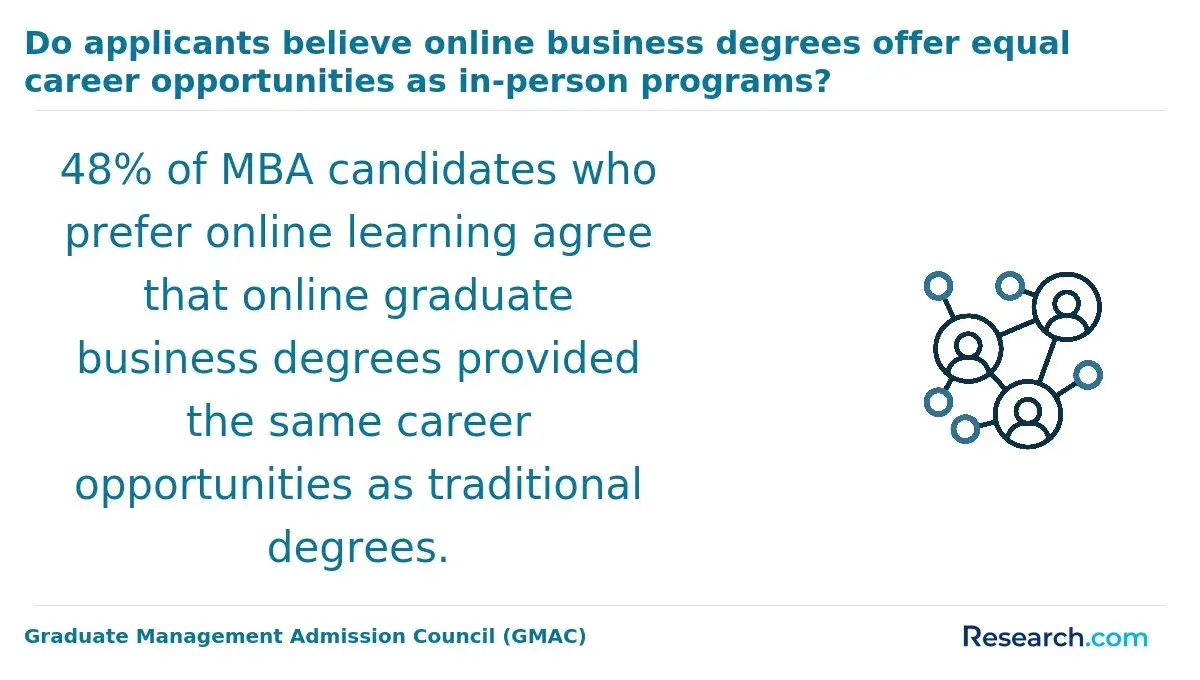
How does online MBA differ from campus-based?
Online MBA vs campus MBA experience differs mostly in delivery and interaction. Online MBA programs use digital platforms for lectures, assignments, and discussions, often allowing asynchronous study. This flexibility benefits working professionals and those managing geographic or time constraints.
Campus-based MBAs have fixed in-person schedules that encourage face-to-face networking and immediate engagement with peers and faculty.
The benefits of online MBA programs include greater schedule flexibility, but students face challenges like building a professional network without campus events. Many programs incorporate virtual networking sessions, group projects, and regional meetups. Students must actively pursue these to simulate natural campus interactions.
Self-discipline is crucial to meet deadlines and stay engaged with materials.
Course content between online and campus programs is generally comparable, though online formats may include fewer experiential learning opportunities such as live case competitions or in-person internships. Verifying career services and practical learning options is essential to align with individual goals.
Program size trends show online MBA enrollment declining from 215 to 182 students over several years, reflecting market saturation and program commoditization. Smaller cohorts can offer more personalized attention but potentially less peer diversity.
Being comfortable with digital tools like learning management systems and virtual communication software is vital for online MBA success. Prospective students should assess their technology readiness and time management skills before committing. For cost-conscious students, reviewing AACSB MBA options may provide valuable guidance.
What are online MBA admission requirements?
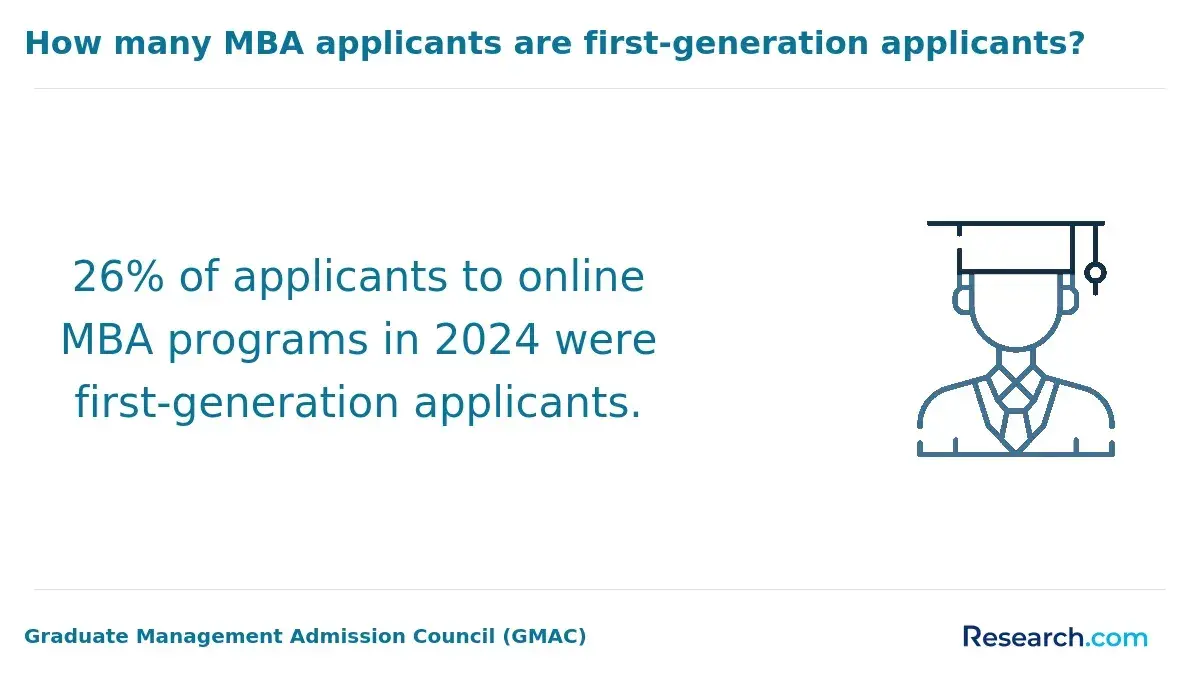
Online MBA admission criteria in the US commonly include holding a bachelor's degree from an accredited institution and meeting a minimum undergraduate GPA, often around 3.0. Competitive programs may require higher GPAs. Non-native English speakers must provide proof of English proficiency through exams like the TOEFL or IELTS.
Many programs ask for GMAT or GRE scores, though waivers are often granted to applicants with five or more years of professional experience or advanced degrees, such as a master's or J.D.
Typical requirements for enrolling in an online MBA program also emphasize personal essays or statements of purpose to express career goals and motivations. Professional recommendations from supervisors or colleagues highlight leadership potential and skills. Several schools require two to three years of full-time work experience.
For example, Indiana University Kelley's online MBA is highly selective, with a 23% acceptance rate amid a significant decline in applications.
Applicants should prepare a detailed resume showing career growth and relevant skills. Interviews may be conducted to evaluate communication and cultural fit. Meeting deadlines and tailoring applications to each program's criteria enhance admission chances.
Prospective students looking for cost-effective options may explore the most affordable executive MBA programs available today.
An online MBA program's duration typically ranges from 18 to 36 months, influenced by program structure and student schedules. Accelerated options may allow completion in just one year, while part-time or flexible formats can extend to three years or more. Full-time students often finish faster by taking more credits per term.
The time to finish an online MBA degree depends on factors like program intensity, credit load, and prior experience. Some programs grant credits for professional work or previous graduate courses, which can shorten the overall timeline.
Many students working full-time opt for part-time paths, extending the duration but offering needed flexibility. Executive MBA programs, targeting professionals balancing multiple commitments, often run about two years and combine asynchronous with synchronous coursework.
When choosing a program, students should consider how the length aligns with career objectives and personal availability. Shorter programs may accelerate career growth, whereas longer programs might support better knowledge retention and reduce burnout risk.
Interest in online MBA programs has surged, with prospective students' preference doubling between 2018 and 2023, driving significant enrollment growth. This trend reflects demand for flexible, efficient education pathways.
For those exploring options, top rated online MBA programs no GMAT offer accessible routes without entrance exam requirements.
Online MBA programs cover essential business disciplines such as finance, marketing, operations, accounting, strategy, leadership, and organizational behavior. These courses build the analytical and problem-solving skills needed across industries. Many programs offer specializations like entrepreneurship, healthcare management, or technology management, allowing students to customize their learning experience.
For example, finance tracks focus on investment analysis and risk management, while technology management emphasizes innovation and IT strategy.
Programs integrate practical learning through case studies, group projects, and simulations that help students apply theory to real business challenges. Capstone projects or consulting work provide valuable hands-on experience. Leadership, ethics, data analytics, and digital transformation are common components, reflecting evolving business demands.
The selectivity of programs varies, with some like the Jack Welch Management Institute having a 27% acceptance rate, indicating rigorous curricula aimed at developing future leaders. Prospective students should carefully review course options to align education with career goals and balance theoretical knowledge with practical skills.
Costs for online MBA programs vary significantly by institution, program duration, and additional fees. Tuition typically ranges from $30,000 to $120,000 for the entire degree. For example, the University of Southern California Marshall charges over $120,000, reflecting its prestige and selective admissions, with a 53% acceptance rate.
Mid-tier public schools often fall within the $30,000 to $60,000 range, while some state universities offer more affordable options below $30,000.
Additional expenses may include technology fees, course materials, and occasional residency requirements for orientations or capstone projects, adding $1,000 to $3,000 annually. Opportunity costs, such as reduced income from cutting work hours, are also important considerations for working professionals.
Financial aid options like scholarships and employer tuition assistance can greatly reduce net costs. Many public institutions offer lower rates for in-state residents, whereas private schools charge the same tuition regardless of residency.
Tuition per credit hour usually ranges from $500 to over $2,000, with most programs requiring 30 to 60 credits. This cost-per-credit perspective helps candidates plan budgets and loan repayment strategies effectively.
Accreditation is a crucial consideration for online MBA programs, with the most reputable recognitions coming from AACSB, ACBSP, and IACBE. The AACSB accreditation is widely regarded as the gold standard, especially valued by employers and recruiters for its rigorous academic criteria.
Graduates of AACSB-accredited programs often have an edge when pursuing top management roles or doctoral studies.
The ACBSP and IACBE accreditations emphasize teaching quality and practical skills, appealing particularly to working professionals seeking career advancement rather than academic research. It's important to confirm if the accreditation extends to the online format, as some institutions only maintain accreditation for their on-campus offerings.
Other important factors include regional accreditation of the parent institution, which supports overall quality assurance. Accreditation affects credit transferability, eligibility for federal aid, and employer recognition, so prospective students should verify status through official registries and school websites to avoid unrecognized credentials or diploma mills.
For example, Rice University's Jones online MBA program, noted for a 73% acceptance rate increase in 2024-2025, holds AACSB accreditation, underscoring sustained academic excellence amid broader admission trends.
Choosing a reputable online MBA program involves evaluating accreditation, acceptance rates, faculty quality, career support, relevance to career goals, and cost. Accreditation from recognized bodies like AACSB, ACBSP, or IACBE confirms that a program meets rigorous academic standards.
National accreditation alone may suggest lower quality. Ensure the online format shares the same accreditation as on-campus versions.
Programs with high acceptance rates, such as Syracuse University's Whitman online MBA at 85%, often have less selective admissions, which may affect peer quality and networking potential. Compare acceptance rates with rankings and graduate success metrics.
Look for faculty holding doctoral degrees and industry experience who actively engage with online students. Transparent career services for remote learners-such as virtual coaching, alumni networks, and global recruiters-are essential to support job placement.
An online MBA opens doors to diverse career opportunities across various industries. Graduates frequently find roles in management consulting, financial analysis, marketing management, operations leadership, and entrepreneurship.
Consulting firms value the strategic thinking and problem-solving skills gained from online MBA programs, while financial institutions seek graduates for complex financial planning and risk assessment.
Marketing managers benefit from MBA training to lead campaigns and leverage data-driven customer insights. Supply chain and operations executives use their MBA credentials to optimize processes, reduce costs, and implement new technology solutions.
Additionally, many online MBA graduates move into leadership roles in healthcare administration, technology project management, and human resources management, all fields requiring both business acumen and specialized expertise.
The increasing accessibility of online MBA programs is a key advantage. For example, Ohio University's online MBA program reported a 100% acceptance rate for 2024-2025, up 7.9% over six years, reflecting wider opportunities for professionals with varied academic backgrounds.
To maximize career growth, it is important to combine your MBA with relevant experience or certifications, especially in finance, supply chain, or technology sectors. Networking through alumni and industry events also plays a critical role, as many executive positions require established professional connections.
Overall, an online MBA boosts career flexibility, supporting advancement across corporate, startup, and nonprofit sectors.
What salary and job outlook for online MBA graduates?
Graduates with an online MBA in 2026 can anticipate competitive salaries and favorable job prospects. According to the U.S. Bureau of Labor Statistics, employers highly value MBA skills, often resulting in salary increases of 20% to 30% compared to peers without an MBA in similar roles.
Entry-level salaries typically range from $70,000 to $90,000, while mid-career professionals with an MBA may earn between $110,000 and $150,000 annually, depending on the industry and location.
The demand for MBA graduates is expected to grow steadily. Validated Insights projects a 3.2% annual increase in total MBA enrollments through 2030, largely driven by the rise of online programs. This trend reflects employers' preference for advanced management, leadership, and analytical skills applicable in sectors such as finance, healthcare, technology, and consulting.
Common roles for online MBA graduates include product manager, financial analyst, operations manager, and marketing director. The flexibility of online MBA programs also prepares graduates for remote and hybrid work settings, a growing norm in the U.S. labor market.
Engaging with alumni networks and pursuing internships during studies can enhance career opportunities. Salaries vary by region and experience, but the steady growth in online MBA enrollments signals a robust market for those seeking advanced career pathways.
Other Things You Should Know About MBA
Balancing a full-time job and an online MBA can be challenging. Key strategies include setting a structured schedule, utilizing time management tools, and establishing clear priorities. Communicating with both employers and professors about time commitments can help manage expectations and ensure success.
While online MBA programs do not offer face-to-face networking as traditional programs do, they still provide valuable opportunities. Students can connect through virtual events, discussion forums, and group assignments. Many schools also organize alumni networks and professional meetups accessible to online learners.
Most online MBA programs are fully remote, but some may require limited on-campus visits for orientations, residencies, or exams. These requirements are usually optional or scheduled well in advance. Prospective students should verify the specific attendance policies before enrolling.
Financial aid is often available to online MBA students, similar to their on-campus counterparts. This includes federal loans, scholarships, employer tuition assistance, and grants. It is important to check with the program's financial aid office to understand eligibility criteria and application deadlines.
- Affordable Online MBA Costs for Working Professionals | Online MBA program 2025 https://ebsedu.org/blog/online-mba-costs-for-working-professionals/
- How to Choose an Online MBA Program - Tips to Consider https://www.umassglobal.edu/blog-news/choose-online-mba-program-tips-consider
- Top Online MBAs for Accreditations | FIND MBA Online https://findmbaonline.com/lists/top-10-online-mbas-with-the-best-accreditations
- Online MBA Degree vs. On-Campus Global MBA Degree: Which Format Suits Your Needs? https://www.gisma.com/blog/online-vs-on-campus-global-mba-which-format-suits-your-needs
- Cost of an Online MBA | OnlineMBA.com https://www.onlinemba.com/resources/online-mba-cost/
- How Long Does An Online MBA Take? | StudyNext Australia https://studynext.com/au/resources/how-long-does-an-online-mba-take
- 7 Key Factors to Consider Before Choosing an Online MBA Program https://dsuonline.com/resources/blogs/7-tips-before-choosing-online-mba/
- Admissions https://www.imperial.ac.uk/business-school/mba/global-online-mba/admissions/