2027 Online MBA vs DBA: Which Business Degree Should You Choose?

Co-Founder and Chief Data Scientist
Choosing between an online MBA and a DBA can be challenging for professionals aiming to pivot into business leadership or academic roles. Each degree serves distinct career goals, from practical management skills to advanced research capabilities. However, the decision often becomes confusing due to overlapping coursework and varying program structures. Clarifying these differences is crucial for aligning education with professional aspirations. This article explores the key distinctions, career outcomes, and program demands of online MBA and DBA degrees to help prospective students make an informed choice that supports their long-term success.
Key Things You Should Know
- The average annual salary for online MBA graduates in 2025 increased by 8% to $92,000, reflecting strong demand for advanced business management skills.
- DBA programs emphasize original research and typically require 3-6 years to complete, appealing to professionals aiming for academic, consulting, or high-level strategic roles.
- Online MBA degrees usually take 1-2 years and focus on practical leadership skills, making them suitable for those seeking career advancement in corporate settings.
What is the difference between an online MBA and DBA?
The key distinctions between online MBA and DBA degrees lie chiefly in their purpose, duration, and career trajectories. An online MBA equips students with practical skills in leadership, finance, marketing, and operations, aimed at preparing graduates for mid- to upper-management roles across various industries. Conversely, a doctor of business administration (dba) is a doctoral-level degree focused on applied research to address complex business challenges and inform strategic decisions.
Typically, an online MBA lasts 1 to 2 years and emphasizes case studies, group projects, and real-world application. Graduates often benefit from faster access to higher salaries, with the median starting salary for U.S. MBA holders at $120,000, representing a 73% increase over bachelor's degree holders earning $69,000. This demonstrates a clear economic advantage for early- to mid-career professionals pursuing an MBA.
In contrast, the DBA requires 3 to 6 years of study, including a dissertation on original research. Candidates usually have an MBA or equivalent and substantial managerial experience. DBA graduates advance into senior leadership, consultancy, or academic roles, focusing on bridging theory and practice rather than purely theoretical research as done in a PhD.
Professionals comparing online MBA vs DBA program differences should consider that the MBA suits those seeking broad business leadership and quicker salary growth, while the dba appeals to those aiming for long-term impact through advanced research and thought leadership. To explore options, reviewing affordable MBA programs can provide insight into accessible pathways to earning an MBA.
Who should choose an MBA versus a DBA degree?
Choosing between an MBA and a DBA depends largely on career stage, goals, and professional experience. An MBA suits early to mid-career professionals with fewer than 10 years of experience who want to advance in management, transition industries, or develop foundational leadership skills. These programs emphasize strategic thinking, organizational behavior, and operational management, preparing graduates for roles in consulting, marketing, finance, or general management.
In contrast, the DBA is tailored for senior professionals with 10-20+ years of experience aiming to deepen expertise through applied research and executive leadership. It is ideal for those pursuing executive or C-suite positions, entrepreneurial ventures, or academic roles with a practical business focus. According to the 2026 PSM Paris guide, dba holders at the executive level see a 15-25% salary increase over MBA graduates due to their advanced strategic influence.
Clear distinctions emerge when considering career advancement between MBA and dba degrees: for example, a mid-level marketing manager with 7 years of experience might pursue an MBA to enhance managerial skills and move into directorship. A seasoned executive with 15 years in operations could pursue a DBA to innovate organizational strategy and contribute original research. MBA curricula prioritize applied case studies, while DBA programs require dissertation-level research addressing complex business challenges.
Professionals deciding who should pursue an MBA versus a DBA degree should also consider their readiness for rigorous research and long-term career focus. For those seeking affordable options, exploring the cheapest AACSB accredited online MBA no GMAT may provide practical pathways into management careers.
What are the key admission requirements for online MBA and DBA programs?
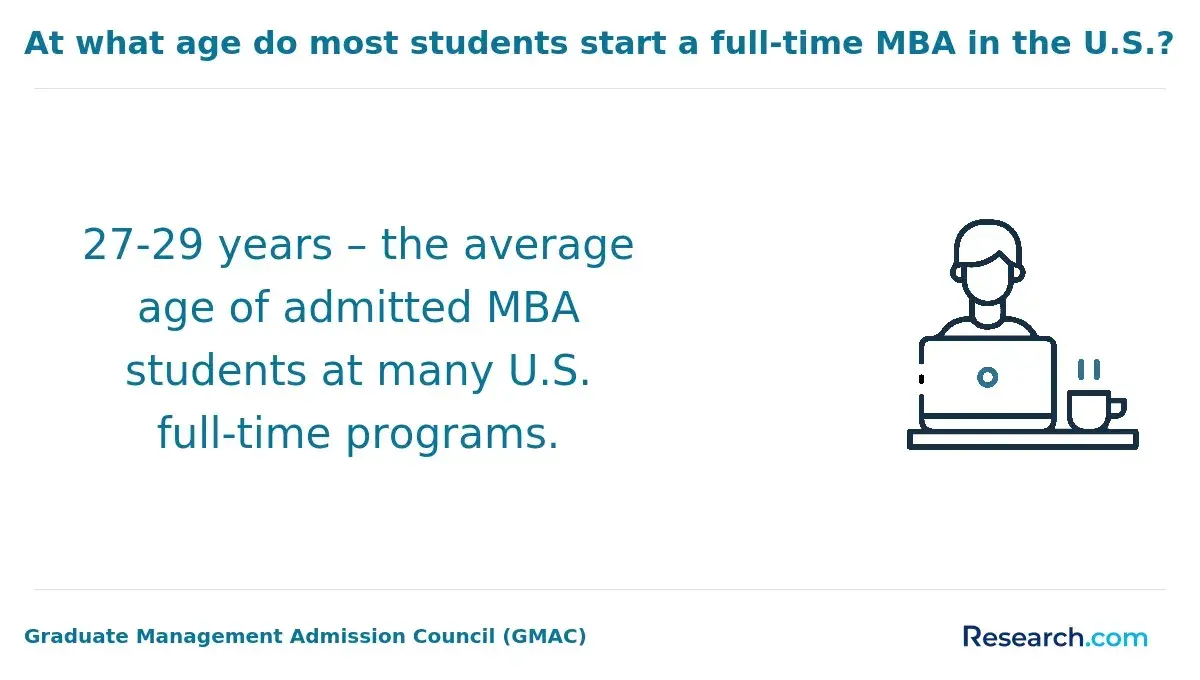
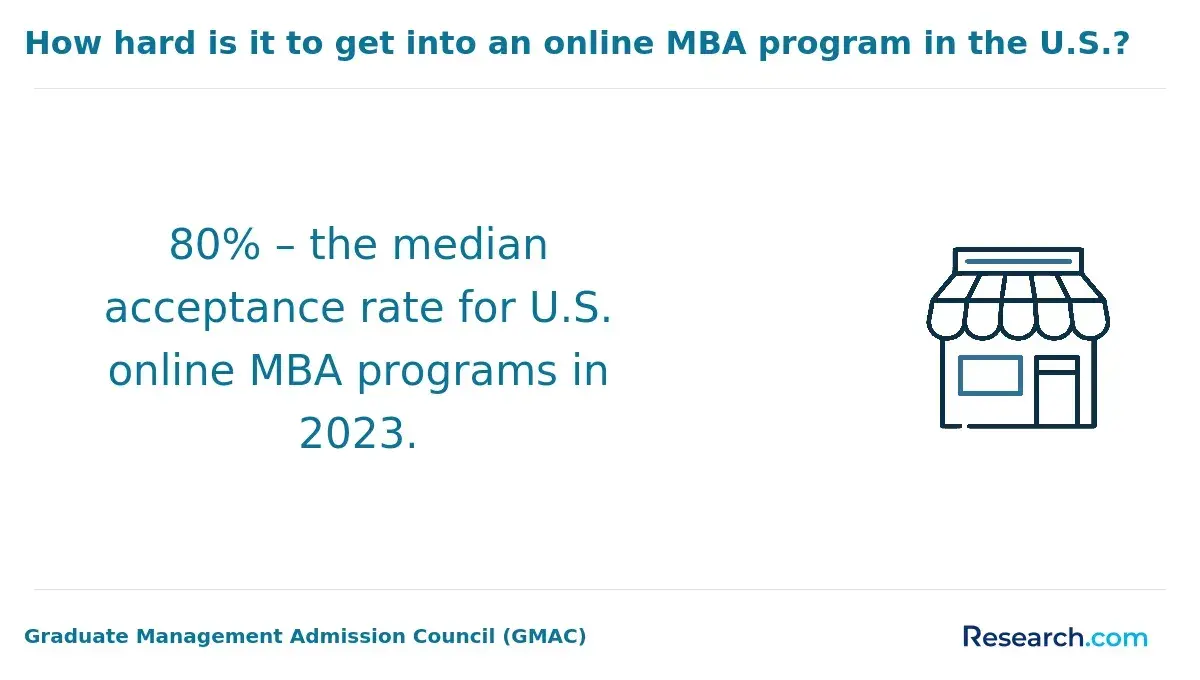
Online MBA admission requirements typically include a bachelor's degree from an accredited institution with a minimum GPA around 3.0. Most programs ask for 2-5 years of relevant work experience and, in many cases, a valid GRE or GMAT score. Applicants should also provide letters of recommendation, a statement of purpose outlining career goals, and a current resume to strengthen their application.
In contrast, DBA program eligibility criteria require a master's degree, often an MBA or its equivalent, accompanied by significant professional experience-usually 5-10 years. These programs emphasize research skills and data-driven decision-making, so submitting a research proposal is often mandatory. Research experience or publications can further support the application. GRE/GMAT scores might be optional but beneficial, and interviews or proposal defenses are common to evaluate analytical aptitude.
The practical difference lies in focus: MBA admissions highlight leadership and career advancement, while DBAs demand clear research objectives. Prospective students should tailor their statements accordingly. Notably, some online dBA programs specialize in emerging fields like Generative AI and Blockchain, with fees ranging from 8-12 Lakhs INR.
For those exploring affordable options, consider checking out executive MBA cheapest programs available today to find a balance between quality and cost.
Online MBA program duration typically ranges from one to two years for full-time students, with part-time options extending to three years or more to accommodate working professionals. Core coursework usually concludes within 12 to 18 months, followed by electives or capstone projects. This flexibility supports balancing work and study effectively.
In contrast, online Doctor of Business Administration (DBA) programs often require three to six years, focusing on advanced research, dissertation completion, and practical theory application in organizational contexts. Part-time study is common and usually prolongs program length, although some accelerated tracks reduce duration to about three years for qualified candidates. Understanding DBA vs MBA completion time helps prospective students align their educational path with career goals.
Tuition varies significantly: online DBA programs range from $40,000 to $120,000, generally less than MBA programs which can cost $60,000 to $160,000. This, combined with part-time study options, allows many DBA students to maintain an income while pursuing their degree, supporting a quicker return on investment. The ability to earn during study is a crucial consideration in financial planning for business education.
Students interested in a faster career track might explore online MBA no GRE options, providing streamlined access without standardized testing hurdles. Evaluating program length alongside professional objectives, time availability, and finances is essential for making the best choice.
Programs for MBA and DBA degrees differ considerably in focus and depth, aligning with distinct career paths. An MBA curriculum emphasizes broad managerial skills and practical business applications, covering finance, marketing, operations, organizational behavior, and strategic management. Many programs also include data analytics, entrepreneurship, and international business, prioritizing case studies and real-world problem solving.
Conversely, DBA programs target experienced professionals and academics, focusing on advanced research, theory development, and original knowledge creation. Coursework often involves research methodology, advanced statistics, and specialized topics such as corporate governance or innovation management. A key element is conducting empirical research to produce a dissertation addressing complex business challenges.
- MBA programs focus on leadership and practical decision-making across industries.
- DBA programs prioritize scholarly research and theory application.
- Case studies and simulations are common in MBA teaching methods.
- DBA requires original research contributing to academic or applied knowledge.
The growing demand for flexible MBA options is evident, with companies hiring MBA graduates increasing to 92% in 2024 from 76% in 2019, according to Schiller International University's 2026 report. Meanwhile, DBA candidates often opt for part-time or hybrid formats to balance research and career demands. Prospective students should consider these curriculum and format differences carefully to meet their professional goals and scheduling needs.
Online MBA and Doctor of Business Administration (DBA) program costs vary widely by institution, specialization, and duration. Generally, MBA tuition ranges from $20,000 to $120,000. Public universities often offer lower rates for in-state students, sometimes as low as $15,000, while prestigious private schools can charge over $100,000. DBA programs, being more advanced and research-focused, typically cost between $30,000 and $150,000, with some executive DBA offerings reaching higher prices due to added resources and faculty expertise.
Additional fees for technology, textbooks, residencies, and dissertation supervision may add $3,000 to $10,000 to the total cost. The length of study also affects overall expense: mba programs usually take two years, whereas DBA programs may last three to five years. Financial aid, scholarships, employer tuition reimbursement, and flexible payment plans can significantly reduce net costs, so prospective students should explore these options.
- DBA graduates earn a median global salary of $128,000, compared to $85,000 for mba holders.
- In India, DBA salaries range from 10 to 30 LPA, higher than the 7 to 15 LPA for mba graduates.
These figures highlight the potential long-term return on investment when considering program costs alongside career outcomes and salary prospects.
An MBA opens diverse career paths such as project manager, business analyst, marketing director, and operations manager, ideal for professionals seeking to climb corporate ladders or shift industries. Graduates typically advance into middle to upper management roles within corporations or startups. Conversely, a DBA targets strategic leadership roles in multinational corporations, academia, and high-level consulting. DBA holders often secure c-suite positions like chief executive officer, chief operating officer, or chief strategy officer, and can gain board seats or senior advisory roles by leveraging research-driven decision making.
Edgewood University's 2026 DBA vs. MBA analysis highlights that dba holders earn 20-30% higher salaries than MBA graduates in similar fields. This premium is especially noticeable in academia and multinational corporations, reflecting the value of skills in complex problem-solving, innovation leadership, and governance.
The DBA suits those aiming beyond managerial tasks, focusing on research, theory application, and executive-level impact. Meanwhile, the MBA offers broad business knowledge to accelerate career growth across industries and functions. Key distinctions include:
- MBA: versatile roles in management, marketing, finance, entrepreneurship
- DBA: executive leadership, scholarly influence, expert consulting
Prospective students should align their choice with long-term goals, understanding that MBA prepares for versatile business roles while DBA fits aspirants of top-level executive and academic positions.
Average salaries for MBA graduates in the United States typically range from $80,000 to $120,000 annually, influenced by industry, experience, and program type. Executive MBA graduates experience a notable salary boost of 30% to 50% after completion, according to Talent Sprint data cited in Schiller's 2026 report. This increase is often greater for online MBA programs, which avoid relocation costs and income loss during study.
Doctor of Business Administration (DBA) holders generally earn higher salaries, ranging from $100,000 to $150,000 per year. The DBA focuses on advanced research, strategic leadership, and consulting roles that command premium pay but require significant experience and a research-driven skill set. Employers highly value the DBA's emphasis on applied research that improves business practices.
Career goals and timing play crucial roles when choosing between an MBA and a DBA. MBA graduates aiming for mid to senior management often benefit from executive or part-time online formats that reduce income disruption. In contrast, those targeting executive leadership, consultancy, or academia typically find the dba more lucrative despite longer study durations and opportunity costs.
- In finance and technology, mba salaries range from $110,000 to $130,000.
- Healthcare and education leaders with a dba can surpass $140,000.
- Mbas in small business or nonprofit sectors earn closer to $75,000 to $90,000.
The outlook for MBA and DBA degree holders is strong due to growing demand for skilled management professionals across industries. The U.S. Bureau of Labor Statistics projects 1.1 million annual openings in management roles through 2034, outpacing the average growth for all occupations. This trend highlights the need for advanced leadership and strategic skills that MBA and DBA programs develop.
MBA graduates often secure mid-level management positions such as marketing, financial, and operations managers. Employers value MBA skills for their practical focus on business applications, leadership, and problem-solving. High-growth sectors like technology, healthcare, and finance particularly seek MBA holders, especially those with AACSB-accredited online degrees, which signal rigorous training and readiness for complex challenges.
DBA degree holders usually pursue executive, consultancy, or academic roles. The doctorate emphasizes research and data-driven decision-making, aligning with C-suite, corporate strategist, or faculty careers. Rising importance of analytics and innovation makes dba qualifications vital for senior leadership and specialized expertise.
Key distinctions include:
- MBA programs offer quicker access to mid-level management
- DBA prepares graduates for senior leadership and strategic roles
- Both degrees support long-term career growth in a competitive labor market
Prospective students should align their career ambitions with these differences to maximize benefits.
How to select an accredited online MBA or DBA program?
Choosing an accredited online MBA or DBA program means prioritizing recognized institutional accreditation such as AACSB, ACBSP, or IACBE. These accreditations guarantee curriculum quality and better employer recognition. Confirm program accreditation through the U.S. Department of Education or the Council for Higher Education Accreditation websites.
Match the program curriculum with your career objectives. Online MBA programs typically build broad management skills ideal for mid- to senior-level roles, while Doctor of Business Administration (DBA) programs emphasize advanced research and leadership, fitting for executive or academic careers. Look for courses and specializations aligned with your industry or functional interests.
Consider tuition assistance and employer support. Many large U.S. companies have increased tuition support for accredited online doctoral programs like dba, enhancing promotion and wage growth in leadership roles, according to DZ Insights' hiring trends report.
Evaluate faculty expertise and program delivery. Faculty engaged in research or industry consulting offer current insights. Flexible asynchronous formats support working professionals, whereas scheduled classes may provide valuable collaboration opportunities. Ensure the program uses reliable technology platforms and offers strong support services for online learners.
Investigate graduate outcomes such as employment rates, employer partnerships, and alumni networks. Programs sharing detailed data on these metrics demonstrate value and a potential return on investment.
Other Things You Should Know About MBA
Yes, many online MBA programs are designed to accommodate working professionals by offering flexible schedules, asynchronous classes, and part-time enrollment options. This structure enables students to balance work, study, and personal responsibilities effectively without compromising the quality of their education.
Employers increasingly recognize online MBA degrees, especially when granted by accredited and reputable institutions. The value depends largely on the program's accreditation, the school's reputation, and the candidate's relevant experience rather than the program's delivery format alone.
Yes, online MBA programs often offer a variety of specializations such as finance, marketing, entrepreneurship, healthcare management, and supply chain management. These options allow students to tailor their education to specific industries or career goals.
In 2027, an online MBA typically focuses on developing practical business skills, including leadership in diverse management environments. A DBA, however, emphasizes advanced leadership theories and executive-level competencies. The choice depends on whether you desire practice-oriented leadership (MBA) or research-based executive leadership (DBA).
- Admissions https://www.imperial.ac.uk/business-school/mba/global-online-mba/admissions/
- Best Online MBA Programs https://www.princetonreview.com/business-school-rankings
- Cost of an Online MBA | OnlineMBA.com https://www.onlinemba.com/resources/online-mba-cost/
- Online MBA Admissions Requirements by Program [Chart] https://www.bschools.org/blog/online-mba-admissions-requirements
- MBA Duration & Semesters Explained https://www.dypatilonline.com/blogs/mba-duration-and-semesters-explained
- How Long Does It Take to Complete an Online DBA? https://rushford.ecampusapp.com/how-long-is-an-online-dba-program/
- How Long Does It Take to Get an MBA? Full Timeline https://www.scu.edu/business/blog/mba/how-long-does-it-take-to-get-an-mba/
- Online vs regular MBA cost: A Complete Cost Analysis https://ebsedu.org/blog/online-vs-regular-mba-cost/
- DBA vs. MBA: Which Degree Makes You Future-Ready in the Age of Automation and AI? - Acacia https://acacia.edu/blog/dba-vs-mba-which-degree-makes-you-future-readyin-the-age-of-automation-and-ai/