2027 How to Find an Online MBA Program With the Best Career ROI

Co-Founder and Chief Data Scientist
Many professionals with degrees in unrelated fields face uncertainty when considering an online MBA program that justifies the time and financial investment. The challenge lies in identifying programs that offer strong career advancement and salary growth post-graduation. Without clear insights, students risk enrolling in expensive courses with limited return on investment. Choosing accredited, flexible programs aligned with industry demand is critical to securing meaningful career outcomes. This article examines strategies to evaluate online MBA programs by career ROI, helping readers make informed choices that maximize both professional growth and financial benefits.
Key Things You Should Know
- Choosing an online MBA with strong alumni networks and career services can increase post-graduate salary by up to 20%, according to 2025 employment data.
- Programs with industry partnerships and real-world projects enhance ROI by improving job placement rates, which average 85% within six months after graduation.
- Considering total cost versus salary boost is critical; average online MBA tuition ranges from $30,000 to $80,000, with median salary increases around 15% reported in recent studies.
What is career ROI for an online MBA program?
Career ROI for an online MBA program measures the financial return graduates earn relative to the cost of the degree. It involves comparing total tuition and expenses against the median or average post-MBA salary to determine economic value. A higher ROI means stronger return, justifying the investment of time and money.
Key components influencing career ROI include:
- Total program cost, covering tuition, fees, and related expenses.
- Median post-MBA salary which reflects income growth post-graduation.
- Time needed to recoup initial investment through increased earnings.
For example, the Texas McCombs Online MBA, highlighted by DecideMyCampus in 2026, charges $48,000 in tuition and reports a median salary of $135,000 after graduation, illustrating a robust career ROI. Prospective students should research both salary improvement and program cost to identify the best career outcomes from online MBA degrees.
Questions to consider when evaluating career ROI include:
- What is the average salary increase compared to pre-MBA earnings?
- How quickly can tuition and opportunity costs be recovered?
- What are the post-graduation employment rates and job placement quality?
Accreditation such as AACSB often correlates with higher ROIs due to program rigor. Valid data from third-party or institutional sources is essential for an unbiased comparison. For those seeking affordable options with strong career returns, reviewing the cheapest online MBA programs can be a smart step toward optimizing investment in graduate education.
How do you calculate ROI for online MBA degrees?
Calculating career return on investment for online MBA programs begins by totaling all expenses, including tuition, fees, books, technology, and income lost from reduced work hours. This total investment is essential for evaluating financial benefits of online MBA degrees. Next, assess your expected salary increase after graduation, which is a primary financial benefit. For instance, Warwick Business School Distance Learning MBA graduates see a median three-year post-graduation salary around $214,141, the highest among Financial Times-ranked online MBA programs.
To estimate the payback period, divide the total costs by the annual salary increase. A shorter payback period indicates a quicker financial return. For a more thorough ROI, multiply the annual salary boost by the number of years you expect to leverage your degree (often 5 to 10 years), subtract total costs, then divide the net gain by total costs to get a percentage.
Other factors such as career advancement potential, networking opportunities, and non-monetary benefits also matter but are harder to quantify. When comparing programs, prioritize those with clear salary outcomes and transparent fees. Adjusting for taxes, inflation, and regional differences will improve accuracy. Prospective students seeking affordability might consider the cheapest online MBA no GMAT AACSB options available.
Ultimately, evaluating financial benefits of online MBA degrees requires realistic salary projections, careful cost accounting, and an understanding of your career time horizon post-degree.
Which online MBA programs offer the best career ROI?
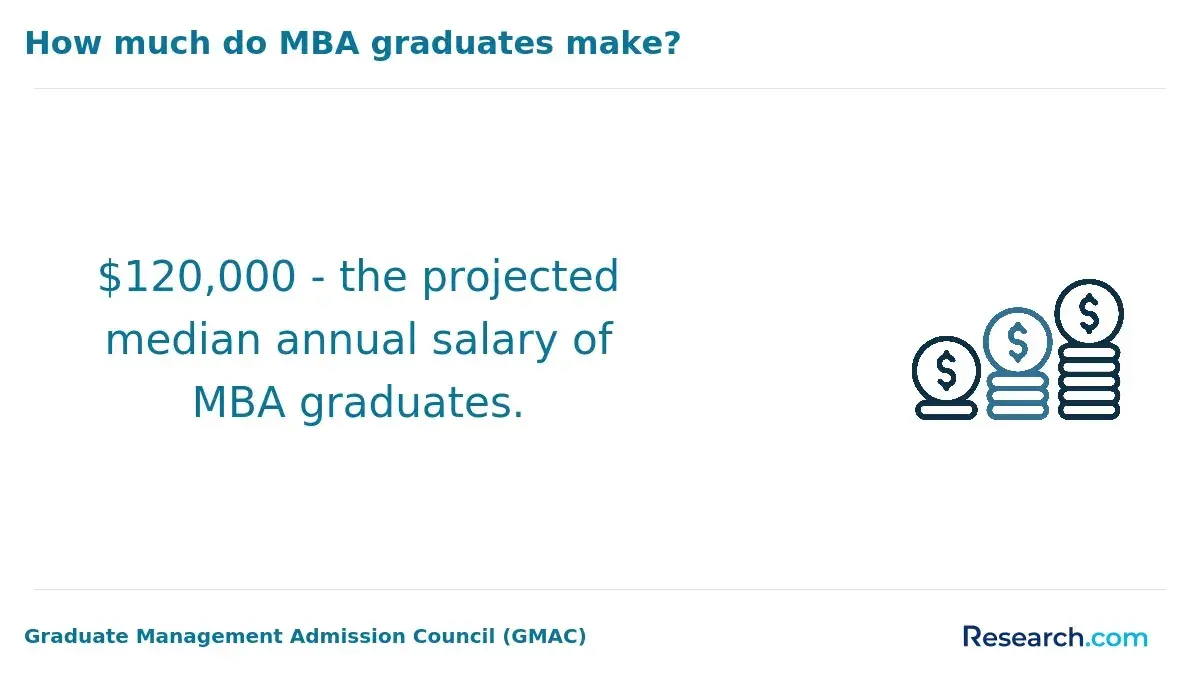
Online MBA programs with the highest career ROI combine affordable tuition with strong post-graduation salary outcomes. Western Governors University (WGU) is a prime example, offering its entire MBA program for about $7,000 while graduates report a median salary near $92,000 (DecideMyCampus, 2026). This model provides excellent value to working professionals aiming for quick credentialing without accumulating substantial debt.
Programs that blend affordability with effective career advancement often come from state universities, which offer competitive tuition rates alongside industry-relevant curricula. When searching for the best value online MBA degrees for career advancement, prospective students should:
- Evaluate total program cost, including fees and materials, not just per-credit-hour rates.
- Research median graduate salary data, prioritizing programs with transparent career outcome reporting.
- Consider program duration and flexibility to minimize income disruption during study.
- Target accredited programs recognized by employers, ensuring credential credibility.
High ROI programs also provide strong alumni networks, career support, and employer reputations. While elite private schools may charge higher tuition, public and mid-tier universities can offer comparable returns at a much lower cost, as demonstrated by WGU's approach. For more information on affordable options, you can explore the cheapest executive MBA programs that can offer similar value. Careful evaluation of costs relative to median alumni salaries is crucial to selecting the best online MBA for career ROI.
Accreditation plays a critical role in choosing the best accredited online MBA programs, ensuring quality education and stronger career returns. The three main accreditation bodies are AACSB, ACBSP, and IACBE.
AACSB accreditation is the most prestigious, recognized worldwide for stringent standards in faculty credentials, curriculum rigor, and ongoing improvement. Graduates from AACSB-accredited online MBA programs frequently benefit from superior employer recognition and valuable networking connections.
ACBSP emphasizes teaching excellence and practical skills, appealing to students seeking affordability and career-focused outcomes. IACBE suits smaller or newer schools concentrating on student engagement and outcomes assessment.
Choosing an accredited online MBA program protects students from substandard education and ensures credits transfer. For instance, UMass Amherst Isenberg's online MBA, accredited by AACSB, shows measurable career success. Alumni report an average salary exceeding $170,000 just three years after graduation-a 39% increase, the highest among FT-ranked online MBA programs (FindMBAOnline).
When researching options, verify accreditation on official websites and avoid unaccredited institutions, as their degrees may lack value for employers or advanced certifications. Also, consider program-specific rankings and certifications that complement accreditation.
Many prospective students seek affordable online MBA programs no GMAT, combining accessibility with accredited quality to advance career goals.
Admission to online MBA programs generally requires a bachelor's degree from an accredited institution with a competitive GPA, often around 3.0 or higher. Official transcripts are typically needed to verify academic qualifications. Applicants usually must present professional work experience, often between two and five years, ensuring they have practical business knowledge before pursuing advanced studies.
Most programs request GMAT or GRE scores, though waivers are available for candidates with significant work experience (usually five years or more), high undergraduate GPAs, or relevant graduate degrees. For example, Indiana Kelley places more emphasis on professional accomplishments than on standardized tests, reporting that 81% of their online MBA graduates reach career goals with a 31% average salary increase (FindMBAOnline, recent data).
Additional requirements often include letters of recommendation that highlight leadership and teamwork, and a personal statement outlining career objectives and program fit. Some schools conduct interviews to evaluate communication skills and compatibility.
International students must provide proof of English proficiency, typically via TOEFL or IELTS scores. Reliable internet access and suitable technology are essential for online learning.
Prospective students should review each program's specific admission criteria carefully, as they vary considerably. Meeting or exceeding these benchmarks enhances chances for acceptance and prepares students for the demands of rigorous MBA coursework and career advancement.
Online MBA programs usually take one to three years to finish, depending on format and student pace. Accelerated options allow completion in 12 to 18 months by offering intensive courses and shorter breaks. Standard part-time formats often span two to three years, accommodating professionals balancing work and study. Many schools, including Carnegie Mellon Tepper, structure their programs for about two years while achieving strong career outcomes.
Flexibility is a major benefit of online MBAs. Self-paced programs enable students to extend their studies beyond three years if necessary, which is valuable for those managing demanding jobs or personal commitments. However, longer durations may delay career advancement and the return on investment.
For example, Tepper's online MBA places 75% of job-seeking graduates in offers within three months, with an average salary increase of 38% to $116,800, according to FindMBAOnline's data. This highlights how a well-timed program can improve career prospects effectively.
Choosing program length should consider availability, career goals, and finances. Key points include:
- Shorter programs provide quicker degree completion and faster salary gains but require significant time commitment.
- Longer programs offer flexibility but may increase overall costs and delay benefits.
- Researching detailed schedules and alumni outcomes helps align expectations with career objectives.
Employment Offers Received by MBA Graduates Within Three Months of Graduation in 2025 (in Percentage)

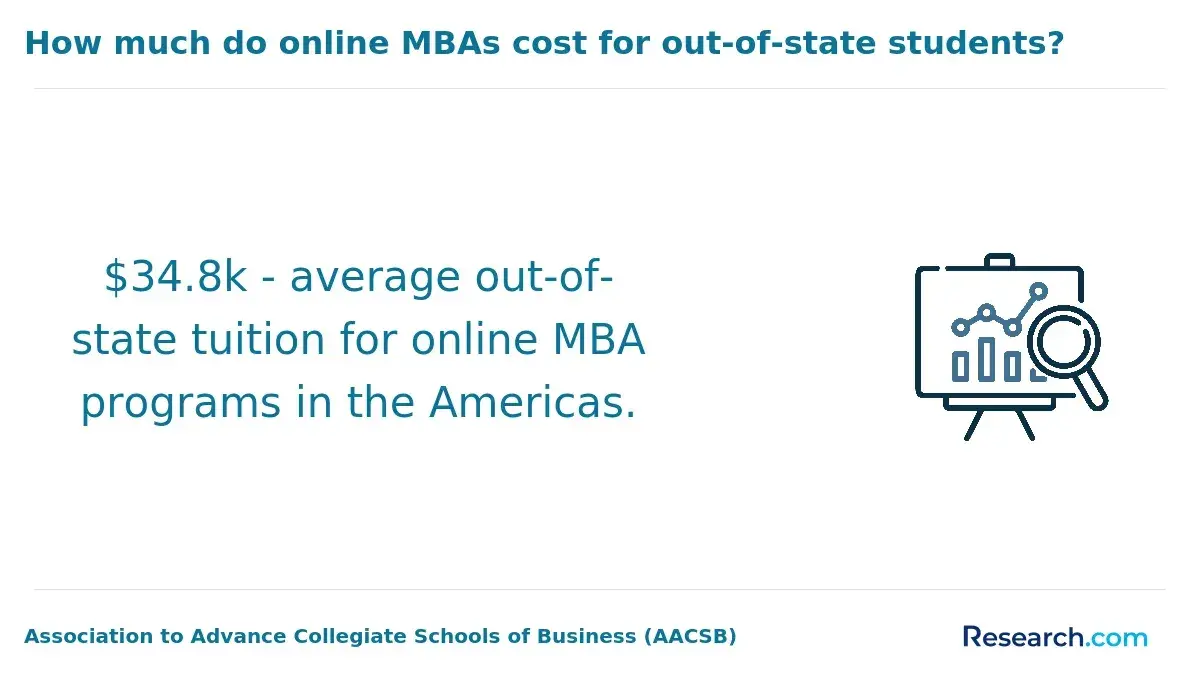
The cost of top online MBA programs can vary significantly, usually falling between $40,000 and $100,000 in total tuition. High-quality programs often charge above $50,000 but justify the expense with strong career outcomes. For instance, the Penn State Smeal Online MBA costs about $58,000 in tuition and supports a median salary near $120,000, especially strong in the Mid-Atlantic and East Coast job markets (DecideMyCampus, 2026). This highlights how programs with higher tuition can offer substantial returns through salary growth.
Additional costs such as fees, technology, and textbooks may add several thousand dollars to the total investment. While lower-cost programs might appeal to budget-conscious students, they often provide lower salary increases and fewer networking opportunities. Conversely, elite programs charge premium tuition and tend to connect graduates with higher-paying roles.
Important factors beyond tuition to consider include:
- Salary increase relative to total program cost
- Industry connections and regional demand for graduates
- Availability of financial aid, scholarships, or employer tuition reimbursement
- Program duration and flexibility, which impact opportunity cost
Evaluating the tradeoff between tuition and expected salary is essential. Penn State's near 2:1 salary-to-cost ratio exemplifies an efficient return on investment. Prospective students should research median alumni salaries in their chosen industries and locations before enrolling.
Graduates holding an online MBA can access a wide range of career opportunities across industries such as finance, healthcare administration, technology, and manufacturing. Common positions include product manager, financial analyst, operations manager, marketing director, and business consultant. Many graduates progress to executive roles like chief financial officer (CFO), chief operating officer (COO), or general manager.
Career paths leveraging an MBA often involve roles with strong leadership, strategic planning, and financial management components. For instance, financial analysts with an MBA typically oversee investment portfolios or corporate finance strategies, while healthcare administrators enhance hospital efficiency and resource allocation. Entrepreneurship is also a frequent route, benefiting from MBA training in marketing, finance, and leadership to launch and grow businesses.
Project management careers benefit from skills in budgeting, planning, and stakeholder communication developed during MBA programs. Salaries tend to vary by role and sector; graduates of affordable, accredited programs like the SNHU online MBA, which costs around $19,000, report average post-degree salaries near $78,000 (DecideMyCampus, 2026).
Prospective students should align their MBA choices with career goals, ensuring the program offers relevant specializations and networking opportunities. For example, an MBA in supply chain management suits those targeting logistics leadership, while an MBA focused on marketing forecasting supports brand management roles. This alignment enhances career readiness and return on investment.
Graduates of online MBA programs often experience substantial salary growth, with increases commonly exceeding 20% within a few years. For example, Durham University's online MBA alumni see an average salary boost of 27% within three years, according to FindMBAOnline data cited by FT rankings. This pattern is consistent across many reputable online programs, highlighting clear career and compensation benefits.
Salary improvements depend on industry, prior experience, and location. Professionals in finance, consulting, and technology sectors usually achieve higher post-degree salaries compared to those in nonprofit or education fields. For instance, a mid-career online MBA graduate transitioning to management roles in technology might see a rise from $85,000 to over $110,000 within three years, aligning with the average increase reported.
Key factors influencing salary outcomes include:
- Quality and recognition of the online MBA program
- Alumni network and employer connections
- Career services and job placement support
- Individual's prior experience and skills
Salary gains tend to be greater with promotions to leadership or strategic positions. Entry-level professionals may receive smaller initial increases but benefit from long-term growth. Prospective students should prioritize programs that provide transparent, verified salary data for accurate return-on-investment assessment.
What is the job outlook for MBA graduates?
The job outlook for MBA graduates remains robust, with strong financial benefits and promising career advancement. According to Poets&Quants, the average annual return on investment for ranked full-time MBAs is 12.7%, equating to approximately $662,290 in additional earnings over ten years after the average total investment of $286,182. This highlights the significant career value of earning an MBA.
Employment growth in industries favored by MBA holders-such as management consulting, finance, and technology-is projected at 8% to 10% through 2030, faster than average for all jobs, per the U.S. Bureau of Labor Statistics. This growth drives ongoing demand for MBAs in leadership and specialized roles.
Mba graduates enjoy benefits including:
- Significantly higher starting salaries, often over 50% more than bachelor's degree holders in similar fields.
- Accelerated advancement to executive and managerial positions through expertise in finance, marketing, and operations.
- Extensive networking opportunities with alumni and corporate partners, improving access to top-tier roles.
Selecting MBA programs with strong career services and employer connections can greatly influence employment outcomes and salary growth. Specialized tracks like healthcare management or data analytics may enhance prospects in high-growth sectors. Careful alignment with industries and attention to realistic ROI projections are key to maximizing career value and maintaining a resilient job outlook.
Other Things You Should Know About MBA
Yes, many online MBA programs offer virtual networking opportunities through discussion boards, group projects, and alumni events. Some schools also provide access to career services and industry connections comparable to on-campus experiences, which can be valuable for building professional relationships.
Online MBAs from accredited and reputable institutions are generally respected by employers, especially if the program has a strong track record and rigorous curriculum. Hiring managers often focus more on the school's reputation and the candidate's skills than on the delivery format of the degree.
An online MBA offers flexibility that can help maintain or improve your work-life balance, as you can often complete coursework on your own schedule. However, balancing study, career, and personal commitments still requires strong time management and discipline.
- Online MBA Admissions Requirements | Tulane https://online-business.tulane.edu/online-mba/admissions/
- Where to Pursue an Online MBA? Top Universities for Reputation, Curriculum, and ROI - Distance Guru https://distanceguru.in/where-to-pursue-an-online-mba-top-universities-for-reputation-curriculum-and-roi/
- How Long Does An Online MBA Take? | StudyNext Australia https://studynext.com/au/resources/how-long-does-an-online-mba-take
- MBA Job Market 2025: Outlook, Trends, and Careers for Grads https://blog.targettestprep.com/mba-job-market-2025/
- Online MBA Programs With High ROI: Top Colleges and Fees https://www.pwmedharthi.com/blogs/mba/online-mba-programs-with-high-roi
- Is an Online MBA Worth It? https://online.nccu.edu/blog/is-an-online-mba-worth-it/
- How to Calculate Global MBA ROI and Career Value https://www.spjain.org/blog/articles/faculty-insights-how-to-calculate-mba-roi
- Top Online MBAs for ROI | FIND MBA Online https://findmbaonline.com/lists/top-10-online-mbas-for-roi
- How to Calculate ROI of MBA program - MBA & Beyond https://www.mbaandbeyond.com/blog/how-to-measure-roi-mba-programs