2027 How to Become a Medical Social Worker

Co-Founder and Chief Data Scientist
If you are considering medical social work, you are probably trying to answer a practical question: what does the job involve, what education do you need, and is the path worth it? This guide breaks down the profession in plain language so you can compare education options, understand licensure and certification, and decide whether medical social work fits your goals.
Medical social workers support patients and families when illness, injury, disability, or end-of-life care creates social, emotional, and financial pressure. They work with healthcare teams to improve discharge planning, access to resources, coping support, and care coordination. If you want a career that blends counseling, advocacy, and healthcare collaboration, this guide will help you understand the steps, the trade-offs, and the best next move.
Quick answer: Most medical social work roles require at least a bachelor’s degree, and many clinical or hospital-based roles require a master’s degree in social work plus state licensure. The best path depends on your career target: support roles may start sooner with a BSW or certificate, while licensed clinical, hospice, oncology, or hospital positions usually require an MSW, supervised experience, and passing required exams.
Our Research.com team built this guide for students, career changers, and working professionals who want a realistic overview of medical social work careers, salary expectations, skills, education pathways, advancement options, and current trends shaping the field.
Medical Social Worker Careers Table of Contents
- Why pursue a career as a medical social worker?
- Medical Social Worker Career Outlook
- Required Skills for a Medical Social Worker
- How to Start Your Career as a Medical Social Worker
- How can I advance my career as a medical social worker?
- Emerging Trends and Innovations in Medical Social Work
- What are the ethical challenges faced by medical social workers?
- What are the legal and regulatory challenges in medical social work?
- How Can Professional Networking and Mentorship Enhance a Medical Social Work Career?
- How Can You Measure Success in Medical Social Work?
- Alternative Career Options for a Medical Social Worker
- Could Accelerated MSW Programs Online Propel Your Career in Medical Social Work?
- How can I finance my medical social work education?
- How do you evaluate a quality medical social work program?
- Educational Pathways and Affordable Options in Medical Social Work
- What role do interdisciplinary collaborations play in medical social work?
- What is the role of clinical social work education in becoming a medical social worker?
- What are the benefits of pursuing a doctorate in medical social work?
Why pursue a career as a medical social worker?
Medical social work appeals to people who want meaningful patient contact, steady teamwork, and a role that connects healthcare with real-life barriers like housing, transportation, caregiving, grief, and cost concerns. It is not just about emotional support. It is also about helping patients follow treatment plans, leave the hospital safely, and access services they may not know exist.
This career can be especially rewarding if you want direct impact. A medical social worker may help a patient understand discharge instructions, arrange home services, support a family facing a new diagnosis, or coordinate referrals during a crisis. The work is often demanding, but it can also be deeply purposeful.
It can also suit people who want flexibility across settings. Medical social workers may work in hospitals, rehabilitation centers, hospice, home health, outpatient clinics, and community health organizations. If you are still deciding whether social work is the right broader field, see our guide to becoming a social worker.
Medical Social Worker Career Outlook
The career outlook for healthcare social workers remains solid because healthcare systems continue to need professionals who can handle psychosocial assessment, care coordination, discharge planning, and family support. The U.S. Bureau of Labor Statistics projects employment of healthcare social workers to grow 11% by 2031.
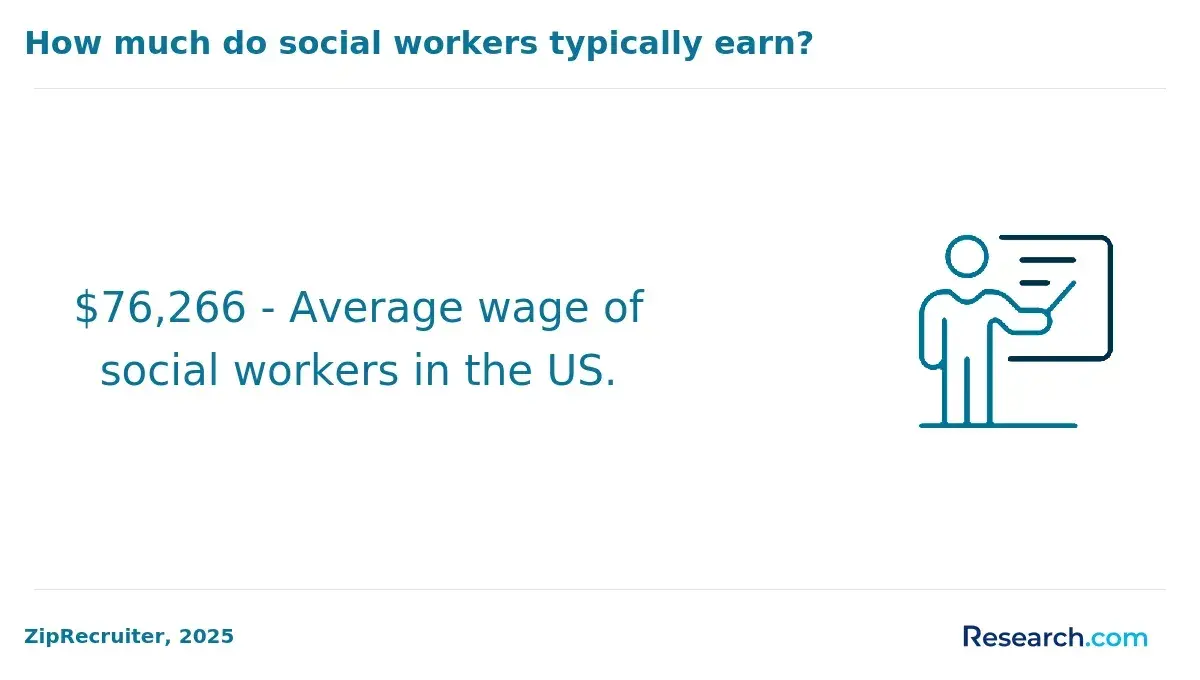
Pay can be competitive, but it varies widely by state, setting, employer, and credential level. The average salary for healthcare social workers is $60,840, but that figure should be treated as a benchmark rather than a guarantee. Licensed clinicians, specialists, and managers may earn more, while entry-level support roles often pay less.
| Role | Salary | Demand |
| Child, family, and school social workers | $49,150 | 8% |
| Healthcare social workers | $60,840 | 11% |
| Mental health and substance abuse social workers | $49,130 | 11% |
For job seekers, the main takeaway is simple: the field is not one single job. Your earning potential and hiring options depend on whether you are working in a hospital, hospice, home health, mental health, or care management environment, and on whether you hold a BSW, MSW, or clinical license.
Required Skills for Medical Social Work
Medical social work requires more than empathy. You need technical knowledge, emotional resilience, and the ability to function inside a fast-moving healthcare system. The best medical social workers are able to support people in distress while also documenting accurately, coordinating with clinicians, and making decisions within legal and organizational limits.
Burnout is a real concern in this field. A study by Martínez-López et al., Predictors of Burnout in Social Workers: The COVID-19 Pandemic as a Scenario for Analysis, reported high levels of emotional exhaustion among social workers in the study sample. That does not mean every social worker will experience burnout, but it does show why workload management, supervision, and self-care are not optional.
In practical terms, this means one of the most important skills in medical social work is knowing how to stay effective without becoming emotionally depleted.
Core technical skills
- Medical terminology: You need enough language fluency to understand diagnoses, procedures, treatment plans, and discharge needs.
- Legal and ethical knowledge: Confidentiality, informed consent, documentation, and privacy rules matter every day. HIPAA awareness is essential.
- EHR use: Electronic health record systems are part of the workflow, so accuracy and speed matter.
- Care planning: Medical social workers help build individualized plans that reflect medical needs and social realities.
- Psychosocial assessment: You must evaluate emotional, behavioral, family, housing, and financial factors that affect care.
- Community resource navigation: Strong referral knowledge helps patients connect with transportation, support groups, housing help, and financial aid.
- Crisis response: Sudden illness, injury, or family conflict often requires calm judgment and practical problem-solving.
- Insurance and reimbursement literacy: Understanding coverage and payment systems helps patients avoid delays and confusion.
- Counseling basics: Even when you are not providing psychotherapy, supportive counseling skills are central to the job.
Core professional skills
- Interdisciplinary communication: You must communicate clearly with physicians, nurses, therapists, case managers, and families.
- Empathy: People are often frightened, grieving, or overwhelmed when they meet you.
- Active listening: Good assessment starts with understanding what patients are actually saying and what they are not saying.
- Cultural competence: Values, family roles, language, and beliefs influence care decisions.
- Problem-solving: Many cases involve more than one barrier, so solutions must be realistic and coordinated.
- Time management: Hospital and healthcare settings can move quickly, and priorities may change often.
- Collaboration: The work depends on trust across teams and outside agencies.
- Flexibility: Patient needs, unit demands, and discharge plans can shift quickly.
- Self-care: Without it, long-term performance and compassion can decline.
How to Start Your Career as a Medical Social Worker
The right starting point depends on how far you want to go. Some people begin with an associate’s degree or certificate and move into support roles. Others start with a BSW and later complete an MSW for clinical or supervisory positions. If your goal is hospital social work, hospice, or licensure-based practice, planning for graduate education early can save time and money later.
| Healthcare Path | Non-Profit Path | Government Path | |
| Direct support for patients and families in medical settings, plus coordination with healthcare teams. | Service delivery for underserved groups through mission-driven organizations. | Assistance to vulnerable populations through public agencies and programs. | |
| Entry Level Jobs | Social and Human Service Assistant ($34,870) | Outreach Coordinator ($45,713) | Eligibility Specialist ($39,514) |
| Junior Management Jobs | Home Health Social Worker ($71,328) | Grants Manager ($63,950) | Policy Analyst ($71,776) |
| Middle Management Jobs | Director of Social Services ($75,051) | Chief Operating Officer ($141,981) | Deputy Commissioner ($80,482) |
| Senior Management Jobs | Vice President of Patient Services ($300,520) | Executive Director ($181,300) | Director of Human Services ($168,013) |
What can I do with an associate’s degree in medical social work?
Social and Human Service Assistant
This role typically supports individuals and families by helping them find resources, manage paperwork, and connect with services. It is often used as an entry point into social service work, especially for people who want experience before committing to a four-year degree.
Median salary: $34,870
Case Management Aide
Case management aides help coordinate scheduling, records, and client communication so case managers can focus on service planning. This is a support role rather than an independent clinical role.
Median salary: $49,545
Community Outreach Worker
Community outreach workers connect people to public services, education, and community programs. The role can be especially useful for those interested in public health, nonprofit service, or prevention work.
Median salary: $47,354
What can I do with a bachelor’s degree in medical social work?
Hospital Social Worker
Hospital social workers help patients and families manage the social side of hospitalization. Their work often includes discharge planning, counseling, resource referrals, and communication with the care team.
Median salary: $69,665
Hospice Social Worker
Hospice social workers support patients and families near the end of life. They help with emotional support, advance care planning, caregiver needs, and bereavement resources.
Median salary: $64,399
Home Health Social Worker
Home health social workers help patients remain safe and supported while receiving care at home. They often address mobility, transportation, family support, and access barriers.
Median salary: $71,328
Mental Health Social Worker
Mental health social workers assist individuals and families dealing with emotional and behavioral concerns. Depending on the role, this may involve counseling, care coordination, and referral support.
Median salary: $53,315
Palliative Care Social Worker
Palliative care social workers support patients with serious illness and help improve quality of life through counseling, resource navigation, and family support. This is one of the most specialized forms of medical social work and often requires strong clinical judgment. Palliative care social work is one of the psychology jobs examples that graduates can consider if they would like to pursue a career in both social work and psychology.
Median salary: $79,331
Can you get a medical social work job with just a certificate?
A certificate can help you qualify for some support or assistant-level positions, but it usually will not replace the degree requirements for licensed clinical roles. In most cases, a certificate is best viewed as a supplement to a broader education plan, not a complete substitute for a social work degree.
If you want to work in a supervised support role first, a certificate may be enough to help you get started. If you want to diagnose, provide therapy, or move into hospital leadership, you will usually need more education and licensure.
How can I advance my career as a medical social worker?
Career advancement in medical social work usually comes from one or more of three moves: earning an advanced degree, obtaining a relevant credential, or moving into supervision, research, or program leadership. For many professionals, the master’s degree is the most important step because it opens the door to licensure and higher-responsibility roles.
Graduate study can also help you specialize. If you want to work in palliative care, hospice, oncology, behavioral health, or administration, advanced coursework and field experience can make your application more competitive. If you are comparing graduate options, see our guide to getting a human services degree and Online advanced standing MSW.
Some professionals also pursue credentials such as the Certified Social Work Case Manager (C-SWCM) or Certified Social Worker in Healthcare (C-SWHC), which can demonstrate focused experience in a care-management or healthcare setting. Others gain additional supervision through fellowships, residency-style training, or specialized hospital onboarding programs. If you need flexible graduate options, you can also look into MSW online programs no gre required from students.
What can I do with a master’s in medical social work?
Clinical Social Worker
Clinical social workers provide therapy, assessment, treatment planning, and referrals for individuals, couples, families, and groups.
Median salary: $77,784
Oncology Social Worker
Oncology social workers support people facing cancer by helping them manage emotional strain, understand treatment barriers, and connect with financial resources.
Median salary: $69,039
Social Work Researcher
Social work researchers study programs, policies, and interventions to improve practice and outcomes.
Median salary: $67,632
Director of Social Services
Directors of Social Services oversee department operations, staff, compliance, and patient-support systems in healthcare organizations.
Median salary: $75,051
What kind of job can I get with a doctorate in medical social work?
Professor
Professors teach, mentor students, conduct research, and contribute to the academic development of the field.
Median salary: $103,921
Social Work Researcher
Doctoral-level researchers often focus on large-scale studies, program evaluation, and policy analysis.
Median salary: $77,784
Policy Analyst
Policy analysts examine healthcare-related rules, systems, and data to recommend improvements. If you are interested in the policy side of the profession, it may also help to learn what is a sociology degree.
Median salary: $71,776
Advanced Clinical Social Worker
Advanced clinical social workers provide high-level therapeutic services and often handle complex cases that require advanced clinical judgment.
Median salary: $73,196
Which certification is best for medical social workers?
The best credential depends on your work setting and long-term goals. There is no single certification that fits every medical social worker. Instead, you should choose a credential that matches the type of patients you serve and the kind of work you want to do next.
- Certified Hospice and Palliative Social Worker (CHP-SW): Best for professionals working with serious illness, hospice, grief, and end-of-life care.
- Certified Case Manager (CCM): Best for care coordination and case management roles. This credential is offered through the Commission for Case Manager Certification (CCMC).
- Certified Advanced Children, Youth, and Family Social Worker (C-ACYFSW): Best for those serving children and families in healthcare-related environments.
- Certified Clinical Alcohol, Tobacco, and Other Drugs Social Worker (C-CATODSW): Best for professionals who work with substance use treatment and prevention.
Before enrolling in a certification program, check eligibility requirements carefully. Many credentials require specific degrees, supervised experience, or licensure status.
Emerging Trends and Innovations in Medical Social Work
Medical social work is changing as healthcare becomes more digital, more coordinated, and more focused on social drivers of health. If you are preparing for this field now, it helps to understand the shifts that are shaping hiring and day-to-day practice.
Telehealth and digital care
Virtual care has expanded the ways social workers can reach patients, especially those in rural or underserved communities. At the same time, remote work requires stronger documentation habits, digital communication skills, and attention to privacy rules.
Whole-person care
Hospitals and health systems increasingly recognize that medical care is not enough on its own. Social workers are being used more often in care teams that address emotional stress, family systems, housing instability, and discharge barriers.
Diversity, equity, and inclusion
Healthcare employers are placing more emphasis on reducing disparities and improving culturally responsive care. For social workers, this means cultural humility is not a side skill; it is central to effective practice.
Education aligned with current practice
Programs are responding by adding more training in integrated care, trauma-informed practice, and healthcare navigation. If you want a flexible entry path, you may want to compare easiest social work degree options with more selective programs.
What are the ethical challenges faced by medical social workers?
Ethical work in medical social work often involves balancing competing responsibilities. You may need to protect privacy while sharing enough information for good care. You may need to respect a patient’s choices even when family members or clinicians disagree. You may also face tension when resources are limited and several patients need help at the same time.
- Confidentiality and disclosure: You must decide what can be shared and with whom.
- Patient autonomy: Patients have the right to make choices, even difficult ones.
- Fair allocation of resources: Time, funding, and community support are rarely unlimited.
- Cultural respect: Care plans must account for values, religion, language, and family structure.
- End-of-life decisions: These conversations often involve grief, disagreement, and strong emotions.
Strong supervision, accurate documentation, and regular ethics review help reduce mistakes and support more consistent decision-making.
What are the legal and regulatory challenges in medical social work?
Medical social workers must practice within a legal framework that includes privacy laws, documentation standards, reporting obligations, and state licensure rules. The exact requirements vary by employer and location, so students and job seekers should not assume one program or license works everywhere.
Important areas to verify include HIPAA compliance, mandatory reporting responsibilities, scope of practice, and whether a role requires a clinical license or supervised practice hours. If you plan to work across state lines, especially in telehealth, make sure you understand whether your credential is recognized where the patient is located.
It is also wise to review the regulatory expectations in other healthcare careers if you want a broader view of the field. For related context, see high paying medical jobs.
How can professional networking and mentorship enhance a medical social work career?
Networking and mentorship can shorten your learning curve. Experienced social workers can explain how different hospital units operate, which certifications are most useful, how to prepare for interviews, and what skills employers actually value. They can also help you find field placements, references, and job openings that are not widely advertised.
Professional associations, field instructors, alumni networks, and peer supervision groups are all useful places to build connections. These relationships matter even more if you are trying to move into a specialty or leadership role.
If affordability is part of your decision, you may want to compare affordable online MSW programs as part of a longer-term career plan that includes mentoring, internship access, and licensure preparation.
How can you measure success in medical social work?
Success in medical social work should be measured by more than how busy you are. Good outcomes often show up in patient understanding, smoother discharge planning, better referral completion, improved access to services, and stronger team coordination.
You can track success through patient feedback, supervisor review, case closure quality, service referrals completed, and care-plan follow-through. In some settings, the organization may also look at broader indicators such as reduced readmissions or fewer discharge delays. Those are helpful measures, but they should not be treated as the only sign of good practice.
To connect advanced training with career growth, you may also want to review What can you do with MSW?
Alternative Career Options for a Medical Social Worker
Medical social workers develop skills that transfer well to other roles in healthcare, public service, and community support. If you decide that bedside or hospital-based work is not the right fit, you may still be able to use your training in a related position.
According to Data USA, 6.55% of healthcare social workers work as administrators of human resources programs (Data USA, n.d.). That is one example of how social work experience can support a nontraditional career move.
Other career paths to consider
- Healthcare Administrator: Oversees staffing, budgets, and service delivery within medical organizations.
- Patient Advocate: Helps patients understand options, communicate needs, and navigate healthcare systems.
- Health Educator: Develops programs and materials that support prevention and healthier choices.
- Community Health Worker: Connects people with services, education, and local health resources.
Could accelerated MSW programs online propel your career in medical social work?
Yes, accelerated online MSW programs can be a smart choice if you already know you want graduate training and want to move into the field faster. They are especially useful for motivated students, career changers, and working professionals who need flexibility without giving up the credential required for advanced roles.
That said, speed should not be your only criterion. You still need to confirm accreditation, field placement support, licensure alignment, and whether the schedule is realistic for your life. If you want to compare options, explore accelerated MSW programs online.
How can I finance my medical social work education?
Paying for school is one of the biggest concerns for future social workers. A strong funding plan can make the difference between finishing comfortably and taking on unnecessary debt.
Start by looking at scholarships, federal grants, state aid, employer tuition assistance, and work-study opportunities. Then compare total program cost, not just tuition. Living expenses, books, field placement costs, and lost work hours can all affect the real price of attendance.
If cost is a major factor, a lower-priced starting point may help. You can also review an affordable online degree in human services as part of your planning.
How do you evaluate a quality medical social work program?
A good program should prepare you for real practice, not just classroom theory. Before enrolling, check whether the program is accredited, how field placements are arranged, whether faculty have healthcare experience, and whether the curriculum supports your licensure goals.
You should also ask about student support, licensure exam preparation, transfer credit policies, and placement outcomes. If you are comparing cost and return on investment, it may help to ask directly whether is a degree in social work worth it for your situation.
Educational Pathways and Affordable Options in Medical Social Work
Most people enter medical social work through a social work degree pathway. The most common starting point is a Bachelor of Social Work (BSW), followed by an MSW for more advanced roles.
Why start with a BSW?
A BSW gives you the core foundation in social work values, ethics, human behavior, and case management. It can lead to entry-level positions and also make graduate study more efficient later if you want to continue.
Affordable online options
Students who need a lower-cost route can compare cheapest online BSW programs. Online study can be a strong option if you need flexibility, but you should still check field placement support and licensure fit.
Advancing with an MSW
An MSW is the key credential for many medical social work positions, especially those involving clinical assessment, therapy, or hospital-based practice. If you already have a BSW, advanced standing programs may shorten the path.
What role do interdisciplinary collaborations play in medical social work?
Interdisciplinary collaboration is central to medical social work because patient problems rarely fit inside one discipline. A social worker may coordinate with physicians, nurses, therapists, dietitians, case managers, and community agencies to make sure the patient has both medical care and real-world support.
This teamwork improves discharge planning, clarifies treatment barriers, and helps teams respond more holistically to complex situations. It can also connect social workers with adjacent fields, including professionals from genetics masters programs, when patients and families need help understanding the social impact of genetic conditions.
What is the role of clinical social work education in becoming a medical social worker?
Clinical social work education is essential if your goal is to provide therapy, work toward licensure, or take on advanced patient-care responsibilities. In most states, becoming a Licensed Clinical Social Worker (LCSW) requires an accredited MSW, supervised post-degree experience, and a passing exam.
Many students now complete accredited online LCSW programs because they offer flexibility while still meeting academic requirements. The key is to verify that the program is recognized by the appropriate accreditor and aligns with your state’s licensing rules.
Clinical education matters because medical social work often intersects with trauma, chronic illness, grief, anxiety, caregiver stress, and end-of-life issues. If you want to work at that level, general helping skills are not enough; you need formal clinical preparation.
What are the benefits of pursuing a doctorate in medical social work?
A doctorate can be valuable if you want to teach, conduct research, influence policy, or lead large programs. It is not necessary for most clinical jobs, but it can open doors to academic, research, and executive-level roles.
This path is best for people who enjoy analysis, systems change, and long-term professional leadership. If you are weighing the cost carefully, review the cheapest DSW degree online before deciding whether doctoral study fits your goals.
How to decide if medical social work is right for you
Choose this path if you want a career centered on people, care coordination, and problem-solving in healthcare settings. It is a strong fit if you are comfortable with emotional conversations, fast-moving environments, and team-based work.
You may want a different path if you prefer minimal emotional labor, do not want to pursue graduate education, or are unsure about working in highly regulated healthcare settings. In that case, support roles, community outreach, or another helping profession may be a better fit.
Common mistakes to avoid
- Choosing a program without checking accreditation: This can create licensure problems later.
- Assuming all online programs qualify for licensure: State rules still matter.
- Focusing only on tuition: Field placement costs, commute time, and lost income matter too.
- Overlooking supervised experience requirements: Advanced roles often depend on post-degree hours.
- Ignoring the emotional demands of the job: Burnout prevention should be part of your career plan.
- Assuming salary numbers are guaranteed: Pay depends on location, employer, credential, and experience.
Questions to ask before choosing a program or career path
- Does this program meet my state’s licensure requirements?
- Is the school accredited by the right body?
- What kinds of field placements does the program provide?
- How does the school support students who work full time?
- What is the total cost after fees, books, and field placement expenses?
- Which credential do employers in my target setting expect?
- Will this degree help me reach hospital, hospice, or clinical roles?
- What kinds of alumni outcomes does the program report?
Key Insights
- Medical social work is a healthcare-focused helping profession that combines counseling, advocacy, assessment, and care coordination.
- The strongest career path usually depends on your target role: support jobs may begin with a BSW or certificate, while clinical and hospital roles often require an MSW and licensure.
- Healthcare social work has a projected 11% employment growth rate through 2031, and the average salary is $60,840, but pay depends heavily on setting and credentials.
- The job requires both people skills and technical skills, including medical terminology, EHR use, ethical judgment, and crisis response.
- Burnout prevention matters. Supervision, boundaries, and self-care are part of professional competence, not just personal wellness.
- Accreditation, licensure alignment, field placement quality, and total cost should guide school selection more than rankings alone.
- Certifications such as CHP-SW and CCM can strengthen your profile, but the best credential depends on your specialty and work environment.
- If you want faster advancement, an MSW, advanced standing option, or specialized certificate can help, but only if it fits your state and career goals.
References:
- Association of Social Work Boards. (n.d.). Examinations and specialty credentials. https://www.aswb.org/exam-candidates/
- Association of Social Work Boards. (n.d.). Workforce salary analysis. https://www.aswb.org/research/workforce/
- Bureau of Labor Statistics. (2025). Healthcare social workers salary and employment data. https://www.bls.gov/ooh/community-and-social-service/social-workers.htm
- Bureau of Labor Statistics. (2025). Job outlook for healthcare social workers. https://www.bls.gov/ooh/community-and-social-service/social-workers.htm
- Council on Social Work Education. (n.d.). Accredited social work programs. https://www.cswe.org/Accreditation/Directory-of-Accredited-Programs
- National Association of Social Workers. (n.d.). Healthcare social work education resources. https://www.socialworkers.org/Practice/Health
- National Cancer Institute. (n.d.). Social work training in health settings. https://www.cancer.gov/about-cancer/coping/adjusting-to-cancer/helping-professionals
- National Association of Social Workers. (n.d.). NASW health social work practice standards. https://www.socialworkers.org/Practice/Health
- Substance Abuse and Mental Health Services Administration. (n.d.). Behavioral health workforce projections. https://www.samhsa.gov/data
Other Things You Should Know About How to Become a Medical Social Worker
To become a medical social worker in 2027, you typically need a bachelor's degree in social work for entry-level positions. However, a Master of Social Work (MSW) is often required for medical social work roles. Additionally, some positions may require state licensure or certification, which varies by location.
Beneficial certifications for medical social workers include Certified Hospice and Palliative Social Worker (CHP-SW), Certified Case Manager (CCM), Certified Advanced Children, Youth, and Family Social Worker (C-ACYFSW), and Certified Clinical Alcohol, Tobacco, and Other Drugs Social Worker (C-CATODSW).
You can advance your career as a medical social worker by pursuing advanced degrees, such as a master’s or doctorate in social work, obtaining specialized certifications, and gaining experience in leadership roles. Engaging in professional development opportunities and networking within the field can also support career advancement.
Alternative career options for medical social workers include healthcare administrator, patient advocate, health educator, and community health worker. These roles leverage the skills and knowledge gained in medical social work to improve healthcare systems and patient outcomes.
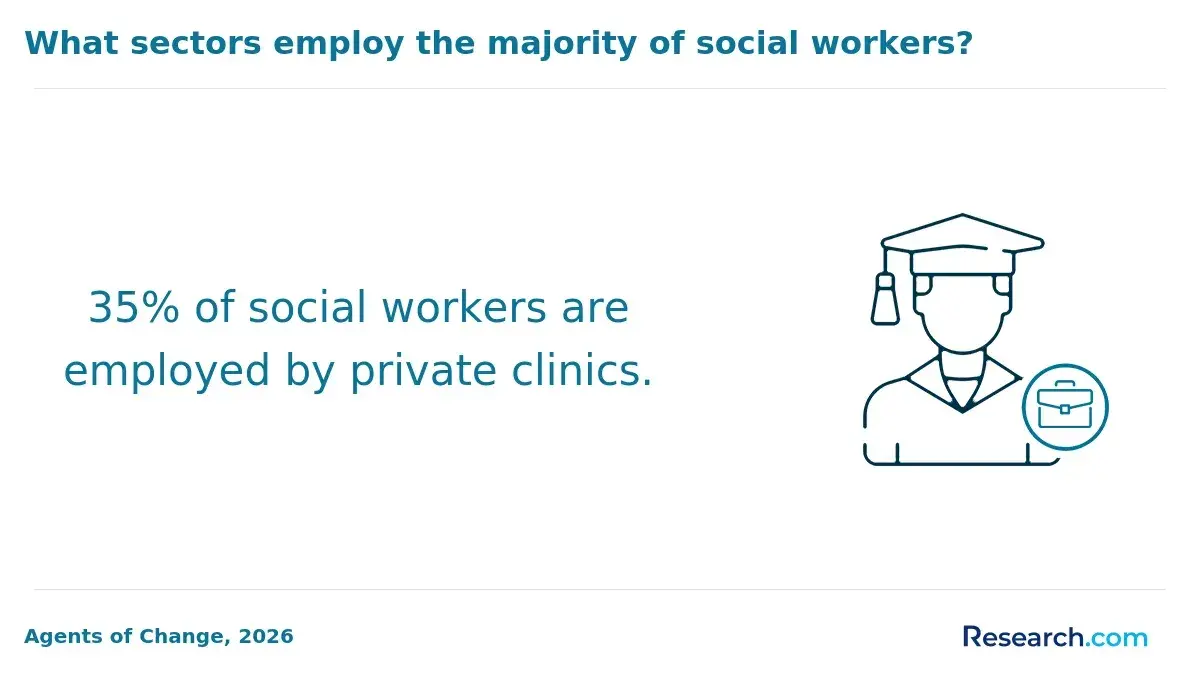
Medical social workers can work in various settings, including hospitals, clinics, community health organizations, non-profit sectors, and government agencies. Each setting offers unique opportunities and challenges for providing patient care and support.
Main responsibilities of a medical social worker include providing emotional and practical support to patients and their families, conducting psychosocial assessments, developing care plans, navigating healthcare systems and reimbursement processes, and collaborating with healthcare teams to improve patient outcomes.