2027 Can You Complete an Online Photography Degree Program While Working Full-Time?

Co-Founder and Chief Data Scientist
Working full-time while pursuing an online photography degree can feel overwhelming, especially when balancing work duties and family time. Nearly 70% of online adult learners in the U.S. juggle jobs alongside their studies, reflecting a common challenge. Photography students must also dedicate hours to practical assignments and editing projects, adding to the time commitment.
This article explores whether managing an online photography degree alongside full-time employment is feasible. It offers insights into time management, program flexibility, and realistic expectations to help professionals decide if this path suits their busy lifestyle.
Key Benefits of Completing an Online Photography Degree Program While Working Full-Time
- Flexible scheduling allows learners to study during evenings or weekends, accommodating full-time work and enabling timely completion of projects like photo editing and portfolio development.
- Online platforms offer access to industry-standard software tutorials and virtual critiques, helping students enhance technical skills without disrupting their daily job routines.
- Networking opportunities through online forums and webinars connect students with professional photographers, facilitating mentorship and career growth while balancing work commitments.
How Long Does It Take to Complete an Online Photography Degree While Working Full-Time?
The time required to complete an online photography degree varies widely depending on several factors, especially for those working full-time. While associate degrees typically take about two years and bachelor's degrees four years for full-time students, working professionals often experience longer timelines.
Key factors affecting completion time for working students include the following:
- Enrollment Status: Part-time enrollment is common for full-time workers, extending bachelor's degree completion to three to six years and associate degrees to two to four years. Taking fewer courses per semester helps balance work and study.
- Course Format: Asynchronous courses offer flexibility by allowing students to access materials anytime, which suits working professionals well. Accelerated formats can shorten duration but may be too demanding alongside a full-time job.
- Prior Academic Credits: Transfer credits or previously completed courses can significantly reduce time to degree completion if accepted by the program.
- Work Schedule and Weekly Study Hours: Professionals often dedicate 10-20 hours weekly to coursework, limiting the number of classes per term and lengthening program duration.
- Program-Specific Requirements: Obligations like capstone projects, internships, or practicums may extend timelines, especially if they require daytime attendance or travel.
Those wondering how long to finish photography degree while working full-time should expect a longer timeline than traditional students, frequently lasting three to six years for part-time learners depending on individual situations.
For those exploring academic options balancing work, consulting guides on the best college majors to get a job can offer valuable insight into career-focused degree planning.
Is an Asynchronous or Synchronous Online Photography Program Easier for Students Working Full-Time?
For students working full-time, an asynchronous online photography program is generally easier to manage than a synchronous one because it offers greater flexibility to balance work and study commitments. Course format significantly affects full-time workers' ability to keep up with lectures, assignments, and deadlines without disrupting professional or personal responsibilities.
The best asynchronous online photography degree for working professionals provides access to materials and feedback at any time, allowing students to learn at their own pace around unpredictable schedules. This flexibility is crucial for those juggling varied shifts or family demands.
When comparing synchronous vs asynchronous online photography classes for full-time workers, asynchronous programs allow learners to complete coursework when convenient, often with weekly deadlines rather than fixed class times. This enables students to review video modules late at night or early morning and submit work without attending live sessions.
In contrast, synchronous formats promote real-time interaction, immediate feedback, and a stronger sense of community through live discussions, which can be valuable during virtual studio critiques or group reviews. However, the need to log in at set times challenges professionals with irregular hours. For insight on managing such flexible learning paths, see what is the easiest masters degree to get online.
What Time Management Strategies Help Online Photography Students Working Full-Time?
Balancing full-time employment with an online Photography program requires strong time management to prevent stress and maintain focus. Implementing effective strategies is key to handling multiple demands seamlessly.
Here are five essential research-backed techniques:
- Prioritize tasks: Concentrate on urgent and impactful assignments, such as major projects or portfolio shoots, by creating daily ranked to-do lists to stay organized and reduce overwhelm.
- Time blocking: Allocate specific periods for coursework, photo editing, shooting sessions, and personal downtime to minimize distractions and maintain productivity levels.
- Leverage productivity tools: Utilize software like Lightroom for editing, Trello for task tracking, and Google Calendar to keep deadlines visible and automate reminders.
- Set boundaries: Define clear study hours and communicate availability to others, preventing overcommitment and supporting a steady work-life balance.
- Batch process and delegate: Group similar tasks like editing or email responses to optimize efficiency and outsource non-essential duties to focus more on creative work.
One graduate shared her journey managing a full-time job while pursuing her online Photography degree: "Initially, juggling work shifts and coursework felt overwhelming. I often sacrificed sleep to meet deadlines, which wasn't sustainable."
She gradually improved by setting strict study hours and batching photo edits on weekends. "Using task management apps helped me visualize progress, and saying 'no' to extra commitments was hard but critical." Her approach transformed stress into structured productivity, allowing her to complete the degree with confidence and creativity intact.
Full-time professionals frequently find it difficult to manage their job duties alongside the demanding academic workload of an online photography degree. Balancing long hours at work with the intensive study and creative efforts required by such programs can create significant stress. The following are key challenges these students typically face:
- Time Management and Workload Overlap: Coordinating full-time employment with photography assignments and self-led projects is a significant challenge. Many programs expect 15-20 hours per week for coursework, making it tough to maintain job performance and academic quality simultaneously.
- Creative Fatigue and Burnout: Photography degrees demand sustained creative energy for tasks like editing and portfolio creation. After a full workday, maintaining artistic standards can be exhausting, leading to burnout that inhibits both academic and professional development.
- Access to Equipment and Practical Experience: Rigid work schedules often restrict opportunities to use quality equipment, attend workshops, or participate in studio sessions. This hampers hands-on learning and peer collaboration, which are critical for developing technical skills and a strong portfolio.
Internships pose a significant challenge for full-time workers enrolled in online photography degrees due to limited availability outside work hours. Yet, these practical experiences remain vital for skill development and professional networking in the field. To accommodate busy schedules, programs have designed several flexible internship options, including:
- Remote and Virtual Internships: Many schools collaborate with partners offering virtual roles that students can complete from home at convenient times, enabling hands-on learning without disrupting full-time jobs.
- Flexible Scheduling: Internships often adapt to nontraditional hours, such as evenings or weekends, helping students balance work and degree requirements efficiently.
- Project-Based Alternatives: Some programs allow students to fulfill internship needs through faculty-approved photography projects, letting learners progress at their own pace while demonstrating applied expertise.
- Credit for Prior Experience: Students with existing professional photography backgrounds may receive internship credit for relevant work, easing the burden of additional placements.
- Summer or Intensive Options: Intensive or short-term internships during less demanding work periods give students focused opportunities to gain practical experience without ongoing schedule conflicts.
When I spoke with a student balancing a full-time career alongside an online photography degree, he shared how the internship flexibility was essential to his success. "Finding time was initially overwhelming," he admitted, "but the option to complete assignments on weekends and substitute some internship hours with a portfolio project made it manageable."
He appreciated that the program recognized his prior freelance work, which shortened his internship requirements and boosted his confidence. The support helped him integrate real-world practice seamlessly with his job, transforming his learning journey into a realistic and rewarding experience.
Balancing a full-time job while pursuing an online photography degree demands the right technology to efficiently manage coursework alongside work responsibilities. Having reliable and capable tools enables students to integrate studies smoothly into their hectic schedules and meet the technical demands of photography programs. Below are the key technology requirements that support working professionals in successfully completing their degrees.
- High-Performance Computer: A desktop or laptop with specifications optimized for photo editing and multimedia tasks is essential. For the best computer for online photography degree programs, devices with at least an Intel Core i7 or AMD Ryzen processor, 16GB of RAM (recommended 32GB), and a dedicated GPU like the NVIDIA RTX 3070 ensure smooth use of software like Adobe Photoshop and Lightroom.
- Reliable High-Speed Internet: Fast, stable internet is crucial for downloading large image files, streaming instructional videos, and actively participating in live critiques or group discussions. This enables working students to access materials and complete assignments flexibly around their work hours.
- DSLR or Mirrorless Camera: A camera with manual controls and RAW shooting capability is required for most coursework. For instance, Southern New Hampshire University emphasizes interchangeable-lens cameras, which are necessary as smartphone cameras often lack the technical features needed for degree assignments.
- Adobe Creative Cloud Software: Access to industry-standard editing programs such as Photoshop, Lightroom, and Premiere Pro is vital for image enhancement and post-production. Educational discounts typically make these tools affordable, helping students working full-time to develop professional-grade portfolios without overspending.
- Basic Lighting and Accessories: Tripods, lighting kits, and wireless remote controls support both studio and location shoots. These accessories enable efficient, professional-quality photography setups, a key factor for working professionals managing limited time to fulfill assignment requirements.
Choosing the right technology along with the required photography equipment for working professionals is integral to dedicating focused time on studies while maintaining a career. Prospective students curious about further academic options may also explore whether are there phd programs without a dissertation to plan their long-term education paths.
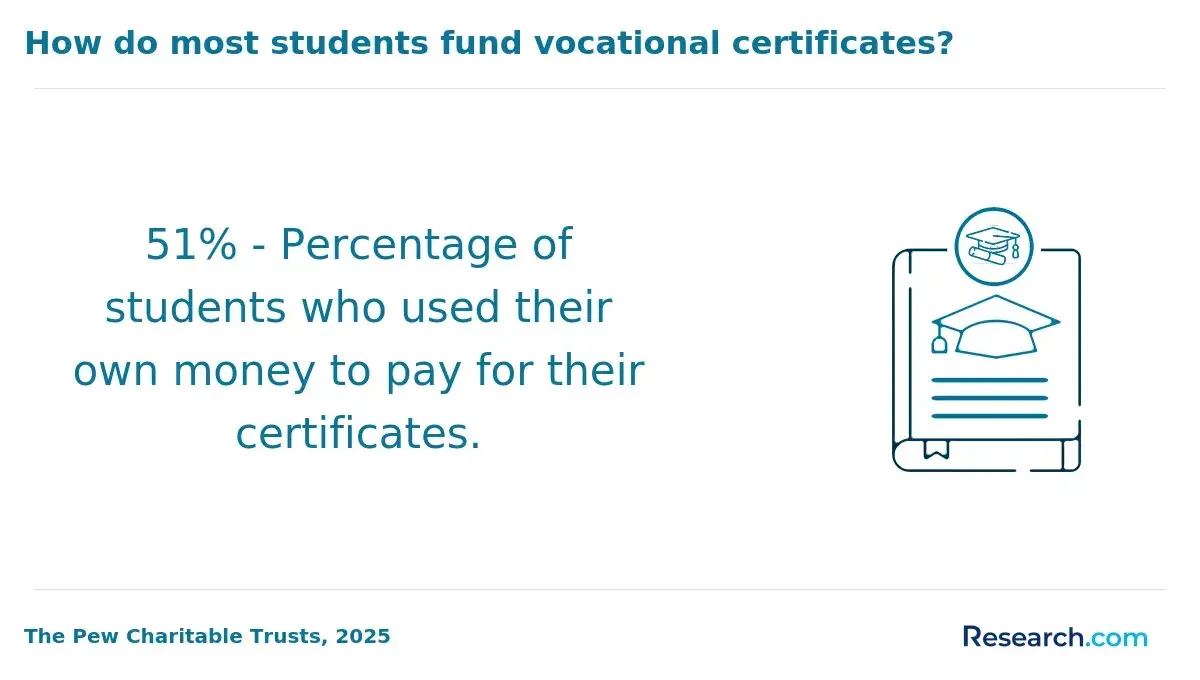
Financial aid is often essential for full-time professionals who want to pursue an online photography degree while managing both work and education expenses. Balancing tuition with ongoing living costs can be challenging, making it important to understand how to qualify for financial aid. Below are key considerations for those seeking financial aid eligibility for working full-time students in online photography programs.
- FAFSA and Federal Aid Eligibility: Most accredited online photography degree programs accept the Free Application for Federal Student Aid (FAFSA), allowing students to apply for federal grants, loans, and work-study. Even professionals working 40 hours per week can qualify for aid if they meet program requirements, demonstrating that you can qualify for federal financial aid for online photography degree programs regardless of full-time work status.
- Income and Financial Need: Need-based aid such as the Pell Grant depends on household income, including earnings from full-time jobs. Higher incomes might reduce eligibility for need-based grants, but other federal loans and non-need-based aid remain available to many working students.
- Employer Tuition Assistance: Many employers offer tuition reimbursement or education assistance benefits, especially if your degree relates to your job. Checking with your HR department can uncover valuable opportunities to offset costs, which is particularly important for those balancing a full-time career and studies.
- Enrollment Status (Full-Time vs. Part-Time): Financial aid eligibility can depend on your enrollment status. While part-time study is often allowed in online photography programs to accommodate working professionals, certain grants and aid options may require half-time or full-time enrollment.
- Scholarships and Private Aid: Several scholarships target online photography students and sometimes do not restrict eligibility based on income or enrollment status. Examples include industry scholarships like the James Alan Cox Foundation. Exploring such options maximizes funding beyond federal aid for working adults.
Working full-time while studying does not automatically disqualify you from financial aid, but understanding these factors helps optimize your chances. For further information about earning potential and flexibility, consider researching online degrees that pay well to find programs that fit your schedule and financial goals.
Employer support has become increasingly important for full-time professionals considering an online photography degree, as balancing work and academics remains challenging. Workplace policies that offer flexibility or financial help can significantly affect a student's ability to maintain job performance while pursuing education. These factors shape the experience of those seeking employer tuition reimbursement for online photography degree programs and career growth.
Key ways employers typically support-or hesitate to support-employees pursuing an online photography degree include:
- Tuition Assistance: Employers may offer tuition reimbursement or scholarships for degrees relevant to the job. This eases the financial burden for employees, particularly in industries where photography skills contribute directly to business goals such as marketing or design.
- Flexible Scheduling: Flexible work hours or remote options help employees attend online classes and manage project-based assignments, essential for photography coursework that often requires creative time commitments.
- Paid Time Off for Study: Some companies provide paid or unpaid leave for study or exams, though this is less common. Such policies can relieve pressure during intensive periods of learning without risking job security.
- Career Advancement Incentives: Earning an online photography degree can lead to promotions or raises in creative roles related to content creation or brand management. Employers may recognize the value added by advanced skills and reward accordingly.
- Performance Concerns: Employers sometimes worry that academic responsibilities will impact job performance. Full-time professionals should discuss workload expectations with supervisors to ensure support and avoid conflicts.
Support levels vary depending on workplace culture and how directly photography skills enhance business outcomes. Employees aiming to balance career growth with education may find it helpful to explore employer support policies and consider industries known for embracing continuing education. For individuals seeking the best introvert jobs, creative fields that value photography expertise often provide more educational accommodations and incentives.
Completing an online photography degree can enhance your earning potential, but several factors shape the salary outcomes. Industry demand is crucial; specialties like commercial or fine art photography often offer higher wages for those with advanced qualifications.
The level of your degree matters as well, with bachelor's graduates averaging around $61,000 annually and top professionals earning above $100,000 as of 2025. Employer attitudes toward online degrees are improving, though some still favor traditional credentials or prioritize proven skills over formal education. Additionally, relevant work experience-such as a strong portfolio and technical know-how-plays a major role in determining salary, sometimes equaling the importance of the degree itself.
Maintaining full-time work while studying provides benefits beyond financial gains. Applying new skills immediately can boost job performance and accelerate promotion opportunities. Staying employed also promotes job security and helps expand your professional network.
However, salary increases are not guaranteed and depend heavily on the specific photography sector, employer advancement policies, and wider economic trends. Freelancers or creatives working project-to-project may see less direct pay improvement from additional education compared to salaried employees.
For full-time workers, selecting an online photography program that aligns with their demanding schedules is crucial to avoid burnout and ensure degree completion. Flexible program design can greatly influence a student's ability to balance work and study effectively. Consider these essential factors when choosing the right program:
- Flexible Scheduling: Opt for programs offering asynchronous classes that allow access to materials anytime, accommodating varied work hours. This flexibility is key for professionals managing unpredictable shifts or deadlines.
- Accreditation and Financial Aid: Verify the school's accreditation to secure eligibility for federal aid and employer tuition reimbursement. Accredited programs maintain educational standards necessary for professional credibility and financial support.
- Portfolio Development: Prioritize courses that emphasize building a strong photography portfolio and include professional practice elements. This focus prepares students to compete successfully in the creative job market.
- Support Services: Look for institutions with robust online advising, technical help, and career counseling available outside regular hours to assist busy students efficiently.
- Technology Requirements: Understand necessary equipment and software before enrolling, as costs and technical skills can impact workload and expenses.
What Graduates Say About Completing an Online Photography Degree While Working Full-Time
- Owen: "As a professional juggling a demanding schedule, the online photography degree offered a well-structured yet flexible learning pace that respected my time constraints. The cost was competitive compared to traditional programs, which made pursuing this dream practical and worthwhile. Thanks to the program, I've expanded both my artistic skills and my professional opportunities. "
- Koen: "Enrolling in the online photography degree while working full-time allowed me to reflect deeply on my passion for visual storytelling. The thoughtful curriculum, combined with affordable tuition, gave me confidence that I was making a sound investment in my future. This journey sharpened my eye and solidified my career path in ways I didn't expect. "
- Callen: "Balancing a full-time job with my online photography degree was challenging, but the flexible pacing made it manageable. The program's focus on practical skills and creative projects truly enhanced my portfolio, opening new doors in my career-all without breaking the bank, as the cost was surprisingly reasonable. I'm grateful for this learning experience that fit seamlessly into my busy life. "
Other Things You Should Know About Photography Degrees
Most programs require a laptop or desktop with at least 16 GB RAM, Adobe Photoshop or Lightroom, a DSLR or mirrorless camera, a card reader, and reliable broadband internet. Some courses also expect file storage, such as 500 GB or more, for large image submissions and editing projects.
In 2027, online photography courses often offer asynchronous learning, allowing students with irregular work schedules to access course materials and complete assignments at their own pace. This flexibility is essential for working professionals aiming to balance work and education efficiently.
Yes, many online photography programs provide one-on-one mentoring and personalized instructor feedback through email, video calls, or dedicated learning management systems. These interactions are often scheduled with consideration for full-time students' availability. Such support helps students improve their technical skills and artistic vision even while balancing work commitments.
- Online Photography Degree | Rocky Mountain College of Art + Design https://www.rmcad.edu/academics/program/online/photography/
- Sychronous vs Asynchronous Class Meaning: What's The Difference? https://edtechmagazine.com/higher/article/2021/10/changing-face-instruction-synchronous-vs-asynchronous-e-learning-perfcon
- From Student Photographer to Professional: Managing Your Academic Load https://www.mefoto.com/student-to-pro-photographer-guide/
- Photography Internships - Roots Interns https://www.rootsinterns.com/academic-focuses/photography-internships/
- Is an Online Photography Class Affordable? https://www.nyip.edu/photo-articles/business/is-an-online-photography-class-affordable
- How Long Does A Photography Degree Take? | Guide By ABD https://allbachelordegrees.com/degrees/arts-and-design/digital-photography/how-long-does-a-photography-degree-take/
- Internships and Trainee Programs | Careers at Sony Pictures Entertainm https://www.sonypicturesjobs.com/internships
- The Photography Institute https://www.thephotographyinstitute.com/us/en/blog-evaluating-online-courses
- Photographer Education for 2025: Career Insights https://www.clippingpathassociate.com/blog/photographer-education-requirements
- Photography BA(Hons) (Online) https://www.falmouth.ac.uk/study/online/undergraduate/photography