2027 Questions to Ask About Online Photography Degree Programs Before You Enroll

Co-Founder and Chief Data Scientist
Choosing the right online photography degree program can be overwhelming amid growing options and diverse course offerings. According to the National Center for Education Statistics, enrollment in digital media and photography-related degrees increased by 18% over the last five years, reflecting heightened industry interest. However, graduation rates and job placement vary widely, affecting career readiness and return on investment.
This article outlines essential questions to evaluate program quality, accreditation, faculty expertise, hands-on opportunities, technology access, costs, and career support. It aims to equip prospective students with the knowledge to make informed decisions aligned with their professional goals.
Key Benefits of Enrolling in Online Photography Degree Programs
- Online photography programs offer flexible scheduling, allowing students to balance coursework with personal and professional commitments more effectively.
- They often reduce costs associated with commuting, housing, and materials, making education more affordable compared to traditional programs.
- Many students report improved work-life balance through asynchronous classes, supporting career advancement without sacrificing family or job responsibilities.
Is the Online Photography Degree Program Accredited?
Accreditation plays a vital role in evaluating online photography degree programs, as it confirms the program meets quality standards recognized by educational authorities. This recognition influences how employers and licensing boards value the degree, impacting career opportunities and eligibility for professional licensure. Attending an accredited program is also essential for accessing federal financial aid and transferring credits. Nearly 90% of students enroll in accredited online programs, underscoring the demand for credentials that support better career outcomes. While photography has fewer specialized accrediting bodies, reputable programs often hold regional accreditation from agencies like the Middle States Commission on Higher Education or the Southern Association of Colleges and Schools Commission on Colleges.
Prospective students must know how to verify accreditation for online photography degrees by consulting trusted sources such as the U.S. Department of Education's database or the Council for Higher Education Accreditation (CHEA) website. Avoiding programs that lack clear or recognized accreditation protects students' long-term investment, as unaccredited degrees may not be accepted by employers or other schools. Some career-focused programs may also be accredited by bodies like the Accrediting Commission of Career Schools and Colleges (ACCSC). Considering accreditation is a critical step before enrollment, ensuring programs align with career and educational goals. For further insights on program affordability and quality, reviewing artificial intelligence degree programs can provide useful comparisons, as both fields reflect growing demand for accredited online education.
What Are the Admission Requirements for Online Photography Programs?
Admission criteria for online photography programs play a vital role in helping prospective students evaluate their eligibility and prepare appropriately for the demands of their studies. Clear requirements set expectations and ensure applicants possess the skills and resources necessary to succeed in both creative and technical aspects of the program.
Key admission requirements for enrolling in online photography programs typically include:
- Educational Background: A high school diploma or its equivalent is commonly required to confirm basic academic readiness. This foundational qualification helps programs ensure students can handle coursework effectively.
- Portfolio Submission: Applicants usually submit a portfolio illustrating their photography skills and artistic vision. This demonstrates their creativity and technical ability, which are critical for success in these programs.
- Statement of Purpose: A written essay outlining the applicant's goals and motivation provides insight into their commitment and alignment with the program's objectives. It helps admissions officers assess the applicant's seriousness and fit.
- Technical Requirements: As these programs are online, students must have reliable internet access and appropriate hardware. This ensures they can engage fully in digital coursework and virtual activities.
- Letters of Recommendation: Some programs request references to validate the applicant's character and potential, adding a layer of external evaluation.
Being aware of these requirements prepares students to meet academic and technical standards, ultimately aiding their success in an online photography degree admission criteria evaluation. Those researching related fields might also explore affordable options, such as an engineering online degree, to compare online program structures and costs.
What Classes Do You Take in an Online Photography Program?
Knowing the curriculum details helps prospective students evaluate how well an online photography program aligns with their career goals and skill development needs. Today, about 60% of aspiring creative professionals prefer programs combining theory and practice to ensure comprehensive learning.
Typical classes in such programs often include the following:
- Core fundamentals: These courses cover essential topics like digital imaging, lighting, and composition. Students gain a solid technical base necessary for diverse photographic work.
- Editing software training: Focused on mastering tools such as Adobe Photoshop and Lightroom, these classes enhance the ability to produce polished, professional images.
- Creative electives: Topics like portrait, commercial, or photojournalism photography allow students to specialize and tailor their learning to specific career paths.
- Visual storytelling: These classes develop skills in narrative construction through images, which is vital in advertising and media roles.
One student enrolled in an online photography degree shared that adjusting to virtual classes required discipline, especially balancing technical tutorials with creative assignments. He mentioned, "It was challenging at first to replicate studio lighting setups from home, but the detailed video guides made it manageable." Reviewing portfolios with instructors online helped him improve his eye for detail and receive constructive feedback, making the learning experience more interactive and rewarding than expected.
Knowing how long an online photography degree takes helps students plan their studies, finances, and career steps with precision. This insight ensures realistic expectations for completing coursework and gaining necessary experience.
Consider these typical timelines when evaluating online photography programs:
- Full-Time Study: Typically spans around four years, similar to traditional undergraduate paths. Students maintain a regular course load, allowing steady progress toward degree completion.
- Part-Time Study: Often extends to five or six years because of lighter semester course loads. This option suits those balancing work or personal commitments but requires longer persistence.
- Accelerated Programs: Designed for completion in two to three years by taking extra credits or summer classes. While faster, this path demands strong self-discipline and significant weekly effort.
- Programs with Practical Components: Incorporate internships, portfolio projects, or clinical hours that enhance hands-on skills. These essential experiences can extend the timeline by several months, especially for students juggling other responsibilities.
- Additional Influencing Factors: Transfer credits, course scheduling, and individual learning pace influence total duration. Students need to assess these elements to align program length with their educational and career goals.
Online photography programs often include internships or practicums, though requirements vary by school. These practical experiences may be mandatory or optional and are typically arranged locally through partnerships with studios, media outlets, or community organizations. They play a vital role in helping students refine technical skills, gain industry insight, and build a credible portfolio essential for employment or licensure in specialized fields. Understanding the scope and demands of these hands-on components is critical, as some placements require travel, extra time commitments, or additional costs. Recent data suggests approximately 70% of photography students engage in internships or practicums, underscoring their significance for professional growth.
When asked about her experience, a graduate of an online photography degree shared that securing an internship was both daunting and rewarding. She noted, "Finding a local placement meant juggling schedules and sometimes uncertain communication, but it ultimately expanded my network and gave me confidence behind the camera." She reflected on how navigating client shoots and editing assignments in a real-world environment was challenging at first but boosted her problem-solving skills. Her practicum confirmed the value of hands-on work, saying it "turned abstract lessons into practical know-how," making her more prepared for a photography career.
Graduates of online photography degree programs can pursue professional licensure, but doing so depends largely on state-specific regulations and the career path chosen. Photography itself does not require a universal license like nursing or engineering. Instead, licensure often relates to specialized fields such as commercial photography, drone operation, or teaching credentials. Many online photography degree licensing requirements include coursework aligned with industry standards, practical business skills, and technical certifications. Programs that combine online instruction with hybrid components often provide the hands-on experience necessary to meet some licensing and certification prerequisites.
Licensure is a key consideration for students evaluating online programs because it significantly influences job prospects and earning potential. About 60% of professional photographers hold some form of certification or recognition, which increases client trust and enhances marketability. Those seeking to understand how they can become a licensed photographer online should choose programs offering thorough preparation in legal, business, and technical areas. For those comparing degree options or exploring advanced education pathways, programs focused on fields like photography may complement studies in related areas such as an online masters degree psychology, emphasizing the value of interdisciplinary skills in creative industries.
- Check your state's licensing regulations related to photography careers.
- Choose online degrees with curriculum covering legal and business aspects.
- Consider programs offering preparation for specialized certifications, such as drone photography.
Cost plays a critical role for prospective students when evaluating online photography programs, as it directly impacts budgeting and financial planning. On average, tuition for online photography courses ranges from $300 to $800 per credit hour, though prices vary depending on the institution and program design. Knowing these costs helps students balance educational quality with affordability, especially when exploring affordable online photography courses tuition options.
Typical expenses associated with online photography programs include the following:
- Tuition per Credit: This is the primary cost and usually ranges between $300 and $800 for each credit hour. Tuition covers core instruction, access to digital resources, and faculty support; however, rates differ based on program prestige, location, and content depth.
- Additional Fees: Many programs charge extra fees such as registration, technology, or lab fees, which can add several hundred dollars yearly. These fees support the maintenance of online platforms, software licenses, and administrative services necessary for smooth program delivery.
- Materials and Equipment: Students often need to invest in photography equipment such as cameras, lenses, and editing software. Some programs may include material fees to partially cover supplies or offer discounts on recommended tools, but these costs can still be significant when planning a budget.
- Travel and Accommodation: While many online photography programs are fully virtual, some include optional or required in-person workshops or internships. These components can involve travel and lodging expenses, which should be factored into the overall cost.
By carefully considering these components-tuition per credit, fees, and necessary materials-students can make informed decisions that align with both their academic goals and financial capacity. For those curious about how these investments translate into career outcomes, researching high paying degrees can provide valuable context on the potential returns of photography education.
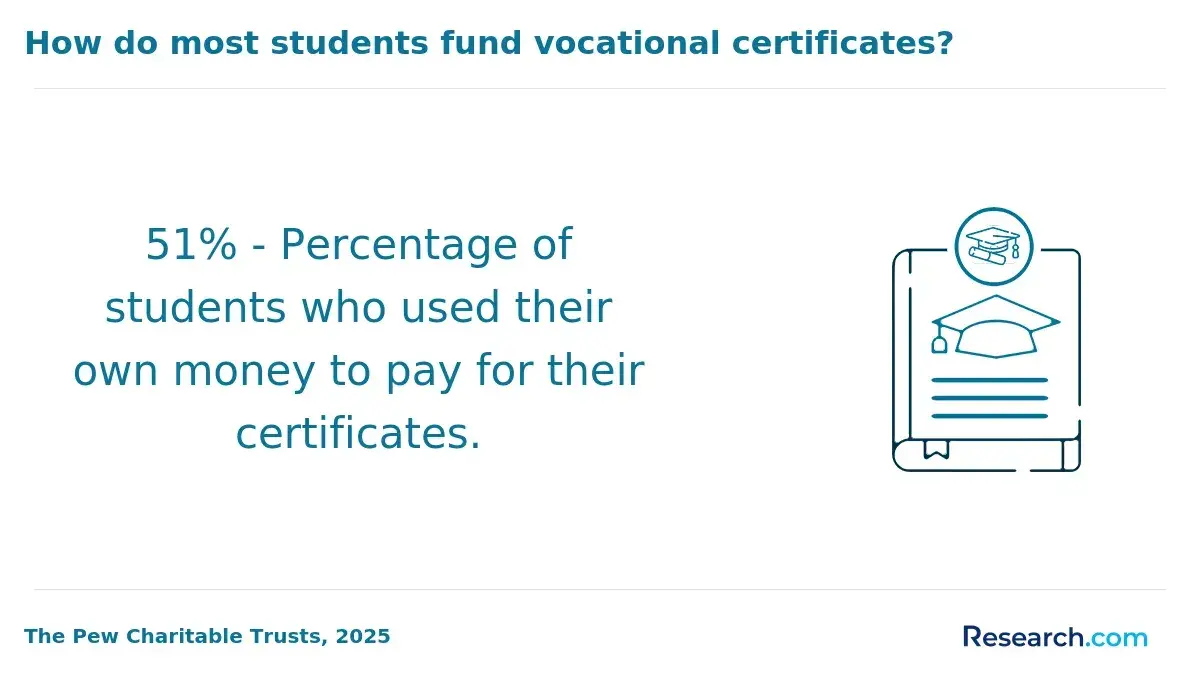
Understanding financial aid options is essential for prospective students considering online photography programs since it directly affects affordability and access. Nearly 85% of college students in arts-related fields receive some form of financial assistance, underscoring the importance of exploring all available resources. This is especially true for those seeking financial aid options for online photography degrees to minimize educational expenses.
Key types of financial aid available to online photography students include:
- Federal financial aid: This encompasses grants, loans, and work-study programs funded by the U.S. government. Eligibility is typically based on financial need as determined by the Free Application for Federal Student Aid (FAFSA), helping to reduce out-of-pocket costs significantly.
- Scholarships: Numerous organizations offer scholarships and grants for online photography students that reward merit, artistic talent, or financial need. Applying often involves submitting a portfolio or application, making this a valuable way to offset tuition and supply costs.
- State grants: Certain states provide grants to residents attending online programs, which do not require repayment and can substantially lower overall program expenses. These grants are an important resource that students should research based on their residency.
- Private loans: Offered by banks or credit unions, these loans can fill funding gaps not covered by other aid, but usually carry higher interest rates than federal loans. Students should weigh these options carefully to avoid excessive debt.
Early exploration of these financial aid options allows students to develop a practical plan that minimizes reliance on high-interest loans. For those also interested in maximizing career outcomes through skill development, research into online certifications can complement photography studies and improve earning potential.
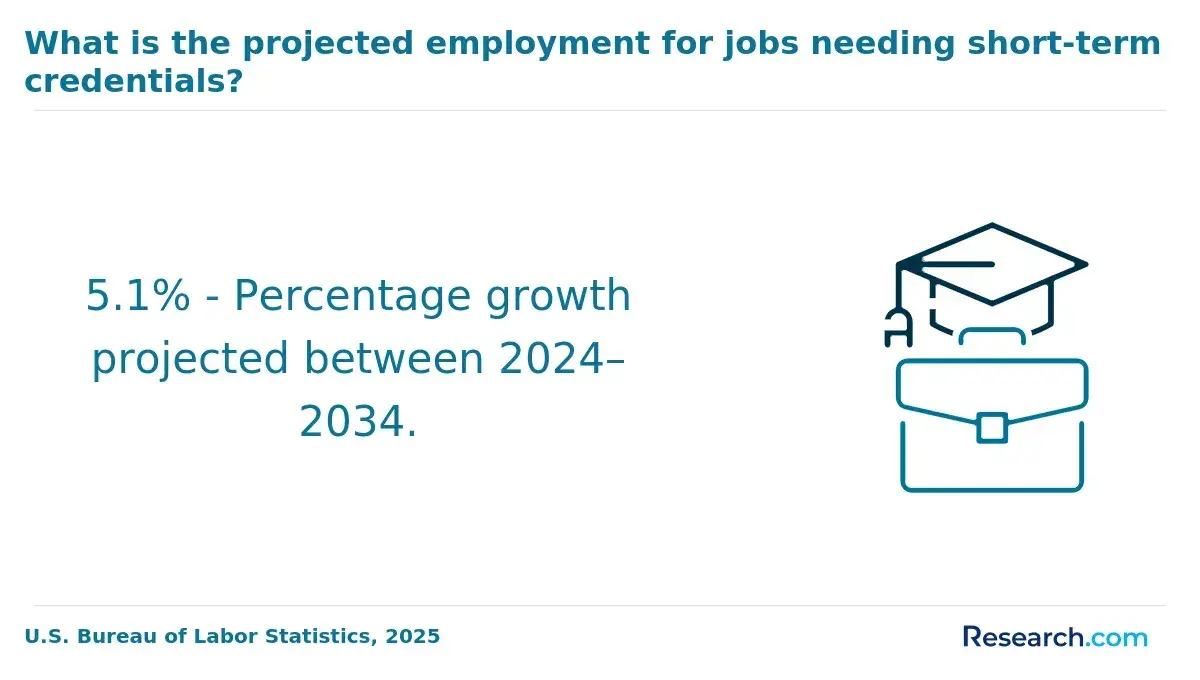
Knowing the range of career opportunities with an online photography degree helps prospective students make informed enrollment decisions. Employment in photography-related fields is expected to grow by 7% over the next decade, reflecting steady demand for skilled professionals. Below is an overview of common roles accessible after completing an online photography program.
- Professional Photographer: This role involves capturing images for events, portraits, or commercial use. Graduates learn technical camera skills and editing, which prepare them to develop a strong portfolio and advance to specialized fields like fashion or wildlife photography.
- Photo Editor: Photo editors select and enhance images for publications, marketing, or digital media. The degree equips students with knowledge of editing software essential for curating visually compelling content and managing production workflows.
- Photography Assistant: Assisting lead photographers on shoots, this position offers hands-on experience in lighting, equipment setup, and client interaction. It often serves as a stepping stone toward independent photography careers.
- Social Media Content Creator: Leveraging photography skills to produce engaging visual content for brands and influencers, this role increasingly requires proficiency in digital tools and storytelling techniques taught in online programs.
- Commercial Imaging Specialist: Focused on product or advertising photography, specialists create images that support marketing strategy. The curriculum's emphasis on composition and digital enhancement aids in meeting industry standards.
Evaluating salary potential is essential for students considering online photography programs as it helps determine the value of their investment and guides future career decisions. Currently, the median annual wage for photographers in the U.S. sits around $41,280, with steady growth anticipated in the coming years.
Several key aspects influence salary levels for graduates in this field:
- Level of education: Advanced degrees or specialized certifications can open doors to higher-paying positions and more sophisticated work roles. Graduates with a bachelor's degree or targeted credentials often have enhanced earning opportunities compared to those with only basic qualifications.
- Specialization: Focusing on niche areas such as commercial, medical, or fashion photography tends to lead to better compensation. These specialized fields often value unique skills that attract clients willing to pay premium rates.
- Experience: Building a strong portfolio and gaining practical experience significantly boosts earning capacity. Professionals with several years in the industry generally command higher fees than recent graduates.
- Geographic location: Salaries vary markedly by region, with urban centers and areas rich in media outlets or advertising agencies offering greater financial rewards. Cost of living and local market demand also play important roles in compensation differences.
- Work setting: Freelance photographers might experience variable income streams based on project availability, while those employed by studios or companies usually enjoy more consistent salaries and benefits. This setting often shapes financial stability and growth potential.
Understanding these factors enables students to better predict their financial outcomes and select online photography programs that align with their career ambitions.
What Graduates Say About Enrolling in an Online Photography Degree
- Callen: "The affordable cost of the online photography degree program truly made my decision easy; with tuition significantly lower than traditional options, I could pursue my passion without financial strain. The course structure was engaging and flexible, allowing me to balance studies with my job. Since graduating, I've landed several freelance gigs that I credit to the skills and portfolio I developed during the program. "
- Koen: "Choosing the online photography degree program was a reflective decision for me, especially considering the average cost of attendance compared to brick-and-mortar schools. The comprehensive curriculum and interactive projects helped deepen my artistic vision while learning at my own pace. Professionally, it opened doors to gallery exhibitions and client work I never thought possible. "
- Owen: "As a professional looking to formalize my skills, the reasonable tuition fee of the online photography degree was a key factor in my enrollment. The experience exceeded expectations with expert feedback and real-world assignments enhancing my technical expertise. This credential has elevated my career, leading to steady assignments and recognition in the industry. "
Other Things You Should Know About Photography Degrees
Most online photography programs recommend or require students to have a digital camera, typically a DSLR or mirrorless model, to complete assignments effectively. Additionally, students should be prepared to use photo editing software such as Adobe Photoshop and Lightroom, which are often included in the curriculum. Access to a reliable computer capable of running these programs smoothly is also important for practical coursework.
In 2027, online photography programs incorporate practical hands-on training through virtual workshops, interactive simulations, and local partnerships for real-world experience. Students may also receive assignments requiring them to complete hands-on projects using their own equipment, which they then submit digitally for evaluation and feedback.
Yes, most online photography degree programs require students to develop a portfolio showcasing their best work as a culmination of their studies. Portfolios are typically submitted digitally and serve as a critical component for graduation and job applications. Programs often provide guidance on portfolio development, emphasizing technical proficiency and creative vision tailored to industry standards.
Many online photography degree programs require a supervised internship or practicum of 120 to 240 hours. Before enrolling, ask whether the placement must be approved by the school, whether it can be completed locally, and whether the work counts toward studio or capstone credit.
- Online Photography Degree and Certificate Programs | Sessions College https://www.sessions.edu/digital-photography-info/
- Enrolling in a Photography Course: What You Need to Know https://www.uniccm.com/blog/enrolling-in-a-photography-course-what-you-need-to-know
- Photography School, Degree, and Career Guide | All Art Schools https://www.allartschools.com/photography/
- Learn Photography Online: Benefits, Pathways and Satisfied Students https://www.baph.co.uk/blog/learn-photography-online--benefits--pathways-and-satisfied-students
- Online Photography Degree https://www.snhu.edu/online-degrees/bachelors/ba-in-digital-photography
- 14 days to try NYIP risk-free https://www.nyip.edu/
- Is An Online Photography Degree Worth It? | All Bachelor Degrees https://allbachelordegrees.com/career-paths/online-photography-degree/
- How To Get A Photography License - Learn How to Sell Art Online - Art Storefronts Blog https://blog.artstorefronts.com/how-to-get-a-photography-license/
- The Photography Institute https://www.thephotographyinstitute.com/us/en/blog-study-online
- The Association of Photographers https://www.the-aop.org/find/accredited-courses