
2027 Most Valuable Online Elementary Education Degree Programs Ranking in Georgia

Co-Founder and Chief Data Scientist
Choosing the right online elementary education degree program in Georgia can feel overwhelming. Our article offers clarity with the 2027 Most Valuable Online Elementary Education Degree Programs Ranking in Georgia, created by the Research.com team of data scientists. This ranking helps you identify which programs provide real value and strong career prospects.
Getting an elementary education degree opens doors to rewarding opportunities, personal growth, and the chance to make a difference in young learners' lives. This guide is designed to support you every step of the way.
Key benefits of getting online elementary education degree in Georgia
- While specific salary data is unavailable, elementary education graduates in Georgia typically earn competitive wages similar to the national average of around $60,000 annually, reflecting steady income potential in rewarding teaching careers.
- Graduates from the University of Georgia's elementary education program often explore diverse roles, from classroom teaching to curriculum development, offering a fulfilling variety of career paths in education.
- Online degrees from institutions like Kennesaw State University offer flexible schedules and affordability, making it easier for students to balance work, family, and studies while earning their elementary education degree.
What can I expect from online elementary education degree in Georgia?
Students pursuing an online elementary education degree in Georgia can expect a rewarding investment in their future, with tuition typically ranging from $6,000 to $12,000 annually for in-state residents at well-known public universities. This affordable cost opens the door to life-changing opportunities without overwhelming financial burdens. Graduates from programs at universities like Georgia Southern or Kennesaw State often share how their education balanced rigorous coursework with flexible schedules, allowing them to work or care for family while progressing confidently toward certification.
The journey includes hands-on learning experiences arranged near their communities, helping students connect theory to real classroom environments. Many feel inspired by how their programs support them through every step- from mastering child development to navigating certification tests mandated by Georgia's Professional Standards Commission. Students appreciate the blend of academic excellence, community support, and practical training that prepares them well for a fulfilling career shaping young minds across Georgia's diverse classrooms.
Where can I work with online elementary education degree in Georgia?
Graduates with an online elementary education degree from well-regarded Georgia institutions often find rewarding careers teaching in public elementary schools across vibrant cities like Atlanta, Savannah, and Augusta, as well as in charming rural communities. Many share how their hands-on experiences during online practicums prepared them to confidently navigate diverse classrooms, making a real difference from day one.
Beyond traditional teaching roles, these graduates embrace exciting opportunities as curriculum coordinators or instructional coaches, helping schools innovate and grow. For instance, some alumni from respected Georgia colleges have worked closely with local districts, leading technology integration efforts that enhance student engagement and learning.
Private and charter schools also seek passionate educators with Georgia certification, opening doors to dynamic environments where creativity thrives. Others have thrived in nonprofit organizations or local education centers, developing literacy programs that transform lives.
With Georgia's growing need for skilled elementary educators, a degree from a trusted program empowers you to step into a fulfilling, impactful career that shapes the future of children and communities statewide.
How much can I make with online elementary education degree in Georgia?
Graduates with an online elementary education degree in Georgia can look forward to rewarding career opportunities with competitive salaries. Many alumni from well-regarded programs at institutions like Kennesaw State University and Augusta University share that starting salaries typically range from $40,000 to $47,000 annually. This aligns with the Georgia Department of Education's average beginning teacher salary of about $45,600, offering a solid foundation as you begin your teaching journey.
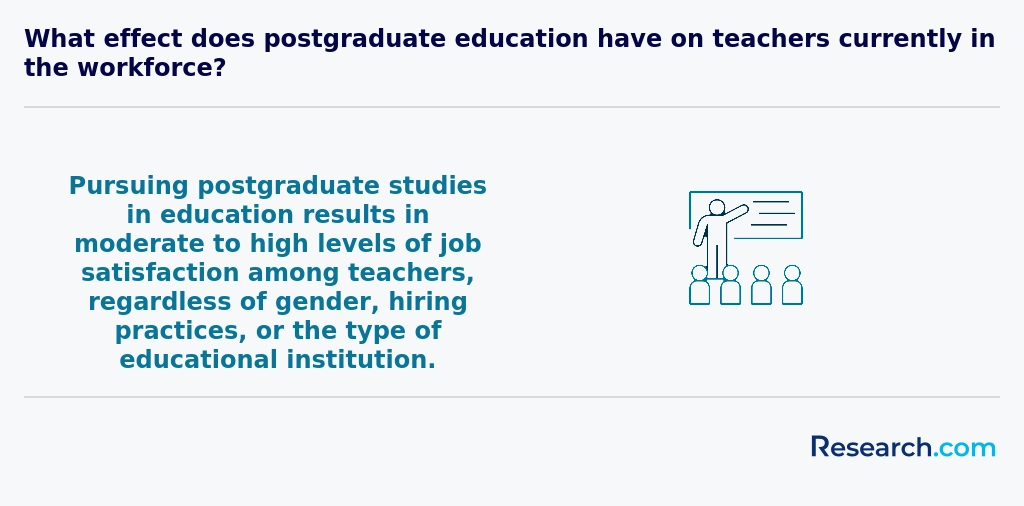
With dedication and experience, these earnings tend to grow substantially. After several years in the classroom, many educators enjoy salaries between $55,000 and $70,000, especially in thriving districts such as Atlanta Public Schools. These graduates often mention the excitement of advancing their careers by pursuing master's degrees, which can boost pay by up to 10%, reflecting their commitment to excellence and lifelong learning.
The combination of an online degree, state certification, and real-world teaching in diverse Georgia communities creates a stable and fulfilling pathway. Whether in bustling metro Atlanta or smaller towns, elementary educators find meaningful work that balances financial growth with personal satisfaction.
- Key benefits of getting online elementary education degree in Georgia
- What can I expect from online elementary education degree in Georgia?
- Where can I work with online elementary education degree in Georgia?
- How much can I make with online elementary education degree in Georgia?
- How do we rank schools?
- 2027 Most Valuable Online Elementary Education Degree Programs Ranking in Georgia
- What online elementary education degree graduates have to say
- Key Findings
- How long does it take to complete online elementary education degree in Georgia?
- What's the difference between online and on-campus elementary education degree?
- What is the average cost of online elementary education degree in Georgia?
- What financial aid is available to online elementary education degree students in Georgia?
- What are the prerequisites for enrolling in online elementary education degree program in Georgia?
- What courses are typically in online elementary education degree programs in Georgia?
- What types of specializations are available in online elementary education degree programs in Georgia?
- How do you choose the best online elementary education degree in Georgia?
- What career paths are available for online elementary education degree students in Georgia?
- What is the job market for online elementary education degree in Georgia?
- Frequently Asked Questions About elementary education
- Related Elementary Education Rankings for Nearby States
- Top Trending Elementary Education Rankings
How do we rank schools?
Investing in your education is a significant decision, and the Research.com team is keenly aware of the responsibility involved in helping you make the best choice. To support prospective students in Georgia, we have carefully developed the "2027 Most Valuable Online Elementary Education Degree Programs Ranking in Georgia." Our dedication to quality, credibility, and accuracy is demonstrated by the thorough research and data analysis behind this ranking.
We utilized the following reputable data sources to ensure a comprehensive and reliable evaluation of elementary education programs:
By exploring this ranking, readers will gain valuable insights into the most worthwhile online programs available in Georgia, empowering them to make informed decisions that align with their career goals. For more information about how this ranking was created, please visit our Research.com methodology page.
2027 Most Valuable Online Elementary Education Degree Programs Ranking in Georgia
# 1 position

Valdosta State University offers a Master's program focused on Elementary Education and Education, designed to be completed in 18 months. The program has a less selective acceptance rate of 72%, with a graduation rate of 42%. Approximately 7,705 students study online, and 93% of students receive high levels of financial aid. The average total cost for the program is $10,548.
# 2 position
Brenau University
Master
Brenau University offers a Master's program focused on Elementary Education and Education. The program lasts 24 months and has an acceptance rate of 88%, reflecting an open admission policy. The average total cost for the degree is $23,550. About 99% of students receive financial aid, indicating high levels of support. The graduation rate for this program is 33%, providing insight into student completion outcomes.
# 3 position
Valdosta State University
BachelorValdosta State University offers a Bachelor's degree focused on Elementary Education and Education with a program length of 48 months. The university has a less selective acceptance rate of 72%, welcoming a broad range of applicants. Graduates experience a 42% completion rate. The average total cost is $35,880, while 93% of students benefit from high levels of financial aid. The program includes 7,705 online students enrolled.
# 4 position
Brenau University
DoctorBrenau University offers a 24-month Doctoral program focused on Elementary Education and Education. The program features an open admission policy with an acceptance rate of 88%. The average total cost is $51,300, and 99% of students receive financial aid, indicating high aid levels. The graduation rate stands at 33%, reflecting the program's completion challenges for enrolled students.
# 5 position
Brenau University
BachelorBrenau University offers a Bachelor's degree focused on Elementary Education and Education. The program spans 48 months and has an open admission policy with an 88% acceptance rate. The average total cost is $86,160. About 99% of students receive high levels of financial aid. The graduation rate stands at 33%, reflecting the percentage of enrolled students who complete the program.
What online elementary education degree graduates have to say
- Studying at Georgia Southern University's online program gave me the flexibility to balance family and coursework smoothly. The interactive classes and supportive faculty made learning enjoyable and effective. I felt truly prepared to inspire young minds. Highly recommend for those seeking practical, high-quality elementary education! - Jessica
- The University of West Georgia's online elementary education degree exceeded my expectations. The curriculum is engaging, and the real-world applications helped me gain confidence as a future teacher. I appreciated how accessible the instructors were, always encouraging me to grow professionally. It was a rewarding journey! - David
- Mercer University's online program combined rigorous academics with a strong community feel. Even studying remotely in Georgia, I felt connected and motivated. The program's focus on inclusive teaching strategies prepared me to support diverse classrooms effectively. This experience empowered me to pursue my passion with confidence. - Maria
Key Findings
- Online elementary education degrees in Georgia meet state licensure requirements and offer flexible remote coursework.
- Bachelor's degree tuition ranges from $15,000 to $30,000, with lower rates available for in-state public university students.
- Starting salaries for graduates average about $43,000 annually, increasing to around $56,000 mid-career with experience and additional credentials.
- There is strong demand for elementary teachers in Georgia, especially in suburban and rural areas experiencing teacher shortages.
- Programs should be accredited by recognized bodies like CAEP to ensure quality and eligibility for state certification.
How long does it take to complete online elementary education degree in Georgia?
Completing an online elementary education degree in Georgia typically takes about four years for full-time students, mirroring the traditional pace of on-campus programs. Many graduates from popular universities like Kennesaw State University and Georgia Southern University share how this timeline gave them the ideal balance of rigorous study and practical experience.
For those juggling work or family commitments, part-time options extend the journey to around six years, offering flexibility without sacrificing progress. Imagine completing courses during evenings while still gaining hands-on classroom experience through local practicums-a path many find empowering and manageable.
Transfer students with prior college credits can often fast-track their degree, completing it in as little as two to three years. These streamlined pathways at institutions such as Valdosta State University inspire confidence, showing that with dedication and support, success is within reach.
Ultimately, Georgia's thoughtfully designed programs blend theory with real teaching practice, preparing students to thrive as educators while respecting their unique pacing needs.
What's the difference between online and on-campus elementary education degree?
Choosing between online and on-campus elementary education degrees in Georgia offers exciting opportunities tailored to your lifestyle and learning preferences. Online programs at institutions like Kennesaw State University and Valdosta State University provide incredible flexibility, allowing you to balance coursework with work or family commitments. Imagine participating in engaging video lectures or lively discussion boards right from your home, shaping your teaching skills at your own pace.
On-campus programs, meanwhile, offer vibrant, face-to-face experiences full of collaboration and immediate support. Many students value the energy of campus life, with access to libraries and advisors boosting their confidence and motivation as they prepare to become inspiring educators.
Both paths share a commitment to hands-on student teaching in local Georgia schools, making the dream of making a difference in children's lives very real. Graduates cherish the meaningful connections formed through their experiences, whether online or on-campus, that empower them to step confidently into their careers.
What is the average cost of online elementary education degree in Georgia?
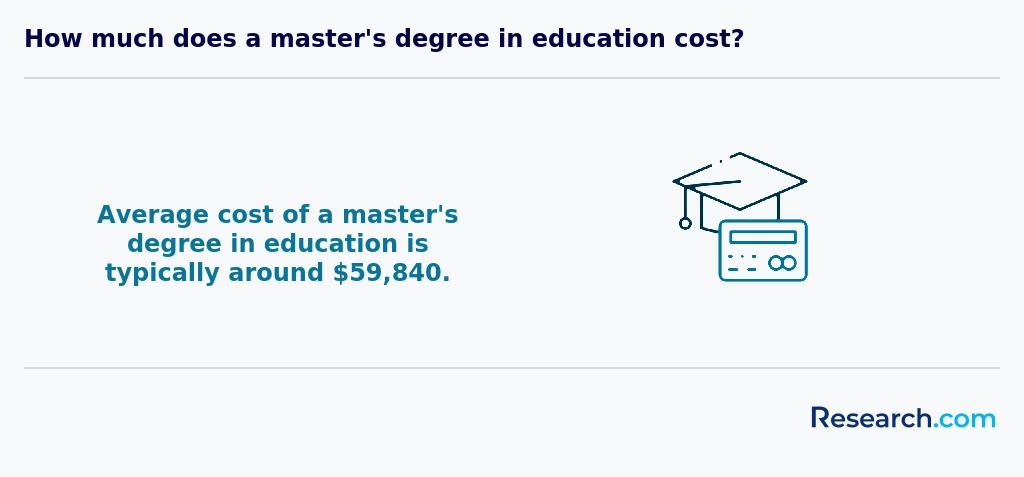
The average cost of an online elementary education degree in Georgia is around $35,880, a figure that reflects a balance between quality education and affordability for aspiring teachers. Graduates from popular institutions like Georgia Southern University and the University of West Georgia often share how this investment felt manageable and worthwhile, especially considering the supportive communities and flexible online environments those schools offer. Many students find the tuition and fees for elementary education degrees in Georgia align well with their financial plans, allowing them to focus fully on their studies and future classroom success.
With public in-state tuition typically averaging $300 to $400 per credit hour, combined with mandatory fees and course materials, the full program cost remains competitive compared to national averages. This accessibility encourages many future educators to pursue their passion confidently. Scholarships like the HOPE Scholarship and financial aid options help lighten the financial load, making the path to becoming an elementary teacher even more achievable. Students often describe the relief and motivation these resources provide, fueling their dedication to complete their degrees.
For those looking to explore further education opportunities, many also consider pathways such as an online masters in instructional design to expand their skills and career options beyond elementary education.

What financial aid is available to online elementary education degree students in Georgia?
Many students pursuing an online elementary education degree in Georgia find financial aid to be a powerful enabler of their dreams. Graduates from institutions like the University of Georgia and Kennesaw State University often share how Pell Grants helped reduce their tuition burden, giving them peace of mind while focusing on their studies. By completing FAFSA, you may access grants like Pell and FSEOG, which provide thousands of dollars annually to support your education journey.
Georgia's HOPE Scholarship is another shining beacon, offering merit-based aid that can cover up to 100% of tuition at public universities. Imagine studying at Georgia Southern University knowing that this scholarship lightens your financial load because of your hard work and dedication. For future teachers, the HOPE Teacher Scholarship specifically empowers you to achieve your goals while promising a rewarding teaching career in Georgia's communities.
Plus, many local school districts support aspiring educators with tuition reimbursement and loan forgiveness programs-perfect for those committed to making a difference where it matters most. These opportunities transform financial challenges into stepping stones toward a fulfilling career.
What are the prerequisites for enrolling in online elementary education degree program in Georgia?
To enroll in an online elementary education degree in Georgia, you'll need a high school diploma or equivalent, which sets a solid foundation for your teaching journey. Many graduates from well-known universities like Georgia Southern University share how starting with an associate degree or some college credits made their transition smoother and boosted their confidence. Imagine confidently stepping into your first online class, knowing you're well-prepared for success.
Standardized tests like the GACE are vital milestones on this path. Passing these assessments ensures you're ready to inspire young learners in literacy, writing, and math. Graduates often recall how early preparation for the GACE helped unlock opportunities for hands-on practicums and student teaching placements in Georgia's vibrant school communities.
Maintaining a competitive GPA-usually around 2.75 or higher-shows your dedication and readiness to thrive academically. Alongside this, background checks and fingerprinting safeguard students and create a secure learning environment, highlighting your commitment to becoming a trusted educator.
Many programs value letters of recommendation and personal statements, offering you chances to share your passion and real-life experiences working with children. These elements together open doors to rewarding educational careers across Georgia.
What courses are typically in online elementary education degree programs in Georgia?
Online elementary education degree programs in Georgia offer a dynamic curriculum designed to inspire and empower future teachers. Graduates from popular colleges in Georgia often reflect on how courses like Educational Psychology gave them a deep understanding of how children learn and grow, helping them connect with young students in meaningful ways.
Curriculum Development classes equip students with the skills to design engaging lessons tailored to Georgia's state standards, making every class vibrant and effective. Instructional Technology courses encourage innovative teaching through digital tools, preparing graduates to create exciting, interactive classroom experiences.
Many students find Reading and Literacy Instruction especially rewarding, as it directly impacts children's ability to thrive academically and personally. Classroom Management and Mathematics Methods courses build confidence, helping future teachers maintain a positive, organized environment while delivering math in relatable ways.
Hands-on practicum opportunities in well-known Georgia universities provide invaluable real-world experience, making the journey to becoming a certified teacher both inspiring and achievable for online learners.
What types of specializations are available in online elementary education degree programs in Georgia?
Online elementary education degree specializations in Georgia open doors to rewarding careers with focused expertise. Many graduates from renowned colleges in the state choose Early Childhood Education, where they joyfully guide young learners from pre-kindergarten through second grade. Their training includes understanding childhood development and crafting engaging lessons that spark curiosity.
Special Education is another vital focus area, empowering teachers to support students with unique learning needs. Graduates often share how rewarding it feels to create inclusive classrooms where every child thrives. Within Georgia's dynamic schools, this specialization meets a growing demand, reflecting the state's commitment to diverse learners.
Georgia elementary education online degree focus areas also include Reading and Literacy, where educators become champions of literacy, helping students unlock the power of reading. ESL specialization is popular too, inspiring teachers to embrace cultural diversity and promote language growth among English learners.
Those passionate about innovation pursue STEM education, motivated by Georgia's push for early science and math skills. For those exploring options, programs like the cheapest online EdD demonstrate how affordability can align with quality education.
How do you choose the best online elementary education degree in Georgia?
Choosing the best online elementary education degree in Georgia means focusing on programs that combine quality, practical experience, and affordability. Graduates from public institutions like Georgia Southern or Kennesaw State often share how their programs offered a perfect blend of online flexibility and local student teaching placements, making real classroom experience accessible despite busy schedules. Such programs provide the support and resources that inspire confidence and success, especially with licensure exams like the Georgia Assessments for the Certification of Educators (GACE).
Affordable elementary education programs in Georgia often stand out for their competitive tuition rates and comprehensive curricula designed for working adults. Many students appreciate the strong academic advising and career services, which help ease the path from study to employment in the state's schools. By comparing programs that emphasize accreditation, local practice, and student support, you can find a perfect fit that fuels your passion to teach.
For those eager to advance even further, exploring online doctoral programs without dissertation can open exciting new doors in education leadership and innovation.
What career paths are available for online elementary education degree students in Georgia?
Graduates with an online elementary education degree in Georgia find themselves stepping into vibrant career paths filled with opportunity and impact. Many become licensed elementary school teachers, inspiring young minds in classrooms across the state, from bustling urban schools to welcoming rural communities. Others evolve into roles like instructional coordinators or curriculum developers, shaping education beyond the classroom through thoughtful planning and innovation. Universities like the University of Georgia and Kennesaw State University prepare graduates to confidently navigate these paths, blending theory with real-world problem solving. This dynamic field also opens doors to special education, where professionals passionately support diverse learners, enhancing inclusivity in schools.
For those exploring broader horizons, careers in educational consultancy, after-school program leadership, or tutoring offer meaningful ways to engage with education. Many graduates build on their experience to pursue advanced opportunities or enhance their skills through programs like online school psychology programs NASP approved, expanding their positive impact. These diverse avenues make online elementary education degree careers in Georgia exceptionally rewarding and inspiring.
What is the job market for online elementary education degree in Georgia?
Graduates pursuing an online elementary education degree in Georgia find a promising job market energized by the state's expanding student population and dedication to reducing class sizes. Schools across Georgia, from bustling Atlanta to smaller rural districts, increasingly seek qualified teachers, reflecting real opportunities for new educators. Many graduates from respected Georgia universities share stories of landing rewarding positions soon after completing their online programs, benefiting from the flexibility these programs offer to balance study with life commitments.
With over 93,000 teachers employed statewide, most districts actively recruit elementary education graduates, ensuring that the job outlook for elementary education graduates Georgia remains encouraging. Salaries are competitive, with entry-level teachers starting near $42,000 and average wages around $61,000, making teaching a viable and fulfilling career path.
For those interested in broadening their skills, combining elementary education with another field is possible through an online mathematics degree, enhancing their expertise and marketability.
Frequently Asked Questions About elementary education
Students pursuing online elementary education degrees in Georgia can maximize their learning by actively engaging with their courses and utilizing available resources. According to the Georgia Professional Standards Commission, candidates should focus on both content knowledge and practical teaching skills to meet state certification requirements.
Joining online study groups and participating in virtual discussions helps deepen understanding and build connections with peers. Additionally, accessing Georgia-specific curriculum guides and state standards can align learning with local classroom expectations.
Regular communication with instructors and seeking feedback on assignments improves skill development. Utilizing Georgia public library resources and education technology tools also supports effective study habits and practical application.
The field of elementary education in Georgia is evolving, with several emerging niches gaining importance. One key area is special education, where teachers are trained to support students with diverse learning needs. According to the Georgia Department of Education, there is a rising demand for qualified educators in this specialty.
Another growing niche involves the integration of technology in classrooms. Educators skilled in digital literacy help young students navigate online learning tools, an essential skill highlighted by recent educational shifts due to the COVID-19 pandemic.
Additionally, multilingual education is expanding as Georgia's student population becomes more diverse, increasing the need for teachers qualified in English as a Second Language (ESL) instruction.
Preparing for the job market after earning an online elementary education degree in Georgia involves several key steps. First, obtain Georgia teacher certification, which requires passing the GACE exams specific to elementary education. According to the Georgia Professional Standards Commission, certification is mandatory for public school employment.
Next, gain practical experience through student teaching during your degree or seek substitute teaching opportunities. This hands-on experience boosts your resume and professional skills.
Networking is important; join organizations like the Georgia Association of Educators to connect with local professionals. Additionally, research job openings on the Georgia Department of Education website and tailor your application materials for regional districts.
Employers in Georgia prioritize several key skills when hiring graduates with elementary education degrees. Strong classroom management abilities rank highly, allowing teachers to create a positive learning environment for diverse student groups. Communication skills are essential, enabling clear interaction with students, parents, and colleagues.
Adaptability is critical as teachers in Georgia often work with students who have varying educational needs and backgrounds. Familiarity with state standards such as the Georgia Standards of Excellence (GSE) is important for curriculum planning.
Research from the Georgia Department of Education shows employers also value technology proficiency, especially in using digital tools for instruction and assessment.
Finding internships in Georgia related to an elementary education degree involves a combination of networking, research, and leveraging university resources. Many Georgia colleges with online elementary education programs have partnerships with local school districts, facilitating practicum placements essential for certification.
The Georgia Department of Education recommends contacting district offices directly to learn about available internship opportunities. Additionally, platforms such as Georgia's Educator Preparation Provider websites list approved programs and affiliated schools.
Internships often include classroom assistant roles or student teaching, providing hands-on experience. According to recent data from the Georgia Professional Standards Commission, over 80% of education candidates complete an internship through their program, emphasizing its importance in licensure pathways.
Obtaining an online elementary education degree in Georgia significantly enhances career mobility and advancement opportunities within the state's education system. According to the Georgia Professional Standards Commission, a degree is essential for teacher certification, which is required to teach in public elementary schools. This certification opens doors to higher-paying positions and leadership roles.
Online programs accredited by recognized bodies offer flexible schedules, allowing working professionals to advance their qualifications without leaving their jobs. The Georgia Department of Education reports that teachers with bachelor's degrees in education typically earn starting salaries around $40,000, with experienced teachers or those who pursue additional credentials earning substantially more.
Moreover, an online degree facilitates access to roles beyond traditional classrooms, such as curriculum development or academic coaching. Georgia's education sector values continuous learning, and online degree holders often qualify for promotions or specialized assignments faster than non-degree holders.
Studying for an elementary education degree in Georgia equips students with skills to engage in interdisciplinary roles by combining core teaching methods with knowledge from fields like psychology, technology, and special education. Georgia's teacher preparation programs often integrate state standards that promote collaboration across subjects, enhancing adaptability in diverse classroom settings.
According to the Georgia Professional Standards Commission, nearly 80% of elementary programs include coursework in child development and educational technology, essential for interdisciplinary teaching. This approach prepares graduates to support varied student needs, from literacy to STEM-focused learning.
Online degrees in Georgia emphasize flexible learning paths, allowing students to apply theory across multiple disciplines effectively.
Choosing between a thesis and a non-thesis elementary education degree in Georgia depends on your career goals and time commitment. Thesis programs require conducting original research and writing a detailed paper, which is ideal if you aim for roles in educational research, policy, or plan to pursue a doctoral degree.
Non-thesis programs focus on coursework and practical skills, preparing students for immediate teaching positions and certification, which is crucial as Georgia requires proper credentials for public elementary school teachers.
According to the Georgia Professional Standards Commission, most teacher preparation pathways emphasize applied knowledge over research, making non-thesis options more common.
Consider your learning style and future ambitions carefully before deciding.
Students based in Georgia seeking online elementary education degrees with an international focus have limited direct options through U.S. accredited programs abroad. Most U.S. institutions offering such degrees emphasize domestic licensure aligned with Georgia's state certification requirements. Official data from the Georgia Professional Standards Commission highlights that out-of-state or international programs must meet Georgia's standards for teacher certification for graduates to teach locally.
Online degrees with international components typically come from global partnerships or exchange programs, but these are rare for elementary education compared to secondary or higher education. Therefore, Georgian students often pursue American-accredited online programs emphasizing local pedagogy while supplementing their studies with international courses or experiences.
Attending fully foreign universities online is uncommon due to licensure and recognition challenges within Georgia's educational system. This impacts the practical application of degrees earned abroad.
In Georgia, part-time jobs related to elementary education degrees can significantly enhance a student's learning and professional prospects. Common roles include teacher's aides, after-school program assistants, and tutoring positions focused on elementary-aged children. These roles provide practical experience in classroom management and child development. According to the Georgia Department of Education, demand for support staff in schools is growing alongside student enrollment rates.
Additionally, many online degree students work with local community centers or non-profits offering educational programs. These positions allow flexible hours and strengthen communication and instructional skills, which are crucial for future teachers. Such employment complements coursework and prepares students for certification requirements efficiently.
Online elementary education students in Georgia have access to several valuable networking opportunities despite the distance learning format. Many universities offering online programs encourage participation in virtual professional learning communities and student organizations related to education. For example, the Georgia Association of Educators provides online forums and events where students can connect with experienced teachers and peers.
Additionally, state-sponsored job fairs and conferences, such as those held by the Georgia Department of Education, offer virtual attendance options. These events allow students to engage with school districts and administrators.
Engaging in practicum placements within Georgia schools also helps students build local connections critical for employment after graduation.
Alumni networks offer significant advantages for online elementary education degree students in Georgia. These networks connect current students with graduates who have firsthand experience working in Georgia's public and private schools. This access provides valuable insights into teaching practices and classroom management tailored specifically to state standards.
Many universities emphasize building strong alumni communities, which facilitate mentorship and professional development. According to the Georgia Department of Education, nearly 95% of graduates from elementary education programs find employment within the state, making local alumni connections particularly useful for job placement.
Moreover, alumni networks often share information about continuing education opportunities, workshops, and state certification requirements, helping students navigate their careers smoothly.
In Georgia, many online elementary education degree programs offer customization options to align with your career goals. You can typically select elective courses focusing on special education, literacy, or STEM teaching methods. Some programs allow specialization in early childhood or middle-grade education, depending on your interests.
Additionally, Georgia's Teacher Certification programs often integrate field experiences or virtual practicums that match your desired teaching setting. According to the Georgia Professional Standards Commission, tailoring your practicum can improve job readiness in specific districts.
Several universities also provide opportunities for additional endorsements, such as ESOL or reading specialist certificates, which can enhance your qualifications and salary potential.
Online elementary education students in Georgia commonly face challenges related to technology access and digital literacy. According to the Georgia Department of Education, nearly 10% of students statewide experience limited reliable internet service, which can similarly affect adult learners. This limitation makes attending live lectures and submitting assignments on time difficult.
Another issue is balancing coursework with personal and professional responsibilities. Many students in online programs are working adults or parents, leading to time management stress. Furthermore, students often report a lack of hands-on classroom experience and direct mentorship, which are vital for practical teaching skills.
Finally, navigating state-specific certification requirements online can be complex, as Georgia's teacher preparation standards demand both academic coursework and in-person clinical practice.
Graduates with an online elementary education degree in Georgia can pursue several professional certifications to advance their teaching careers. The primary credential is the Georgia Professional Standards Commission (GaPSC) teaching certificate, required for public school teachers. This certification includes levels such as the initial and professional certificates.
Many elementary educators also choose to earn endorsements in areas like special education, English to Speakers of Other Languages (ESOL), and reading instruction. These endorsements enhance job prospects and meet diverse student needs.
Additionally, teachers may pursue National Board Certification, a prestigious credential recognized nationwide, which can lead to higher salaries and leadership opportunities.
According to the GaPSC, over 70% of Georgia elementary teachers hold at least one endorsement, reflecting a strong trend toward specialization for improved student outcomes.
Writing a winning application for an online elementary education program in Georgia begins with thorough research. Understand program requirements, such as GPA minimums or prerequisite courses, often around a 2.5 to 3.0 GPA. Highlight your passion for teaching and commitment to Georgia's education standards, which emphasize student-centered learning approaches.
Include clear, concise personal statements demonstrating your motivation and relevant experiences, such as tutoring or volunteering in local schools. Strong letters of recommendation from educators or supervisors familiar with your skills also strengthen your application. According to the Georgia Professional Standards Commission, attention to state certification requirements is essential.
Finally, ensure your application is error-free and submitted before deadlines to improve chances of acceptance.
Elementary education careers in the United States, including Georgia, are influenced by global trends emphasizing early childhood learning and culturally responsive teaching. According to the Georgia Professional Standards Commission, teachers with elementary education degrees often engage with diverse classroom populations, reflecting increasing multicultural awareness worldwide.
Globally, there is a growing recognition of the importance of foundational skills such as literacy and numeracy, which aligns with U.S. educational priorities. In Georgia, demand for qualified elementary educators is steady, supported by data from the National Center for Education Statistics showing a projected job growth rate of about 4% for elementary school teachers through 2030.
Internationally, elementary educators are expected to adapt to technologies and global curricula standards, which influence online degree programs in Georgia, preparing graduates to compete in both local and broader educational environments.
Gaining practical experience while studying for an online elementary education degree in Georgia typically involves completing supervised fieldwork or student teaching. Most accredited Georgia programs require these hands-on experiences to meet state certification standards. According to the Georgia Professional Standards Commission, candidates must complete a minimum number of clinical hours, often around 200, in local schools.
Students can usually arrange internships or placements within their communities, which allows balancing practical work with online coursework. Collaborations between universities and Georgia public schools enable candidates to gain experience in diverse classroom settings. This real-world exposure is critical for developing teaching skills, classroom management, and lesson planning.
Choosing the right concentration within an online elementary education degree program in Georgia depends on your career goals and the needs of the local education system. Georgia offers various concentrations such as early childhood education, special education, and literacy development. According to the Georgia Professional Standards Commission, areas like special education are in high demand due to increasing student diversity.
Consider your interests and strengths, as well as certification requirements. For example, pursuing a specialization in special education may require additional coursework and field experience. Reviewing job market trends in Georgia's school districts can also guide your choice.
Online programs accredited by GA PSC ensure alignment with state teaching standards.
Related Elementary Education Rankings for Nearby States
- 2027 Most Valuable Online Elementary Education Degree Programs Ranking in Florida
- 2027 Most Valuable Online Elementary Education Degree Programs Ranking in Alabama
- 2027 Most Valuable Online Elementary Education Degree Programs Ranking in Kentucky
- 2027 Most Valuable Online Elementary Education Degree Programs Ranking in Missouri
- 2027 Most Valuable Online Elementary Education Degree Programs Ranking in Kansas
Top Trending Elementary Education Rankings
References
- Networking in Education: Build a Professional Learning Network https://progresslearning.com/news-blog/networking-for-educators/
- 20-Time In Education Inspire. Create. Innovate. - K-12 Challenges and Recommendations https://www.20timeineducation.com/20-project/20-time-ideas/grade-level-recommendations
- Online Teaching Jobs | Elevate K-12 https://www.elevatek12.com/online-teaching-jobs/
- Changing Careers to Become a Teacher in Georgia https://teachinthepeach.org/plan/changing-careers/
- Online Bachelor of Education (Elementary) https://www.uregina.ca/academics/programs/education/online-bachelor-education-elementary.html
- Why Teacher Networking is So Important https://heartandart.ca/why-teacher-networking-is-so-important/
- Perspective | Developing global perspectives for future teachers — and their students https://www.ednc.org/developing-global-perspectives-for-future-teachers-and-their-students/
- How to Choose a Concentration for Your Master of Education 3 Questions to Consider https://www.aiuniv.edu/degrees/education/articles/how-to-choose-an-education-specialization
- Events & Opportunities https://connect.teachforall.org/events-opportunities
- Elementary Education B.S. https://www.gcsu.edu/education/teached/elementary-education-bs


