
2027 Most Affordable Online Elementary Education Degree Programs Ranking in Missouri

Co-Founder and Chief Data Scientist
If you're considering a career in elementary education, finding the right online degree program in Missouri can feel overwhelming. This article introduces the 2027 Most Affordable Online Elementary Education Degree Programs Ranking in Missouri created by the Research.com team of data scientists.
Our ranking helps you make an informed choice by highlighting affordable and reputable options tailored to your needs. Pursuing an elementary education degree opens doors to rewarding opportunities and the chance to make a real difference in young learners' lives.
Explore the ranking and take a confident step toward your future.
Key benefits of getting online elementary education degree in Missouri
- Elementary education graduates in Missouri often start with a median annual salary around $60,000, reflecting rewarding opportunities to make a positive impact in classrooms.
- Graduates from Missouri State University typically pursue careers as elementary teachers, curriculum specialists, or school counselors, all offering diverse and meaningful career paths.
- Online degrees from institutions like the University of Missouri provide flexible schedules and lower costs, making it easier for busy adults to earn their degree without sacrificing work or family time.
What can I expect from online elementary education degree in Missouri?
The average cost of an online elementary education degree in Missouri typically ranges from $7,000 to $15,000 per year, depending on the institution and program length. For example, graduates from Missouri State University and University of Missouri report an affordable tuition compared to traditional on-campus degrees, providing significant cost savings without sacrificing quality.
Many students appreciate how programs offer financial flexibility while still maintaining rigorous standards mandated by Missouri's certification requirements. The balanced cost structure allows working adults or parents to pursue their degrees without overwhelming debt, enhancing accessibility for a wider demographic.
Graduates often highlight the practical value of investing in a program that combines theoretical knowledge with in-person teaching practicums in approved Missouri schools, ensuring readiness for real classrooms. This applied approach fosters confidence and enthusiasm, helping students transition smoothly from study to professional teaching roles within Missouri's education system.
Where can I work with online elementary education degree in Missouri?
Graduates with an online elementary education degree in Missouri primarily find employment in public elementary schools, which serve kindergarten through fifth or sixth grades. These schools require state certification from the Missouri Department of Elementary and Secondary Education (DESE), a key credential that many online programs from institutions such as the University of Missouri or Missouri State University prepare students to obtain. Teaching positions in over 850 public elementary schools statewide provide a reliable entry point for new educators.
Beyond traditional schools, graduates can also explore roles in charter and private schools. While private institutions often do not mandate a Missouri teaching certificate, having one significantly improves hiring prospects. Many graduates appreciate the flexibility and community impact found in these varied environments.
For those seeking alternatives to classroom teaching, opportunities exist as curriculum specialists or instructional coordinators, especially in larger districts within Kansas City and St. Louis. Some graduates also find fulfilling work in early childhood programs or education non-profits, helping meet diverse student needs across Missouri.
With an average annual educator salary around $60,000 in Missouri, graduates report professional satisfaction and positive community engagement, affirming the value of their online degree paths.
How much can I make with online elementary education degree in Missouri?
Graduates with an online elementary education degree in Missouri can generally expect starting salaries between $35,000 and $45,000 annually, depending on district size and location. For instance, those entering urban districts around Kansas City or St. Louis often report beginning pay closer to $40,000-$45,000. This contrasts with smaller, rural districts where starting salaries hover near $35,000. Experienced teachers from Missouri institutions like the University of Missouri or Missouri State University often see wages rise to over $65,000 with several years of service and additional certifications.
Masters-level graduates or those who obtain continuing education credits through online programs frequently earn a 10% to 15% stipend on top of base pay, enhancing their earning potential. These figures align with Missouri Department of Elementary and Secondary Education data and reflect real feedback from alumni who pursued their degrees online while balancing work and family commitments.
Missouri salaries stay slightly below the national average elementary teacher salary of about $64,000 due to regional cost-of-living factors, yet offer competitive, stable wage growth tied to experience and education advancement within the state's public schools.
- Key benefits of getting online elementary education degree in Missouri
- What can I expect from online elementary education degree in Missouri?
- Where can I work with online elementary education degree in Missouri?
- How much can I make with online elementary education degree in Missouri?
- How do we rank schools?
- 2027 Most Affordable Online Elementary Education Degree Programs Ranking in Missouri
- What online elementary education degree graduates have to say
- Key Findings
- How long does it take to complete online elementary education degree in Missouri?
- What's the difference between online and on-campus elementary education degree?
- What is the average cost of online elementary education degree in Missouri?
- What financial aid is available to online elementary education degree students in Missouri?
- What are the prerequisites for enrolling in online elementary education degree program in Missouri?
- What courses are typically in online elementary education degree programs in Missouri?
- What types of specializations are available in online elementary education degree programs in Missouri?
- How do you choose the best online elementary education degree in Missouri?
- What career paths are available for online elementary education degree students in Missouri?
- What is the job market for online elementary education degree in Missouri?
- Frequently Asked Questions About elementary education
- Related Elementary Education Rankings for Nearby States
- Top Trending Elementary Education Rankings
How do we rank schools?
Investing in your education is a significant decision that can shape your future, and the Research.com team understands the importance of making informed choices. To assist prospective students in Missouri, we have meticulously developed the "2027 Most Affordable Online Elementary Education Degree Programs Ranking in Missouri." Our commitment to quality, credibility, and accuracy is reflected in the thorough research and careful analysis undertaken to create this ranking.
We utilized the following reputable data sources to ensure a comprehensive evaluation of online elementary education programs:
By exploring this ranking, readers will gain valuable insights into the most affordable and credible online elementary education degrees available in Missouri, helping them make confident and informed decisions about their educational investments. For a detailed explanation of our ranking process, please visit our Research.com methodology page.
2027 Most Affordable Online Elementary Education Degree Programs Ranking in Missouri
# 1 position

Southeast Missouri State University offers an 18-month master's program focused on Elementary Education. The program has a graduation rate of 58% and is less selective with a 74% acceptance rate. Approximately 1,300 students enroll online. The average total cost is $10,341. A high 96% of students receive financial aid, making support widely accessible for candidates pursuing this degree.
# 2 position

Missouri State University offers a Master's program focused on Elementary Education and Education with an open admission policy, accepting 91% of applicants. The program has a graduation rate of 58%, reflecting moderate completion success. Approximately 95% of students receive financial aid, indicating high support levels. There are 12,351 online students enrolled, and the average total cost for the program is $24,948.
# 3 position
Missouri State University-West Plains
Master
Missouri State University-West Plains offers a Master's degree focused on Elementary Education. The program has a graduation rate of 41%, indicating the proportion of students successfully completing their studies. A significant 94% of students receive financial aid, reflecting a high level of assistance available. Other details such as program length, cost, acceptance rate, and online enrollment are not available.
# 4 position
Missouri State University-West Plains
BachelorMissouri State University-West Plains offers a Bachelor program focused on Elementary Education within the Education field. The program has a graduation rate of 41%, indicating completion challenges for some students. A significant 94% of students receive financial aid, reflecting high aid availability. Data on the program's length, total cost, online enrollment, and acceptance rate are not available.
What online elementary education degree graduates have to say
- Jessica: Pursuing my online elementary education degree at the University of Missouri was flexible and enriching. The professors were supportive, and I could balance work and study easily. The interactive online tools made learning engaging, preparing me well for real classroom challenges with confidence and passion.
- Marcus: Missouri State University offered an outstanding virtual learning experience for my elementary education degree. The curriculum was comprehensive and practical, helping me understand teaching methods deeply. I felt connected with peers through forums, which enhanced my knowledge and made the journey enjoyable from anywhere in the state.
- Elena: My online degree in elementary education from Webster University exceeded expectations. The accessibility of resources and personalized feedback boosted my growth as an educator. Studying online allowed me to adapt classes around my family life, making it both convenient and fulfilling while achieving my professional goals.
Key Findings
- Online elementary education degrees in Missouri combine coursework and practical field experiences, meeting state certification requirements.
- Tuition for in-state online programs ranges from $7,000 to $15,000 per year, with financial aid options available.
- Starting salaries for elementary teachers in Missouri average around $40,000 annually, rising to $55,000-$60,000 with experience.
- Certification requires passing content and pedagogical exams, with many programs including exam preparation.
- Job growth for elementary educators in Missouri is projected at about 4% over the next decade, with better opportunities in urban and suburban areas.
How long does it take to complete online elementary education degree in Missouri?
Completing an online elementary education degree in Missouri generally takes between two and four years, depending on factors like enrollment status and credit transfer. Graduates from schools such as the University of Missouri or Missouri State University often report finishing their bachelor's degrees within four years when studying full-time, aligning with typical on-campus program timelines.
Many online students appreciate the flexibility to accelerate their studies, with some motivated learners at popular institutions completing programs in about two and a half to three years. Those entering with previous college credits or an associate degree benefit from credit transfers, which can reduce time by up to a year. Part-time students balance home and work commitments but may take longer, reflecting diverse life circumstances. Graduate options, like the Master's in Elementary Education, typically require one to two years for full-time online study and appeal to those seeking advanced knowledge or alternative certification paths.
Students often express satisfaction with the blend of hands-on student teaching integrated near program completion-experiences that bring theory to life and help build confidence for future classrooms.
What's the difference between online and on-campus elementary education degree?
Online elementary education degree programs in Missouri offer significant flexibility compared to traditional on-campus options. Graduates from institutions such as the University of Missouri or Missouri State University often highlight how digital platforms allowed them to balance work, family, and studies without relocating. This mode supports students living in rural areas or busy urban settings, facilitating access to accredited programs remotely while still completing required supervised field experiences in nearby schools.
In contrast, on-campus students benefit from immediate face-to-face interaction with faculty, real-time access to campus resources like libraries, and immersive classroom environments. For example, those attending Truman State University often emphasize the community feel and direct support that enhances their learning experience. However, both pathways adhere to Missouri's Department of Elementary and Secondary Education's rigorous certification standards, including hands-on student teaching.
Cost-wise, tuition averages about $9,500 yearly at public universities, with online learners potentially saving on transportation and housing. Still, both formats maintain similar tuition rates. Successful online students frequently credit their achievement to strong time management and self-discipline required to thrive without constant in-person guidance.
What is the average cost of online elementary education degree in Missouri?
The average cost of an online elementary education degree in Missouri varies based on residency and institution type. Data shows that in-state students typically face a median total cost of around $11,424, while out-of-state students see a slightly higher median expense near $17,644. These figures reflect tuition, fees, and necessary expenses, making them more accurate indicators than generalized estimates.
Graduates from well-known Missouri universities such as the University of Missouri and Missouri State University often highlight how affordable tuition combined with flexible online course formats eased their journey into education. For many, the reasonable in-state costs allowed them to focus on practical teaching experiences without the stress of overwhelming debt.
Students exploring affordable online elementary education programs Missouri tuition find that public universities align well with their financial expectations. These programs typically follow the state's Resident Student Hourly Credit Rate, benefiting local students. Additional costs like certification exam fees and student teaching remain, but many appreciate knowing the core tuition is manageable.
Those seeking tailored payment solutions or financial aid often explore options through their institutions. Many graduates also recommend looking into specific areas of study that complement elementary education, such as online instructional design courses, which can add valuable skills without significantly increasing tuition costs.

What financial aid is available to online elementary education degree students in Missouri?
Students pursuing online elementary education degrees in Missouri commonly access a range of financial aid opportunities to alleviate tuition costs, which average between $7,000 and $10,000 annually at public universities. Graduates from institutions like the University of Missouri often share how applying for federal aid through FAFSA unlocked grants such as the Pell Grant, providing up to $7,395 each year without repayment obligations.
State-specific programs like the Missouri Teacher Education Scholarship offer targeted support to those committed to teaching in Missouri public schools, requiring recipients to fulfill teaching service commitments to maintain eligibility. Many students at schools like Missouri State University benefit from institutional scholarships awarded for academic merit or financial need, which can meaningfully reduce expenses.
Additional financial aid includes subsidized and unsubsidized federal loans and work-study jobs tied to education fields, helping students gain relevant experience while earning income. Some graduates report leveraging employer tuition assistance from local school districts, making continuing education more affordable and accessible.
Federal initiatives such as the TEACH Grant provide up to $4,000 annually for students ready to teach in high-need Missouri counties, though teaching service obligations must be met to avoid repayment.
What are the prerequisites for enrolling in online elementary education degree program in Missouri?
To enroll in an online elementary education degree program in Missouri, applicants must first hold a high school diploma or its equivalent, a basic but essential requirement recognized by universities such as the University of Missouri and Missouri State University. Graduates from these programs often recall that submitting official transcripts and maintaining a minimum GPA-usually between 2.5 and 3.0-helped solidify their candidacy, reflecting that academic consistency matters significantly.
Many students appreciate that several Missouri institutions have adopted test-optional policies for the SAT or ACT, making the application process less stressful and more accessible, especially post-pandemic. This flexibility, noted by recent graduates, eased their path without compromising academic standards.
Prospective candidates must also align with Missouri's educator licensure rules, meaning readiness to pass the Missouri Educator Gateway Assessments (MEGA) during or after their coursework. Real-life stories from alumni highlight that understanding these licensure exams early bolstered their confidence and career readiness.
Additional requirements often include background checks and health verifications like immunizations, ensuring student safety-an aspect former students express gratitude for as it reinforces trust within school communities.
What courses are typically in online elementary education degree programs in Missouri?
Online elementary education degree programs in Missouri commonly include courses such as Foundations of Education and Learning Theories, Instructional Strategies for Elementary Classrooms, and Educational Technology and Digital Learning Tools. Graduates from institutions like the University of Missouri and Missouri State University often highlight how courses in Classroom Management Techniques and Assessment and Evaluation Methods provided practical skills directly applicable during their student teaching placements.
Additionally, coursework covers English Language Arts and Literacy Development, Mathematics Instruction for Elementary Students, and Science and Social Studies Teaching Methods, ensuring candidates are prepared to teach core subjects effectively. Many programs also incorporate Multicultural Education and Diversity as well as Special Education Fundamentals, reflecting Missouri's commitment to inclusivity and diverse learning needs.
Students appreciate how child development classes offer insights into cognitive and social growth, helping them connect theory with real classroom experiences. This comprehensive curriculum aligns with Missouri Department of Elementary and Secondary Education (DESE) certification standards, supporting graduates' confidence and readiness to succeed in local schools.
What types of specializations are available in online elementary education degree programs in Missouri?
Online elementary education degrees in Missouri commonly include several key specializations that align with the state's diverse educational needs. Graduates from prominent institutions such as the University of Missouri or Missouri State University often emphasize the value of specializations like Early Childhood Education, which trains educators to support children from birth through third grade. This focus on developmental milestones and age-appropriate teaching strategies contributes to graduates' confidence in managing real classrooms.
Special Education is another vital specialization, preparing teachers to address varied learning challenges, including disabilities and behavioral issues. Missouri public schools reflect increasing demand for qualified special education teachers, making this specialization particularly relevant. Students pursuing online elementary education specializations Missouri frequently report that such focused training enhances their employability in an evolving job market.
Additional tracks include Literacy and Reading Education and STEM Education, equipping educators with skills to foster literacy growth and integrate science and technology effectively. Many Missouri students appreciate how these specializations fit state standards and complement programs like the doctorate of education for extended career advancement.
How do you choose the best online elementary education degree in Missouri?
When selecting the best online elementary education degree Missouri offers, prioritizing accreditation and curriculum quality is essential. Graduates from well-known institutions emphasize how programs accredited by the Council for the Accreditation of Educator Preparation (CAEP) and approved by Missouri's DESE paved the way for smooth licensure. In these programs, students engage deeply with childhood development and instructional strategies, often benefiting from practicum placements in Missouri schools, making theory feel tangible and rewarding.
Cost considerations are also vital. Missouri students report finding affordable Missouri online elementary teaching programs with in-state tuition ranging from $6,000 to $15,000 annually. Graduates often highlight how transparent per-credit pricing helped control expenses without sacrificing program quality. Additionally, program alignment with Missouri-specific licensure exams like the MoGEA is a recurring theme in positive alum feedback, creating confidence about the exam process.
Many students appreciate programs offering mentoring and job placement, which eases the transition into teaching roles. For those interested in advanced options, programs emphasizing education doctoral programs without dissertation provide flexible pathways that meet career goals while accommodating busy schedules.
What career paths are available for online elementary education degree students in Missouri?
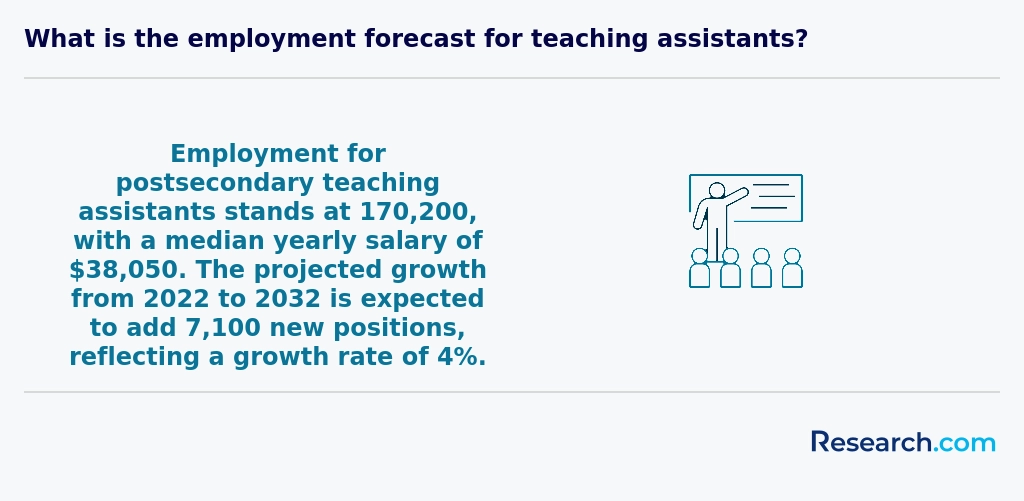
Graduates with an online elementary education degree in Missouri commonly pursue careers as certified elementary school teachers, a role that requires passing state certification exams and completing an approved preparation program. Those who studied at respected institutions like the University of Missouri have reported rewarding experiences transitioning directly into classrooms serving K-6 students, reflecting the sustained 3% growth in demand projected by the Missouri Department of Elementary and Secondary Education. The degree also opens pathways to specialized positions such as curriculum developers or instructional coordinators, where graduates contribute by designing effective learning programs and can anticipate competitive salaries similar to the statewide average of around $67,000.
Career opportunities with Missouri elementary education degree extend into special education, a field growing rapidly as schools seek educators skilled in diverse learning needs. Graduates from Missouri State University find roles as reading specialists or literacy coaches, often leveraging additional endorsements from their online programs. Beyond traditional schools, some alumni work in nonprofits or community education, and those interested in further education might explore online school psychology programs to expand their impact.
- Elementary school teacher in public or private schools
- Curriculum developer or instructional coordinator
- Special education teacher or reading specialist
- Educational consultant or youth program coordinator
What is the job market for online elementary education degree in Missouri?
The job market for online elementary education degree graduates in Missouri is robust, supported by steady demand for qualified teachers across the state. Public universities like the University of Missouri and Missouri State University offer accredited online programs that meet state certification requirements, enabling graduates to pursue teaching roles in both large urban districts such as Kansas City and St. Louis, as well as in rural communities. Many graduates share positive experiences about the flexibility of online coursework coupled with strong support for certification.
Missouri DESE projects consistent employment opportunities fueled by student population growth and retirements of current educators, especially in high-need areas. Salary averages around $58,000 annually, with additional incentives in underserved districts enhancing overall compensation. Those seeking to transition careers might find helpful guidance moving from teacher to SLP through specialized resources, making career adjustment feasible as well.
Overall, online elementary education jobs Missouri remain promising, balancing affordable in-state tuition with a welcoming employment outlook. Graduates benefit from practical training, state certification, and opportunities tailored to meet regional educational needs, making this path both sustainable and rewarding for new educators.
Frequently Asked Questions About elementary education
Students pursuing an online elementary education degree in Missouri can enhance their learning by actively engaging with course materials and participating in virtual discussions. Missouri's Department of Elementary and Secondary Education emphasizes the importance of practical experience, so seeking local classroom-based internships or student-teaching opportunities is crucial. Many programs require these hands-on experiences to meet certification standards.
Utilizing Missouri-specific education resources, such as state curriculum guidelines and assessment tools, helps students align their training with local classroom needs. According to the National Center for Education Statistics, Missouri awarded over 1,400 elementary teaching licenses in recent years, highlighting a steady demand that online students should prepare for by staying informed on state requirements.
Finally, connecting with peers and mentors through online platforms and Missouri teacher networks can provide ongoing support and professional growth during studies.
Emerging niches in the elementary education field reflect growing demands for specialized skills within the classroom. In Missouri, there is a noticeable increase in the need for teachers trained in special education, particularly for students with autism spectrum disorders and learning disabilities, as reported by the Missouri Department of Elementary and Secondary Education.
Another growing area involves integrating technology in early grades, with educators focusing on digital literacy to prepare students for a tech-driven world. Bilingual education is also expanding, driven by Missouri's growing diverse population, requiring teachers skilled in English as a Second Language (ESL) strategies.
Environmental education is gaining attention as schools respond to climate change awareness, with programs encouraging sustainability themes in the curriculum.
After completing an online elementary education degree in Missouri, preparing for the job market involves several key steps. First, ensure you have obtained your Missouri teaching certification, which is required to teach in public schools. This process includes passing the Missouri General Education Assessment (MoGEA) and the Missouri Content Assessment relevant to elementary education.
Network with local school districts and attend job fairs to connect with potential employers. Join organizations such as the Missouri National Education Association for professional development and support.
Additionally, gaining classroom experience through student teaching or substitute positions can greatly improve your chances of employment. According to the Missouri Department of Elementary and Secondary Education, districts prioritize candidates with practical experience and certification.
Employers in Missouri highly value elementary education degree graduates who demonstrate strong classroom management skills. This ensures a positive and productive learning environment for young students. Communication abilities are also crucial, as teachers must effectively convey information to students, parents, and colleagues.
Additionally, Missouri schools seek graduates with proficiency in lesson planning aligned with state standards, such as the Missouri Learning Standards. Adaptability and cultural competence are important due to the diverse student populations in Missouri classrooms, supporting inclusive education.
According to the Missouri Department of Elementary and Secondary Education, data shows that graduates skilled in integrating technology into teaching receive greater hiring preference. Critical thinking and problem-solving skills are valued for addressing varied student needs efficiently.
Finding internships in Missouri relevant to an online elementary education degree involves several practical steps. Start by exploring partnerships between your university and local school districts, as many programs collaborate with districts for student teaching opportunities. The Missouri Department of Elementary and Secondary Education (DESE) provides resources and lists approved teacher preparation programs and affiliated internship options.
Networking through professional groups such as the Missouri National Education Association can also connect you with schools offering internships. Public school districts in areas like St. Louis and Kansas City frequently seek interns to support their elementary classrooms. Additionally, check if your program offers field experience coordination, which helps place students in appropriate Missouri elementary schools.
Federal statistics show Missouri employs over 40,000 elementary teachers, indicating a demand for trained interns in diverse settings. Early communication with internship coordinators and school administrators enhances your chances of securing internships relevant to your degree goals.
An online elementary education degree in Missouri can significantly enhance career mobility and advancement opportunities. Missouri's Department of Elementary and Secondary Education requires candidates to hold state-approved educator preparation programs for teaching licensure. Completing an accredited online program can fulfill these requirements, allowing graduates to apply for elementary teaching positions statewide.
Missouri's teacher demand is projected to grow steadily, with the Department reporting a 5% increase in elementary education job openings by 2030. Holding a degree can increase eligibility for higher-paying roles such as lead teacher or instructional coordinator. Additionally, many districts offer salary increments based on degree attainment, benefiting those with bachelor's or master's degrees.
Online degrees provide flexibility for current educators seeking career advancement without pausing employment, facilitating smoother transitions into administrative or specialized educational roles. For precise licensure and salary scales, the Missouri DESE website is a primary resource for applicants.
Studying for an online elementary education degree in Missouri equips students with skills to work across multiple disciplines. Programs often integrate coursework in literacy, math, science, and social studies, fostering a broad understanding of core content areas. This interdisciplinary focus prepares educators to design lessons that connect subjects, supporting diverse learning needs.
Missouri's education standards, aligned with national frameworks, emphasize collaboration and critical thinking. According to the Missouri Department of Elementary and Secondary Education, teacher candidates are trained in both content knowledge and instructional strategies, enabling them to handle varied classroom roles effectively.
Additionally, many programs include practica or field experiences, promoting practical skills in differing academic settings.
When choosing between a thesis and a non-thesis elementary education degree program in Missouri, consider your career goals and learning preferences. A thesis option typically requires conducting original research and writing a substantial paper, which suits those interested in advanced study or positions in education leadership and curriculum development.
Conversely, a non-thesis track usually focuses more on practical coursework and classroom skills, preparing graduates directly for teaching roles. Missouri's Department of Elementary and Secondary Education reports that teacher licensure programs emphasize hands-on experience, making non-thesis paths popular among those seeking immediate entry into K-6 classrooms.
Cost and program length may also differ; thesis programs can take longer and sometimes cost more due to research expenses. Review specific Missouri university program details and consult academic advisors for guidance aligned with your professional ambitions.
Missouri students seeking to study elementary education abroad have limited direct online options approved by U.S. accreditation bodies. Most Missouri-based online programs focus on local or regional institutions, complying with Missouri Department of Elementary and Secondary Education (DESE) certification requirements.
While some U.S. universities offer study-abroad opportunities as part of their education degrees, full online elementary education degrees from foreign universities rarely align with Missouri licensure standards. Students must ensure any international credits or coursework are transferable and recognized by Missouri DESE.
According to the Missouri DESE, candidates completing elementary education degrees must pass specific state exams for certification. Therefore, pursuing foreign online degrees without alignment to these standards may prolong licensure.
Overall, Missouri students interested in global perspectives often supplement local degrees with international teaching experiences rather than fully online foreign programs.
Students pursuing an online elementary education degree in Missouri can benefit from part-time jobs that align with their career path. Tutoring is a popular option; Missouri's growing emphasis on early literacy creates steady demand for tutors in subjects like reading and math. According to the Missouri Department of Elementary and Secondary Education (DESE), proficiency in foundational skills is a priority, making tutoring roles highly relevant.
Other opportunities include teacher's assistants and daycare workers, where students gain practical classroom and child-care experience. Additionally, after-school program coordinators help reinforce educational concepts while developing leadership skills.
These roles not only provide income but also deepen pedagogical knowledge and classroom management abilities, strengthening future teaching credentials in Missouri's competitive job market.
Online elementary education students in Missouri have access to various networking opportunities designed to support their professional growth. Many Missouri universities offer virtual student organizations and education-focused groups that allow online learners to connect with peers and faculty. These groups often hold webinars, discussion forums, and virtual meetups to foster collaboration.
Additionally, Missouri's Department of Elementary and Secondary Education (DESE) provides resources and events for aspiring teachers, including job fairs and professional development workshops. Local education conferences, such as the Missouri State Teachers Association annual conference, welcome online students and promote networking across the state.
Schools also encourage involvement in partnerships with Missouri public schools for field experiences, helping students build connections within local education communities. According to the National Center for Education Statistics (NCES), these practical experiences play a crucial role in expanding professional networks and career opportunities.
Alumni networks provide valuable support to online elementary education degree students in Missouri by connecting them with experienced educators and recent graduates. These networks often facilitate mentorship opportunities, which can be crucial for classroom readiness and professional growth. Research from the Missouri Department of Elementary and Secondary Education highlights that 73% of early-career teachers find their first job through networking and professional contacts.
Moreover, alumni associations offer resources such as job boards, workshops, and continuing education information, helping teachers stay current with Missouri's educational standards. This peer support system strengthens confidence and helps online students navigate challenges specific to Missouri's public school system.
Customizing an online elementary education degree program in Missouri typically involves selecting elective courses and specializations that align with your career goals. Many Missouri institutions allow students to focus on areas like special education, literacy development, or STEM teaching methods.
Additionally, Missouri requires teacher candidates to complete state-approved certification requirements, so tailoring your coursework to meet these standards is crucial. Schools often offer flexible practicum placements in local districts, letting you gain experience in environments matching your interests.
According to the Missouri Department of Elementary and Secondary Education, focusing on high-demand subject areas can improve job prospects post-graduation. Always consult academic advisors to ensure your chosen path satisfies both degree and licensure criteria.
Online elementary education students in Missouri often face challenges related to balancing coursework with personal and professional responsibilities. Many learners are working adults, which makes time management crucial. According to the Missouri Department of Elementary and Secondary Education, candidates must also complete in-person student teaching hours, which can be difficult to coordinate alongside an online schedule.
Technical issues and the need for reliable internet access represent common hurdles, especially in rural parts of Missouri where connectivity remains inconsistent. Additionally, some students find limited face-to-face interaction with instructors and peers impacts their learning experience and networking opportunities.
Understanding Missouri's certification requirements is essential, as missing in-state licensure criteria can delay graduation. Navigating standardized testing, such as MOCA exams, also presents a challenge for many online program enrollees.
With an online elementary education degree in Missouri, graduates can pursue several professional certifications to advance their teaching careers. The primary credential is the Missouri Initial Teacher Certificate for elementary education, which qualifies you to teach grades K-6 in public schools. This certification requires passing the Missouri General Education Assessment and the Missouri Content Assessment in Elementary Education.
Beyond initial certification, educators can earn the Missouri Professional Certificate after completing additional teaching experience and professional development. Specialized endorsements such as Early Childhood Education or Reading Specialist are also available to enhance your qualifications.
According to the Missouri Department of Elementary and Secondary Education, these certifications improve job opportunities and salary prospects in the state's public school system.
Writing a winning application for an online elementary education program in Missouri requires careful attention to detail and clear communication of your passion for teaching. Start by highlighting your academic background, especially any experience working with children or in educational settings. Missouri values candidates who demonstrate commitment to serving diverse student populations, as reflected in state educational goals from the Missouri Department of Elementary and Secondary Education.
Include specific reasons for choosing elementary education, showing an understanding of the developmental needs of young learners. Many programs require applicants to provide letters of recommendation, so select individuals familiar with your dedication and skills. Also, prepare a thoughtful personal statement that connects your goals with the program's curriculum and Missouri's teaching requirements.
Be sure to check deadlines and required documents carefully, and consider obtaining relevant Missouri teaching certification information from official sources to strengthen your application. According to the National Center for Education Statistics, Missouri had approximately 45,000 elementary teachers in 2022, reflecting a steady demand for qualified educators.
Elementary education is a vital profession recognized worldwide for its role in shaping young learners. In the United States, including Missouri, demand for qualified elementary educators remains steady, with the Bureau of Labor Statistics projecting a 5% growth in elementary teaching jobs through 2031. Globally, similar trends underscore the importance of trained teachers in fostering literacy and numeracy skills early on.
Missouri's online elementary education degrees provide flexible pathways to enter this career, aligning with broader international standards for teacher preparation. Research from the Missouri Department of Elementary and Secondary Education highlights ongoing efforts to enhance teacher quality to meet diverse classroom needs.
Worldwide, elementary educators are increasingly expected to incorporate technology and cultural awareness into their teaching, reflecting growing globalization. This prepares students for a more interconnected future and shows the evolving role of elementary teachers beyond traditional methods.
Students pursuing an online elementary education degree in Missouri can gain practical experience through supervised fieldwork and student teaching placements. Missouri's Department of Elementary and Secondary Education (DESE) requires candidates to complete a minimum number of practicum hours, often around 100, to develop classroom skills.
Many online programs collaborate with local schools to arrange in-person internships or observation hours near a student's residence. This hands-on experience helps in applying teaching theories and meeting state licensure requirements.
Additionally, Missouri offers alternative certification routes that include guided teaching experiences alongside coursework, facilitating real-world learning while studying online.
Choosing the right concentration within an online elementary education degree program in Missouri depends on your career goals and interests. Many programs offer focuses such as early childhood education, special education, or literacy development.
Consider Missouri's demand for teachers: the Missouri Department of Elementary and Secondary Education highlights a strong need for educators skilled in special education and STEM subjects for young learners. Selecting a concentration aligned with these high-demand areas can improve job prospects.
Review state licensure requirements carefully. Missouri requires prospective teachers to complete approved coursework and pass certification exams, which vary by concentration. Ensure the program supports preparation for necessary state exams and endorsements.
Evaluate available online programs' curriculum, faculty expertise, and student support services. Accreditation by the Council for the Accreditation of Educator Preparation (CAEP) is an important quality indicator for Missouri programs.
Related Elementary Education Rankings for Nearby States
- 2027 Most Affordable Online Elementary Education Degree Programs Ranking in Kansas
- 2027 Most Affordable Online Elementary Education Degree Programs Ranking in Kentucky
- 2027 Most Affordable Online Elementary Education Degree Programs Ranking in Alabama
- 2027 Most Affordable Online Elementary Education Degree Programs Ranking in Georgia
- 2027 Most Affordable Online Elementary Education Degree Programs Ranking in Florida
Top Trending Elementary Education Rankings
References
- The Versatility of an Elementary Education Degree https://www.graduateprogram.org/blog/the-versatility-of-an-elementary-education-degree/
- Elementary Education Degree Program https://centralmethodist.edu/academics/undergraduate/elementary-education/index.html
- Why Teacher Networking is So Important https://heartandart.ca/why-teacher-networking-is-so-important/
- What Can I Do With a Teaching Degree (Besides Teach)? https://www.alleducationschools.com/blog/what-can-i-do-with-a-teaching-degree-besides-teach/
- Elementary Education Degree | B.S.Ed. | Missouri Southern https://www.mssu.edu/academics/education/teacher/degree-elementary-education.php
- Education majors play a role in keeping local elementary ... https://www.nwmissourinews.com/features/article_128d39e8-0c1d-11eb-af86-d31b952583b8.html
- Elementary Education Teaching Degree https://www.ucmo.edu/academics/programs/majors/elementary-education-grades-1-6-bse-41-285/index.php
- Events & Opportunities - Network Teachers & Alumni https://connect.teachforall.org/events-opportunities
- How to Become a Teacher in Missouri, Quickly https://www.americanboard.org/blog/how-to-become-a-teacher-in-missouri-quickly/
- Online networking opportunities for teacher educators https://www.teachingenglish.org.uk/professional-development/teacher-educators/taking-responsibility/online-networking-opportunities


