
2027 Most Affordable Online Master's in Elementary Education Degree Programs Ranking in Missouri

Co-Founder and Chief Data Scientist
Are you a Missouri resident considering a master's degree in elementary education? Finding an affordable and reputable program can feel overwhelming. This article introduces the 2027 Most Affordable Online Master's in Elementary Education Degree Programs Ranking in Missouri, created by the Research.com team of data scientists. It helps you easily compare options based on trusted data.
Choosing the right program opens doors to a fulfilling career shaping young minds. Reading this ranking will guide you toward making an informed, confident decision for your future in education.
Key benefits of getting online elementary education degree in Missouri
- Elementary education graduates in Missouri can expect competitive salaries, with a typical annual wage around $60,000 in related teaching roles across the US, offering financial stability and growth potential.
- Graduates from popular Missouri colleges often pursue careers as elementary teachers, curriculum developers, or education coordinators, giving diverse opportunities to impact young learners positively.
- Online degrees provide flexibility for working adults, allowing students from Missouri to balance family and work while earning their degree, just like many online graduates from established Missouri universities attest.
What can I expect from online elementary education degree in Missouri?
Imagine balancing work, family, and studies while diving into an online elementary education degree from a Missouri university like the University of Missouri or Missouri State University. Graduates often share how the journey was financially manageable thanks to the average program cost hovering around $25,000 to $35,000 total. This range feels like an investment in their vibrant future classrooms where imagination and learning collide.
One vivid account recalls mornings spent sipping coffee during asynchronous lessons, ticking off state-specific coursework, and afternoons dedicated to virtual discussions on Missouri's teaching standards. Scholarships like Missouri's Teacher Quality Scholarships often soften the financial load, turning stressful moments into triumphs.
Tuition reimbursement partnerships with local school districts sometimes feel like a friendly hand guiding students through the financial maze, ensuring that passionate educators can step into Missouri's K-6 classrooms without the weight of overwhelming debt.
Where can I work with online elementary education degree in Missouri?
Graduates wielding an online elementary education degree from Missouri's top programs-like those offered by the University of Missouri or Missouri State University-find themselves stepping into a vibrant world of opportunity. Imagine walking the hallways of a bustling public elementary school in Kansas City, where your passion for teaching math and reading ignites young minds daily. Public schools across the state's 1,300 districts eagerly welcome certified educators ready to inspire in classrooms from St. Louis to Springfield.
Some graduates embrace the flexibility of charter schools, where innovative teaching approaches are celebrated and your online learning adaptability shines. Others pursue roles in private schools, crafting personalized learning experiences that shape confident learners.
Special education is another rewarding path, where trained graduates support children with diverse needs, turning challenges into triumphs. Beyond the classroom, careers in curriculum design or educational technology beckon, fueled by Missouri's push for digital literacy in early education.
With a CAEP-accredited degree and DESE certification in hand, graduates feel the thrill of a $60,000 average salary and the steady call of a meaningful career that changes lives every day.
How much can I make with online elementary education degree in Missouri?
Graduates from online elementary education programs at Missouri favorites like the University of Missouri and Missouri State University often start their careers with salaries in the $38,000 to $43,000 range. Imagine stepping into your first classroom in St. Louis or Springfield, carrying that freshly earned degree, ready to inspire young minds-and earning a paycheck that reflects your new role.
As time flows, so do paychecks. After a few years of building lesson plans and classroom magic, salaries typically climb to between $50,000 and $60,000. Those who pursued master's degrees or additional endorsements find their efforts rewarded by districts boosting their income by $2,000 to $6,000 or more. Veterans in urban districts might see even higher numbers, thanks to generous school budgets that recognize dedication and expertise.
While Missouri salaries shy below the national average of about $60,000, the lower living costs here paint a different picture: your dollar stretches further in cozy neighborhoods from Columbia to Cape Girardeau. Beyond money, graduates cherish the stability and benefits like health plans and pensions that come with Missouri's public schools, turning teaching into more than a job - it's a cherished career path full of growth and meaningful impact.
- Key benefits of getting online elementary education degree in Missouri
- What can I expect from online elementary education degree in Missouri?
- Where can I work with online elementary education degree in Missouri?
- How much can I make with online elementary education degree in Missouri?
- How do we rank schools?
- 2027 Most Affordable Online Master's in Elementary Education Degree Programs Ranking in Missouri
- What online elementary education degree graduates have to say
- Key Findings
- How long does it take to complete online elementary education degree in Missouri?
- What's the difference between online and on-campus elementary education degree?
- What is the average cost of online elementary education degree in Missouri?
- What financial aid is available to online elementary education degree students in Missouri?
- What are the prerequisites for enrolling in online elementary education degree program in Missouri?
- What courses are typically in online elementary education degree programs in Missouri?
- What types of specializations are available in online elementary education degree programs in Missouri?
- How do you choose the best online elementary education degree in Missouri?
- What career paths are available for online elementary education degree students in Missouri?
- What is the job market for online elementary education degree in Missouri?
- Frequently Asked Questions About elementary education
- Top Trending Elementary Education Rankings
How do we rank schools?
Investing in your education is a significant decision that can shape your future, and the Research.com team understands the importance of making informed choices. To assist prospective students in Missouri, we have meticulously crafted the "2027 Most Affordable Online Master's in Elementary Education Degree Programs Ranking in Missouri." Our commitment to quality, credibility, and accuracy is reflected in the extensive research and analysis conducted to compile this ranking.
We utilized the following reputable data sources to ensure a comprehensive evaluation of elementary education programs:
By exploring this ranking, readers will gain valuable insights into the most affordable and credible online master's degree options in elementary education available in Missouri, empowering them to make well-informed educational decisions. For more details on our methodology, please visit our Research.com methodology page.
2027 Most Affordable Online Master's in Elementary Education Degree Programs Ranking in Missouri
# 1 position

Southeast Missouri State University offers an 18-month master's program focused on Elementary Education. The program has a graduation rate of 58% and is less selective with a 74% acceptance rate. Approximately 1,300 students enroll online. The average total cost is $10,341. A high 96% of students receive financial aid, making support widely accessible for candidates pursuing this degree.
# 2 position

Missouri State University offers a Master's program focused on Elementary Education and Education with an open admission policy, accepting 91% of applicants. The program has a graduation rate of 58%, reflecting moderate completion success. Approximately 95% of students receive financial aid, indicating high support levels. There are 12,351 online students enrolled, and the average total cost for the program is $24,948.
# 3 position
Missouri State University-West Plains
Master
Missouri State University-West Plains offers a Master's degree focused on Elementary Education. The program has a graduation rate of 41%, indicating the proportion of students successfully completing their studies. A significant 94% of students receive financial aid, reflecting a high level of assistance available. Other details such as program length, cost, acceptance rate, and online enrollment are not available.
What online elementary education degree graduates have to say
- Jessica: Earning my online elementary education degree from the University of Missouri made balancing family life and studies achievable. The interactive platform and supportive professors truly helped me grow as an educator. I felt prepared and confident stepping into my classroom with practical knowledge and flexible learning options.
- Marcus: The online program at Missouri State University offered an engaging curriculum paired with real-world applications. I appreciated how coursework was tailored to develop critical teaching skills while accommodating my work schedule. This experience impressed me with its quality and convenience, making my dream of becoming a teacher a reality.
- Lily: Completing my elementary education degree online through Washington University was a transformative journey. The small virtual class sizes allowed personalized feedback and connection, which encouraged deeper learning. This program combined rigorous academics with flexibility, ensuring I had the confidence and expertise to inspire young minds.
Key Findings
- Online elementary education degrees in Missouri are available at the Bachelor's and Master's levels through accredited programs.
- The average total cost for a bachelor's degree ranges from $20,000 to $35,000, with public universities offering lower tuition for in-state students.
- Starting salaries for graduates typically range from $39,000 to $43,000 per year, increasing to $50,000-$60,000 for mid-career teachers.
- Missouri requires completion of certified educator preparation programs and passing state content and pedagogy exams for teacher licensure.
- Student teaching placements and certification exam fees are additional expenses, with programs partnering with local schools for hands-on experience.
How long does it take to complete online elementary education degree in Missouri?
Imagine juggling lesson plans while sipping coffee at dawn, all from the comfort of your Missouri home. Graduates from the University of Missouri often recount finishing their Bachelor of Science in Elementary Education in about four years, navigating full-time online coursework blended with local student teaching. Meanwhile, those at Missouri State University sometimes shave off months by tapping into transfer credits or enrolling in accelerated pathways, transforming what feels like a marathon into a confident sprint.
For some, prior AP credits or an associate degree act like secret passes, unlocking a faster route through the curriculum. Graduate students seeking a master's find solace in programs designed for busy lives, stretching between one and two years with flexible semesters that fit around work and family. The rhythm of Missouri's online programs embraces real-world schedules, turning the abstract concept of "time to degree" into a personalized journey filled with attainable milestones.
What's the difference between online and on-campus elementary education degree?
Imagine juggling work calls while logging into your online elementary education class at the University of Missouri-St. Louis, where asynchronous lectures let you pause and rewind until concepts click. Contrast this with the hands-on buzz of Missouri State University's campus, where face-to-face chats with professors spark spontaneous ideas between classes. Both paths lead you through Missouri's strict DESE-approved curriculum, but the vibe couldn't be more different.
Graduate stories echo the freedom of online learning-one recalls catching up on coursework after bedtime, a lifesaver for those balancing family life in rural areas. Meanwhile, on-campus grads often cherish the vibe of campus libraries and peer study groups, priceless for soaking in ideas during breaks.
Yet, every Missouri elementary education student, online or in-person, shares the rite of passage: immersive, in-school teaching practicum. This supervised fieldwork roots theory into real classrooms, a bridge both cohorts cross before stepping fully into their teaching shoes.
What is the average cost of online elementary education degree in Missouri?
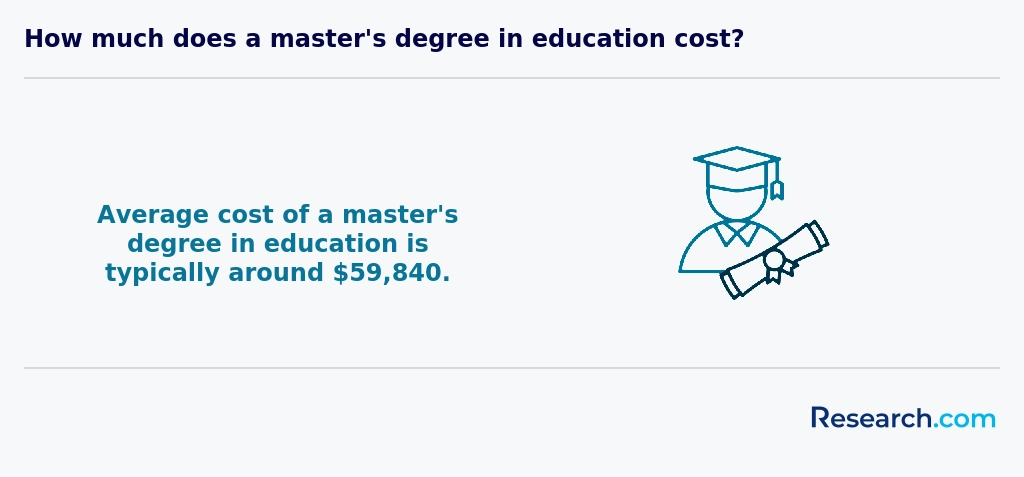
The journey to earning an online elementary education degree in Missouri has a price that, for many, feels like an investment in a brighter future. The median total cost for these programs in Missouri hovers around $17,634, with in-state students often paying closer to $11,424. Imagine graduates from universities like the University of Missouri or Missouri State University reflecting fondly on their experience-balancing coursework, family, and work-all while knowing their tuition was a manageable step toward becoming inspiring educators.
For those seeking affordable online elementary education programs Missouri offers, these numbers paint a hopeful picture. Rather than an overwhelming financial burden, many see tuition as a gateway to opportunity. Additional fees for technology or certification are there, but they're like small pebbles on a rewarding path. The flexible nature of online study means students can tailor their education schedules without sacrificing other parts of life, which adds value beyond dollars and cents.
Graduates often describe the sense of accomplishment coupled with relief when they finish: the blend of hard work rewarded and the comfort of knowing they invested wisely. Plus, financial aid, scholarships, and reimbursement programs frequently soften the cost curve. If you're curious about diversifying your educational toolkit, exploring options like an instructional design masters online could complement your journey as an elementary educator, allowing you to reach new career heights.
What financial aid is available to online elementary education degree students in Missouri?
Imagine starting your journey toward becoming a beloved Missouri elementary teacher without drowning in debt. Graduates from places like the University of Missouri or Missouri State University recall how the Federal Pell Grant-offering up to $7,395-felt like a financial safety net during their freshman year, especially when juggling work and studies online.
Missouri adds its own sprinkle of magic via the Access Missouri Financial Assistance, a local lifeline for residents enrolled in state schools that makes in-state online learning suddenly more affordable. One graduate shared how this grant transformed a near-impossible tuition bill into a manageable investment in their future classroom.
The Missouri Teacher Education Scholarship Program rewards dedication: graduates committed to teaching in Missouri schools find not only financial support but a tangible boost to their career path. And if you dream of serving in underserved communities, federal Teacher Loan Forgiveness wipes out up to $17,500 in loans, turning long-term service into a sweet victory.
Finally, programs from MOHELA and university scholarships turn education funding into a personalized mosaic that often feels like a well-planned gift tailored to your teaching ambitions. This mosaic keeps hopes alive for many, lighting the path through online degree programs with financial fuel.
What are the prerequisites for enrolling in online elementary education degree program in Missouri?
To step into the world of online elementary education in Missouri, you first need to hold a high school diploma or GED-the trusty key that unlocks your journey at schools like the University of Missouri or Missouri State University. Picture a graduate recalling late-night study sessions, armed with a solid GPA around 2.5 to 3.0, which many master's programs quietly expect to see on their doorstep before welcoming you in.
The Missouri General Education Assessment (MoGEA) often stands as a rite of passage, a straightforward challenge that tests your reading, writing, and math skills before you dive deeper into training future minds. Trusted graduates describe this as a confidence booster, turning nerves into a sense of readiness.
Additional checkpoints appear like badges of responsibility: background checks to show your dedication to child safety, up-to-date immunizations for peace of mind, and a reliable internet connection ensuring your virtual classroom is always open. These prerequisites blend practical hoops and hopeful anticipation, setting a foundation as steady as the classrooms you'll one day inspire.
What courses are typically in online elementary education degree programs in Missouri?
Imagine diving into courses like Educational Psychology, where graduates from Missouri universities uncover the mysteries of how curious young minds tick and bloom. They don't just study theory-they picture themselves in vibrant classrooms, tailoring lessons to spark those "aha!" moments every child deserves. Instructional Strategies for Elementary Education become their creative toolkit, guiding them to craft lessons that captivate diverse learners in the Show-Me State's dynamic schools.
Courses such as Curriculum Development and Assessment empower these future teachers to weave learning experiences as engaging as a well-told story, right from popular programs at Missouri colleges. Classroom Management classes teach them to build positive, lively environments where kiddos thrive and challenges dissolve, a skill praised by many grads.
From Foundations of Literacy to Math and Science Methods, courses are designed with real Missouri classrooms in mind, backed by on-the-ground practicum experiences. Special Education Basics prepare them to embrace every student's uniqueness, making these online degrees a heartfelt, hands-on journey toward becoming Missouri's next beloved educators.
What types of specializations are available in online elementary education degree programs in Missouri?
Imagine diving into an online elementary education degree in Missouri and unlocking specializations that feel crafted just for you. Graduates from popular Missouri colleges share how focusing on Early Childhood Education transformed their ability to engage kids from pre-K to third grade with lively, age-perfect lessons. Meanwhile, those drawn to Special Education find themselves ready to champion diverse learners, mastering strategies that light up classrooms with inclusion and support. Missouri online elementary education concentration options also include Reading and Literacy, a heartfelt favorite for many, given the state's passion for boosting reading skills early-graduates often speak of the joy in witnessing their students' "aha" moments. STEM Education adds a dash of innovation, preparing teachers to weave science and math magic into young minds, perfectly syncing with Missouri's educational goals. Some even soar into Educational Leadership tracks, steering their schools toward brighter futures. Missouri's vibrant programs combine theory with fieldwork, making education not just a degree but a living practice. For those budgeting their path, it's worth exploring the cheapest EdD programs online as well.
How do you choose the best online elementary education degree in Missouri?
Choosing the best online elementary education degree in Missouri is like assembling a toolkit for your future classroom-each piece must fit perfectly. Graduates from well-known Missouri institutions often praise programs that blend rigorous Missouri DESE-aligned curricula with the freedom of asynchronous classes, allowing them to juggle study and life seamlessly. Imagine studying methods for literacy and math while sipping coffee at dawn, then moving to live virtual classrooms guided by faculty who truly understand Missouri's unique educational landscape. That sense of connection turns abstract theory into empowering practice.
Affordability plays its own starring role in this story. Many find that affordable Missouri online teaching degrees emerge from public universities offering competitive tuition and scholarships, easing financial stress. Such graduates often spotlight programs that go beyond price-those rich in state licensure support and tech-savvy platforms making remote learning a breeze. For those inspired to dig deeper, exploring a doctorate degree online no dissertation can also be a game-changer in their professional journey.

What career paths are available for online elementary education degree students in Missouri?
In Missouri, graduates from online elementary education programs often find themselves stepping into vibrant classrooms as certified elementary school teachers, enjoying the rewarding daily rhythm of shaping young minds. Many reflect on their time at well-regarded institutions like the University of Central Missouri, where hands-on virtual practicums prepared them for real-world challenges. These online elementary education teaching jobs Missouri graduates secure aren't just about teaching; some dive into curriculum specialist or instructional coordinator roles, crafting innovative lesson plans that transform how students engage with content.
Others leap into the emerging field of educational technology, blending pedagogy with digital wizardry to enhance hybrid classrooms. Imagine graduates from Missouri State University collaborating with schools to seamlessly incorporate new tech tools that spark excitement and boost learning. Some choose a path toward school administration or counseling, fueled by their passion to influence policies and nurture whole-child development-often supported by further credentials or by exploring NASP accredited school psychology programs.
What is the job market for online elementary education degree in Missouri?
The job prospects for online elementary education degree Missouri graduates paint an encouraging landscape where steady demand meets meaningful opportunity. Graduates from well-known institutions in Missouri often share stories of landing roles in bustling urban districts or welcoming rural schools eager for fresh, passionate teachers. Such stories resonate deeply, reflecting the statewide growth fueled by retirements and a renewed focus on early childhood education.
Amid this, career opportunities are amplified by Missouri's support systems-loan forgiveness for educators in underserved regions and induction programs that transform novices into confident classroom leaders. Those navigating this path discover that the state's comprehensive teaching certification process recognizes online degrees from accredited Missouri universities, making the transition from learner to educator seamless.
Many graduates from schools such as the University of Missouri or Missouri State University find themselves engrossed in classrooms where their online-based training sparks curiosity and nurtures young minds, embodying the true spirit behind online elementary education career opportunities Missouri holds.
Affordability adds sweetness to the journey, with tuition rates in Missouri generally below the national average. For ambitious students seeking advanced specialization, resources like the online masters history pathways can complement their foundational degrees, enriching their professional trajectory.
Frequently Asked Questions About elementary education
Students pursuing online elementary education degrees in Missouri can enhance their learning experience by actively engaging with their coursework and instructors. Research from the Missouri Department of Elementary and Secondary Education indicates that students who participate in virtual discussions and seek timely feedback tend to perform better. Time management is crucial; dedicating consistent study hours fosters deeper understanding of teaching methods and curriculum development.
Utilizing Missouri-specific educational resources, such as state standards and local school district policies, helps students align theory with practice. Networking through online forums and joining professional organizations like the Missouri National Education Association can provide valuable peer support and career guidance.
Additionally, Missouri students should take advantage of field experience opportunities required for licensure, as hands-on practice in local elementary schools improves classroom readiness and complies with state certification requirements.
Emerging niches within the elementary education field reflect growing demand for specialized skills. One key area is STEM (Science, Technology, Engineering, and Mathematics) education, where Missouri schools increasingly seek teachers capable of integrating technology and hands-on science learning. According to the Missouri Department of Elementary and Secondary Education, proficiency in STEM subjects is a priority for many districts.
Another niche involves working with diverse student populations, including English Language Learners (ELL). Missouri's ELL enrollment has steadily increased, creating demand for educators skilled in culturally responsive teaching.
Special education integration is also expanding, with more elementary teachers needing training to support students with disabilities in mainstream classrooms.
After completing an online elementary education degree in Missouri, preparing for the job market involves both understanding the state's certification requirements and gaining practical experience. Missouri mandates that candidates pass the Missouri General Education Assessment (MoGEA) and the Missouri Pre-service Teacher Assessment (MoPTA) for licensure, ensuring readiness to teach.
Networking plays a vital role. Joining local education organizations like the Missouri National Education Association can provide connections and job leads. Additionally, securing student teaching placements or substitute teaching roles during or after the degree offers valuable classroom experience, helping build a professional portfolio.
According to the Missouri Department of Elementary and Secondary Education, elementary teachers in Missouri can expect a median annual wage around $62,000 as of 2023, with employment projected to grow modestly, emphasizing the importance of staying current with certification and classroom skills.
Employers in Missouri seek elementary education graduates with strong communication skills, essential for interacting effectively with young students and their families. Mastery of classroom management techniques is equally important, enabling teachers to create structured and supportive learning environments.
Data from the Missouri Department of Elementary and Secondary Education highlights the growing need for proficiency in differentiated instruction, allowing educators to address diverse student needs. Critical thinking and problem-solving abilities also rank highly, as teachers must adapt to varying educational challenges.
Technology integration skills are increasingly valued, reflecting the rise of digital learning tools in Missouri classrooms. According to recent state education reports, adaptability and collaboration are key traits linked to better student outcomes.
Finding internships in Missouri related to an elementary education degree involves several practical steps. Start by exploring partnerships between online programs and local school districts, as many Missouri universities collaborate with area elementary schools to offer field experiences.
The Missouri Department of Elementary and Secondary Education (DESE) provides resources and listings for approved teacher preparation programs, which often include internship components. Contacting DESE or checking Missouri school district websites can reveal available placements.
Networking with local education professionals, attending job fairs hosted by Missouri colleges, and joining Missouri-based education associations can also expand internship opportunities. Internships typically align with Missouri's credential requirements, allowing students to gain practical classroom skills crucial for teacher certification.
An online elementary education degree in Missouri can significantly enhance career mobility and advancement opportunities. According to the Missouri Department of Elementary and Secondary Education, teachers with advanced degrees often qualify for higher pay scales and leadership roles in schools. This degree also meets state certification requirements, enabling graduates to teach across various districts without needing additional credentials.
Missouri's focus on improving education quality means educators with specialized training, such as those obtained through an online program, are more competitive for roles like curriculum coordinators or instructional coaches. Additionally, the flexibility of online degrees allows current teachers to continue working while advancing their qualifications.
The Missouri Economic Research and Information Center reports that employment for elementary teachers is expected to grow moderately, underscoring the value of educational advancement to maintain job security and promotion potential.
Studying for an elementary education degree online in Missouri equips students with versatile skills needed for interdisciplinary roles. Missouri's teacher preparation programs focus not only on core teaching methods but also on integrating content from subjects like literacy, math, science, and social studies. According to the Missouri Department of Elementary and Secondary Education, candidates develop competencies in collaboration, technology use, and differentiated instruction.
These programs emphasize applying knowledge across multiple disciplines, preparing educators to address diverse classroom needs. Graduates often participate in field experiences that encourage working alongside specialists such as counselors and speech therapists, fostering a holistic approach to student development.
When choosing between a thesis and a non-thesis elementary education degree program in Missouri, consider your career goals and learning preferences. A thesis option requires conducting original research and writing a detailed paper, which suits those interested in educational research or pursuing a doctorate later. Non-thesis programs typically focus on practical skills and coursework, ideal for candidates aiming to enter or advance in teaching roles quickly.
The Missouri Department of Elementary and Secondary Education states that both paths meet certification requirements, but thesis tracks may involve more credits and time. Cost and program flexibility are also important factors, especially for online students balancing work and study.
Students based in Missouri who wish to study elementary education abroad have several pathways, but must consider accreditation and licensure requirements. Most Missouri institutions require teacher preparation programs to be regionally accredited to ensure licensing eligibility. Currently, no Missouri public universities offer fully online elementary education degrees specifically through international campuses.
For study abroad options, students may enroll in Missouri-based online elementary education programs that incorporate international components or study abroad experiences, combining global perspectives with Missouri teacher licensure standards. According to the Missouri Department of Elementary and Secondary Education, candidates must complete approved coursework and student teaching in Missouri or an approved setting.
Many Missouri students looking for global exposure often pursue student exchange programs during their undergraduate studies, but for graduate or online degrees, fully foreign programs are less common. The emphasis remains on Missouri-approved programs to meet state-specific certification requirements.
Students pursuing online elementary education degrees in Missouri can boost their skills and resumes with several part-time job opportunities. Working as a teacher's aide or paraprofessional in local schools offers practical experience and is often flexible around class schedules. According to the Missouri Department of Elementary and Secondary Education, about 20% of elementary schools employ paraprofessionals to support classroom activities.
Another option is tutoring younger students either privately or through community centers, helping to reinforce learning concepts. Libraries and after-school programs also frequently seek part-time education assistants. These roles provide valuable exposure to classroom management and curriculum planning.
Finally, positions in early childhood centers or daycare facilities complement elementary education students' understanding of developmental milestones. Such roles help build communication and leadership skills essential for future teaching careers in Missouri's schools.
Online elementary education students in Missouri benefit from various networking opportunities that connect them with peers, educators, and professionals statewide. Many universities offering online degrees facilitate virtual meetups, discussion boards, and group projects, fostering interaction despite physical distance.
The Missouri Department of Elementary and Secondary Education (DESE) supports online candidates through regional events and workshops that encourage networking among future teachers and administrators.
Professional organizations like the Missouri Association of Colleges for Teacher Education and the Missouri National Education Association offer online forums, conferences, and local chapter meetings that help students build valuable contacts.
Such networks are essential for job placement and professional growth in Missouri's education sector.
Alumni networks provide valuable support for students pursuing online elementary education degrees in Missouri. These networks connect current students with graduates who have firsthand experience in the Missouri education system. This connection helps students gain insights into local certification requirements and classroom challenges.
According to the Missouri Department of Elementary and Secondary Education, collaboration and mentorship greatly improve teacher retention rates. Alumni often serve as mentors, offering guidance on job placements and interview preparation within Missouri school districts.
Additionally, alumni networks foster professional development by sharing job openings and continuing education opportunities, which can be crucial given Missouri's evolving standards for elementary educators.
Customizing an online elementary education degree program in Missouri allows students to align their studies with specific career goals. Many Missouri universities offer specialization options such as early childhood education, special education, or literacy development. These options help future teachers gain skills tailored to their interests and local workforce demands. Additionally, students can often select electives focusing on classroom technology or curriculum design.
Field experience or practicum placements in Missouri schools offer practical exposure and networking opportunities. According to the Missouri Department of Elementary and Secondary Education, adapting your program to meet certification requirements also supports smoother career entry. Researching each school's flexibility and Missouri's licensure standards is essential for effective customization.
Online elementary education students in Missouri often face challenges related to balancing coursework with personal and professional responsibilities. Many candidates are working teachers or parents, making time management crucial. According to the Missouri Department of Elementary and Secondary Education, approximately 75% of K-6 teachers work full time, adding pressure to complete online assignments efficiently.
Another common issue is limited hands-on classroom experience. While online degrees include virtual simulations, students may find fewer opportunities for direct observation compared to traditional programs, which can impact skill development.
Access to reliable technology and high-speed internet also affects student success, especially in rural areas where connectivity can be inconsistent. The Midwestern Higher Education Compact reports that nearly 40% of Missouri's rural households lack broadband, potentially hindering participation in live lectures and interactive activities.
Graduates with an online elementary education degree in Missouri can pursue professional certifications essential for teaching careers in the state. The primary certification is the Missouri Initial Elementary Certificate, allowing candidates to teach grades K-6. To obtain this, candidates must complete an approved educator preparation program and pass the Missouri General Education Assessment (MoGEA) as well as the Missouri Content Assessment for Elementary Education.
Beyond initial licensure, educators may pursue advanced certifications such as the Professional Certificate, which requires additional teaching experience and advanced coursework. Specialized endorsements are also available, including reading, special education, or English as a Second Language (ESL), enhancing career opportunities.
According to the Missouri Department of Elementary and Secondary Education, endorsement areas help teachers address diverse student needs and increase employability in the state's public schools.
Writing a strong application for an online elementary education program in Missouri begins with understanding the state's specific teacher certification requirements. Missouri requires candidates to complete a state-approved preparation program and pass the relevant Examinations for Professional Practice in Missouri (EPPM).
Highlight your academic background clearly, especially any previous experience with children or education. Missouri's Department of Elementary and Secondary Education recommends including your GPA and any relevant volunteer work.
Strong letters of recommendation from educators or employers familiar with your skills can enhance your application. Also, craft a focused personal statement explaining your motivation to teach in Missouri's diverse classrooms.
Finally, check each institution's deadlines and document requirements carefully to avoid delays in processing.
Careers in elementary education hold strong global significance, focusing on foundational skills development for young learners. In the United States, including Missouri, elementary teachers play a key role in shaping early academic and social growth. According to the National Center for Education Statistics, demand for elementary education professionals remains steady due to population growth and emphasis on early literacy.
Globally, many countries face teacher shortages, particularly in primary education. This highlights the importance and international recognition of elementary teaching skills. Missouri's education system aligns with U.S. standards emphasizing pedagogical knowledge and cultural competence, preparing educators to meet diverse classroom needs.
Online degree programs in Missouri ensure flexible access to quality education, supporting aspiring teachers who aim to contribute to this vital career on a broad scale.
Gaining practical experience while pursuing an online elementary education degree in Missouri is essential for licensure and career readiness. Most Missouri programs incorporate required field experiences, such as student teaching or classroom observations, designed to be completed in local schools near the student's residence.
The Missouri Department of Elementary and Secondary Education (DESE) mandates a minimum of 600 hours of supervised fieldwork, including a full semester of student teaching. Online students coordinate placements through their university's partnership schools or find approved sites independently.
Additionally, some institutions offer virtual simulations and collaborative projects with practicing teachers to enhance practical skills. Engaging in local volunteer opportunities in schools can further build experience.
Choosing the right concentration within an online elementary education degree in Missouri involves assessing your career goals and student needs. Popular concentrations include special education, literacy, and early childhood development. Missouri's Department of Elementary and Secondary Education emphasizes special education due to increasing demand-approximately 15% of Missouri's public school students receive special education services.
Look for programs aligned with Missouri certification requirements to ensure your concentration supports licensure. Consider how the coursework matches your interests: literacy concentrations may suit those aiming to improve reading skills, while early childhood focuses on younger learners.
Research program flexibility, internship opportunities, and access to Missouri schools for practicum placements. Missouri's education data and school district reports provide insights into local needs for specific expertise.
Top Trending Elementary Education Rankings
References
- Teacher of Global Perspectives (IGCSE) https://www.scie.com.cn/jobs-global-perspectives/
- International teaching and education jobs https://www.tes.com/jobs/search/international
- Adult Degree Completion Program--Online Elementary Education https://www.mssu.edu/academics/education/teacher/degree-completion-program-elem-ed.php
- Online networking opportunities for teacher educators https://www.teachingenglish.org.uk/professional-development/teacher-educators/taking-responsibility/online-networking-opportunities
- 20-Time In Education Inspire. Create. Innovate. - K-12 Challenges and Recommendations https://www.20timeineducation.com/20-project/20-time-ideas/grade-level-recommendations
- The Biggest Student Learning Challenges Schools Will Face in 2025–26 https://www.kiddom.co/insights/the-biggest-student-learning-challenges-schools-will-face-in-2025-26
- Education majors play a role in keeping local elementary schools going | Features | nwmissourinews.com https://www.nwmissourinews.com/features/article_128d39e8-0c1d-11eb-af86-d31b952583b8.html
- Elementary Education Degree Program https://centralmethodist.edu/academics/undergraduate/elementary-education/index.html
- Challenges to Primary Education - PAL Network https://palnetwork.org/challenges-to-primary-education/
- Events & Opportunities https://connect.teachforall.org/events-opportunities


